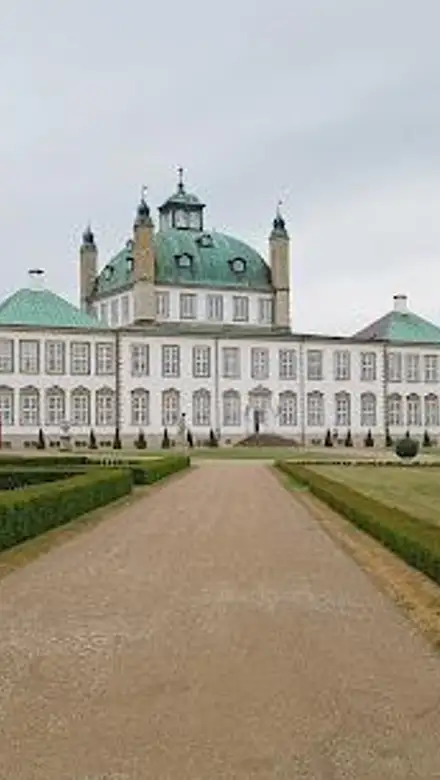
Fredensborg Palace Travel Guide
Free Guide: Denmark's Peace Palace: A Baroque masterpiece on Lake Esrum where royal history, architectural grandeur, and magnificent gardens converge.


A brief summary of Fredensborg Palace
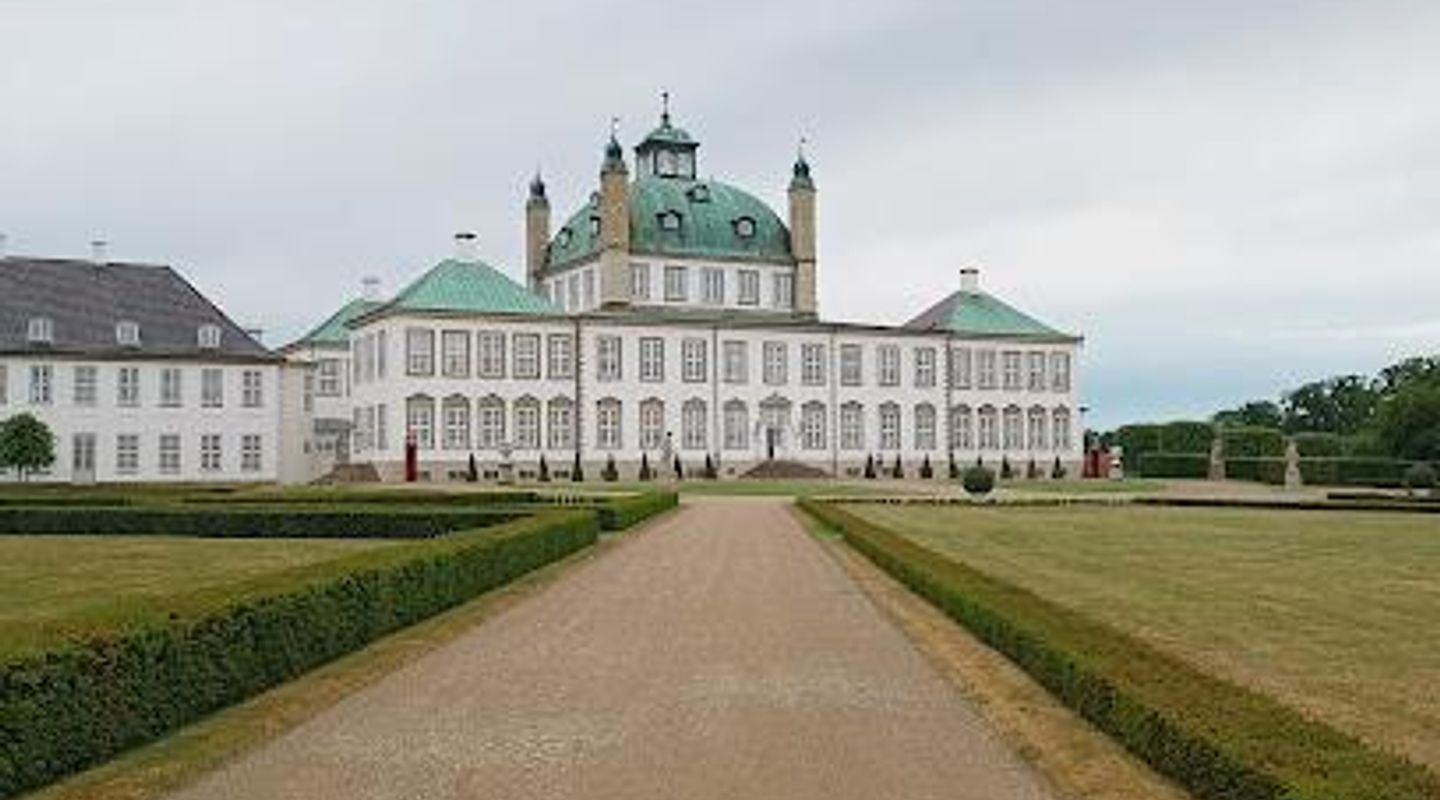
Denmark's Peace Palace: A Baroque masterpiece on Lake Esrum where royal history, architectural grandeur, and magnificent gardens converge.
Fredensborg Palace is a magnificent Baroque royal residence on the shores of Lake Esrum, built in 1722 by King Frederik IV as a symbol of peace following the Great Northern War. Today it serves as the spring and autumn residence of the Danish Royal Family. The palace features exquisite interiors including the iconic Dome Hall and is surrounded by one of Denmark's most impressive Baroque gardens, with seven radiating avenues, sculptures, and the famous Valley of the Norsemen. While the palace interior is normally private, the extensive palace gardens are open year-round, and exclusive guided tours of the royal chambers and private gardens are available during July.
On-site amenities
 Restrooms
 Drink options
 Food options
 Seating areas
 Picnic areas
 Trash bins
 Information boards
 Visitor centre
- Address
- Slottet 1B, 3480 Fredensborg
- Phone
- Website
Getting there
Train from Copenhagen
Car from Copenhagen
Guided tour bus from Copenhagen
Bicycle from Hillerød
Discover more about Fredensborg Palace
A Palace Born from Peace and Royal Vision
Fredensborg Palace stands as a testament to architectural ambition and royal vision, constructed between 1719 and 1722 on the eastern shore of Lake Esrum in North Zealand. King Frederik IV commissioned architect Johan Cornelius Krieger to transform a modest farmyard into a French-inspired Baroque pleasure palace. The palace's name—Fredensborg, meaning "Peace Castle"—commemorates the Treaty of Fredensborg, signed on the site in July 1720, which ended Denmark's eleven-year participation in the Great Northern War and determined the fate of the Skåne region. The king himself took an active part in planning the building and grounds, overseeing construction closely. The palace was officially inaugurated on October 11, 1722, on the occasion of Frederik IV's 51st birthday, marking the completion of the main structure that would define royal life for centuries to come.
Architectural Evolution Across Two Centuries
The original palace comprised a square main building with an octagonal courtyard formed by single-story wings serving as servants' quarters. The chapel, with its exaggerated copper spire and heavily carved gable featuring a bust of Frederik IV, stood at the center of the complex. In 1724–1726, the Courtiers Wing was added, introducing elements of Dutch Baroque and Rococo styles to accommodate court clerks and members of the royal household. The Chancellery House, completed in 1731, served as offices and residences for ministers and government officials attending the sovereign. Major alterations followed under King Christian VI and Frederik V: in 1741–1744, architect Lauritz de Thurah elevated the roof of the main building, replacing the slanted roof with a flat one and adding a characteristic sandstone balustrade. In 1751, he transformed the Orangery into a residential building for ladies-in-waiting. Nicolai Eigtved's 1753 additions of four symmetrically positioned corner pavilions with copper pyramid-shaped roofs completed the palace's distinctive silhouette. These successive renovations created a cohesive example of 18th-century Baroque architecture, with the main structure remaining fundamentally unchanged since its inauguration.
The Palace as a Living Center of Royal Life
Fredensborg Palace has served as more than a residence; it is a stage for the Danish monarchy's most significant moments. The palace hosted the wedding banquets of Queen Margrethe and Prince Henrik in 1967 and Crown Prince Frederik and Crown Princess Mary in 2004. The palace chapel has been the site of royal weddings, christenings, and confirmations since 1761, when Princess Sophia Magdalena was confirmed there. A distinctive tradition allows visiting heads of state to engrave their signatures on the palace windowpanes, creating a unique historical record of international diplomacy. Queen Margrethe II spent nearly half the year in residence—three months in spring and three months in autumn—continuing the tradition of gathering the extended royal family annually. The palace fell into disrepair in the 19th century after Christian VII and Frederik VI preferred Frederiksberg Palace, but it regained prominence under King Christian IX in 1863 and remains one of the Royal Family's most frequently used residences outside Copenhagen.
Denmark's Versailles: The Baroque Garden Masterpiece
The Fredensborg Palace Garden ranks among Denmark's largest and most exquisite Baroque gardens, covering extensive grounds with a design inspired by the grand gardens of Versailles. The garden's defining feature is the Brede Allé, a magnificent main axis radiating from the palace's garden hall, complemented by six additional avenues that fan out in a semicircle. These long, straight avenues embody the precision of French Baroque design. The garden underwent significant rearrangement in the 1760s under Frederik V, and a major restoration of the Brede Allé was completed in 2013, for which the Agency for Culture and Palaces received the European Heritage Award from Europa Nostra in 2021. Within the formal avenues lie large forested areas with winding paths, reflecting the garden's evolution from strict Baroque geometry to Romantic naturalism. The Valley of the Norsemen, a distinctive cultural feature, displays 68 sandstone figures representing Norwegian and Faroese farmers and fishermen, originally carved by sculptor J.G. Grund and recast at the end of the 19th century. The Reserved Garden, normally closed to the public, showcases the royal family's private horticultural spaces, including herb gardens and a modern orangery that supplies fresh flowers and vegetables to the court. The public palace gardens remain accessible year-round, offering visitors a rare glimpse into royal landscape design and centuries of Danish cultural heritage.
Seasonal Access and the Summer Experience
While the palace interior remains private for most of the year, exclusive guided tours open the royal chambers and private gardens to visitors during July. These 95-minute tours, conducted in Danish and English, provide access to the Reserved Garden and kitchen garden, normally closed to the public, along with the impressive Dome Hall and other royal interiors. Visitors can explore the royal playhouse and the Orangery while hearing stories about the palace's role in the Danish monarchy. The public palace gardens, however, remain open year-round, allowing visitors to experience the Baroque landscape design, sculptures, and the Valley of the Norsemen in all seasons. The palace's location on Lake Esrum, one of Denmark's largest lakes with its own history as a royal pleasure park in the 18th century, adds natural beauty to the cultural and architectural significance of the site.
Evendo Review Centre
 Google
Guest reviews
Best time to go
Quietest: Jan, Feb & Dec · before 6am or at 10pm
Busy times are Evendo estimates for a typical year, to help you plan. Actual crowds vary with events, school holidays and the weather.
Explore Fredensborg Palace on the map
A handpicked selection of must-see spots near Fredensborg Palace, mapped for you.
Get your free copy of our complete guide to Fredensborg Palace, delivered straight to you.
Everything on this page, from opening hours and how to get there to Eve’s tips and the best time to go, in one PDF you can read offline, print or share.
Already have an account? Sign in
Your Fredensborg Palace guide is ready.
We'll send it to · Not you? Sign out

Getting your guide ready…
We are putting together a fresh copy of the Fredensborg Palace guide. This can take up to a minute.
This can take a few moments. If your browser asks, choose Allow so the download can start. You'll find the guide in your Downloads folder.
Nothing happened? Download it again
Sorry, the guide is taking longer than usual. Please try again in a minute, or get it by email instead.
Unlock the best of Fredensborg Palace
Skip-the-line tickets, guided tours with entry, and walking tours of the area, booked in a few clicks.
 Tour with entry
Private Custom Tour with a Local Guide in Helsingør
from $213.60 Tour with entry
Hamlet Countryside Excursion Through Shakespeare Land + Ebook
from $275.54 Tour with entry
Copenhagen North Zealand Castles Private Tour
from $955.86 Tour with entry
a day at North Zealand Castle Tour
from $1,132.89

Other nearby places you may find interesting
The closest places of the same kind, if this one is not quite what you had in mind.
-

-
-
-
-


Swipe for more places
More to explore near Fredensborg Palace

 Best experiences near Fredensborg Palace

 Best hotels near Fredensborg Palace

 Best landmarks near Fredensborg Palace

 Best attractions near Fredensborg Palace

 Best shops near Fredensborg Palace

 Best restaurants near Fredensborg Palace

 Best bars near Fredensborg Palace
Do you manage this location?
Take control to get all the benefits, like improved information, better appearance, and stronger visibility across AI-powered discovery.
Explore more
Explore more of Copenhagen Region
Discover the Copenhagen Region: A perfect mix of historic charm and modern vibrancy, offering scenic beauty, cultural landmarks, and a high quality of life.
Explore Copenhagen Region
Explore more of Denmark
Discover Denmark: A perfect blend of history, modern design, and the cozy concept of hygge. Explore vibrant cities, serene landscapes, and world-class cuisine.
Explore Denmark