

Tarp Bunkermuseum, Esbjerg Travel Guide
Free Guide: Step into a restored World War II bunker on Esbjerg’s former air base and experience Denmark’s occupation history at close quarters in Tarp Bunkermuseum.


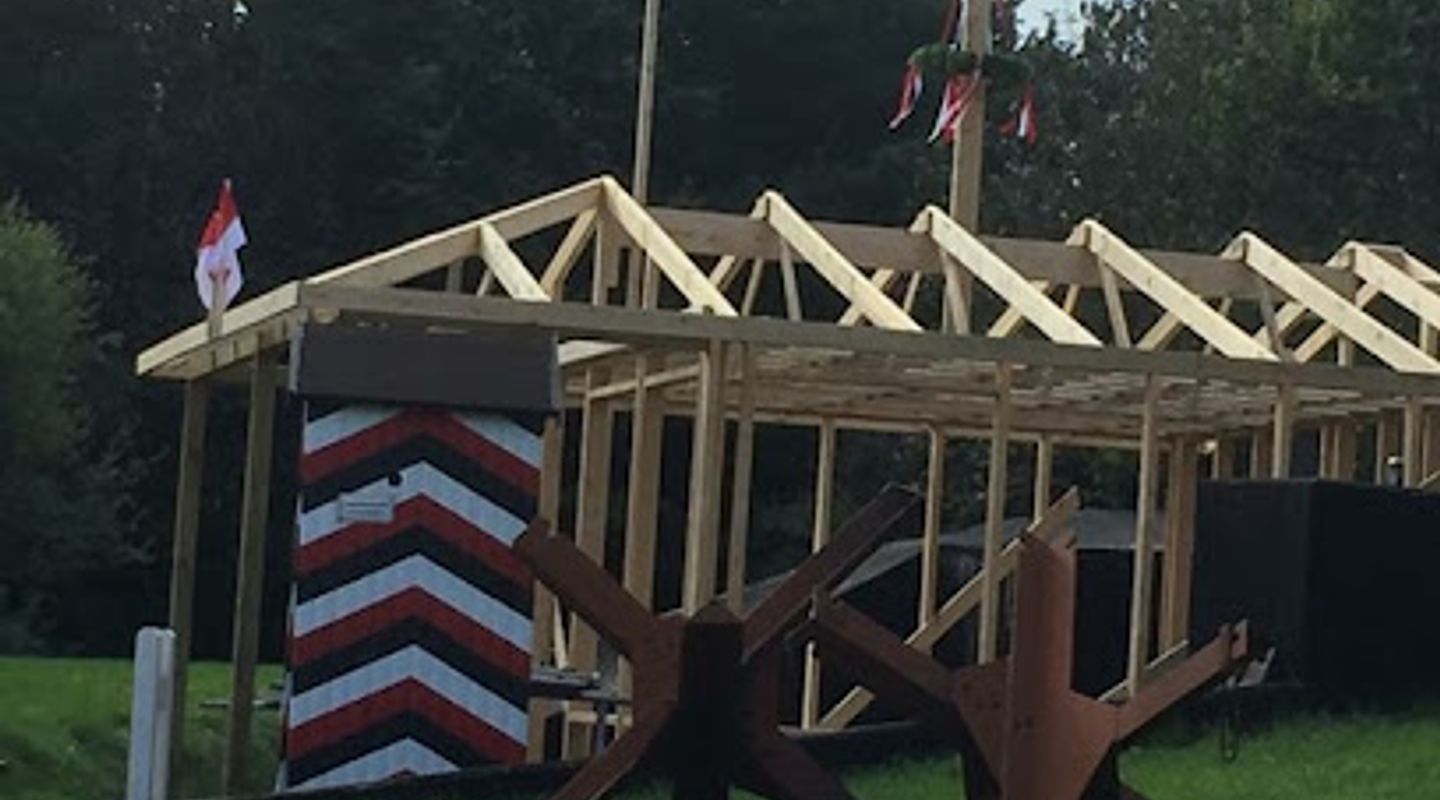
A brief summary of Tarp Bunkermuseum
Step into a restored World War II bunker on Esbjerg’s former air base and experience Denmark’s occupation history at close quarters in Tarp Bunkermuseum.
Tarp Bunkermuseum, housed in a meticulously restored German Regelbau 622 bunker on the former World War II air base north of Esbjerg, offers an intimate, atmospheric encounter with Denmark’s wartime past. This privately run, non-profit museum showcases original Luftwaffe bunkers, equipment, documents and personal effects, brought to life through detailed guiding and storytelling. Open primarily on selected days and by arrangement, it rewards those who make the effort with a focused, hands‑on insight into life on the Atlantic Wall in occupied Denmark.
On-site amenities
 Restrooms
 Seating areas
 Trash bins
 Information boards
Opening hours
- Mon–SatClosed
- Sun1 pm–3 pm
Opening hours as listed on the venue’s Google Business Profile. Hours can change for services and special events, so check with the venue before you go.
- Address
- Tarp Byvej 131, 6715 Esbjerg Kommune
- Phone
- Website
Getting there
Local bus from Esbjerg city centre
Car or taxi from Esbjerg
Bicycle from Esbjerg or Tarp
Discover more about Tarp Bunkermuseum
World War II bunker hidden in the fields of Tarp
Set in the flat countryside just north of Esbjerg, Tarp Bunkermuseum occupies a concrete bunker once built by the German Luftwaffe as part of the Atlantic Wall. From the outside, the low structure is half-buried in earth and grass, designed to disappear into the landscape. Step closer and the rough concrete, narrow entrances and heavy armoured doors signal a building created for war, not comfort.The museum focuses on a single, carefully restored Regelbau 622 personnel bunker, one of the standardised types used across the German-occupied coast. Around it, traces of the wider Fliegerhorst Esbjerg air base still shape the surroundings, from embankments to distant silhouettes of other fortifications.
Inside a preserved Regelbau 622 shelter
Once you pass the gas-lock entrance, the atmosphere changes immediately. The air cools, the ceiling lowers, and the spaces become a maze of narrow corridors and compact rooms. Sleeping quarters, command rooms and technical spaces have been furnished with bunks, stoves, storage and equipment that recreate how the bunker functioned when it housed Luftwaffe personnel.Display cases and wall panels present uniforms, helmets, medals, tools, field telephones and other original artefacts connected to the German presence in Esbjerg between 1940 and 1945. Documents, maps and photographs help you understand how this one bunker fitted into a dense network of defenses controlling the approaches to the strategically important harbour.
Stories from the former air base at Esbjerg
Beyond the bunker walls, the museum acts as a gateway to the wider history of the air base. Guided bunker safaris, offered on selected dates, lead across the former Fliegerhorst Esbjerg, linking surviving bunkers, gun positions and structures into a coherent story. You hear how runways, flak batteries and radar sites once formed a tightly organised war machine watching the North Sea.The narrative also touches on the transformation after 1945, as military installations were abandoned, reused or buried under new development and farmland. Tarp Bunkermuseum preserves a fragment of this landscape in three dimensions, allowing you to visualise how much once lay hidden beneath the surface.
A private initiative with a personal touch
Unlike larger state institutions, Tarp Bunkermuseum is a private, non-profit project maintained with evident dedication. Access is limited to specific opening hours and arranged visits, and groups are typically guided by an enthusiast with deep knowledge of fortifications and occupation history. Tours often last about an hour for the bunker itself, with longer excursions for the airfield safaris.This scale gives the visit a personal feel: questions are welcomed, objects are explained in detail, and the focus stays on careful storytelling rather than broad overviews. Payment is usually simple and local, often in cash, reflecting the museum’s grassroots character.
Practical visit details and who will enjoy it
The museum lies on the edge of the village of Tarp, within Esbjerg Municipality, surrounded by fields and light industry. Inside the bunker, space is tight and ceilings are low, so very large strollers and some mobility aids may find access challenging, though outside areas are more open. Light and temperature remain relatively stable year-round, making it less dependent on the weather than many outdoor forts.History-minded travellers, especially those interested in military fortifications, aviation history or the human stories of wartime occupation, will find plenty to absorb here. Families with older children and teens who enjoy hands-on history often get the most from the detailed guiding, while its modest size makes it easy to combine with other World War II sites and museums in and around Esbjerg on the same day.
Evendo Review Centre
 Google
Guest reviews
Best time to go
Quietest: Jan, Feb & Mar · before 11am
Busy times are Evendo estimates for a typical year, to help you plan. Actual crowds vary with events, school holidays and the weather.
Explore Tarp Bunkermuseum on the map
A handpicked selection of must-see spots near Tarp Bunkermuseum, mapped for you.
Get your free copy of our complete guide to Tarp Bunkermuseum, delivered straight to you.
Everything on this page, from opening hours and how to get there to Eve’s tips and the best time to go, in one PDF you can read offline, print or share.
Already have an account? Sign in
Your Tarp Bunkermuseum guide is ready.
We'll send it to · Not you? Sign out

Getting your guide ready…
We are putting together a fresh copy of the Tarp Bunkermuseum guide. This can take up to a minute.
This can take a few moments. If your browser asks, choose Allow so the download can start. You'll find the guide in your Downloads folder.
Nothing happened? Download it again
Sorry, the guide is taking longer than usual. Please try again in a minute, or get it by email instead.
Other nearby places you may find interesting
The closest places of the same kind, if this one is not quite what you had in mind.
-
-
-
-
-


Swipe for more places
More to explore near Tarp Bunkermuseum

 Best experiences near Tarp Bunkermuseum
 Best hotels near Tarp Bunkermuseum
 Best landmarks near Tarp Bunkermuseum
 Best attractions near Tarp Bunkermuseum
 Best shops near Tarp Bunkermuseum
 Best restaurants near Tarp Bunkermuseum
 Best bars near Tarp Bunkermuseum
Do you manage this location?
Take control to get all the benefits, like improved information, better appearance, and stronger visibility across AI-powered discovery.
Explore more

Explore more of Esbjerg
Discover Esbjerg: A coastal city in Denmark known for its maritime heritage, stunning sculptures, and vibrant downtown, offering something for every traveler.
Explore Esbjerg
Explore more of Denmark
Discover Denmark: A perfect blend of history, modern design, and the cozy concept of hygge. Explore vibrant cities, serene landscapes, and world-class cuisine.
Explore Denmark
