

Skulptur Frihedskæmpere
Bronze memorial honoring Denmark's WWII resistance fighters, sculpted by Jørgen Gudmundsen-Holmgreen in 1952.
A striking bronze sculpture commemorating Denmark's resistance fighters during World War II, Frihedskæmpere stands at the 4. maj kollegiet in Esbjerg. Created in 1952 by renowned sculptor Jørgen Gudmundsen-Holmgreen, this powerful monument honors those who fought for freedom during the Nazi occupation. The sculpture captures a moment of heroic defiance and remains an important cultural landmark in this historic Danish port city.
A brief summary to Skulptur “Frihedskæmpere”
- Gl Vardevej 78M, Esbjerg, 6700, DK
- Duration: 0.5 to 1.5 hours
- Free
-
 Outdoor
- Mobile reception: 4 out of 5
Local tips
- Visit during quieter hours in early morning or late afternoon for a more contemplative experience and better photography without crowds.
- Combine your visit with nearby historical sites in Esbjerg, including WWII-related attractions and the city's maritime heritage museums.
- The sculpture is accessible year-round and free to visit; check local weather conditions as the bronze can be slippery in wet conditions.
- Learn about the historical context of Danish resistance during WWII before visiting to deepen your appreciation of the memorial's significance.

For the on-the-go comforts that matter to you
- Information Boards
Getting There
-
Bus from Esbjerg City Centre
Take bus line 1, 2, or 4 from Esbjerg train station or central square toward Gl Vardevej. Journey time approximately 8–12 minutes depending on traffic and exact boarding point. Buses run regularly throughout the day with reduced frequency in evenings and Sundays. Single ticket costs approximately 25 DKK. The sculpture is located at Gl Vardevej 78M, within walking distance of the bus stop.
-
Bicycle from Esbjerg Centre
Cycle from central Esbjerg along designated bike routes toward Gl Vardevej, approximately 2–3 km depending on starting point. Journey time 10–15 minutes on flat terrain. Esbjerg has extensive cycling infrastructure and bike rental services available throughout the city. Secure bike parking is available near the sculpture location.
-
Car from Esbjerg
Drive from central Esbjerg toward Gl Vardevej (approximately 2–3 km). Parking is available near the 4. maj kollegiet. Journey time approximately 5–10 minutes depending on traffic. Parking is free and accessible year-round. The address is Gl Vardevej 78M, 6700 Esbjerg.
-
Walking from Esbjerg Train Station
Walk from Esbjerg train station toward Gl Vardevej, approximately 2.5 km. Journey time 30–35 minutes on paved urban streets and pedestrian paths. The route is flat and well-marked. This option allows exploration of central Esbjerg's architecture and public spaces along the way.
Skulptur “Frihedskæmpere” location weather suitability
-
 Any Weather
-
 Cold Weather
-
 Mild Temperatures
Discover more about Skulptur “Frihedskæmpere”
A Monument to Wartime Courage
Frihedskæmpere, meaning "Freedom Fighters," is a bronze sculpture unveiled in 1952 at the 4. maj kollegiet in Esbjerg. Created by the acclaimed Danish sculptor Jørgen Gudmundsen-Holmgreen, the work commemorates the Danish resistance movement during World War II and the nation's struggle for liberation from Nazi occupation. The sculpture stands as a solemn tribute to those who risked their lives fighting for Denmark's freedom during one of Europe's darkest periods.Artistic Vision and Sculptural Technique
Gudmundsen-Holmgreen's bronze composition captures the essence of human resilience and determination through carefully crafted forms. The sculpture employs traditional bronze-casting techniques to create a work of enduring emotional power. The artist's approach emphasizes the universal themes of courage and sacrifice, transforming personal acts of heroism into a collective monument that speaks to visitors across generations. The bronze material itself—chosen for its permanence and dignity—ensures that the memorial will continue to honor these fighters for centuries to come.Historical Significance and Context
Denmark's experience during World War II was unique among occupied nations, with a relatively organized resistance movement that grew throughout the war years. The creation of Frihedskæmpere in 1952, just seven years after the war's end, reflected Denmark's commitment to remembering and honoring those who had fought for the nation's independence. The sculpture's placement at the 4. maj kollegiet—named after May 4th, the date of Denmark's liberation in 1945—reinforces its connection to this pivotal moment in Danish history. Esbjerg, as a significant port city, played an important role during the occupation and liberation, making it a fitting location for this memorial.The Sculpture in Esbjerg's Urban Landscape
Located in the heart of Esbjerg at Gl Vardevej, the sculpture occupies a prominent position within the city's cultural geography. The 4. maj kollegiet itself serves as a gathering place and cultural institution, and the presence of Frihedskæmpere transforms the space into a site of historical reflection. Visitors approaching the sculpture encounter not merely an artwork, but a physical embodiment of collective memory—a place where the abstract concepts of freedom and sacrifice become tangible and immediate. The bronze's patina, developed over decades of exposure to the Danish climate, adds layers of temporal depth to the work.Visiting and Experiencing the Memorial
The sculpture invites contemplation and quiet reflection rather than active interaction. Standing before Frihedskæmpere, visitors are encouraged to consider the personal stories behind the monument—the individuals whose names may be inscribed nearby, the families affected by the occupation, and the broader narrative of resistance and resilience. The work's placement in an accessible urban setting ensures that it remains part of everyday life in Esbjerg, serving as a constant reminder of the values for which the freedom fighters struggled. Whether visited as part of a deliberate pilgrimage to historical sites or encountered by chance during a walk through the city, the sculpture offers a moment of pause and remembrance.Iconic landmarks you can’t miss

Vadehavskysten
1.5 km
An iconic copper bridge tower turned cultural gem, offering harbor panoramas, intimate events, and a taste of Copenhagen’s creative spirit on Knippelsbro.
Denmark
1.6 km
Marselisborg Strand is Aarhus’s urban beach escape, offering sandy shores, a classic pier, family-friendly facilities, and beautiful views right at the city’s edge.
Begravet bunker
1.7 km
A preserved German WWII bunker revealing the hidden lives of occupation soldiers beneath Danish soil.
Dronning Louise
1.7 km
Urban beachfront serenity meets Danish royal heritage at Marselisborg Strand, Aarhus’ favorite local escape for swimming, sunbathing, and seaside strolls year-round.
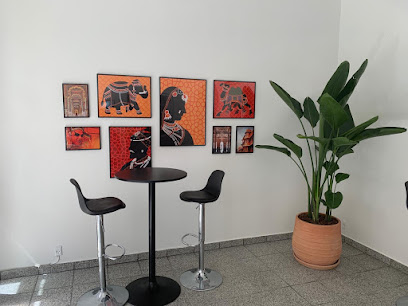
Namaste Esbjerg
1.7 km
Marselisborg Strand is Aarhus’ vibrant urban beach, blending sandy coastline, tranquil bay views, and easy access to city highlights and lush forest parks.
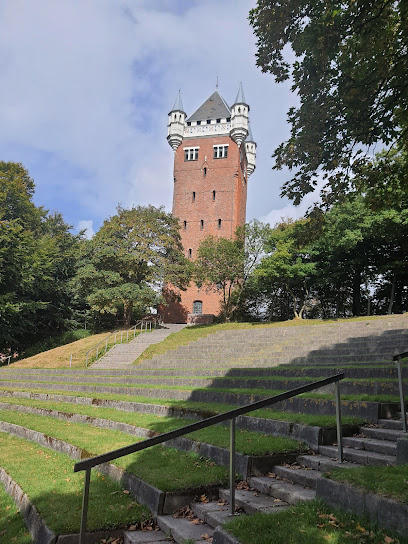
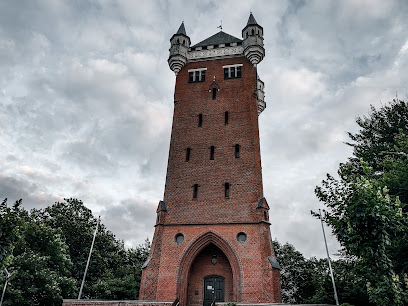
Esbjerg Water Tower
1.8 km
Historic red-brick water tower on a Bronze Age mound overlooking Esbjerg’s harbour, blending medieval-inspired architecture with the story of a young, ambitious port city.
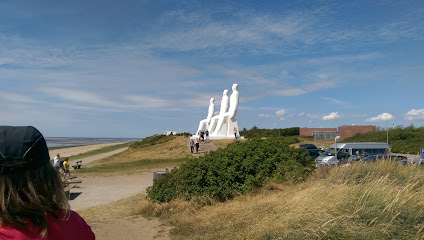
FanøFærgen, Esbjerg
2.1 km
Compact harbor terminal in Esbjerg serving the fast 12‑minute Fanø ferry, linking mainland bustle with island calm in the Wadden Sea UNESCO landscape.
Fanø Tourist Office
4.0 km
Centrally located on Fanø, the Tourist Office is the ideal starting point for discovering authentic island charm, local culture, and practical travel advice.
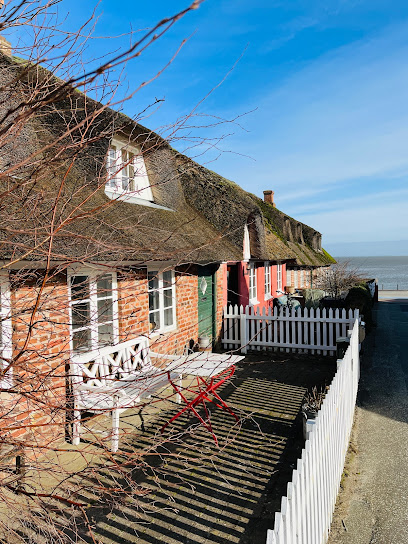
Fanø Krogaard
4.1 km
Experience the timeless charm of Fanø Krogaard, a historic inn blending Nordic cuisine, island tradition, and warm hospitality in the heart of Nordby harbour.
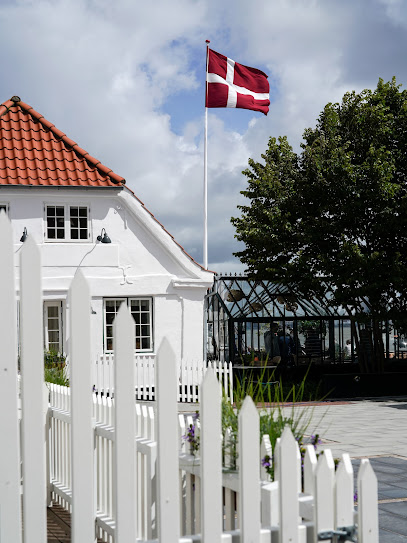
Fano Bed and Boats
4.3 km
Charming seaside bed & breakfast and boat rental in Nordby, Fanø—offering cozy rooms and authentic maritime experiences on Denmark’s storied North Sea island.
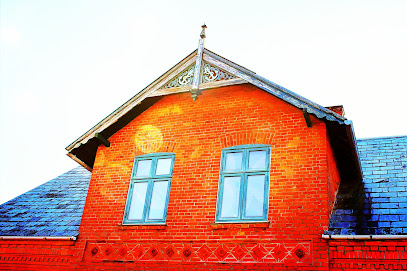
Hjerting Badehotel
7.2 km
Picturesque sandy beach blending serene sea views, lush forests, and family-friendly facilities just minutes from Aarhus city center.
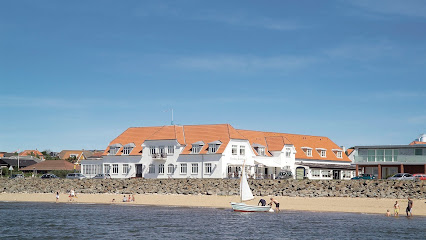
Sønderho Church
14.6 km
An 18th‑century island church filled with Denmark’s largest flotilla of votive ships, anchoring Sønderho’s seafaring history in a tranquil Wadden Sea village.
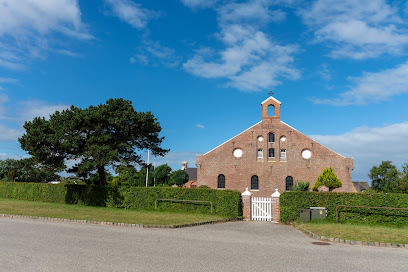
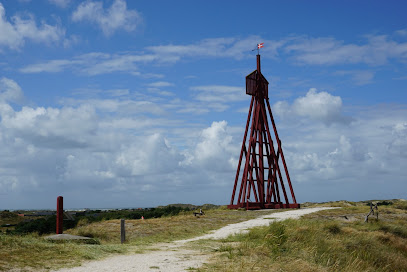
Æ Kåver
14.9 km
Reborn wooden seamark on Fanø’s southern edge, Æ Kåver recalls 17th‑century seafaring in a wild Wadden Sea landscape of wind, sand and wide horizons.
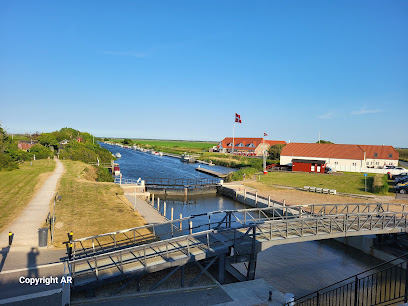
Kammerslusen Ribe
21.7 km
Discover Copenhagen's Black Diamond: A fusion of modern architecture and cultural heritage on the waterfront.
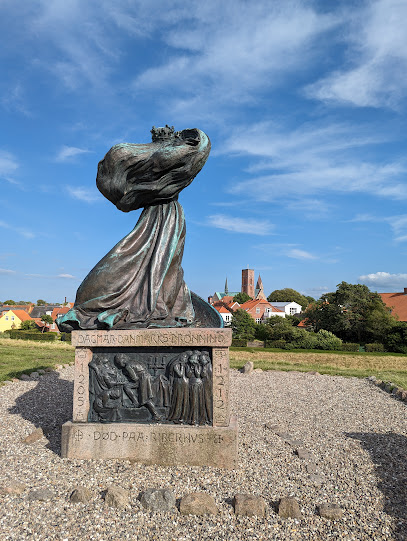
Queen Dagmar of Bohemia
26.0 km
A contemplative statue on Ribe’s former castle hill, honouring the gentle 13th‑century Queen Dagmar where her life and legend became entwined with Denmark’s history.
Unmissable attractions to see

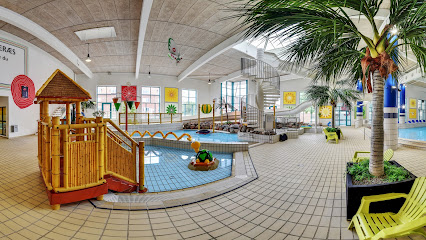
Swimming Stadium Denmark
0.1 km
Denmark’s largest indoor swim and water park: 10,000 m² of slides, waves, competition lanes and wellness under one roof in Esbjerg’s sports district.
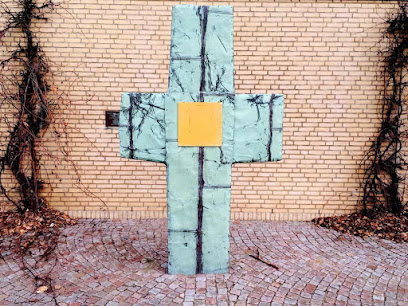
Skulptur “Kobberkors”
0.3 km
Explore Esbjerg Museum and discover the fascinating tale of Denmark’s west coast, from bustling port origins to maritime heritage and daily life exhibits.
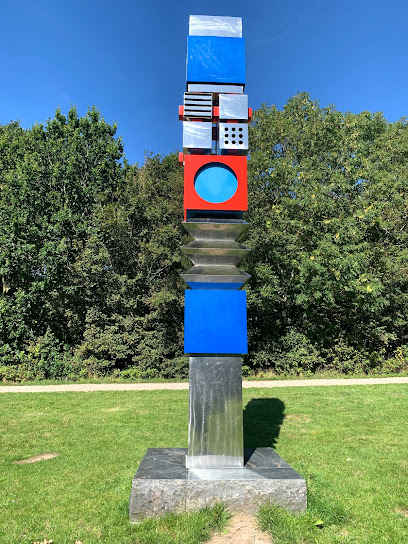
Vognsbølparken
0.5 km
Esbjerg’s big back garden: 178 hectares of woodland, lakes, lawns and play areas offering easy everyday nature, peaceful walks and relaxed family time.
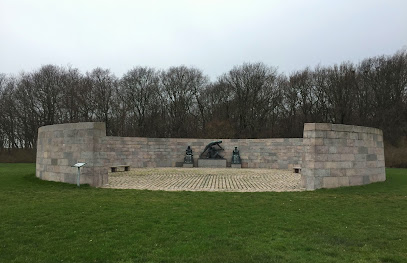
Fishermen memorial
1.2 km
A quiet granite grove on Esbjerg’s windy coast, honoring generations of local fishermen who never returned from the sea.
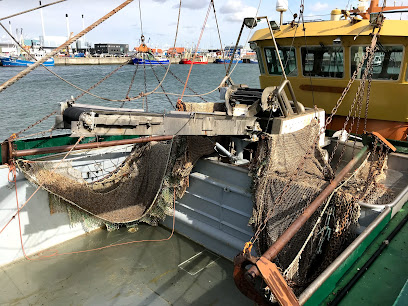
Fish Auction for tourists
1.2 km
Bid on fresh catches at Denmark's largest fishing harbour in this authentic, working auction.
Borgmesterhaven
1.3 km
A small, low-key neighborhood park in central Esbjerg, offering simple greenery, benches and a brief escape from the surrounding streets and apartment blocks.
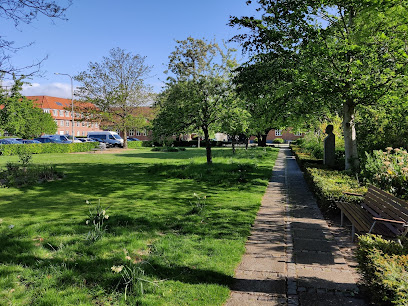
Brunnen Park
1.4 km
A small fountain-side green space on Kirkegade, offering a quiet pause of trees, lawns and benches in the very heart of Esbjerg’s urban grid.
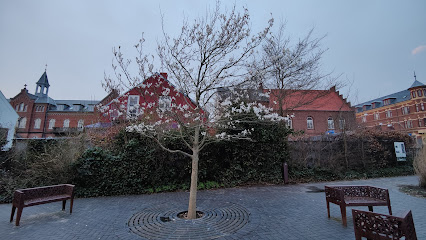
Esbjerg Byhistoriske Arkiv
1.4 km
A quiet but vital city archive where Esbjerg’s transformation from windswept harbour town to modern North Sea hub is preserved in maps, photos and personal stories.
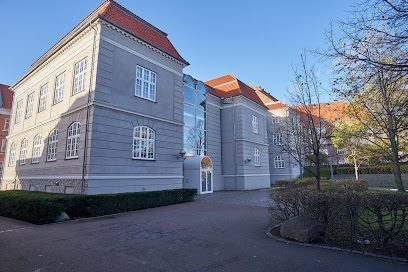
Esbjerg Museum
1.4 km
Compact city museum in central Esbjerg, tracing the port town’s rapid rise, amber treasures, and wartime stories through evocative rooms and focused exhibits.
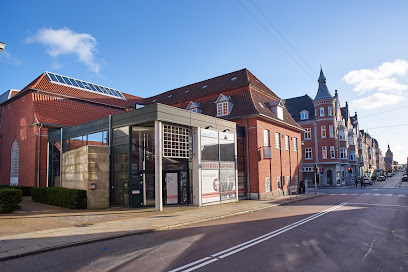
Mosaicvæg “Verdensarven Vadehavet”
1.5 km
A 27‑meter community-created mosaic in a hidden Esbjerg courtyard, bringing the colours, tides and birdlife of the UNESCO Wadden Sea into the city centre.
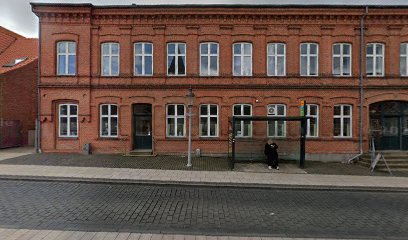
Esbjerg Havn
1.6 km
A vast working harbour and marina where offshore wind giants, fishing boats and yachts share the docks on Denmark’s windswept North Sea coast.
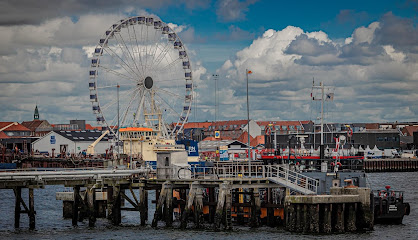
Dyrehaven
1.6 km
A tranquil deer-filled woodland in Esbjerg’s Nørreskoven, where city life fades into rustling leaves, soft hooves and unhurried forest walks among graceful herds.
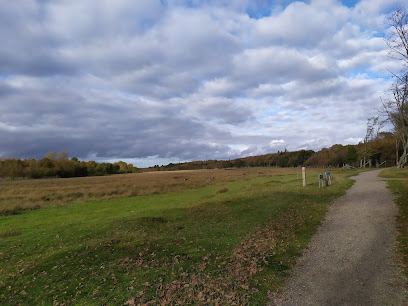
Christian IX statue, Esbjerg
1.7 km
A regal symbol at Esbjerg’s main square, the Christian IX Statue celebrates the city’s royal origins and serves as a key gathering point in Denmark’s vibrant west coast port.
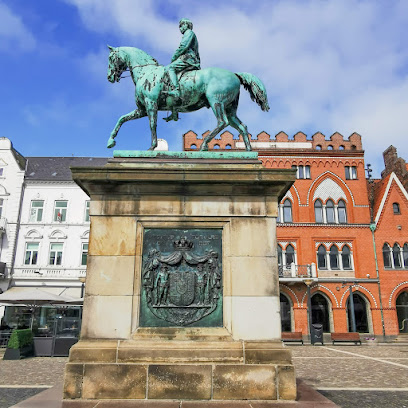
Landgangen
1.8 km
An elevated corten-steel promenade that sweeps between Esbjerg’s city streets and working harbour, blending everyday mobility with harbour views and urban design.
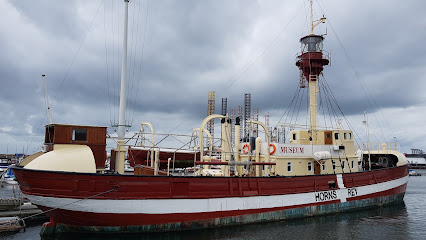
Museumsfyrskibet Horns Rev
1.8 km
Historic lightship turned museum at Esbjerg’s harbourfront, preserving the story of Horns Rev and life aboard a floating lighthouse on Denmark’s west coast.
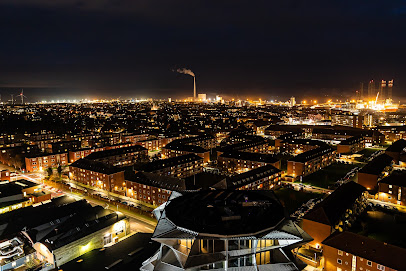
Essential places to dine

Restaurant Plates Esbjerg
0.3 km
Sky-high Nordic dining and cocktails on Esbjerg’s 17th floor, where harbour panoramas meet shareable plates, seasonal flavours and an easygoing, modern buzz.
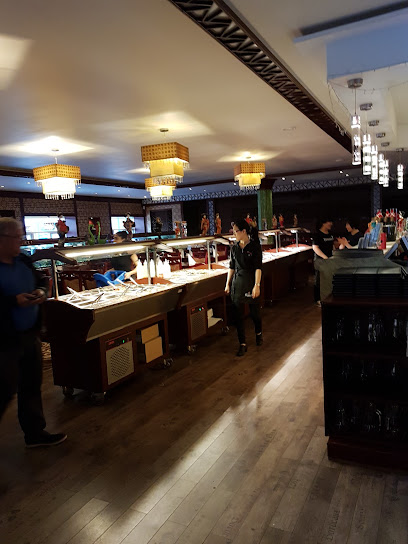
Asia Restaurant Esbjerg
0.7 km
Lively all-you-can-eat Asian buffet in Esbjerg’s northern outskirts, mixing Chinese favourites, sushi and Mongolian grill in a casual, group-friendly setting.
ECH Restaurant
0.9 km
Relaxed buffet-style dining inside the ECH Park complex, serving hearty grill dishes and Scandinavian breakfasts on Esbjerg’s leafy Stormgade.
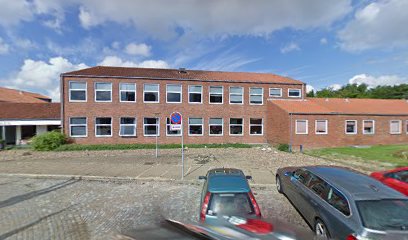
Restaurant Parken I/S
1.0 km
Classic Danish cooking with park and lakeside views, combining bright modern interiors and a terrace that opens directly onto Esbjerg’s green Vognsbølparken.
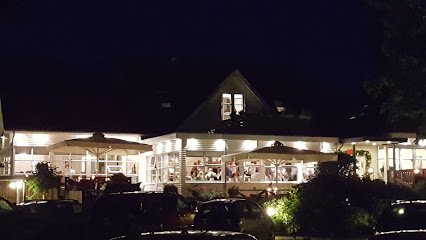
Sydvesten ApS
1.0 km
Harbour-side Danish seafood canteen turned local classic, serving hearty fish dishes and open sandwiches beside Esbjerg’s working fishing quay and marina.
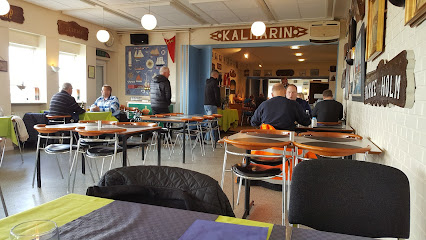
Kanda's Thai Cuisine
1.0 km
Compact, award‑winning Thai takeaway on Strandbygade, serving wok‑fresh curries and noodles that bring Southeast Asian warmth to the heart of Esbjerg.
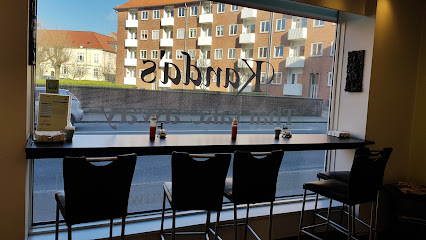
Spyddet Le Grill
1.1 km
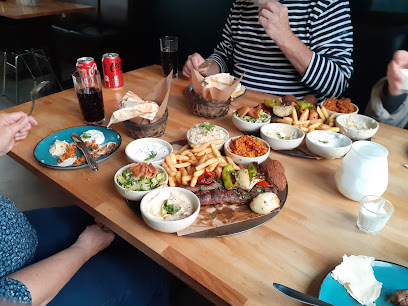
Casual Middle Eastern grill in central Esbjerg, serving juicy skewers, build‑your‑own plates and hearty comfort dishes in a relaxed, family‑friendly setting.
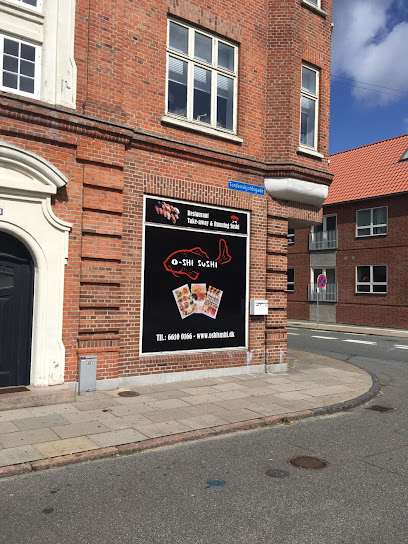
O-Shi Sushi
1.2 km
Compact, modern sushi spot in central Esbjerg serving fresh rolls and warm Japanese-inspired dishes for both casual dine-in and convenient takeaway.
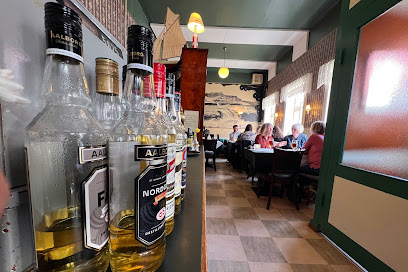
Café Danmark
1.2 km
Old-school Danish lunch café in central Esbjerg, serving generous smørrebrød and stjerneskud in a warm, nostalgic dining room with relaxed midday atmosphere.
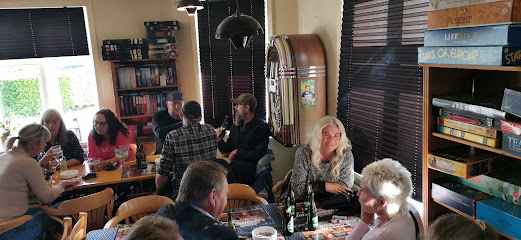
Rådhuskroen
1.2 km
Traditional Danish kro-meets-pub in central Esbjerg, serving hearty plates and cold beer in a warm, wood-paneled setting filled with everyday local hygge.
Restaurant Lyokoi - Japansk Sushi
1.5 km
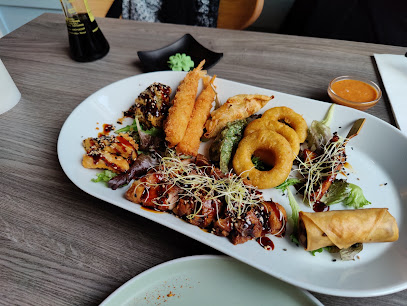
Compact, lively Esbjerg hotspot where colorful sushi platters meet sizzling Korean barbecue grills in a relaxed, social Skolegade setting.
Sand's Restauration ApS
1.5 km
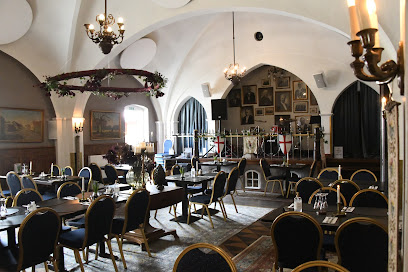
Century-old Esbjerg institution serving hearty Danish classics, local seafood and regional specialties in a cosy, wood-accented setting on lively Skolegade.

Spisestuen, Esbjerg
1.5 km
Old-school Danish comfort food in a former temperance lodge, serving hearty “mormor” classics in a cosy, nostalgia-filled dining room in central Esbjerg.
India Royale - Restaurant Esbjerg
1.6 km
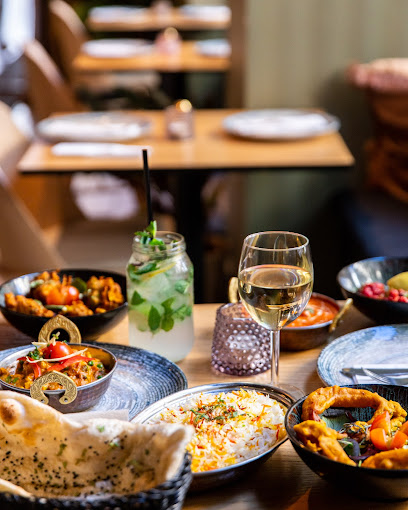
North Indian comfort food and tandoor-baked naan in a warm, central Esbjerg dining room with moderate prices and adaptable spice levels.
Hanzō Esbjerg
1.6 km
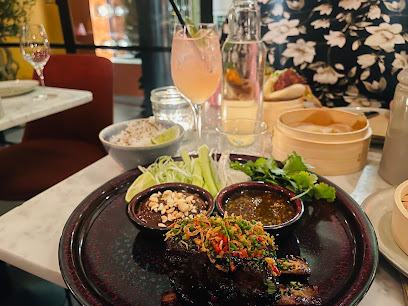
Colorful pan-Asian sharing plates, bold flavors and a modern, high-ceilinged setting right on lively Skolegade in the very center of Esbjerg.
Markets, malls and hidden boutiques

dansk Esbjerg
0.7 km
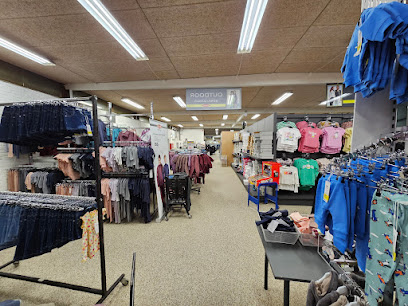
Curated Danish fashion and Nordic design in the heart of Esbjerg.
Gaveshop.nu
0.8 km
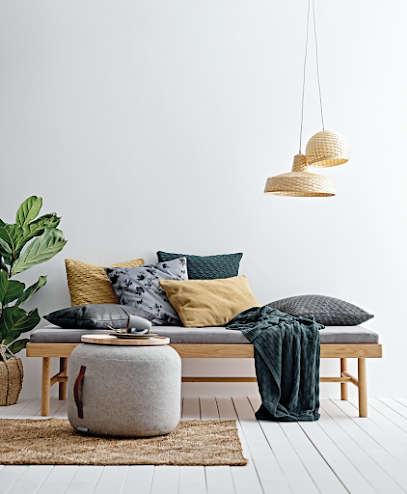
Curated corporate gifts delivered with elegance—where business appreciation meets thoughtful selection.
Esbjerg Asian Shop
0.9 km
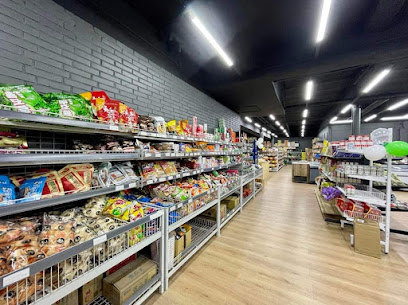
Compact Asian grocery on Strandbygade, stocking noodles, spices, sauces and snacks that bring East and Southeast Asian flavours to everyday life in Esbjerg.
KORN180
1.3 km
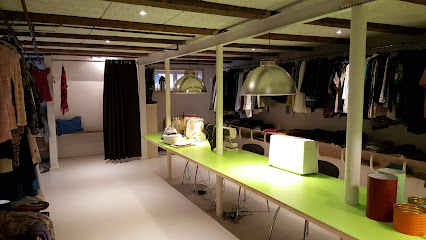
A hidden courtyard workshop in Esbjerg where reuse, upcycling and social enterprise turn ordinary cast-offs into inventive, one-of-a-kind designs.
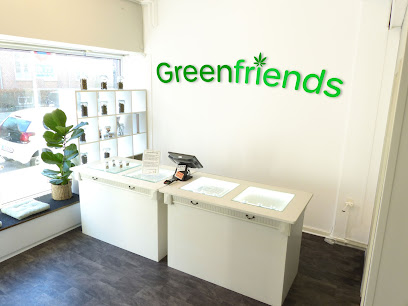
Greenfriends
1.3 km
Esbjerg's dedicated cannabis retail shop with convenient city-center location and flexible weekend hours.
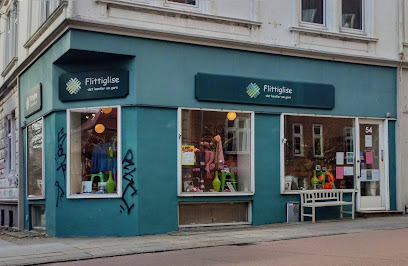
Flittiglise
1.4 km
A cozy Esbjerg yarn haven where shelves of color, quality fibers and friendly advice invite you to slow down, browse and bring a bit of Danish craft home.
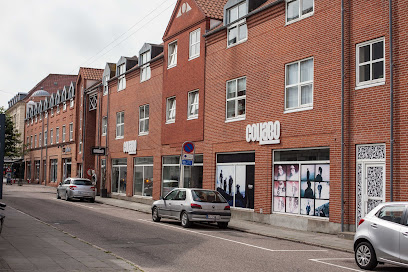
Collabo
1.5 km
Core skateshop and streetwear hub in central Esbjerg, blending Scandinavian simplicity with global board culture, sneakers and subculturally inspired apparel.
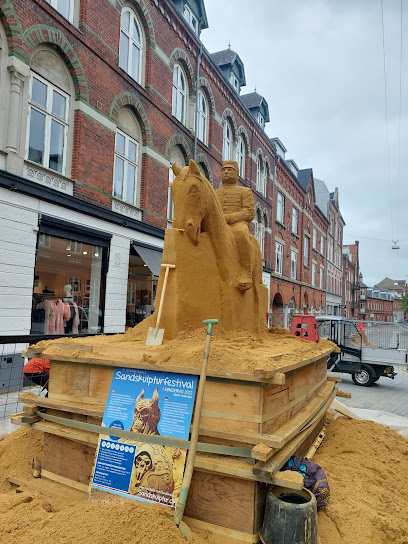
Boutique Elenor
1.5 km
A small, stylish clothing boutique on Kronprinsensgade, offering a curated alternative to big-brand shopping in the heart of Esbjerg’s lively city center.
SLIK FOR VOKSNE
1.5 km
Playful by name and refined in taste, SLIK FOR VOKSNE is Esbjerg’s grown‑up candy store for wine, spirits, chocolate and beautifully wrapped gourmet gifts.
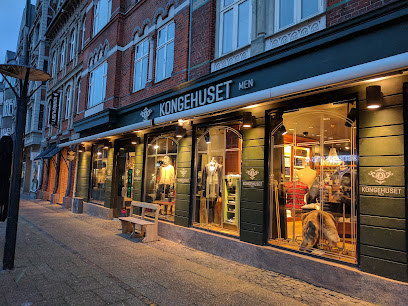
Kongehuset
1.5 km
Curated fashion and quality outerwear in a handsome historic corner store on Esbjerg’s main pedestrian street, blending Scandinavian style with international brands.
Coast Women
1.5 km
A polished multibrand women’s fashion boutique on Esbjerg’s main shopping street, blending Nordic ease, international labels and attentive personal service.
LE Kirk
1.5 km
Curated women's fashion in Esbjerg's vibrant city center with personalized service and contemporary style.
Butts&Buttons
1.5 km
Independent Esbjerg menswear boutique with curated Scandinavian-inspired brands, quality fabrics and modern styling on central Torvegade.
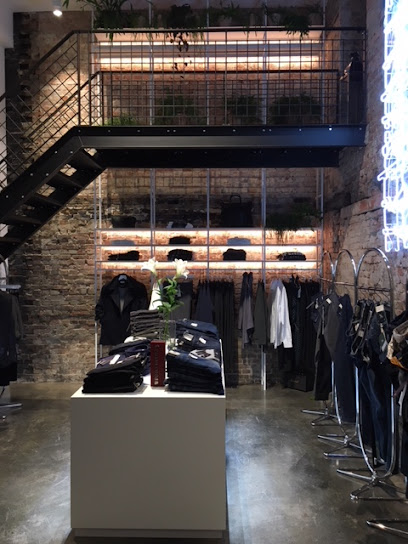
Incado City Roholt
1.6 km
Denmark's premier creative supply destination where artists find inspiration, materials, and community.
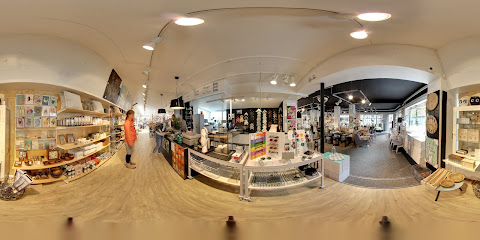
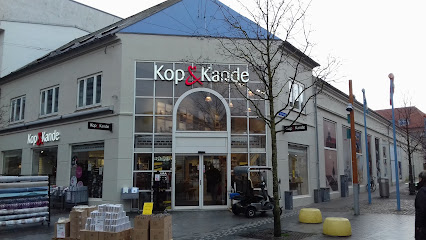
Kop & Kande
1.6 km
Bright, central Esbjerg homeware and gift shop specialising in practical Scandinavian design, quality kitchen tools and thoughtfully wrapped presents for any occasion.
Essential bars & hidden hideouts

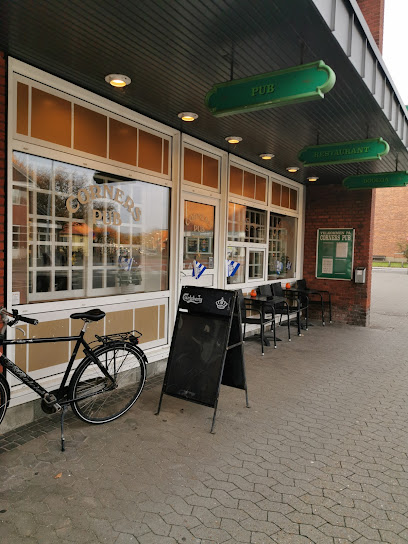
Corners Pub
0.5 km
A cozy neighborhood pub where cold beers and warm hospitality define the Danish experience.
Horns Rev Bodega & Bar
0.8 km
A no-frills Danish bodega in central Esbjerg, where wood-panelled warmth, affordable drinks, and local camaraderie capture the city’s everyday pub culture.
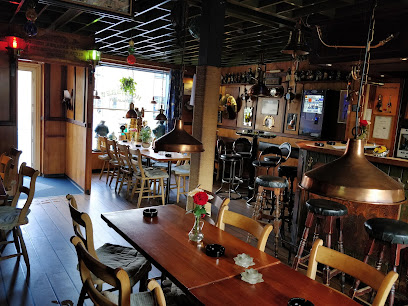
Havkatten
1.0 km
Old-school Esbjerg harbour bar with 80s tunes, pool, darts and everyday prices, offering a relaxed window into the city’s down-to-earth nightlife.
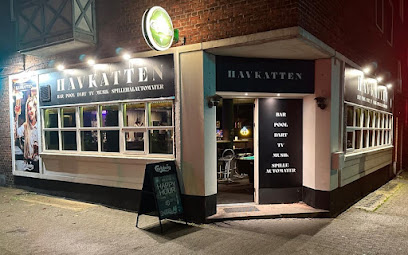
Vinbaren
1.5 km
Intimate, dimly lit and disarmingly casual, Vinbaren is Esbjerg’s brown-bar style wine hangout for late-night chats, cheap pours and the occasional close-up concert.
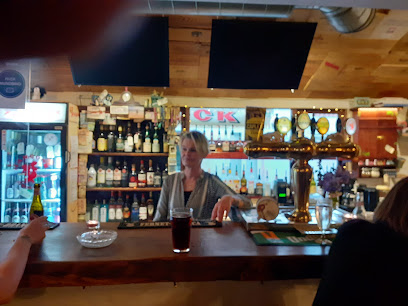
HomeRun Esbjerg
1.6 km
Lively gastro sports bar above Esbjerg’s main square, with wall-to-wall screens, bar games, casual bites and late-night energy on weekends.
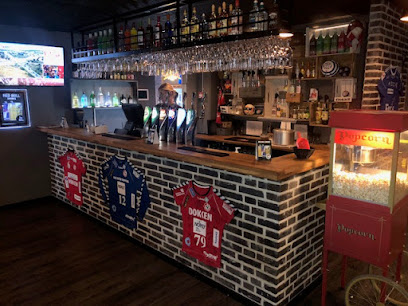
James Bond Esbjerg
1.7 km
Late-opening dance bar on Skolegade in Esbjerg, where a mature crowd sings along to classic hits and keeps the party going until early morning.
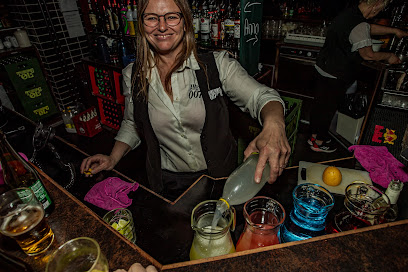
Kasket Karl
1.7 km
Legendary Esbjerg pub on Skolegade, pouring beer and hosting darts, dice and laid‑back evenings since 1975 in a warmly lit, unpretentious setting.
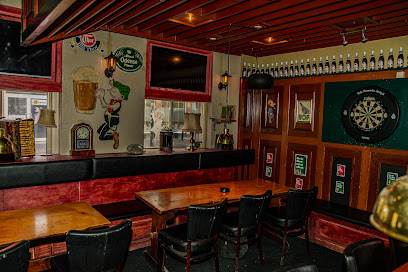
Industrien
1.7 km
Historic Danish bar where 130+ years of tradition meets contemporary hospitality on Esbjerg's vibrant Skolegade.
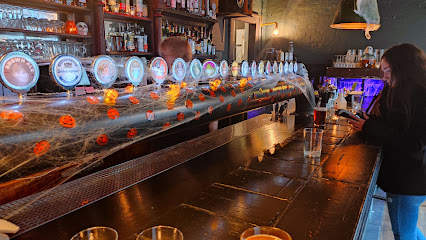
Skræddergården Esbjerg ApS
1.7 km
Adult-friendly dance bar in Esbjerg’s Skolegade nightlife strip, mixing DJ sets, live music nights and easygoing drinks in a former tailor’s house.
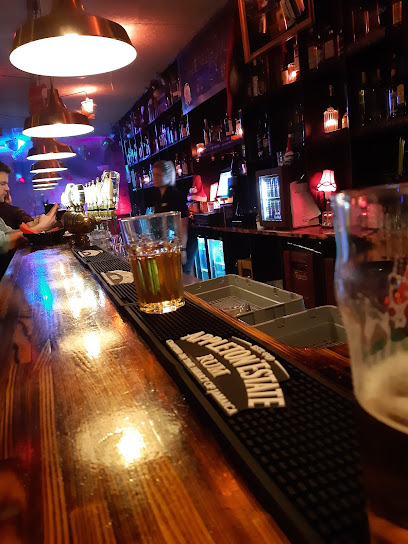
Pioner Bar Esbjerg
1.7 km
Late-night Esbjerg bar on Torvet with cheap cold beer, classic party hits from the ’80s to today, and a lively dance floor packed with locals and visitors.
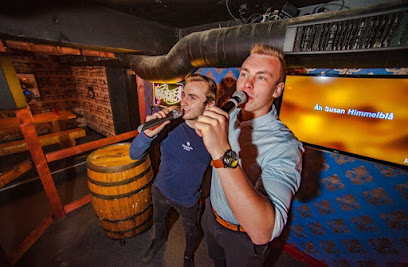
King George
1.7 km
Esbjerg's beloved beer hall where Danish tradition, lively atmosphere, and authentic hospitality converge on Skolegade.
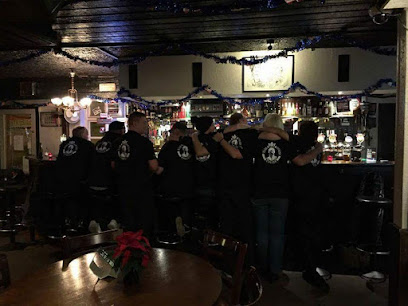
Rustik - Bar & Natklub
1.7 km
High‑energy bar and nightclub on Esbjerg’s Skolegade, mixing industrial style, cocktails and a tightly packed dance floor late into the night.
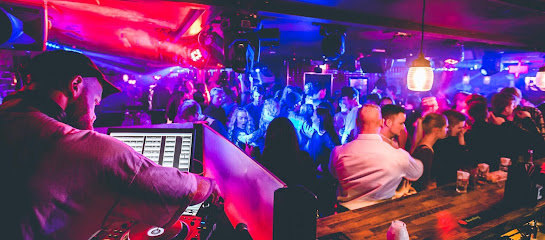
Bjælkehytten - En Vestjysk BierBar
1.8 km
Timber-clad, late-opening beer hut on Esbjerg’s Skolegade, serving easygoing brews and shots in a cosy, West Jutland party atmosphere at the heart of nightlife.
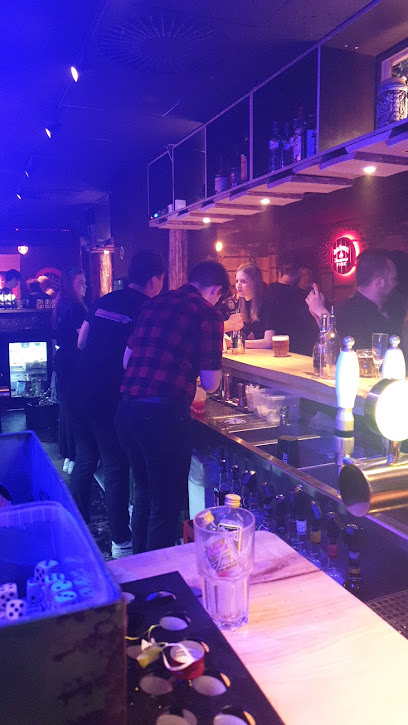
SoHo - Bar & Cocktails
1.8 km
Adults-focused cocktail bar tucked inside Esbjerg Street Food’s old theatre hall, pairing crafted drinks, modern design and a lively, central city atmosphere.
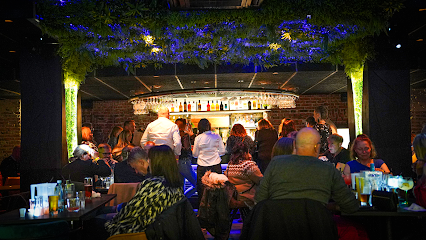
Pappi's pub
1.8 km
Unpretentious, drinks-first bar on Kongensgade offering a simple Danish pub vibe, easy prices and a central stop-off point in the heart of Esbjerg.
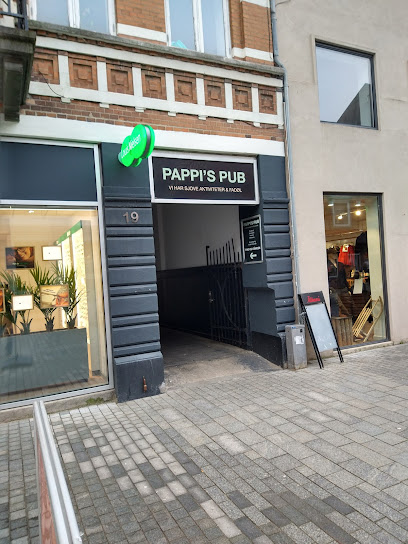
Nightclubs & after hour spots

No.31 - Bar & Natklub
1.7 km
Compact, high-energy nightclub on Esbjerg’s Skolegade, blending late-night bar vibes, loud DJ sets and a youthful dance floor in the heart of the city.
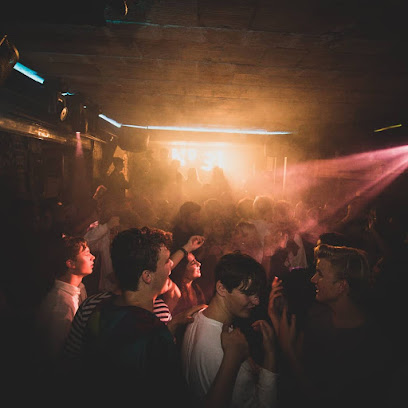
NewsBar - Shakespeare Nightclub & Eventhouse
38.6 km
Ølgod's premier nightclub and event venue, where celebration and community connection meet.
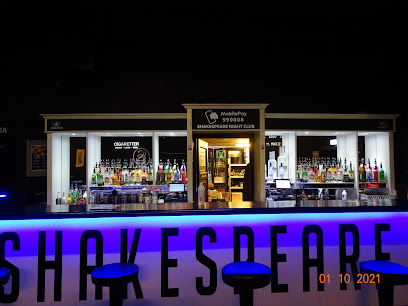
Liglad Day & Nightlife
43.5 km
Compact late-night club on Grindsted’s main street, mixing local vibes, DJs and simple drinks for weekend nights that run into the early hours.
Crazy Daisy Vejen
44.0 km
High-energy disco club in central Vejen, bringing late-night music, dancing and big-city nightclub vibes to a compact South Jutland town.
Romo Golf Links
44.5 km
Romo Golf Links offers an authentic coastal golf experience amid the windswept dunes and wild beauty of Rømø, blending challenging play with stunning North Sea views.
Fishi
50.9 km
Compact, no-frills nightclub in Vejen with loud beats, simple drinks and a friendly small-town crowd that keeps the dance floor moving late into the night.

Rotes Kliff
58.9 km
Experience the vibrant nightlife of Rotes Kliff in Sylt, a premier disco club and cocktail bar perfect for unforgettable evenings.
Koldingtivet Engen
64.6 km
Compact Kolding disco where locals pack the dance floor, mainstream hits fill the speakers and late-night energy turns a modest venue into a full-bodied club night.
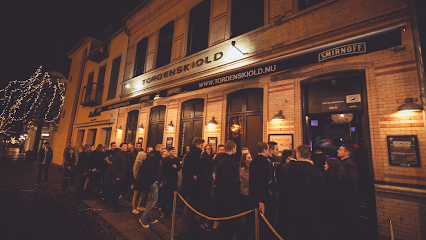
Discoteque Tordenskiold
65.2 km
Kolding's legendary two-floor discotheque and cultural institution since 1973.
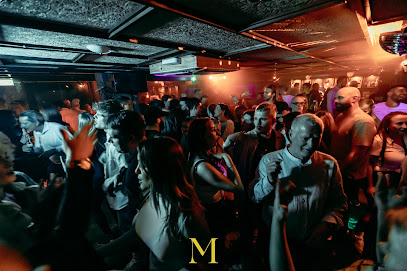
Mørks Kælder
65.3 km
Modern basement nightclub in central Kolding, pouring drinks and classic dance tunes for a grown-up crowd late into the weekend night.
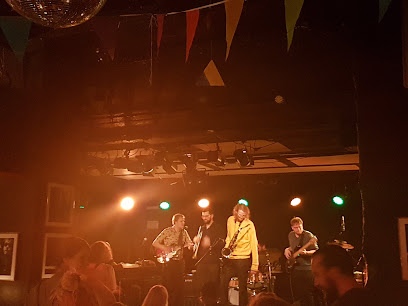
Pitstop
65.6 km
Small, central and loud, Pitstop is Kolding’s alternative live music stronghold, blending intimate gigs, late-night dancing and laid-back bar vibes in a historic building.
Jazz 6000
65.8 km
An essential stop in Kolding for jazz lovers, Jazz 6000 brings world-class live music, community spirit, and a cozy club atmosphere to southern Denmark.
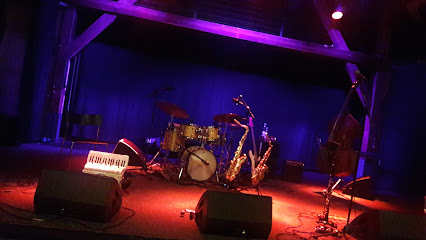
Al Capone
66.4 km
Tønder’s sole nightclub, Al Capone blends a rustic 1920s‑inspired mood, late‑night beats and strong drinks into an intimate speakeasy‑style party den.
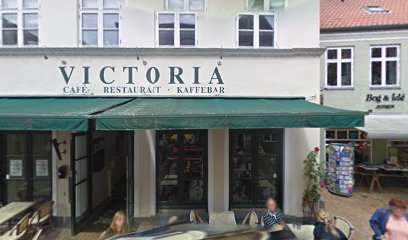
P2 Champagne & Cocktail Tønder
66.4 km
Intimate champagne and cocktail lounge bringing late-night sparkle and city-style glamour to the historic heart of Tønder.
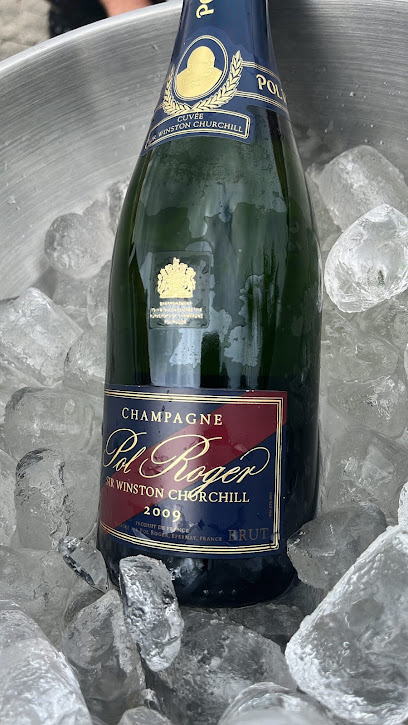
Tucan Swinger & wellness Club
69.4 km
Adults-only swinger and wellness retreat in rural Jutland, blending erotic exploration, spa comforts and themed rooms in a discreet, rules-based environment.
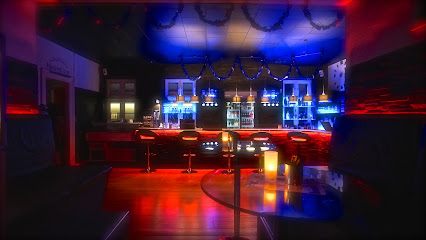
For the vibe & atmosphere seeker
- Contemplative
- Solemn
- Historic
- Reflective
For the design and aesthetic lover
- Minimalist Designs
For the architecture buff
- Historic
- Sacred Sites
- Landmarks
For the social media creator & influencer
- Architectural Shots
- Photo Spots
For the eco-conscious traveler
- Locally Managed
For the kind of experience you’re after
- Cultural Heritage
- Myth & Legends
- Mindfulness
For how adventurous you want the journey to be
- Easy Access
Location Audience
- Family Friendly
- Solo Friendly
- Couple Friendly
- Senior Friendly
- Wheelchair Access


