Bunkers on Fanø Travel Guide
Free Guide: Concrete relics of the Atlantic Wall scattered across Fanø’s dunes and beaches, where stark wartime bunkers meet wide North Sea horizons.


A brief summary of Bunkers on Fanø
Concrete relics of the Atlantic Wall scattered across Fanø’s dunes and beaches, where stark wartime bunkers meet wide North Sea horizons.
Scattered along the dunes and beaches of Fanø, the World War II bunkers form one of Denmark’s most striking reminders of the Atlantic Wall. Around 300 concrete fortifications once guarded the entrance to Esbjerg, forming part of a vast coastal defence system. Today, many lie half-buried in sand or tilted on the shoreline, creating an atmospheric mix of military history, stark architecture and wide North Sea landscapes that invites exploration, contemplation and photography.
On-site amenities
 Trash bins
 Information boards
 Restrooms
 Food options
 Drink options
 Drinking water
 Seating areas
- Address
- 6720 Fanø
Getting there
Ferry and Walking
Ferry and Bicycle
Ferry and Car
Discover more about Bunkers on Fanø
Concrete Sentinels of the Atlantic Wall
Fanø’s bunkers are the most visible traces of the island’s role in the Second World War, when it formed part of the German Atlantic Wall guarding the North Sea coast. Spread mainly across the northern and central parts of the island, these reinforced concrete structures were built to control the sea routes into Esbjerg, a strategically vital harbour for any potential Allied landing.In total, around three hundred bunkers and related fortifications were constructed here, from gun batteries and radar posts to command shelters and personnel quarters. Many are now softened by time, sand and weather, yet their angular silhouettes still rise from the dunes as stark reminders of Europe’s wartime landscape.
Strategic Island at the Gate to Esbjerg
Fanø’s location at the mouth of the Esbjerg channel made it a natural focal point for coastal artillery. Batteries such as Fanø Nord and positions near Grådyb were aligned to cover shipping lanes and to coordinate with heavy guns on the mainland. Observation bunkers monitored movements at sea and in the air, while underground command posts linked multiple batteries into a single defensive network.Although Denmark saw relatively little direct fighting compared with other fronts, the island bristled with minefields, trenches, concrete roads and gun emplacements. Today, the mines are gone and most trenches have been reclaimed by vegetation, but the bunkers remain as a physical map of how thoroughly this small island was woven into continental warfare.
Dunes, Beaches and Buried Fortifications
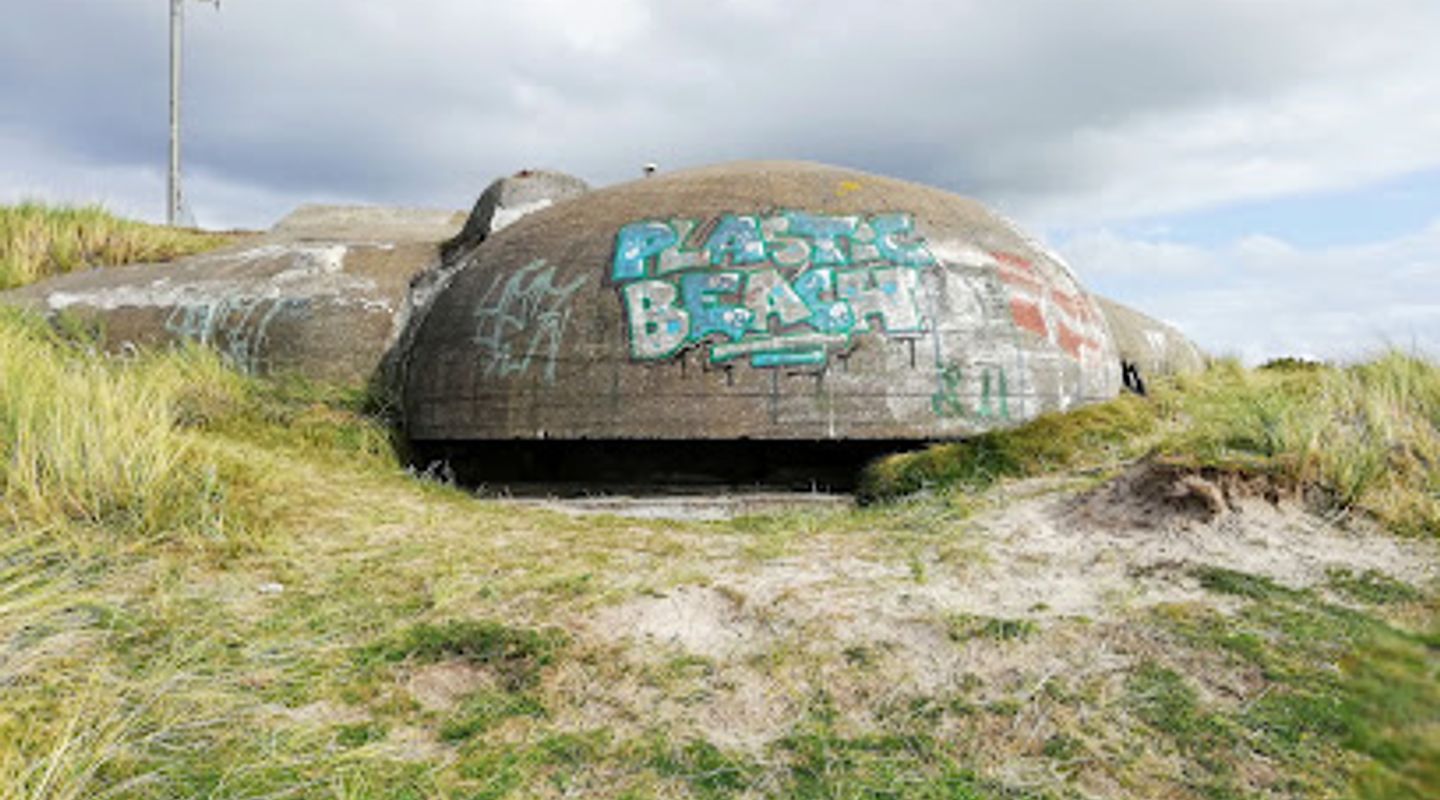
What makes the Fanø bunkers so compelling is their setting. On the west side of the island, long, wind-swept beaches and rolling dunes frame grey concrete shells, some half buried by drifting sand, others lying at angles where coastal erosion has undercut their foundations. In several places between Rindby Strand and Sønderho, the bunkers stand fully exposed on the open beach, their interiors accessible at low risk in daylight and calm conditions.Further north, bunker formations near the island’s tip offer wide views across the Wadden Sea, Esbjerg harbour and Nordby. Here, the contrast between rough wartime construction and the gentle, protected nature of the Wadden Sea landscape is especially striking, inviting both photography and quiet reflection on how landscapes change faster than concrete can crumble.
Exploring Inside the Wartime Structures
Some bunkers on Fanø remain open, allowing you to step into the cool, echoing rooms where soldiers once worked the radios, plotted trajectories and waited through long shifts. Narrow corridors connect small chambers, ventilation shafts pierce thick walls, and rusted fittings hint at the equipment that once filled the interior. A flashlight is essential, as there is no installed lighting and sudden level changes or low doorways are common.On the surface, you can identify different bunker types by their shapes: low flanking bunkers with firing slits parallel to the beach, larger command posts with observation platforms, and circular foundations where gun turrets once sat. Informal paths meander through the dunes between them, and at a few sites local associations occasionally arrange guided tours that delve deeper into the history and engineering details.
From War Relics to Open-Air History Lesson
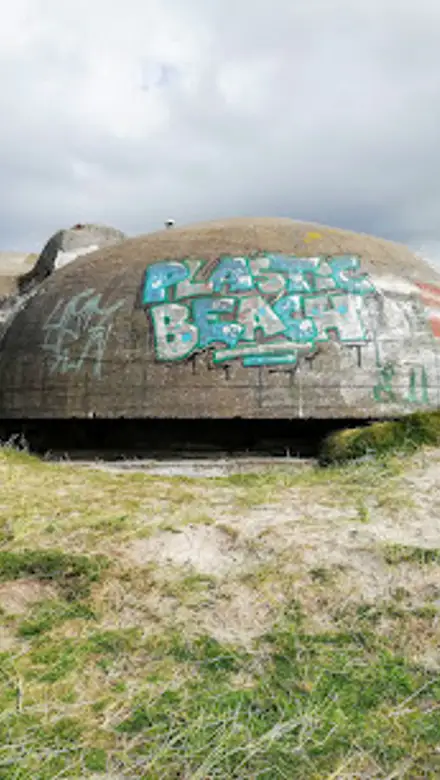
In the decades since the war, Fanø’s bunkers have gradually shifted from military infrastructure to historical landmarks. Some have been partially covered for safety or to protect the surrounding dunes, while others have become canvases for graffiti or focal points for photo walks along the shoreline. Their rough, uncompromising forms now provide a backdrop for kite flying, beach walks and birdwatching rather than gun crews and radar operators.For visitors, the bunkers offer a rare chance to see a dense concentration of Atlantic Wall remains in a relatively compact, accessible area. Combined with Fanø’s beaches, heathland and forest plantations, they turn a simple coastal walk into an open-air lesson in twentieth‑century history, where every block of concrete carries a story of fear, engineering and changing European borders.
Evendo Review Centre
 Google
Guest reviews
Best time to go
Quietest: Jan, Feb & Mar · before 7am or from 9pm
Busy times are Evendo estimates for a typical year, to help you plan. Actual crowds vary with events, school holidays and the weather.
Explore Bunkers on Fanø on the map
A handpicked selection of must-see spots near Bunkers on Fanø, mapped for you.
Get your free copy of our complete guide to Bunkers on Fanø, delivered straight to you.
Everything on this page, from opening hours and how to get there to Eve’s tips and the best time to go, in one PDF you can read offline, print or share.
Already have an account? Sign in
Your Bunkers on Fanø guide is ready.
We'll send it to · Not you? Sign out

Getting your guide ready…
We are putting together a fresh copy of the Bunkers on Fanø guide. This can take up to a minute.
This can take a few moments. If your browser asks, choose Allow so the download can start. You'll find the guide in your Downloads folder.
Nothing happened? Download it again
Sorry, the guide is taking longer than usual. Please try again in a minute, or get it by email instead.
Other nearby places you may find interesting
The closest places of the same kind, if this one is not quite what you had in mind.
-
-
-

-
-


Swipe for more places
More to explore near Bunkers on Fanø

 Best experiences near Bunkers on Fanø
 Best hotels near Bunkers on Fanø
 Best landmarks near Bunkers on Fanø
 Best attractions near Bunkers on Fanø
 Best shops near Bunkers on Fanø
 Best restaurants near Bunkers on Fanø
 Best bars near Bunkers on Fanø
Do you manage this location?
Take control to get all the benefits, like improved information, better appearance, and stronger visibility across AI-powered discovery.
Explore more

Explore more of Fanø
Discover Fanø, Denmark's hidden coastal gem, offering stunning beaches, charming villages, and rich wildlife, perfect for a tranquil getaway and nature adventures.
Explore Fanø
Explore more of Denmark
Discover Denmark: A perfect blend of history, modern design, and the cozy concept of hygge. Explore vibrant cities, serene landscapes, and world-class cuisine.
Explore Denmark