Fanø Museum Travel Guide
Free Guide: Step into an 18th-century skipper’s home in Nordby and discover how Fanø’s seafaring families lived, worked and kept island traditions alive by the North Sea.


A brief summary of Fanø Museum
Step into an 18th-century skipper’s home in Nordby and discover how Fanø’s seafaring families lived, worked and kept island traditions alive by the North Sea.
Fanø Museum is housed in a preserved 18th-century skipper’s home in the heart of Nordby on the island of Fanø. Step through the low doorway and you walk straight into traditional island life: panelled living rooms, box beds, painted furniture and maritime relics that tell the story of seafaring families who sailed the world yet remained deeply tied to this small North Sea community. It is an intimate, atmospheric glimpse of everyday life, beliefs and work on Fanø before modern times reshaped the island.
On-site amenities
 Restrooms
 Seating areas
 Trash bins
 Information boards
Opening hours
- Mon11 am–3 pm
- Tue11 am–3 pm
- Wed11 am–3 pm
- Thu11 am–3 pm
- Fri11 am–3 pm
- SatClosed
- Sun11 am–3 pm
Opening hours as listed on the venue’s Google Business Profile. Hours can change for services and special events, so check with the venue before you go.
- Address
- Skolevej 2, 6720 Fanø
- Website
Getting there
Ferry and walk within Nordby
Bicycle from elsewhere on Fanø
Local bus on Fanø
Discover more about Fanø Museum
An old skipper’s house frozen in time
Fanø Museum occupies a former skipper’s home dating from the late 18th century, carefully preserved to show how a prosperous seafaring family lived on this small North Sea island. Thick walls, low ceilings and creaking floors set the tone as soon as you step inside. The house unfolds room by room, each space still furnished with original or period-appropriate pieces that make it feel more like a lived-in home than a conventional museum.The building itself tells you as much as the displays. Narrow staircases, heavy timber beams and compact rooms speak of life shaped by harsh winters and salt-laden winds. Outside, the simple façade blends into Nordby’s historic village streets, while indoors the layout reveals a household organised around work, faith and community.
Daily life on a North Sea island
The core of the collection focuses on everyday life on Fanø at a time when modern comforts were unknown. In the living room you find painted chests, wall cupboards and woven textiles that show both local craftsmanship and influences brought back from abroad. Box beds built into the walls hint at crowded sleeping arrangements, while simple cooking equipment evokes days when everything from bread to remedies was made at home.Small details draw you in: embroidered linens with initials and dates, children’s toys handmade from scraps, and household tools whose purpose is explained with short texts. Together they offer a rounded picture of an island society that had to be resourceful, thrifty and closely connected to neighbours and kin.
Seafaring stories and global connections
Fanø’s history is inseparable from the sea, and the museum highlights the island’s long shipping tradition. Maritime artefacts recall the many men who served as sailors and skippers, spending months away while their families managed farms and homes. Nautical instruments, model ships and documents chart Fanø’s role in wider trade routes that stretched far beyond Danish waters.You may notice exotic objects – shells, fabrics or small decorative pieces – that sailors brought home from distant ports. These items illustrate how global journeys filtered back into local life, subtly shaping tastes and customs while reinforcing the pride island families took in their maritime achievements.
Traditions, costumes and island identity
Another strand of the museum explores Fanø’s rich folk culture. Traditional costumes, with their distinctive cuts and colours, reveal how clothing signalled status, family ties and life events. Festive wear contrasts sharply with the more sober garments of daily use, underlining the importance of holidays and religious celebrations in the yearly rhythm.Exhibits on customs, from weddings to seamen’s farewells, show how ceremonies helped this small community cope with distance and danger at sea. Decorative arts, including painted furniture and folk motifs, reinforce a sense of island identity that has endured even as modern tourism and new residents have arrived.
A compact, atmospheric visit in Nordby
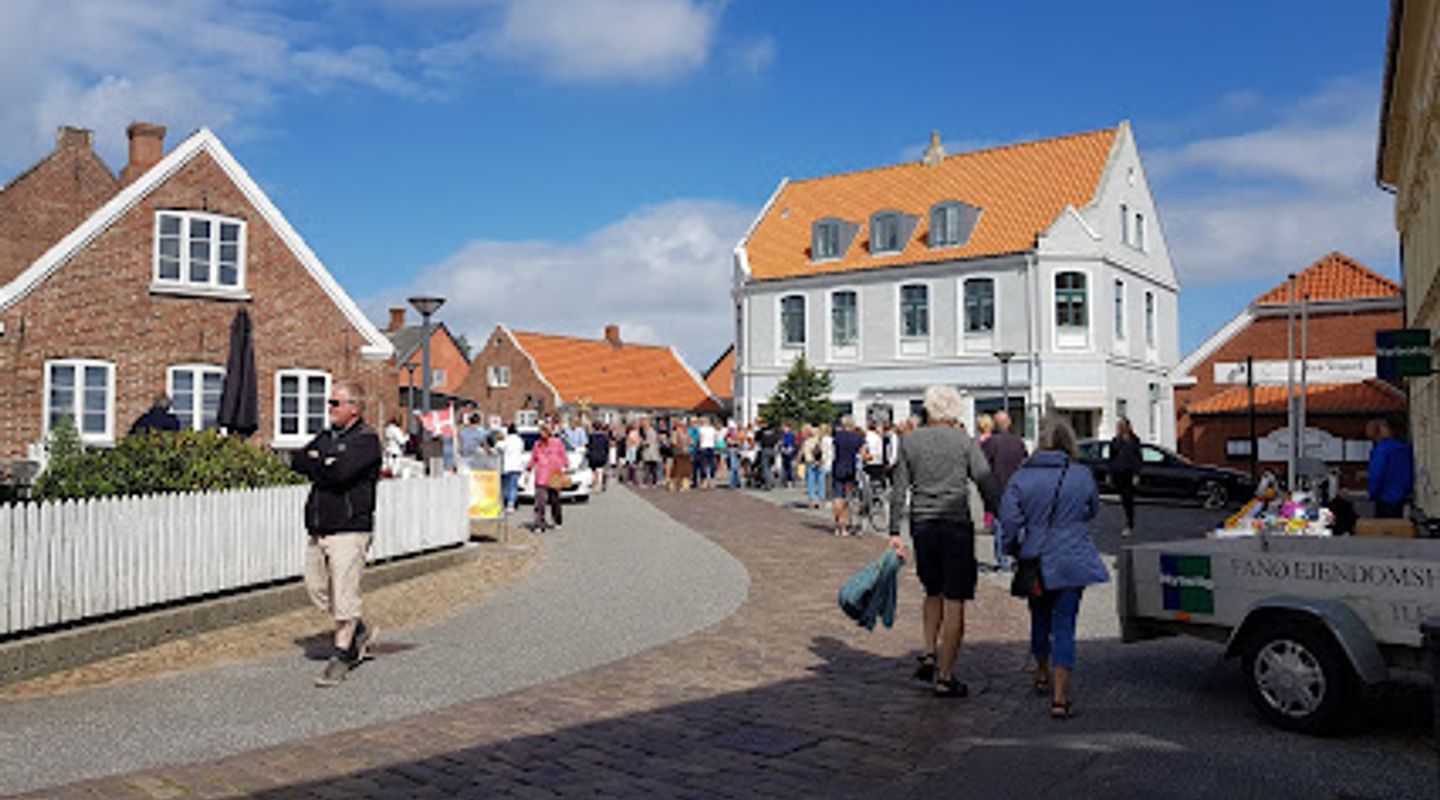
Fanø Museum is small enough to explore thoroughly in under an hour, yet layered enough to reward a slower look. Its intimate scale makes it easy to combine with a stroll through Nordby’s cobbled lanes or a wider exploration of the island’s other maritime and art museums. Opening hours are seasonal, generally concentrated between spring and autumn with late morning to early afternoon times.This is not a place of grand displays, but of close-up encounters with objects and rooms that feel oddly familiar, even if island life is new to you. It offers a quiet pause from the beach and dunes, and a chance to understand the people whose history has shaped Fanø’s character today.
Evendo Review Centre
 Google
Guest reviews
Best time to go
Quietest: Jan, Feb & Nov · before 8am or at 5pm or at 6pm
Busy times are Evendo estimates for a typical year, to help you plan. Actual crowds vary with events, school holidays and the weather.
Explore Fanø Museum on the map
A handpicked selection of must-see spots near Fanø Museum, mapped for you.
Get your free copy of our complete guide to Fanø Museum, delivered straight to you.
Everything on this page, from opening hours and how to get there to Eve’s tips and the best time to go, in one PDF you can read offline, print or share.
Already have an account? Sign in
Your Fanø Museum guide is ready.
We'll send it to · Not you? Sign out

Getting your guide ready…
We are putting together a fresh copy of the Fanø Museum guide. This can take up to a minute.
This can take a few moments. If your browser asks, choose Allow so the download can start. You'll find the guide in your Downloads folder.
Nothing happened? Download it again
Sorry, the guide is taking longer than usual. Please try again in a minute, or get it by email instead.
Other nearby places you may find interesting
The closest places of the same kind, if this one is not quite what you had in mind.
-
-

-
-
-


Swipe for more places
More to explore near Fanø Museum

 Best experiences near Fanø Museum
 Best hotels near Fanø Museum
 Best landmarks near Fanø Museum
 Best attractions near Fanø Museum
 Best shops near Fanø Museum
 Best restaurants near Fanø Museum
 Best bars near Fanø Museum
Do you manage this location?
Take control to get all the benefits, like improved information, better appearance, and stronger visibility across AI-powered discovery.
Explore more

Explore more of Fanø
Discover Fanø, Denmark's hidden coastal gem, offering stunning beaches, charming villages, and rich wildlife, perfect for a tranquil getaway and nature adventures.
Explore Fanø
Explore more of Denmark
Discover Denmark: A perfect blend of history, modern design, and the cozy concept of hygge. Explore vibrant cities, serene landscapes, and world-class cuisine.
Explore Denmark