
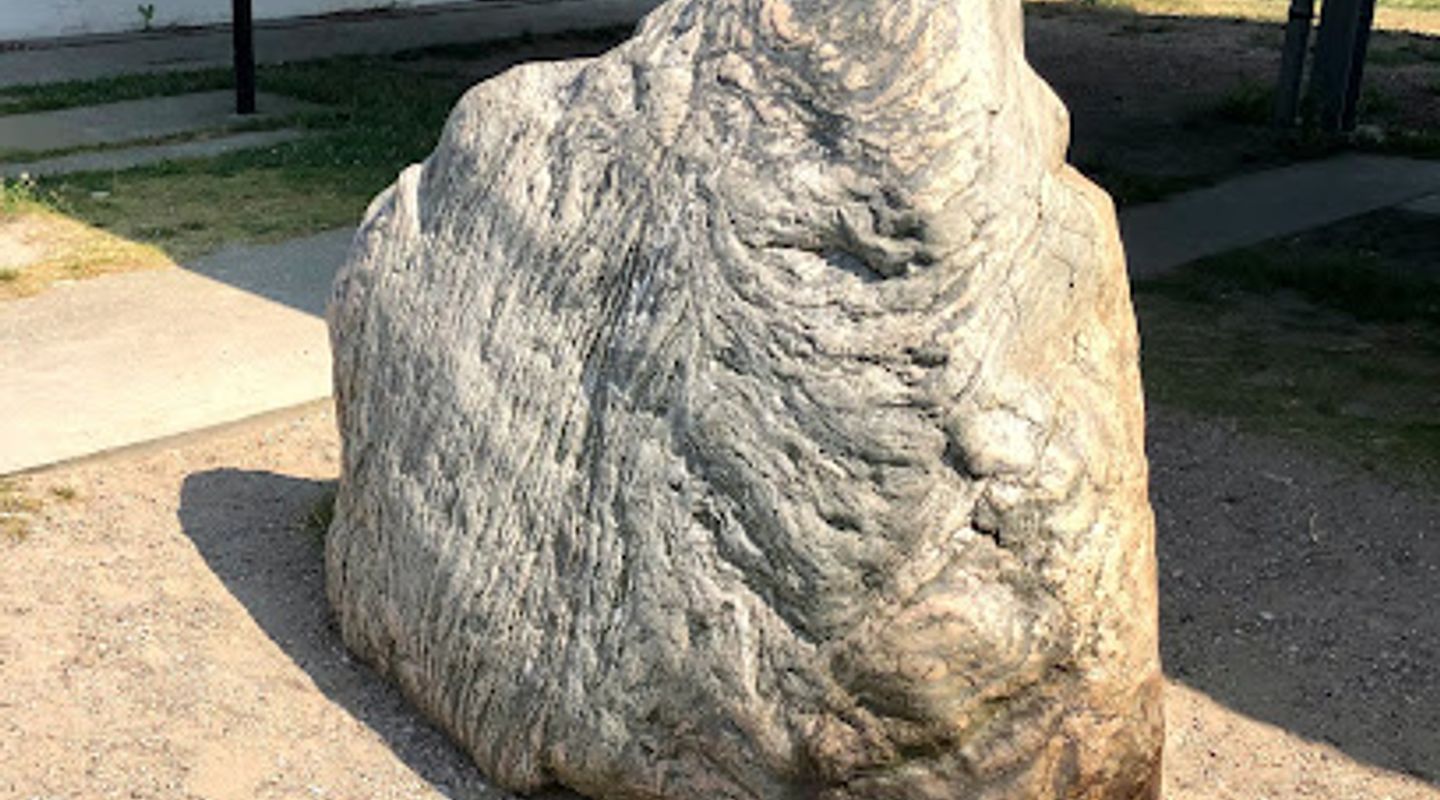
The South Stone, Gedser Odde Travel Guide
A simple stone at Gedser Odde marking Denmark’s southernmost point, where Baltic waves, migrating birds and windswept cliffs frame the edge of Scandinavia.
The South Stone, or Sydstenen, is a simple granite marker with a big claim: it marks the southernmost point of Denmark and all of Scandinavia at Gedser Odde. Set on a low, windswept headland where the Baltic’s waves eat into clay cliffs, it is more about geography and raw seascape than spectacle. Come for wide horizons, dramatic coastal erosion, birdlife, and the quiet thrill of standing at the edge of the Nordic world.
A brief summary to The South Stone
- Gedser Fyrvej, Gedser, 4874, DK
- Click to display
- Duration: 0.5 to 2 hours
- Free
-
 Outdoor
- Mobile reception: 4 out of 5

Know before you go
Hi, I'm Eve. Here are a few practical things to know before exploring The South Stone.
- Bring windproof layers year‑round; the exposed headland can feel much colder than inland, even on bright summer days.
- Wear sturdy shoes if you plan to explore the beach below the cliffs, as the shore is mostly stones and can be slippery when wet.
- For birdwatching, aim for spring or autumn migration periods and bring binoculars to spot flocks passing the headland.
- Pack snacks or a picnic; there are benches near the car park and interpretation building but no café directly at the South Stone.
- Stay well back from cliff edges and obey any local safety notices, as the clay coastline is actively eroding.
Do you manage this location?
Take control to get all the benefits, like improved information, better appearance, and stronger visibility across AI-powered discovery. Learn more about listing your business on Evendo
Activate your presenceOther nearby places you may find interesting
The closest places of the same kind, if this one is not quite what you had in mind.
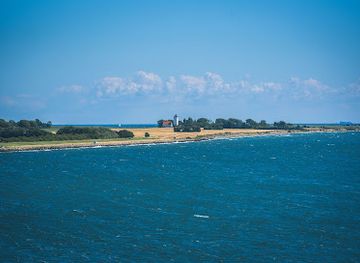
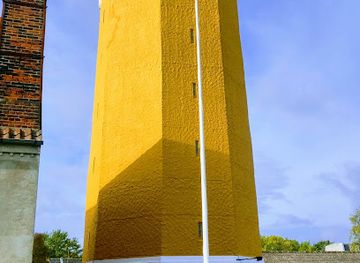
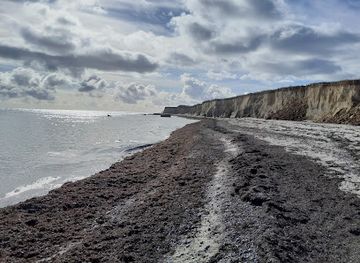
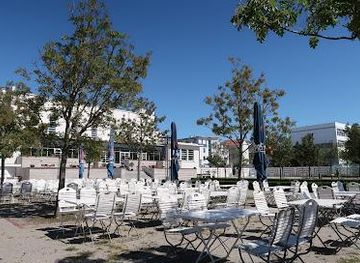
Explore The South Stone on the Map
A handpicked selection of must-see spots near The South Stone, mapped for you.
Getting There
-
Car from Gedser town
From central Gedser, reaching the South Stone by car typically takes about 10–15 minutes, following local roads toward Gedser Odde. The final approach is along a narrow rural road with a public parking area near the headland. Access is free, but parking spaces can fill on sunny weekends and in peak holiday periods. The last stretch from the car park to the stone is on foot along a level path, suitable for most visitors but exposed to strong winds.
-
Bicycle from Gedser and Falster
Cycling from Gedser to the South Stone usually takes 20–30 minutes each way, depending on pace. The route follows quiet local roads commonly used by touring cyclists and may be combined with longer rides along the Falster coastline. There is no dedicated bike parking infrastructure at the stone itself, but bicycles can be left near the car park or by the interpretation building. Expect strong headwinds at times and bring waterproofs in changeable weather.
-
Walk from Gedser area
On foot, the South Stone can be reached in roughly 1–1.5 hours from the Gedser harbour area by following signed paths and local roads across flat terrain. Parts of the route may be unpaved, occasionally muddy after rain, and fully exposed to sun and wind, so comfortable walking shoes and weather‑appropriate clothing are essential. There is no fee for visiting, and the experience is best suited to reasonably fit walkers who enjoy open coastal landscapes.
-
Public transport to Gedser plus local connection
Regional buses typically connect Gedser with larger towns on Falster and Zealand in about 45–90 minutes, depending on the route and season, with single fares often in the range of 40–80 DKK. From Gedser, you can continue to the South Stone by taxi, which usually takes around 10–15 minutes, or by renting a bicycle locally. Services are less frequent in the evenings and on weekends, so it is important to check current timetables and plan your return in advance.
For the on-the-go comforts that matter to you
-
 Restrooms
-
 Seating Areas
-
 Trash Bins
-
 Information Boards
Discover more about The South Stone
Where Scandinavia Quietly Comes to an End
The South Stone, known locally as Sydstenen, marks the symbolic southernmost point of Denmark and of the Scandinavian peninsula. Set on the exposed tip of Gedser Odde, it is little more than a carved boulder, yet it carries a strong sense of arrival. Behind you lies flat Falster farmland; ahead, nothing but the Baltic Sea and the shipping lanes towards Germany and the wider continent.This modest monument is part geographic milestone, part contemplative spot. The low, grassy headland and open sky create an immediate awareness of distance and direction. On clear days, the horizon seems almost razor‑sharp, and large ferries and cargo ships slide across your field of vision, underscoring the stone’s quiet claim about borders and thresholds.Wind, Waves and Ever‑Changing Cliffs
Gedser Odde is shaped by the Baltic’s constant battering, and the South Stone stands close to clay cliffs that are slowly being eaten away by the sea. Walk a short distance from the marker and you can look down on a narrow stony beach where waves roll in over flint and fossil‑rich pebbles. After storms, beachcombers often search here for small pieces of amber and ancient shells.Because the headland narrows, you can sometimes experience near‑calm water on one side and white‑capped waves on the other. The wind is rarely absent; even on sunny days it can feel brisk, adding to the sense of being on a frontier between land and water. The constant erosion means the coastline here is never quite the same from one year to the next.Bird Routes and Baltic Watchposts
This headland is not only a geographic extreme but also a key waypoint for migratory birds. The shape of Denmark funnels thousands of geese, raptors and songbirds past Gedser Odde, particularly during spring and autumn. Nearby birdwatching facilities and hides underline the area’s importance as a natural corridor, and even casual visitors can often spot flocks passing low over the sea or resting on the waves.There is also a human story of vigilance. During the Cold War, this stretch of coast formed part of a chain of naval and military lookout points monitoring movements across the Baltic. Buildings further up the headland now house exhibitions about coastal geology, local nature and offshore wind farms, but they also echo the era when this quiet spot was a frontline observation post between political blocs.Simple Coastal Moments at the Edge of Denmark
Visiting the South Stone is largely about unhurried time outdoors. A short walk from the nearby parking area brings you to the marker, a set of steps to the beach and broad grassy patches where you can pause on a bench or sit in the lee of low dunes. It is a place for picnics, wind‑tousled photos and watching the changing colour of the water as clouds pass.Facilities around the point are intentionally limited. Expect a car park, a few information signs and, when open, basic restrooms near the interpretation building rather than a developed promenade. Bring warm layers: even in summer, the breeze across the exposed tip can feel surprisingly cool. Those who linger into the evening are often rewarded with wide sunsets and a dark, star‑pricked sky, broken only by the flash of Gedser Lighthouse further along the coast.Combining Landmarks Along Gedser’s Coast
The South Stone fits naturally into a broader exploration of Gedser’s shoreline. To the north‑west, the red‑and‑white Gedser Lighthouse from 1802 stands sentinel above the same restless sea, while old naval buildings and bird stations sit tucked behind the dunes. Gentle paths and informal tracks connect these points, inviting slow walks along the brink of the cliffs or down on the pebbled beach.Whether you come for a quick stop to say you have stood at Scandinavia’s southern edge, or for a longer wander along the headland, Sydstenen offers a clear, unfussy experience. It is about elements more than amenities: sea, sky, wind and a simple stone that quietly marks the place where one region ends and another begins.












Your all‑in‑one travel companion app
Explore expert travel guides, compare and book tours, experiences, hotels, and more—all from the palm of your hand. Download now for seamless trip planning wherever your wanderlust takes you.


Explore More of Gedser Odde
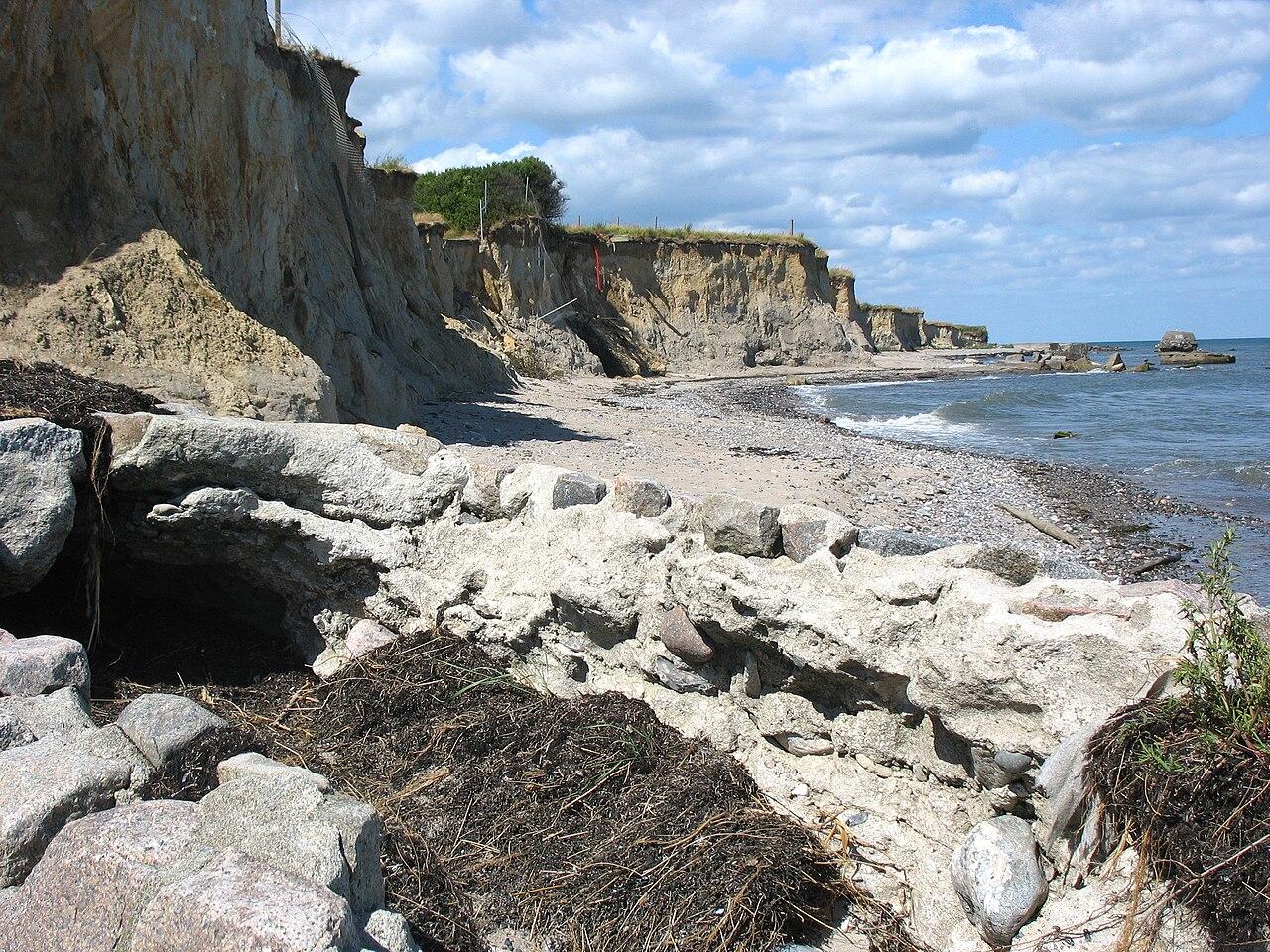
Looking beyond The South Stone? Discover Gedser Odde for broader travel guides, local hot-spots, and regional highlights.
Explore Gedser Odde

