

St. Mary's Church, Helsingor Travel Guide
Free Guide: Gothic brick, cloistered courtyards and a famed Baroque organ combine at Helsingør’s St. Mary’s Church, a rare surviving Carmelite monastery in the heart of town.


A brief summary of St. Mary's Church
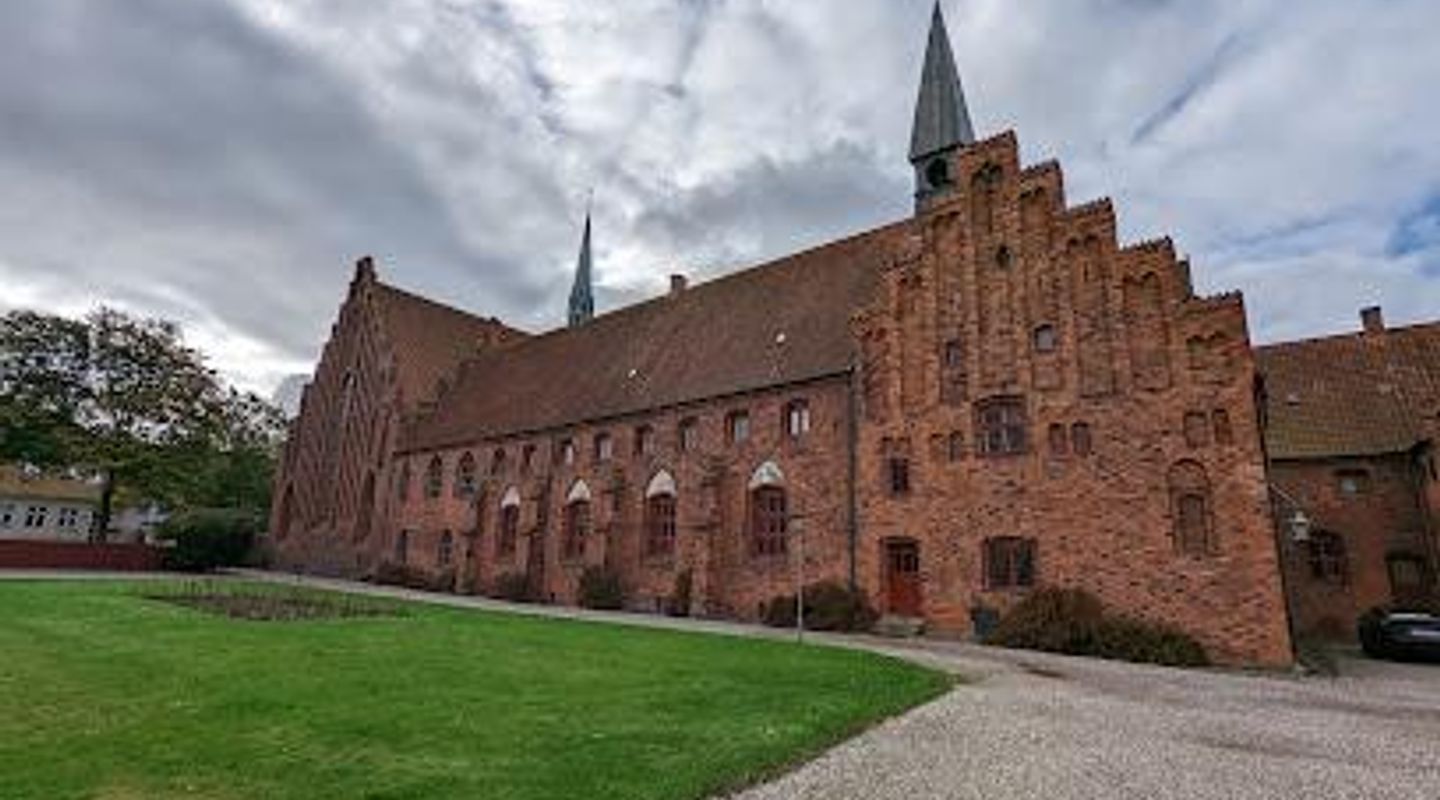
Gothic brick, cloistered courtyards and a famed Baroque organ combine at Helsingør’s St. Mary’s Church, a rare surviving Carmelite monastery in the heart of town.
Tucked into Helsingør’s old town, St. Mary’s Church forms the heart of Denmark’s best‑preserved medieval Carmelite priory. This 15th‑century Gothic brick church is famed for its ornate Baroque organ once associated with composer Dieterich Buxtehude, exquisite carved furnishings and detailed stone floor. Cloistered courtyards, red‑brick ranges and quiet gardens create a rare glimpse of monastic life just a short stroll from Kronborg Castle.
On-site amenities
 Restrooms
 Seating areas
 Information boards
 Trash bins
Opening hours
- MonClosed
- Tue10 am–3 pm
- Wed10 am–3 pm
- Thu10 am–3 pm
- Fri10 am–3 pm
- Sat10 am–3 pm
- Sun10 am–3 pm
Opening hours as listed on the venue’s Google Business Profile. Hours can change for services and special events, so check with the venue before you go.
- Address
- Sct Anna Gade 38, 3000 Helsingør
- Phone
- Website
Getting there
Train and walking from Copenhagen
Local bus within Helsingør
Car or taxi from North Zealand
Ferry and walking from Helsingborg
Discover more about St. Mary's Church
A Gothic church in a medieval monastery setting
St. Mary’s Church stands at the centre of a remarkably complete Carmelite priory complex, founded in the early 15th century when Helsingør was a rising port on the Øresund. Built in brick Gothic style, the church is flanked by long monastic wings and cloisters that still frame tranquil inner courtyards. From the street, stepped gables, tall windows and warm red masonry signal both spiritual ambition and mercantile prosperity.Inside, the nave feels surprisingly light, with slender pillars leading your eye toward an elaborate Baroque altarpiece and richly carved pulpit. Beneath your feet, gravestones and patterned stone slabs form an intricate floor that doubles as a record of local history. Despite centuries of change, the basic medieval layout of church and convent has survived, making this one of Denmark’s most evocative monastic ensembles.
From Carmelite friary to parish church
The priory was founded by Carmelite friars, whose life revolved around prayer, study and service to the harbour town outside the walls. Their cloister walks linked church, chapter house, dormitory and refectory in a self‑contained world ordered by the rhythm of the liturgy. The Reformation in the 16th century dissolved the monastery, ending the friars’ life here and turning the complex to new purposes.In the centuries that followed, the church became closely tied to Helsingør’s international community. For a long period it functioned as the town’s “foreign” church, serving seafarers and merchants who passed through this busy sound toll station. Later restorations carefully revived medieval brickwork, vaulting and painted details, allowing the priory to tell its layered story without losing the patina of age.
Music, art and the famous Baroque organ
St. Mary’s is particularly renowned for its grand Baroque organ, one of the most historically important instruments in Denmark. The ornate organ façade and loft dominate the west end of the church, their gilded carvings and painted figures celebrating both music and faith. The instrument is closely associated with composer and organist Dieterich Buxtehude, who worked here in the 17th century and helped shape North German organ music.Around the nave, altarpieces, epitaphs and sculpted choir stalls chart the tastes of different eras. Medieval and Renaissance stonework sits alongside later Baroque woodcarving, while subtle fragments of wall painting hint at pre‑Reformation decoration. The combination of visual richness and resonant acoustics makes the church a notable venue for organ recitals and choral music.
Cloisters, courtyards and quiet corners
Step through to the priory courtyards and the mood changes from urban parish church to secluded monastery. Covered walkways enclose lawns, small gardens and a much‑photographed old tree that has become a living symbol of continuity. Brick arcades frame views of tiled roofs and simple windows, offering an intimate sense of how monastic life once unfolded in these spaces.Even on busy days in Helsingør, the cloisters usually feel sheltered and calm. Architectural details reward closer inspection: patterned brickwork, carved corbels, worn thresholds, and the rhythm of repeated arches. It is an ideal place to pause between visits to nearby Kronborg Castle and the harbourfront museums, especially if you enjoy sketching or photography.
Experiencing St. Mary’s today
Today the complex functions both as an active church and a historical site. Regular services, concerts and special events share the building with quiet periods when visitors can simply wander, sit in a pew or study the stone inscriptions. Information panels and modest signage help you navigate without disturbing the atmosphere of worship.Most visits focus on the church interior and the main cloister, which together can occupy an hour or more if you linger over details. Combined with a walk through Helsingør’s cobbled streets and a visit to Kronborg, St. Mary’s rounds out an immersive picture of the town’s religious, musical and maritime heritage.
Practical visit notes
Entry to the church is generally free, with donations welcome to support ongoing maintenance and music. Typical opening hours run from late morning to mid‑afternoon on most days, though hours can change for services, weddings or rehearsals. The old‑town setting means you approach on foot along slightly uneven pavements, but once inside the church floor is relatively level.There are occasional modest queues when group tours arrive, yet the interior rarely feels overcrowded outside peak summer weekends. Photography is usually permitted without flash, especially when no service is taking place. Allow time simply to sit and listen; even in silence, the building’s long history and gentle creak of wooden pews create their own kind of soundtrack.
Evendo Review Centre
 Google
Guest reviews
Best time to go
Quietest: Jan, Feb & Nov · before 7am or from 8pm
Busy times are Evendo estimates for a typical year, to help you plan. Actual crowds vary with events, school holidays and the weather.
Explore St. Mary's Church on the map
A handpicked selection of must-see spots near St. Mary's Church, mapped for you.
Get your free copy of our complete guide to St. Mary's Church, delivered straight to you.
Everything on this page, from opening hours and how to get there to Eve’s tips and the best time to go, in one PDF you can read offline, print or share.
Already have an account? Sign in
Your St. Mary's Church guide is ready.
We'll send it to · Not you? Sign out

Getting your guide ready…
We are putting together a fresh copy of the St. Mary's Church guide. This can take up to a minute.
This can take a few moments. If your browser asks, choose Allow so the download can start. You'll find the guide in your Downloads folder.
Nothing happened? Download it again
Sorry, the guide is taking longer than usual. Please try again in a minute, or get it by email instead.
Unlock the best of St. Mary's Church
Skip-the-line tickets, guided tours with entry, and walking tours of the area, booked in a few clicks.
 Tour with entry
Private Custom Tour with a Local Guide in Helsingør
from $213.36 Tour with entry
Private Cultural Walk in Historic Helsingør
from $1,424.05 Tour with entry
Private Christmas Cultural Walk in Historic Helsingør
from $1,538.05 Tour with entry
Private Customizable Walking Tour in Helsingør
from $1,581.75

Other nearby places you may find interesting
The closest places of the same kind, if this one is not quite what you had in mind.
-
-
-
-
-


Swipe for more places
More to explore near St. Mary's Church

 Best experiences near St. Mary's Church
 Best hotels near St. Mary's Church
 Best landmarks near St. Mary's Church
 Best attractions near St. Mary's Church
 Best shops near St. Mary's Church
 Best restaurants near St. Mary's Church
 Best bars near St. Mary's Church
Do you manage this location?
Take control to get all the benefits, like improved information, better appearance, and stronger visibility across AI-powered discovery.
Explore more

Explore more of Helsingor
Discover Helsingør, Denmark's historic coastal city, home to Kronborg Castle and a vibrant cultural scene, offering a blend of history, scenic beauty, and local charm.
Explore Helsingor
Explore more of Denmark
Discover Denmark: A perfect blend of history, modern design, and the cozy concept of hygge. Explore vibrant cities, serene landscapes, and world-class cuisine.
Explore Denmark
