Kronborg Castle Church, Helsingor Travel Guide
Free Guide: Renaissance sanctuary that miraculously survived fire, preserving royal religious heritage within Hamlet's legendary castle.


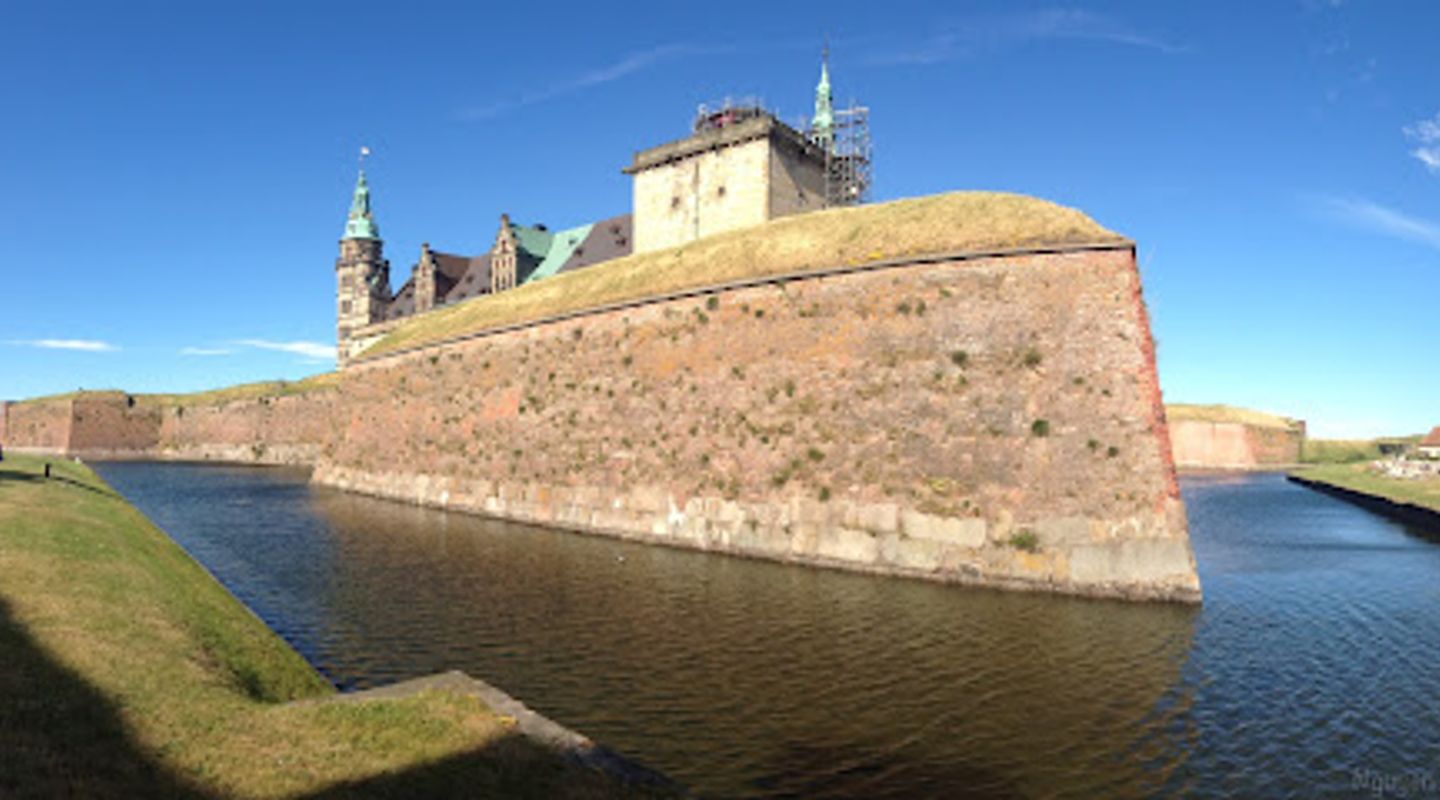
A brief summary of Kronborg Castle Church
Renaissance sanctuary that miraculously survived fire, preserving royal religious heritage within Hamlet's legendary castle.
The chapel at Kronborg Castle is a remarkably preserved Renaissance sanctuary inaugurated in 1582, standing as the only structure to survive the devastating fire of 1629. Located within Denmark's most iconic castle—the legendary setting of Shakespeare's Hamlet—this intimate church features richly carved wooden pews with painted headpieces, a whitewashed arched ceiling, black and white checkered floors, and an impressive pipe organ. Today it serves both the St. Mariae Parish and as a concert venue, offering visitors a glimpse into royal religious life and Danish cultural heritage.
On-site amenities
 Restrooms
 Drink options
 Food options
 Seating areas
 Information boards
 Visitor centre
- Address
- Kronborg Slot, Kronborg, 3000 Helsingør
- Phone
Getting there
Train from Copenhagen
Car via E47 Highway
Bus Service
Guided Tour from Copenhagen
Discover more about Kronborg Castle Church
A Chapel That Defied the Flames
Kronborg Castle's chapel stands as a testament to remarkable fortune and careful preservation. Inaugurated in 1582 under King Frederik II, this intimate sanctuary is the only building within the castle complex to survive the catastrophic fire of 1629 that destroyed most of the castle's interior. While the rest of Kronborg underwent extensive reconstruction in the Baroque style, the chapel retained its original Renaissance character, making it one of the most authentic examples of 16th-century royal religious architecture in Northern Europe.The chapel's survival was nearly miraculous. As flames consumed the castle's sumptuous halls and chambers, this small church remained untouched, preserving its original altar, gallery, pews, and furnishings exactly as King Frederik II had commissioned them. This preservation of original elements makes the chapel invaluable to historians and visitors seeking to understand the aesthetic and spiritual life of the Danish Renaissance court.
Intimate Design and Artistic Details
The chapel is deliberately modest in scale and decoration, reflecting the restrained elegance of Renaissance religious spaces. Its most distinctive features are immediately visible upon entry: a whitewashed arched ceiling creates an airy, contemplative atmosphere, while the floor is covered in striking black and white checkered tiles that draw the eye toward the altar. The altar itself is refined rather than ornate, maintaining the chapel's overall sense of proportion and balance.The most remarkable artistic elements are the painted wooden pews that line the chapel. Each pew is topped with a uniquely carved and painted headpiece depicting various aspects of the royal coat of arms, religious figures, and sacred symbols. These hand-crafted details reward close inspection, revealing the skill of Renaissance craftsmen and the symbolic language of royal patronage. At the opposite end of the chapel stands an impressive pipe organ, its presence dominating the space and serving both liturgical and musical purposes.
The King's Gallery and Royal Significance
The chapel's upper-floor gallery on the left side, as viewed from the altar, represents one of the most ornate areas of the entire space. This section was built on the orders of King Christian IV and served as the royal throne area, where the monarch could observe services while maintaining a position of prominence and separation from the general congregation. The three windows in this gallery are richly decorated, reflecting the chapel's role as a space where royal power and religious devotion intersected. The gallery's elaborate treatment contrasts deliberately with the simplicity of the main chapel, emphasizing the hierarchical nature of Renaissance court life.
From Military Barracks to Sacred Space
The chapel's history after the 17th century reflects the changing fortunes of Kronborg Castle itself. In 1785, as the castle was converted into military barracks, the chapel was repurposed as a gymnasium and fencing hall, its precious furnishings carefully removed and stored. For more than half a century, this sacred space echoed with the sounds of soldiers training rather than congregations praying. This period of secular use, while damaging to the chapel's spiritual purpose, inadvertently protected its original contents from further deterioration or loss.The restoration of the chapel to its religious function began in 1840 and was completed by 1843, when the original furniture was carefully reinstalled and the space was reconsecrated. This 19th-century restoration work was executed with respect for the Renaissance original, ensuring that visitors today encounter the chapel much as King Frederik II would have known it nearly 450 years ago.
Living Heritage and Contemporary Use
Today, Kronborg Castle Church remains an active place of worship for the St. Mariae Parish in Helsingør, ensuring that the chapel continues its original spiritual function alongside its role as a historical monument. The church hosts regular services, particularly on the first Sunday of each month and during church festivals, when visitors may hear the chapel bells pealing across the castle grounds and the Sound toward Sweden. Beyond its parochial duties, the chapel has become a venue for concerts and cultural performances, allowing its acoustics and historical atmosphere to serve contemporary audiences.The chapel has also hosted significant royal occasions, including royal weddings, connecting it to Denmark's ongoing monarchical traditions. This dual role—as both an active parish church and a heritage site—gives Kronborg Castle Church a living quality that distinguishes it from many museum churches. Visitors encounter not merely a preserved artifact but a space that continues to fulfill the purposes for which it was created.
Evendo Review Centre
 Google
Guest reviews
Best time to go
Quietest: Jan, Feb & Dec · before 7am
Busy times are Evendo estimates for a typical year, to help you plan. Actual crowds vary with events, school holidays and the weather.
Explore Kronborg Castle Church on the map
A handpicked selection of must-see spots near Kronborg Castle Church, mapped for you.
Get your free copy of our complete guide to Kronborg Castle Church, delivered straight to you.
Everything on this page, from opening hours and how to get there to Eve’s tips and the best time to go, in one PDF you can read offline, print or share.
Already have an account? Sign in
Your Kronborg Castle Church guide is ready.
We'll send it to · Not you? Sign out

Getting your guide ready…
We are putting together a fresh copy of the Kronborg Castle Church guide. This can take up to a minute.
This can take a few moments. If your browser asks, choose Allow so the download can start. You'll find the guide in your Downloads folder.
Nothing happened? Download it again
Sorry, the guide is taking longer than usual. Please try again in a minute, or get it by email instead.
Other nearby places you may find interesting
The closest places of the same kind, if this one is not quite what you had in mind.
-
-
-
-
-


Swipe for more places
More to explore near Kronborg Castle Church

 Best experiences near Kronborg Castle Church
 Best hotels near Kronborg Castle Church
 Best landmarks near Kronborg Castle Church
 Best attractions near Kronborg Castle Church
 Best shops near Kronborg Castle Church
 Best restaurants near Kronborg Castle Church
 Best bars near Kronborg Castle Church
Do you manage this location?
Take control to get all the benefits, like improved information, better appearance, and stronger visibility across AI-powered discovery.
Explore more

Explore more of Helsingor
Discover Helsingør, Denmark's historic coastal city, home to Kronborg Castle and a vibrant cultural scene, offering a blend of history, scenic beauty, and local charm.
Explore Helsingor
Explore more of Denmark
Discover Denmark: A perfect blend of history, modern design, and the cozy concept of hygge. Explore vibrant cities, serene landscapes, and world-class cuisine.
Explore Denmark