
Befrielsessten i Bramdrup
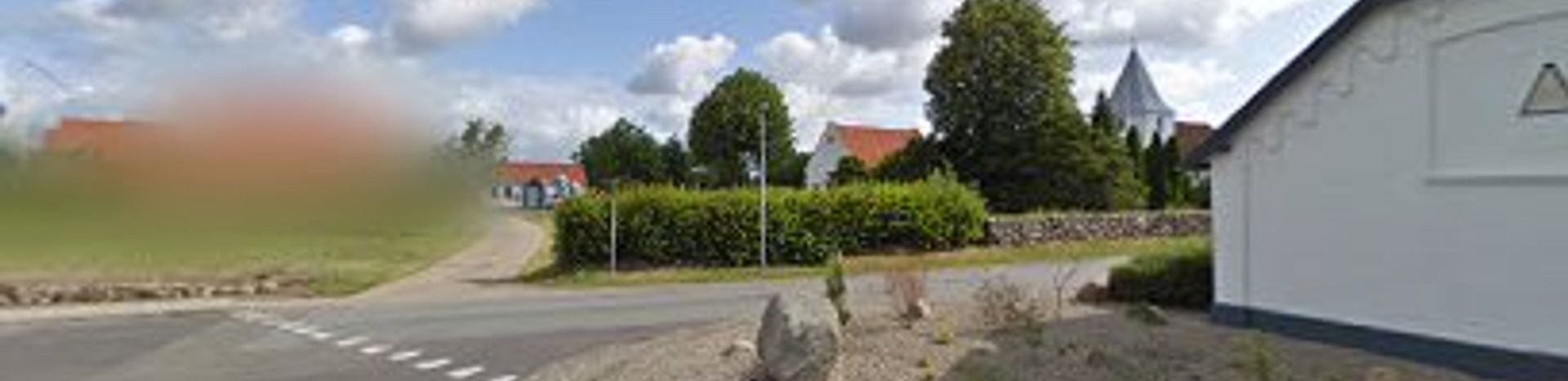
A modest liberation stone in Bramdrup, where local greenery and quiet streets frame a poignant reminder of Denmark’s freedom in 1945.
Tucked into a quiet corner of Kolding’s Bramdrup area, the Befrielsessten i Bramdrup is a modest liberation stone commemorating Denmark’s freedom at the end of World War II. This simple boulder, typically set on a small patch of grass and framed by trees and low hedges, carries inscriptions that honor those years of occupation and the joy of liberation in 1945. It is a contemplative stop rather than a grand monument, inviting a short pause, a photograph, and a moment of reflection on local history within an otherwise residential, everyday neighborhood.
A brief summary to Befrielsessten i Bramdrup
- Kolding, 6000, DK
- Duration: 0.25 to 0.5 hours
- Free
-
 Outdoor
- Mobile reception: 4 out of 5
- Monday 12 am-12 am
- Tuesday 12 am-12 am
- Wednesday 12 am-12 am
- Thursday 12 am-12 am
- Friday 12 am-12 am
- Saturday 12 am-12 am
- Sunday 12 am-12 am
Local tips
- Plan only a short stop of 10–20 minutes; the memorial is small and best combined with a wider walk or sightseeing in Kolding.
- Visit during daylight to clearly read the inscription and appreciate the stone’s details, as dedicated lighting may be limited.
- Keep noise low and behave respectfully; this is a war memorial embedded in a residential neighborhood, not a recreation park.

For the on-the-go comforts that matter to you
- Trash Bins
- Information Boards
- Seating Areas
Getting There
-
City bus from central Kolding
From central Kolding, use a local city bus toward the Bramdrup area; typical journey times are around 10–20 minutes depending on route and traffic. Buses usually run several times per hour on weekdays and slightly less frequently on weekends. Expect a single adult ticket to cost in the range of 20–30 DKK within the local fare zone. Alight at the nearest stop in Bramdrup and walk a few minutes on level pavements to reach the stone; this approach is generally suitable for most mobility levels.
-
Bicycle from Kolding city centre
Cycling from Kolding’s centre to Bramdrup typically takes 15–25 minutes, using regular urban streets and designated cycle paths where available. The route is mostly gentle in gradient, with occasional small inclines typical of Danish towns. There is no fee beyond any bicycle rental costs, which for a standard city bike are often around 100–200 DKK per day depending on provider. This option suits visitors comfortable with city cycling and offers a flexible way to explore nearby neighborhoods before or after visiting the memorial.
-
Taxi within Kolding
A taxi ride from central Kolding to the Bramdrup area usually takes 10–15 minutes under normal traffic conditions. Fares for such a short urban journey are commonly in the range of 120–200 DKK, varying with time of day and exact pickup and drop‑off points. Taxis provide a convenient choice for those with limited mobility or tight schedules, and drop‑off can be arranged very close to the memorial, reducing walking to a short, level approach.
Befrielsessten i Bramdrup location weather suitability
-
 Any Weather
-
 Mild Temperatures
-
 Cold Weather
-
 Hot Weather
Discover more about Befrielsessten i Bramdrup
A quiet stone with a powerful story
Befrielsessten i Bramdrup is one of the many liberation stones found across Denmark, raised after 1945 to mark the end of the German occupation during the Second World War. Typically set on a low plinth or base, the stone bears an inscription that recalls the years of hardship under occupation and the moment of liberation, often mentioning the dates 1940–45 and short, solemn phrases of gratitude and remembrance. In Bramdrup it stands not as a grand monument, but as a local landmark where national history touches everyday life. The stone is located in the Kolding district of Bramdrup, integrated into a small memorial corner that feels more like a neighborhood green than a formal park. A few trees, trimmed grass and perhaps a flagpole or low hedge define the space, giving the stone a sense of dignity without overwhelming its surroundings. It is the sort of place you might stumble upon on an ordinary walk and suddenly be reminded of how recent the events of the war still are in the Danish landscape.World War II memories in a local setting
Liberation stones were often erected by local committees, associations and residents who wanted to anchor the newly won freedom in a tangible way. Bramdrup’s stone belongs to this tradition: a physical expression of relief, pride and remembrance in a small community on the edge of Kolding. Although it is modest in size, it links Bramdrup to a wider network of memorials across Jutland and the rest of the country, each telling the same story in a slightly different local voice. The setting invites you to imagine how the area looked in the 1940s, when Kolding was marked by troop movements, shortages and uncertainty. In that context, the stone symbolized a turning point: a promise that the years of occupation were over and that everyday life could slowly rebuild itself. Standing here now, with traffic, housing and modern life all around, the contrast between past and present is striking and thought‑provoking.An atmosphere of pause and reflection
Although classified as a memorial park, the area around the stone is usually small and intimate rather than expansive. The atmosphere is quiet, shaped by the rustle of leaves, distant city sounds and the occasional passer‑by. Benches, if present, encourage you to sit for a moment, read the inscription and let the brevity of the text sink in. Even without detailed historical panels, the combination of date, simple words and the very act of commemoration speaks clearly. Because it is open at all hours and unfenced, the stone feels integrated into daily routines. Residents may pass it on their way to school, work or errands, while visitors can easily include it in a walk through the neighborhood or a broader exploration of Kolding’s wartime traces. It is a place of reflection rather than activity, suited to short, unhurried visits.Experiencing the memorial respectfully
Visiting Befrielsessten i Bramdrup does not require much time, but a thoughtful approach adds depth. Take a few minutes to read the inscription carefully, noting any dates or names and considering what they meant to the people who gathered here when the stone was unveiled. If a flagpole or flowers are present, they underline that remembrance is an ongoing act rather than a closed chapter. Photography is possible, but the character of the site encourages a discreet, respectful style: focusing on details of the carving, the texture of the stone and how it sits in the landscape. For those interested in Danish history, this memorial can serve as a starting point to seek out other liberation stones and monuments in and around Kolding, building a larger picture of how the town experienced and remembers the war.A small stop on a wider Kolding itinerary
Befrielsessten i Bramdrup works best as a brief stop within a longer day in Kolding. Its location in a residential district means there are no major facilities directly attached, but the city’s services, cafés and shops are not far away. The open‑air nature of the site makes it easy to drop by in daylight hours at any time of year, whether on a dedicated heritage walk or as a spontaneous detour. The memorial’s value lies in its simplicity. Instead of an extensive exhibition or dramatic architecture, you find a single stone that quietly carries heavy memories. Spending even a short time here adds a subtle but meaningful historical layer to your understanding of Kolding and Denmark’s twentieth‑century story.Iconic landmarks you can’t miss

Milling Hotel Saxildhus
3.5 km
Neo-Gothic English church set by Copenhagen’s Churchill Park and Kastellet, famed for its stained-glass windows, flint architecture, and tranquil atmosphere.
Kolding St.
3.5 km
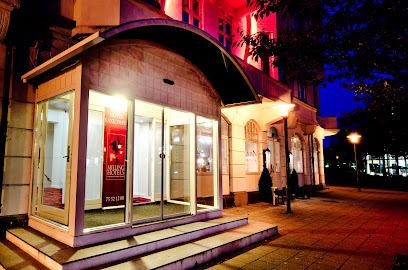
The compact rail and bus hub that delivers you straight into Kolding’s mix of castle-topped history, cobbled streets and fjord-side modern design.
Saint Nicolas Church
3.5 km
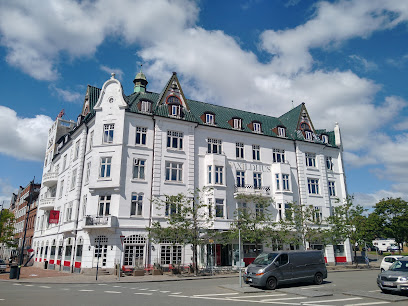
Kolding’s oldest church, where medieval roots, Renaissance artistry, and daily parish life meet under a red-brick neo‑Gothic tower.
Borchs Gård
3.6 km
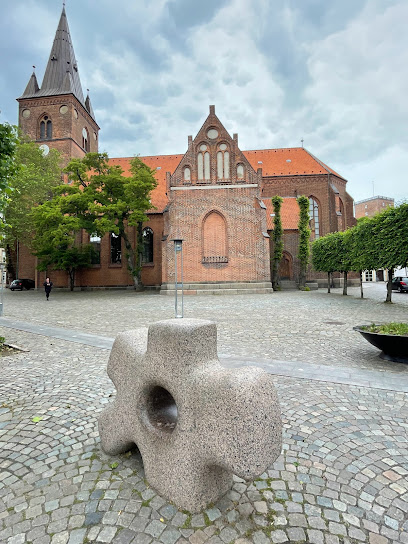
A vividly painted Renaissance townhouse from 1595, Borchs Gård brings Kolding’s mercantile past to life on the edge of lively Akseltorv square.
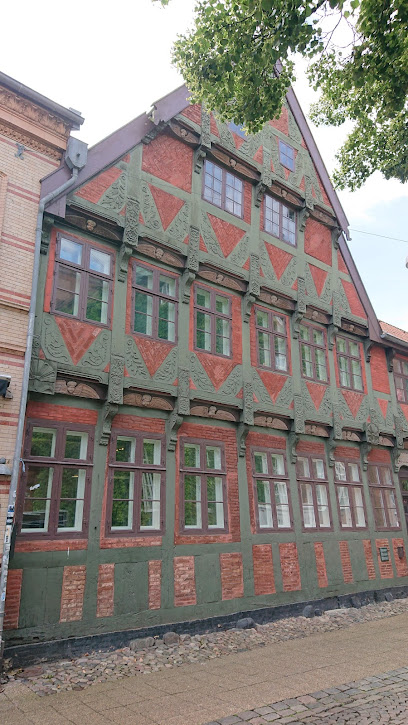
Villa Gertrud - Bed & Breakfast
3.8 km
St Alban’s Church is Copenhagen’s only Anglican church—an elegant Neo-Gothic landmark in Churchill Park, celebrated for its English architectural charm and tranquil location.
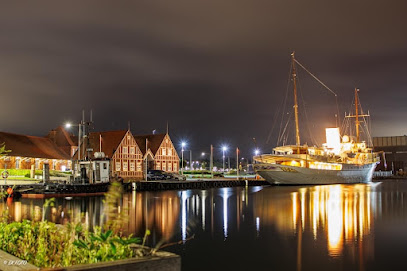
Saint Michaels Church
4.1 km
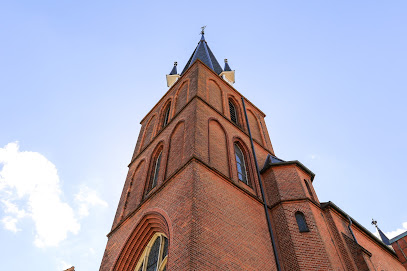
A modest 19th-century Catholic red-brick church in central Kolding, offering quiet reflection, intimate architecture and a glimpse of Denmark’s Catholic life.
Fredericia Vold
18.4 km
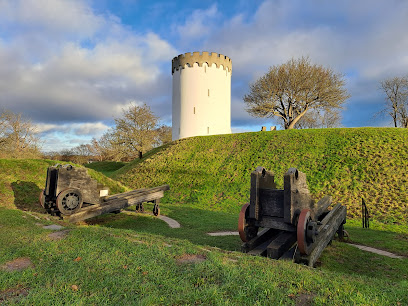
Northern Europe's best-preserved fortress ramparts, where 370 years of Danish military history meets urban parkland.
Troldborg Ring
19.3 km
Iron Age refuge fortress on a wooded hilltop, where grassy ramparts, “Devil’s Valley” slopes and wide views over Vejle Ådal bring deep Danish history to life.
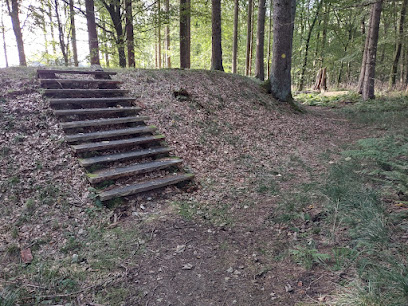
Vejle Vindmølle
20.0 km
Historic windmill turned art gallery with panoramic city views and rotating contemporary exhibitions.
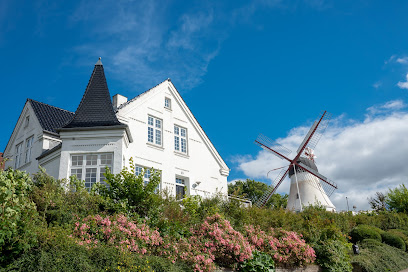
VisitVejle
20.8 km
Explore Andelstrappen and Fortællegyngestolen in Odense: A fusion of nature's beauty and rich literary heritage.
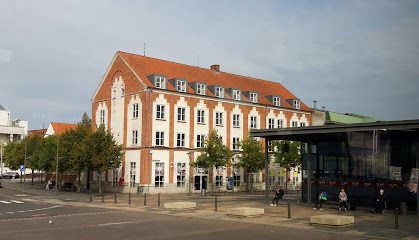
The Midgård Well
21.1 km
A coiled Norse serpent, a quiet city fountain and a whole mythic world wrapped into one small corner of central Vejle.
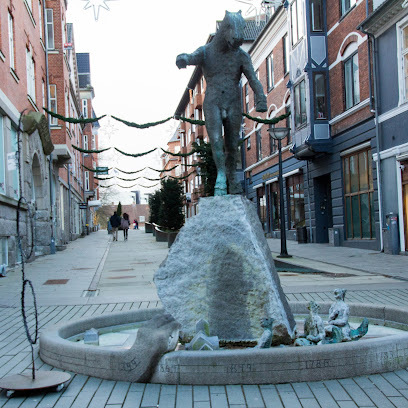
Tirsbæk Gods
23.5 km
Experience Tirsbæk Gods, an enchanting Renaissance estate on Vejle Fjord offering historic architecture, idyllic gardens, and immersive events in Denmark’s scenic countryside.
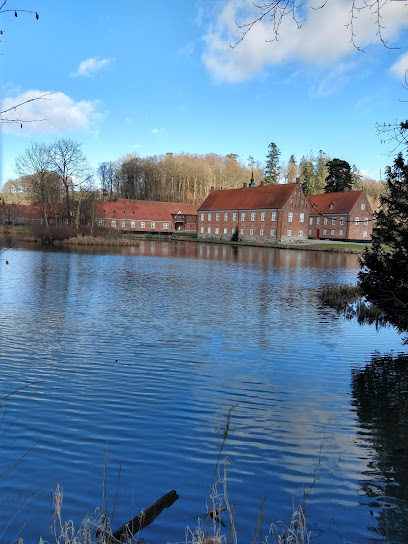
Træskohage fyr
24.5 km
An awe-inspiring Gothic cathedral at the heart of Odense, steeped in royal history as Denmark’s only sainted king’s final resting place.
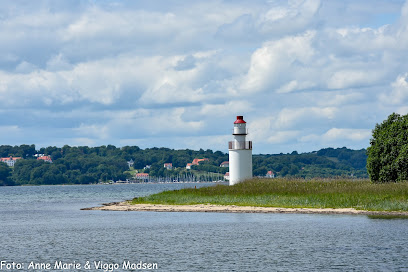
Jelling Mounds, Runic Stones and Church
26.3 km
Experience contemporary art in Vejle's historic 1950s vending machine gallery.
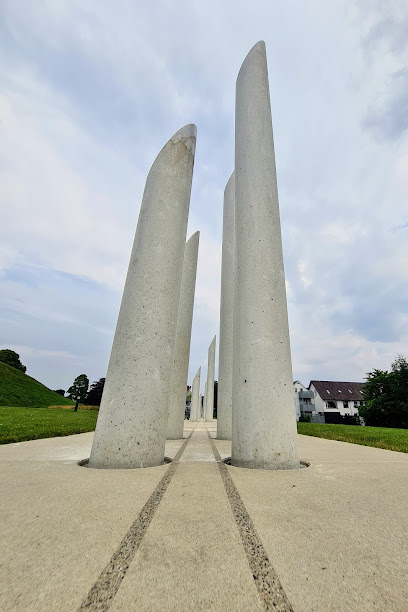
Kongernes Jelling
26.3 km
UNESCO-designated Kongernes Jelling unites Viking mounds, rune stones, and a modern museum, tracing Denmark’s earliest kings and the nation’s Christian roots.
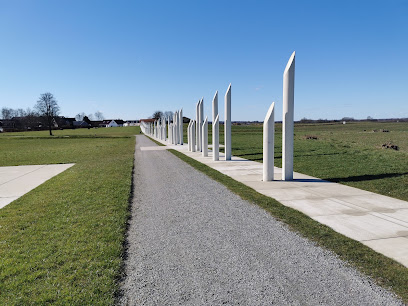
Unmissable attractions to see

Nyt Mødested Ved Bramdrupdam Dam
1.0 km
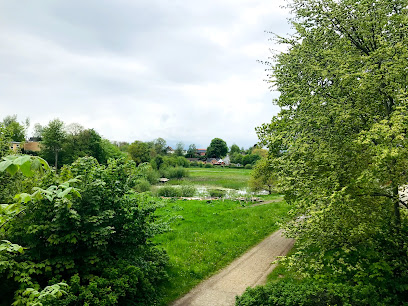
A small lakeside pause along Troldhedestien, where simple wooden decks, calm water and everyday nature create a relaxed local meeting spot in Bramdrupdam.
Skovterrassen
1.2 km
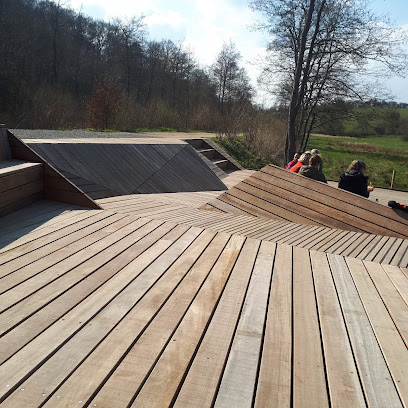
A simple wooden terrace tucked into Kolding’s Marielundskoven, offering a calm forest pause along Troldhedestien for walkers, cyclists, and families.
Cultural Forum Würth Kolding
1.9 km
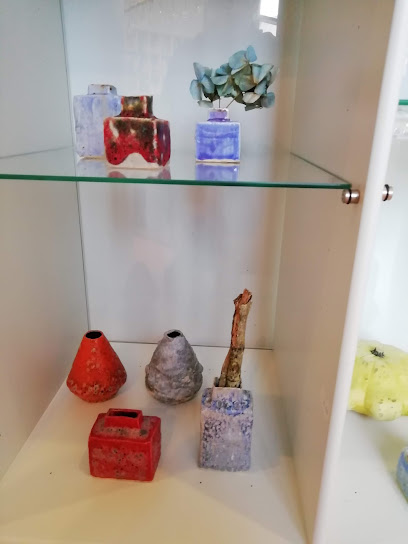
A light-filled corporate foyer transformed into a free, international art space showcasing highlights from Sammlung Würth on the industrial edge of Kolding.
Marielundskoven
2.5 km
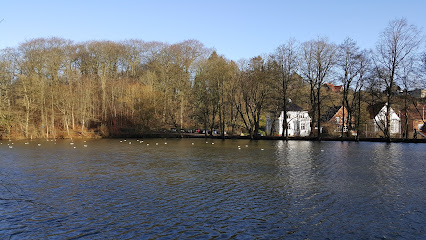
A 1850s forest sanctuary in Kolding's heart, where lakeside walks and woodland trails reveal nature's seasonal beauty.
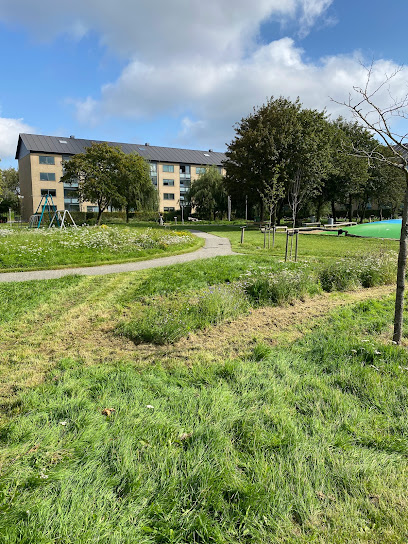
Oplevelses- og læringshaven med biodiversitet
2.6 km
Intimate urban biodiversity garden in Kolding, where wild planting, quiet corners and outdoor learning spaces turn a former grey pocket into a living green classroom.
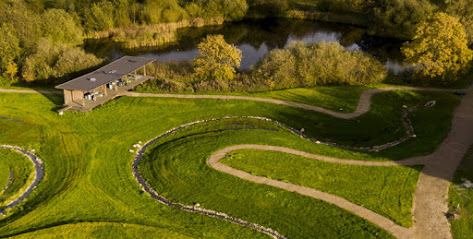
Klimapavillonen
3.0 km
Open-sided picnic pavilion on Kolding’s green edge, where campfires, forest trails and climate-friendly parkland meet just beyond the city streets.
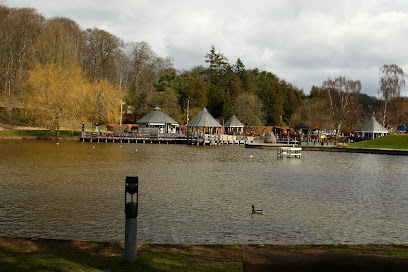
Kolding City Park
3.0 km
Family-friendly green oasis in central Kolding, with free seasonal boating, playgrounds and open lawns for easygoing outdoor time between city and castle.
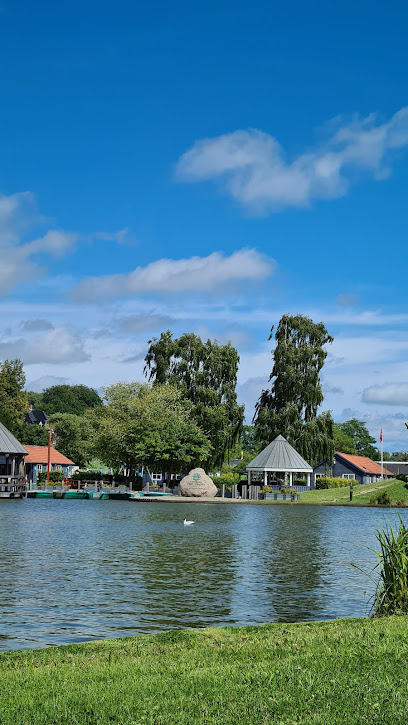
Legeparken
3.0 km
Large, free play park in central Kolding with lake, boats, mooncars and grills – an easygoing green playground for children of all ages and their adults.
St George's Garden
3.1 km
A modest neighbourhood park in Kolding, St George’s Garden offers simple lawns, trees and local life – a quiet pause between the town’s grander green spaces.
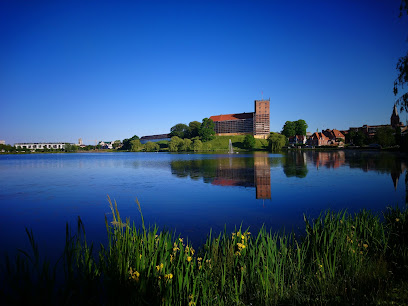
Vifdam park
3.1 km
A compact lakeside neighbourhood park in Kolding, where an artificial lake, play areas and quiet paths turn a dense residential quarter into an easy everyday escape.
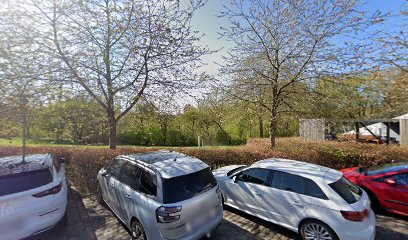
Springvandet ved slotssøbadet
3.2 km
Et moderne springvand på Slotsøens overflade, hvor vandsøjler, borgsilhuet og byliv mødes i et kort, gratis åndehul midt i Koldings historiske hjerte.
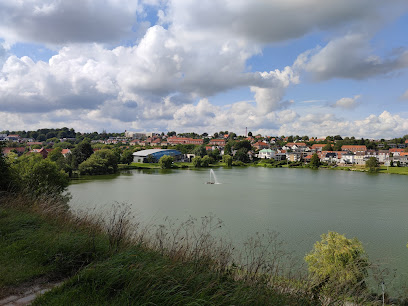
Art Gallery - Artist Charlotte Bruun
3.2 km
Intimate working studio and contemporary gallery in Kolding, showcasing Charlotte Bruun’s expressive acrylic paintings and abstract works in a relaxed industrial-space setting.
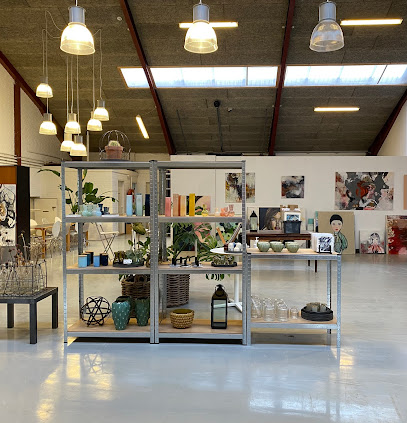
Apotekerengen
3.2 km
A modest strip of meadow and woodland on Kolding’s eastern edge, Apotekerengen offers everyday nature, fresh fjord air and a calm pause from urban life.
Slotssøen
3.3 km
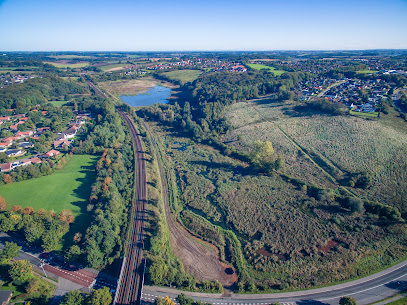
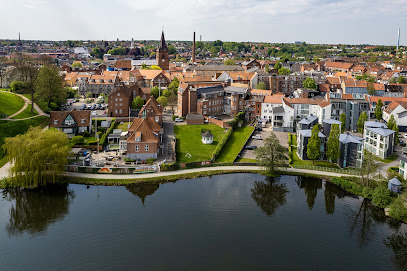
A small castle lake with big atmosphere, Slotssøen pairs medieval walls, swans and leafy paths to create Kolding’s most quietly evocative waterside walk.
Dansende Blomster og Mindetavlerne
3.3 km
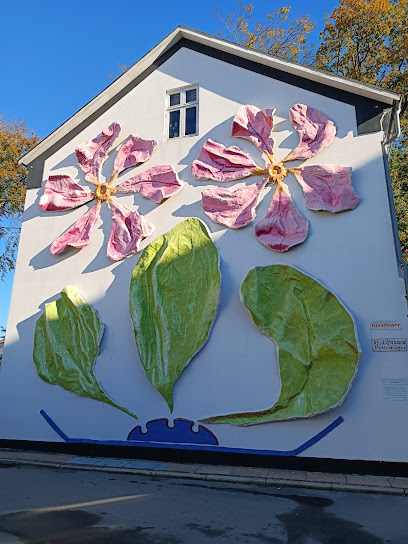
Walk through Kolding's industrial heritage on an open-air art route celebrating the city's forgotten craftspeople and visionaries.
Essential places to dine

Bramdrupdam Kro og Hotel
0.8 km
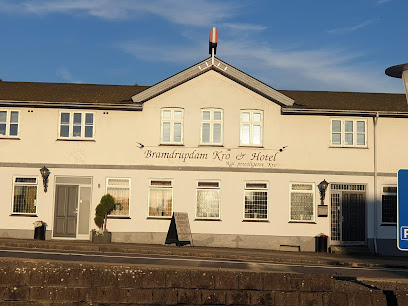
Traditional Danish kro on Kolding’s edge, blending hearty classic cuisine, simple lodging and event spaces in a convenient spot between motorway, city and green trail.
D'let - Det Grønne Køkken
1.2 km
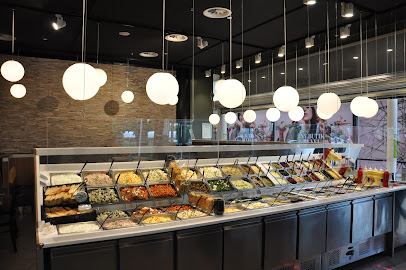
Colorful Thai flavors, hearty hot dishes and a generous salad bar in one weigh‑and‑pay buffet, making mall dining easy for mixed tastes and hungry shoppers.
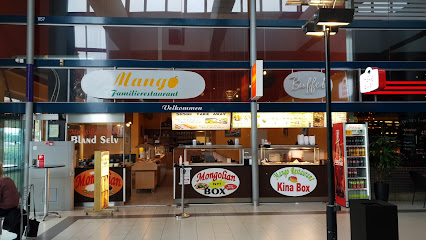
Mango Familierestaurant
1.3 km
Big, family-friendly Asian buffet inside Kolding Storcenter, combining sushi, hot dishes and grill in a casual, convenient setting for hungry shoppers and groups.
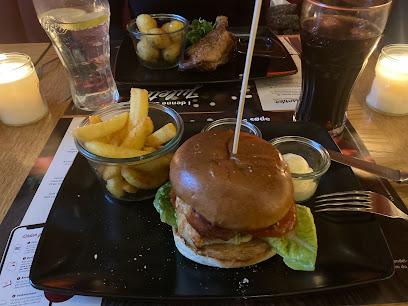
Jensens Bøfhus Kolding
1.3 km
Casual Danish steakhouse inside Kolding Storcenter, serving family‑friendly steaks, burgers, ribs and soft‑ice desserts from late morning to evening every day.
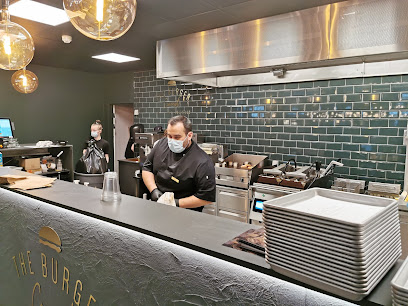
The Burger Concept - Burger i Kolding
1.4 km
Straightforward, budget-friendly burgers and fries in a casual setting just outside Kolding’s center, ideal for quick, no-fuss meals and easy takeaway.
Restaurant The Grill Kolding
1.5 km
All-you-can-eat grill buffet with fresh meats, salad bar, and seasonal dishes in family-friendly Kolding.
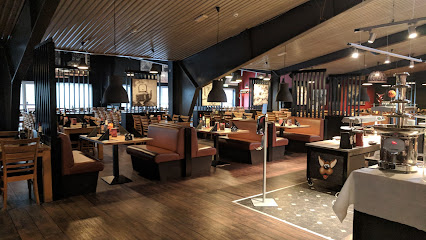
Pho Ly Vietnam
2.6 km
Unfussy Vietnamese comfort food in central Kolding, serving steaming pho, crisp banh mi and bubble tea in a simple, budget-friendly setting all week.
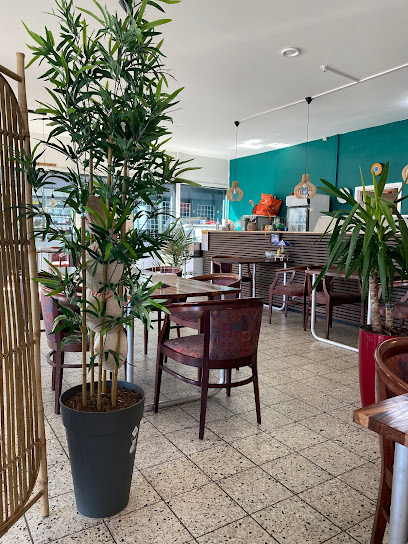
Bamsehuset
3.0 km
Cheerful ice cream kiosk and snack stop in Kolding’s Legeparken, serving classic cones, sweets, sandwiches and drinks in a relaxed, family-focused park setting.
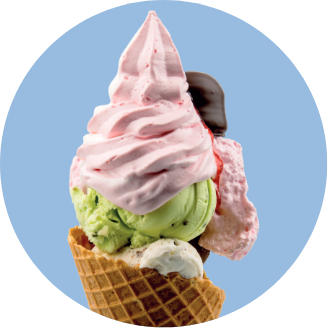
Peking Grill
3.2 km
Fresh Chinese takeaway and casual dining in central Kolding with generous portions and reliable quality.
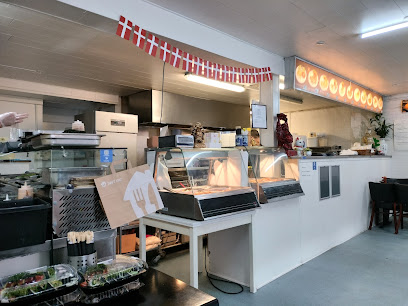
Resturent LE
3.2 km
Contemporary Asian cuisine in central Kolding with diverse menu and flexible service options.
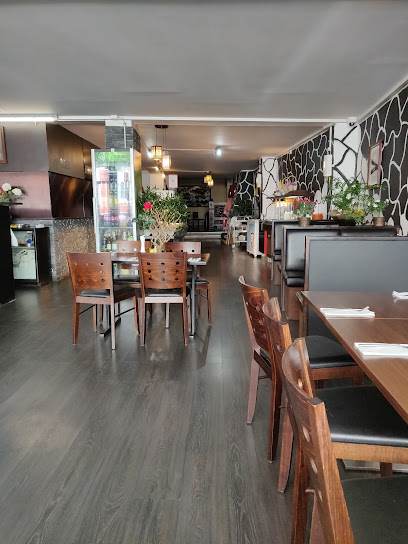
Spices of Dansborg
3.3 km
Cosy Indian restaurant on Kolding’s Låsbygade, serving aromatic curries, tandoori grills and biryanis in a warm, unhurried setting ideal for relaxed evenings.
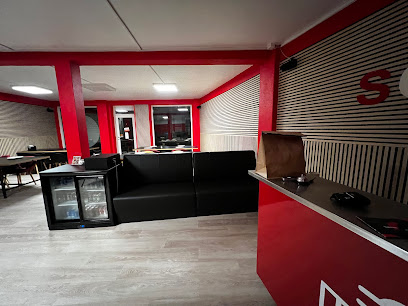
Baker's art
3.3 km
Artful cakes and pastries in a cosy Kolding bakery where Scandinavian design sensibility meets small-batch, weekend-treat indulgence on Fynsvej.
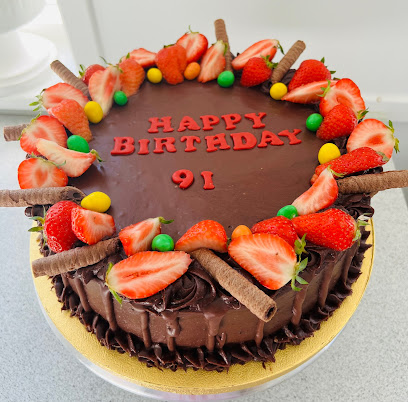
Desi Indian Taste Kolding
3.3 km
Casual Indian–Pakistani flavours and halal-friendly comfort food served nightly on Kolding’s historic Låsbygade, ideal for easy dine-in or takeaway.
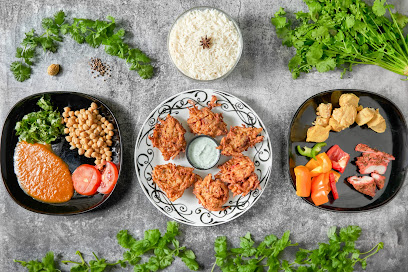
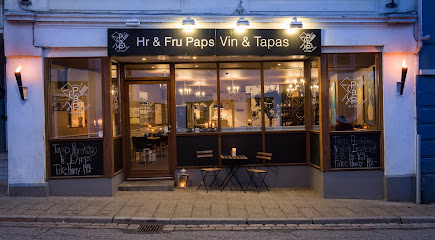
Hr & Fru Paps Vin & Tapas
3.4 km
Intimate Kolding wine bar and tapas hideaway serving Iberian-inspired small plates, candlelit atmosphere and conversational evenings in historic Låsbygade.
Le Restaurant Kolding
3.4 km
Casual Asian fusion dining in central Kolding, open daily with sushi, burgers, and meat specialties.
Markets, malls and hidden boutiques

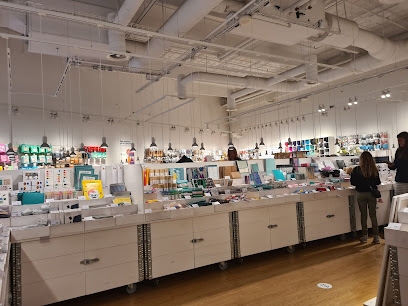
Flying Tiger Copenhagen
1.3 km
Compact, colourful and full of affordable surprises, Flying Tiger Copenhagen in Kolding is a playful stop for gifts, gadgets, crafts and Scandinavian‑styled everyday fun.
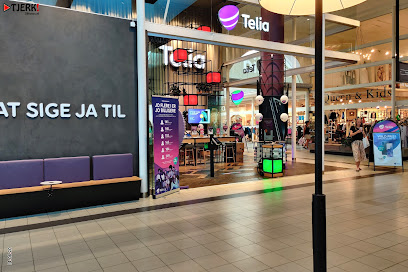
Telia Kolding
1.3 km
Denmark's leading telecom retailer offering mobile devices, repairs, and connectivity solutions in Jutland's largest shopping center.
Kids Coolshop
1.4 km
A colourful Kolding toy universe where shelves of games, LEGO, gadgets and cuddly friends make choosing the next gift as fun as unwrapping it.
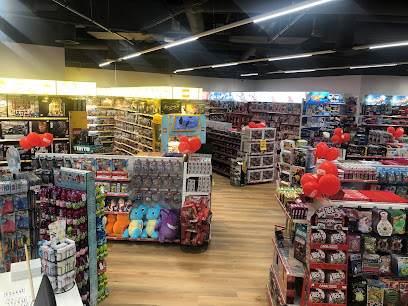
Kolding Storcenter
1.4 km
Jutland’s largest shopping centre, blending big-name retail, dining and cinema with free parking, family-friendly design and year-round indoor comfort.
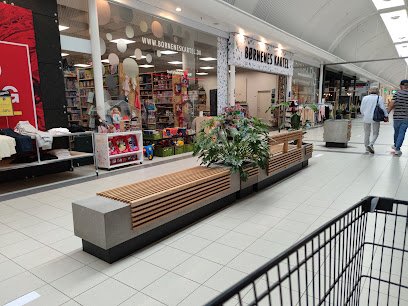
Message
1.4 km
Contemporary women’s fashion boutique in Kolding Storcenter, offering curated Scandinavian brands and complete outfits for workdays, weekends and nights out.
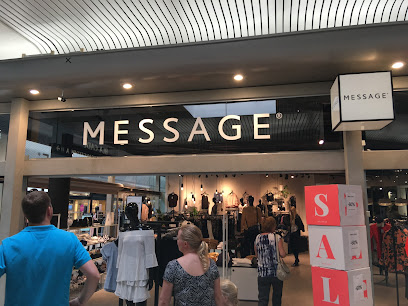
Bog & idé - Kolding Storcenter
1.5 km
Bright, modern book and gift shop inside Kolding Storcenter, mixing Danish reads, games and stationery with helpful service and long, convenient opening hours.
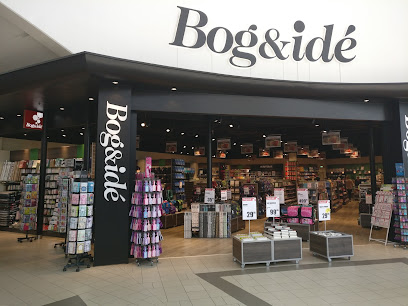
Plantorama Kolding
1.5 km
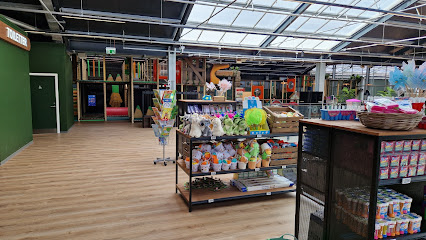
A modern 12,000 m² green universe in Kolding, blending garden center, pet shop, home décor and café with family‑friendly play zones and sustainable design.
Kirppu
1.8 km
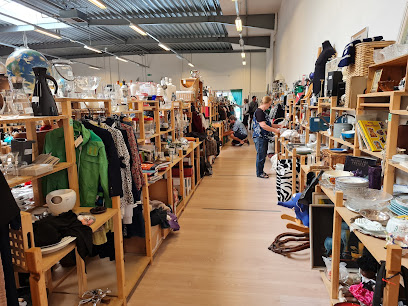
Big indoor flea supermarket in Kolding where locals rent stands and fill the aisles with ever-changing second-hand treasures, from vintage design to family cast-offs.
NP Vin - Vin Du Coeur
2.8 km
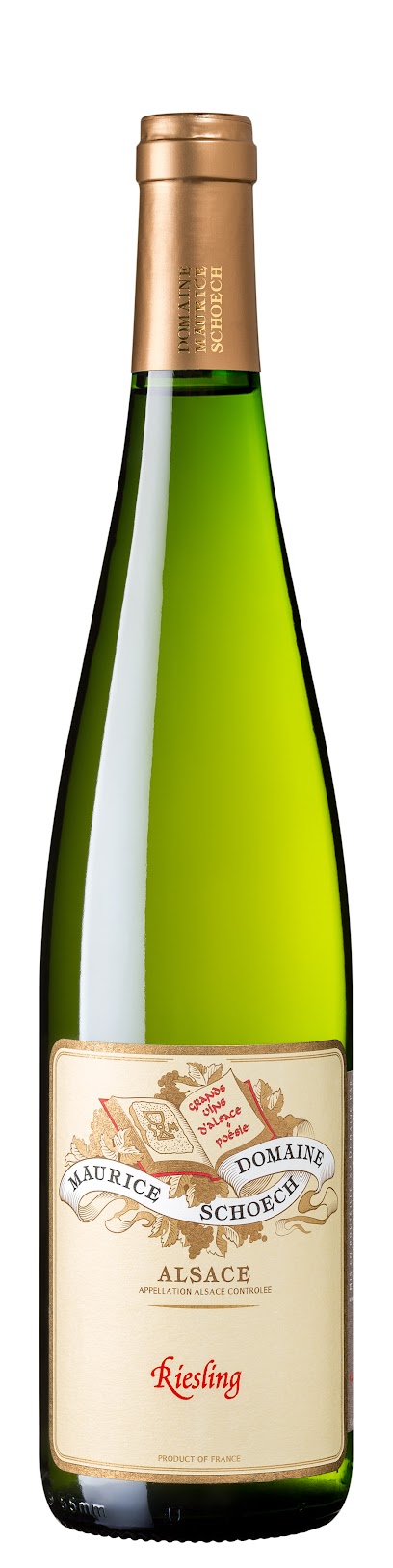
Curated wines and professional imports in Kolding's premier wine destination.
And Less online shop ›› Buy And Less from the official webshop
3.3 km
Contemporary Danish fashion for modern women, thoughtfully designed and accessibly priced.
Fru Hansen
3.5 km
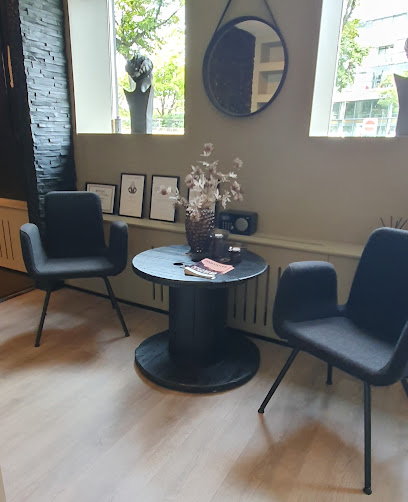
Private, specialist wig and extension studio in central Kolding, offering discreet consultations, natural‑looking hair solutions and professional spray tan treatments.
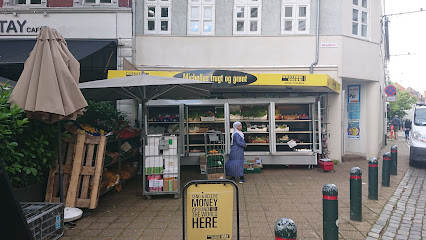
Michella´s Frugt og Grønt v/Mahmoud Aldherej
3.5 km
Compact, colourful greengrocer in central Kolding, perfect for fresh fruit, vegetables and picnic supplies between explorations of the city’s historic streets.
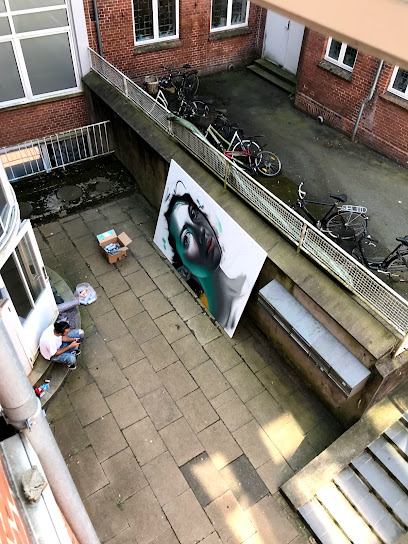
Sailor's Ink tattoo Kolding | Din tatovør i Kolding
3.6 km
Modern, art‑driven tattoo studio in central Kolding, blending award‑winning craftsmanship, strict hygiene and a relaxed living‑room vibe for first‑timers and collectors alike.
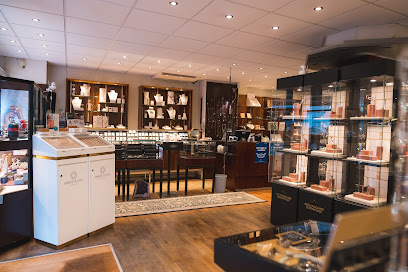
Lykke's Guld & Sølv
3.6 km
Longstanding Kolding jeweler on Jernbanegade, blending classic Danish craftsmanship, in-house repairs and a wide range of jewelry and watches for everyday and special occasions.
Gundtoft KOLDING CITY
3.6 km
Elegant women's fashion in Kolding's design-forward city centre, featuring curated Danish and international brands.
Essential bars & hidden hideouts

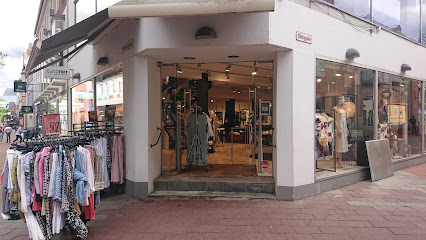
Centerpubben v/Henriette Lykke Skjøtt
0.2 km
Unpretentious neighborhood pub in Kolding offering inexpensive drinks, local faces and a slice of everyday Danish hygge from midday to late evening.
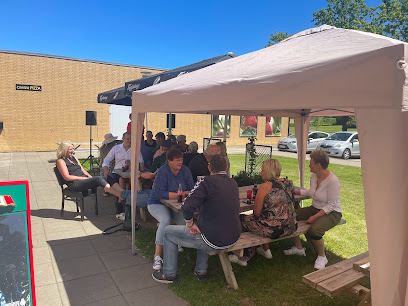
Oasen øl & vinbar
0.2 km
Cozy craft beer and wine bar in Kolding's center with genuine hospitality and unconventional charm.
danny og mille
1.0 km
Casual neighborhood bar in central Kolding offering relaxed drinks and social atmosphere.
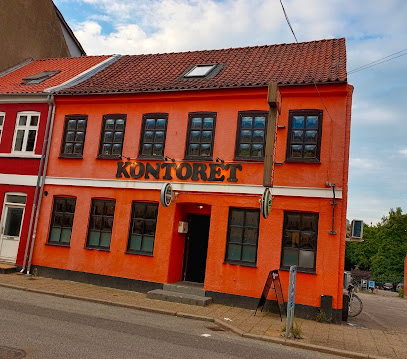
Kontoret Øl og Vinstue
3.3 km
Atmospheric Kolding bar in a historic townhouse, pouring beer and wine in warmly lit, wood‑paneled rooms that feel like the city’s convivial living room.
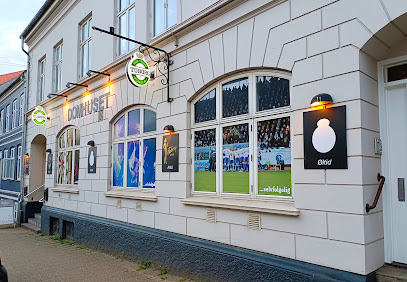
Domhuset Sportsbar
3.3 km
Straightforward Kolding sports bar with darts, big screens and cold beers in a relaxed pub setting on central Låsbygade.
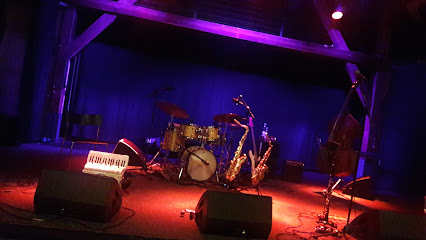
Jazz 6000
3.5 km
Intimate jazz stronghold in Kolding, presenting adventurous live concerts and collaborations that bring Danish jazz up close in a relaxed club atmosphere.
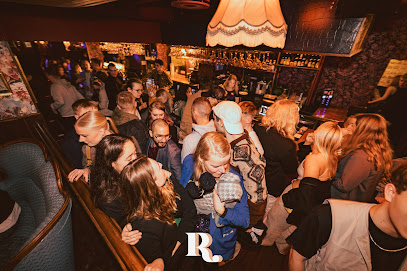
Rabalder Bar Kolding
3.6 km
Small, loud and laid-back, Rabalder Bar Kolding delivers sing-along hits, cheeky drink deals and late-night energy in a compact, central Kolding setting.
The Old Irish pub
3.6 km
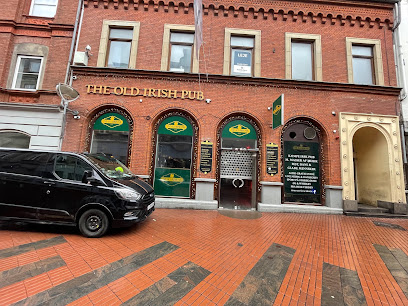
Kolding's premier Irish pub with live music, 300-person capacity, and weekend dancing until dawn.
Jernbanecaféen
3.6 km
Straightforward, central Kolding bar by the station, serving inexpensive drinks in a relaxed, lived‑in setting from midday until the early hours.
8eren
3.6 km
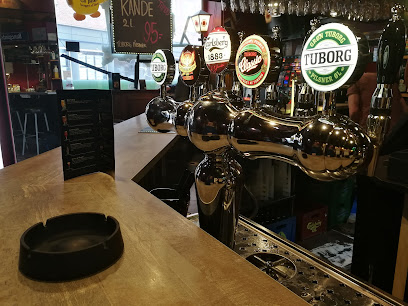
Kolding's premier cocktail bar and pool hall—where drinks, games, and good company meet.
The Cavern
3.6 km
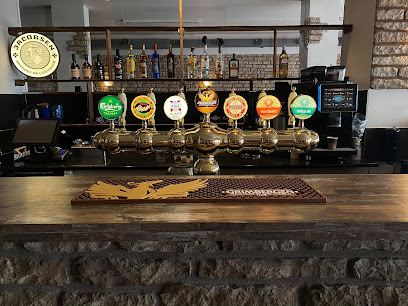
A cozy, low-lit lounge tucked inside Den Engelske Pub, offering intimate drinks, warm conversation and a calm escape from Kolding’s lively weekend nightlife.
Knuds Garage
3.6 km
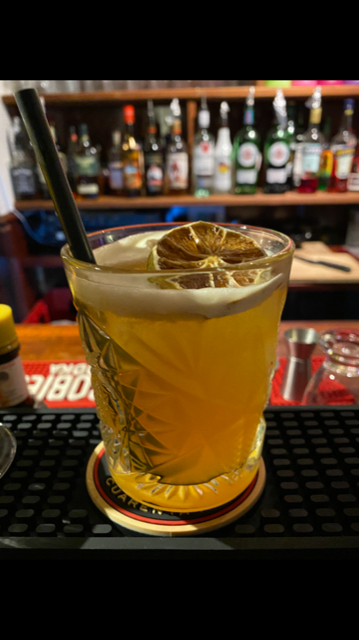
Garage‑themed neighborhood bar in central Kolding with affordable drinks, board games, foosball and a cozy courtyard that turns evenings into easygoing social nights.
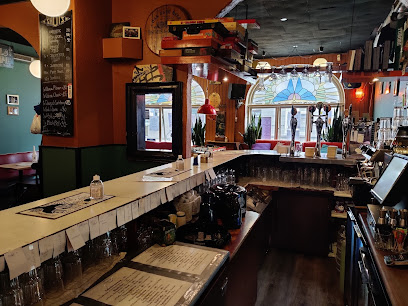
Den Engelske Pub - You'll Never Walk Alone
3.7 km
British pub tradition meets Danish warmth in Kolding's heart—craft beer, whisky, and football culture.
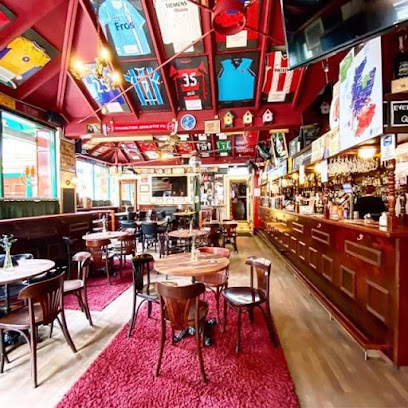
Vegas Bet & Beer
3.7 km
Straightforward beers, sports on screen and easygoing local banter in a compact bar at the heart of Kolding’s historic centre.
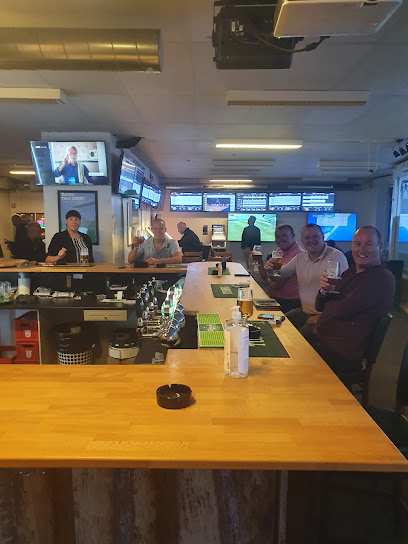
Papegøjen
4.1 km
A no-frills corner bodega in central Kolding where cold beer, card games and easy conversation keep the classic Danish pub culture very much alive.
For the vibe & atmosphere seeker
- Tranquil
- Scenic
- Unique
- Casual
For the architecture buff
- Historic
- Landmarks
For the social media creator & influencer
- Photo Spots
- Architectural Shots
For the eco-conscious traveler
- Low Impact
- Public-Transport Accessible
- Leave-No-Trace Critical
- Locally Managed
For the kind of experience you’re after
- Mindfulness
- Cultural Heritage
- Photowalk
- Day Trip
- Roadtrip Stop
For how adventurous you want the journey to be
- Easy Access
Location Audience
- Family Friendly
- Senior Friendly
- Child Friendly
- Teen Friendly
- Solo Friendly
- Couple Friendly
- Solo Female Friendly


