

Agerø Travel Guide
Free Guide: A small Limfjord island of open skies, bird-rich shores and quiet farmland, where causeway access leads to a softly spoken slice of rural Denmark.


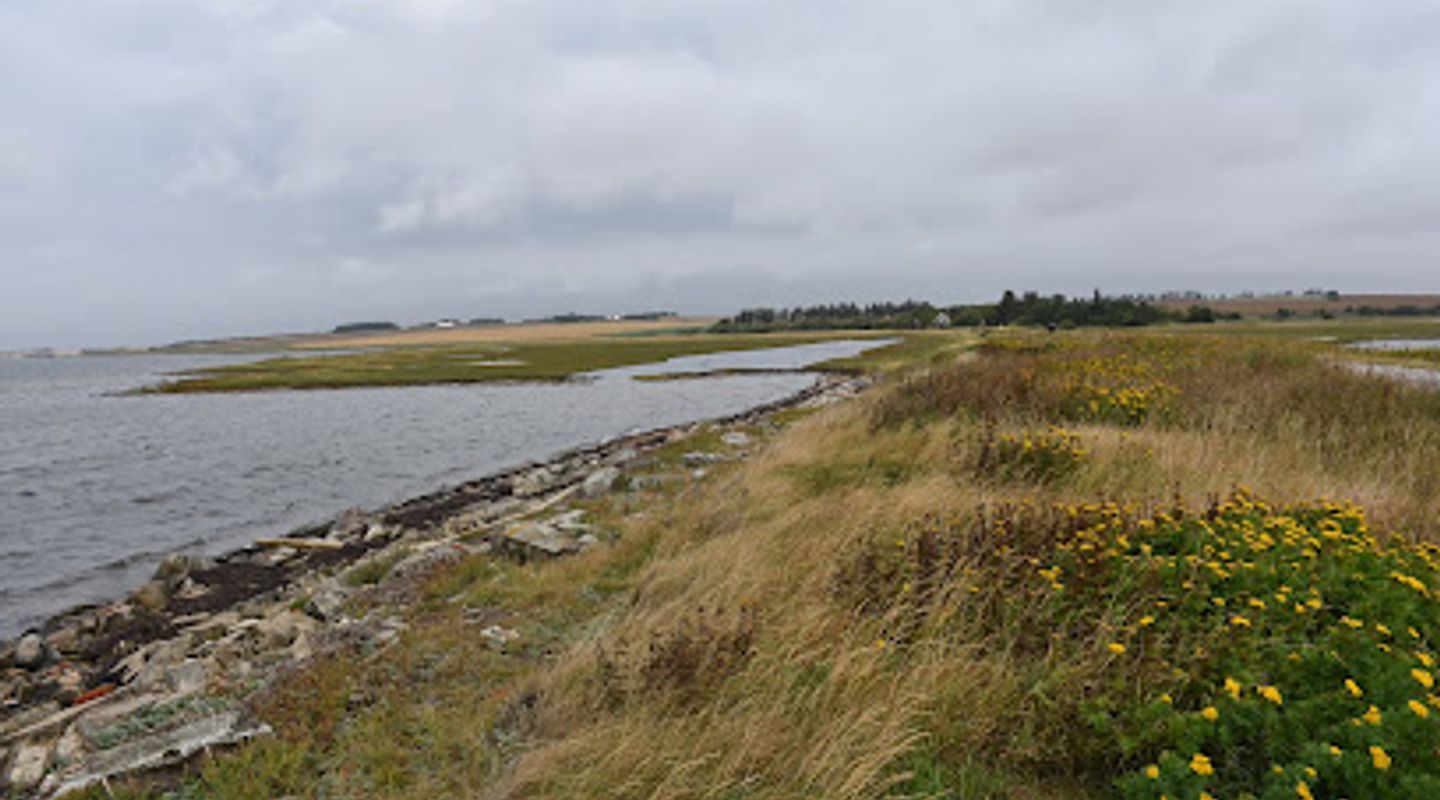
A brief summary of Agerø
A small Limfjord island of open skies, bird-rich shores and quiet farmland, where causeway access leads to a softly spoken slice of rural Denmark.
Agerø is a tiny, low-lying island in Denmark’s Limfjord, linked to the larger island of Mors by a short causeway. Its patchwork of fields, salt meadows and shorelines makes it a quiet refuge for both migratory and resident birds, with views across the broad, shallow fjord in almost every direction. With just a handful of farms, a church and open skies, Agerø offers a slow, contemplative slice of rural Denmark far removed from city noise.
On-site amenities
 Seating areas
 Picnic areas
 Trash bins
 Information boards
- Address
- Agerø
Getting there
Car from Nykøbing Mors
Regional bus plus short walk
Cycling from southern Mors
Discover more about Agerø
Quiet shores in the heart of the Limfjord
Agerø sits almost unnoticed in the wide waters of Limfjorden, between the bigger island of Mors and the Thyholm peninsula. Flat and windswept, it feels immediately open: low horizons, big skies and shallow water stretching out on all sides. Approaching across the causeway, you leave behind main roads and pass into a landscape of fields, reeds and seaweed-fringed beaches.Much of the island’s character comes from its relationship with the fjord. The water here is brackish and usually calm, more like an inland sea than open coast. Sand and stone beaches give way to salt meadows that flood in winter storms, then dry into pale-green grazing land. Even on overcast days the light is constantly shifting, reflecting off water, mudflats and wet grass.
Birdlife and fragile coastal habitats
For nature-minded travellers, Agerø is first and foremost a place to watch birds. The mix of shallow water, tidal flats and undisturbed shoreline creates feeding and resting sites for waders, ducks and geese moving along the Limfjord. In spring and autumn, flocks pass low over the island, while resident birds patrol the meadows and ditches year-round.The coastal zone here is sensitive: salt-tolerant plants cling to the upper shore, and small changes in water level reshape the edges each year. Walking along approved paths, you see how farmland, grazing areas and wild shore interlock. It is a living cultural landscape, but one where natural processes are still very visible, especially after winter storms or very high tides.
Farms, church and everyday island life
Agerø has only a small permanent population, scattered across working farms and houses along the main road. Fields are carefully laid out in long strips, broken by shelterbelts and hedges that help protect crops from the wind. Tractors and farm buildings feel entirely in scale with the setting: functional, plain and distinctly rural.At the island’s modest church, the sense of remoteness is strongest. From the churchyard you can see water in several directions, and the surrounding fields roll gently down towards the shore. There are no large shops or entertainment venues here, just the infrastructure needed to keep a small community going. The quiet is interrupted mainly by birds, the hum of farm machinery and the occasional passing car.
Experiencing Agerø on foot or by bike
Exploring Agerø is less about ticking off sights and more about covering short distances slowly. A bicycle or an unhurried walk along minor roads lets you take in subtle shifts: from cultivated fields to rougher pasture, from stony beach to soft, marshy ground. The flat terrain makes movement easy, though coastal paths can be soft underfoot after rain.This is an ideal place for unstructured time outdoors. You might pause to watch eiders or swans on the water, or simply sit on a low sea wall and listen to the wind. Photography here is about minimalism: a lone tree on the horizon, the geometry of fields, or a dark line of birds against a pale sky. Even short visits invite a slower pace than many coastal destinations.
Light, weather and the changing seasons
Like much of the Limfjord region, Agerø changes markedly with the seasons and the weather. In clear summer light, the island feels bright and spacious, with long evenings and soft colours over the fjord. Mild, breezy days suit picnics near the shore and gentle cycling between viewpoints. In colder months the atmosphere turns starker, with bare fields, migratory birds and dramatic cloudscapes.Wind is a constant companion: some days it is a light rustle in grasses, on others it whips across the open land, carrying the smell of seaweed and salt. The island has few trees to break it, which only enhances the sense of exposure and openness. Whatever the time of year, Agerø rewards those who appreciate simple landscapes, shifting northern light and the quiet persistence of small island communities.
Evendo Review Centre
 Google
Guest reviews
Best time to go
Quietest: Jan, Feb & Nov · before 8am or at 7pm
Busy times are Evendo estimates for a typical year, to help you plan. Actual crowds vary with events, school holidays and the weather.
Explore Agerø on the map
A handpicked selection of must-see spots near Agerø, mapped for you.
Get your free copy of our complete guide to Agerø, delivered straight to you.
Everything on this page, from opening hours and how to get there to Eve’s tips and the best time to go, in one PDF you can read offline, print or share.
Already have an account? Sign in
Your Agerø guide is ready.
We'll send it to · Not you? Sign out

Getting your guide ready…
We are putting together a fresh copy of the Agerø guide. This can take up to a minute.
This can take a few moments. If your browser asks, choose Allow so the download can start. You'll find the guide in your Downloads folder.
Nothing happened? Download it again
Sorry, the guide is taking longer than usual. Please try again in a minute, or get it by email instead.
Other nearby places you may find interesting
The closest places of the same kind, if this one is not quite what you had in mind.
-
-
-
-
-


Swipe for more places
More to explore near Agerø

 Best experiences near Agerø
 Best hotels near Agerø
 Best landmarks near Agerø
 Best attractions near Agerø
 Best shops near Agerø
 Best restaurants near Agerø
 Best bars near Agerø
Do you manage this location?
Take control to get all the benefits, like improved information, better appearance, and stronger visibility across AI-powered discovery.
Explore more
Explore more of Limfjord
Discover Limfjord in Denmark: A serene waterway offering a blend of nature, culture, and history with charming villages, Viking sites, and vibrant arts scenes.
Explore Limfjord
Explore more of Denmark
Discover Denmark: A perfect blend of history, modern design, and the cozy concept of hygge. Explore vibrant cities, serene landscapes, and world-class cuisine.
Explore Denmark
