Mors Travel Guide
Free Guide: A gentle Limfjord island of moler cliffs, quiet fjord shores and rural Danish life, connected by graceful bridges yet feeling worlds away from the mainland.


A brief summary of Mors
A gentle Limfjord island of moler cliffs, quiet fjord shores and rural Danish life, connected by graceful bridges yet feeling worlds away from the mainland.
Set in the sheltered waters of the Limfjord in northern Denmark, the island of Mors – forming the entirety of Morsø Municipality – is a gentle blend of rolling farmland, dramatic moler cliffs and quiet coastal villages. Linked to Jutland by elegant bridges, this rural island is known for its unique geological landscapes, birdlife, and easy-going fjordside atmosphere. From fossil-rich coastal cliffs to small harbours and hedgerow-lined lanes, Mors invites unhurried exploration by car, bike or on foot.
On-site amenities
 Restrooms
 Drink options
 Drinking water
 Food options
 Seating areas
 Trash bins
 Information boards
 Visitor centre
- Address
- Morsø Municipality
Getting there
Car from Aalborg
Regional bus from Thisted or Skive
Train plus bus via Nykøbing Mors area
Cycling from the surrounding Jutland region
Discover more about Mors
An island shaped by the Limfjord
Mors Island sits in the middle of the Limfjord, the intricate sound that separates Vendsyssel-Thy from the rest of mainland Jutland. Entirely covered by Morsø Municipality, it feels like a self-contained world of fields, low hills and sheltered inlets framed by soft northern light. The main town, Nykøbing Mors, clusters along the waterfront, while smaller farming communities and scattered houses stretch inland.Water defines the island’s character. The fjord shoreline folds into coves, narrow straits and shallow bays, creating a constantly changing meeting point between land and sea. Two landmark bridges tie Mors to Jutland: Sallingsund Bridge to the south and Vilsund Bridge to the northwest, each offering wide views over the Limfjord landscape as you arrive.
Cliffs, fossils and quiet coasts
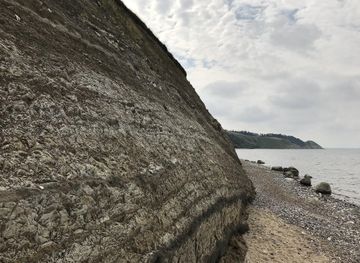
Despite its modest size, Mors is renowned for some of Denmark’s most distinctive coastal scenery. Sections of the island’s edge rise into steep moler cliffs, made of fine diatomite and ash layers that record millions of years of geological history. In places, erosion has carved the cliffs into terraces and gullies, revealing fossil-rich strata and creating a rugged contrast with the calm fjord surface below.Elsewhere, the coast softens into beaches, meadows and low dunes. Small jetties, boat slips and traditional shelters dot the shoreline, hinting at a long connection to fishing and fjord transport. Birdlife is abundant in the shallows and islands offshore, from waders probing the mudflats to flocks of ducks and geese resting on their journeys along the flyway.
Rural rhythms and village life
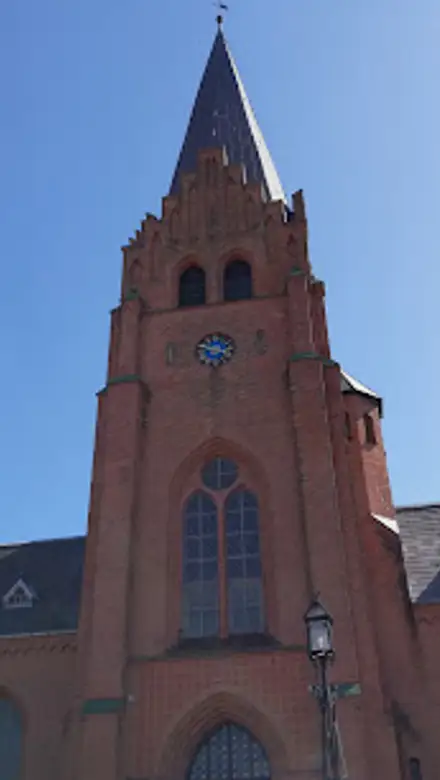
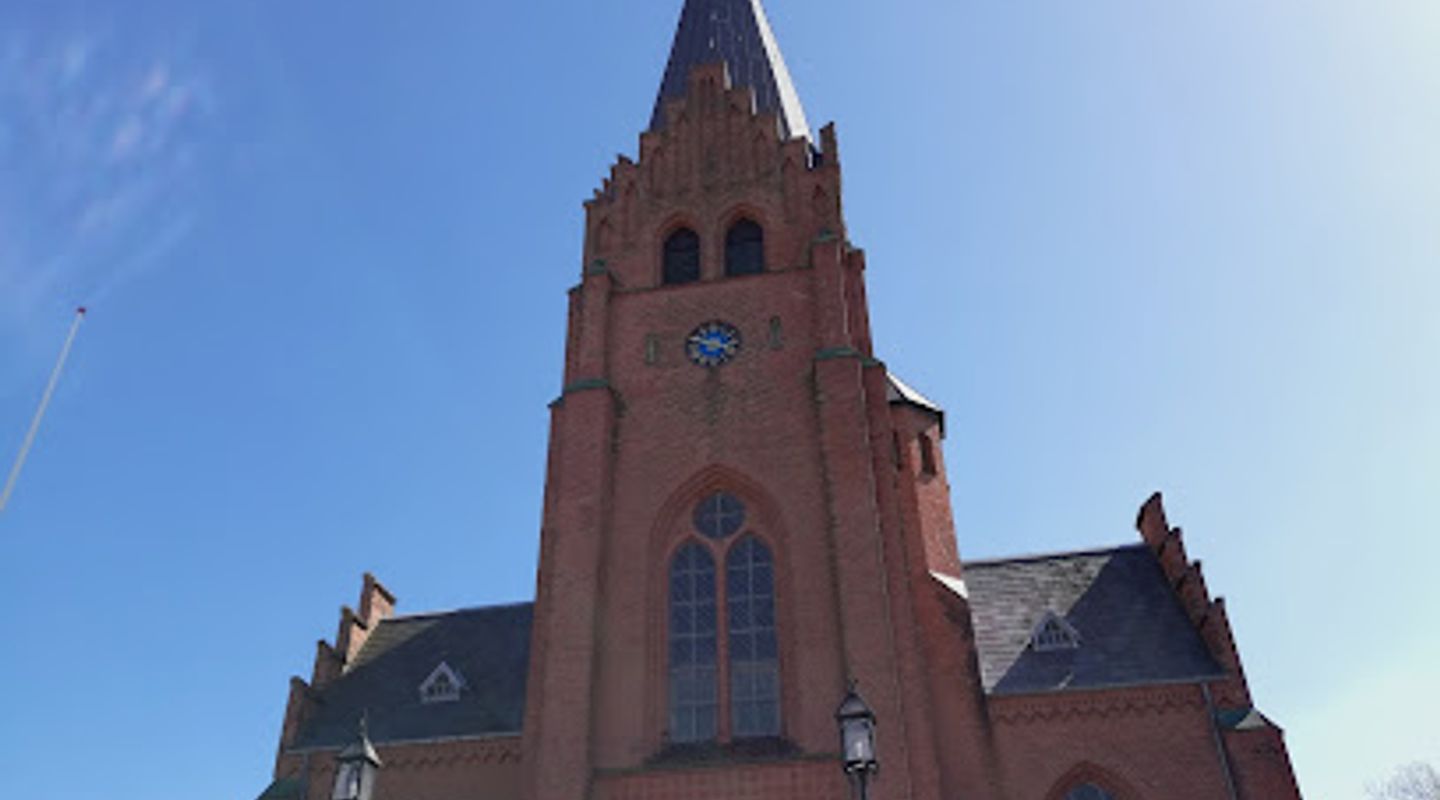
Away from the water, Mors is predominantly rural. Patchworks of crop fields, pastures and shelterbelts spread across gently undulating terrain, intersected by narrow country roads ideal for slow drives and cycling. Farmsteads with red-brick barns and whitewashed houses sit behind rows of trees, while village churches rise modestly above the surrounding roofs.Nykøbing Mors serves as the island’s commercial and cultural hub, with a compact centre, harbourfront and local services. Smaller settlements such as Øster Jølby, Sundby and Vils function as local focal points, each with its own church, school, or small cluster of shops. The overall pace is unhurried, with everyday life closely tied to agriculture, the seasons and the surrounding fjord.
Heritage, stories and sense of place
The island’s position in the Limfjord has shaped its history, from traditional ferries and trading routes to the construction of its long-span bridges in the late 20th century. Old crossing points, former ferry landings and historic routes still mark the shoreline, providing quiet spots to imagine the days when the fjord was the main highway.Local culture finds expression in churches, small museums, community halls and seasonal events, often rooted in maritime traditions and rural life. Place names, stories of hard winters on the fjord and tales of storms and shoals contribute to a strong sense of identity tied to this particular stretch of Danish coastline.
Exploring Mors at your own pace
For visitors, Mors is less about headline attractions and more about atmosphere. It is well suited to leisurely road trips and cycling tours that loop between villages, viewpoints and coastal stretches. Simple pleasures dominate: pausing at a lay-by to enjoy a panorama over the Limfjord, walking a short path along a headland, or sitting by a small harbour watching the light shift across the water.Short distances make it easy to combine rural interior and coast in a single day, while the bridges offer convenient access for day trips from the wider North Jutland region. Whether you devote a few hours or linger longer, the island’s blend of geological interest, understated scenery and quiet everyday life leaves a distinctive impression of Denmark’s fjord country.
Evendo Review Centre
 Google
Guest reviews
Best time to go
Quietest: Jan, Feb & Mar · before 6am or from 10pm
Busy times are Evendo estimates for a typical year, to help you plan. Actual crowds vary with events, school holidays and the weather.
Explore Mors on the map
A handpicked selection of must-see spots near Mors, mapped for you.
Get your free copy of our complete guide to Mors, delivered straight to you.
Everything on this page, from opening hours and how to get there to Eve’s tips and the best time to go, in one PDF you can read offline, print or share.
Already have an account? Sign in
Your Mors guide is ready.
We'll send it to · Not you? Sign out

Getting your guide ready…
We are putting together a fresh copy of the Mors guide. This can take up to a minute.
This can take a few moments. If your browser asks, choose Allow so the download can start. You'll find the guide in your Downloads folder.
Nothing happened? Download it again
Sorry, the guide is taking longer than usual. Please try again in a minute, or get it by email instead.
Other nearby places you may find interesting
The closest places of the same kind, if this one is not quite what you had in mind.
-
Limfjordsmuseet Løgstør Hands-on maritime history on the banks of Frederik VII’s Canal, where boats, aquariums and fjord stories bring the Limfjord’s working past vividly to life.
-
Limfjordsmuseets bådebyggeri Step into a working red boat shed on Frederik VII’s Canal, where traditional wooden Limfjord vessels are restored and maritime craftsmanship is kept alive in Løgstør.
-
Ejerslev Lagune A former moler quarry turned blue lagoon, framed by steep clay cliffs and a small working harbour on Mors, perfect for slow walks, geology and sky-wide views.
-
Bispehuen A solitary “Bishop’s Hat” of folded diatomite rising from Fur’s largest quarry, where volcanic ash layers, fossils and sculpture meet in an open-air lesson in deep time.
-
Udsigtstårn - Vest Simple wooden lookout on Livø’s wild west coast, offering wide Limfjord views, dramatic eroding cliffs, seabirds and seals in a quiet, wind-swept setting.
Swipe for more places
More to explore near Mors

 Best experiences near Mors
 Best hotels near Mors
 Best landmarks near Mors
 Best attractions near Mors
 Best shops near Mors
 Best restaurants near Mors
 Best bars near Mors
Do you manage this location?
Take control to get all the benefits, like improved information, better appearance, and stronger visibility across AI-powered discovery.
Explore more
Explore more of Limfjord
Discover Limfjord in Denmark: A serene waterway offering a blend of nature, culture, and history with charming villages, Viking sites, and vibrant arts scenes.
Explore Limfjord
Explore more of Denmark
Discover Denmark: A perfect blend of history, modern design, and the cozy concept of hygge. Explore vibrant cities, serene landscapes, and world-class cuisine.
Explore Denmark