
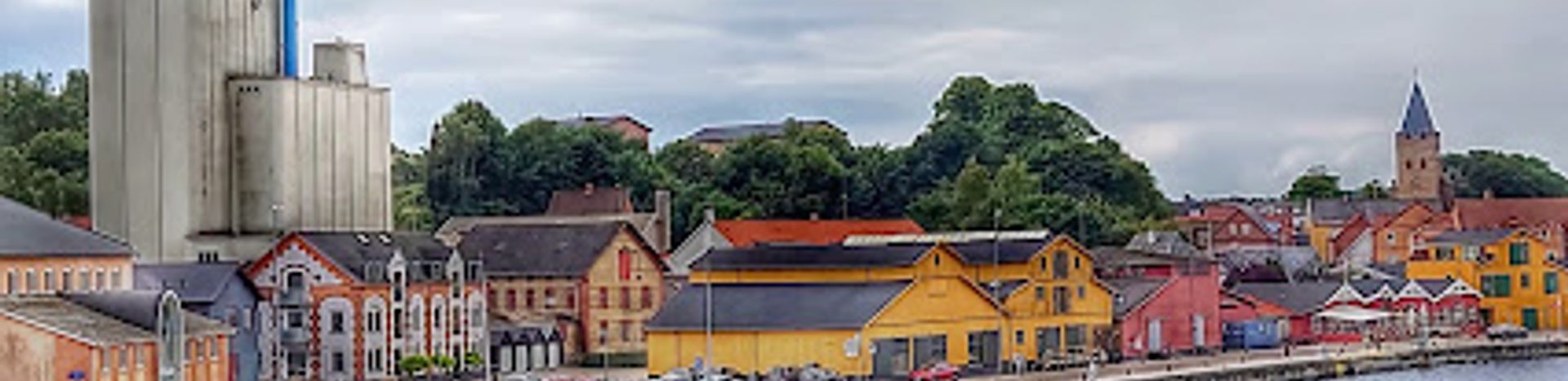
Lystfartøjsmuseet (Pleasure Craft Museum), Hobro
Intimate maritime museum in a historic Hobro harbor warehouse, showcasing classic wooden pleasure craft, local fjord stories, and Danish leisure sailing culture.
Set in a historic warehouse on Hobro’s atmospheric harbor, Lystfartøjsmuseet is a small but richly detailed museum devoted to Danish leisure boating and wooden pleasure craft. Step into a world of varnished mahogany hulls, classic sails, and model boats while learning how yachting, summer cruising, and maritime craftsmanship evolved along the Mariager Fjord. Engaging displays, original vessels, photographs, and audio stories bring to life the harbor’s working past and the quieter joys of life on the water, making this an appealing stop for maritime enthusiasts, families, and anyone curious about coastal culture.
A brief summary to Pleasure craft museum
- Søndre Kajgade 14, Hobro, 9500, DK
- +4599824174
- Visit website
- Duration: 1 to 2 hours
- Budget
-
 Indoor
- Mobile reception: 4 out of 5
- Tuesday 10 am-4 pm
- Wednesday 10 am-4 pm
- Thursday 10 am-4 pm
- Saturday 10 am-4 pm
Local tips
- Check seasonal opening hours in advance, as the museum typically operates mainly in the warmer months and may be closed outside the main sailing season.
- Plan at least an hour inside and extra time for a harbor stroll so you can compare the classic wooden boats indoors with modern yachts moored outside.
- Bring a light layer; the historic warehouse can feel cool on windy or rainy days even when it is mild elsewhere in Hobro.
- Families with children can use the audio stations and model boats as engaging entry points to spark interest in maritime history.

For the on-the-go comforts that matter to you
- Restrooms
- Seating Areas
- Trash Bins
- Information Boards
Getting There
-
Train and short walk from Hobro Station
From Hobro Station, the museum area at Hobro Havn is typically reached on foot in about 15–20 minutes, following pavements and relatively flat terrain suitable for most visitors with moderate mobility. Regional trains connect Hobro with cities such as Aalborg and Aarhus in roughly 45–60 minutes, with standard adult one‑way fares usually around 80–160 DKK depending on departure time and discounts. Services run throughout the day, but evening and weekend frequencies can be lower, so checking the timetable in advance is advisable.
-
Car or taxi within Hobro and Mariagerfjord region
Arriving by car from within the Mariagerfjord area, the harbor district around the museum is generally reached in 5–10 minutes from central Hobro and 30–45 minutes from nearby towns such as Randers or Aalborg’s southern outskirts, depending on traffic. Fuel and toll costs are minimal for such short distances, though paid taxi rides within Hobro typically range from about 80–150 DKK each way. Street parking and harbor‑area spaces are usually available but can be busier on sunny weekends and during summer events, so allowing extra time to find a spot is sensible.
-
Local bus connections to Hobro center
Regional buses link Hobro with surrounding towns in Himmerland, often terminating near the town center or station. Typical travel times range from 20–60 minutes depending on route, with single tickets in the region usually costing around 20–50 DKK. From central Hobro, visitors should allow about 15–20 minutes on foot to reach the harbor area where the museum is located. Bus frequencies can be reduced in the evenings, on Sundays, and outside the main commuting hours, so planning around the current timetable helps avoid long waits.
Pleasure craft museum location weather suitability
-
 Any Weather
-
 Rain / Wet Weather
-
 Mild Temperatures
-
 Cold Weather
Discover more about Pleasure craft museum
Historic boats in a former harbor warehouse
Housed in one of Hobro Havn’s old brick warehouses, Lystfartøjsmuseet offers an intimate encounter with Denmark’s world of leisure sailing. Inside the tall, timber‑framed space, polished wooden hulls rest under exposed beams, and the smell of tar, old ropes, and oiled planks instantly sets a maritime mood. The building once stored goods for a busy working port; today it shelters a collection of classic pleasure craft that reveal how seafaring shifted from pure necessity to pastime. Many of the vessels on display are local to Mariager Fjord and northern Jutland, from elegant cruising yachts to sturdy motorboats built for summer outings. Their curves, fittings, and cabins chart changing tastes over the 20th century, from simple, practical layouts to floating holiday homes. Information panels in Danish—and often English—explain each boat’s story, builder, and former owners, giving a human dimension to the polished craftsmanship.Stories of Hobro harbor and life on the fjord
Beyond the boats themselves, the museum explores the broader history of Hobro Havn. Archival photographs show the fjord busy with cargo steamers, fishing smacks, and early pleasure yachts nosing in among working vessels. Exhibits trace how improved leisure time, new materials, and better transport made it possible for more Danes to own or rent small boats and discover their local coastline from the water. Listening stations and recorded narratives share memories from shipwrights, skippers, and families who spent long summers in the cramped cabins of these wooden craft. You hear about weekend regattas, improvised repairs at nearby Hobro Shipyard, and childhood adventures spent swimming from moorings along the fjord. Together they form a patchwork portrait of a community shaped as much by recreation as by trade.Craftsmanship, design details and model collections
One of the museum’s pleasures is the chance to inspect traditional boatbuilding up close. You can see how planks are fastened to curved ribs, how cabins squeeze bunks, tables, and tiny galleys into narrow hulls, and how rigging has evolved from natural fibres to modern lines. Tools, half‑models, and construction drawings illustrate the process from first sketch to launch day. Alongside full‑size craft, there are finely made scale models showing different types of sailing boats that once dotted Danish waters. Sections on navigation and safety add depth, with classic compasses, charts, lifejackets, and lanterns that bridge the gap between open sea voyaging and relaxed inshore cruising. The overall impression is of a hands‑on craft where form, function, and pleasure are tightly linked.Atmosphere, family appeal and seasonal rhythm
The museum’s modest size makes it easy to explore without feeling rushed, and its quiet corners invite you to linger over a particular hull shape or historic photograph. Children often gravitate to models, interactive audio points, and the chance to spot details like figureheads, signal flags, or ship’s wheels. The creaking floorboards and filtered daylight through old windows enhance the sense of stepping into another era. Lystfartøjsmuseet is typically open in the warmer months, when activity on the quays outside echoes the stories inside. Visiting combines naturally with a stroll along the waterfront or a break at nearby cafes, adding up to a relaxed half‑day by the fjord. In poor weather, the indoor setting and sheltered displays make it a comfortable cultural stop without losing that invigorating connection to the sea just outside the doors.Planning your visit and making the most of Hobro Havn
Allow at least an hour to wander the galleries, read exhibit texts, and listen to audio stories; dedicated maritime buffs may want longer to study each vessel. Admission is modest, with discounted or free entry for younger visitors and concessions, making it accessible for families and multi‑generational outings. Because opening hours vary by season, it is wise to check current times before you arrive. After exploring, many visitors continue along the harbor to see modern boats moored where the historic craft once lay. From the quay you can compare the sleek lines of contemporary yachts with the lovingly preserved wooden classics inside the museum. The setting highlights Hobro’s continuous relationship with its fjord—an evolving story of work, recreation, and craftsmanship in which Lystfartøjsmuseet plays a quietly evocative role.Iconic landmarks you can’t miss

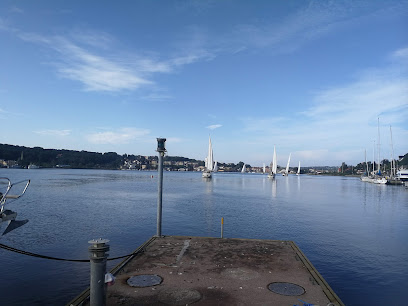
Hobro Lystbådehavn
0.9 km
Denmark's premier fjord marina with historic charm and modern comfort.
Hotel BramslevGaard
4.3 km
Experience tranquility and history at Hotel BramslevGaard, nestled in the scenic Bramslev Bakker by Mariager Fjord, offering gourmet dining, spa retreats, and easy access to Northern Jutland's natural wonders.
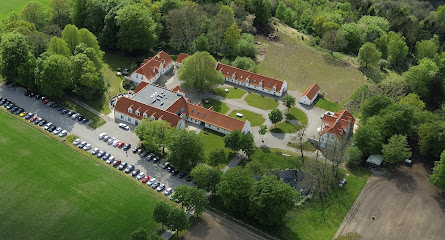
Restaurant BramslevGaard
4.3 km
Experience Danish history and gastronomy at BramslevGaard, a charming manor house nestled in the scenic Bramslev Bakker near Hobro, offering stunning views and French-inspired cuisine.
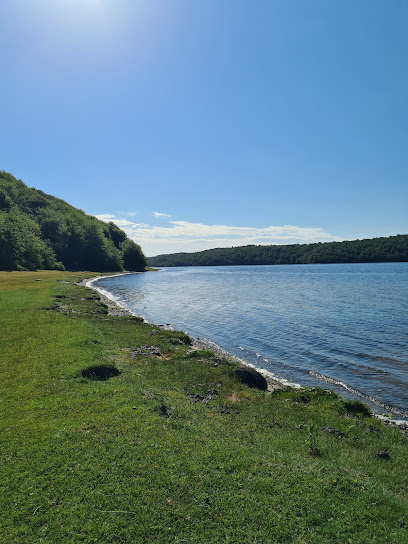
Mariager Church
11.0 km
A towering former abbey church above Mariager Fjord, where Gothic brickwork, noble tombs and a distinctive Aubertin organ keep centuries of faith and history alive.
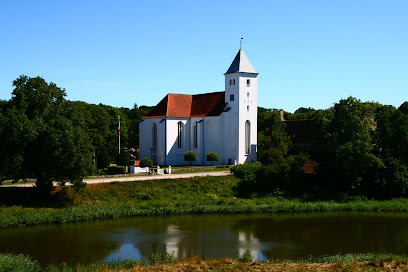
Mariager Kirke
11.0 km
A lofty Bridgettine abbey church turned parish landmark, where Gothic stone, noble tombs and organ music tell Mariager’s story above the fjord.
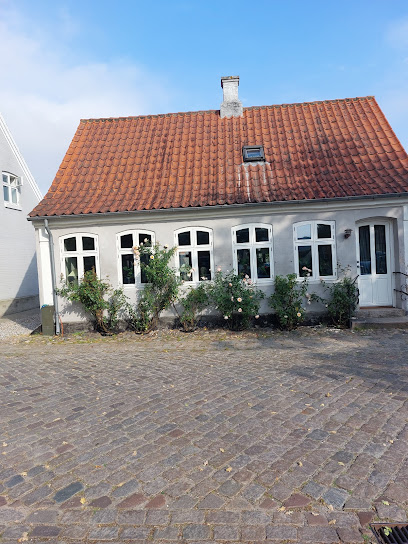
Hotel Postgaarden Mariager
11.1 km
Experience historic Danish charm and modern comfort at Hotel Postgaarden Mariager, nestled in the heart of the 'City of Roses' with easy access to Mariager Fjord's natural beauty.

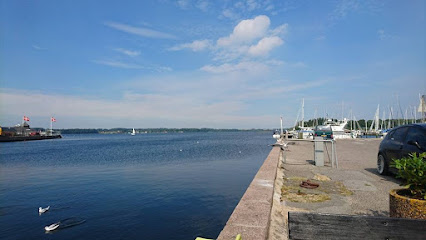
Mariager Lystbådehavn
11.3 km
Denmark's most beautiful fjord meets a thriving sailing community in this welcoming maritime harbor.
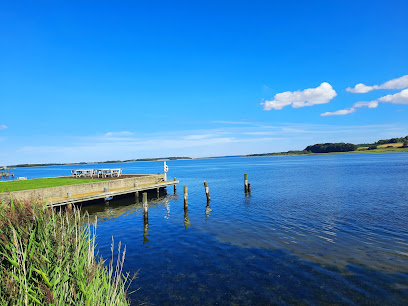
Mariager Fjord
12.3 km
Denmark's longest fjord winds through pristine Jutland landscapes, offering unspoilt nature, charming villages, and exceptional outdoor adventures.
Danhostel Rebild
21.8 km
Experience Danish nature and hospitality at Danhostel Rebild, your budget-friendly gateway to Rebild Bakker National Park and the enchanting Rold Skov forest, perfect for outdoor adventures.
Comwell Rebild Bakker
22.0 km
Experience tranquility and natural beauty at Comwell Rebild Bakker, nestled in the heart of Rebild National Park and Rold Forest, offering modern comfort and sustainable practices.
Nordre fælled
22.2 km
A verdant woodland reserve where forest trails, lakeside paths, and sheltered spaces invite peaceful exploration and seasonal celebration.
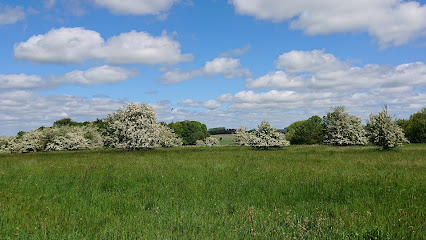
Ravnkilde
22.3 km
Discover the serene beauty of Ravnkilde, a hidden spring in Skørping's Rebild National Park, offering tranquil landscapes, diverse wildlife, and a peaceful escape into nature.
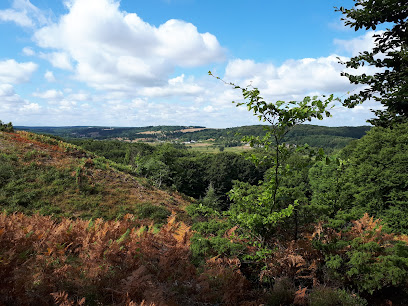
Røverknolden
22.4 km
Discover the beauty of Røverknolden, a captivating playground and serene tourist attraction in Skørping, Denmark, perfect for families and nature lovers.
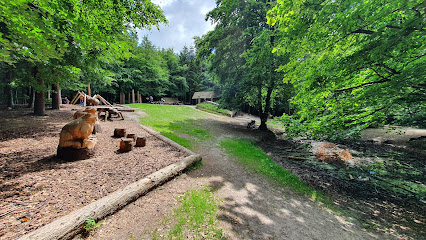
Ø, Denmark
22.5 km
Escape to the tranquil beauty of Ø, Denmark: a hidden scenic spot near Tjele with lush meadows and towering trees, perfect for peaceful walks and nature lovers.
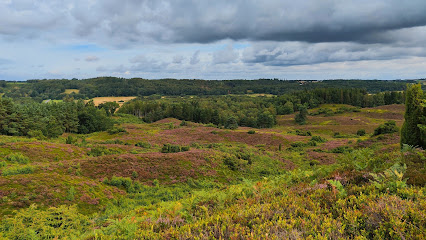
Gravlev Kilde
23.2 km
Discover the tranquility of Gravlev Kilde in Skørping, Denmark, a natural spring offering serene beauty, rich history, and diverse wildlife within Rold Skov and Rebild National Park.
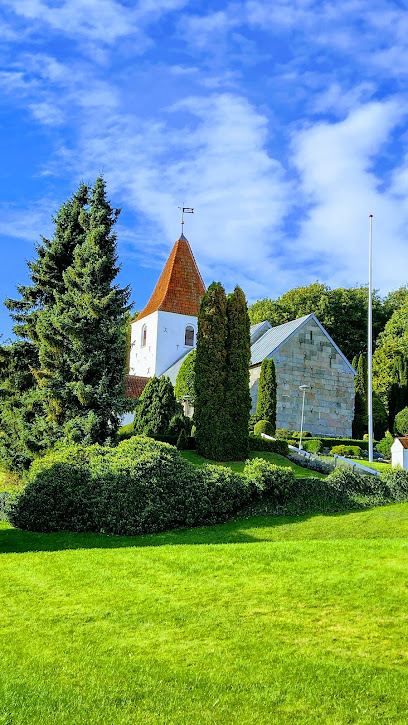
Unmissable attractions to see

FjordTours
0.0 km
Mariager Strandpark offers sandy beaches, grassy picnic spots, and serene fjord views—a perfect blend of nature and relaxation on the shores of scenic Mariager Fjord.
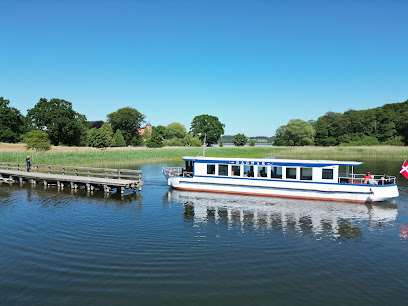
Torvekonen
0.4 km
Marvel at the Shell House, a one-of-a-kind museum in Thyborøn where seashell mosaics adorn every inch, blending Danish coastal art and maritime heritage.
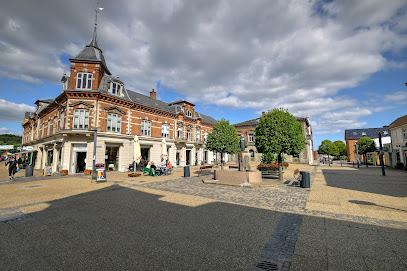
Panorama Walking Route
0.9 km
A 10 km premium hillside-and-fjord loop near Hobro, weaving through meadows, juniper slopes and shoreline for some of Denmark’s most evocative panoramic views.
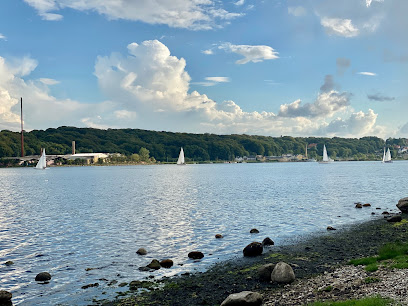
Sildehagen
1.1 km
A calm slice of Mariager Fjord where a circular bridge, productive fishing waters and easy shoreline walks bring everyday fjord life to Hobro’s edge.
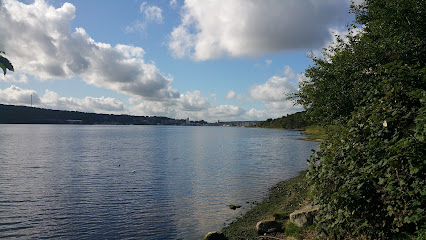
Hobro Camping
1.2 km
Terraced hillside camping above Hobro, blending fjord views, green surroundings and easy city access in a relaxed, family-friendly setting.
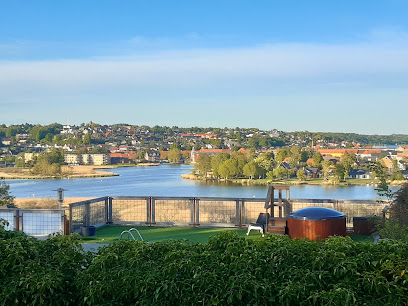
Fyrkat Viking Museum
1.9 km
Step into a perfectly circular Viking fortress, walk a full-scale longhouse, and explore a reconstructed chieftain’s farm at this evocative UNESCO-listed site near Hobro.
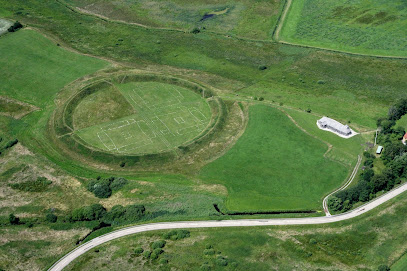
Hotel Amerika
2.2 km
Scandinavian forest hotel near Hobro combining woodland calm, thoughtful gastronomy and well-equipped conference facilities on the edge of Mariager Fjord.
Hjerritsdal Mølle
3.5 km
Historic watermill farmstead in a green tunnel valley, where running water, old buildings and quiet paths reveal centuries of rural life near Mariager Fjord.
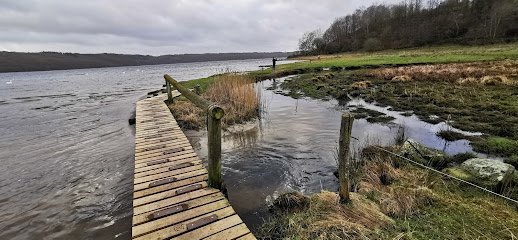
Bramslev Bakker
4.4 km
Steep green hills tumbling to Mariager Fjord, Bramslev Bakker blends premium hiking, shoreline calm and big-sky views in one of Denmark’s most scenic corners.
Øls Skæppe
5.4 km
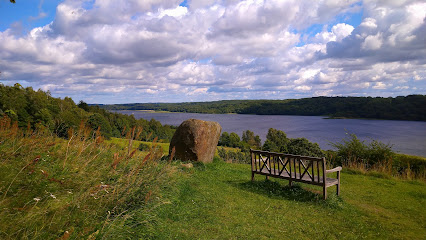
A quiet, dramatic earthfall hollow on Hobro’s outskirts, where steep grassy slopes form a natural amphitheatre and reveal the subtle power of shifting ground.
Mindesten
5.9 km
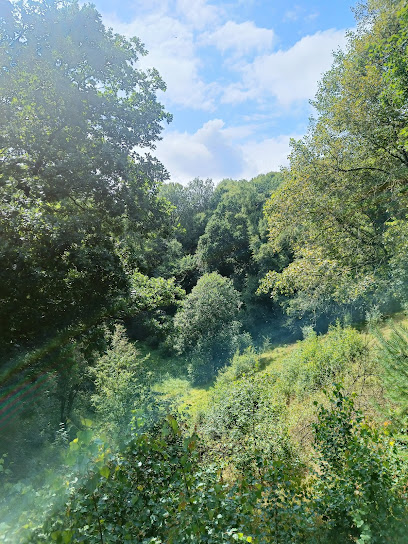
Mariager Strandpark is a peaceful waterfront park offering idyllic fjord views, swimming areas, and open lawns—an inviting escape at the heart of Mariager’s natural beauty.
Katbjerg Odde, Mariager fjord
6.4 km
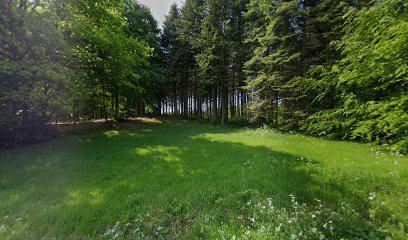
Quiet peninsula on Mariager Fjord with sea trout fishing, birdlife, fossils and big-sky views, ideal for slow walks, simple picnics and peaceful nature escapes.
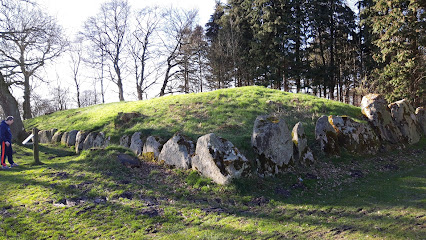
Kings Hill | Megalithic tomb
7.4 km
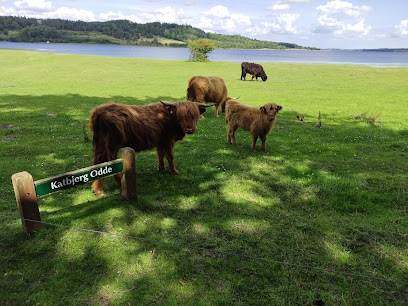
Discover Denmark’s most whimsical museum: a creative coastal house spectacularly covered in shells, folk art, and maritime antiques in scenic Thyborøn.
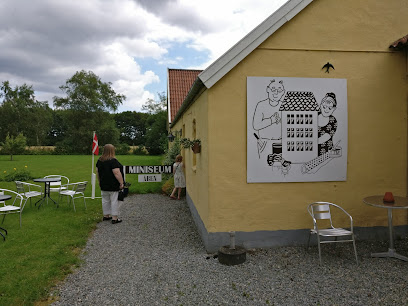
Miniseum
7.5 km
Enchanting 1:12 scale miniatures and dioramas celebrating artistry in Denmark's countryside.
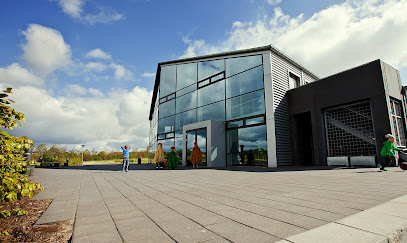
Mariagerfjord Frikirke
9.9 km
Modern free church and cultural house on the edge of Mariager, blending contemporary worship, community life and flexible event spaces in a bright, welcoming complex.
Essential places to dine

Nida's food
0.4 km
Casual harborfront fast-food joint in Hobro serving pizzas, burgers and grill favorites just steps from the marina on Havnegade.
Matios Det Italienske Spisehus
0.4 km
Cosy Italian trattoria-style dining on Hobro’s central square, serving generous pizzas, pasta and classic desserts in a warm, candlelit atmosphere.
Esja Bistro
0.5 km
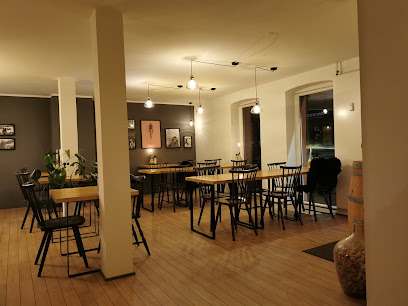
Casual Nordic comfort food with Icelandic flavours, served in a cosy bistro on Hobro’s Adelgade where North Atlantic ingredients meet relaxed Danish dining.
Restaurant Bies Bryghus
0.5 km
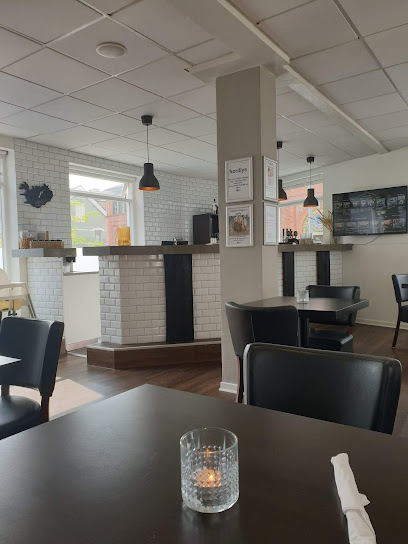
Historic Hobro brewery-restaurant serving classic Danish dishes with a modern twist in a warm, brick-and-beam setting on the town’s central street.
Restaurant The Grill Hobro
1.4 km
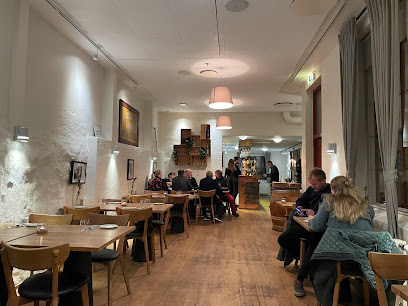
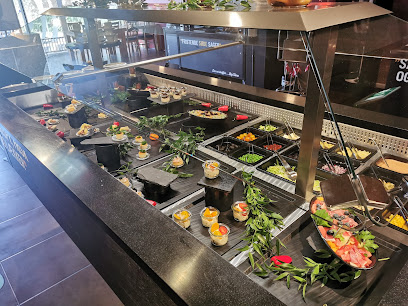
All-you-can-eat grill buffet and brunch inside Hobro’s Bowl’n’Fun, bringing hearty classics, soft-ice desserts and family-friendly dining under one lively roof.
Restaurant Uafhængig
2.2 km
Ambitious Nordic cooking in a calm, forest‑edge dining room at Hotel Amerika, blending seasonal Danish flavors with a relaxed, modern atmosphere near Hobro.
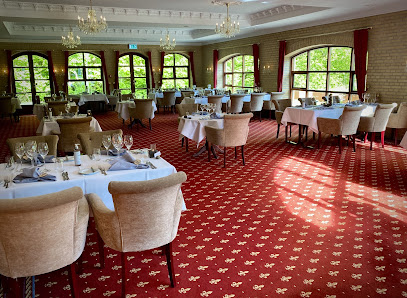
Restaurant Bramslev Bakker
4.4 km
Countryside Danish cooking with sweeping fjord views, where Bramslev Bakker’s rolling hills meet a relaxed, modern restaurant above Mariager Fjord.
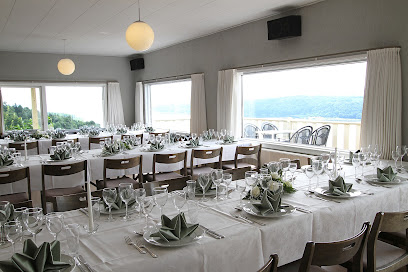
Mariager Bistro & Konditori
11.1 km
Casual harborfront bistro and konditori in Mariager, serving unfussy Danish café dishes and cakes just steps from the town’s quiet fjord marina.
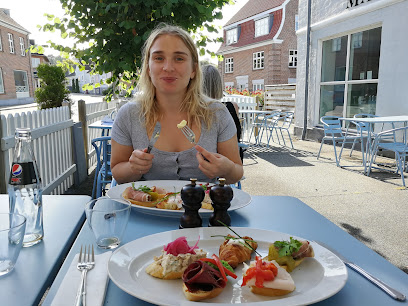
A'porta
11.1 km
Unpretentious Danish cooking, a lively bodega-style bar and simple rooms under one roof in the old fjord town of Mariager.
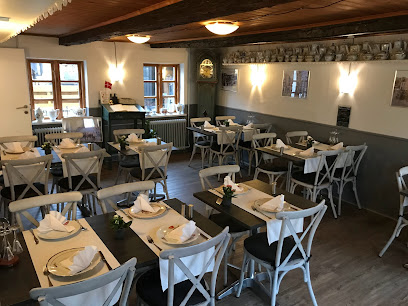
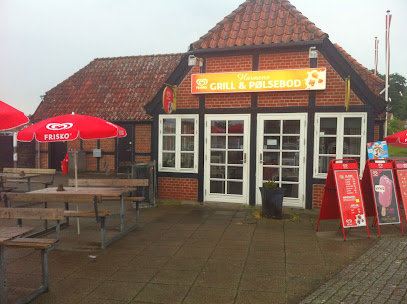
Havnens Grill & Pølsebod
11.2 km
Casual waterfront grill serving Danish classics with fjord views and motorcycle tradition.
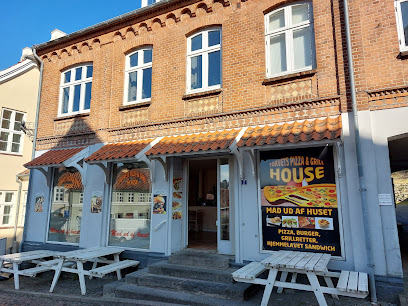
Torve Pizza Mariager v/Kenan Atas
11.2 km
Casual, central pizzeria and grillhouse on Mariager’s main square, serving generous, affordable comfort food to locals and visitors from afternoon through evening.
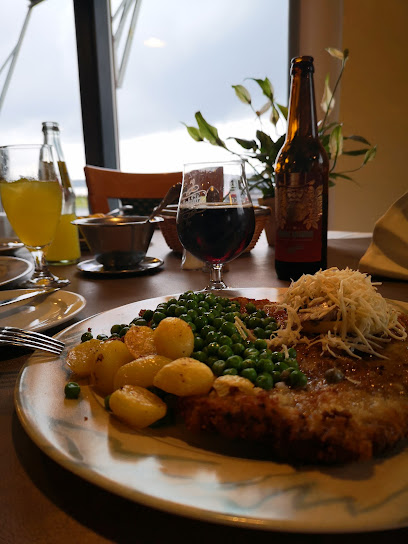
Landgangen
11.6 km
Homely Danish comfort food and generous plates served with wide-open views over Mariager Fjord on the quiet edge of this charming North Jutland town.
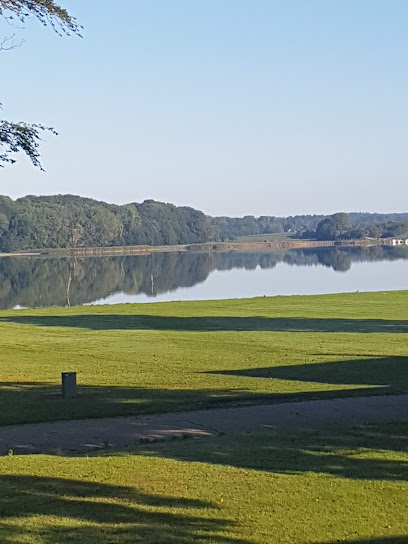
Restauration Orkidee Dania - Mad som man kender
16.4 km
Relaxed fjordside restaurant and event venue at Dania, serving classic Danish dishes, buffets and catering in cozy banquet rooms with wide views over Mariager Fjord.
Star Pizza & Grill
16.6 km
Straightforward pizzas and grill favorites in the heart of Mariager, offering easy takeaway and no-frills dining after a day by the Danish fjord.
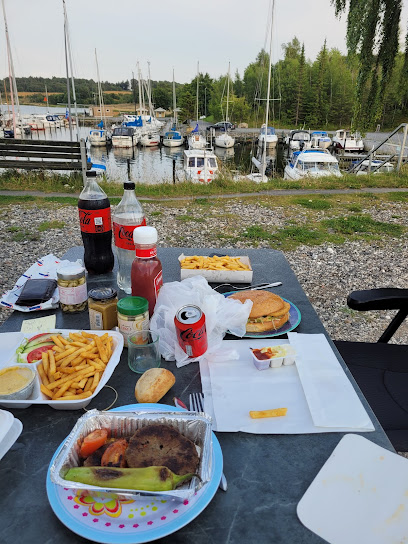
Cafe Fyret Kongsdal
17.2 km
Unpretentious harbour café on the quay at Kongsdal Havn, serving simple, good‑value meals and ice creams with wide‑open views over Mariager Fjord.
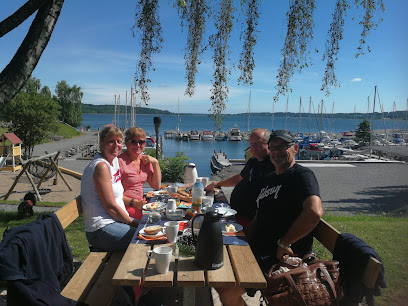
Markets, malls and hidden boutiques

PetitePeople
7.9 km
Personalized children's clothing and baby essentials in central Hobro, Denmark.
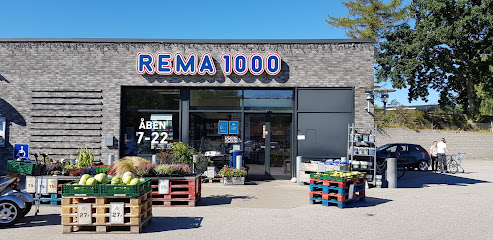
REMA 1000
10.7 km
Mariager’s handy REMA 1000 on Gl. Hobrovej is a no‑frills discount supermarket, perfect for stocking up on groceries, snacks and picnic supplies near the historic town.
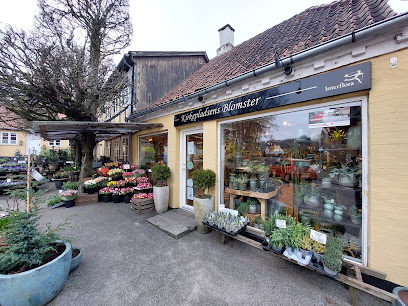
Kirkepladsens Blomster Mariager ApS
11.1 km
Century-old florist crafting premium arrangements for weddings, celebrations, and heartfelt moments.
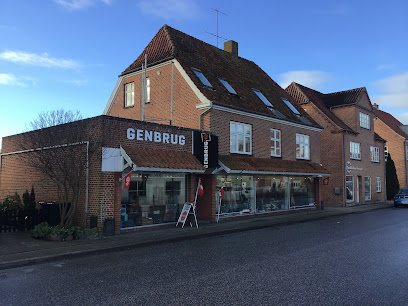
Folkekirkens Nødhjælp Genbrug
11.1 km
Cosy waterfront charity shop in Mariager, where curated second-hand finds, local community and global relief work meet under ét genbrugstag.
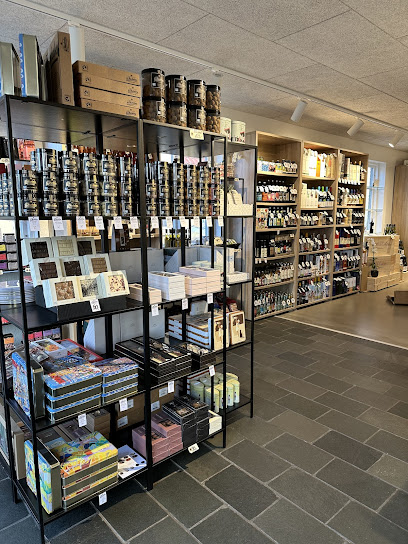
Vinspecialisten Mariager
11.1 km
Intimate specialist wine shop in the heart of Mariager, pairing personal advice with carefully chosen bottles, fine spirits and gift-ready treats for any occasion.
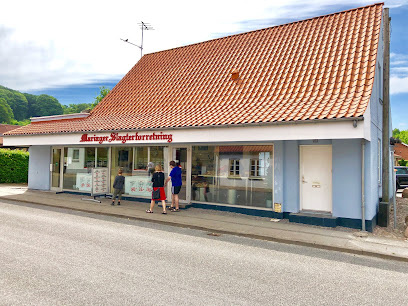
Mariager Slagterforretning
11.1 km
Classic Danish butcher shop by Mariager’s harbour, offering house-made specialties, fresh cuts and deli favourites ideal for picnics, grilling and cosy self-catered meals.
Helga Winther Smykkedesigner
11.2 km
Handcrafted jewelry artistry in the heart of Mariager, where bespoke designs meet timeless elegance.
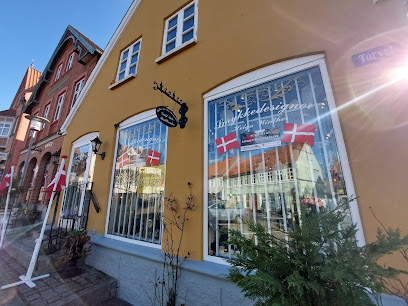
Vaffelbageren i Mariager
11.2 km
Experience handmade Danish ice cream and fresh-baked waffles on Mariager’s historic square—Vaffelbageren captures the taste and spirit of hygge along the fjord.
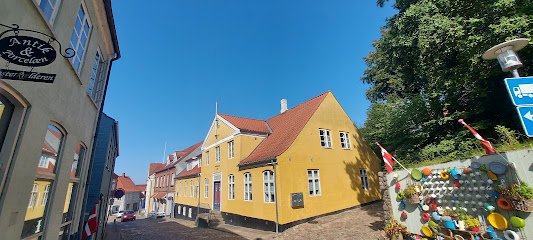
JamerAntik.dk
11.2 km
Intimate Mariager antiques shop specializing in Danish porcelain, ceramics and decorative treasures, where each shelf reveals another chapter of Scandinavian design history.
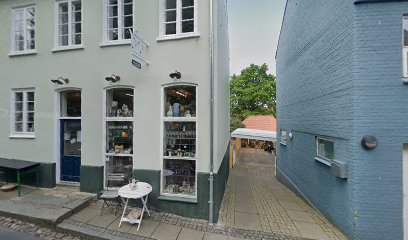
Klosterkaelderen.dk Antiques & Porcelain
11.2 km
Denmark's premier destination for authentic Danish and European antique ceramics and porcelain.
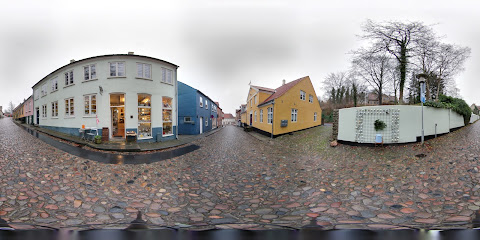
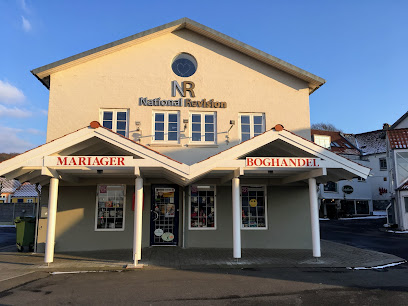
Mariager Boghandel
11.2 km
Cosy village bookshop and service hub in the heart of Mariager, combining books, gifts, toys and practical everyday services in one welcoming stop.
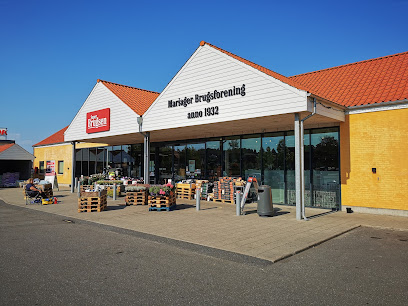
SuperBrugsen
11.2 km
Modern cooperative supermarket and deli hub in small‑town Mariager, ideal for stocking up on Danish groceries, picnic supplies and prepared local dishes every day.
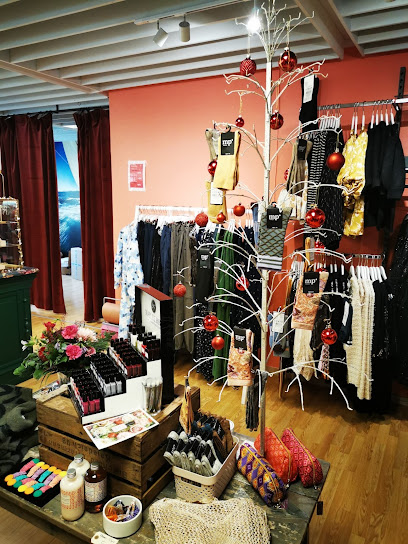
Klæd Dig - Mariager
11.2 km
Cosy, owner-run fashion boutique on Østergade in Mariager, offering curated Scandinavian-style womenswear in a relaxed, personal and distinctly local setting.
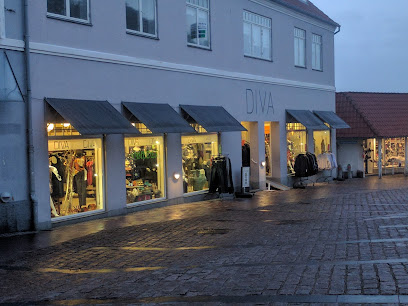
Diva
11.2 km
Curated women's fashion in the heart of historic Mariager's charming town center.
Jørgensen Sko
11.2 km
A long-standing local shoe shop and cobbler in Mariager, offering practical footwear, repairs and traditional service on cosy Østergade near the historic town centre.
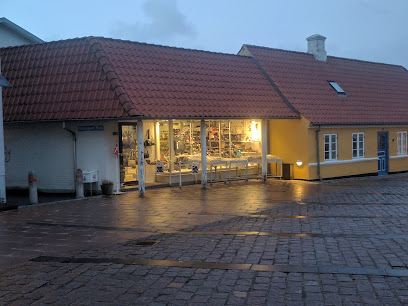
Essential bars & hidden hideouts

Jazz Hobro
0.2 km
Northern Denmark's premier jazz venue, celebrating tradition and innovation through live performances.
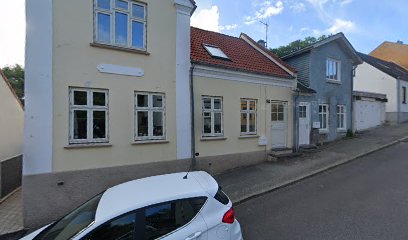
Bræddehytten Bar & Pub
0.3 km
Unpretentious local bar on Hobro’s main street, pouring cold beer and warm hygge in a classic Danish pub setting with friendly, small-town atmosphere.
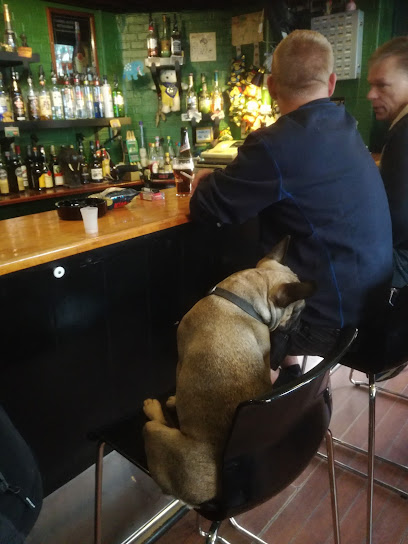
Torvebaren
0.4 km
Classic Danish bodega in central Hobro, serving traditional beers, darts and down‑to‑earth local atmosphere from morning coffee to late‑night rounds.
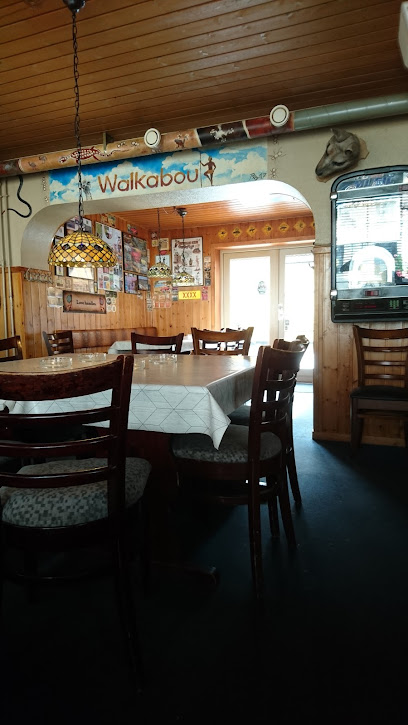
Vognhjulet Pub
0.5 km
Hobro's legendary rock pub where authentic Danish hospitality meets decades of local tradition.
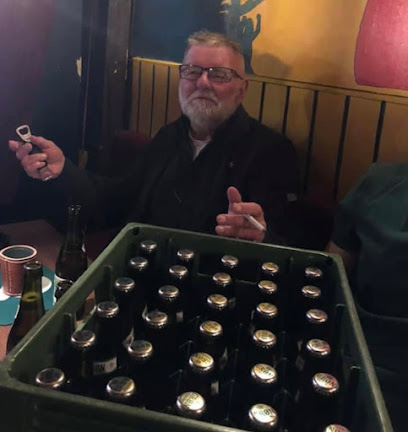
Madam Blå's Vandhul
0.5 km
A cozy, day‑time neighborhood bar-café in Hobro where locals linger over coffee, beer and small talk in an easygoing, homely atmosphere.
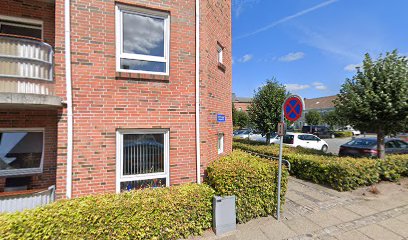
Olivia
16.7 km
Casual Danish beer hall where locals gather for drinks, conversation, and authentic small-town hospitality.
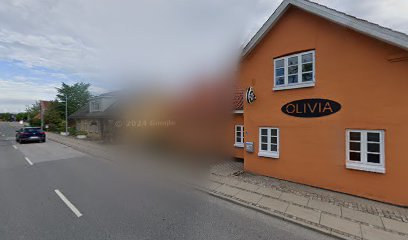
Rottehullet / Bodega
18.1 km
Laid‑back Danish bodega in quiet Arden, where cold beer, worn wood and easy conversation create a timeless neighborhood hangout.
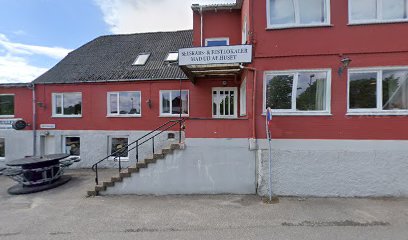
My Way Pub
19.7 km
A cosy small-town Danish pub where darts, pool, bingo and the occasional live band create easygoing evenings in the heart of Aalestrup.
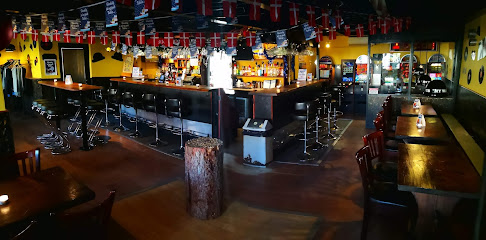
Jagtstuen
20.9 km
Traditional Danish bodega-style bar in central Hadsund, known for its cozy atmosphere and pioneering dementia-friendly approach to everyday social life.
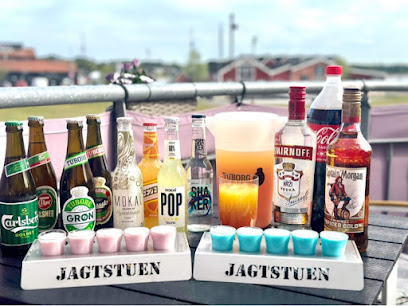
Kælderen
21.1 km
Intimate basement bar at the heart of Hadsund's town square, open for evening gatherings Thursday through Sunday.
Den Graa Kok Vinkælderen
21.2 km
Refined wine bar and cellar in North Jutland offering curated selections and elegant dining.
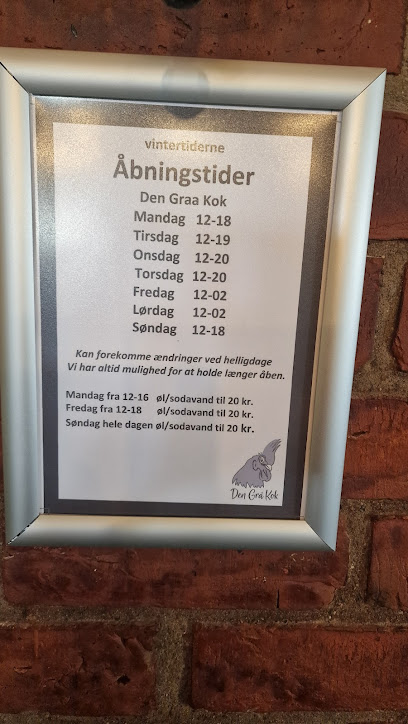
ar
21.9 km
Unpretentious waterfront bar on Ved Stranden in Hadsund, where simple drinks, fjord views and small-town atmosphere create an easygoing evening stop.
Skørping Bodega
22.5 km
Down-to-earth local bodega in central Skørping, serving cold beers, simple drinks and small-town atmosphere from midday until late on weekends.
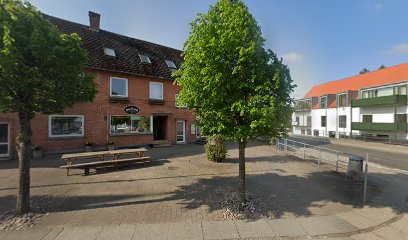
Sunes Bodega
23.5 km
A classic Randers neighbourhood bodega serving cold beers, local stories and uncomplicated hygge from morning until late evening.
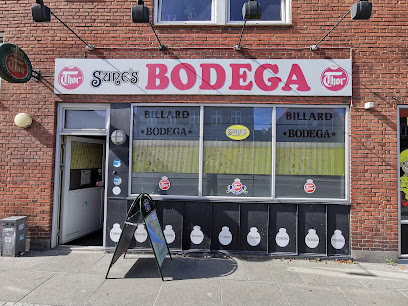
Bykroen
24.0 km
Traditional Randers bodega with cold beer, simple smørrebrød and everyday hygge in the heart of Vestergade’s city-centre streets.
Nightclubs & after hour spots

Buddy Holly
0.5 km
Late-night disco hub in central Hobro, where locals and visitors pack the dance floor to chart hits, lights and drinks until the early hours.

Rold Skov Orienteringsklub
22.6 km
Embark on an orienteering adventure with Rold Skov Orienteringsklub in Denmark's captivating Rold Skov forest.
Randers Rave
22.7 km
Compact, bass-heavy nightclub in Randers NØ, where an unassuming façade hides a late-night dance floor fueled by rave-inspired lights, DJs and high energy.
Terminalen I/S v/Carl Erik Agnskov M.Fl.
32.0 km
Lively, affordable bar at Viborg’s historic center—Terminalen offers all-day drinks, local vibes, and Danish hygge for city explorers and socializers.
Vesterbro Pub
32.3 km
Vesterbro Pub offers an authentic slice of Danish bodega culture in central Viborg, where locals gather for affordable drinks, lively chats, and classic pub games.
ANDERS LAUSTSEN A/S
33.6 km
Compact, casual late-night bar and dance spot in Viborg, offering simple drinks, music, and a local Danish nightlife vibe just beyond the historic center.
Mjølner
38.5 km
Small-town Nibe’s late-night heartbeat, where a compact dance floor, loud party tunes and local crowds turn a quiet fjord town into a lively night out.
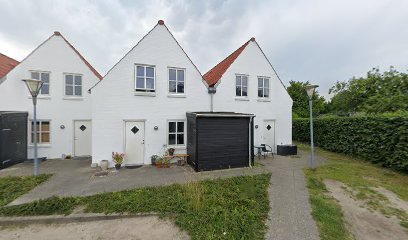
Der Kuhstall Mønsted
43.3 km
Rural barn vibes meet late-night beats at this countryside nightclub near Viborg, where casual crowds, strong drinks and a compact dance floor power the weekend.
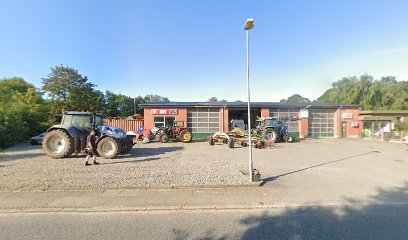
Night Cirque
46.1 km
Compact, high-energy nightclub in central Aalborg, where pulsing beats, bold lighting and a stylish crowd keep the dance floor alive late into the night.
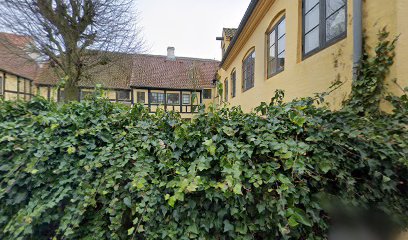
LouLou Aalborg
46.3 km
Polished cocktails and high-energy club vibes collide at this compact, late-night hotspot on Aalborg’s legendary Jomfru Ane Gade.
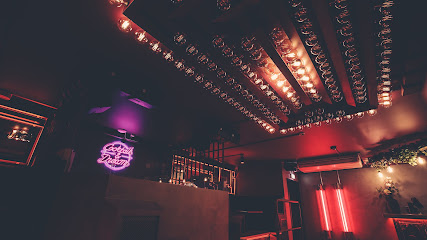
Club Stygge
46.4 km
Compact, late-night Aalborg nightclub with loud party hits, simple cocktails and a tightly packed dance floor on bustling Vesterå.
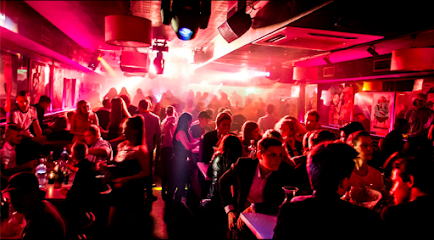
Under Buret
46.4 km
Aalborg's vibrant party hub with disco energy, DJ beats, and neon-lit celebration on every level.
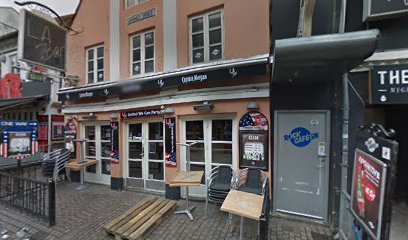
ESCAPE CLUB & Shisha Lounge
46.4 km
Intimate nightclub and shisha lounge in the heart of Aalborg’s Jomfru Ane Gade, mixing DJ-driven dancing, drinks and hookah corners late into the night.
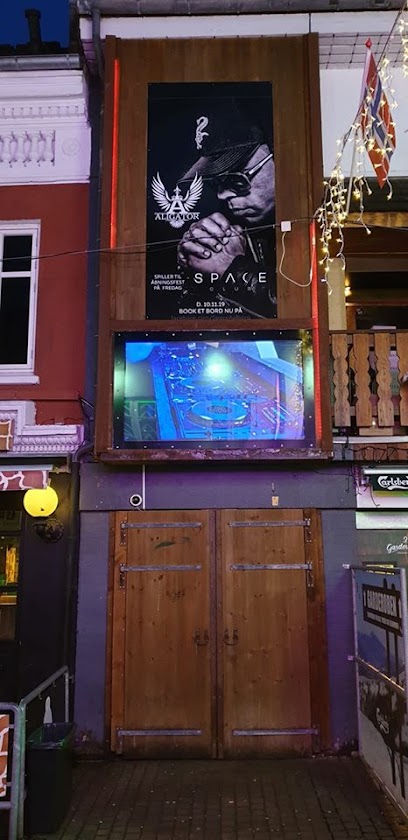
Club Wolf
46.4 km
Compact, late-night nightclub on Aalborg’s Jomfru Ane Gade, blending chart hits, strong weekend energy and a tightly packed dance floor in the city’s bar street hub.
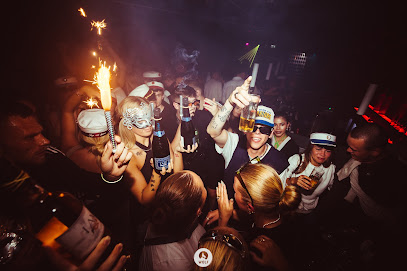
The Drunken Flamingo
46.4 km
Colorful cocktails, neon vibes, and electrifying nights—The Drunken Flamingo is Aalborg’s playful party hotspot in the heart of Denmark’s most famous bar street.
For the vibe & atmosphere seeker
- Scenic
- Relaxing
- Tranquil
- Unique
- Casual
For the design and aesthetic lover
- Vintage Styles
- Rustic Designs
For the architecture buff
- Historic
- Art & Design
- Heritage Neighborhoods
For the view chaser and sunset hunter
- Waterfront
- Iconic Views
For the social media creator & influencer
- Photo Spots
- Architectural Shots
- Instagrammable
For the eco-conscious traveler
- Low Impact
- Public-Transport Accessible
- Locally Managed
For the kind of experience you’re after
- Cultural Heritage
- Photowalk
- Day Trip
- Roadtrip Stop
For how adventurous you want the journey to be
- Easy Access
Location Audience
- Family Friendly
- Senior Friendly
- Child Friendly
- Teen Friendly
- Solo Friendly
- Couple Friendly
- Solo Female Friendly


