

Himmelbjerget, Mols Bjerge National Park Travel Guide
Historic Sletterhage Lighthouse offers panoramic sea views, maritime history exhibits, and wild coastal scenery at the southern tip of Mols Bjerge National Park.
Sletterhage Lighthouse stands proudly on the dramatic southern tip of the Djursland peninsula, where the Baltic and Kattegat seas meet. Built in 1894, the lighthouse has long guided mariners through these sometimes treacherous waters. Today, it is both a working beacon and a cherished destination for walkers, families, and nature lovers. Inside, a small exhibit shares the rich maritime history of the area, while outside, sweeping coastal vistas and unique geological formations invite exploration. The site is celebrated for its panoramic views, wild weather, and the ever-changing dance of light on the sea.
A brief summary to Himmelbjerget
- Himmelbjergvej, Ry, 8680, DK
- Click to display

Know before you go
Hi, I'm Eve. Here are a few practical things to know before exploring Himmelbjerget.
- The best views are near sunset and in stormy weather when the waves are dramatic—bring windproof clothing even in summer.
- Check the lighthouse’s open hours in advance, as indoor exhibits are not accessible daily.
- Pack a picnic or snacks—there are no shops or cafés at the lighthouse itself.
- Birdwatchers should bring binoculars for spring and autumn migrations along the coast.
- Small parking area fills up quickly—arriving early in the day helps secure a spot.
Do you manage this location?
Take control to get all the benefits, like improved information, better appearance, and stronger visibility across AI-powered discovery. Learn more about listing your business on Evendo
Activate your presenceOther nearby places you may find interesting
The closest places of the same kind, if this one is not quite what you had in mind.
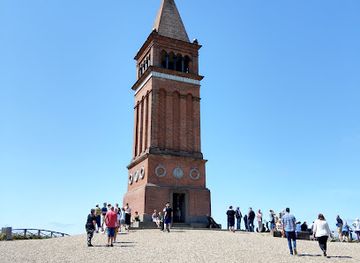
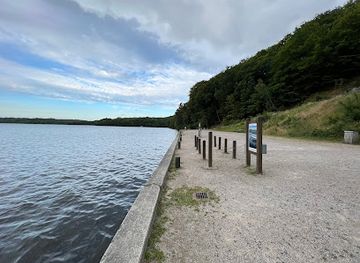
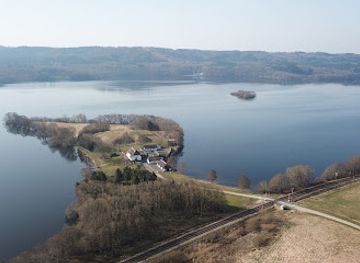
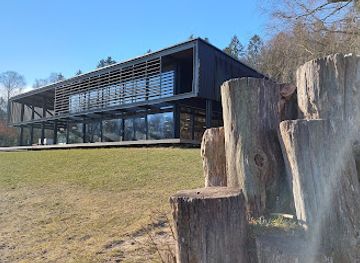
Explore Himmelbjerget on the Map
A handpicked selection of must-see spots near Himmelbjerget, mapped for you.
Getting There
-
Car
Approaching from the center of Mols Bjerge National Park, travelers find Sletterhage Lighthouse prominently positioned at the tip of the Helgenæs peninsula, past tranquil countryside and open heathland. The last segment of the journey includes scenic views over the bay and sparse settlements. Free parking is available near the lighthouse, though spaces are limited and fill up on busy weekends.
-
Bicycle/Walking
Cyclists and hikers navigating the trails from the heart of Mols Bjerge will enjoy a route that winds through varied landscapes—rolling hills, rural villages, and farmlands—culminating at the unmistakable coastline, where the white lighthouse stands against the sea. The duration varies, but expect a picturesque trip spanning 30–60 minutes by bike from central points. The rough coastal paths may be muddy after rain.
-
Taxi
A taxi from Knebel or Fuglsø center typically takes 15–20 minutes to reach the lighthouse and costs in the range of 140–200 DKK. Taxis must be called in advance, especially outside summer.
-
Public Transport
Local buses serve Helgenæs with stops in nearby villages such as Tved, but service is infrequent, especially on weekends. From the nearest bus stop, the lighthouse is a 30–40-minute walk past fields and along the coast. A single bus ticket costs around 24–30 DKK.
Discover more about Himmelbjerget













Your all‑in‑one travel companion app
Explore expert travel guides, compare and book tours, experiences, hotels, and more—all from the palm of your hand. Download now for seamless trip planning wherever your wanderlust takes you.


Explore More of Mols Bjerge National Park
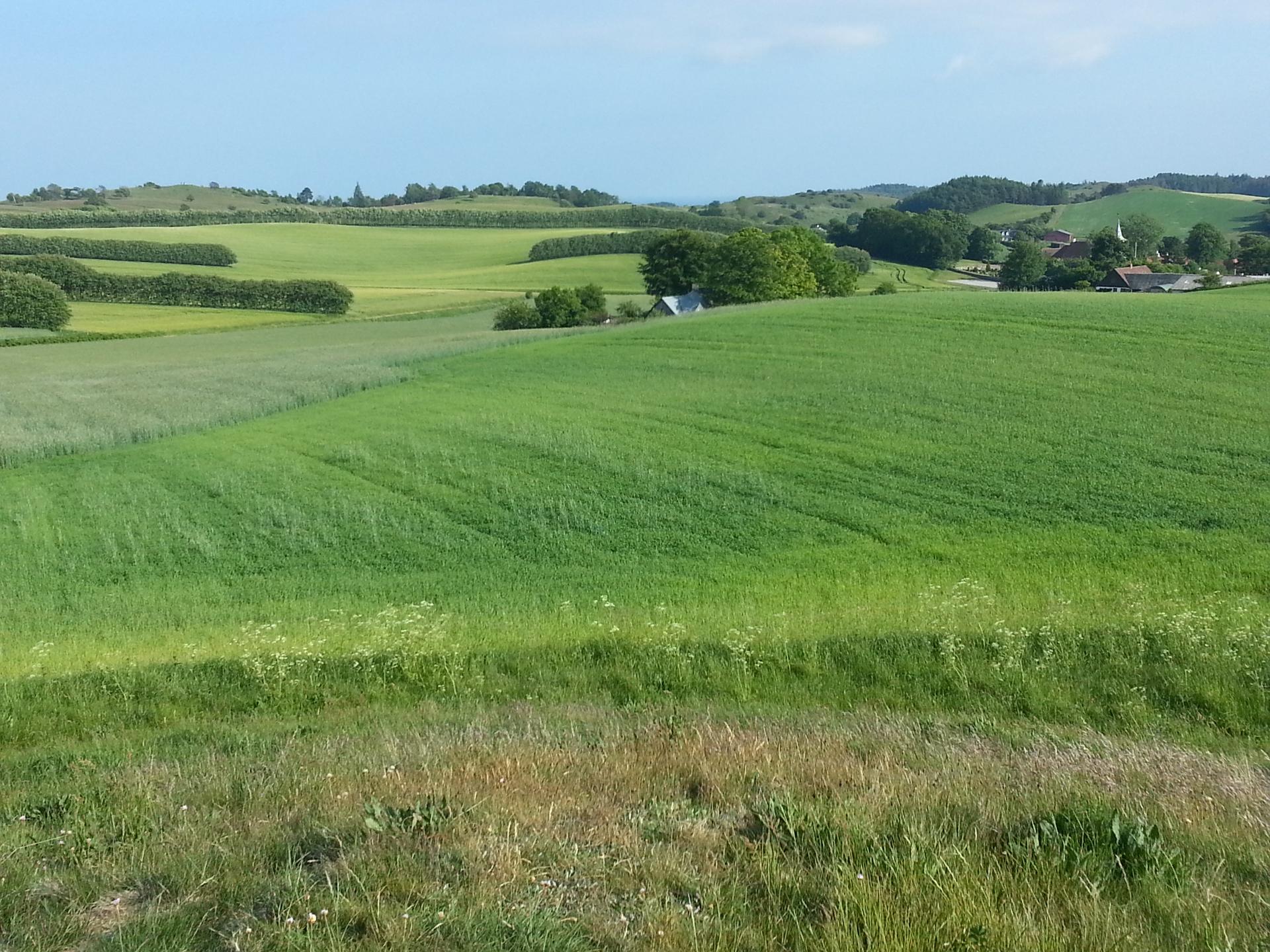
Looking beyond Himmelbjerget? Discover Mols Bjerge National Park for broader travel guides, local hot-spots, and regional highlights.
Explore Mols Bjerge National Park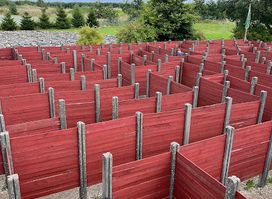
A family-friendly maze park in rural Jutland, where 3D labyrinths, water tricks and a cozy Puzzle Center turn getting lost into a full day of playful discovery.
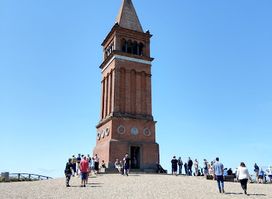
Follow a classic forest trail from lakeshore to the summit of Denmark’s fabled Sky Mountain, combining gentle ascent, big views and layers of national history.
