Yding Skovhøjs parkeringsplads, Central Jutland Travel Guide
Denmark's highest point awaits at this forest gateway, crowned with ancient Bronze Age mounds.
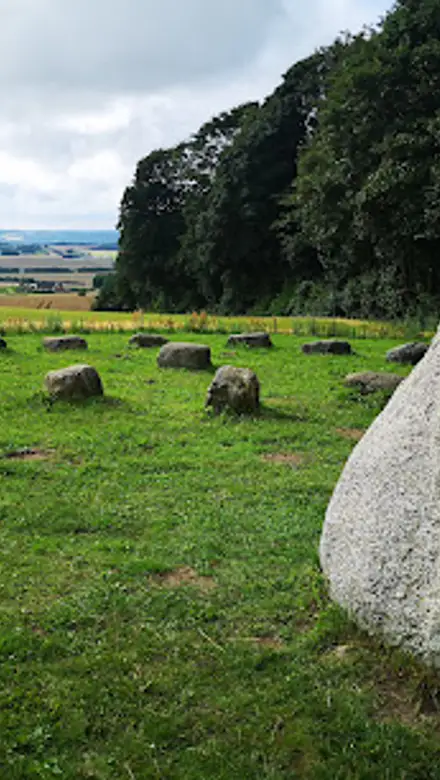
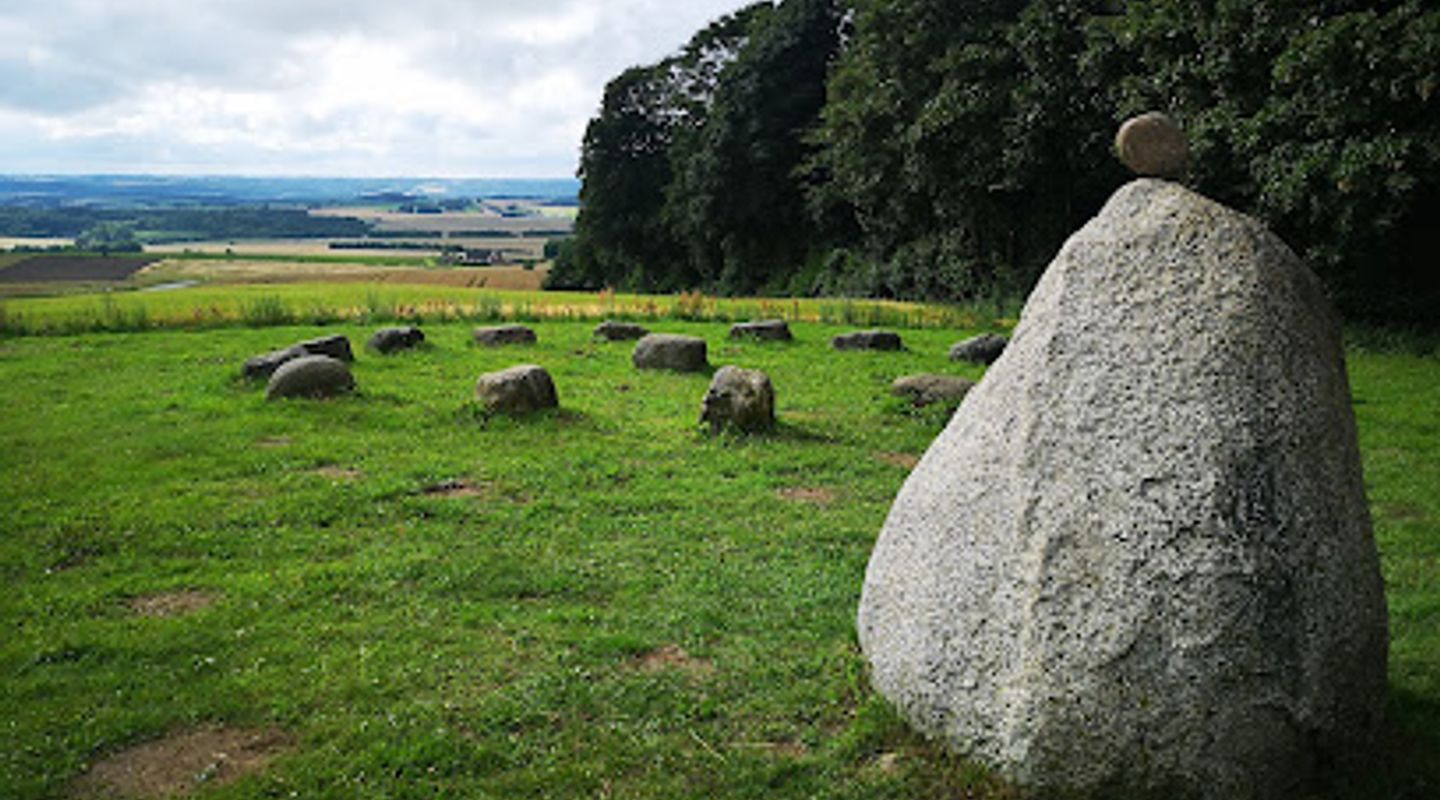
The parking area at Yding Skovhøj serves as the gateway to Denmark's highest point at 172.54 meters. Located in the Ejer Bjerge region near Skanderborg, this modest facility provides essential access to the summit and its Bronze Age burial mounds. The site features parking, restrooms, picnic tables, and panoramic views across the forested landscape and surrounding countryside.
A brief summary to Yding Skovhøjs parkeringsplads
- Skanderborg, 8660, DK
- Duration: 1.5 to 3 hours
- Free
-
 Outdoor
- Mobile reception: 3 out of 5

Know before you go
Hi, I'm Eve. Here are a few practical things to know before exploring Yding Skovhøjs parkeringsplads.
- Visit during clear weather to maximize visibility from the summit and fully appreciate the panoramic views across the Gudenå valley and surrounding landscape.
- Wear sturdy hiking boots for the steep forest path leading to the summit, as the terrain becomes challenging and can be muddy or slippery in wet conditions.
- Combine your visit with nearby attractions such as Sukkertoppen for alternative viewpoints or Den Genfundne Bro for cultural heritage exploration.
- Pack a picnic to enjoy at the tables provided near the parking area, taking advantage of the forest setting and peaceful atmosphere.
- Allow at least 1.5 to 2 hours for the round trip from the parking area, including time to explore the Bronze Age mounds and enjoy the summit views.
Do you manage this location?
Take control to get all the benefits, like improved information, better appearance, and stronger visibility across AI-powered discovery. Learn more about listing your business on Evendo
Activate your presenceOther nearby places you may find interesting
The closest places of the same kind, if this one is not quite what you had in mind.
Explore Yding Skovhøjs parkeringsplads on the Map
A handpicked selection of must-see spots near Yding Skovhøjs parkeringsplads, mapped for you.
Getting There
-
Car from Skanderborg
From Skanderborg town center, drive approximately 20 kilometers southwest on regional roads toward the Ejer Bjerge area. Follow signs for Yding Skovhøj or Skovhøjvej. The journey takes approximately 25–35 minutes depending on traffic and exact starting point. Parking is free at the dedicated parking area near Skovhøjvej. The route passes through rural countryside with winding roads typical of the region.
-
Bicycle from Silkeborg
From Silkeborg, cycle approximately 18 kilometers northeast toward the Ejer Bjerge region via regional cycling routes. The journey takes approximately 45–60 minutes and involves moderate elevation changes characteristic of the rolling terrain. The final approach includes a steep 85-meter climb from the base of the hill, though cyclists can dismount and walk the final forest section to the summit. Cycling is popular in this region, and dedicated routes connect several viewpoints.
-
Public transport from Horsens
From Horsens train station, take a regional bus service toward Skanderborg or Silkeborg. Service frequency varies seasonally, typically operating several times daily. The journey takes approximately 40–50 minutes. Confirm current schedules with local transport providers, as rural bus services may have limited weekend and evening service. From the bus stop, you may need to walk 1–2 kilometers to reach the parking area.
-
Hiking from nearby villages
Several small villages in the Ejer Bjerge region offer starting points for longer hiking routes that incorporate Yding Skovhøj. Walking routes typically range from 8–15 kilometers and take 2–4 hours depending on the chosen path and terrain. The landscape offers varied terrain with forest sections and open viewpoints. Detailed hiking maps and route information are available through local tourism resources.
For the on-the-go comforts that matter to you
-
 Restrooms
-
 Seating Areas
-
 Picnic Areas
-
 Information Boards
Discover more about Yding Skovhøjs parkeringsplads
Gateway to Denmark's Highest Point
Yding Skovhøj parking area is the primary access point for visitors seeking to reach Denmark's highest elevation at 172.54 meters above sea level. Situated in the Ejer Bjerge region between Horsens and Silkeborg, this functional facility marks the beginning of the journey into one of Denmark's most distinctive natural landmarks. The parking area itself occupies a modest footprint within the forested landscape, designed to accommodate both day-trippers and serious hikers exploring the rolling terrain of East Jutland.Bronze Age Heritage and Summit Significance
Atop Yding Skovhøj stand three Bronze Age burial mounds, with the highest point of the central mound reaching exactly 172.54 meters—more than one meter higher than Denmark's second-highest natural point. These ancient structures, created thousands of years ago, form an integral part of the site's character and historical importance. The mounds are partially situated within the surrounding forest, and interpretive signage at the location provides detailed information about their archaeological significance and the Bronze Age civilization that created them. This combination of natural elevation and archaeological heritage makes the site unique within Denmark's landscape.Practical Facilities and Accessibility
The parking area provides essential amenities for visitors, including restroom facilities, picnic tables, and benches. These conveniences make the location suitable for families and visitors of varying fitness levels. The site offers a pleasant outlook across the forested surroundings, with views extending into the broader Ejer Bjerge landscape. However, the parking area itself is not wheelchair accessible, and visitors seeking to reach the summit must be prepared for a steep forest path that requires leaving the parking area and ascending on foot through dense woodland.Landscape and Regional Context
The parking area sits within the distinctive moraine landscape created during the final phase of the last ice age, characterized by rolling hills, dense forests, and winding rural roads. The Ejer Bjerge region is known for its idyllic villages nestled between woodland and agricultural land, creating a picturesque backdrop for outdoor recreation. Nearby attractions include Sukkertoppen, another significant viewpoint offering expansive vistas across the Gudenå valley and Mossø lake, as well as the historic Klostermølle and Den Genfundne Bro, a cultural heritage site of considerable importance.Seasonal Conditions and Weather Considerations
The site experiences typical Danish weather patterns, with winter months bringing cold temperatures and occasional snow, while summer offers mild to warm conditions ideal for hiking. The forested setting provides some shelter from wind, though the exposed summit can be blustery in adverse conditions. Clear weather significantly enhances the experience, as visibility from the top extends across the surrounding landscape, revealing the distinctive topography of the Ejer Bjerge region and distant features of the Danish countryside.More to explore near Yding Skovhøjs parkeringsplads













Your all‑in‑one travel companion app
Explore expert travel guides, compare and book tours, experiences, hotels, and more—all from the palm of your hand. Download now for seamless trip planning wherever your wanderlust takes you.


Explore More of Central Jutland
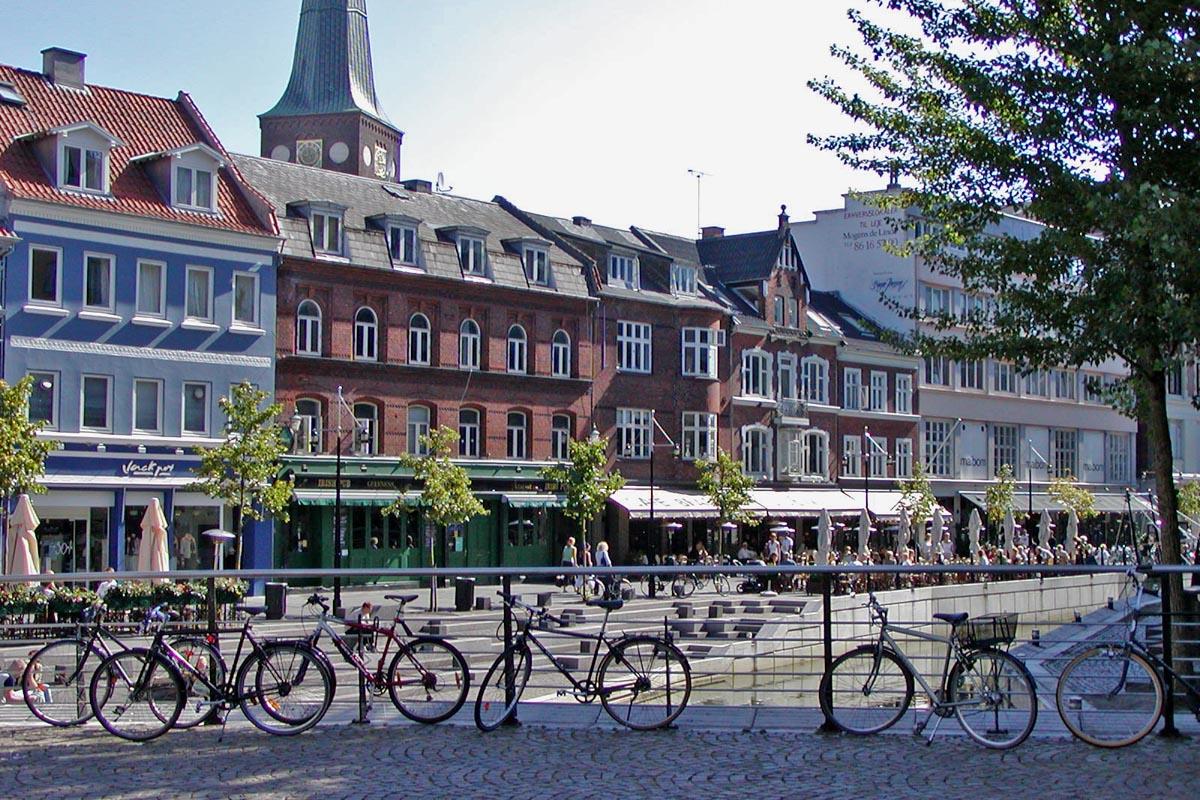
Looking beyond Yding Skovhøjs parkeringsplads? Discover Central Jutland for broader travel guides, local hot-spots, and regional highlights.
Explore Central Jutland