Jættestuen grønhøj, Central Jutland Travel Guide
5.000 år gammel jættestue midt i det østjyske kulturlandskab – et stille møde mellem bondestenalderens stenkonstruktioner, skov, marker og Bygholm Sø.
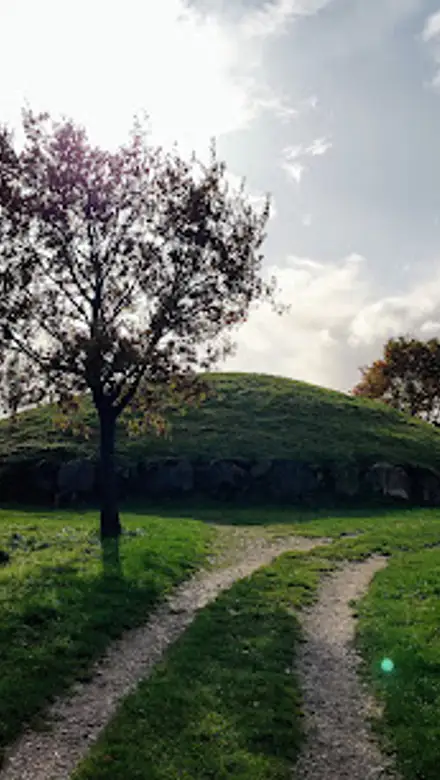
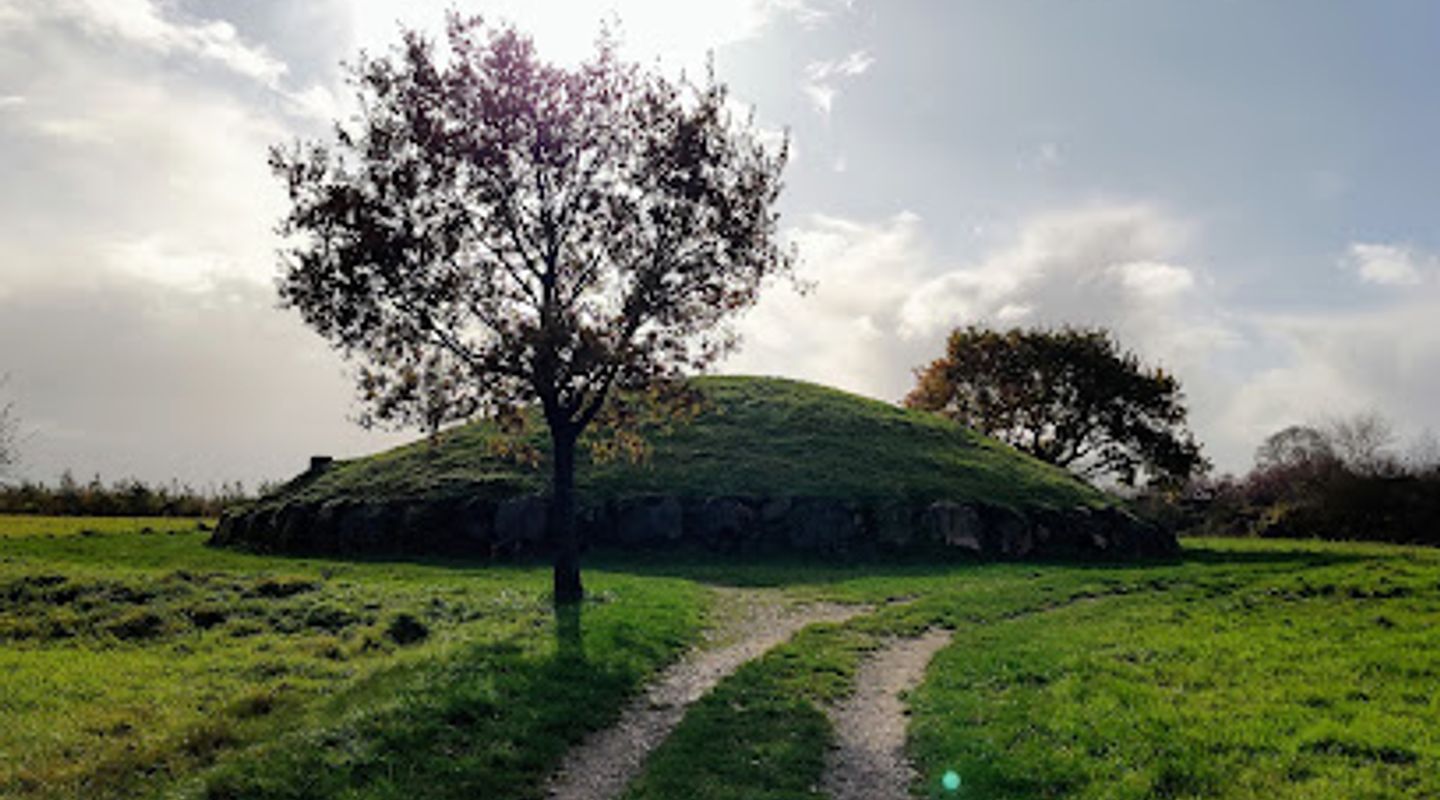
Jættestuen Grønhøj er en imponerende bondestenalder-gravhøj fra omkring 3200 f.Kr., smukt placeret i det åbne landskab ved Bygholm Sø nær Horsens. Den runde høj, omkranset af 60 markante randsten og med et lille gravkammer og bevaret indgang, er et sjældent velholdt indblik i oldtidens arkitektur. Kombinér besøget med en rolig gåtur langs søen og i de omkringliggende skove for en stemningsfuld natur- og kulturhistorisk oplevelse.
A brief summary to Jættestuen grønhøj
- Horsens, DK
- Click to display
- Click to display
- Duration: 0.5 to 1.5 hours
- Free
-
 Outdoor
- Mobile reception: 4 out of 5

Know before you go
Hi, I'm Eve. Here are a few practical things to know before exploring Jættestuen grønhøj.
- Tag praktisk fodtøj; underlaget omkring højen kan være ujævnt og mudret efter regn, især hvis du kommer fra stien ved Bygholm Sø.
- Planlæg besøget i dagslys for at få mest muligt ud af detaljer som tørmur og randsten, der ses tydeligst i skråt sollys.
- Kombinér turen med en hel eller halv runde om Bygholm Sø for en fin blanding af kulturhistorie og naturoplevelse.
- Vis respekt for højen: undgå at flytte sten, grave eller klatre på udsatte kanter, så den bevares for fremtidige besøgende.
Do you manage this location?
Take control to get all the benefits, like improved information, better appearance, and stronger visibility across AI-powered discovery. Learn more about listing your business on Evendo
Activate your presenceOther nearby places you may find interesting
The closest places of the same kind, if this one is not quite what you had in mind.
Explore Jættestuen grønhøj on the Map
A handpicked selection of must-see spots near Jættestuen grønhøj, mapped for you.
Getting There
-
Bil fra Horsens centrum
Fra Horsens centrum tager køreturen mod området ved Bygholm Sø typisk 10–15 minutter afhængigt af trafik. Der er gratis parkering ved flere offentlige parkeringslommer og ved skov- og søområderne i nærheden, men pladser kan være begrænsede på solrige weekender. Fra parkeringsområderne fortsætter du til fods ad skov- og markstier i let kuperet terræn.
-
Cykel fra Horsens by
Fra de centrale bydele i Horsens tager cykelturen mod Bygholm Sø og området ved Grønhøj omkring 20–30 minutter afhængigt af rute og tempo. Underlaget er en blanding af byveje og mindre landeveje med enkelte moderate stigninger. Der er ingen afgift for at medbringe egen cykel, og turen egner sig godt til familier med større børn, så længe man er opmærksom på biltrafik de sidste kilometer.
-
Offentlig transport til nærheden
Bybusser i Horsens kører flere gange i timen til stoppesteder i den vestlige del af byen nær Bygholm-området, med en samlet rejsetid på cirka 10–20 minutter fra centrum. En enkeltbillet inden for byzonen koster typisk i størrelsesordenen 20–30 DKK, afhængigt af billettype. Fra nærmeste stoppesteder fortsætter du til fods ad stier og mindre veje i 20–30 minutter gennem let kuperet terræn.
For the on-the-go comforts that matter to you
-
 Trash Bins
-
 Information Boards
-
 Seating Areas
Discover more about Jættestuen grønhøj
Oldtidshøj i det åbne østjyske landskab
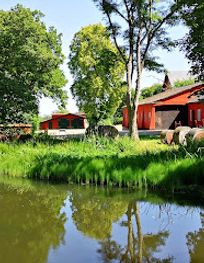
Grønhøj ligger som en markant, græsklædt rund høj i det bølgende landskab mellem Bygholm Sø og skovene Rugballegård og Åbjergskoven vest for Horsens. Højen er omkring tre meter høj og cirka 25 meter i diameter, så den tegner sig tydeligt i terrænet og fanger blikket på afstand. Omgivelserne er et harmonisk miks af markland, skovbryn og udsigt mod vandfladen, hvilket giver stedet en rolig og næsten tidløs stemning.Når du står ved foden af højen, er det let at forestille sig, hvordan den i bondestenalderen har domineret landskabet som et betydningsfuldt samlings- og mindested for en mindre lokal boplads. Det lave vind-sus, fuglesang fra skoven og lyset, der skifter over markerne, giver besøget en afdæmpet, kontemplativ karakter.Bondestenalderens fællesgrav og ritualer
Jættestuen Grønhøj blev anlagt omkring 3200 f.Kr. som en fællesgrav for en bondestenalderfamilie eller et mindre lokalsamfund. Her blev de døde lagt i det mørke kammer, mens de levende udførte ritualer lige uden for højen. Ved arkæologiske undersøgelser er der fundet tusindvis af potteskår og pilespidser i området, spor efter ofringer og hverdagsliv knyttet til stedet.Den kalkfattige sandjord omkring Horsens har nedbrudt knoglerne, så der i dag næsten ikke findes bevaret skeletmateriale. I stedet er det redskaber, keramik og andre genstande, der fortæller historien om menneskerne, der levede og døde her gennem flere hundrede år. Højen har været i brug mange gange, og den vidner om en lang, kontinuerlig tradition for at ære forfædre netop her.Stenbyggeri uden mørtel og imponerende randsten
Set udefra er det især den lukkede krans af cirka 60 randsten, der gør Grønhøj særpræget. Hver sten er omkring en meter høj, nøje placeret for at fastholde jordmasserne og give højen en markant form. Mellem randstenene og kammerets bæresten findes en tørmur, bygget af små, fliselignende sten. Den holder konstruktionen tæt og tørt – udelukkende ved hjælp af stenens form, vægt og indbyrdes klem.Inden i selve jættestuen bar otte store bæresten de to oprindelige dæksten, der udgjorde loftet i kammeret. Kombinationen af massive sten og fint tilpasset tørmur vidner om en bemærkelsesværdig teknisk kunnen hos datidens bygmestre. Når du går tæt på, kan du se de omhyggeligt stablede småsten og fornemme det præcisionsarbejde, der har været nødvendigt for, at højen kunne overleve mere end fem årtusinder.Drama ved de tidlige udgravninger
Grønhøj blev første gang åbnet i 1832, hvor interessen for oldtidsminder var voksende. Udgravningen fik dog et dramatisk forløb. Under arbejdet styrtede en af de store loftsten i gravkammeret ned, og to tilstedeværende soldater undslap kun med nød og næppe. Kammeret kollapsede, og arbejdet blev afbrudt, hvilket efterlod højen i en skadet tilstand gennem mange år.Først i 1900-tallet blev Grønhøj igen undersøgt grundigt. Ud fra fundene og den oprindelige stenkonstruktion kunne arkæologer og konservatorer genskabe højen til en form, der ligger meget tæt på dens oprindelige udseende. De store sten, du ser i dag, er de samme, som bondestenalderens mennesker rejste. Rekonstruktionen handler ikke om at bygge nyt, men om at sætte de gamle elementer på plads, så historien igen bliver læsbar i landskabet.Nutidens møde med fortiden ved Bygholm Sø
I dag ligger Grønhøj kun kort vej fra den populære sti rundt om Bygholm Sø, og mange kombinerer besøget med en rolig gå- eller løbetur langs bredden. Det åbne kig fra søens sydside ind mod marken, hvor højen ligger, er et af de få steder, hvor udsigten ikke er dækket af skov, og netop her træder fortiden tydeligt frem.Besøgende kan gå op på toppen for at nyde udsigten over marker og skovkanter eller betragte de monumentale sten på nært hold. Det er et sted, der egner sig til stille refleksion, små historiefortællinger til børn om kæmper og forfædre, eller et kort afbræk fra byen. Højen er frit tilgængelig hele året, og oplevelsen afhænger stærkt af årstid og vejr – fra tågedis og efterårsfarver til klare forårs- og sommerdage, hvor landskabet åbner sig i alle retninger.












Your all‑in‑one travel companion app
Explore expert travel guides, compare and book tours, experiences, hotels, and more—all from the palm of your hand. Download now for seamless trip planning wherever your wanderlust takes you.


Explore More of Central Jutland
Looking beyond Jættestuen grønhøj? Discover Central Jutland for broader travel guides, local hot-spots, and regional highlights.
Explore Central Jutland