

Mols Travel Guide
Free Guide: A mesmerizing expanse of rolling hills, glacial valleys, and timeless villages set in Denmark’s breathtaking national park heartland.


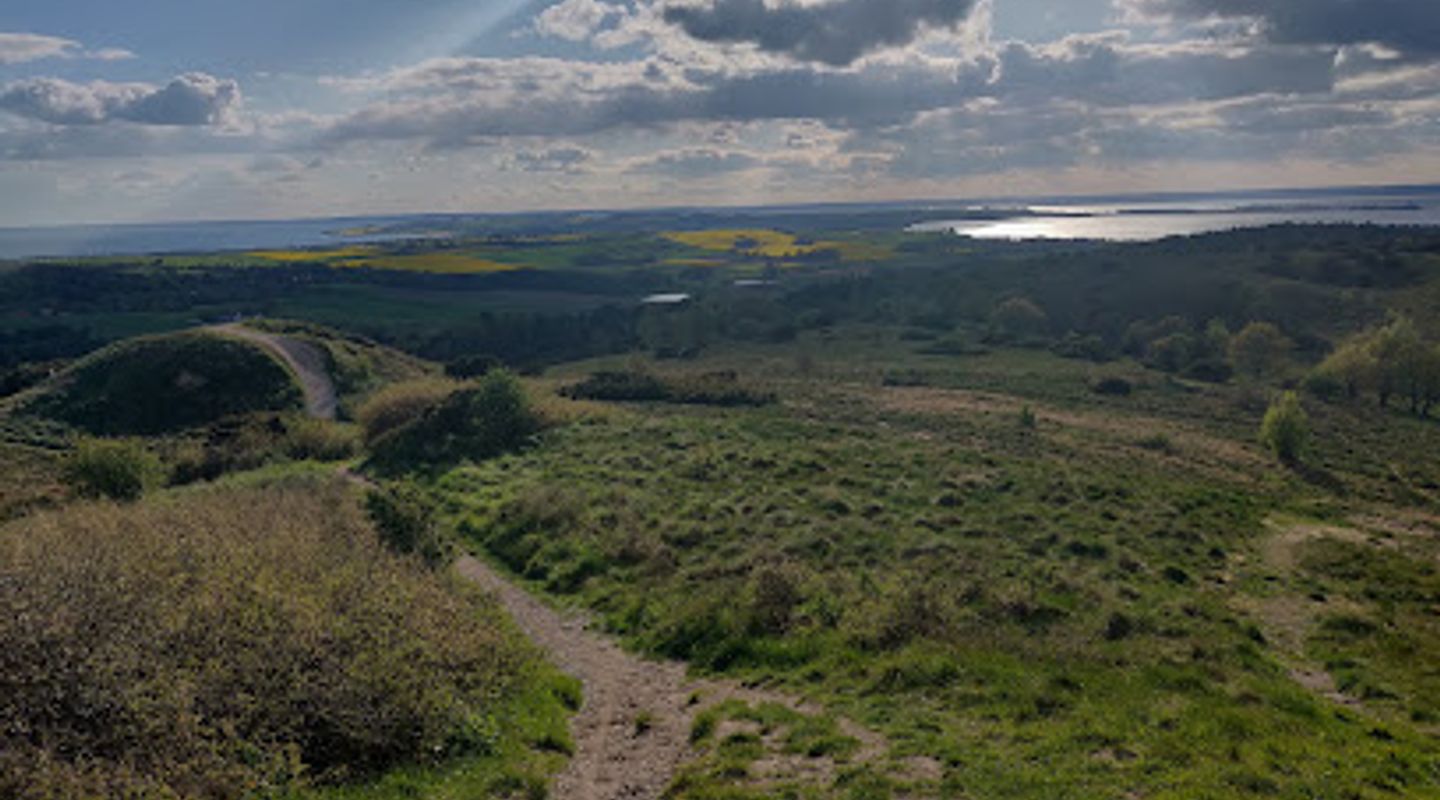
A brief summary of Mols
A mesmerizing expanse of rolling hills, glacial valleys, and timeless villages set in Denmark’s breathtaking national park heartland.
Mols, nestled within the vast Mols Bjerge National Park, is a dramatic peninsula famed for its fluctuating hills, heather-clad ridges, and remarkable glacial landscapes. Visitors are greeted with sweeping views, rich biodiversity, historic hamlets, and a feeling of remote serenity that belies its accessibility from Denmark's major cities.
- Address
- 8420 Knebel
Getting there
Walking
Driving
Public Transport
Bicycle
Discover more about Mols
Overview
The Mols Peninsula forms the geographic soul of Mols Bjerge National Park in eastern Jutland, carving a landscape distinguished by rolling hills, deep glacial valleys, and windswept heath. Shaped millennia ago by the retreat of ice age glaciers, the undulating terrain rises and falls in sudden swells, notably around Agri Bavnehøj, the park’s highest peak. Mols is a patchwork of wild meadows, tranquil woods, bracken-carpeted slopes, and ancient beech forest—habitats supporting roe deer, foxes, eagles, and a vibrant spectrum of butterfly species. Traditional Danish villages like Knebel and Femmøller complete the tableau, their white-walled farmhouses and thatched roofs scattered amid fields and stone fences, reflecting centuries of rural culture isolated by the peninsula’s natural boundaries.
Hiking here offers broad vistas over Ebeltoft Vig and the Kattegat Sea, with clear days revealing the distant outline of Samsø Island. The area is known for its silence—broken only by the rustle of wind in the grass, the distant call of a skylark, or the echo of footsteps on ancient trails used since Viking times. Archaeological sites abound, from Bronze Age burial mounds to medieval ruins, weaving historical depth into the region’s outdoor appeal. Remnants of centuries-old cattle tracks crisscross the hills, while old millhouses and manor remains are reminders of prosperity and hardship alike.
While the Mols Peninsula is open to all, its unique blend of wild beauty and pastoral calm invites visitors to slow down: watch the evening mist drift through the valleys, sample local berries in summer, and bask in the golden hour light that draws local painters and photographers year after year. A trip here is less about checklist sightseeing and more about immersion—nature walks, picnics, rustic cafés, and quiet contemplation under Denmark’s expansive northern sky.
Evendo Review Centre
 Google
Guest reviews
Explore Mols on the map
A handpicked selection of must-see spots near Mols, mapped for you.
Get your free copy of our complete guide to Mols, delivered straight to you.
Everything on this page, from opening hours and how to get there to Eve’s tips and the best time to go, in one PDF you can read offline, print or share.
Already have an account? Sign in
Your Mols guide is ready.
We'll send it to · Not you? Sign out

Getting your guide ready…
We are putting together a fresh copy of the Mols guide. This can take up to a minute.
This can take a few moments. If your browser asks, choose Allow so the download can start. You'll find the guide in your Downloads folder.
Nothing happened? Download it again
Sorry, the guide is taking longer than usual. Please try again in a minute, or get it by email instead.
Other nearby places you may find interesting
The closest places of the same kind, if this one is not quite what you had in mind.
-
-
-
-
-


Swipe for more places
More to explore near Mols

 Best experiences near Mols
 Best hotels near Mols
Do you manage this location?
Take control to get all the benefits, like improved information, better appearance, and stronger visibility across AI-powered discovery.
Explore more
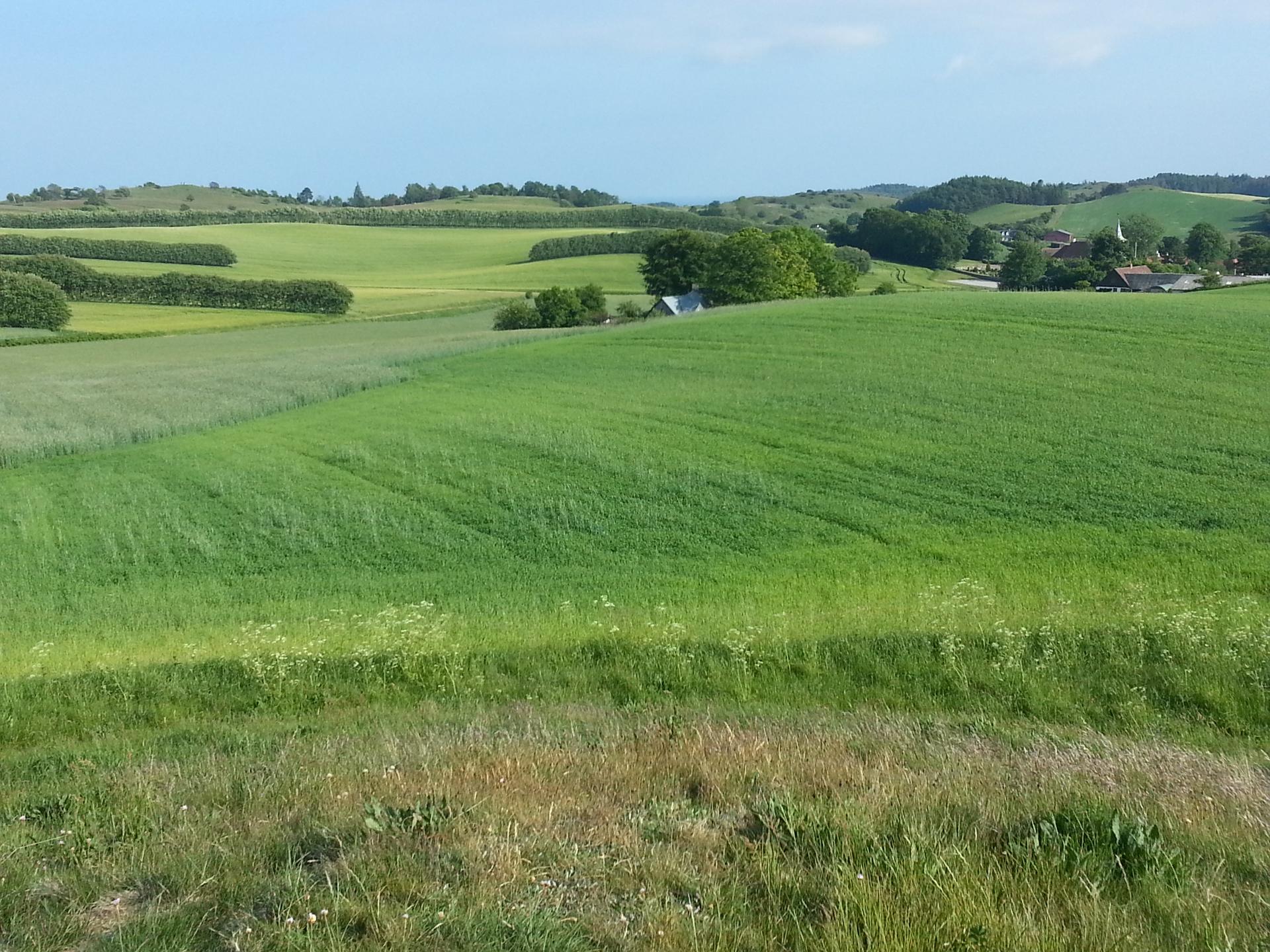
Explore more of Mols Bjerge National Park
Mols Bjerge National Park in Denmark offers glacial hills, coastal views, historic Kalø Castle, wildlife and walking routes near Ebeltoft on Djursland.
Explore Mols Bjerge National Park
