Lars Kjærs Hus Travel Guide
Free Guide: Tiny forest cottage, big folk tale: step into the poacher Lars Kjær’s world and his fortune-telling wife’s home in the hills of Rebild Bakker.


A brief summary of Lars Kjærs Hus
Tiny forest cottage, big folk tale: step into the poacher Lars Kjær’s world and his fortune-telling wife’s home in the hills of Rebild Bakker.
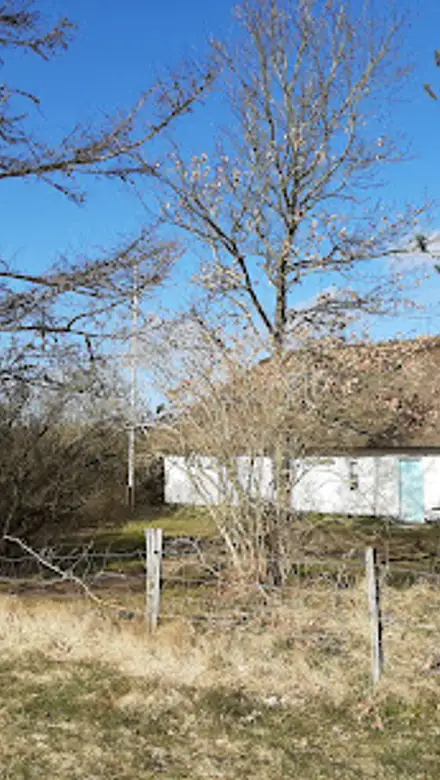
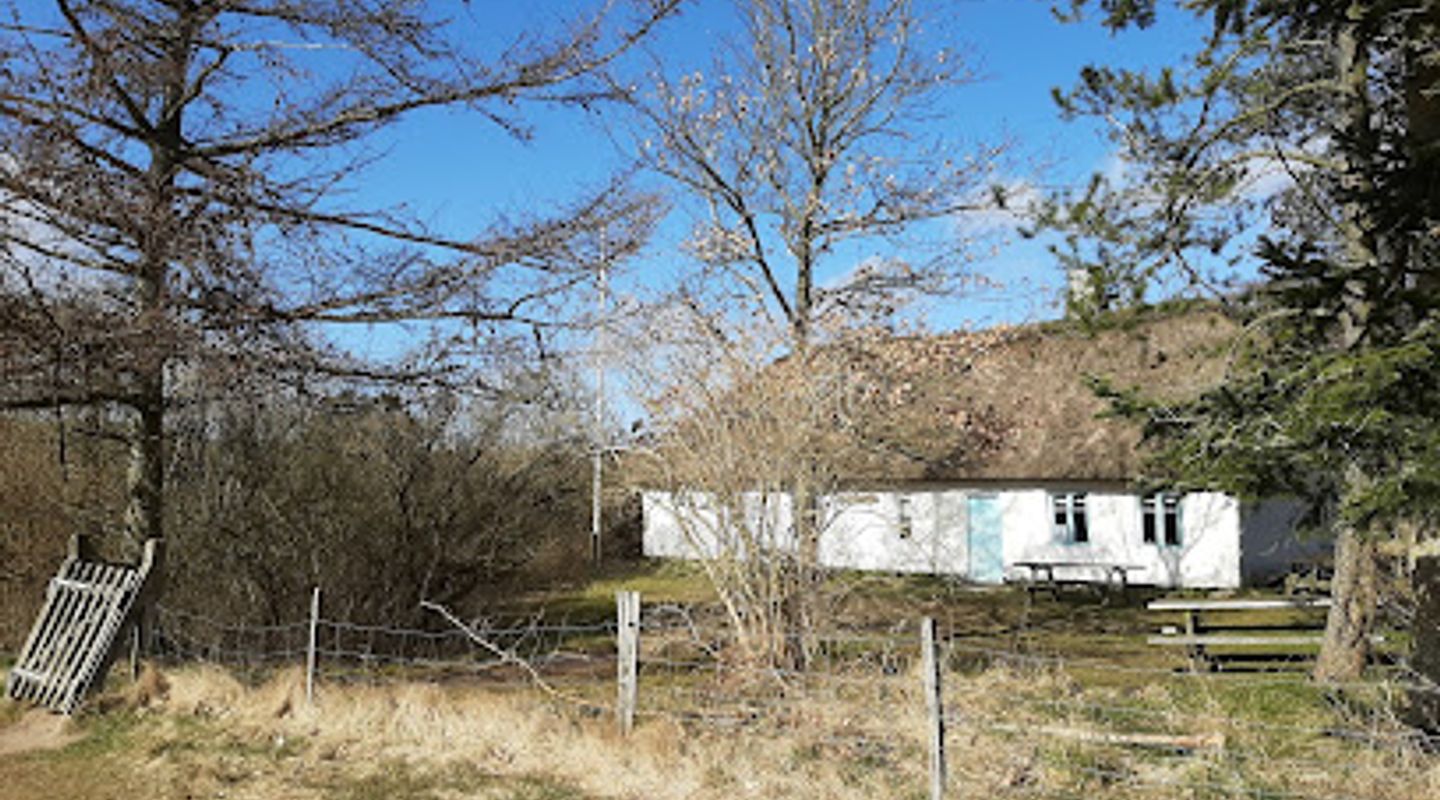
Tucked into the slopes of Rebild Bakker near Skørping, Lars Kjærs Hus is a small, whitewashed forest cottage that once belonged to local poacher Lars Kjær and his fortune-telling wife, Marie. Today it serves as an atmospheric, museum-like time capsule of rural life on the edge of Rold Forest: low ceilings, simple furnishings, creaking floors and a sense that the owners have just stepped outside. Surrounded by heathery hills and springs, it combines social history with classic Danish nature in one compact stop.
On-site amenities
 Restrooms
 Drink options
 Drinking water
 Food options
 Seating areas
 Picnic areas
 Trash bins
 Information boards
 Visitor centre
- Address
- Rebildvej 46, 9520 Skørping
- Phone
- Website
Getting there
Regional train and local walk from Aalborg
Car from Aalborg and walk through Rebild Bakker
Bicycle from Skørping
Discover more about Lars Kjærs Hus
A forest cottage with a rebel’s story
Lars Kjærs Hus sits quietly in a hollow in the Rebild hills, but its history is anything but sleepy. The house was home to Lars Kjær, a local poacher who lived from hand to mouth on the edge of Rold Forest. He hunted out of necessity rather than greed, taking what his family needed from the estate lands. That pragmatism earned him a rare tolerance from both local farmers and the count at nearby Lindenborg, who turned a blind eye to his illicit hunting.The cottage itself is modest: low, whitewashed walls, a simple thatched roof and small windows peering out toward the heath. Stepping inside, you enter a world where the line between lawbreaker and folk hero feels very thin. Lars’ life captures a time when survival in the forest depended on skill, cunning and community leniency.
Marie the fortune-teller and everyday magic
Just as famous as Lars is his wife, Marie, known locally as a fortune-teller. She read futures and offered advice, blending superstition, intuition and intimate knowledge of her neighbours’ lives. Stories about Marie add a touch of folklore to the house: visitors hear of people who came seeking guidance on love, luck and livelihood.The interior is arranged to resemble the period when Lars and Marie lived here. A worn wooden table anchors the main room, flanked by benches and simple chairs. Utensils, textiles and small household objects evoke the rhythms of everyday life, from cooking and mending to hosting the odd visitor who slipped by for a reading with Marie. It feels more like entering a paused home than a formal museum.
Stepping back into rural Denmark
Lars Kjærs Hus functions as a small heritage site, giving a compact but vivid picture of rural life in North Jutland. The low ceilings, uneven floors and narrow rooms convey how tightly people once shared their space with smoke, firewood and tools. You notice how every object had a purpose: iron pots by the hearth, simple storage chests, practical clothing hanging within arm’s reach.Interpretive material focuses on daily realities rather than grand events: how food was prepared, how winters were endured and how a family scratched a living at the edge of the forest. For many visitors, the contrast between the house’s humble interior and the sweeping landscape outside highlights how dependent its inhabitants were on the surrounding woods and game.
Rebild Bakker and the landscape beyond the door
Outside the cottage, the heath-covered hills of Rebild Bakker roll away in a patchwork of heather, grass and scattered trees. Footpaths wind past the house, linking it to natural springs and viewpoints. The setting makes it easy to picture Lars slipping out at dusk, rifle in hand, disappearing into the folds of the terrain.The broader Rebild and Rold Forest area is known for its clear springs and varied landscape, where beech woods meet open heath. A walk to and from the house becomes part of the experience: you move through the same environment that sustained Lars and Marie, hearing birdsong and feeling the wind on the slopes that once concealed a poacher at work.
A quiet, atmospheric stop in all seasons
Lars Kjærs Hus is a small place, and that intimacy is part of its charm. There is time to linger over details, to imagine conversations by the hearth or hushed visits to Marie for advice. On misty days the cottage feels almost hidden, while clear weather opens wide views across the hills.Many visitors combine a look inside the house with a short walk on the surrounding paths, perhaps continuing on to one of the nearby springs. Regardless of the route, the cottage offers a grounded counterpoint to the scenery: a reminder that behind every beautiful landscape lie real lives, tough choices and the thin margin between hardship and acceptance.
Evendo Review Centre
 Google
Guest reviews
Best time to go
Quietest: Jan, Feb & Mar · before 8am or at 8pm
Busy times are Evendo estimates for a typical year, to help you plan. Actual crowds vary with events, school holidays and the weather.
Explore Lars Kjærs Hus on the map
A handpicked selection of must-see spots near Lars Kjærs Hus, mapped for you.
Get your free copy of our complete guide to Lars Kjærs Hus, delivered straight to you.
Everything on this page, from opening hours and how to get there to Eve’s tips and the best time to go, in one PDF you can read offline, print or share.
Already have an account? Sign in
Your Lars Kjærs Hus guide is ready.
We'll send it to · Not you? Sign out

Getting your guide ready…
We are putting together a fresh copy of the Lars Kjærs Hus guide. This can take up to a minute.
This can take a few moments. If your browser asks, choose Allow so the download can start. You'll find the guide in your Downloads folder.
Nothing happened? Download it again
Sorry, the guide is taking longer than usual. Please try again in a minute, or get it by email instead.
Other nearby places you may find interesting
The closest places of the same kind, if this one is not quite what you had in mind.
-
-
-
-
-


Swipe for more places
More to explore near Lars Kjærs Hus

 Best experiences near Lars Kjærs Hus
 Best hotels near Lars Kjærs Hus
 Best landmarks near Lars Kjærs Hus
 Best attractions near Lars Kjærs Hus
 Best shops near Lars Kjærs Hus
 Best restaurants near Lars Kjærs Hus
 Best bars near Lars Kjærs Hus
Do you manage this location?
Take control to get all the benefits, like improved information, better appearance, and stronger visibility across AI-powered discovery.
Explore more

Explore more of Rebild National Park
Discover the natural wonders of Rebild National Park, Denmark’s picturesque escape filled with scenic trails, historic landmarks, and vibrant wildlife.
Explore Rebild National Park
Explore more of Denmark
Discover Denmark: A perfect blend of history, modern design, and the cozy concept of hygge. Explore vibrant cities, serene landscapes, and world-class cuisine.
Explore Denmark