Museum Rebild Travel Guide
Free Guide: Danish-American heritage and regional history nestled in the rolling hills of northern Jutland.


A brief summary of Museum Rebild
Danish-American heritage and regional history nestled in the rolling hills of northern Jutland.
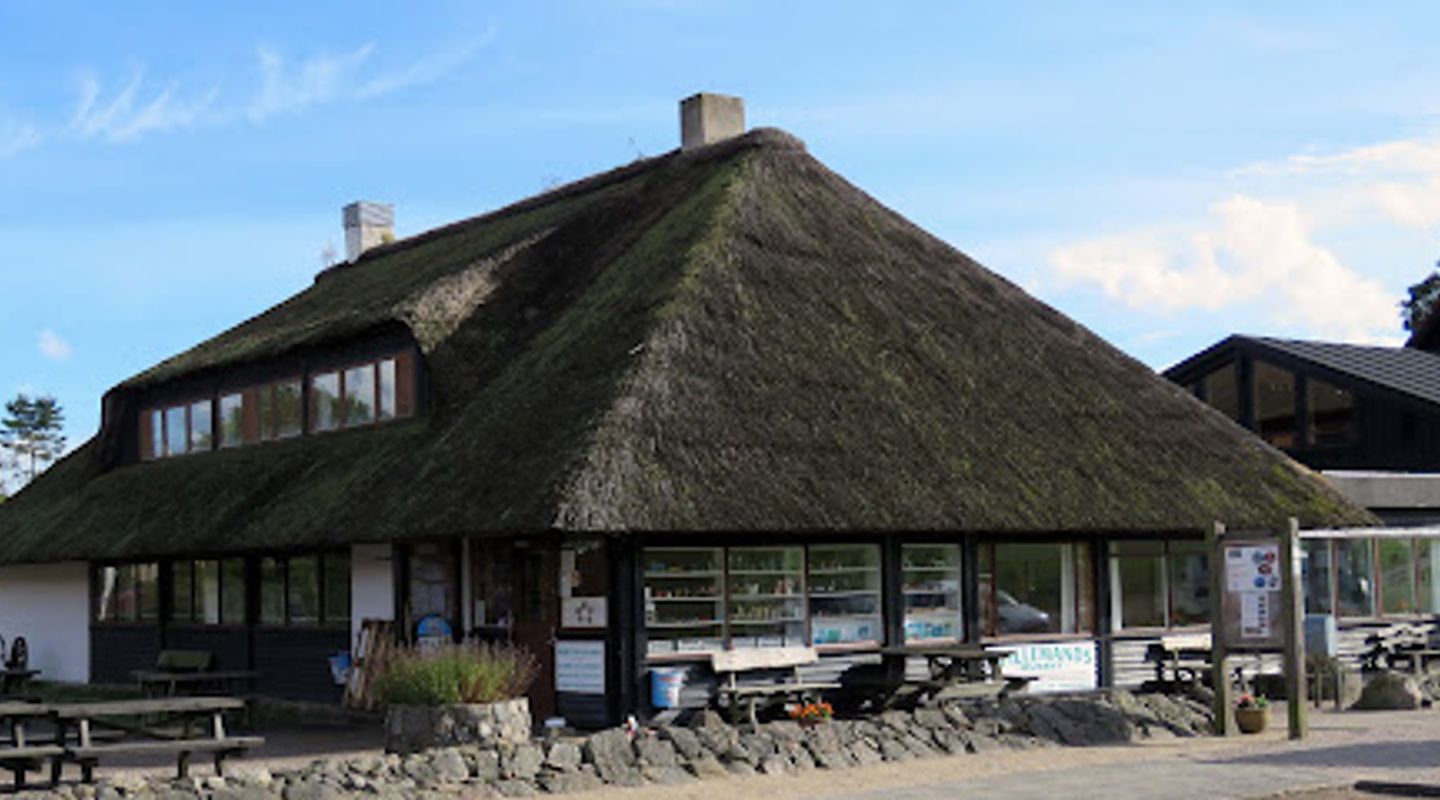
Museum Rebild explores Danish-American heritage and regional history through vivid exhibitions set in the rolling hills of Rebild Bakker in northern Jutland. The museum combines the Danish-American heritage center with cultural exhibits and the fiddler's museum, offering visitors insight into the compelling stories of Danish emigration and the enduring friendship between Denmark and the United States. Located near Rebild National Park, the museum serves as a gateway to understanding the region's unique cross-cultural significance.
On-site amenities
 Restrooms
 Food options
 Drink options
 Seating areas
 Information boards
Opening hours
- Mon–Sat11 am–5 pm
- Sun12 pm–5 pm
Opening hours as listed on the venue’s Google Business Profile. Hours can change for services and special events, so check with the venue before you go.
- Address
- Rebild, B, Rebildvej 25, 9520 Skørping
- Phone
- Website
Getting there
Car
Bus
Bicycle
Guided Tour
Discover more about Museum Rebild
Danish-American Heritage and Emigration Stories
Museum Rebild stands as a cultural bridge between Denmark and the United States, dedicated to preserving and sharing the stories of Danish emigrants who sought new lives across the Atlantic. The museum's core exhibition explores the historical waves of emigration from Denmark, presenting personal narratives and artifacts that illuminate the experiences of those who left their homeland. Through carefully curated displays, visitors encounter the motivations, challenges, and triumphs of Danish families who became part of the American fabric, creating a tangible connection between two nations separated by an ocean but united by shared heritage.The museum's setting within the scenic Rebild Bakker landscape adds profound context to these stories. The rolling, heather-clad hills that surround the museum create an atmospheric backdrop for understanding why this region became so significant in Danish-American relations. The natural beauty of the area mirrors the pastoral landscapes many emigrants remembered from their childhoods, making the museum experience deeply evocative and personal.
The Fiddler's Museum and Cultural Traditions
Integrated within Museum Rebild is the fiddler's museum, a unique cultural component that celebrates Danish musical traditions and folk heritage. This section preserves the memory of traditional Danish music and dance, particularly the role of fiddlers in community life. The fiddler's museum complements the broader narrative of cultural identity, showing how Danish traditions were maintained, adapted, and celebrated both in Denmark and among diaspora communities abroad. Musical heritage becomes a lens through which to understand cultural continuity and transformation across generations and continents.
A Regional History Center
Beyond its Danish-American focus, Museum Rebild functions as a comprehensive regional history center for the Rebild area and surrounding Skørping district. The museum documents local history, traditions, and the development of the region over time. This dual mission—honoring both the specific Danish-American connection and the broader regional story—makes the museum an essential resource for understanding northern Jutland's cultural identity. The combination of emigration history with local heritage creates a multifaceted narrative that resonates with both descendants of Danish emigrants and those interested in regional Danish history.
Scenic Location and Nearby Attractions
Situated at the heart of Rebild Bakker, the museum benefits from proximity to Denmark's only national park dedicated to heathland landscape. The surrounding terrain offers visitors opportunities to explore the natural environment that shaped the region's character and influenced the lives of those who emigrated from here. Nearby attractions include the Thingbæk Chalk Mines and Rebild Center, an underground sculpture museum carved into limestone, as well as the Cold War Museum REGAN Vest, a preserved bunker facility hidden beneath the landscape. This concentration of cultural and natural attractions makes the Rebild area a compelling destination for heritage tourism and outdoor exploration.
Seasonal Operations and Visitor Experience
Museum Rebild operates seasonally, with extended hours during summer months (June through August, 11 am to 5 pm daily) and reduced hours during spring and autumn. Sunday hours remain consistent year-round, opening at noon. This seasonal rhythm reflects the region's tourism patterns and allows the museum to accommodate varying visitor volumes throughout the year. The museum's location in a rural, scenic area means that visits are often combined with outdoor activities in Rebild Bakker and exploration of nearby cultural sites, creating a comprehensive heritage and nature experience.
Evendo Review Centre
 Google
Guest reviews
Best time to go
Quietest: Jan, Feb & Dec · before 11am or from 5pm
Busy times are Evendo estimates for a typical year, to help you plan. Actual crowds vary with events, school holidays and the weather.
Explore Museum Rebild on the map
A handpicked selection of must-see spots near Museum Rebild, mapped for you.
Get your free copy of our complete guide to Museum Rebild, delivered straight to you.
Everything on this page, from opening hours and how to get there to Eve’s tips and the best time to go, in one PDF you can read offline, print or share.
Already have an account? Sign in
Your Museum Rebild guide is ready.
We'll send it to · Not you? Sign out

Getting your guide ready…
We are putting together a fresh copy of the Museum Rebild guide. This can take up to a minute.
This can take a few moments. If your browser asks, choose Allow so the download can start. You'll find the guide in your Downloads folder.
Nothing happened? Download it again
Sorry, the guide is taking longer than usual. Please try again in a minute, or get it by email instead.
Other nearby places you may find interesting
The closest places of the same kind, if this one is not quite what you had in mind.
-
-
-
-
-


Swipe for more places
More to explore near Museum Rebild

 Best experiences near Museum Rebild
 Best hotels near Museum Rebild
 Best landmarks near Museum Rebild
 Best attractions near Museum Rebild
 Best shops near Museum Rebild
 Best restaurants near Museum Rebild
 Best bars near Museum Rebild
Do you manage this location?
Take control to get all the benefits, like improved information, better appearance, and stronger visibility across AI-powered discovery.
Explore more

Explore more of Rebild National Park
Discover the natural wonders of Rebild National Park, Denmark’s picturesque escape filled with scenic trails, historic landmarks, and vibrant wildlife.
Explore Rebild National Park
Explore more of Denmark
Discover Denmark: A perfect blend of history, modern design, and the cozy concept of hygge. Explore vibrant cities, serene landscapes, and world-class cuisine.
Explore Denmark