
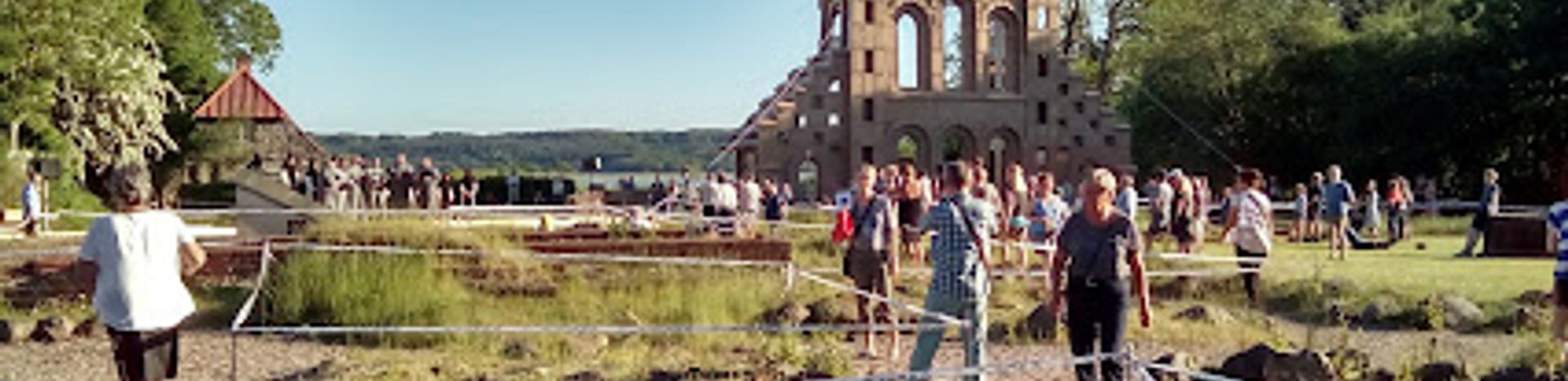
Øm Klostermuseum: Echoes of Monastic Life
Discover Denmark's medieval monastic life at Øm Klostermuseum near Ry: Explore ruins, gardens, and artifacts revealing centuries of history and brewing traditions.
Delve into Denmark's medieval past at Øm Klostermuseum, nestled near the scenic town of Ry. Founded in 1172 by Cistercian monks, the site showcases the fascinating history and legacy of Øm Abbey. Explore the atmospheric ruin park, wander through the meticulously maintained convent garden with its medicinal plants, and discover the Bryghaven, highlighting the monks' brewing traditions. The museum's exhibits, including the 'Bed and Work' collection, offer a glimpse into the daily lives of the monks through recovered artifacts and skeletal remains. With its tranquil setting between Mossø and Gudensø lakes, Øm Klostermuseum provides an immersive and educational experience for history enthusiasts and curious travelers alike. The museum shop offers unique souvenirs, including locally brewed Klosterøl.
A brief summary to Øm Klostermuseum
- Munkevej 8, Ry, 8680, DK
- +4586898194
- Visit website
Local tips
- Visit during the spring or summer months to see the convent garden in full bloom and enjoy the beautiful surrounding landscape.
- Check the museum's website for special events or temporary exhibitions that may enhance your visit.
- Take advantage of guided tours for deeper insights into the exhibits and the history of the monastery.
- Explore the museum shop for unique souvenirs, including locally brewed Klosterøl and interesting books about the area's history.
- Combine your visit with a hike around the scenic lakes of Mossø and Gudensø for a full day of exploration.

Getting There
-
Public Transport
From Ry Station, take bus line 420 towards Emborg. The bus ride is approximately 10 minutes. Alight at the 'Munkevej' bus stop. From there, it's a short 5-minute walk to Øm Klostermuseum. Head down Munkevej, and the museum will be on your left. A single bus fare costs approximately 24 DKK.
-
Taxi/Ride-Share
From Ry Station, a taxi or ride-share to Øm Klostermuseum is a convenient option. The journey is short, typically costing between 50-100 DKK, depending on the provider and time of day.
-
Walking
From Ry Station, it is possible to walk to Øm Klostermuseum. The walk is approximately 1 kilometer and takes about 15 minutes. Exit the station and follow the signs towards Munkevej. Continue along Munkevej until you reach the museum on your right. This is a scenic route, allowing you to enjoy the surrounding landscape.
-
Driving
If driving, follow Route 15 to Ry. At the roundabout, take the second exit onto Munkevej. Continue for about 1 km; the museum will be on your right. On-site parking is available.
Discover more about Øm Klostermuseum
Iconic landmarks you can’t miss

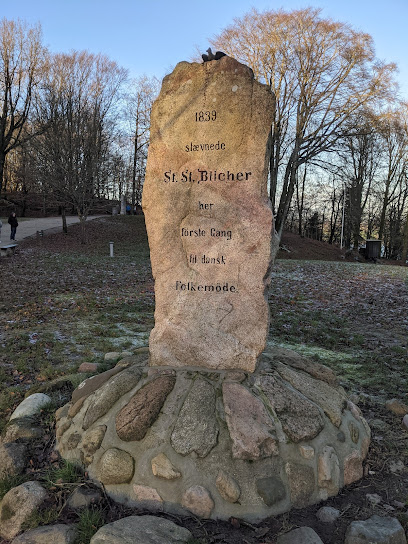
Folkemøde Mindesten anno 1839
7.0 km
Denmark's first democratic gathering, 1839—where ordinary citizens claimed their political voice.
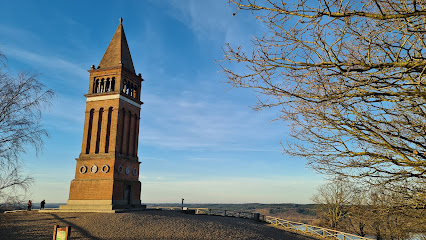
Himmelbjerget rutebåd
7.5 km
Denmark's highest point crowned by a historic tower, accessible by scenic lake cruise or forest trail.
Ejer Bavnehøj
9.8 km
A modest Danish hill with a mighty horizon, Ejer Bavnehøj blends reunification history, beacon legends and big-sky views into an easy, rewarding countryside stop.
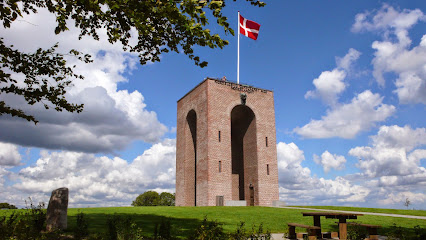
Genforeningssten på Ejer Bavnehøj
9.8 km
Denmark's third-highest point crowned with a monumental 1920 reunification memorial and iconic tower.
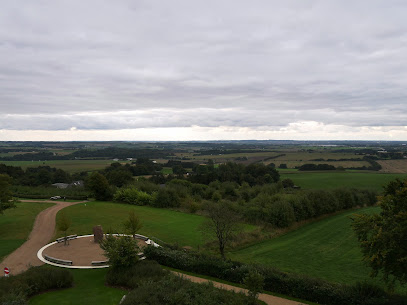
Ejerbavnehøj MØDESTED
11.2 km
Denmark's third-highest peak crowned by a 1924 monument to national reunification, offering panoramic views and historic significance.
Det gamle vandtårn
14.7 km
Skanderborg's 41.5-meter castle-style water tower from 1908—a striking symbol of industrial heritage and urban progress.
Lovisehøj
14.9 km
A 73-meter forest hill with royal heritage and sweeping views across Danish lakes and woodlands.
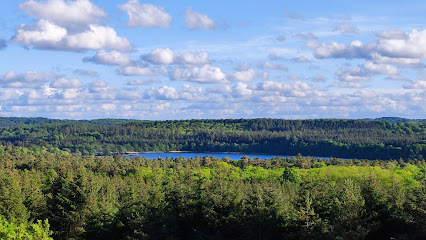
Randershøj
17.2 km
A scenic hilltop viewpoint offering panoramic vistas across Denmark's lake-filled landscape and forest-covered terrain.
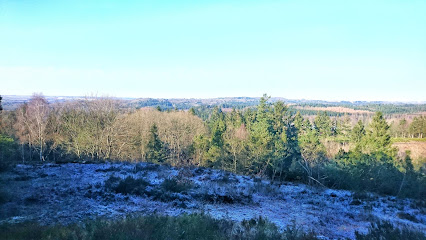
Silkeborg Vesterskov mindesten
17.7 km
A modest memorial stone in Silkeborg Vesterskov, where forest tranquillity and wartime history meet in a quiet, contemplative woodland clearing.
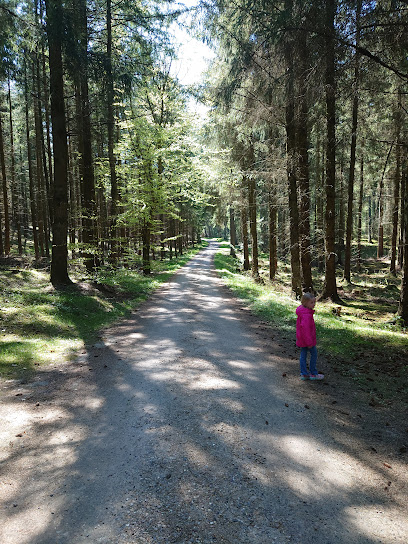
Silkeborg Water Tower
17.7 km
A heritage-listed industrial landmark symbolising Silkeborg's textile manufacturing legacy.
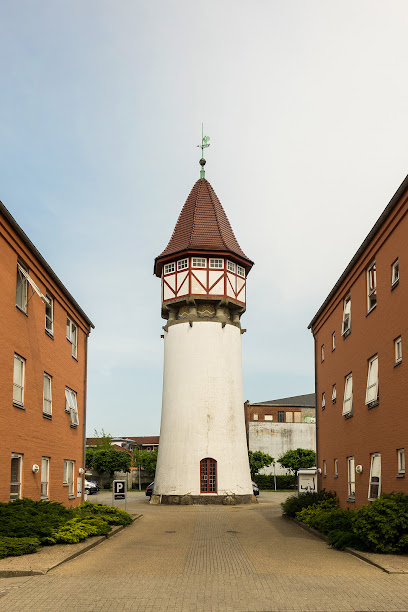
Museum Silkeborg, Papirmuseet
17.9 km
Historic main square in the center of Roskilde, surrounded by vibrant markets, cafés, and the iconic cathedral—where Danish tradition meets everyday city life.

Art Center
17.9 km
A vibrant historic square in Roskilde, encircled by lively cafés, markets, and the iconic cathedral—an essential hub for local culture and urban atmosphere.

silkeborg
17.9 km
Historic 1871 railway landmark connecting Central Jutland with frequent regional services and heritage charm.
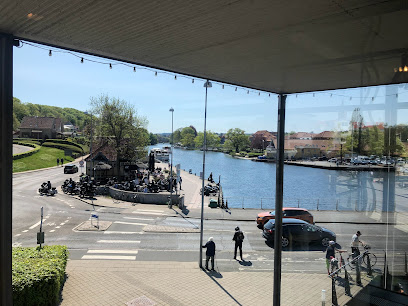
Silkeborg Bunkermuseum
17.9 km
Relive Central Jutland’s wartime past at Silkeborg Bunkermuseum, an immersive WWII command bunker with original artifacts and deep stories from Denmark’s occupation.

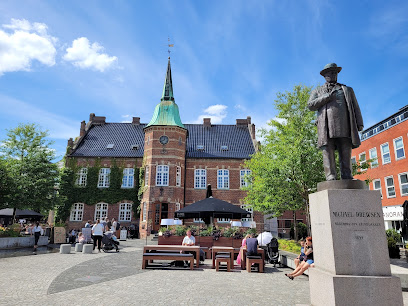
Statue of Michael Drewsen
18.0 km
Bronze tribute to Silkeborg’s founding industrialist, anchoring the historic town square and local traditions at the heart of Denmark’s lake district.
Unmissable attractions to see

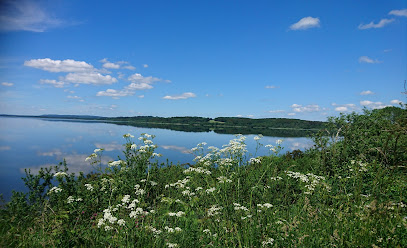
Mossø
2.6 km
Jutland’s largest lake, where wide horizons, protected birdlife and easygoing outdoor adventures meet in the rolling Danish Lake Highlands.
Kallehave bålhytte
3.6 km
A modest grill shelter tucked into the Kallehave woods near Gl. Rye, perfect for unhurried campfire cooking and a quiet break on forest hikes.

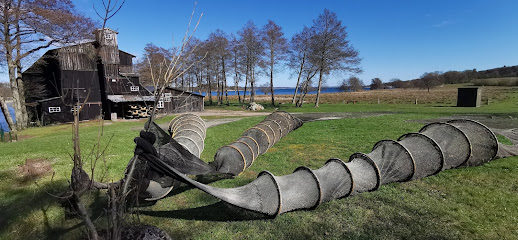
Abbey Mill
3.8 km
Historic monastery mill turned lakeside retreat, where Denmark’s longest wooden building, canoe-filled waterways and big-sky views meet in the Mossø hills.
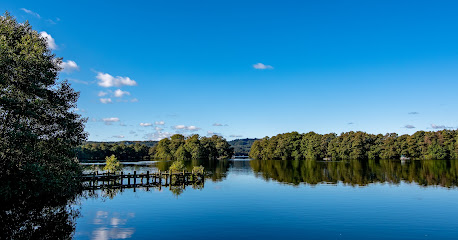
Ry havn
4.5 km
Quiet lakeside marina in Ry, offering relaxed waterfront life, boat trips into the Silkeborg Lakes and easy access to the gentle hills of Denmark’s lake district.
Maskenkol
5.9 km
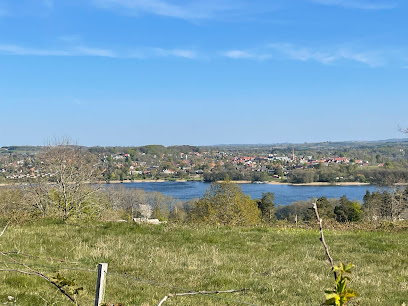
A quiet stretch of Knudsø’s northern shore, Maskenkol offers gentle lakeside walking, open views and everyday Danish nature just beyond the town of Ry.
Knudhule strand
6.1 km
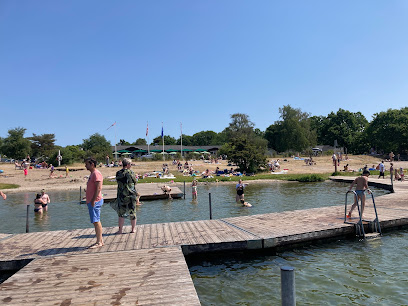
Blue Flag lakeside escape near Ry, offering child‑friendly swimming, gentle views over Knudsø and a relaxed, low‑key setting in the hills of Søhøjlandet.
Yding Skovhøj
6.6 km
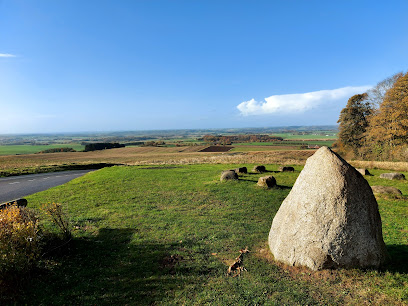
Ancient Bronze Age burial mounds, gentle forest trails and a long-running “highest point” debate meet atop this modest yet characterful hill in East Jutland.
Justenborg Vin & Juletræer
6.7 km
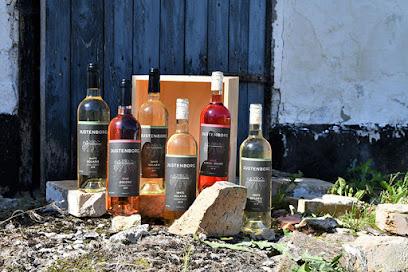
Cut your own Christmas tree and taste estate-grown Danish wine in Skanderborg's countryside.
H.C. Andersen bench
6.8 km
Discover Råbjerg Mile, Northern Europe’s largest migrating sand dune—a stunning, ever-shifting landscape near Skagen, perfect for exploration and breathtaking views.
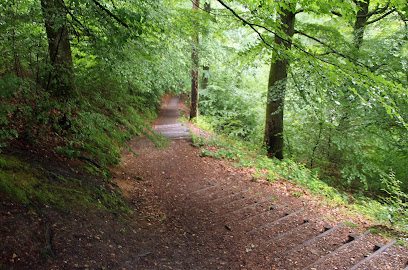
Bestig Himmelbjerget
6.9 km
Follow a classic forest trail from lakeshore to the summit of Denmark’s fabled Sky Mountain, combining gentle ascent, big views and layers of national history.
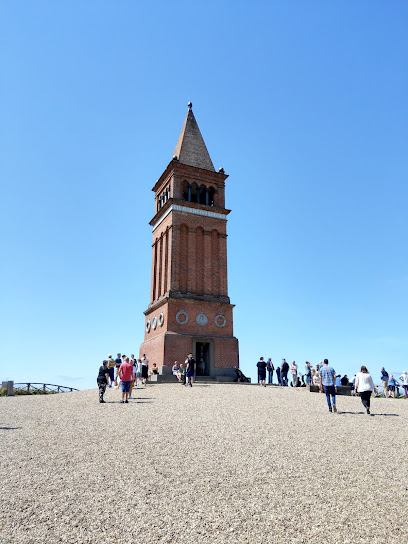
Himmelbjerget
7.1 km
Iconic Danish “mountain” above the Silkeborg lakes, blending sweeping forest-and-lake views with constitutional history, forest trails and classic excursion life.
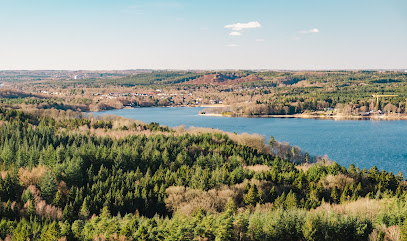
Himmelbjergtårnet
7.1 km
A 25‑metre red-brick memorial crowning Himmelbjerget, offering sweeping lake-and-forest panoramas and a powerful glimpse into Denmark’s democratic story.
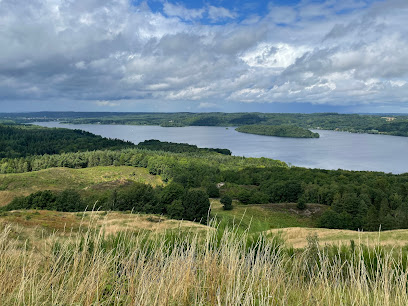
Yding Skovhøjs parkeringsplads
7.3 km
Denmark's highest point awaits at this forest gateway, crowned with ancient Bronze Age mounds.
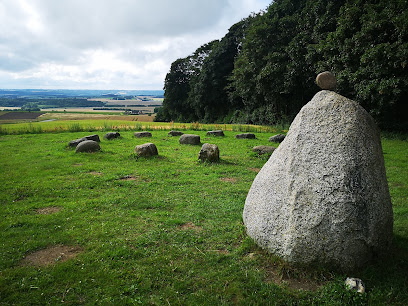
Turbådene Himmelbjerget
7.6 km
Classic excursion boats carrying you from lakeside Ry through serene Søhøjlandet to the foot of Denmark’s famed Himmelbjerget for views, walks and fresh air.
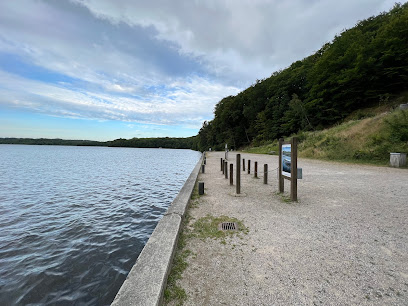
Tåning Å
8.0 km
A serene stream through Denmark's lake highlands, perfect for canoeing and wildlife observation.
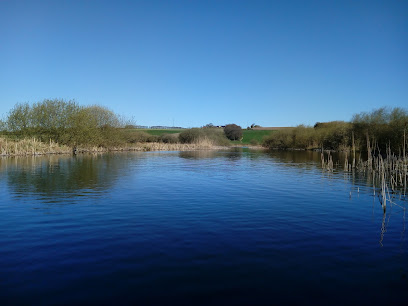
Essential places to dine

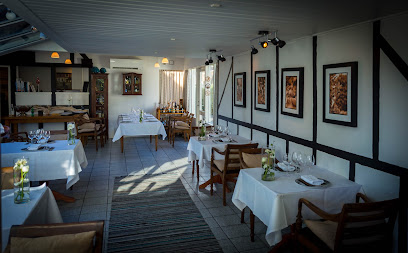
Lyng Dal Hotel og Restaurant
4.0 km
Intimate family-run hotel and seasonal restaurant in Ry, where garden-driven Danish cuisine, good wine and quiet countryside surroundings create a cosy Jutland escape.
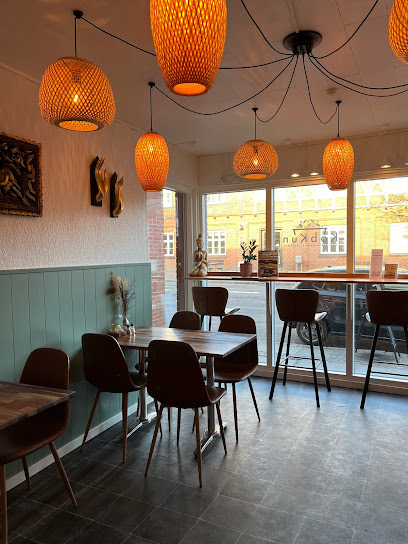
KobKun
4.4 km
Tiny Thai kitchen in the heart of Ry, serving fragrant curries and stir-fries in an intimate 13-seat space with a strong local takeaway following.
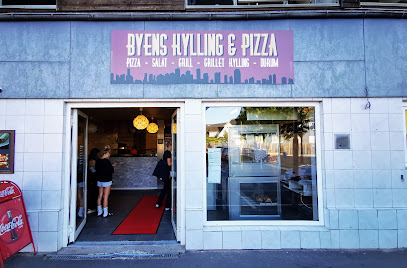
Byens Kylling & Pizza Ry
4.4 km
Casual neighborhood pizza and chicken takeaway in Ry, serving hearty portions and familiar flavors for easy, budget‑friendly dinners after a day outdoors.
Umisushi
4.5 km
Neighbourhood sushi and takeaway in the lakeside town of Ry, serving fresh rolls and casual Japanese favourites in a relaxed, modern setting.

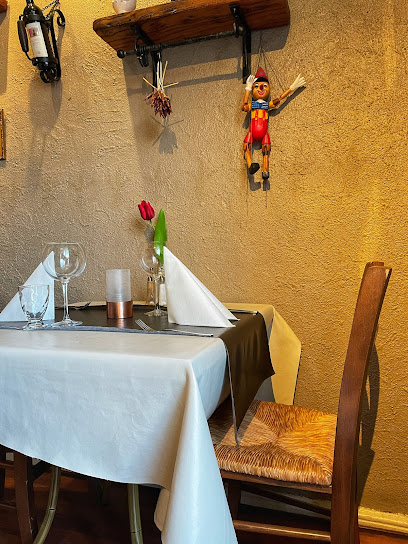
Restaurant Da Angelo
4.5 km
Authentic Italian dining in the heart of Ry's charming lakeside town center.
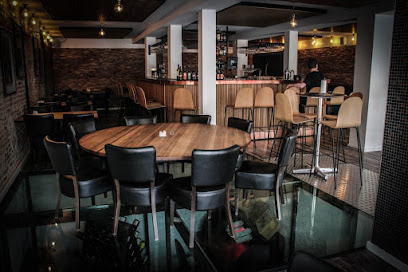
Ry Gastropub
4.5 km
Relaxed gastropub heart of Ry, serving comforting pub favourites, modern Danish flavours and easygoing drinks in a warm, social setting from lunch to late evening.
Hotel Ry
4.5 km
Contemporary comfort in Denmark's scenic heartland, where golf, hiking, and local gastronomy meet.
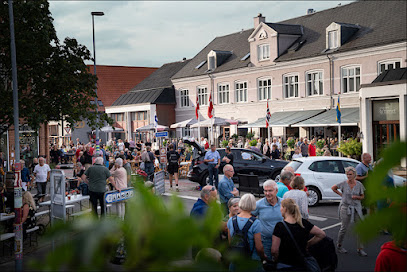
Brasseri Ry'tteriet
4.5 km
Intimate hotel brasserie in lakeside Ry, pairing French‑inspired comfort food, seasonal Danish ingredients and candlelit evening ambience in the heart of Søhøjlandet.
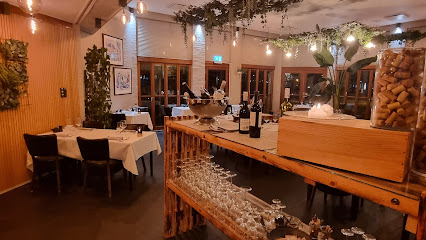
Lakeside Ry - Restaurant
4.6 km
Intimate waterfront dining blending Nordic tradition with global innovation in Denmark's Lake District.
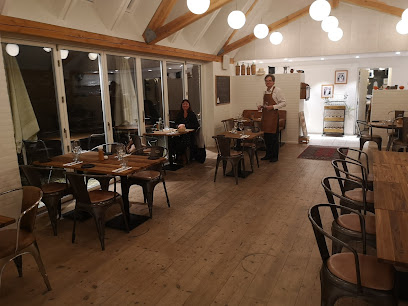
Svejstrup Præstegård
5.8 km
Historic rectory garden transformed into a seasonal summer restaurant and cultural venue.
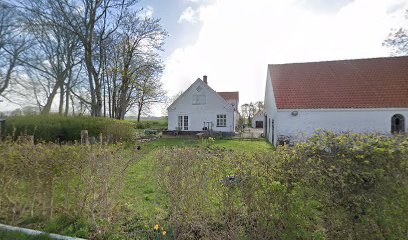
Knudhule Badehotel og Gastronomisk Institut
6.0 km
Award-winning lakeside hotel and fine dining destination in Denmark's scenic Søhøjlandet region.
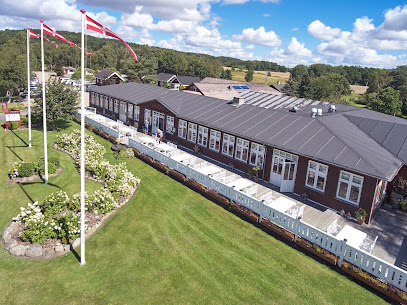
Restaurant Gastronomisk Institut
6.1 km
Seasonal Danish–French cooking, a serious wine cellar and wide lake views come together at this refined yet relaxed restaurant inside Knudhule Badehotel.
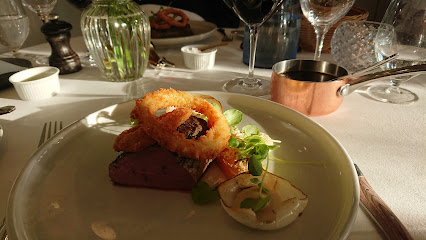
Café Himmelsk
6.5 km
Homemade pastries and mountain views in Denmark's legendary lake district.
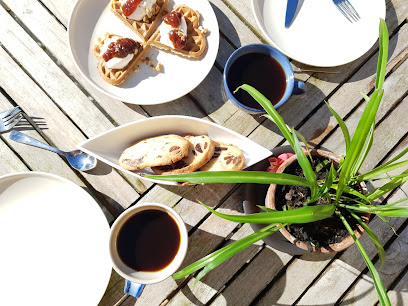
Cafeteria Himmelbjerget
6.8 km
Casual hilltop cafeteria at Himmelbjerget, serving classic Danish comfort food and ice cream with wide views over the Silkeborg lakes and surrounding forests.
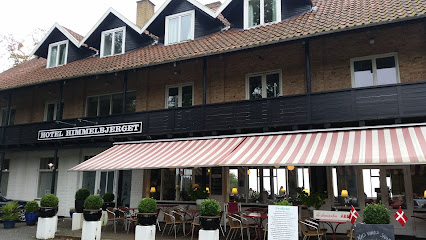
Rasses Skovpølser
10.6 km
Legendary forest grill in Skanderborg serving award‑winning bøfsandwich, juicy burgers and hotdogs in a casual beech‑wood setting since 1962.
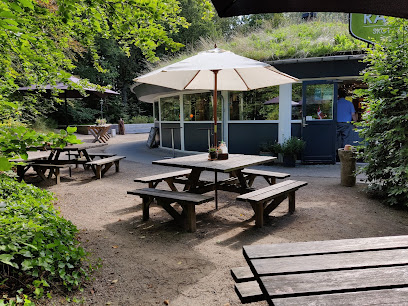
Markets, malls and hidden boutiques

Dagli'Brugsen Gl. Rye
4.1 km
Community-owned supermarket where every purchase strengthens local bonds and supports sustainable living.
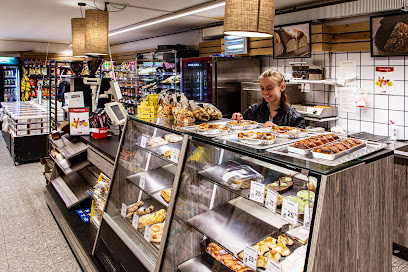
Made by Ella
4.1 km
Intimate goldsmith’s studio in Ry, where local jewelry artist Julie Ella Jappe handcrafts custom designs and contemporary pieces in a calm, small-town setting.
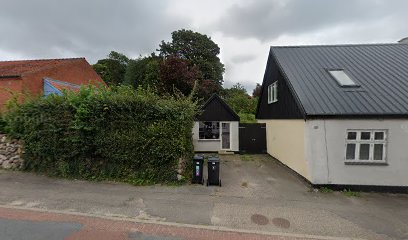
by Diana
4.4 km
An intimate Ry lingerie boutique offering personal fittings, Scandinavian style and a carefully curated selection of everyday essentials and special-occasion pieces.
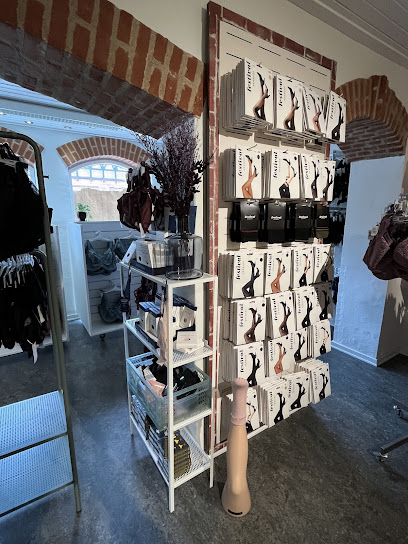
Rye Nørskov Gårdbutik
4.4 km
Historic farm shop in a mill building, selling wild game from estate forests with uncompromising quality and sustainability.
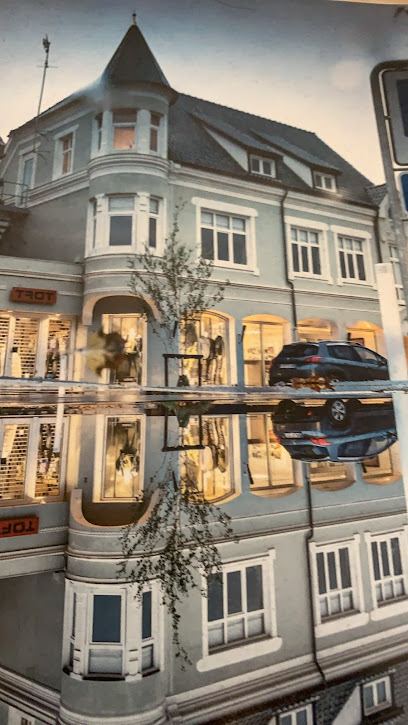
Toft suits men & women
4.4 km
Distinctive menswear and womenswear for those who value timeless quality and personal style.
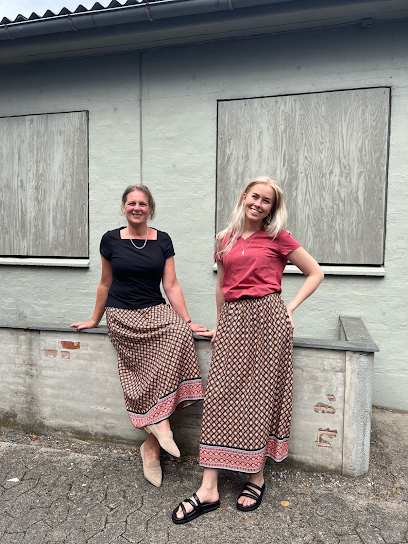
Taste
4.4 km
Intimate Ry boutique for thoughtfully chosen lingerie and womenswear, offering calm, personal service and understated Nordic style on Skanderborgvej.
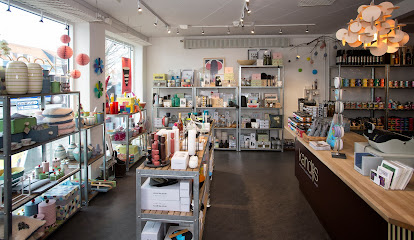
Kandis
4.5 km
A welcoming Ry specialty shop where wine, sweets, gourmet delicacies and thoughtful gifts come together under one cosy, carefully curated roof.
Hanghøj
4.5 km
A cosy Scandinavian fashion and lifestyle boutique in the heart of Ry, offering curated women’s clothing, accessories and gifts with a relaxed, personal touch.
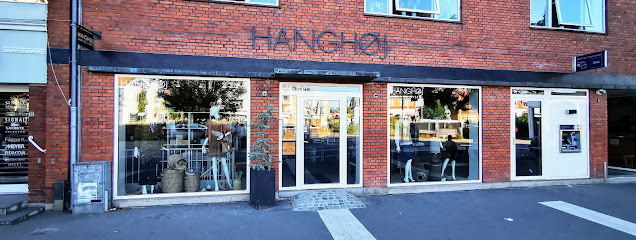
Hanne Linding Denmark / BUTIK No. 9 Ry
4.5 km
Intimate Ry boutique by textile artist Hanne Linding, showcasing feminine Danish knitwear, curated colors and timeless, everyday Scandinavian design.

Pierrot La Lune
4.6 km
A small, stylish children’s clothing boutique on Ry’s central square, blending Scandinavian design, quality fabrics and a cosy, neighbourhood atmosphere.
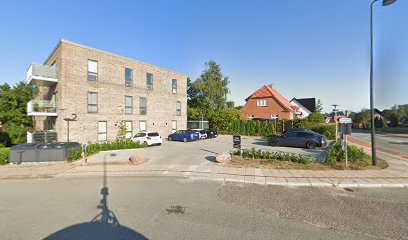
Red Cross Op Shop
4.6 km
Community-powered Danish thrift store in Ry, where low-cost second-hand finds help fund Red Cross humanitarian work and support more sustainable shopping.
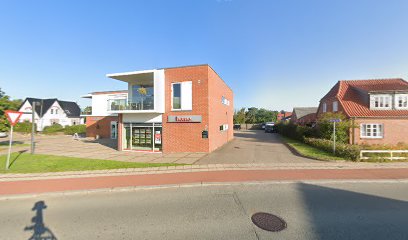
Bjerg-kiosken
6.8 km
Compact hilltop kiosk on Himmelbjerget serving ice cream, snacks and drinks to walkers and day-trippers at one of Denmark’s most iconic viewpoint areas near Ry.
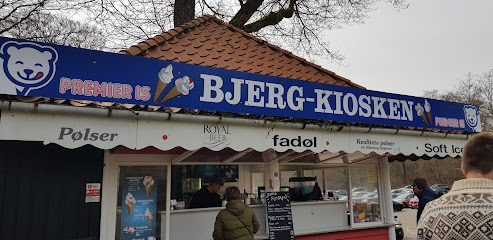
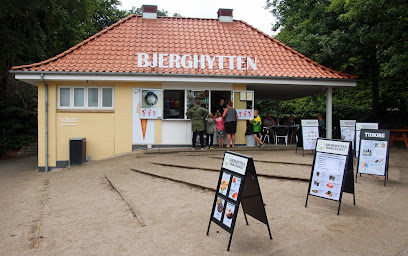
Bjerghytten
6.9 km
Bjerghytten: Savor Ice Cream Delights Amidst Himmelbjerget's Scenic Beauty
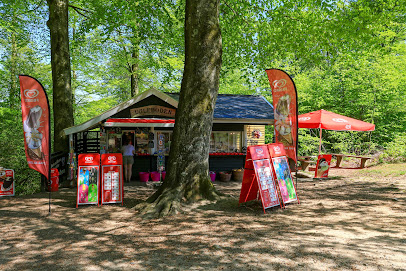
Ugleboden
6.9 km
Casual ice cream and souvenir stall on Himmelbjerget, adding a sweet, no-frills pause to hikes and family outings in the wooded hills above Ry.
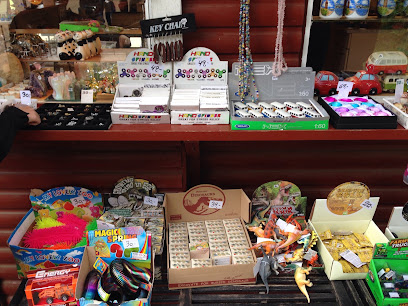
Ørneboden
6.9 km
Small hilltop souvenir shop on Himmelbjerget, pairing simple treats and mementos with big views over Søhøjlandet’s lakes and forests above Ry.
Essential bars & hidden hideouts

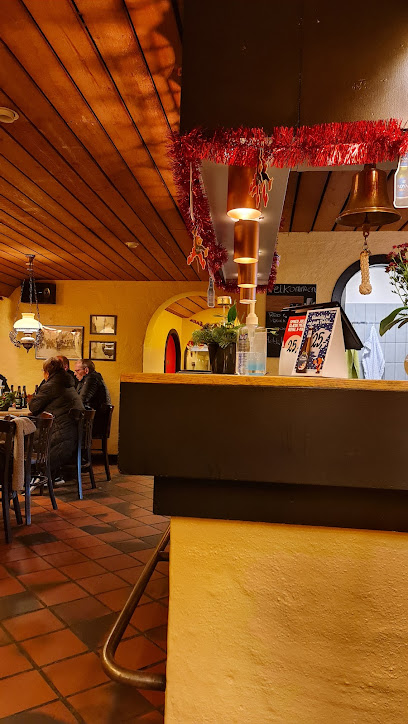
Ambolten Ry
4.4 km
Cosy neighborhood bar and social hub in the heart of Ry, mixing cold beers, live music and small-town charm in a laid-back, living-room atmosphere.
Høkeren
4.4 km
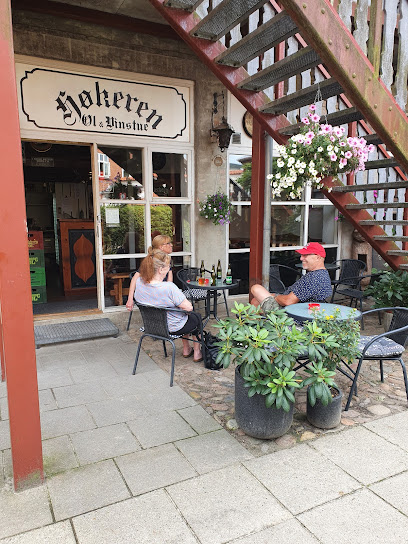
Possibly Denmark’s smallest pub, Høkeren in Ry distills classic Danish tavern culture into 18 sociable square meters of wood, warmth and well‑poured drinks.
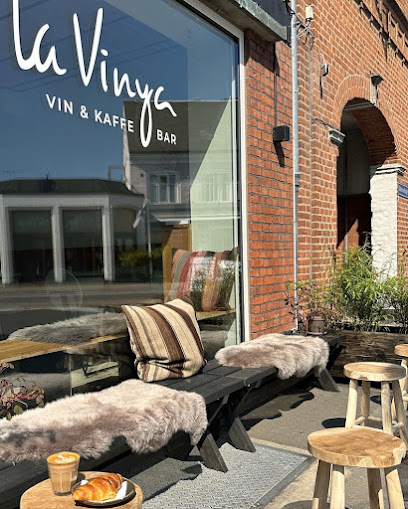
La Vinya
4.5 km
Chic wine bar and tapas lounge in Ry, offering curated wines, local bites, and cozy ambiance—perfect for unwinding after your Himmelbjerget adventure.
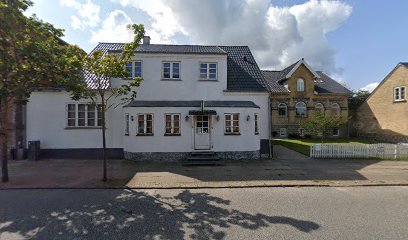
Sprutskuret I/S
9.6 km
A cosy, no-fuss neighborhood bar on Østbirk’s main street, where simple drinks, local life and unhurried conversations create a classic small-town Danish atmosphere.
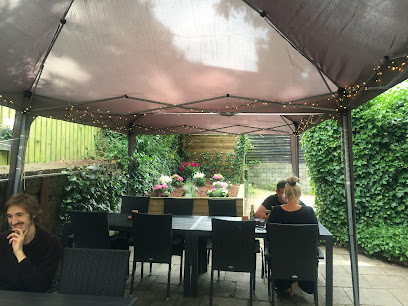
Bar Bund
11.3 km
Cozy neighborhood bar on Adelgade in central Skanderborg, pouring classic drinks in an intimate, low-lit setting that comes alive on weekend evenings.
Bar 8660
11.4 km
Cosy local pub and brewery bar on Adelgade, pouring Skanderborg Bryghus beers, classic drinks and simple bar bites for relaxed evenings in central Skanderborg.
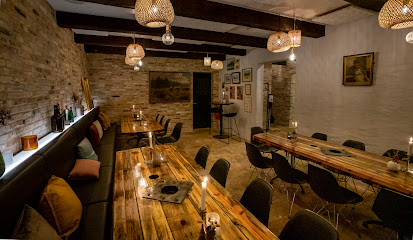
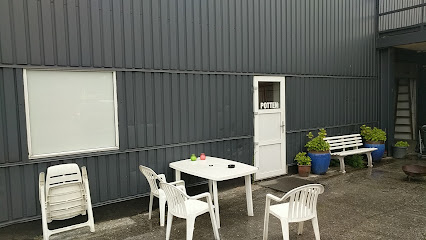
Dartklubben Potten
11.6 km
A classic Danish darts clubhouse in Låsby, where competitive heritage, cold drinks and small-town hygge come together around the oche.
Værtshus
11.6 km
A compact, unpretentious local bar on Adelgade where Skanderborg’s everyday life gathers over simple beers, easy conversation and a relaxed evening atmosphere.
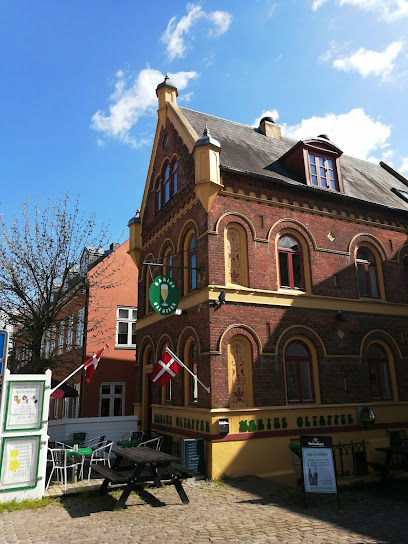
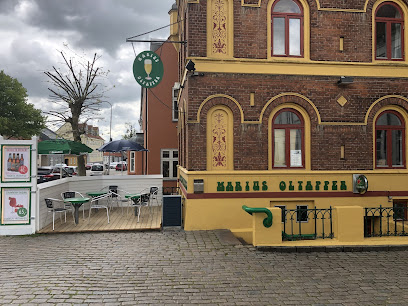
Marius Øltapper
11.6 km
Unpretentious Skanderborg bar on Adelgade pouring well-kept beers and offering a relaxed slice of Danish pub life from midday pints to late weekend nights.
Gerd Bär Gmbh
14.3 km
Casual neighborhood bar with friendly service and solid drink selection in Skanderborg.
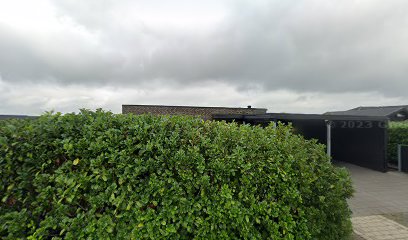
Bakkens bodega
17.4 km
Unpretentious beer hall on Århusvej where locals, cold drafts and simple pub fare create a slice of everyday Silkeborg life from late morning to late evening.
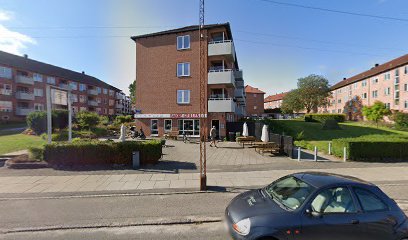
Bodega Hjørnet
17.5 km
A cosy corner bodega in central Silkeborg, where dim lights, cold beer and easy conversation capture the timeless charm of Danish bar culture.
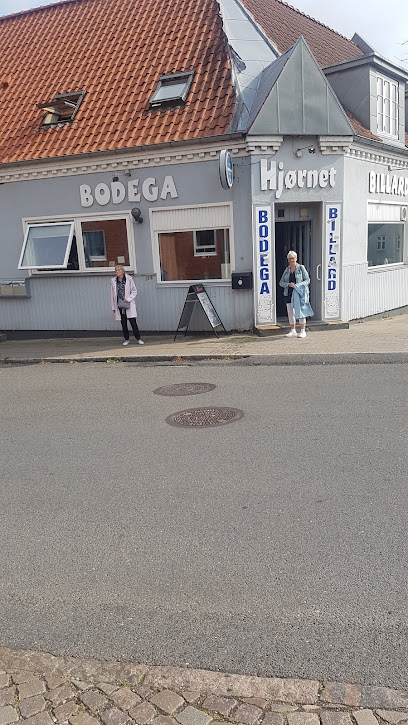
Cafe' Paradis
17.6 km
A compact, old‑school bodega in central Silkeborg, serving cold beers, local atmosphere and late‑night conversation in an unpretentious, lived‑in bar setting.
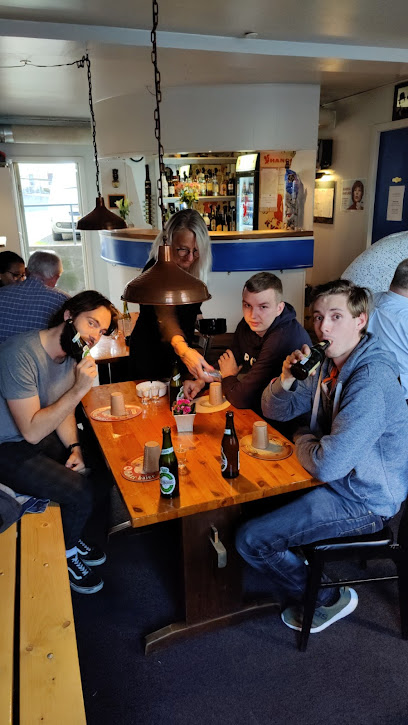
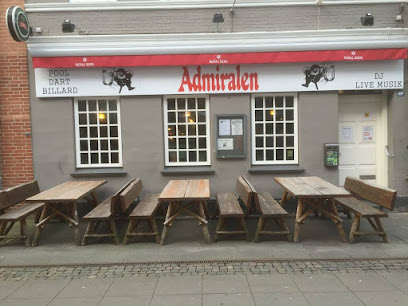
The Admiral Pub
17.8 km
Classic Danish bodega bar in central Silkeborg, serving inexpensive drinks and everyday atmosphere from quiet daytime pints to late‑night weekend sessions.
Café Kling Klang
17.8 km
Intimate, candlelit bar-café on Silkeborg’s Søndergade, blending everyday hygge, music and drinks in a laid-back neighbourhood atmosphere.


