Trækstien – Towpath along the Gudenå River
Historic towpath turned riverside hiking route, tracing the Gudenå between Silkeborg and Randers through wetlands, forests and meadows rich in quiet, watery atmosphere.
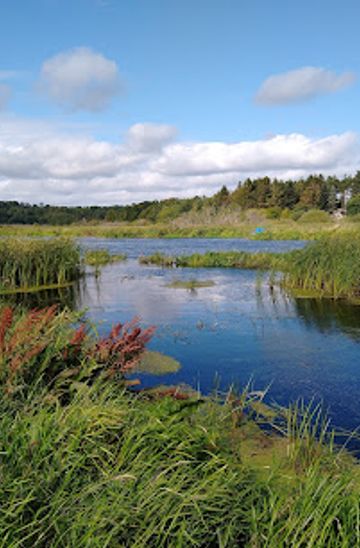
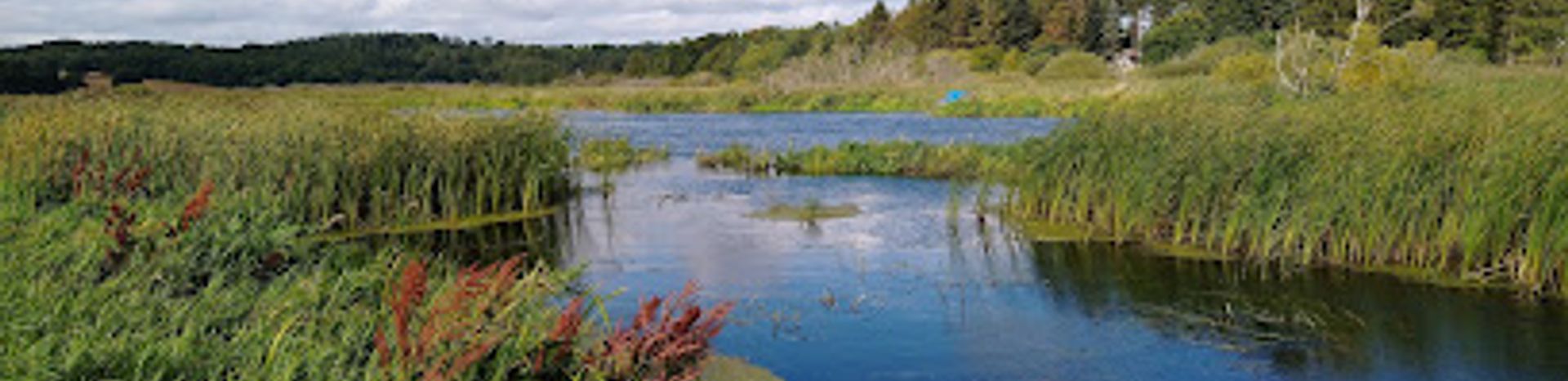
Trækstien is a historic towpath turned hiking route that follows the Gudenå River for around 70–74 km between Silkeborg and Randers in central Jutland. Once used by horses and barge workers hauling cargo along Denmark’s longest river, it now offers serene walking close to the water’s edge, through river valleys, wetlands, forests and open fields. Boardwalks, birdlife, old barge inns and ever‑changing water levels make this a varied, atmospheric trail for day hikes and multi‑day treks.
A brief summary to Trækstien
- Trækstien, Silkeborg, 8600, DK
- Click to display
- Duration: 1 to 16 hours
- Free
-
 Outdoor
- Mobile reception: 3 out of 5

Know before you go
Hi, I'm Eve. Here are a few practical things to know before exploring Trækstien.
- Check recent information on Gudenå water levels before you go; several low-lying sections can be flooded or very muddy after rain or in winter.
- Break the route into manageable stages and base yourself in towns such as Silkeborg, Bjerringbro or Randers for flexible day hikes.
- Wear waterproof footwear and bring poles if you dislike slippery surfaces; you will encounter grass, mud and boardwalks close to the river.
- Carry snacks and water, especially on quieter stretches; services cluster in towns and at a few historic inns rather than evenly along the entire trail.
- In summer, pack insect repellent and light layers; riverside marshes can be mosquito‑rich on still evenings.
Do you manage this location?
Take control to get all the benefits, like improved information, better appearance, and stronger visibility across AI-powered discovery. Learn more
Activate your presenceOther nearby places you may find interesting


Getting There
-
Train and walk from Silkeborg
From larger Danish cities such as Aarhus, take a regional train to Silkeborg Station, typically 35–45 minutes from Aarhus with departures at least hourly and a one‑way fare around 80–120 DKK in standard class. From the station, expect a 15–25 minute walk through town to reach the Gudenå riverfront and join Trækstien, mostly on paved, level sidewalks suitable for most visitors. This option avoids parking issues and works well year‑round, though evening services are less frequent.
-
Car access to Silkeborg trailheads
Driving to Silkeborg from Aarhus or Viborg takes roughly 45–60 minutes via main regional roads, with no tolls. Once in Silkeborg, you can park in public car parks near the centre and stroll 10–20 minutes to the river to meet Trækstien. Parking is often time‑limited or pay‑and‑display in central areas, with typical fees in the range of 10–20 DKK per hour during the day. This is the most flexible option if you plan to walk only a short section and return to your vehicle.
-
Bus connections along the Gudenå valley
Regional buses link Silkeborg with valley towns such as Bjerringbro and Randers in about 60–110 minutes, depending on route and stops, with single tickets usually costing 40–90 DKK. Using bus services, you can start your hike in one town and finish in another, then ride back to your base. Services are generally reliable but may run less frequently in evenings and on weekends, so check timetables in advance and allow extra time for connections.
For the on-the-go comforts that matter to you
-
 Restrooms
-
 Drinking Water
-
 Seating Areas
-
 Picnic Areas
-
 Trash Bins
-
 Information Boards
Discover more about Trækstien
Old river lifeline turned nature trail
Trækstien traces the bends of the Gudenå River between Silkeborg and Randers, following what was once the work route of horses and bargemen hauling heavily loaded boats upstream. In the 19th century, this towpath was a vital supply line for Silkeborg’s paper mill and other industries, long before railways took over. Today the working river corridor has become a green ribbon of reeds, willows and meadows, but the sense of a purposeful route still lingers as the trail keeps loyally to the water’s edge.Because the path hugs the river so closely, you are never far from the quiet splash of current against the bank, the ripple of a passing canoe or the low call of waterfowl hidden in the rushes. It feels surprisingly remote in places, even though towns and villages are never too far away up the valley sides.Landscapes shaped by water and ice
The Gudenå valley here is a broad meltwater landscape, carved at the end of the last Ice Age. Along Trækstien you walk past river terraces, oxbow lakes and low, flat meadows that flood easily when the river rises. Between Silkeborg and Svostrup, long sections have been upgraded with boardwalks that lift you above the wetlands; one stretch is known as Denmark’s longest continuous boardwalk, crossing shimmering marsh dotted with sedges and water channels.Further north, the scenery shifts between dense riverside woodland, open pasture grazed by cattle and stretches where the river slows into wider lake-like basins rich in birdlife. Places such as Sminge Sø and other side lakes offer bird towers and viewpoints where you can pause and watch herons, ducks and sometimes osprey hunting over the water.Walking the towpath today
Most visitors sample Trækstien in sections rather than tackling the full distance. The route is commonly divided into several day stages, including the southern Silkeborg–Svostrup part and central stretches towards Ans, Kjællinghøl and Langå. Wayfinding is straightforward, with markers and simple signage, and the river itself acts as a constant guide – if you stay close to the Gudenå, you are on the right track.Underfoot, expect a mix of grass, packed earth, gravel and boardwalk. Some areas can be muddy or even submerged after heavy rain, particularly outside the well‑drained sections near Silkeborg and Kongensbro. Hikers often plan itineraries with short road or higher‑ground alternatives in mind for periods when the lowest riverbank segments are flooded.Atmosphere along the water
Despite its length, Trækstien feels intimate rather than grand. The river is rarely wide, and hedgerows, alder trees and reeds give many parts of the trail a sheltered, enclosed character. On early mornings mist hangs low over the water, while on clear evenings the light lingers over the meadows and the silhouettes of low hills in the Søhøjlandet lake district near Silkeborg.Scattered along the route are shelters, primitive campsites and a few historic inns that once served the barge workers. Today they provide atmospheric places to pause over a meal or drink, and in some cases to stay overnight on a longer trek. Benches and small resting spots appear at irregular intervals, often at especially scenic river bends or where there is easy access down to the water.Practical considerations and seasons
Trækstien is generally classed as an easy to moderate trail, suited to reasonably fit walkers rather than technical hikers. The main challenge is not steep climbs but variable ground conditions. Because the Gudenå is a living river, sections of the towpath flood periodically; in wet periods you may encounter waterlogged stretches, while drier months open up the full route.Spring and early summer bring lush greenery and busy birdlife, while late summer and early autumn offer stable conditions and softer light over the fields. Winter walks can be atmospheric on frost‑hardened ground, but short daylight hours and higher water levels demand more caution and flexibility when choosing which sections to explore.Who will enjoy Trækstien
This is a trail for walkers who enjoy being close to water, moving at a slow pace and noticing small changes in landscape rather than dramatic summits. It works well as a gentle day hike from Silkeborg, where you can follow the river out of town and feel the city gradually fall away behind you, or as a multi‑day journey linking riverside shelters and country inns.Nature photographers, birdwatchers and anyone interested in Denmark’s industrial and transport history will find plenty of interest along the way. Families can choose shorter, boardwalk‑rich segments near Silkeborg for an easy outing, while experienced hikers might take on longer daily stages and use Trækstien as the backbone of a multi‑day walking holiday in central Jutland.Explore the best of what Trækstien has to offer













More about Central Jutland
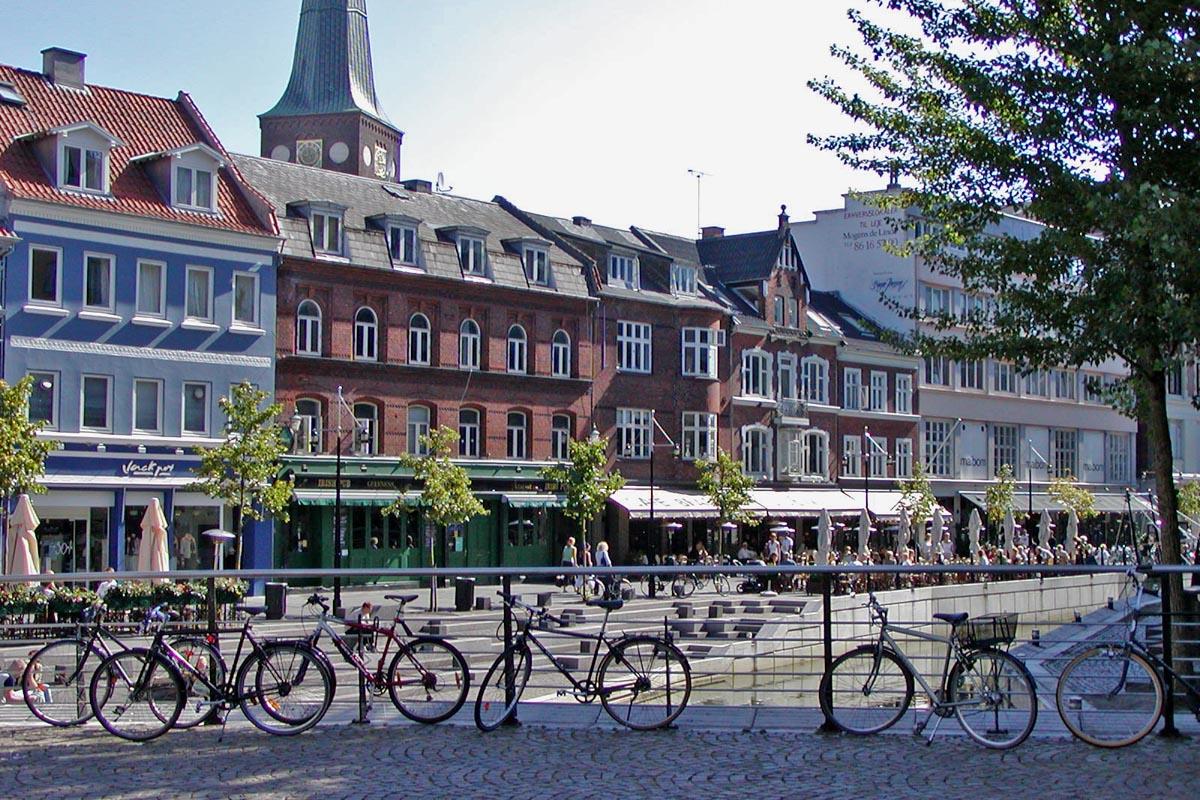
Explore Central Jutland in Denmark: A perfect blend of natural beauty, cultural heritage, and family-friendly attractions.
Tell me more about Central Jutland