

Museum Silkeborg, Hovedgården, Silkeborg Travel Guide
Free Guide: Step into Silkeborg’s oldest manor house to meet Tollund Man, explore bog mysteries and trace the town’s journey from Iron Age wetlands to modern Jutland hub.


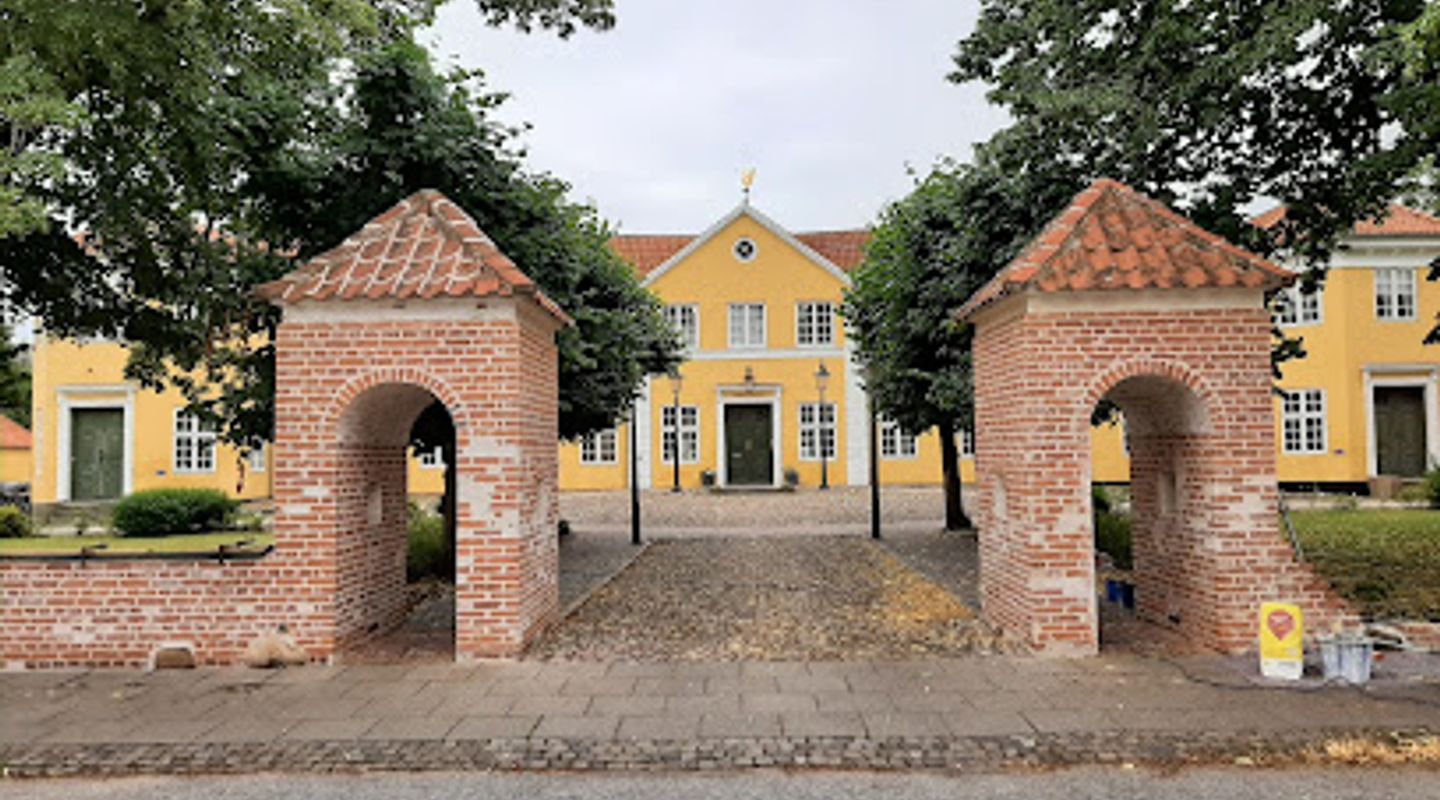
A brief summary of Museum Silkeborg, Hovedgården
Step into Silkeborg’s oldest manor house to meet Tollund Man, explore bog mysteries and trace the town’s journey from Iron Age wetlands to modern Jutland hub.
Housed in Silkeborg’s oldest building from 1767, Museum Silkeborg, Hovedgården is a compelling journey through the region’s past, best known for the world‑famous bog bodies Tollund Man and Elling Woman. Inside the former manor house you move from Iron Age peat bogs to Renaissance glass, castle history and the birth of modern Silkeborg in the 19th century, all presented with clear storytelling, atmospheric rooms and a strong sense of place in the heart of Jutland.
On-site amenities
 Restrooms
 Food options
 Seating areas
 Trash bins
 Information boards
Opening hours
- MonClosed
- Tue11 am–4 pm
- Wed11 am–4 pm
- Thu11 am–4 pm
- Fri11 am–4 pm
- Sat11 am–4 pm
- Sun11 am–4 pm
Opening hours as listed on the venue’s Google Business Profile. Hours can change for services and special events, so check with the venue before you go.
- Address
- Hovedgårdsvej 7, 8600 Silkeborg
- Phone
- Website
Getting there
Train and walk
Local bus within Silkeborg
Car or rental car
Bicycle within the town and lake area
Discover more about Museum Silkeborg, Hovedgården
An 18th‑Century Manor at the Heart of Silkeborg
Museum Silkeborg, Hovedgården is set in Silkeborg’s oldest building, a manor house completed in 1767 and partly built with stone from the town’s former castle. Step through the entrance and you cross from a modern Danish town into creaking wooden floors, thick walls and sash windows that still hint at aristocratic life on the banks of the Gudenå. The rooms are intimate rather than grand, which gives the exhibitions a domestic, almost lived‑in feel.The architecture itself tells a story of shifting power in the region. Where a fortified castle once controlled trade and movement, an 18th‑century estate house signalled more settled times, agricultural wealth and an emerging local elite. Today the manor’s whitewashed facades and red roof anchor the museum firmly in Silkeborg’s skyline, a quiet counterpoint to the surrounding lakes and forests.
Meeting the Tollund Man and the Elling Woman
The museum’s most arresting presence is the Tollund Man, one of the world’s best‑preserved bog bodies, discovered in 1950 in a nearby peat bog and dated to around the 4th century BC. In the subdued light of his gallery you can stand only inches from his face, the skin tanned and tightened by the peat yet the eyelashes, stubble and gentle expression still visible after more than two millennia. A simple leather cap and the thin noose around his neck raise unsettling questions about ritual sacrifice, justice and belief in Iron Age Denmark.Nearby, the Elling Woman, another bog body from roughly 200 BC, adds a different dimension to the story. Her remains and the accompanying displays explore hairstyles, clothing and burial practices, suggesting that these bodies were carefully placed rather than casually discarded. Together, their presence connects the quiet landscapes around Silkeborg with a world of gods, offerings and community decisions that left almost no written trace.
From Prehistoric Settlements to Castle Power
Beyond the bog bodies, Hovedgården walks you through the region’s longer timeline. Archaeological galleries display stone tools, pottery shards and metalwork from the earliest settlements around the lakes and heathlands, setting the scene for how people hunted, farmed and traded long before the manor was built. Exhibits explain how the bogs that preserved Tollund Man also shaped local livelihoods, providing fuel and pasture but hiding dangerous marshes.Another section focuses on Silkeborg Castle and the rise of local authority in the late medieval and Renaissance periods. Fragments of masonry, weapons and everyday objects hint at life behind the castle walls. Interpretive panels and models reconstruct how the fortress once dominated the landscape, and how its decline freed up materials later reused in the manor house itself. The transition from castle to Hovedgård mirrors a broader shift from defensive strongholds to estates centred on administration and trade.
Renaissance Glass, Pottery and Craft Traditions
A more decorative side of history appears in the Renaissance glass and local pottery collections. Delicate goblets and bottles produced in the Silkeborg region reveal both technical skill and the influence of European styles travelling along trade routes. Their subtle colours and air bubbles are highlighted under careful lighting, turning a simple shelf of objects into a study of taste, technology and social display.Equally distinctive is the Sorring pottery, with its earthy forms and painted decoration rooted in Jutland’s rural culture. These pieces connect the fine glassware of wealthy households with the everyday bowls and jugs used in farm kitchens. Exhibits trace how local clay, firing methods and patterns developed over generations, underscoring how even small villages contributed to Denmark’s material heritage.
The Making of a Modern Town
The museum’s more recent sections focus on the emergence of Silkeborg as a town in the mid‑19th century, closely linked to paper production and expanded transport links. Period rooms, including an Empire‑style living room, reconstruct interiors from the early bourgeois era, complete with furniture, textiles and small objects that signal the aspirations of a new middle class.Photographs, maps and industrial artefacts show how a sparsely populated landscape of heath and forest was reshaped by factories, workshops and workers’ housing. Displays on local industries, from the paper mill to small manufactories, highlight how the town’s identity grew from a mix of natural resources, entrepreneurial ambition and national reforms. The result is a coherent narrative that takes you from Iron Age sacrifice to an organised modern municipality within a single building.
Exploring History Beyond the Museum Walls
While Hovedgården is the main branch, the wider Museum Silkeborg network extends the story into the surrounding landscape. The institution interprets nearby forests, lakes and bogs as outdoor archives, where paths and viewpoints are used to explain past land use, ecological change and archaeological discoveries. Related departments, such as the Paper Museum and local workers’ exhibits elsewhere in town, deepen the picture of Silkeborg as both industrial hub and lakeside retreat.Back inside the manor, a small shop and quiet corners for sitting allow time to digest what you have seen. Whether you are drawn by the mystery of Tollund Man, the aesthetics of Renaissance glass or the social history of a young town, Hovedgården offers a concentrated, layered portrait of central Jutland that rewards unhurried exploration.
Evendo Review Centre
 Google
Guest reviews
Best time to go
Quietest: Jan, Mar & Nov · before 9am or from 6pm
Busy times are Evendo estimates for a typical year, to help you plan. Actual crowds vary with events, school holidays and the weather.
Explore Museum Silkeborg, Hovedgården on the map
A handpicked selection of must-see spots near Museum Silkeborg, Hovedgården, mapped for you.
Get your free copy of our complete guide to Museum Silkeborg, Hovedgården, delivered straight to you.
Everything on this page, from opening hours and how to get there to Eve’s tips and the best time to go, in one PDF you can read offline, print or share.
Already have an account? Sign in
Your Museum Silkeborg, Hovedgården guide is ready.
We'll send it to · Not you? Sign out

Getting your guide ready…
We are putting together a fresh copy of the Museum Silkeborg, Hovedgården guide. This can take up to a minute.
This can take a few moments. If your browser asks, choose Allow so the download can start. You'll find the guide in your Downloads folder.
Nothing happened? Download it again
Sorry, the guide is taking longer than usual. Please try again in a minute, or get it by email instead.
Other nearby places you may find interesting
The closest places of the same kind, if this one is not quite what you had in mind.
-
-
-
-
-


Swipe for more places
More to explore near Museum Silkeborg, Hovedgården
-
 Best experiences near Museum Silkeborg, Hovedgården
-
 Best hotels near Museum Silkeborg, Hovedgården
-
 Best landmarks near Museum Silkeborg, Hovedgården
-
 Best attractions near Museum Silkeborg, Hovedgården
-
 Best shops near Museum Silkeborg, Hovedgården
-
 Best restaurants near Museum Silkeborg, Hovedgården
-
 Best bars near Museum Silkeborg, Hovedgården


Do you manage this location?
Take control to get all the benefits, like improved information, better appearance, and stronger visibility across AI-powered discovery.
Explore more

Explore more of Silkeborg
Discover the serene beauty and cultural richness of Silkeborg, Denmark's lakeside gem, perfect for nature lovers, history buffs, and art enthusiasts alike.
Explore Silkeborg
Explore more of Denmark
Discover Denmark: A perfect blend of history, modern design, and the cozy concept of hygge. Explore vibrant cities, serene landscapes, and world-class cuisine.
Explore Denmark
