Museum Jorn, Silkeborg, Silkeborg Travel Guide
Riverfront modern art sanctuary in Silkeborg, uniting Asger Jorn’s bold legacy, CoBrA masterpieces and hands-on creativity in an intimate, light-filled museum.
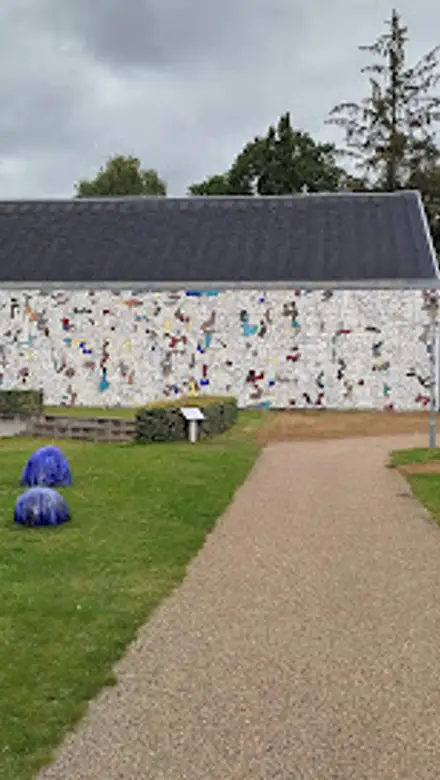
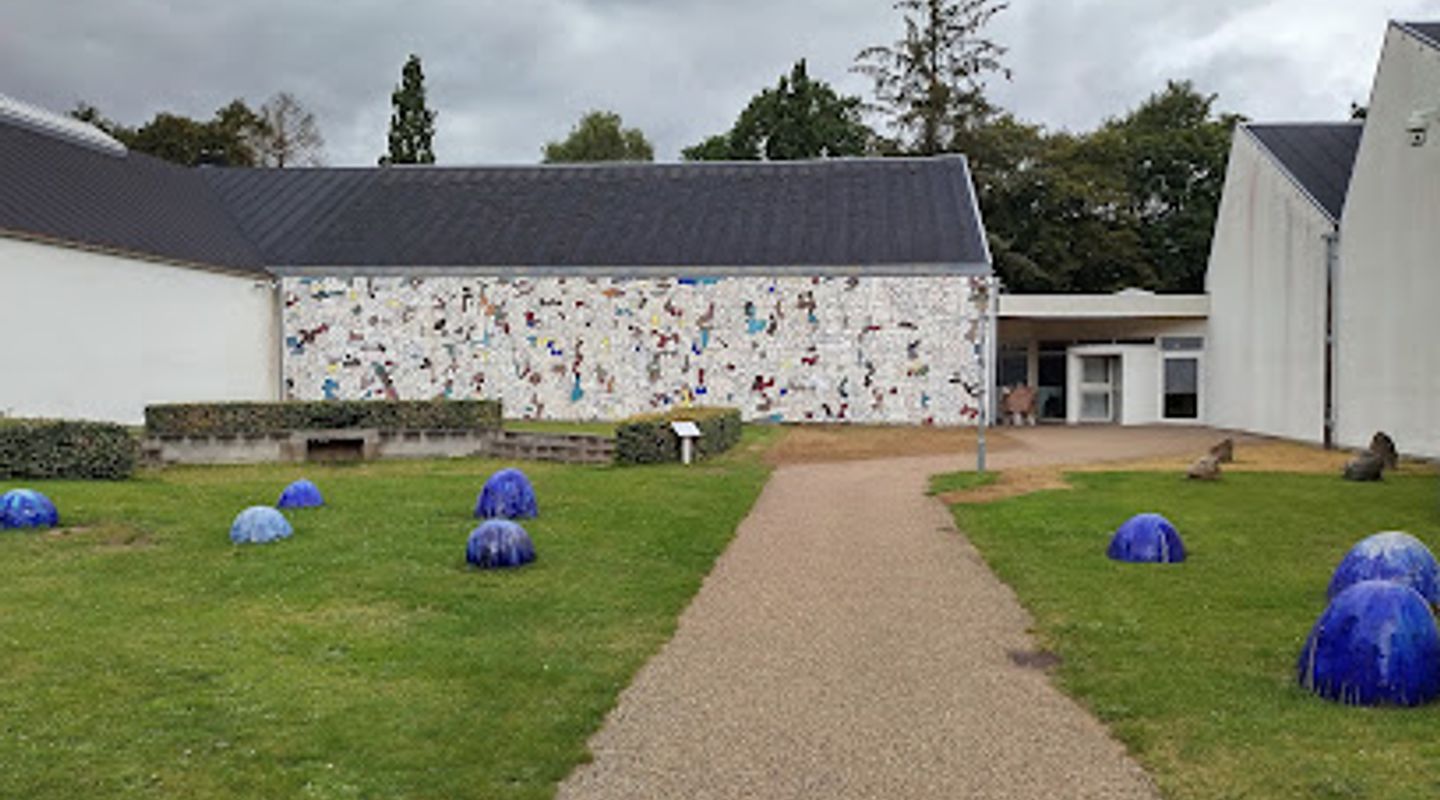
Museum Jorn in Silkeborg is Denmark’s leading museum for modern art linked to Asger Jorn and the CoBrA movement, dramatically set by the Gudenå river. Inside its low, sculptural buildings you find one of the country’s largest art collections, spanning Jorn’s own prolific work, fellow CoBrA artists, and a strong line-up of international names. Interactive workshops, family-friendly creative spaces, and a riverside café make it as playful as it is thought‑provoking.
A brief summary to Museum Jorn, Silkeborg
- Gudenåvej 7-9, Silkeborg, 8600, DK
- Click to display
- Click to display
- Duration: 2 to 3 hours
- Mid ranged
-
 Indoor
- Mobile reception: 5 out of 5
- Monday 10 am-5 pm
- Tuesday 10 am-5 pm
- Wednesday 10 am-5 pm
- Thursday 10 am-9 pm
- Friday 10 am-5 pm
- Saturday 10 am-5 pm
- Sunday 10 am-5 pm

Know before you go
Hi, I'm Eve. Here are a few practical things to know before exploring Museum Jorn, Silkeborg.
- Plan for at least two to three hours to explore both the permanent collection and temporary exhibitions without rushing.
- Check current exhibitions and workshop times in advance if you are particularly interested in hands-on activities or specific artists.
- If visiting with children, head straight to the creative workshop areas early, then alternate gallery time with making sessions.
- Combine your visit with a short walk along the Gudenå river outside the museum to fully appreciate the setting and architecture.
- Use the lockers and cloakroom near the entrance so you can move comfortably through the galleries without bags or coats.
Do you manage this location?
Take control to get all the benefits, like improved information, better appearance, and stronger visibility across AI-powered discovery. Learn more about listing your business on Evendo
Activate your presenceOther nearby places you may find interesting
The closest places of the same kind, if this one is not quite what you had in mind.
Explore Museum Jorn, Silkeborg on the Map
A handpicked selection of must-see spots near Museum Jorn, Silkeborg, mapped for you.
Getting There
-
Train and local bus from Aarhus
From Aarhus, take a regional train to Silkeborg Station; the journey usually takes around 45–55 minutes and standard adult tickets typically cost in the range of 80–120 DKK one way, depending on time and fare type. From Silkeborg Station, local buses serve the museum area in about 10–15 minutes, or you can walk through town in a longer but pleasant stroll. Trains and buses run frequently during the day, but evening and weekend services can be less frequent, so check return times in advance.
-
Car from Aarhus or Herning
Driving from Aarhus or Herning to Silkeborg usually takes about 35–50 minutes, depending on traffic and starting point. Once in Silkeborg, follow signs towards the museum district and riverfront; Museum Jorn offers dedicated parking, and parking is generally free of charge for visitors. Traffic is usually light outside rush hours, but be aware that special events at the museum or in the town can make parking spaces fill faster.
-
Regional bus within the Silkeborg area
Regional and local buses connect Silkeborg’s residential districts and nearby towns to the central area near Museum Jorn, with typical journey times of 10–30 minutes. Single tickets on local buses are usually in the range of 20–35 DKK per adult, with discounts for children and some travel cards. Services are relatively frequent on weekdays, less so in the late evenings and on Sundays, so it is worth checking timetables if you plan an early or late visit.
-
Cycling from central Silkeborg
From central Silkeborg, cycling to Museum Jorn is straightforward and typically takes about 10–20 minutes, depending on your starting point. The town has a generally bike-friendly layout with a mix of cycle lanes and calm streets, though you may share the road with cars in certain stretches. This option is low-cost if you already have a bike or rental, and it allows you to follow more scenic routes along the river or through green areas when the weather is favourable.
For the on-the-go comforts that matter to you
-
 Restrooms
-
 Drink Options
-
 Drinking Water
-
 Food Options
-
 Lockers
-
 Seating Areas
-
 Sheltered Areas
-
 Trash Bins
-
 Information Boards
-
 Visitor Center
Discover more about Museum Jorn, Silkeborg
Modern art on the banks of the Gudenå
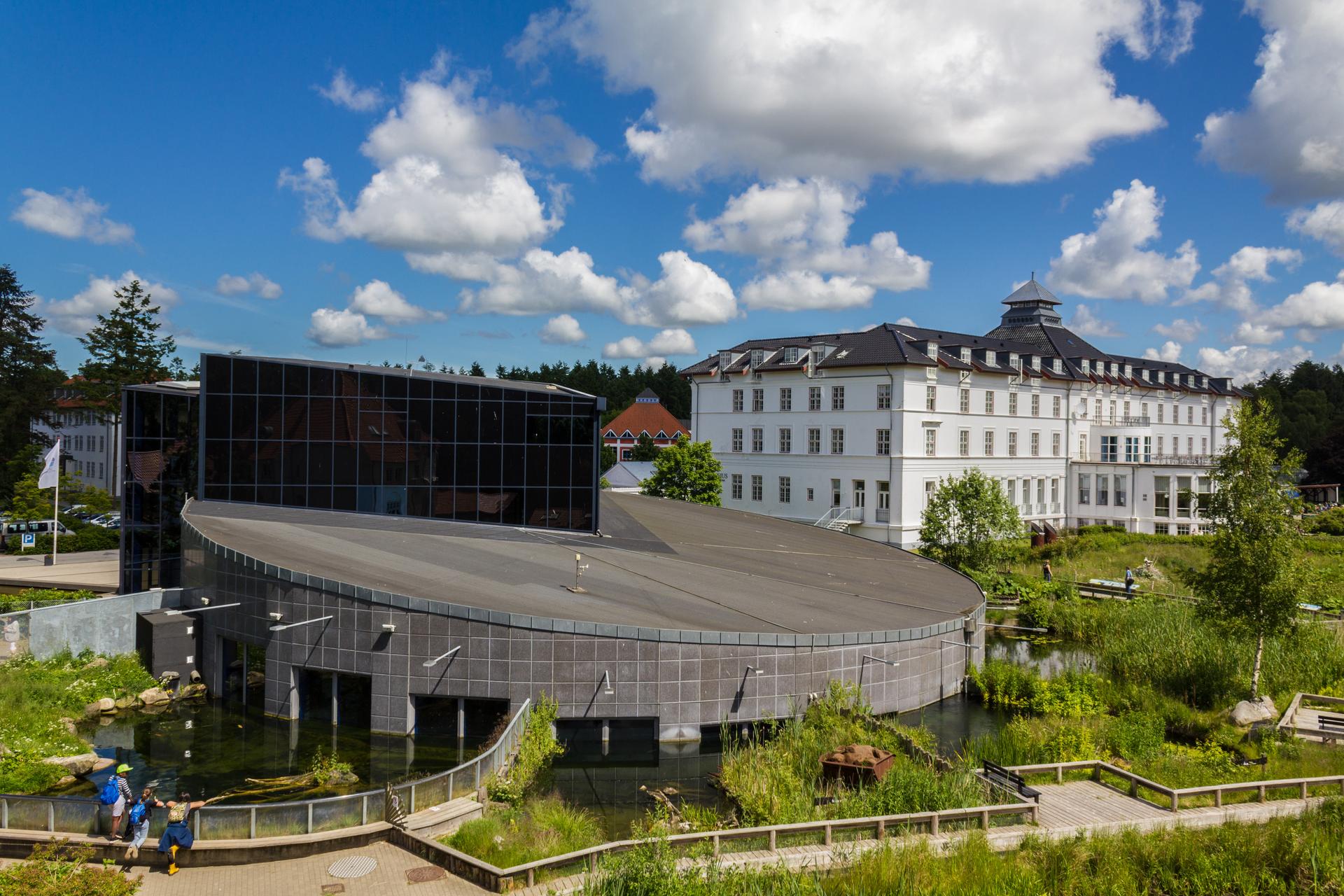
Museum Jorn sits in a green curve of the Gudenå river, its low, angular volumes stepping down towards the water and the surrounding park. The setting feels surprisingly tranquil for such a dense concentration of colour and experimentation: trees frame the museum, and glimpses of the river surface appear through glass as you move from gallery to gallery. The architecture is deliberately understated, placing focus on the works while still creating a sculptural presence in the landscape.Inside, the layout encourages wandering rather than marching through in a straight line. Long views across several rooms, sudden turns, and changing ceiling heights echo the restless energy of the art on the walls. Natural light is carefully controlled, with some spaces glowing softly while others feel like intimate dens for more intense works.Asger Jorn’s vision and the spirit of CoBrA
The museum was founded on the initiative of Asger Jorn, one of Denmark’s most influential 20th‑century artists and a central figure in the post‑war avant‑garde. His idea was not simply to build a personal monument, but to create a living collection that would keep expanding and dialoguing with international art. The result today is a vast assembly of paintings, sculptures, ceramics, works on paper and experimental pieces that trace Jorn’s trajectory from early figurative work to wild abstraction.A major strand of the collection follows the CoBrA movement – an alliance of artists from Copenhagen, Brussels and Amsterdam who embraced spontaneity, bright colour and a kind of untamed, child‑like imagination. Here you can see Jorn alongside fellow travellers such as Karel Appel, Constant and other European contemporaries, often hung in ways that highlight shared motifs and clashes in approach.A collection that reaches far beyond Denmark
Beyond Jorn and CoBrA, Museum Jorn has grown into one of Denmark’s largest collections of modern and contemporary art. Works by international names from across Europe and beyond are woven through the galleries, setting up cross‑cultural conversations: surreal figures, gestural abstract canvases, rough‑hewn sculptures and graphic works on paper appear in varied combinations. Danish artist Per Kirkeby is particularly well represented, his layered, geological paintings and brick sculptures offering a very different take on form and colour from Jorn’s.Temporary exhibitions add another layer, often spotlighting individual artists, themes in modern art or unexpected pairings that recontextualise the permanent holdings. These shows can range from historically focused presentations to more playful, immersive installations that reimagine what a painting or sculpture can be.Hands-on creativity and family-friendly spaces
A key part of the museum’s identity is its emphasis on participation. Workshop areas and try‑it‑yourself stations invite you to experiment with drawing, printmaking or collage techniques related to what you have just seen in the galleries. Materials are usually laid out so you can drop in spontaneously, making it easy for both adults and children to get involved.Families will find dedicated activity zones where play and learning blend together: low tables for making, prompts that encourage close looking, and tasks that reframe abstract art as something to respond to with your own hands rather than simply observe. School groups use larger workshop rooms on the lower floors, adding a gentle buzz of creative energy to the building.Café, riverside atmosphere and practical comforts
On the lower level, large windows open towards the river, where the on‑site café serves light meals, cakes and drinks with a view of trees and water. It is a place to decompress between galleries, leaf through an art book or simply people‑watch. In good weather, the green areas around the museum extend the visit outdoors, with paths leading along the river and across the surrounding parkland.Practical details are well considered: cloakrooms and lockers near the entrance, accessible toilets on the main floor, baby‑changing facilities and step‑free access through the exhibition areas. The museum shop focuses on art books, prints and design objects that echo the bold visual language of Jorn and his peers, allowing you to take a fragment of that experimental spirit home.A Silkeborg anchor for culture in the Aarhus region
Museum Jorn acts as a cultural hub for Silkeborg and the wider Aarhus region, anchoring a network of galleries, events and seasonal highlights. Throughout the year, the calendar includes artist talks, special family days and creative programmes linked to current exhibitions. In late autumn and early winter, the outdoor areas can transform for thematic events that combine art, light and seasonal food, further blurring the line between museum, meeting place and local gathering point.Whether you come for a focused encounter with Asger Jorn, to introduce children to modern art in a playful way, or simply to enjoy architecture and landscape working together, the experience is both concentrated and spacious. Allow a few unrushed hours: this is a place where works reveal more the longer you stay with them, and where the river outside offers a quiet counterpoint to the vivid worlds on the walls.












Your all‑in‑one travel companion app
Explore expert travel guides, compare and book tours, experiences, hotels, and more—all from the palm of your hand. Download now for seamless trip planning wherever your wanderlust takes you.


Explore More of Silkeborg
Looking beyond Museum Jorn, Silkeborg? Discover Silkeborg for broader travel guides, local hot-spots, and regional highlights.
Explore Silkeborg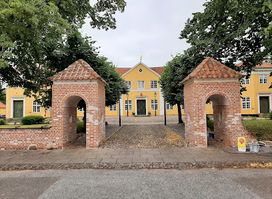
Step into Silkeborg’s oldest manor house to meet Tollund Man, explore bog mysteries and trace the town’s journey from Iron Age wetlands to modern Jutland hub.
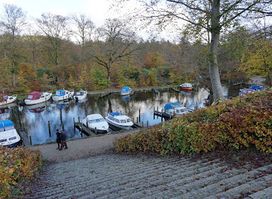
A powerful World War II memorial in Silkeborg’s Indelukket park, where Knud Nellemose’s bronze freedom fighter rises from granite reliefs of occupation, resistance and liberation.