Kroghs Bænk, Silkeborg Travel Guide
Free Guide: Elevated forest sanctuary with panoramic lake views and 19th-century heritage


A brief summary of Kroghs Bænk
Elevated forest sanctuary with panoramic lake views and 19th-century heritage
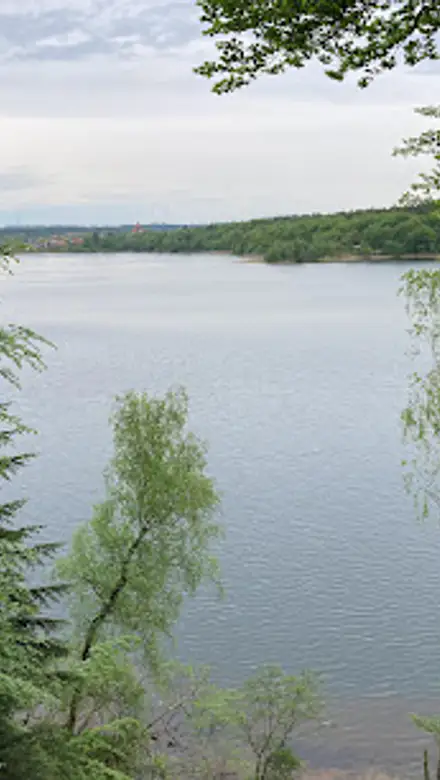
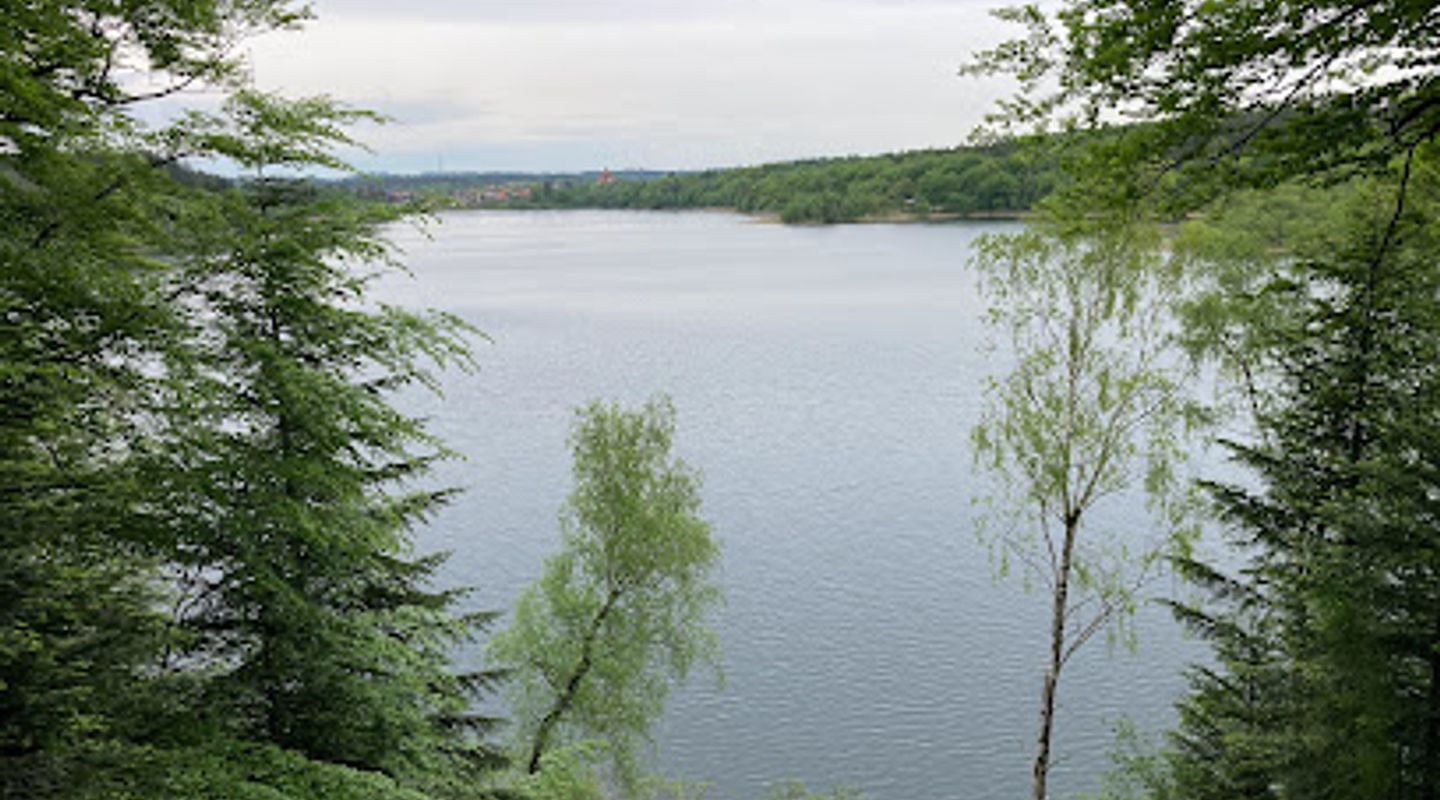
Kroghs Bænk is a scenic viewpoint perched 45 meters above the southern shore of Almind Lake in Silkeborg's Vesterskov forest. Named after Frederik Ferdinand von Krogh, the first state forester, this peaceful vantage point offers expansive views across the lake and toward the town center. A wooden bench marks the spot, inviting visitors to pause and absorb the landscape. The location is easily reached via forest walking trails and serves as a key waypoint on the Silk Route, Silkeborg's signature 12-kilometer nature and culture circuit.
On-site amenities
 Seating areas
 Information boards
 Trash bins
Opening hours
- Every dayOpen 24 hours
Opening hours as listed on the venue’s Google Business Profile. Hours can change for services and special events, so check with the venue before you go.
- Address
- 8600 Silkeborg
Getting there
Walking from Silkeborg Town Center
Walking from Art Centre Silkeborg Bad
Cycling via the Silk Route
Public Transport and Walking Combination
Discover more about Kroghs Bænk
A Forester's Legacy in the Forest
Kroghs Bænk takes its name from Frederik Ferdinand von Krogh, the first chief forester of Denmark's state forests. In Silkeborg, his memory is preserved not only through the street bearing his name but also through this elevated viewpoint nestled within the Vesterskov woodland on the southern edge of Almind Lake. The bench itself remains a tangible link to the 19th-century figure who shaped the region's forestry heritage, offering modern visitors a moment of reflection in a landscape he helped steward.
Elevation and Panoramic Views
Rising 45 meters above the lake's surface, Kroghs Bænk commands sweeping vistas across Almind Lake and toward Silkeborg's town center. The elevated position transforms the viewpoint into a natural observatory where the interplay of water, forest, and distant architecture creates a constantly shifting panorama. Morning light often bathes the lake in soft gold, while afternoon shadows deepen the contours of the surrounding woodland. The bench itself becomes a frame for contemplation, positioned to maximize the visual experience of this Danish Lake District landscape.
Gateway to Forest Biodiversity
The Vesterskov forest surrounding Kroghs Bænk represents one of Silkeborg's most ecologically rich areas. The woodland hosts more than 40 tree species, including ancient European beech trees exceeding 250 years in age, their gnarled trunks providing homes for woodpeckers, bats, and small songbirds. Conifers such as Douglas fir, European silver fir, and noble fir create a diverse canopy structure. In spring, the forest erupts with birdsong; in autumn, starling murmurations dance above the lake in a phenomenon locals call "bird flocks." The nearby Ørnsø lake footpath extends these ecological experiences, offering opportunities to observe kingfishers, herons, and waterfowl.
Integration with Silkeborg's Walking Network
Kroghs Bænk functions as a vital waypoint within Silkeborg's extensive trail system. It anchors the eastern terminus of the Silk Route, a marked 12-kilometer circuit that weaves through the city's cultural and natural attractions. The viewpoint also connects to the Ørnsø Footpath, a 3-kilometer lake circuit, and the historic health-resort walking route linking former spa facilities. These interconnected paths allow visitors to construct walks of varying length and difficulty, from leisurely 30-minute strolls to full-day explorations of the Lake District landscape.
Seasonal Transformations and Weather Patterns
The viewpoint experiences distinct seasonal character. Winter often brings frost-laden branches and occasional snow, transforming the forest into a crystalline landscape. Spring awakens the woodland with emerging foliage and intensifying bird activity. Summer provides lush canopy cover and warm afternoon light ideal for extended visits. Autumn delivers the most dramatic visual spectacle, with deciduous trees shifting through amber and crimson hues while conifer greens provide contrast. The elevated position occasionally experiences wind exposure, particularly during autumn and winter storms, adding a dynamic quality to visits during these seasons.
Evendo Review Centre
 Google
Guest reviews
Best time to go
Quietest: Jan, Feb & Dec · before 7am or from 9pm
Busy times are Evendo estimates for a typical year, to help you plan. Actual crowds vary with events, school holidays and the weather.
Explore Kroghs Bænk on the map
A handpicked selection of must-see spots near Kroghs Bænk, mapped for you.
Get your free copy of our complete guide to Kroghs Bænk, delivered straight to you.
Everything on this page, from opening hours and how to get there to Eve’s tips and the best time to go, in one PDF you can read offline, print or share.
Already have an account? Sign in
Your Kroghs Bænk guide is ready.
We'll send it to · Not you? Sign out

Getting your guide ready…
We are putting together a fresh copy of the Kroghs Bænk guide. This can take up to a minute.
This can take a few moments. If your browser asks, choose Allow so the download can start. You'll find the guide in your Downloads folder.
Nothing happened? Download it again
Sorry, the guide is taking longer than usual. Please try again in a minute, or get it by email instead.
Other nearby places you may find interesting
The closest places of the same kind, if this one is not quite what you had in mind.
-
-
-
-
-


Swipe for more places
More to explore near Kroghs Bænk

 Best experiences near Kroghs Bænk
 Best hotels near Kroghs Bænk
 Best landmarks near Kroghs Bænk
 Best attractions near Kroghs Bænk
 Best shops near Kroghs Bænk
 Best restaurants near Kroghs Bænk
 Best bars near Kroghs Bænk
Do you manage this location?
Take control to get all the benefits, like improved information, better appearance, and stronger visibility across AI-powered discovery.
Explore more

Explore more of Silkeborg
Discover the serene beauty and cultural richness of Silkeborg, Denmark's lakeside gem, perfect for nature lovers, history buffs, and art enthusiasts alike.
Explore Silkeborg
Explore more of Denmark
Discover Denmark: A perfect blend of history, modern design, and the cozy concept of hygge. Explore vibrant cities, serene landscapes, and world-class cuisine.
Explore Denmark