Befrielsesmonument i Silkeborg, Silkeborg Travel Guide
Free Guide: A powerful World War II memorial in Silkeborg’s Indelukket park, where Knud Nellemose’s bronze freedom fighter rises from granite reliefs of occupation, resistance and liberation.


A brief summary of Befrielsesmonument i Silkeborg
A powerful World War II memorial in Silkeborg’s Indelukket park, where Knud Nellemose’s bronze freedom fighter rises from granite reliefs of occupation, resistance and liberation.
Set among trees and paths in the green area of Indelukket, the Befrielsesmonument in Silkeborg is a striking World War II memorial by sculptor Knud Nellemose. The bronze figure “Frihedskæmperen” (The Freedom Fighter) rises from a rough granite base with carved reliefs depicting the German invasion, the resistance and the liberation. Unveiled on 4 May 1951 and recreated in 2014 after a theft, it remains a quiet, reflective corner and a symbolic landmark in this lakeside park.
On-site amenities
 Restrooms
 Seating areas
 Trash bins
 Information boards
Opening hours
- Every dayOpen 24 hours
Opening hours as listed on the venue’s Google Business Profile. Hours can change for services and special events, so check with the venue before you go.
- Address
- 8600 Silkeborg
Getting there
City bus from central Silkeborg
Bicycle from Silkeborg town centre
Car or taxi within Silkeborg
Discover more about Befrielsesmonument i Silkeborg
A lakeside memorial in Silkeborg’s green heart
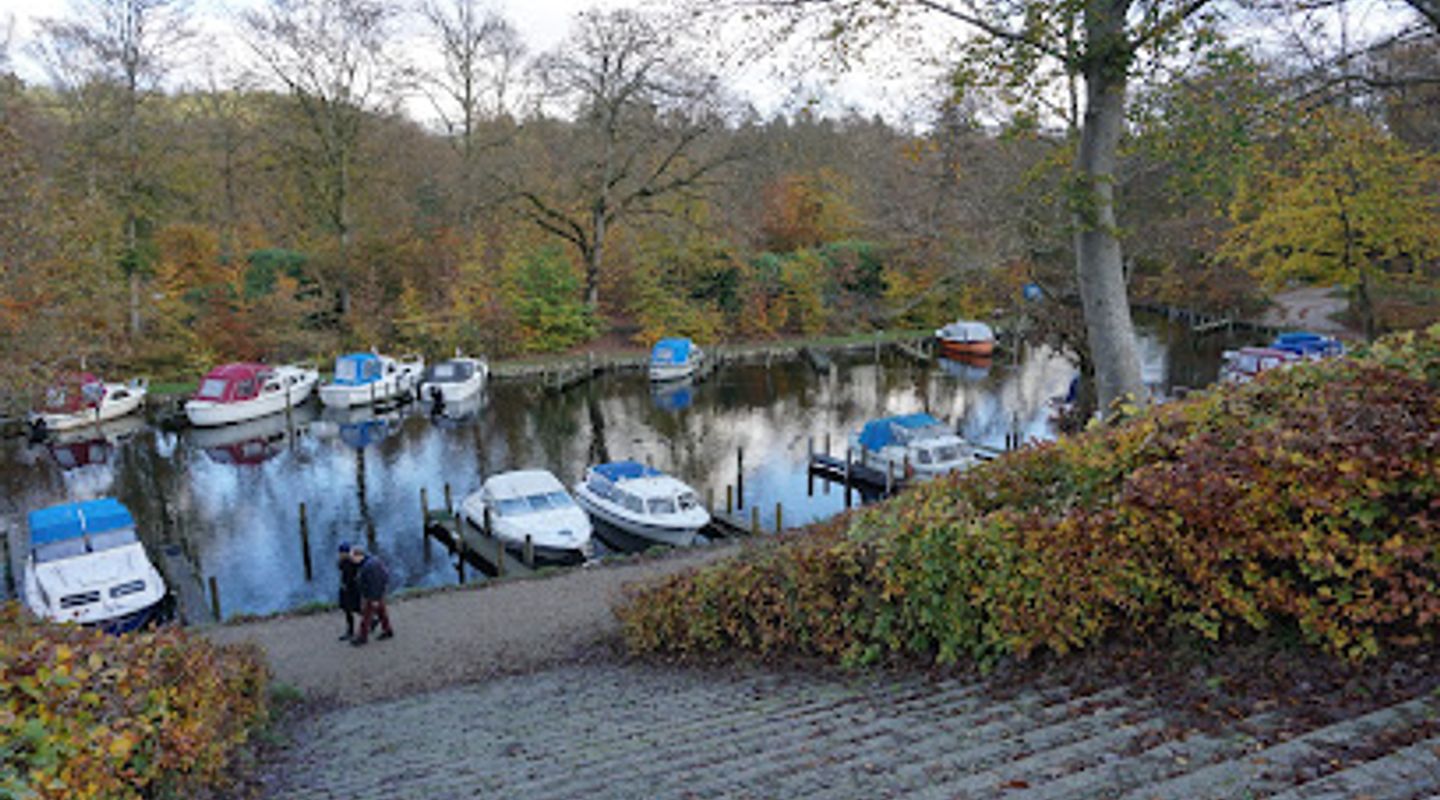
The Befrielsesmonument stands in Indelukket, a wooded recreation area along the lakes and river in Silkeborg. Paths, lawns and boat clubs surround the site, so you encounter the monument almost as part of a leisurely stroll rather than as a fenced-off attraction. The setting feels relaxed and open, with birdsong from the trees and the occasional sound of boat engines or children playing in the distance.The monument’s position near the water and close to the motorboat club gives it a distinctly local character. It is not just a national symbol; it is woven into everyday life in Silkeborg, passed by joggers, dog walkers and families using the park. Yet as you approach, the composition of bronze figure and granite pedestal quickly pulls your attention away from the casual park atmosphere and into a more reflective space.
The story behind “Frihedskæmperen”
Soon after the end of World War II, Silkeborg decided to honour the resistance and the years of occupation with a dedicated liberation monument. In 1945 the municipality commissioned sculptor Knud Nellemose, known for his dynamic, muscular figures, to create a work that would capture both hardship and determination. Over the following years he developed the concept that became “Frihedskæmperen”, completed and unveiled on 4 May 1951, exactly six years after the liberation of Denmark.The figure quickly grew beyond its role as a simple monument and came to function as an emblem of the town itself. Its combination of physical tension and upright stance mirrored national narratives of standing firm under occupation. For Silkeborg, which had its own wartime stories, this gave the city a powerful, tangible focal point for remembrance ceremonies and commemorations held each May.
A dramatic theft and a careful return
In 2012 the story of the monument took an unexpected turn when the bronze statue was stolen overnight, cut away from its base and removed. For a time only the granite plinth and its reliefs remained, a stark reminder of absence that drew considerable local attention. The theft triggered a determined effort to recreate the work, using surviving models and documentation to restore Nellemose’s original concept as faithfully as possible.On 4 May 2014 the renewed “Frihedskæmperen” was unveiled on its original site in Indelukket, this time in front of a large crowd and with national significance underscored by the presence of Denmark’s monarch. The re-creation re-established the monument as a central symbol, now carrying not only memories of war and liberation but also a more recent story about cultural loss and community commitment to preserving heritage.
Reading the symbols in bronze and granite
The monument consists of a bronze figure approximately 2.65 metres high mounted on a roughly hewn, light granite pedestal. The freedom fighter is depicted in a tense, forward-striding pose, muscular yet lean, suggesting vigilance and readiness rather than triumph. The body language feels concentrated, as if holding a moment of resistance in a single gesture. This sense of movement is typical of Nellemose’s style, which often emphasised physical action and inner resolve.Around the sides of the granite base you find carved reliefs that expand the story beyond the single figure. One scene represents the sudden assault of occupation, another hints at clandestine resistance work, while a final panel symbolises the liberation and the lifting of fear. Inscriptions explain that the monument is raised in memory of the liberation after five years of occupation, violence and terror, anchoring the imagery in a specific historic context.
A quiet place for reflection and remembrance
Visiting the Befrielsesmonument is usually a short but thoughtful stop rather than a long outing. Many people simply incorporate it into a wider walk through Indelukket or a day by the lakes, pausing for a few minutes to take in the sculpture and read the text. Benches and open grass nearby invite you to sit for a while and let the story settle, with the sound of wind in the leaves softening the weight of the subject.Although the monument references national events, the experience on site feels intimate. You can move close to the granite, trace the outlines of the reliefs with your eyes and observe how the bronze catches shifting light through the trees. The contrast between tranquil surroundings and the harshness of the themes encourages quiet reflection, making this a small but resonant stop in Silkeborg’s cultural landscape.
Evendo Review Centre
 Google
Guest reviews
Best time to go
Quietest: Jan, Feb & Nov · before 7am or at 9pm
Busy times are Evendo estimates for a typical year, to help you plan. Actual crowds vary with events, school holidays and the weather.
Explore Befrielsesmonument i Silkeborg on the map
A handpicked selection of must-see spots near Befrielsesmonument i Silkeborg, mapped for you.
Get your free copy of our complete guide to Befrielsesmonument i Silkeborg, delivered straight to you.
Everything on this page, from opening hours and how to get there to Eve’s tips and the best time to go, in one PDF you can read offline, print or share.
Already have an account? Sign in
Your Befrielsesmonument i Silkeborg guide is ready.
We'll send it to · Not you? Sign out

Getting your guide ready…
We are putting together a fresh copy of the Befrielsesmonument i Silkeborg guide. This can take up to a minute.
This can take a few moments. If your browser asks, choose Allow so the download can start. You'll find the guide in your Downloads folder.
Nothing happened? Download it again
Sorry, the guide is taking longer than usual. Please try again in a minute, or get it by email instead.
Other nearby places you may find interesting
The closest places of the same kind, if this one is not quite what you had in mind.
-
-
-
-
-


Swipe for more places
More to explore near Befrielsesmonument i Silkeborg
-
 Best experiences near Befrielsesmonument i Silkeborg
-
 Best hotels near Befrielsesmonument i Silkeborg
-
 Best landmarks near Befrielsesmonument i Silkeborg
-
 Best attractions near Befrielsesmonument i Silkeborg
-
 Best shops near Befrielsesmonument i Silkeborg
-
 Best restaurants near Befrielsesmonument i Silkeborg
-
 Best bars near Befrielsesmonument i Silkeborg


Do you manage this location?
Take control to get all the benefits, like improved information, better appearance, and stronger visibility across AI-powered discovery.
Explore more

Explore more of Silkeborg
Discover the serene beauty and cultural richness of Silkeborg, Denmark's lakeside gem, perfect for nature lovers, history buffs, and art enthusiasts alike.
Explore Silkeborg
Explore more of Denmark
Discover Denmark: A perfect blend of history, modern design, and the cozy concept of hygge. Explore vibrant cities, serene landscapes, and world-class cuisine.
Explore Denmark