

Møn Travel Guide
Free Guide: Dramatic chalk cliffs, star‑filled skies and gentle Baltic countryside combine on Møn, a Danish island made for slow hikes, cycling, dark‑sky nights and village life.


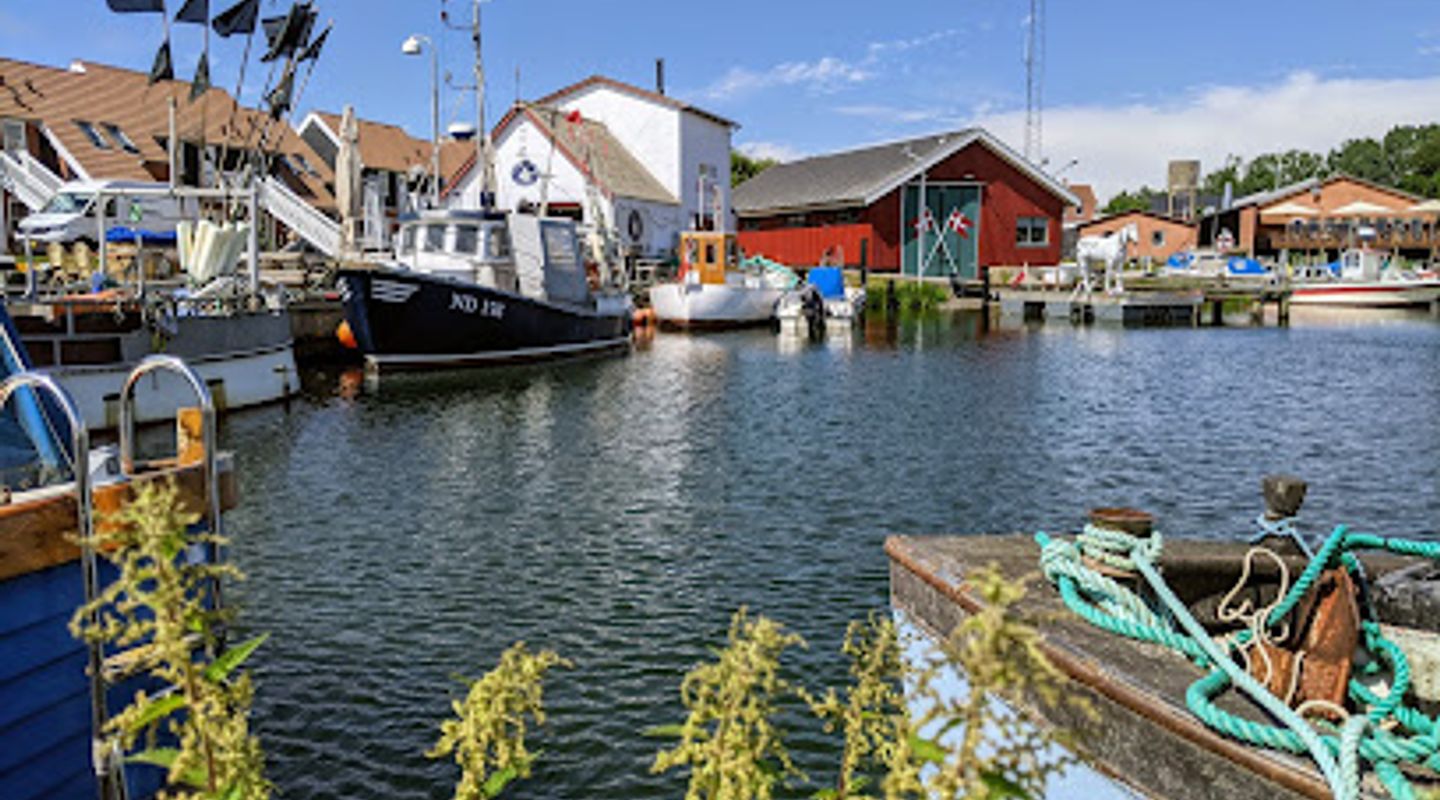
A brief summary of Møn
Dramatic chalk cliffs, star‑filled skies and gentle Baltic countryside combine on Møn, a Danish island made for slow hikes, cycling, dark‑sky nights and village life.
Møn is a Baltic Sea island in south‑eastern Denmark, part of Vordingborg Municipality and linked to Zealand and Falster by bridges. Famed for the dazzling white chalk cliffs of Møns Klint, sandy beaches and gentle farmland, it combines dramatic coastal scenery with peaceful villages and the market town of Stege. Recognised as a UNESCO Biosphere Reserve and Dark Sky Park, it is a standout destination for hiking, cycling, stargazing and slow, rural Danish island life.
On-site amenities
 Restrooms
 Drink options
 Drinking water
 Food options
 Seating areas
 Sheltered areas
 Picnic areas
 Trash bins
 Information boards
 Visitor centre
- Address
- Vordingborg Municipality
Getting there
Car from Copenhagen or Zealand
Train and bus via Vordingborg
Ferry plus drive from Germany
Discover more about Møn
Island at the edge of the Baltic
Møn sits in the south‑eastern corner of Denmark, out in the Baltic Sea between Zealand and Falster yet conveniently connected to both by bridges. Despite its easy access, it feels distinctly apart: a largely rural island of fields, hedgerows and wind‑sheltered lanes where the sea is never far away. With an area of just over 200 square kilometres and only a few thousand inhabitants, it offers a sense of spaciousness and sky that is rare in northern Europe.Stege, the island’s main town, gathers life around its harbour, low houses and old streets, while smaller hamlets and scattered farms stretch out across the interior. The coastline constantly shifts character – from shallow bays and bird‑rich wetlands to sand beaches and steep headlands – giving the island a pleasing variety in a compact footprint.
Møns Klint and the kingdom of chalk
On the east coast, the land ends abruptly in Møns Klint, a six‑kilometre rampart of white chalk plunging up to around 128 metres into the Baltic. Formed from the compacted shells of microscopic sea creatures some 70 million years ago, the cliffs are Denmark’s highest coastal escarpment and the island’s defining natural landmark. Above the precipice, beech forest grips the thin soil, its green canopy glowing against the pale rock.Stairs lead down through the woods to a narrow shingle beach, where you stand dwarfed by the cliffs and can hunt for fossils washed from the chalk. Inland, rolling meadows and orchid‑rich grasslands hint at the unique habitats that have earned Møn recognition as a UNESCO Biosphere Reserve. The nearby GeoCenter Møns Klint interprets the island’s deep geological story with interactive exhibits and family‑friendly activities.
Dark Sky nights and coastal horizons
Møn and neighbouring Nyord are also protected as an official Dark Sky Park, one of the best places in northern Europe to see the Milky Way with the naked eye. Away from the few towns, artificial light is kept low, so clear nights bring a dome of stars stretching from horizon to horizon. Photographers and sky‑watchers come for astrophotography sessions, but even casual visitors notice how intense the night feels here.By day, the same open horizons lend themselves to outdoor exploration. Long beaches on the northern and southern shores invite swimming, paddling and windswept walks, while the low western coastline frames wide views towards Bogø and Falster. The light has a crystalline quality, sharpened by the reflection from chalk and sea, giving even gentle landscapes an unexpectedly dramatic edge.
Villages, churches and traces of the past
Beyond the cliffs, Møn reveals quieter cultural layers. Medieval churches hide elaborate frescoes and wall paintings under their simple exteriors, a hallmark of this part of Denmark. Fanefjord and other parish churches reward unhurried visits, combining religious history with rural character.Villages such as Nyord retain cobbled lanes and traditional houses clustered around a tiny harbour and fields that double as bird reserves. Old manors and an idyllic castle complex deepen the historical mix, while traces of Stone Age and Bronze Age burial sites dot the countryside. Together they tell a long story of human settlement shaped by the sea, fertile soils and strategic position along Baltic routes.
Slow adventures on foot, by bike and under sail
Møn lends itself to slow travel. Cyclists follow quiet backroads or sections of national routes, linking beaches, farms and viewpoints in easy stages. Hikers gravitate to Møns Klint’s trail network, where loops range from short forest strolls to longer cliff‑top routes combining steep staircases, ridge paths and shoreline stretches. The 175‑kilometre Camøno trail threads together Bogø, Møn and Nyord, turning the wider archipelago into a multi‑day walking journey.On the water, sheltered bays offer chances for kayaking or small‑boat trips along the base of the cliffs, giving a completely different perspective on the chalk walls and the forested crown above. Between outings, island life slows to café stops, farm shops, local ice cream stands and long evenings outside holiday cottages, with the sound of waves and the prospect of another clear, starry sky.
Evendo Review Centre
 Google
Guest reviews
Best time to go
Quietest: Jan, Feb & Mar · before 7am
Busy times are Evendo estimates for a typical year, to help you plan. Actual crowds vary with events, school holidays and the weather.
Explore Møn on the map
A handpicked selection of must-see spots near Møn, mapped for you.
Get your free copy of our complete guide to Møn, delivered straight to you.
Everything on this page, from opening hours and how to get there to Eve’s tips and the best time to go, in one PDF you can read offline, print or share.
Already have an account? Sign in
Your Møn guide is ready.
We'll send it to · Not you? Sign out

Getting your guide ready…
We are putting together a fresh copy of the Møn guide. This can take up to a minute.
This can take a few moments. If your browser asks, choose Allow so the download can start. You'll find the guide in your Downloads folder.
Nothing happened? Download it again
Sorry, the guide is taking longer than usual. Please try again in a minute, or get it by email instead.
Other nearby places you may find interesting
The closest places of the same kind, if this one is not quite what you had in mind.
-
Stevns Klint UNESCO World Heritage Stand on the edge of a white Danish cliff where a thin dark band in the rock marks the asteroid impact that ended the dinosaurs and reshaped life on Earth.
-
Roneklint Fyr Small historic lighthouse at the mouth of Præstø Fjord, with shallow child‑friendly beaches, rich snorkelling waters and tranquil coastal scenery.
-
Stevns Lighthouse Historic lighthouse on the edge of Stevns Klint, blending maritime heritage with wide Baltic Sea views and windswept chalk‑cliff scenery near Store Heddinge.
-
Gjorslev One of Denmark’s oldest inhabited medieval castles, Gjorslev combines Gothic stonework, moats and beech forest walks in a quietly atmospheric manor landscape.
-
Kalvehave Labyrintpark A 20,000 m² outdoor maze park of puzzles, illusions and giant games, turning a day in rural South Zealand into relaxed, brain-teasing fun for all ages.
Swipe for more places
More to explore near Møn

 Best experiences near Møn
 Best hotels near Møn
 Best landmarks near Møn
 Best attractions near Møn
 Best shops near Møn
 Best restaurants near Møn
 Best bars near Møn
Do you manage this location?
Take control to get all the benefits, like improved information, better appearance, and stronger visibility across AI-powered discovery.
Explore more
Explore more of South Zealand
Discover South Zealand, where dramatic cliffs, historic castles, and charming coastal towns create the perfect Danish escape.
Explore South Zealand
Explore more of Denmark
Discover Denmark: A perfect blend of history, modern design, and the cozy concept of hygge. Explore vibrant cities, serene landscapes, and world-class cuisine.
Explore Denmark
