
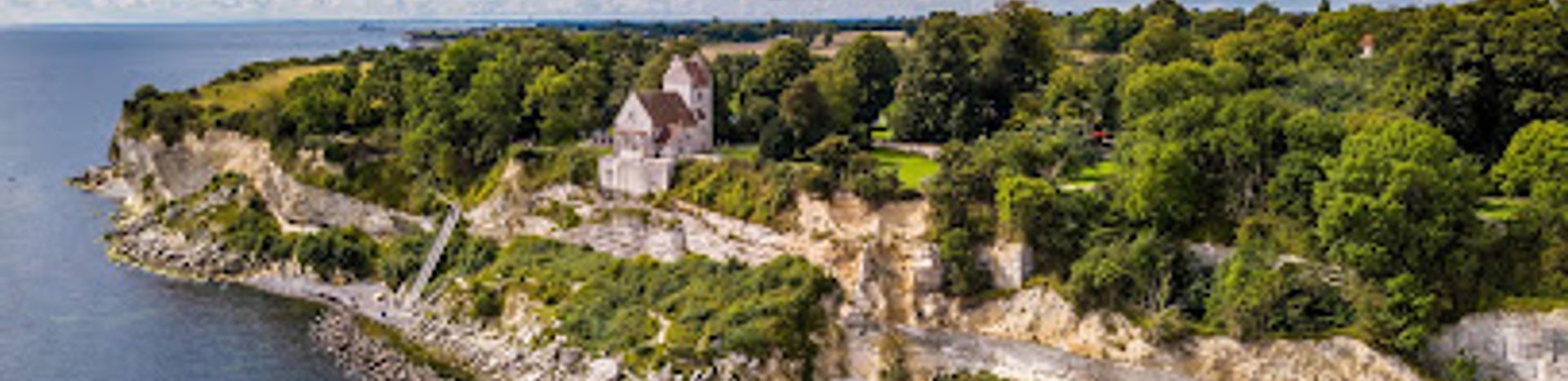
Stevns Klint UNESCO World Heritage Cliff
Stand on the edge of a white Danish cliff where a thin dark band in the rock marks the asteroid impact that ended the dinosaurs and reshaped life on Earth.
Stevns Klint is a 15 km stretch of bright chalk cliffs on the eastern coast of Zealand, about an hour south of Copenhagen. Rising up to 40–41 m above the Baltic Sea, the cliff’s layered rock is one of the clearest places on Earth to see the boundary of the asteroid impact that ended the age of the dinosaurs around 66 million years ago. Walking paths, viewpoints, beach access and nearby sites like Old Højerup Church and the Stevns Klint Experience centre make this a compelling mix of raw coastline, deep time geology and quiet Danish countryside.
A brief summary to Stevns Klint UNESCO World Heritage
- Boesdalsvej 14, Rødvig Stevns, 4673, DK
- +4530342279
- Visit website
- Duration: 1.5 to 5 hours
- Free
-
 Outdoor
- Mobile reception: 4 out of 5
Local tips
- Wear sturdy shoes suitable for uneven paths and shingle or pebble beaches; access to the base of the cliff can be steep and occasionally slippery after rain.
- Bring windproof layers even in summer, as the clifftop is exposed and breezy, with cooler temperatures than inland areas.
- Allow extra time to combine the clifftop viewpoints with a visit to the Stevns Klint Experience centre for context on the geology and mass extinction story.
- Stay well back from unstable edges and heed any warning signs; the cliff face is naturally subject to erosion and occasional rockfalls.
- If you plan to look for fossils, check local guidelines and restrictions in advance and take only permitted small finds from fallen blocks, never from the cliff face.

For the on-the-go comforts that matter to you
- Restrooms
- Drink Options
- Drinking Water
- Food Options
- Seating Areas
- Sheltered Areas
- Picnic Areas
- Trash Bins
- Information Boards
- Visitor Center
Getting There
-
Regional train and local bus from Copenhagen
From central Copenhagen, take a regional train towards Køge and onward to Store Heddinge; the full journey typically takes about 1 to 1.5 hours, depending on connections. From Store Heddinge, local buses serve stops near key access points along Stevns Klint, adding roughly 15 to 30 minutes of travel. Standard adult fares for the combined train and bus journey are usually in the range of 80–140 DKK one way, depending on zones and ticket type. Services run regularly during the day, though evening and weekend frequencies are lower, so it is wise to check schedules and allow time for transfers.
-
Car from Copenhagen via South Zealand
Driving from Copenhagen to Stevns Klint generally takes about 60 to 75 minutes, depending on traffic and the exact access point you choose along the cliff. The route follows main roads across Zealand before narrowing to local country roads near Stevns. There is no specific entrance fee for the cliff itself, but some car parks near viewpoints, churches or the experience centre may charge modest fees in the range of 20–50 DKK or use time-limited parking. In peak summer, parking areas closest to the most popular viewpoints can fill quickly, so arriving earlier in the day usually makes finding a space easier.
-
Cycling from Store Heddinge or Rødvig
For those already in the area, cycling from Store Heddinge or Rødvig to sections of Stevns Klint is a pleasant option, typically taking 15–30 minutes each way on gently rolling country roads. Bringing a bike on regional trains to these towns is often possible for an additional fee of around 20–40 DKK, subject to space and any restrictions on peak services. The terrain is mostly easy, but expect occasional short hills and stretches of road shared with local traffic. Wind from the Baltic can significantly influence how strenuous the ride feels, especially on exposed sections near the coast.
Stevns Klint UNESCO World Heritage location weather suitability
-
 Clear Skies
-
 Windy Conditions
-
 Mild Temperatures
-
 Hot Weather
-
 Cold Weather
-
 Any Weather
Discover more about Stevns Klint UNESCO World Heritage
A coastline written in stone
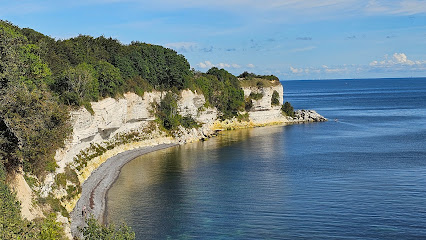
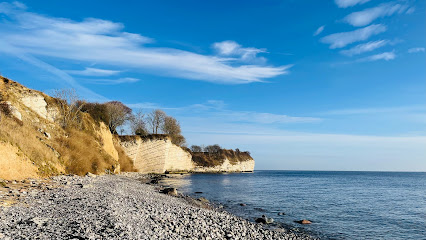
Stevns Klint stretches for around 15 kilometres along the eastern edge of Zealand, where pale chalk and limestone rise in sheer faces above the Baltic Sea. The cliffs reach about 40–41 metres at their highest, forming a striking white wall broken by coves, beaches and small harbours. From the grassy clifftop you look out across open sea, while at the base wave-cut platforms and boulders show how the coast is continually reshaped by erosion. The cliff is layered like a history book. At the bottom lies soft Cretaceous chalk, once the floor of a warm, shallow sea. Above it sit bands of darker clay and harder limestone, capped by deposits from the last Ice Age. These contrasting textures and colours are easily visible from many viewpoints, especially around Højerup, Boesdal Quarry and Stevns Lighthouse.Where the dinosaurs’ story ends
What makes Stevns Klint extraordinary is a thin, dark band known as the fish clay, clearly visible halfway up the cliff in many places. This layer records the global fallout from the Chicxulub asteroid impact about 66 million years ago, the event that caused a mass extinction and ended the age of the dinosaurs. Within a thickness of just a few centimetres, geologists read evidence of ash clouds, sudden cooling and the collapse of marine ecosystems. Embedded in the surrounding rock is a remarkably rich fossil record. The chalk and limestone hold hundreds of species of marine life, from tiny foraminifera to corals, brachiopods and occasional shark remains. Together they show how life looked before the impact, which organisms survived and how new communities evolved afterwards. In 2014 this exceptional geological story led to Stevns Klint’s inscription as a UNESCO World Heritage Site.Clifftop churches and Cold War secrets
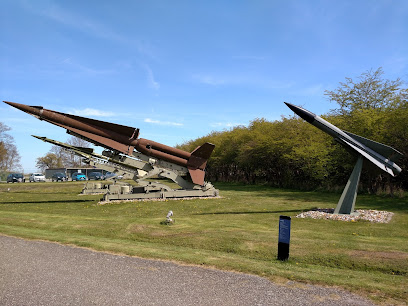
Human history also clings to the edge of the cliff. Near Højerup, Old Højerup Church stands dramatically close to the brink, where parts of the original churchyard have already been claimed by the sea. Legend tells of a sailor promising to build a church if he survived a storm; the result is this modest medieval building now sharing the fate of the eroding coast. From its vantage point you gain a sweeping view of the white cliffs and turquoise water below. Further north, tunnels of the former Stevnsfort fortress are dug into the chalk. Built during the Cold War, this underground stronghold was intended to monitor and, if necessary, resist naval movements in the Baltic. The resilient bryozoan limestone provided natural protection against potential attacks, an unexpected twist in the long story of the rocks that once formed a seabed.Walking the edge of deep time
Today Stevns Klint is as much a landscape experience as a scientific treasure. A coastal path links viewpoints, small villages and farmland, allowing you to walk above the cliff with continuous sea views. Short trails lead down to beaches where you can stand directly beneath the layers, listening to the surf boom against the base of the wall and watching seabirds wheel along the face. The atmosphere is typically calm and rural: fields of grain or rapeseed reach almost to the edge, and the soundscape mixes wind, waves and distant church bells. You might encounter amateur fossil hunters scanning fallen blocks, painters setting up easels, or cyclists following quiet back roads between the villages that dot the clifftop.Stevns Klint Experience and family discoveries
Near Boesdal Quarry, the Stevns Klint Experience centre offers an indoor counterpart to the open-air geology. Exhibitions use original fossils, meteorite fragments and models to unravel the events at the end of the Cretaceous, while films and interactive elements explain how scientists interpret the cliff’s layers. Children can follow themed trails, handle replica bones and engage in playful activities that introduce complex concepts in accessible ways. Outside, the former chalk quarry and nearby viewpoints illustrate how people have quarried and used the local limestone for centuries, from medieval churches to fortifications around Copenhagen. Combined with the clifftop walks, the site provides a full day of exploration that moves smoothly between landscape, deep time and cultural history.Seasons, light and practical expectations
The feel of Stevns Klint changes with the weather and season. On clear days the white rock glows against a deep blue sea, and from higher points you may glimpse the coast of Sweden on the horizon. In mist or low cloud the cliff takes on a more muted, introspective character, with waves emerging from haze and seabirds appearing suddenly from the grey. Spring and summer bring wildflowers to the clifftop meadows, while autumn light can be particularly dramatic. Facilities are scattered rather than concentrated: expect basic amenities near key access points, but long stretches that feel pleasantly undeveloped. Paths along the edge can be uneven and exposed to wind, so sturdy footwear and windproof layers are sensible even on bright days. With time to pause at churches, viewpoints and the experience centre, many visitors find that three to four hours pass easily in this compact yet layered landscape.Iconic landmarks you can’t miss

Vallø Slotskro
20.1 km
Explore Denmark's largest private engine collection and maritime heritage at Maskinrummet in Skagen.
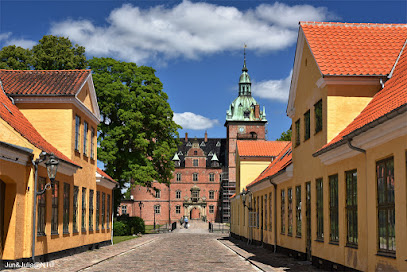
Comwell Køge Strand
24.8 km
Historic lighthouse and world-class bird observatory at Denmark’s northern tip, with sweeping sea views, immersive exhibitions, and a welcoming café.
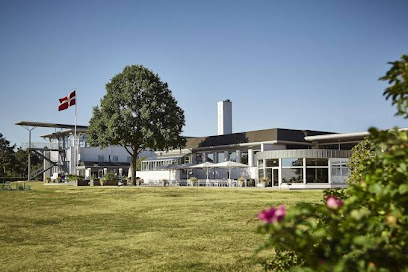
Mindesmærke for slagene i Køge Bugt
25.6 km
Harbourfront monument where stone, sea breeze and maritime symbols keep the naval battles of Køge Bugt and their admirals alive on Køge’s working waterfront.
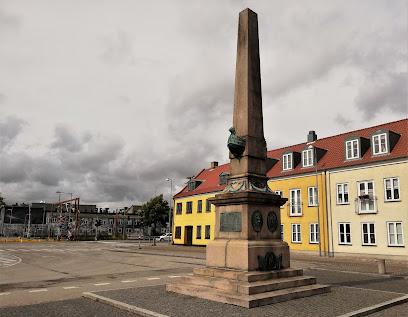
“Slaget i Køge Bugt”
25.6 km
Harbourfront monument on Køge’s quay, quietly marking the dramatic naval battles once fought in the bay where today only fishing boats and leisure craft glide.
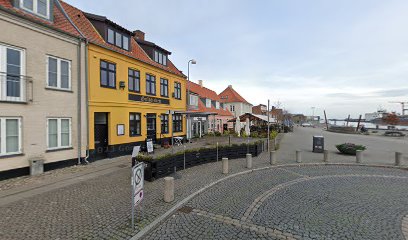
Befrielsessten i Køge
25.8 km
A solemn memorial to Denmark's liberation from Nazi occupation, standing in Køge's historic market square.
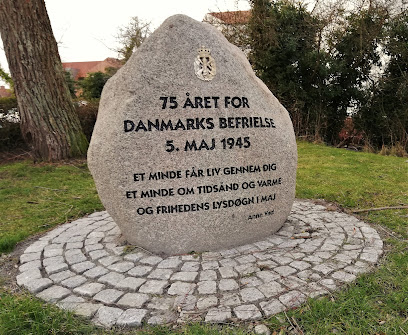
Køge St.
25.8 km
Experience Skagen’s iconic Det Grå Fyr, an elegant lighthouse offering breathtaking views, unique birdwatching, and local culture at Denmark’s northernmost edge.
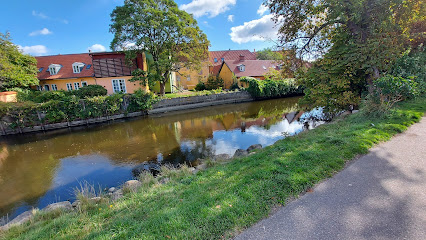
Køge Torv
25.9 km
Denmark's largest medieval town square, where seven centuries of history unfold on cobblestones.
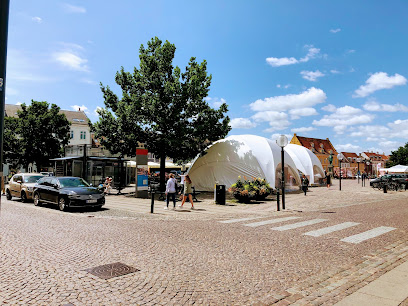
VisitKøges selvbetjente turistbureau
26.0 km
An iconic 19th-century lighthouse at Denmark’s northern tip, famed for panoramic views, migrating birds, and immersive maritime and nature exhibits.
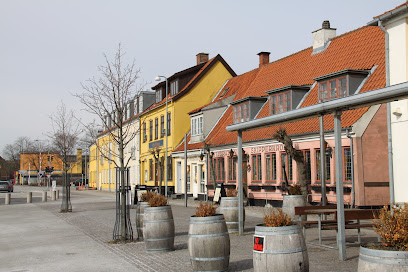
Visit
26.1 km
Historic lighthouse and bird observatory at Denmark’s northern tip, with panoramic sea views, interactive nature exhibits, and a vibrant café in wild coastal surroundings.
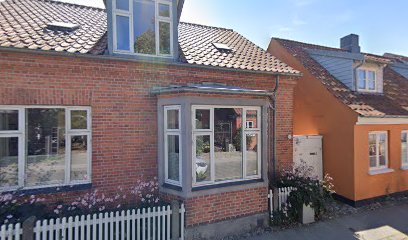
Køge Nord
30.0 km
A soaring timber‑lined footbridge and high‑speed rail hub turning everyday commuting into a slice of contemporary Danish architecture and panoramic landscape.
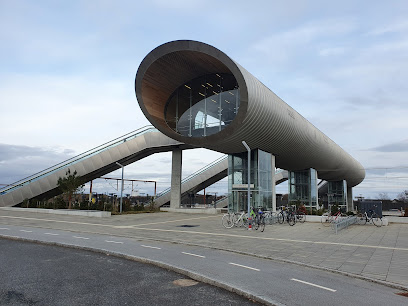
Høje Møn
31.2 km
Denmark's tallest white chalk cliffs rise 128 meters above the Baltic, crowned by legendary tales and ancient forests.

Pension Elmehøj
31.7 km
Experience Møn's charm at Pension Elmehøj: Affordable comfort near Stege, close to Møns Klint, Elmelunde Church, and the Camønoen hiking trail, perfect for families and budget travelers.
Pangea Park
34.3 km
Experience global wildlife up-close in Zealand’s countryside, with interactive exhibits, animal encounters, and a strong conservation focus at Pangea Park near Bjæverskov.
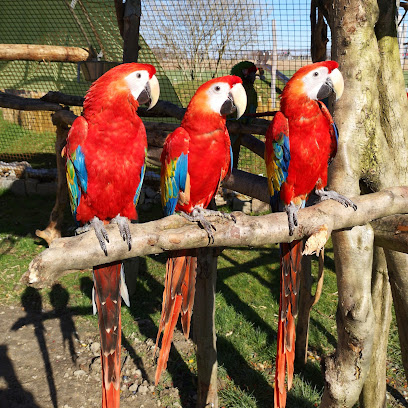
Rose Stege Restaurant
34.4 km
Discover the authentic tastes of Denmark at Rose Stege Restaurant, where delicious pizzas and local dishes await in a cozy atmosphere.
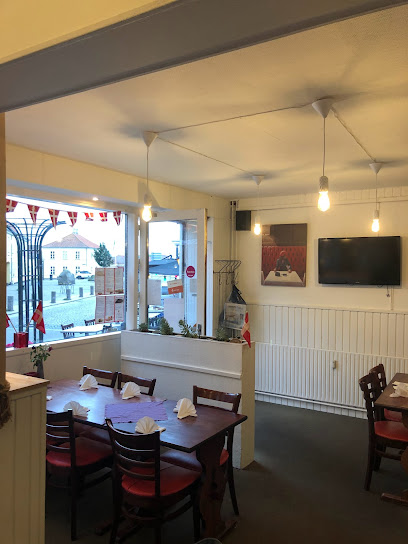
Restaurant pizzeria Delfino
34.5 km
Experience authentic Italian cuisine in the heart of Stege at Restaurant Pizzeria Delfino, where fresh ingredients and a warm atmosphere create a memorable dining experience for all.
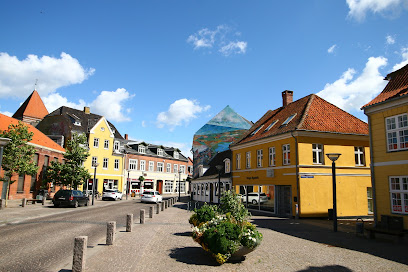
Unmissable attractions to see

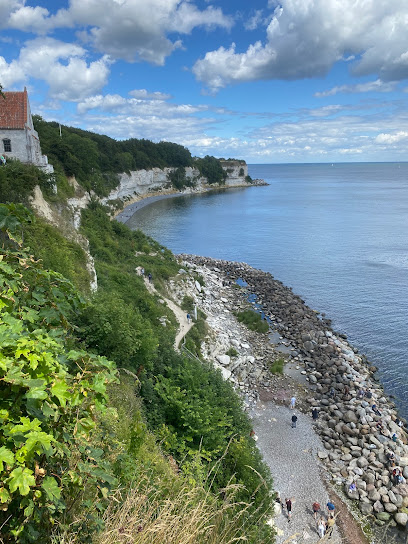
Højerup old church
0.1 km
Experience the harmony of nature and history in Solgårdsparken—a scenic public park on the Køge coast, perfect for peaceful walks, family outings, and cultural events.
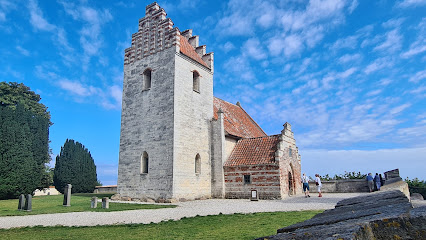
Højerup Kirke
0.2 km
Cliff-edge medieval church above Stevns Klint, where a vanished choir, Baltic sea views and centuries of coastal history meet in one dramatic stop.
Stevns Lighthouse
1.4 km
Historic lighthouse on the edge of Stevns Klint, blending maritime heritage with wide Baltic Sea views and windswept chalk‑cliff scenery near Store Heddinge.
Cold war museum Stevnsfort
2.8 km
Descend into a former NATO stronghold carved into the cliffs of Stevns Klint, where underground tunnels, heavy guns and Baltic Sea views bring the Cold War vividly to life.
Boesdal Kalkbrud
3.5 km
A dramatic former limestone quarry where industrial heritage meets 66-million-year-old geological secrets.
Stevns Klint Experience
3.5 km
Jægersborggade: A lively fusion of artisan shops, gourmet delights, creative studios, and local culture at the vibrant heart of Copenhagen’s Nørrebro district.
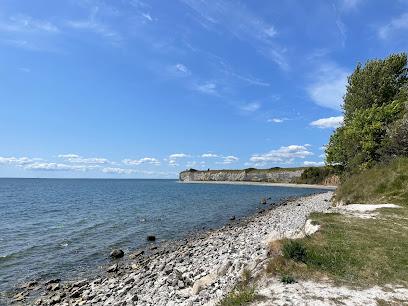
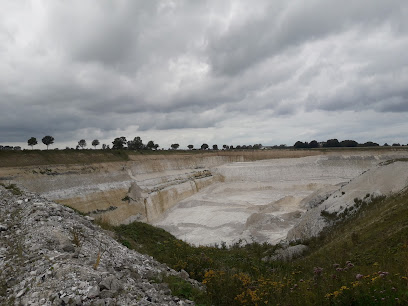
Stevns Kridtbrud
4.7 km
A raw chalk quarry on the Stevns peninsula, where bright white walls, industrial cuts and coastal light reveal the geology that underpins the Stevns Klint landscape.
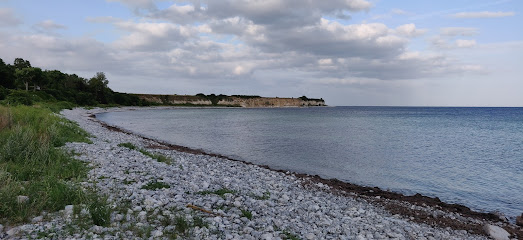
Rødvig Beach
4.9 km
A gentle, family-friendly strand on South Zealand’s Stevns coast, where soft sand, shallow Baltic waters and harbour life meet in an easygoing seaside setting.
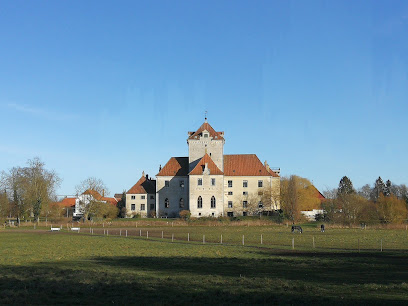
Gjorslev
9.5 km
One of Denmark’s oldest inhabited medieval castles, Gjorslev combines Gothic stonework, moats and beech forest walks in a quietly atmospheric manor landscape.
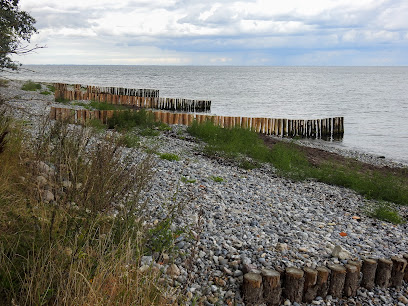
Køge Sønakke
14.2 km
Quiet coastal reef on Køge Bay with wide horizons, leopard-bottom shallows and renowned sea trout fishing, offering a low-key slice of Denmark’s Baltic shoreline.
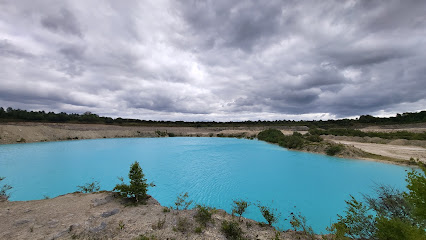
Den blå sø
19.9 km
A vivid turquoise lake framed by towering white chalk walls, Den Blå Sø transforms Faxe Limestone Quarry into one of Denmark’s most surreal and photogenic landscapes.
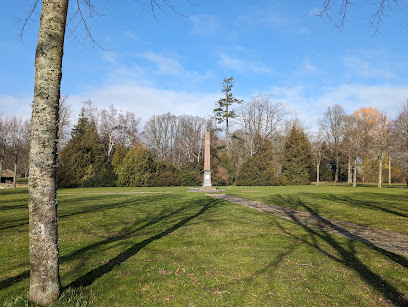
Mindesten for greve Christian Moltke
20.2 km
Discover Køge Church, a stunning Gothic landmark with historic interiors, breathtaking architecture, and centuries-old maritime connections at the heart of Køge.
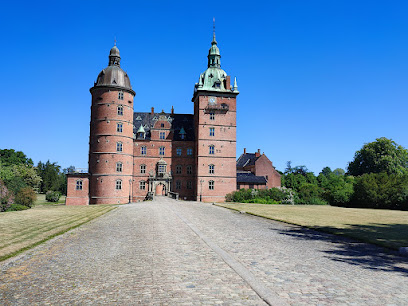
Vallø Castle
20.2 km
A red-brick Renaissance castle in a tranquil park south of Køge, where noble history, towers and moat reflections meet open lawns and quiet woodland paths.
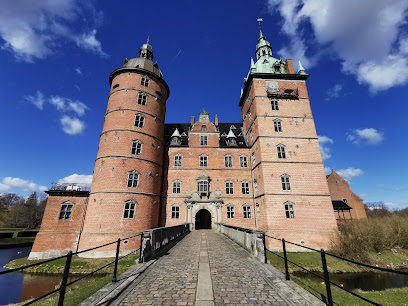
Vallø Slotspark
20.4 km
A 15-hectare English landscape garden surrounding a historic red-brick castle, where Danish noble history blooms among rare heritage trees.
SEBG Badebro - Strandparksvej
20.5 km
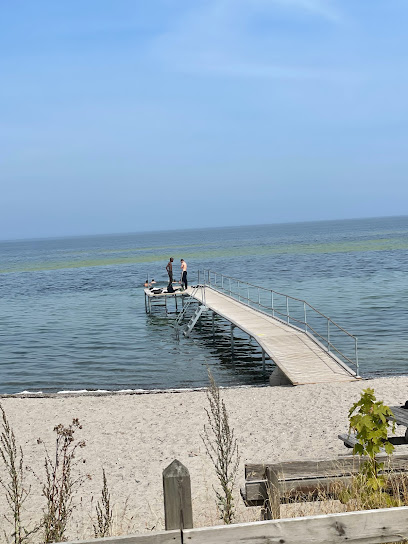
A simple wooden bathing jetty on Køge Bugt, SEBG Badebro at Strandparksvej offers relaxed, everyday Danish sea-swimming in a quiet coastal neighbourhood.
Essential places to dine

Mad & Ro
1.4 km
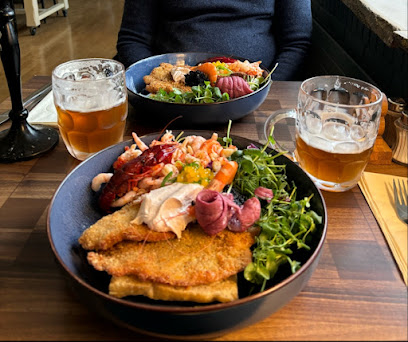
Hearty Danish coastal cooking beside Stevns Lighthouse, where homemade lunch plates, open sandwiches and a grassy lawn meet sweeping views of cliff and sea.
Café Bliss
5.1 km
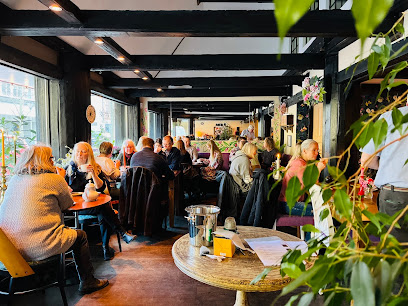
A homely, hygge‑filled café‑restaurant in the heart of Store Heddinge, blending colourful conscious cooking, a leafy courtyard and a relaxed community living‑room vibe.
Cafe Skov & Strand
15.9 km
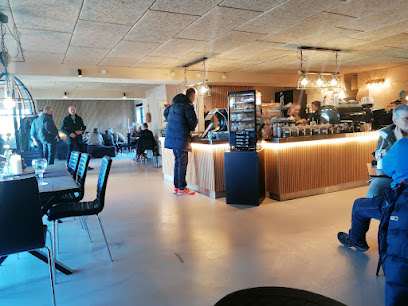
Affordable beachside café where forest meets coast, serving generous Danish fare and ice cream.
Elverhøi
25.2 km
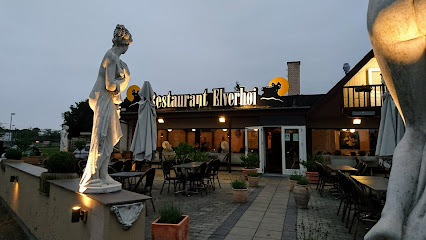
Cosy neighbourhood Italian on Vordingborgvej in Køge, serving generous pizzas, comforting pasta and relaxed hygge vibes from late afternoon into the evening.
Restaurant Kulhuset
25.3 km
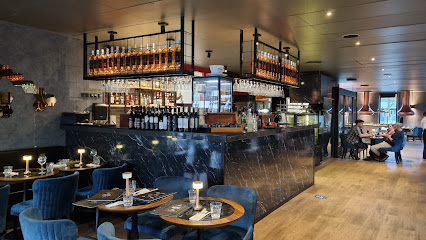
Harbourfront steakhouse in Køge where you grill your own cuts at custom tables, pairing hearty meat dishes with marina views and a relaxed social vibe.
Pakhuset Braunstein
25.4 km
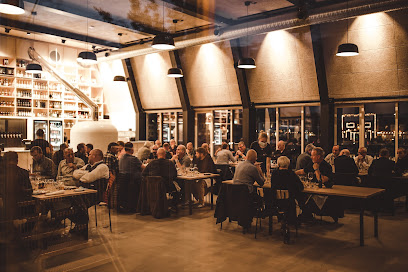
Waterfront Danish taphouse in Køge’s harbor, pouring Braunstein craft beers alongside casual food in a light‑filled, architect‑designed social space by the quay.
Bournonvilles Wild West - cowboyfest.dk
25.4 km
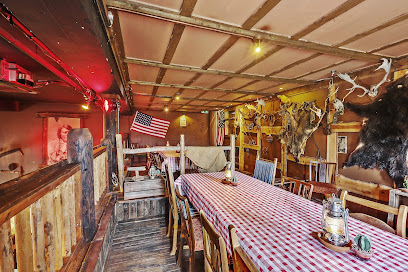
A full-throttle Wild West saloon near Haslev, serving hearty buffets, strong drinks and cowboy-themed fun for groups, celebrations and company parties.
Limone
25.5 km
Harbourfront Italian cooking in Køge, where candlelit tables and marina views meet generous pastas, grilled meats and classic desserts in a warm, relaxed setting.
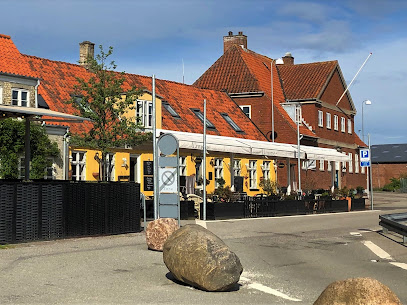
Bossa Nova
25.5 km
Cozy harborfront restaurant in Køge blending relaxed bossa nova vibes, generous seafood and steaks, candlelit interiors and marina views ideal for slow, lingering meals.
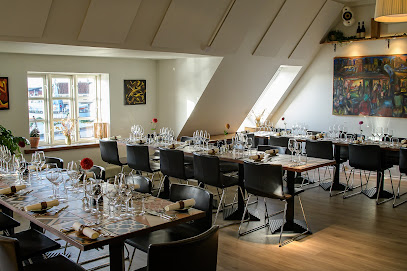
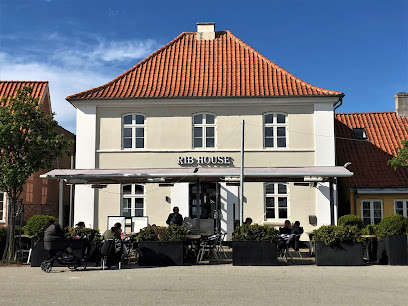
Rib House Køge
25.5 km
Casual harborfront steakhouse in Køge serving hearty ribs, grills and buffets in relaxed, family-friendly surroundings by the waterfront.
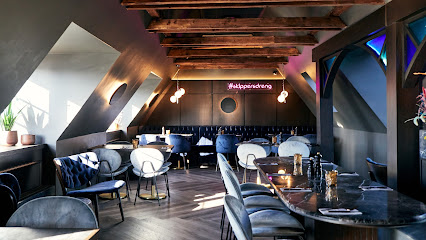
Skippers Dreng
25.6 km
Casual harbourfront brasserie and bar in Køge, blending Danish comfort food, steaks and brunch with long, relaxed evenings by the waterfront.
Chiang Mai Thai Cuisine Restaurant & Take Away
25.6 km
Authentic Thai cuisine with generous portions on Køge harbour—casual, friendly, and excellent value.
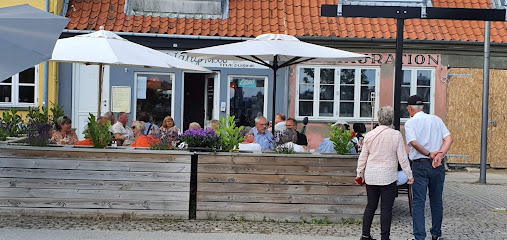
Jenners Dockside
25.6 km
Harborfront Danish dining in a yellow half-timbered house, combining smørrebrød, smoked seafood and sunny terrace views over Køge’s atmospheric old quay.
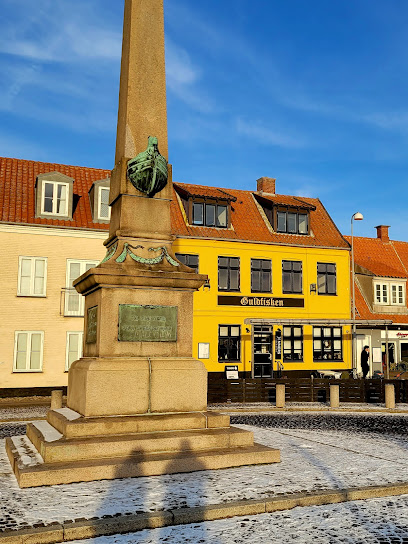
Siesta Prime Grill
25.7 km
Casual grill house in the centre of Køge serving hearty Mediterranean‑inspired comfort food, ideal for laid‑back lunches, relaxed dinners and social evenings.
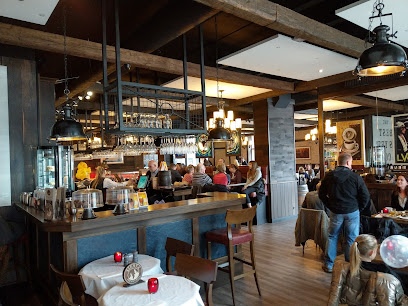
Sandwich Cafeen
25.7 km
Hearty, freshly made sandwiches in the heart of Køge’s old town, ideal for a quick, tasty stop between historic streets and harbour strolls.
Markets, malls and hidden boutiques

My Apartment Køge
25.7 km
A cosy, apartment-inspired fashion boutique in central Køge, blending Scandinavian style, curated brands and a relaxed, home-like shopping atmosphere.
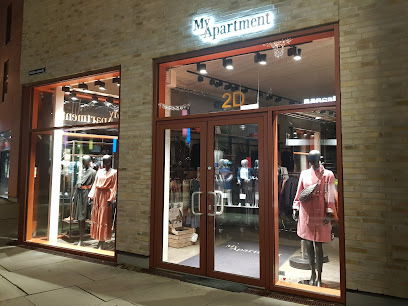
Den Blå Dør
25.8 km
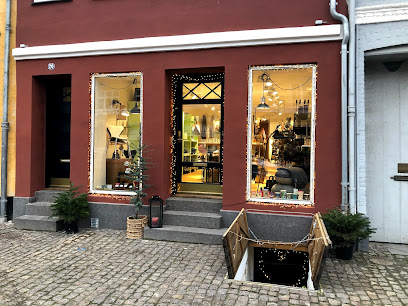
A cosy blue-doored boutique in Køge’s old town, blending Scandinavian interiors, fashion and small everyday luxuries in a colourful, carefully curated setting.
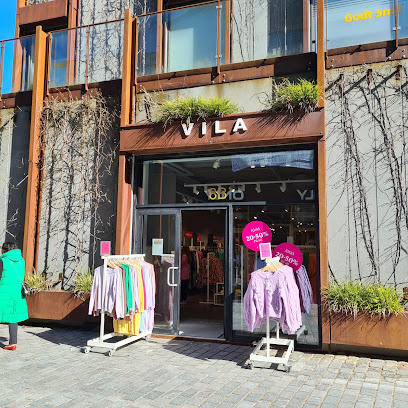
VILA
25.8 km
A light-filled Scandinavian fashion boutique in Køge’s old town, blending feminine everyday styles with relaxed, modern Nordic design.
Miss O
25.8 km
Contemporary women's fashion in a hidden courtyard boutique at the heart of Køge's historic shopping district.
Kings & Queens Køge
25.8 km
Curated contemporary fashion for young adults in central Køge's vibrant shopping district.
NORMAL Køge, Strædet
25.8 km
A bright, maze-like discount shop in Køge’s Strædet centre, where everyday branded essentials and quirky finds turn a simple errand into a low-cost mini treasure hunt.
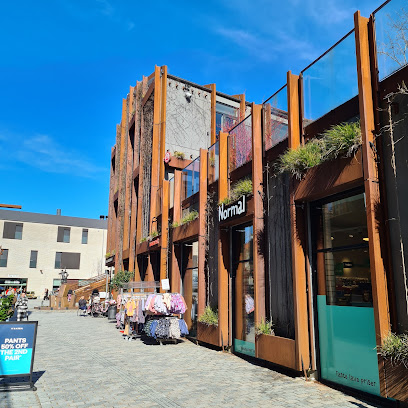
Strædet Køge
25.8 km
Open-air shopping street in the heart of Køge, blending modern Scandinavian retail, cafés and everyday services with the charm of a historic Danish market town.
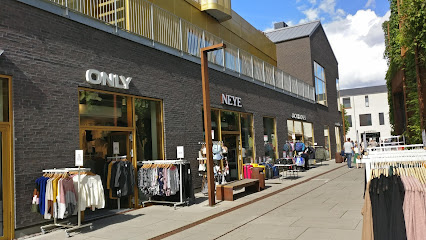
Zizzi - Køge
25.8 km
Modern Scandinavian plus size fashion in the heart of historic Køge, offering curve-friendly styles, relaxed fitting rooms and personal styling help on Brogade.
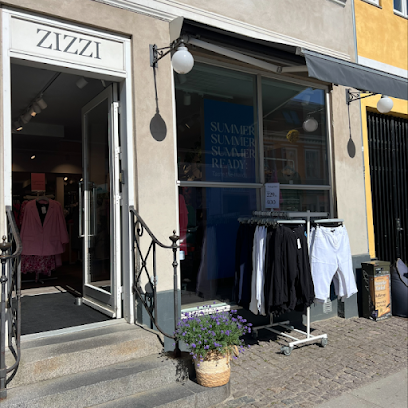
JACK & JONES
25.8 km
Straightforward Scandinavian menswear in Køge’s Strædet shopping street, with a strong focus on denim, casual basics and easy everyday style.
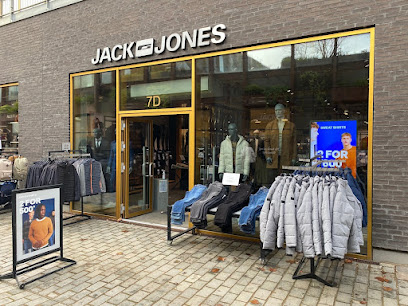
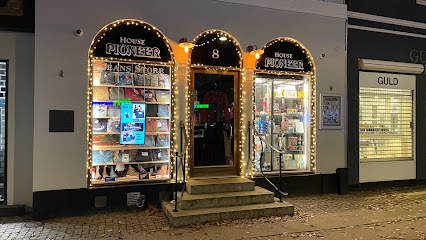
Pioneer V/søren Marsner Hansen
25.8 km
Owner-led menswear boutique in Køge’s historic center, offering curated Scandinavian-inspired clothing and a calm, personal shopping experience.
køge butikker brogade
25.8 km
A cosy antiques haven on historic Brogade, where pewter, brass and pre‑1900 treasures from South Zealand fill creaking rooms with stories from another era.
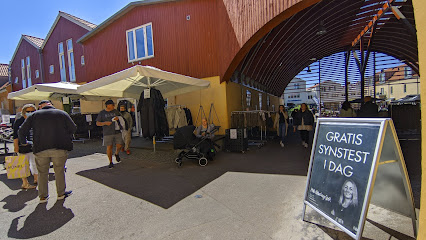
La Belle
25.9 km
Contemporary women's fashion in the heart of Køge's charming old town.
Uldahl
25.9 km
A calm, Scandinavian-style women’s boutique in central Køge, offering curated wardrobe pieces, friendly guidance and an unhurried atmosphere on Jernbanegade.

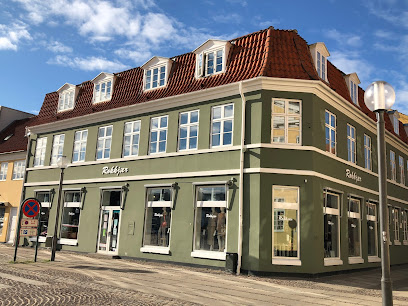
Rokkjær-Køge
25.9 km
A contemporary Scandinavian womenswear boutique on Køge’s historic market square, blending modern style, local brands and a building marked by centuries of town history.
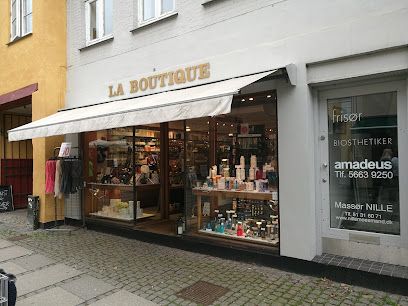
Cosmetics La Boutique
25.9 km
Køge's premier destination for curated fragrances, skincare, and beauty accessories.
Essential bars & hidden hideouts

The Old Irish Pub
25.5 km
Køge's benchmark for weekend nightlife with live music, cocktails, and authentic Irish pub atmosphere.
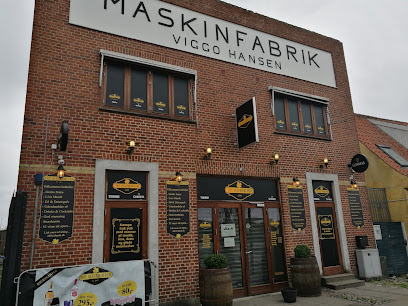
Ibsens Pub & Vinbar
25.5 km
Waterfront wine bar and pub where Nordic hospitality meets harbor views and live entertainment.
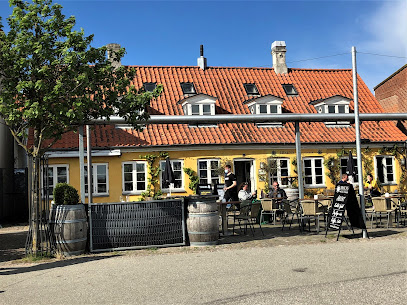
Vinbaren Køge
25.7 km
Intimate wine bar in Køge’s old town, serving well-chosen bottles, tapas-style plates and plenty of Danish hygge from relaxed afternoons to late-night last pours.
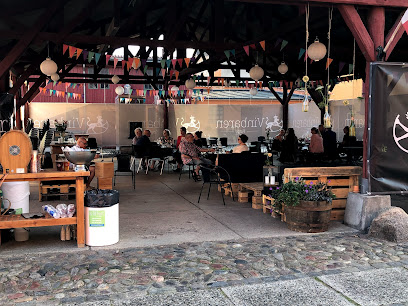
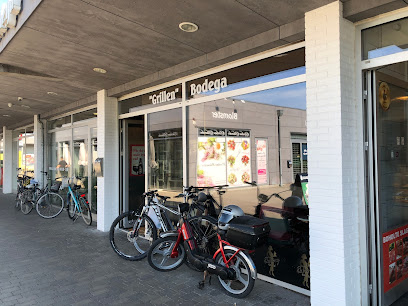
Grillen
25.8 km
Casual grilled fare in the heart of Køge, open daily for straightforward dining and drinks.
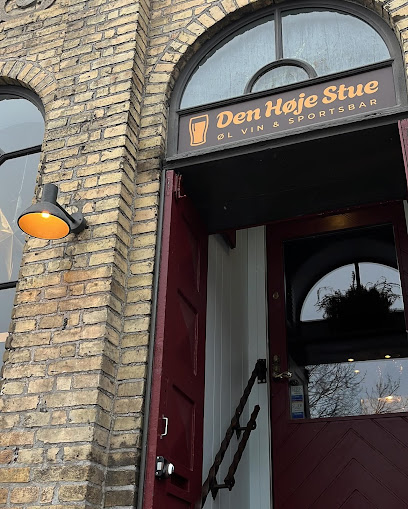
Den høje stue
26.0 km
Cosy sportspub on Køge’s historic Torvet, pairing classic bar vibes with big-screen matches and relaxed small‑town atmosphere late into the evening.
Bodega Slap A
26.0 km
Køge's electric nightlife hub where quality drinks meet vibrant DJ sets and dancing until dawn.
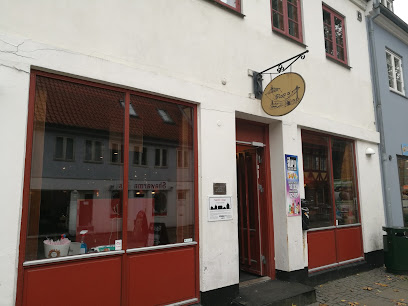
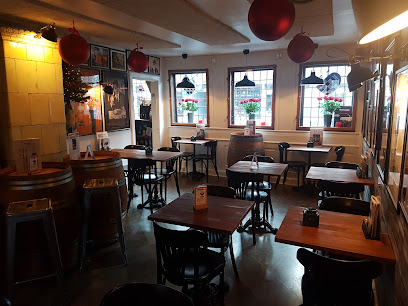
RICHTERs Ølstue
26.1 km
Characterful beer hall in Køge’s historic centre, pouring quality specialty brews and serving hearty Danish smørrebrød in a warm, wood-accented pub setting.
Café Asti
26.1 km
Intimate wine and tapas bar in Køge's heart, where Italian flavors meet European sophistication.
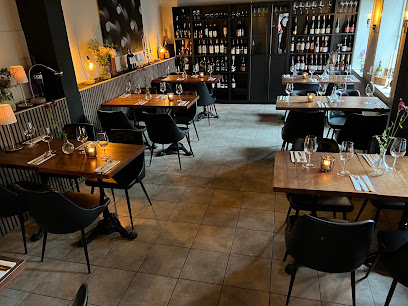
Ellemarkens Bodega Drøvlen
26.2 km
Unpretentious local bodega and community hangout in Køge’s Ellemarken district, serving inexpensive drinks, sports on TV and a relaxed slice of everyday Danish life.
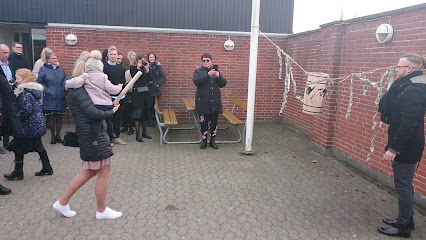
Sussis Bodega ApS
29.0 km
Rural Danish bodega in an 1800s house along Stavreby Strandvej, offering simple drinks, informal company and a quietly coastal countryside atmosphere.
MC 19 Køge
30.6 km
Unpretentious roadside bar on the edge of Lille Skensved, blending motorcycle-club spirit with classic Danish pub hospitality and a relaxed, locals-first atmosphere.
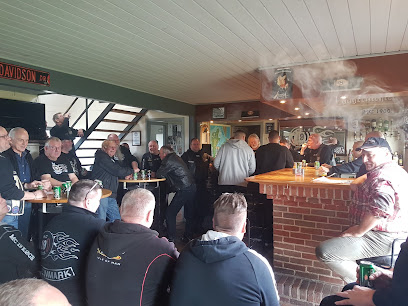
Bykroen
31.0 km
Cozy local bar and live music hangout on Haslev’s main street, offering simple drinks, late-weekend nights and an authentic small-town Danish atmosphere.
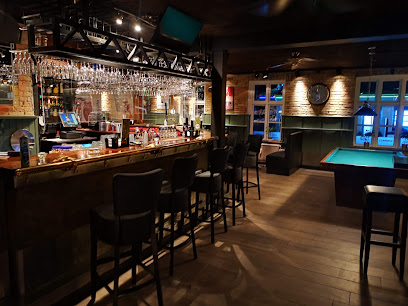
Cafe Borre
31.4 km
Homemade pastries and genuine warmth in a charming Borre village café.
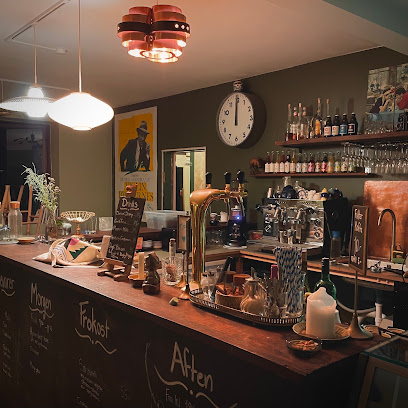
Mølleporten Øl- og Vinstue
34.0 km
A classic Danish “brown pub” on Stege’s main street, pairing local atmosphere, simple drinks and small-town charm just down from the town’s medieval gate.
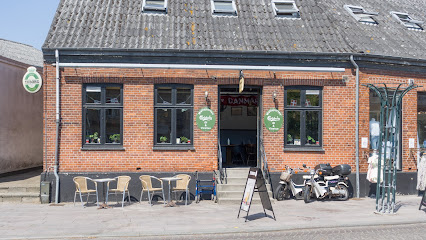
Ba'ryhl Bar & Café
34.1 km
Cosy café by day, intimate cocktail bar by night, Ba'ryhl brings small‑town warmth, good drinks and relaxed conversation to the heart of Stege on Møn.
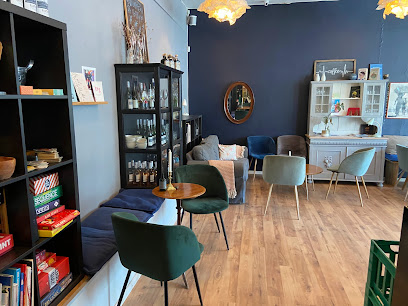
Nightclubs & after hour spots

Bloom Nightclub
25.5 km
Late-night harborfront beats and a compact dance floor bring big-night energy to small-city Køge every Friday and Saturday.
The Flame
25.5 km
Compact, high-energy nightclub by Køge’s harbor, serving up youthful beats, live acts and weekend dance-floor vibes in an intimate, no-frills setting.
LUSIO
25.5 km
Compact harbor-side nightclub in Køge with late Friday hours, a tight dance floor, and an intimate, no‑frills setting for Danish weekend nights out.
Avenue Næstved
43.5 km
Lively nightspot and flexible event hall in central Næstved, mixing dancefloor energy, festive dinners, stand-up comedy and themed parties under one roof.
KB3
43.7 km
Discover the pulse of Copenhagen's nightlife at KB3, a lively night club in Vesterbro offering unforgettable music and vibrant experiences.
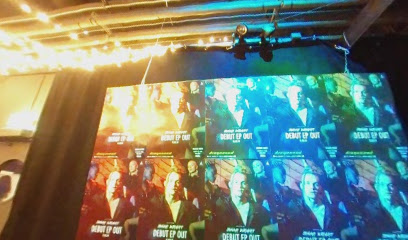
Crazy Daisy Næstved
43.7 km
High‑energy weekend nightclub in central Næstved, packing loud beats, flashing lights and a late‑night local crowd into a compact, classic Danish town‑club setting.
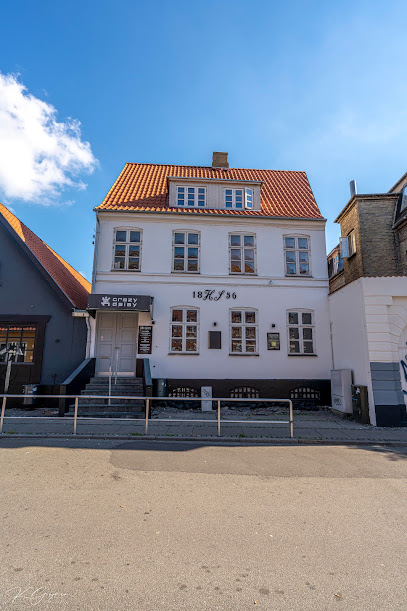
The Union
43.9 km
Discover the vibrant nightlife at The Union, Copenhagen's premier night club offering electrifying music and an unforgettable experience.
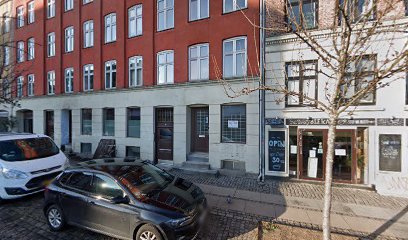
Baggen
44.0 km
Discover the electrifying atmosphere of Baggen, where Copenhagen's nightlife comes alive with vibrant music and unforgettable experiences.
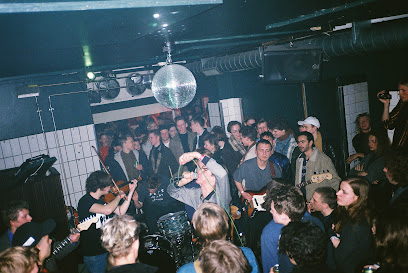
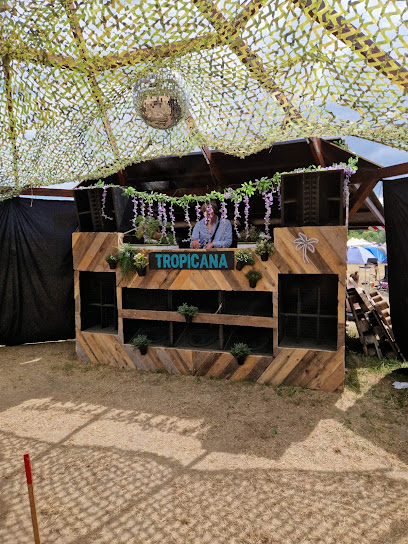
Tropicana DC
44.1 km
Compact Latin-flavoured nightclub on Roskilde’s industrial edge, delivering loud beats, simple drinks and a late-night dancefloor focused purely on partying.
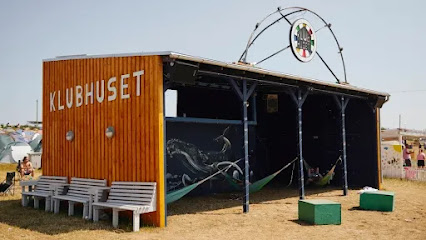
Klubhuset
44.2 km
Low-key local clubhouse turned disco-style nightspot, where a simple bar, small dance floor and regulars’ vibe create relaxed, unpretentious nights in Roskilde.
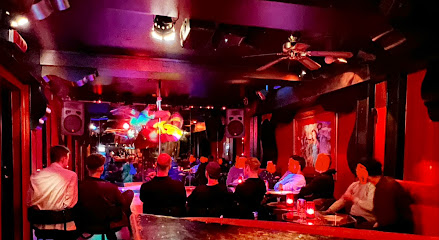
Dollhouse Striptease Nightclub
44.2 km
Experience the vibrant nightlife of Copenhagen at Dollhouse Striptease Nightclub, where adult entertainment meets unforgettable performances.
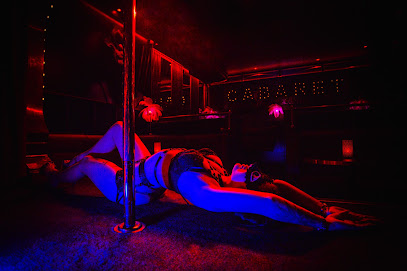
CristalClubCopenhagen
44.2 km
Dive into Copenhagen's nightlife at Cristal Club, where upscale ambiance meets electrifying music and unforgettable experiences.
Vela Lesbian Lgbtq+ NightClub
44.3 km
Experience the inclusive spirit and vibrant nightlife at Vela Lesbian LGBTQ+ Nightclub in Copenhagen, where every night is a celebration of love and diversity.
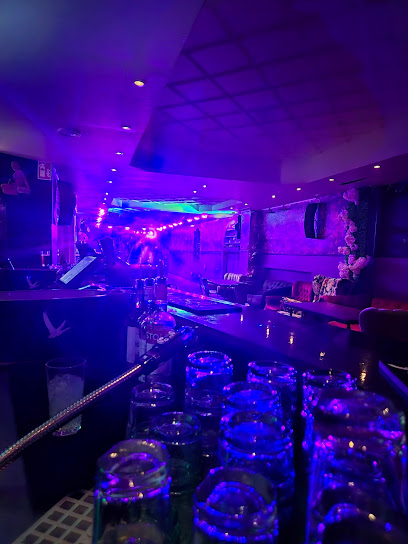
Haven - Events
44.5 km
Discover the electrifying nightlife at Haven, Frederiksberg's top night club, where music, dance, and fun come together for an unforgettable experience.
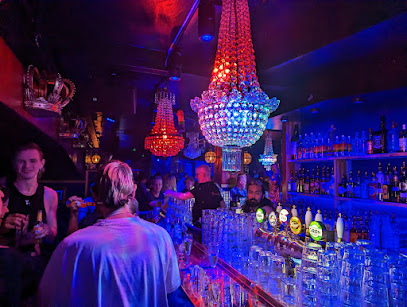
Never Mind
44.7 km
Experience the vibrant nightlife of Copenhagen at Never Mind, where electrifying music meets an eclectic crowd for unforgettable nights.
For the vibe & atmosphere seeker
- Scenic
- Tranquil
- Relaxing
- Unique
- Adventurous
For the design and aesthetic lover
- Minimalist Designs
- Rustic Designs
For the architecture buff
- Viewpoints
- Parks & Gardens
- Heritage Neighborhoods
- Sacred Sites
- Landmarks
For the view chaser and sunset hunter
- Iconic Views
- Panoramas
- Waterfront
- Sunrise Spots
- Sunset Spots
For the social media creator & influencer
- Photo Spots
- Instagrammable
- Architectural Shots
- Selfie Spots
- Reel-Friendly
For the eco-conscious traveler
- Low Impact
- Protected Area
- Public-Transport Accessible
- Leave-No-Trace Critical
- Locally Managed
- Wildlife Habitat
For the kind of experience you’re after
- Cultural Heritage
- Photowalk
- Adventure Photo Shoot
- Nature Escape
- Roadtrip Stop
- Day Trip
- Mindfulness
For how adventurous you want the journey to be
- Easy Access
- Requires Hike
Location Audience
- Family Friendly
- Senior Friendly
- Child Friendly
- Teen Friendly
- Solo Friendly
- Couple Friendly
- Solo Female Friendly
- Vegetarian Friendly
- Vegan Friendly


