

Gjorslev Travel Guide
Free Guide: One of Denmark’s oldest inhabited medieval castles, Gjorslev combines Gothic stonework, moats and beech forest walks in a quietly atmospheric manor landscape.


A brief summary of Gjorslev
One of Denmark’s oldest inhabited medieval castles, Gjorslev combines Gothic stonework, moats and beech forest walks in a quietly atmospheric manor landscape.
Gjorslev Castle is one of Denmark’s most evocative medieval estates, a cruciform Gothic fortress set amid woods, fields and wetlands on the Stevns Peninsula. Built around 1400 for the Bishop of Roskilde and still inhabited today, it pairs massive limestone and brick walls, moats and a 30‑metre tower with a tranquil manor landscape, beech forest and rich birdlife. Concerts, guided tours and seasonal events bring life to this otherwise quietly dignified stronghold.
On-site amenities
 Restrooms
 Food options
 Seating areas
 Sheltered areas
 Trash bins
 Information boards
- Address
- Gjorslevvej 20C Holtug, Gjorslevvej, 4660 Store Heddinge
- Phone
- Website
Getting there
Regional train and bus from Copenhagen
Car from Copenhagen and Køge
Cycling from Store Heddinge
Discover more about Gjorslev
A medieval stronghold on the Stevns Peninsula
Gjorslev Castle rises over flat Zealand farmland like something from an illuminated manuscript. Around 40 kilometres south of Copenhagen, it occupies a gentle rise framed by lakes, reed beds and carefully managed fields. The first impression is of mass and symmetry: a cruciform main building in warm brick and pale limestone, ringed by water-filled moats that still underline its defensive origins.Built around 1400 for Peder Jensen Lodehat, Bishop of Roskilde, Gjorslev was conceived as both a power statement and a working centre of a large ecclesiastical estate. Its position near the coast gave access to trade routes, while the fertile hinterland ensured agricultural wealth. Unlike many castles that became romantic ruins, Gjorslev has remained an inhabited manor, its life as an active estate continuing into the present day.
Gothic stonework and baroque refinements
Architecturally, Gjorslev is one of Denmark’s clearest examples of secular Gothic design. The cruciform plan gives the castle its distinctive silhouette when seen from the surrounding lanes or from across the moat. Limestone from the nearby Stevns cliffs is combined with large medieval bricks, creating a tactile patchwork of textures that shifts colour in different light.At the centre, a nearly 30‑metre tower stacks seven storeys above a vaulted cellar, once the discreet entrance point for visitors approaching by drawbridge. Later baroque remodelling softened the fortress feel: a new main entrance was carved into the eastern arm, the former chapel was removed, and an elegant staircase and façade were added. Yet from many angles the building still reads as a compact, defensive block, its arrow-slit windows and steep roofs recalling a more unsettled age.
From bishops’ seat to working manor
Gjorslev’s story mirrors the broader history of Denmark. After serving as a residence for Roskilde’s bishops, the estate was confiscated during the Reformation and later passed through noble families and the Crown. Each era left small marks: a new wing here, a redesigned interior there, or changes to how the surrounding land was farmed and managed.Today the castle functions as the heart of a modern estate, combining agriculture, forestry and events. Parts of the grounds host concerts, cultural gatherings and occasional guided tours, which open selected interiors and courtyards to visitors. It remains a private home, so access to the main building is restricted and often tied to organised visits, but the lived-in quality is part of its appeal: this is not a frozen monument, but a place that has never stopped working.
Forests, birdlife and burial mounds
The broader Gjorslev estate encompasses Gjorslev Beech Forest, a broadleaf woodland that runs down towards Køge Bay. Here, beech trunks rise in clean columns and spring light filters green across forest paths. Within the trees lies Møllesøen, a small lake with a rich birdlife and an observation tower that looks out over reeds and waterfowl, making the area rewarding for quiet nature walks and birdwatching.Scattered through the forest are dozens of prehistoric burial mounds, including Fruehøj, a remarkably long barrow that stretches over 50 metres. Their low, grassed-over forms remind you that this landscape has been valued and settled for thousands of years before the castle’s walls were raised. The combination of medieval architecture, manor parkland, forest and ancient monuments gives Gjorslev a layered, almost timeless atmosphere.
Experiencing Gjorslev today
A visit to Gjorslev is as much about atmosphere as about specific sights. Approaching along the estate road, you see the castle slowly emerge over fields, its reflection flickering in the moat. The rhythms are unhurried: a stroll around the outer grounds, pauses to admire the stonework and tower, perhaps a walk or cycle on local trails linking the estate with the nearby beech forest and coast.When events or guided tours are scheduled, they offer a glimpse beyond the façades and into halls that mix historic details with everyday life. Even without interior access, the ensemble of castle, farm buildings, avenues of trees and open sky captures a distinctive corner of South Zealand – a place where ecclesiastical power, noble ambition and rural landscapes converge in one quietly compelling scene.
Evendo Review Centre
 Google
Guest reviews
Best time to go
Quietest: Jan, Feb & Dec · before 8am or at 8pm
Busy times are Evendo estimates for a typical year, to help you plan. Actual crowds vary with events, school holidays and the weather.
Explore Gjorslev on the map
A handpicked selection of must-see spots near Gjorslev, mapped for you.
Get your free copy of our complete guide to Gjorslev, delivered straight to you.
Everything on this page, from opening hours and how to get there to Eve’s tips and the best time to go, in one PDF you can read offline, print or share.
Already have an account? Sign in
Your Gjorslev guide is ready.
We'll send it to · Not you? Sign out

Getting your guide ready…
We are putting together a fresh copy of the Gjorslev guide. This can take up to a minute.
This can take a few moments. If your browser asks, choose Allow so the download can start. You'll find the guide in your Downloads folder.
Nothing happened? Download it again
Sorry, the guide is taking longer than usual. Please try again in a minute, or get it by email instead.
Other nearby places you may find interesting
The closest places of the same kind, if this one is not quite what you had in mind.
-
-
-
-
-


Swipe for more places
More to explore near Gjorslev

 Best experiences near Gjorslev
 Best hotels near Gjorslev
 Best landmarks near Gjorslev
 Best attractions near Gjorslev
 Best shops near Gjorslev
 Best restaurants near Gjorslev
 Best bars near Gjorslev
Do you manage this location?
Take control to get all the benefits, like improved information, better appearance, and stronger visibility across AI-powered discovery.
Explore more
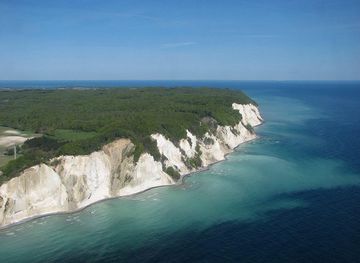
Explore more of South Zealand
Discover South Zealand, where dramatic cliffs, historic castles, and charming coastal towns create the perfect Danish escape.
Explore South Zealand
Explore more of Denmark
Discover Denmark: A perfect blend of history, modern design, and the cozy concept of hygge. Explore vibrant cities, serene landscapes, and world-class cuisine.
Explore Denmark
