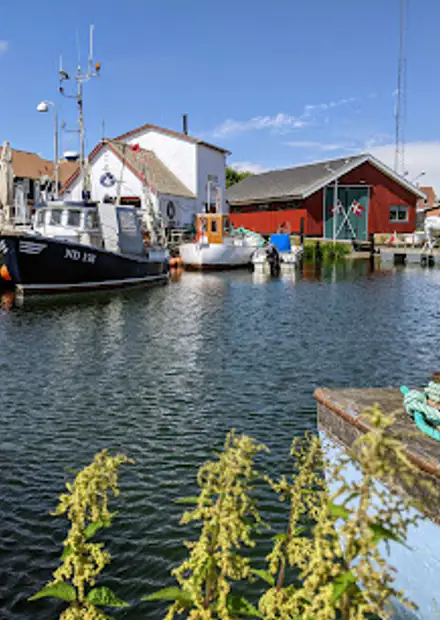
Best Landmarks Near Møn (South Zealand)
Planning a trip to Møn? Discover the best landmarks nearby with history, expert tips, and routes. Free on web or the Evendo app.


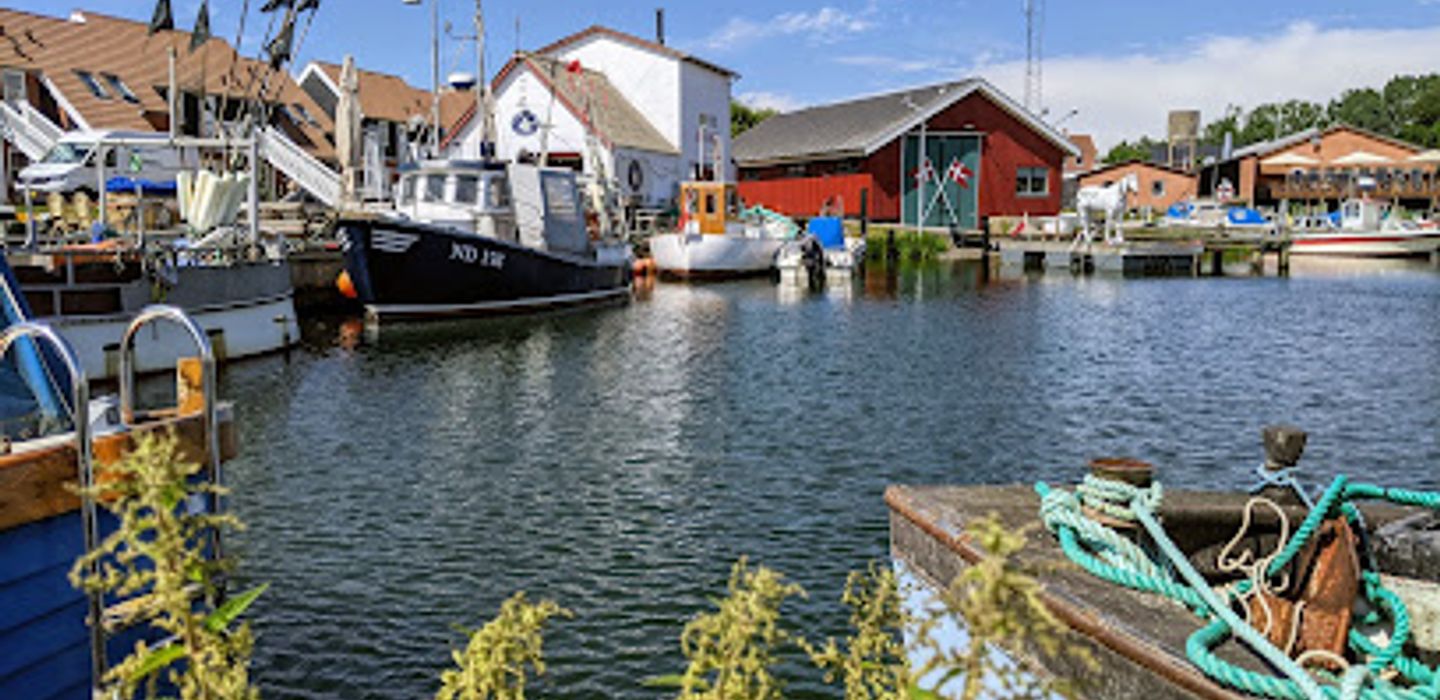
The best landmarks near Møn
- Top rated
- Closest to Møn
- Price level: low to high
- Time to spend: shortest first
- A–Z
76 landmarks
-
Bridge4.6★6,922 reviews
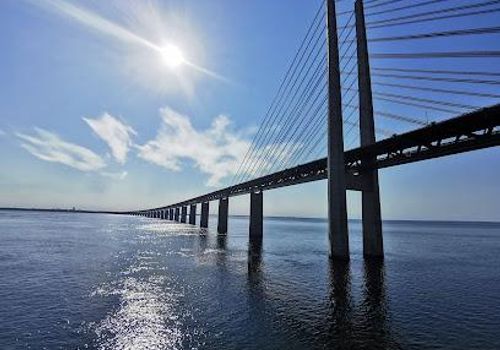
Øresund Bridge
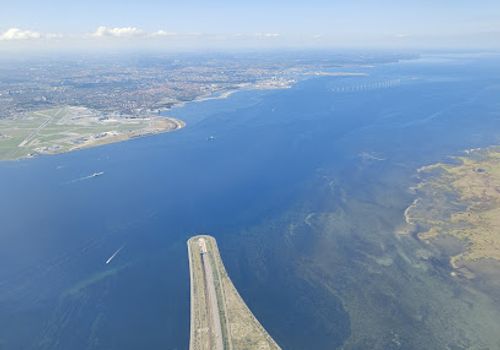
The Øresund Bridge is a 16-kilometre combined rail and road link connecting Copenhagen, Denmark and Malmö, Sweden across the Øresund Strait. Opened in 2000, this architectural marvel comprises an 8-kilometre cable-stayed bridge, a 4-kilometre underwater tunnel, and an artificial island. It carries over 60,000 daily travellers and is Europe's longest combined road-rail bridge, offering spectacular views of the Baltic Sea and serving as both a vital transport corridor and iconic symbol of Nordic cooperation.
Open 24 hoursPrice level $$Time to spend 0.2–2 hrs
-
Cathedral4.6★5,745 reviews
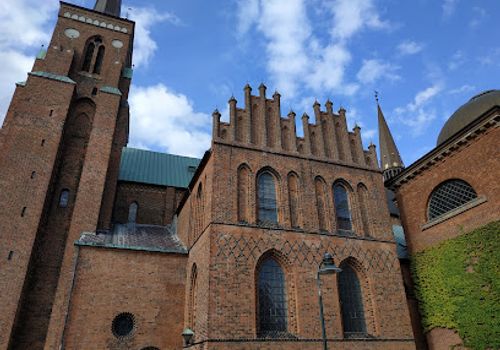
Roskilde Cathedral
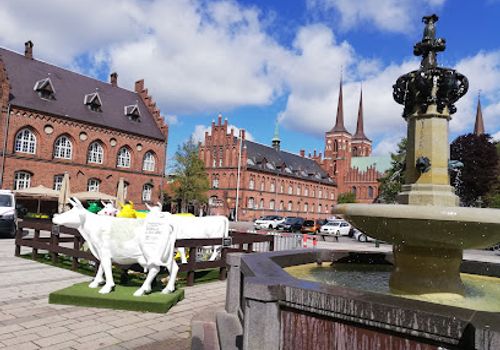
A magnificent red brick Gothic cathedral and UNESCO World Heritage Site in the heart of Roskilde, Denmark. This architectural masterpiece has served as the royal burial church for over 40 Danish kings and queens since the Middle Ages. With its soaring arches, distinctive royal chapels reflecting 800 years of European architectural evolution, and rich Viking heritage, the cathedral offers a captivating journey through a thousand years of Danish history. Located just 25 minutes by train from Copenhagen, it remains one of Denmark's most important cultural and historical landmarks.
Price level $Time to spend 1.5–3 hrs
-
Museum4.5★4,665 reviews
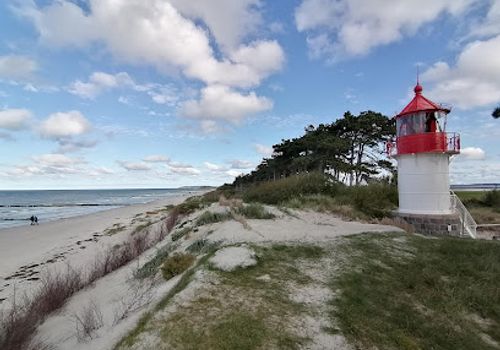
Cape Arkona Lighthouse
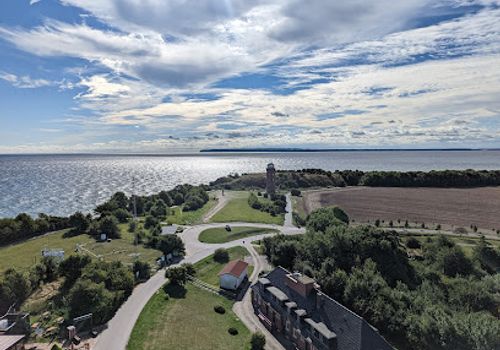
Cape Arkona Lighthouse stands as a stunning symbol of maritime history and natural beauty on Rügen Island, captivating tourists with its breathtaking views and rich heritage.
Daily 10:00–18:00
-
Tourist attraction4.6★4,002 reviews
Stevns Klint UNESCO World Heritage
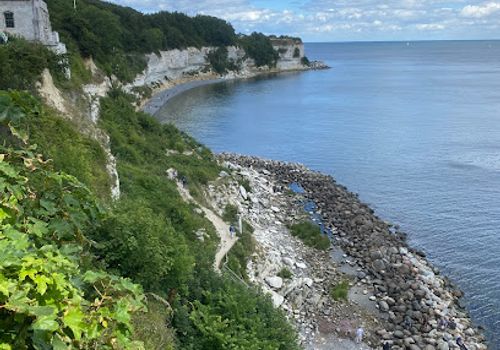
Stevns Klint is a 15-kilometer stretch of dramatic white chalk cliffs rising 40 meters above the Baltic Sea, located 50 kilometers south of Copenhagen. This UNESCO World Heritage Site preserves the world's most accessible and scientifically significant evidence of the Chicxulub meteorite impact 66 million years ago—the catastrophic event that ended the Age of Dinosaurs and caused the extinction of over 50% of all life on Earth. The cliffs reveal a remarkable fossil record spanning one million years before, during, and after the impact, making it essential for understanding mass extinction and evolutionary recovery.
Price level $$Time to spend 2–4 hrs
-
Tourist attraction4.8★3,154 reviews
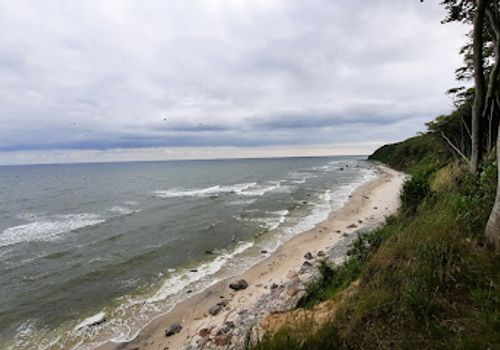
Møns Klint
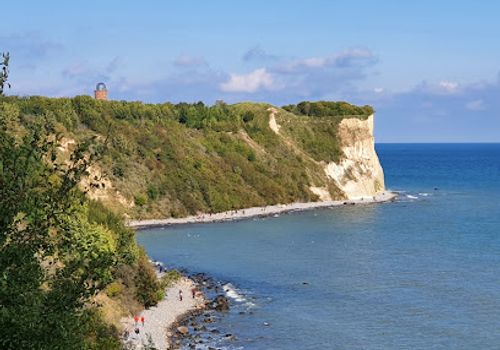
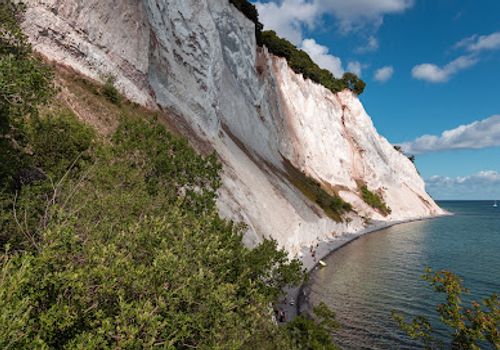
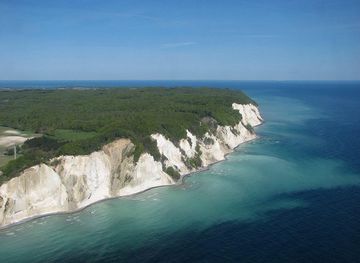
Møns Klint is Denmark's most dramatic coastal landscape, featuring towering white chalk cliffs rising 128 meters above the Baltic Sea on the island of Møn. The GeoCenter offers interactive exhibitions exploring 70 million years of geological history through 3D cinema, fossil displays, and guided outdoor experiences. Visitors can descend 496 steps to pristine beaches, hike scenic woodland trails, or challenge themselves on adventure activities including zip-lining and tree-top courses. Free year-round access to the cliffs contrasts with seasonal GeoCenter operations (Easter through October).
Open 24 hoursPrice level $$Time to spend 2–5 hrs
-
Tourist attraction4.6★2,626 reviews
Dodekalitten
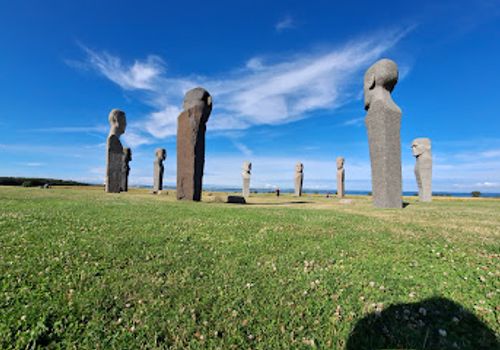
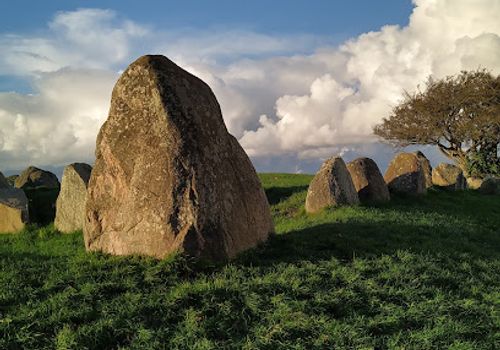
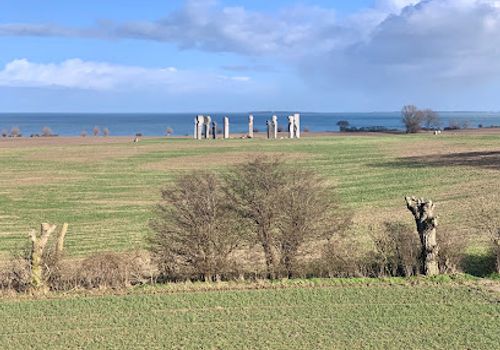
Dodekalitten is a monumental open-air art installation on Lolland featuring twelve granite sculptures standing 7–9 meters high in a 40-meter circle, each weighing 25–45 tonnes. Created by sculptor Thomas Kadziola and composer Wayne Siegel, the site combines carved stone figures with seasonally-responsive electronic music that plays from dawn to dusk, creating an immersive sensory experience. Located near the Bronze Age burial mounds of Glentehøj with panoramic views over the Smålandsfarvandet strait, this unique artwork merges history, sculpture, sound, and landscape into a meditative and otherworldly encounter.
Open 24 hoursTime to spend 1–3 hrs
-
Peninsula4.5★2,556 reviews
Cape Arkona
Cape Arkona, located on the northern tip of the Island of Rügen, is a breathtaking destination that offers stunning coastal views, rich historical significance, and a chance to explore nature's wonders. This picturesque peninsula, with its striking cliffs and lighthouses, attracts tourists seeking both adventure and tranquility.
-
Museum4.4★2,176 reviews
Darßer Ort Natureum
The Natureum Darßer Ort, nestled within the Vorpommersche Boddenlandschaft National Park, offers a unique blend of natural history and maritime heritage. Located at the tip of the Darß peninsula, this museum, a branch of the German Oceanographic Museum, showcases the diverse ecosystems of the Baltic Sea and the Darß region. Housed in and around the historic Darßer Ort Lighthouse, visitors can explore exhibits on coastal dynamics, marine life, and the unique flora and fauna of the Darß Forest. Ascend the 134 steps of the lighthouse for panoramic views of the ever-changing landscape, where the Baltic Sea meets the lagoon. The Natureum provides an immersive experience, educating visitors about the importance of preserving this fragile coastal environment. It's accessible only by foot, bike, or horse-drawn carriage, adding to its secluded charm and appeal for nature enthusiasts.
Daily 10:00–17:00
-
Park4.5★1,871 reviews
Liselund
Liselund is an exquisite 18th-century neoclassical palace nestled on the island of Møn, surrounded by Denmark's finest Romantic garden. Built in 1792 by architect Andreas Kirkerup for the noble couple Antoine and Lisa de la Calmette, this intimate estate showcases refined Danish architecture and enchanting landscaped grounds. The palace interior features distinctive period rooms, including the iconic Monkey Room, while the garden—the best-preserved Romantic garden in Denmark—invites wanderers through meandering paths, water features, and carefully composed vistas that shift from idyllic to dramatic.
Open 24 hoursTime to spend 1–3 hrs
-
Historical landmark4.4★1,578 reviews
Stevns Lighthouse
Perched dramatically on the edge of the UNESCO‑listed Stevns Klint, Stevns Lighthouse is a 27 m tall beacon rising from chalk cliffs some 42 m above the Baltic Sea. From its gallery you can gaze towards Møn and the long, pale sweep of coastline, while the former lighthouse buildings host small, low‑key exhibitions on coastal nature, navigation and local history. The surrounding grassed yard and cliff‑top paths make this a serene stop for coastal walks, picnics and sunset watching on Zealand’s south coast.
Mon–Thu 11:00–15:00 · Fri–Sun 11:00–17:00Price level $Time to spend 1–2 hrs
-
Hotel4.1★1,551 reviews
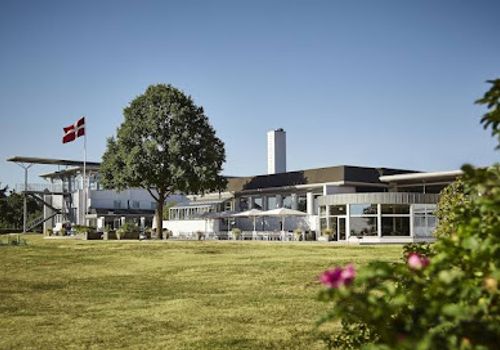
Comwell Køge Strand
Leuchtturm Skagen, also known as Det Grå Fyr or the Grey Lighthouse, towers above Denmark’s northernmost tip. Operative since the 1850s, it’s a heritage beacon and a center for migrating bird observation. Visitors ascend the spiral staircase for stunning views of the meeting seas, explore an interactive bird migration center, and savor refreshments at the onsite café—all set amid wild coastal scenery that feels truly remote.
-
Zoo3.9★1,573 reviews
Guldborgsund Zoo & Botanisk Have
Guldborgsund Zoo & Botanisk Have, located in Nykøbing Falster, Denmark, was a cherished destination featuring over 80 animal species and a diverse botanical garden. It offered visitors a unique blend of wildlife encounters and horticultural beauty, making it a favored spot for families and nature enthusiasts.
Daily 9:00–17:00
-
Castle4.5★1,326 reviews
Vallø Castle
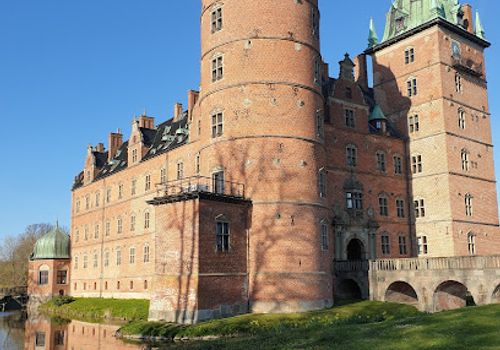
Rising above gentle parkland south of Køge, Vallø Castle is a striking red-brick Renaissance fortress with stout towers, encircling moats and a tranquil landscaped estate. Built in the late 1500s and later transformed into a charitable foundation for unmarried noblewomen, it blends aristocratic history with a peaceful country atmosphere. Visitors cannot tour the interior apartments, but can wander the scenic grounds, admire the imposing facades and explore the surrounding protected landscape.
Open 24 hoursTime to spend 1–3 hrs
-
Sculpture4.5★985 reviews
Thomas on the Mountain, The 6 Forgotten Giants
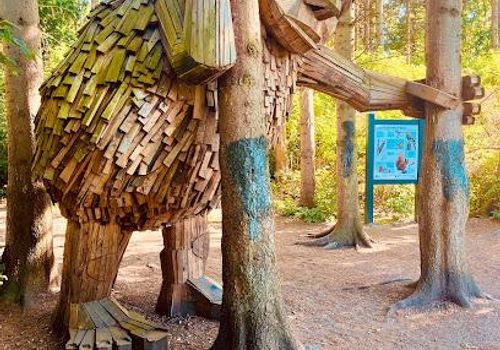
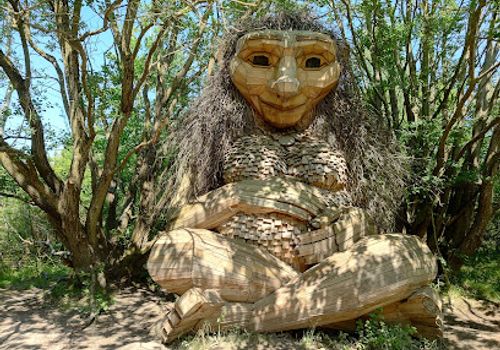
Thomas on the Mountain is one of six monumental wooden sculptures hidden across Copenhagen's western suburbs, created by Danish artist Thomas Dambo from recycled scrap wood. This quirky 26-meter-tall giant sits atop a clearing in Albertslund, inviting visitors to climb onto his long legs and enjoy panoramic views of Kongsholmparken. Part of an open-air treasure hunt project, the sculpture celebrates sustainable art and encourages exploration of overlooked natural landscapes beyond the city center.
Open 24 hoursTime to spend 1–3 hrs
-
Tourist attraction4.6★961 reviews
Dragør havn
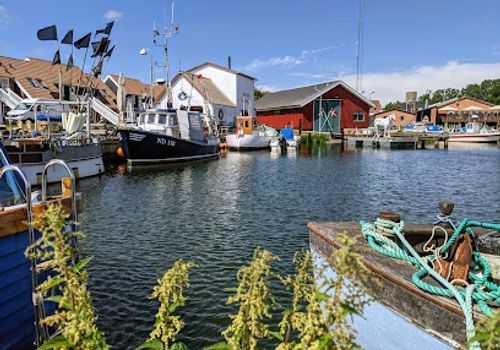
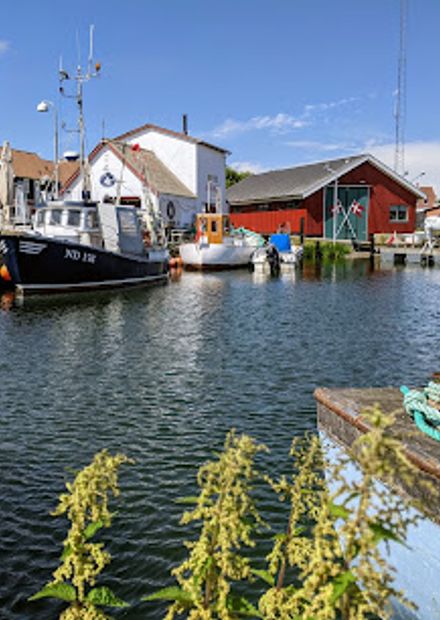
Dragør Havn is a picturesque working harbor at the heart of one of Denmark's best-preserved medieval fishing villages. Located just 30 minutes from Copenhagen, this active port showcases centuries of maritime heritage through its colorful 18th and 19th-century buildings, traditional wooden vessels, and charming waterfront atmosphere. The harbor remains a living center of maritime culture, home to fishermen, pilot services, sailing clubs, and museums that tell the story of Denmark's golden age of shipping.
Open 24 hoursTime to spend 2–4 hrs
-
Tourist attraction4.6★920 reviews
Siebenschneiderstein
Siebenschneiderstein is a captivating tourist attraction in Germany that enchants visitors with its stunning natural beauty and historical significance. Nestled in a picturesque setting, this location offers a unique experience for those seeking to immerse themselves in nature and cultural heritage. From scenic views to engaging activities, Siebenschneiderstein is a must-visit for tourists looking to explore the best of Germany.
Open 24 hours
-
Island4.4★956 reviews
Zealand
Zealand is Denmark's largest and most populous island, home to the capital Copenhagen and a wealth of historic attractions. Spanning 7,031 square kilometers with 2.3 million residents, this island serves as the cultural and political center of Denmark. From medieval castles and Viking heritage sites to modern museums and coastal chalk cliffs, Zealand offers diverse experiences within easy reach of each other, making it an ideal base for exploring Danish history, architecture, and natural beauty.
Price level $$Time to spend 1–7 hrs
-
Hotel4.4★908 reviews
Bandholm Badehotel
Bandholm Badehotel is a lovingly restored historic beach hotel on the quiet north coast of Lolland, set right by the small Bandholm harbor and the waters of Smålandshavet. Behind its classic white façades you find elegant rooms spread across several old buildings, a refined restaurant focused on local produce, and a Nordic spa with hot tubs and a barrel sauna overlooking the sea. It balances country-house calm, seaside charm and discreet luxury, making it an inviting base for romantic escapes and slow weekends by the water.
Price level $$$Time to spend 2–48 hrs
-
Tourist attraction4.4★868 reviews
Ledreborg Castle
An exquisite 18th-century Baroque palace set within meticulously maintained parkland near Lejre, Denmark. Built between 1740–1746 by Minister of State Johan Ludvig Holstein, Ledreborg stands as one of Denmark's finest examples of classical architecture and landscape design. The elegant main building, with its pastel-hued façade and curved pavilions, remains largely unchanged for over 250 years, preserving its original interior with more than 600 paintings, period furniture, and authentic period rooms. Visitors can explore the surrounding Baroque gardens and wooded estate grounds.
Time to spend 0.5–3 hrs
-
National park4.8★624 reviews
Hohe Düne - Ostzingst
Hohe Düne, situated on the eastern tip of the Zingst peninsula within the Vorpommersche Boddenlandschaft National Park, is a captivating destination for nature enthusiasts and those seeking serene coastal beauty. This area boasts the highest white dune massif on the German Baltic coast, offering panoramic views of the Baltic Sea and the unique Bodden landscape. A haven for hikers, cyclists, and birdwatchers, Hohe Düne provides an opportunity to immerse oneself in the unspoiled natural environment. The shifting sands, diverse flora, and abundant birdlife create a dynamic and unforgettable experience. Whether you're seeking a peaceful retreat or an active outdoor adventure, Hohe Düne promises a memorable escape into nature's embrace. The area's rich history, coupled with its ecological significance, makes it a truly special place to explore and appreciate.
Open 24 hours
-
Historical landmark4.4★670 reviews
Kreidebrücke Wiek
Nestled along the serene coast of Wiek, the Kreidebrücke is a stunning historical landmark that draws tourists with its picturesque views and rich cultural heritage. This iconic bridge offers a glimpse into the region's maritime history and provides access to beautiful sandy beaches and charming coastal trails, making it a must-visit destination for anyone exploring the German coastline.
Open 24 hours
-
Tourist attraction4.7★614 reviews
Märchenwald auf Rügens Nordwest-Halbinsel Wittow
Discover Märchenwald, a magical fairy tale forest located on Rügen's captivating Wittow Peninsula. This enchanting tourist attraction brings beloved stories to life with whimsical installations, lush greenery, and a serene atmosphere perfect for families and nature lovers alike.
-
Train station4.0★537 reviews
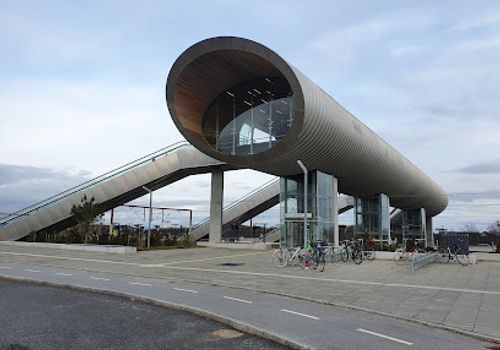
Køge Nord
Køge Nord is far more than a commuter hub: it is a striking piece of contemporary Danish architecture where high‑speed rail, regional trains and the Copenhagen S‑train meet on the northern edge of Køge. Opened in 2019, the station is defined by its 225 m enclosed footbridge, a sinuous steel form that spans both tracks and motorway, lined inside with warm wooden slats and generous windows. It has quickly become a landmark for green mobility, park‑and‑ride travel and design‑minded photography just outside Copenhagen.
Time to spend 0.5–2 hrs
-
Island4.6★429 reviews
Hiddensee
Hiddensee, a tranquil island off the coast of Germany, invites tourists to immerse themselves in its stunning natural beauty, rich culture, and unique charm. With no cars allowed, it's a haven for cycling and walking enthusiasts, making it perfect for a peaceful getaway.
-
Tourist attraction4.5★423 reviews
Corselitze
Corselitze is a magnificent Neoclassical manor house built in 1777 on the Danish island of Falster, set within an expansive estate featuring meticulously designed English-style gardens, rose collections, and forest trails. The two-story white-façaded mansion, designed by architect Andreas Kirkerup and decorated by renowned sculptor Johannes Wiedewelt, stands as a testament to 18th-century Danish aristocratic elegance. Today, the estate remains a cultural heritage site managed by Classenske Fideikommis, offering visitors a serene retreat through historic gardens, woodland paths, and the iconic Valdemar Oak—Denmark's largest tree.
Daily 9:00–18:00Time to spend 1.5–4 hrs
-
Island4.7★402 reviews
Møn
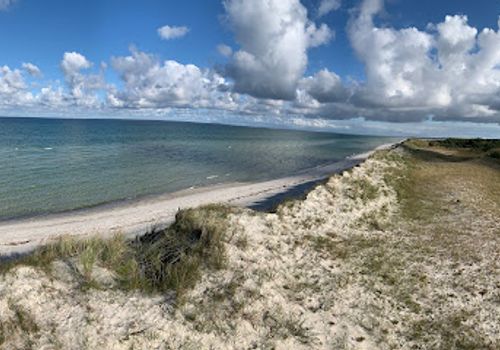
Møn is a picturesque Danish island in the Baltic Sea, renowned for its dramatic white chalk cliffs that rise 128 metres above turquoise waters. This UNESCO World Heritage Site and Dark Sky Park combines stunning natural landscapes with medieval heritage, charming market towns, and pristine beaches. Perfect for cyclists, hikers, and photographers seeking a slower pace of life amid Denmark's most spectacular coastal scenery.
Price level $$Time to spend 2–8 hrs
-
Tourist attraction4.5★410 reviews
Dolmen Nobbin
Discover the mystique of Dolmen Nobbin, a prehistoric burial site that offers a captivating glimpse into ancient rituals and the lives of early inhabitants. Nestled in the scenic landscapes of Altenkirchen, this remarkable dolmen stands as a testament to Germany's rich cultural heritage. As you explore this ancient structure, you'll be enchanted by its historical significance and the serene natural beauty surrounding it, making it a must-visit for history enthusiasts and nature lovers alike.
Open 24 hours
-
Sculpture4.2★423 reviews
The South Stone
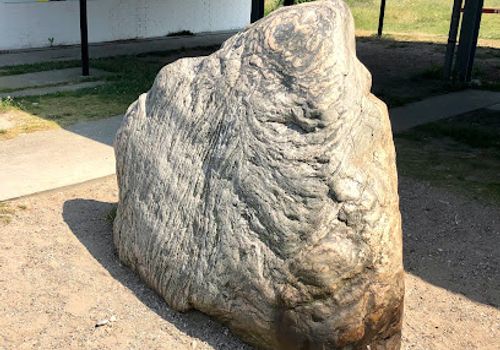
The South Stone, or Sydstenen, is a simple granite marker with a big claim: it marks the southernmost point of Denmark and all of Scandinavia at Gedser Odde. Set on a low, windswept headland where the Baltic’s waves eat into clay cliffs, it is more about geography and raw seascape than spectacle. Come for wide horizons, dramatic coastal erosion, birdlife, and the quiet thrill of standing at the edge of the Nordic world.
Open 24 hoursTime to spend 0.5–2 hrs
-
Lutheran church4.6★317 reviews
Højerup old church
A dramatic 13th-century church ruin perched on the edge of Stevns Klint's chalk cliffs, 30 meters above the Baltic Sea. Built around 1250 and consecrated in 1357, the church lost its choir and altar to coastal erosion in 1928—a catastrophic event that transformed it into one of Denmark's most haunting and historically significant landmarks. Now stabilized and open to visitors, the church offers an unforgettable experience where you can stand inside and gaze directly out to sea through an open balcony.
Mon–Fri 10:00–16:00 · Sat–Sun 10:00–17:00Price level $Time to spend 1–3 hrs
-
Tourist attraction4.5★306 reviews
Køge Church
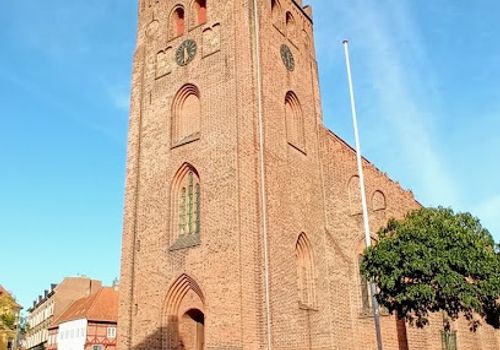
St. Nicholas Church stands as one of Denmark's most historically significant medieval structures, dominating Køge's skyline with its distinctive 43-meter tower. Originally constructed around 1324, the church evolved through centuries of expansion, featuring a three-aisled nave built after 1375 and a tower that once served as Denmark's first lighthouse. Today, visitors can climb the tower for panoramic views, admire intricate baroque woodcarvings and altarpieces, and explore a building that witnessed pivotal moments in Danish maritime and religious history.
Price level $Time to spend 1–3 hrs
-
Hotel4.4★279 reviews
Fuglsang Herregaard - Hotel + Events + Conference
Fuglsang Herregaard is a historic manor house hotel set on a tranquil estate near Toreby on Lolland, combining centuries of cultural history with contemporary comfort. Surrounded by landscaped gardens, open fields and the nearby coast, it offers atmospheric rooms in the main house and outbuildings, an on-site restaurant, retreats, and elegant event spaces. Neighbouring Fuglsang Art Museum and the Skejten nature area add rich layers of art, landscape and quiet seclusion.
Price level $$Time to spend 0.5–48 hrs
-
Historical landmark3.8★310 reviews
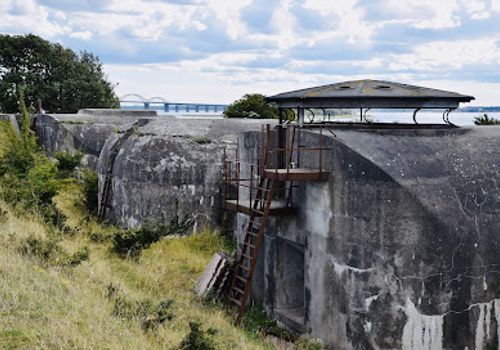
Masnedø Fort
Masnedø Fort is a low-slung coastal fortress on the small island of Masnedø near Vordingborg, built between 1912 and 1915 to guard the vital link between Zealand and Lolland-Falster. Half-hidden in grassy ramparts and earthworks, the 45,000 m² complex once housed hundreds of soldiers, underground passages and heavy artillery controlling Storstrømmen. Today its moat, gun positions and casemates form an atmospheric historic landscape, freely accessible year-round, with the interior opening in summer for art exhibitions and cultural events.
Open 24 hoursTime to spend 1–3 hrs
-
Observation deck4.1★256 reviews
FEMERN BÆLT Fehmarnbelt HOLZPLATFORM
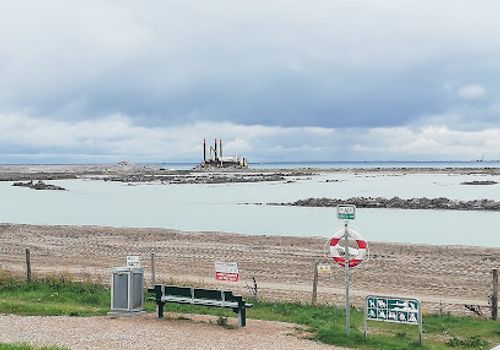
For enden af Gamle Badevej ved Rødby møder du Pilen, en lang, skulpturel udsigtsrampe i stål og træ, der skyder sig 24 meter op over kystlandskabet. Herfra har du en fri panoramaudsigt over byggepladsen til Femern Bælt-tunnelen, tunnelfabrikken og det lave kystlandskab langs Lolland. Undervejs op langs den 217 meter lange rampe fortæller informative plancher om Danmarks største infrastrukturprojekt og områdets natur og historie, mens vinden fra Østersøen og lyden af maskiner sætter en sanselig ramme om besøget. Adgangen er gratis og åben hele året.
Open 24 hoursTime to spend 0.5–1.5 hrs
-
Castle3.5★239 reviews
Schloss Hohendorf
Schloss Hohendorf is a charming castle in Groß Mohrdorf, steeped in history and surrounded by picturesque landscapes. A perfect destination for tourists seeking to explore Germany's rich heritage, this castle offers an enchanting experience for all ages.
-
Tourist attraction4.6★176 reviews
Stranden Møns Klint
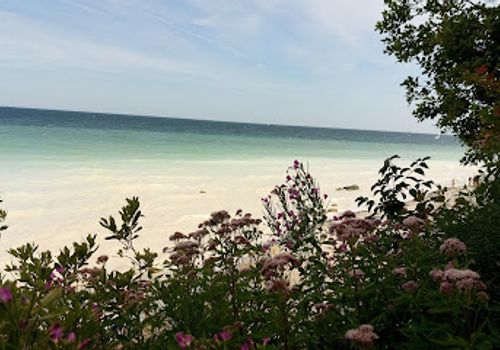
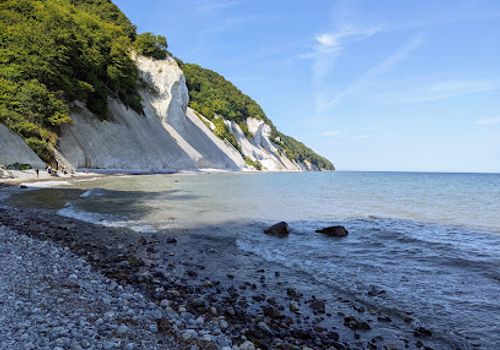
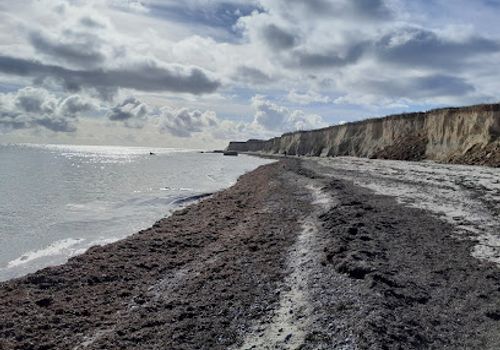
Møns Klint is a dramatic 6-kilometre stretch of towering white chalk cliffs rising 128 metres above the turquoise-green Baltic Sea on Denmark's island of Møn. Recently designated a UNESCO World Heritage Site, this geological wonder features ancient beech forests, rare wildlife including peregrine falcons, and a dynamic landscape shaped by 70-million-year-old deposits. Visitors can hike cliff-top trails, descend nearly 500 steps to fossil-rich beaches, kayak along the coast, or explore the surrounding UNESCO Biosphere Reserve. The site receives around 250,000 visitors annually and offers activities for all fitness levels.
Time to spend 2–6 hrs
-
Historical landmark4.5★174 reviews
Kong Asgers Høj
Kong Asgers Høj is Denmark's largest passage grave, a Neolithic megalithic monument located on the island of Møn near Stege. Built during the Late Stone Age (3000–1500 BC), this impressive burial mound features a 10-meter-long chamber with boulders weighing up to four tonnes. The site was excavated in 1839 and remains one of Denmark's finest preserved prehistoric structures, offering visitors a tangible connection to ancient Funnel Beaker culture.
Open 24 hoursTime to spend 0.5–1.5 hrs
-
Tourist attraction3.9★125 reviews
Moen lighthouse
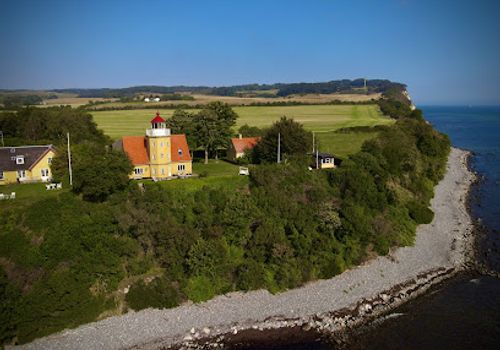
Møn Lighthouse stands as a distinctive yellow beacon on the southeastern coast of Møn, Denmark, built in 1845 and still operational today. Perched above dramatic white chalk cliffs, this historic sentinel offers panoramic views of the Baltic Sea and serves as a gateway to exploring Møns Klint, a UNESCO World Heritage Site. The lighthouse is surrounded by hiking trails, pristine natural landscapes, and access to Scandinavia's first Dark Sky Park, making it an ideal destination for photography, nature walks, and stargazing.
Open 24 hoursTime to spend 1.5–4 hrs
-
Tourist attraction4.2★107 reviews
Gedser Lighthouse
Denmark's iconic 20-meter brick lighthouse stands at Gedser Odde, the nation's southernmost point on the Falster peninsula. Built in 1802 and extensively renovated over two centuries, this historic tower offers panoramic views across the Fehmarn Belt strait toward Germany on clear days. The lighthouse remains a beacon of maritime heritage and a striking landmark at the edge of Scandinavia.
Time to spend 1–2.5 hrs
-
Tourist attraction4.2★92 reviews
Gedser Vandtårn
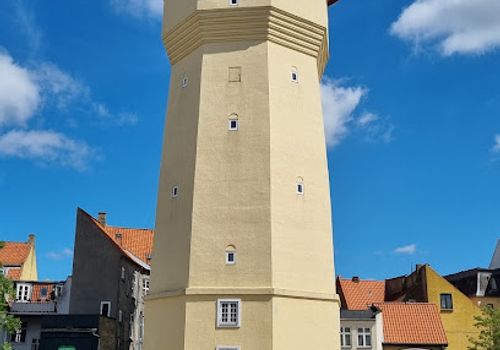
Denmark's southernmost water tower stands as a striking yellow landmark in the port town of Gedser on Falster. Built in 1912 and renovated in 1994, this 18.5-meter octagonal structure no longer stores water but now serves as a viewing tower offering panoramic vistas across the Baltic Sea, ferry harbour, marina, and surrounding countryside. The tower's elevated platform provides exceptional photo opportunities and a unique perspective on Denmark's southern tip.
Price level $Time to spend 0.5–1.5 hrs
-
Tourist attraction4.7★69 reviews
Månemor af Thomas Dambo
Månemor, the 100th troll by Danish recycled-art pioneer Thomas Dambo, lies hidden deep within Hedeland Nature Park near Roskilde. This monumental wooden sculpture, crafted entirely from reclaimed materials, represents the mythical mother of all trolls—pregnant and peacefully waiting in the forest. A 2-kilometer woodland trek from the nearest parking area rewards visitors with an enchanting encounter with one of Dambo's most secretive creations, blending seamlessly into the natural landscape.
Open 24 hoursTime to spend 1.5–3 hrs
-
Scenic spot4.5★60 reviews
Ravnsby Bakker
Ravnsby Bakker is a striking rolling landscape on Lolland's northwestern coast, offering a dramatic contrast to the island's characteristically flat terrain. This glacially-formed terrain features pronounced hills, deep valleys, and scenic vistas across Smålandsfarvandet toward nearby islands. The area is home to Dodekalitten, a monumental 12-year art installation featuring granite columns and electroacoustic music, alongside abundant archaeological heritage including over 70 preserved Bronze Age burial mounds.
Time to spend 1.5–4 hrs
-
Castle4.5★52 reviews
Gunderslevholm Gods
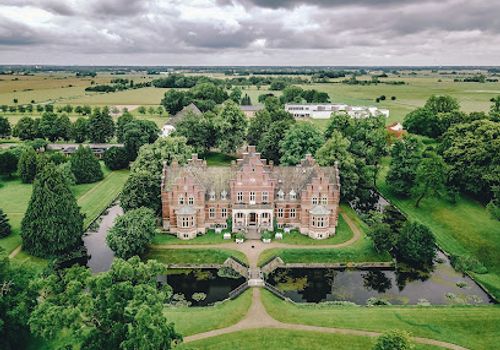
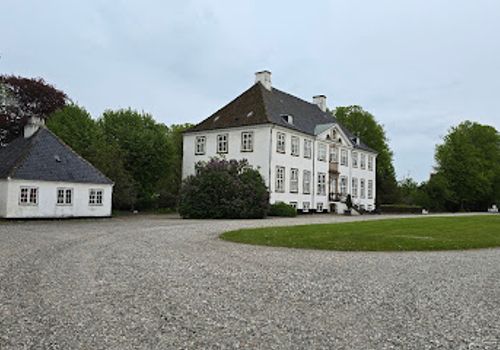
A magnificent neoclassical estate spanning over 2,000 hectares near Næstved in southeastern Denmark, Gunderslevholm Gods represents centuries of Danish aristocratic heritage. Originally built as a Baroque mansion in 1729 and later refined in the neoclassical style, this grand manor house sits on elevated ground overlooking the Susaa river valley. The estate has been owned by the de Neergaard family since 1803 and remains one of Denmark's most impressive private estates, combining architectural elegance with extensive parklands and natural beauty.
Time to spend 1.5–4 hrs
-
Tourist attraction4.6★42 reviews
Skelsnæs-pavillionen
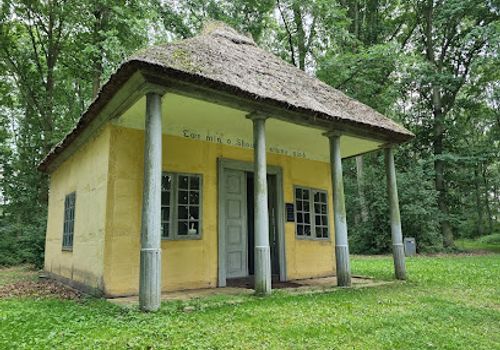
A charming Golden Age pavilion nestled in the forest on the Skelsnæs peninsula, overlooking the Maribo Lakes in southeastern Denmark. This 19th-century structure offers a peaceful retreat surrounded by pristine nature, rich birdlife, and historic manor landscapes. Accessible by hiking trail or boat tour, it serves as a focal point for exploring one of Denmark's most ecologically significant lake systems.
Time to spend 1.5–4 hrs
-
Island4.1★39 reviews
Peberholm
Peberholm is a remarkable 1.3 km² artificial island in the Øresund Strait between Denmark and Sweden, created as a pivotal junction between the Øresund Bridge and the Drogden Tunnel. Built from 1995–1999 using dredged seabed material, this engineering marvel was intentionally left to nature, resulting in an extraordinary ecological success story. Today, it hosts over 600 plant species, 30 nesting bird species, and rare European green toads, making it one of Europe's most unique natural experiments.
Time to spend 0.2–1 hr
-
Tourist attraction4.2★34 reviews
Ladby Kirkeruin
Ladby Kirkeruin is a medieval church ruin situated on a wooded hilltop in Næstved Municipality, Zealand, Denmark. Built around the 12th century and first documented in 1292, this stone structure was abandoned as a parish church in the mid-17th century but remains an atmospheric historical site. The ruin, constructed from large stone blocks and chalk stones, is overgrown with trees and offers views across the surrounding countryside. Outdoor worship services are still held here several times annually, preserving its spiritual significance.
Time to spend 0.8–2 hrs
-
Archaeological site4.5★28 reviews
Glentehøj
Glentehøj is a Bronze Age burial chamber and archaeological site located on the elevated terrain of Lolland, Denmark. This ancient monument offers visitors a glimpse into prehistoric Scandinavian culture, featuring a well-preserved dolmen structure surrounded by Bronze Age burial mounds. The site provides panoramic views across the Lolland landscape and serves as a significant cultural heritage destination for those interested in archaeological history and ancient civilizations.
Open 24 hoursTime to spend 0.8–2 hrs
-
Tourist attraction4.4★20 reviews
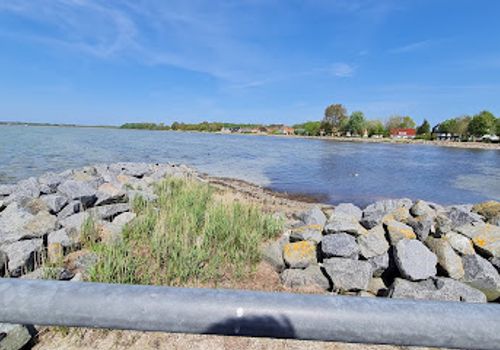
Køge bølgebryder
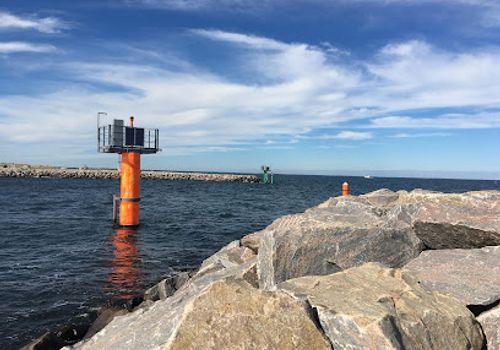
Køge Bølgebryder is a striking coastal breakwater structure extending into the Danish sea near the historic port town of Køge. This engineering landmark offers panoramic views across the Køge Bay and serves as a popular vantage point for observing maritime activity, watching sunsets, and experiencing the raw beauty of Denmark's eastern coastline. The breakwater provides an accessible waterfront experience with dramatic perspectives of the open sea.
Time to spend 0.5–2 hrs
-
Archaeological site3.8★23 reviews
Nykøbing Castle
The haunting ruins of Nykøbing Castle stand as a testament to medieval Danish power and royal history. Originally built in the 12th century to defend against the Wends, this fortress once rivaled Kronborg Castle in scale and grandeur. Today, only the iconic tower known as Fars Hat (Father's Hat) remains visible, along with cobblestone markings and archaeological remnants scattered across Slotsgade. The castle's demolition in 1763 marked the end of an era, but its legacy permeates the charming town that grew around it.
Time to spend 0.5–1.5 hrs
-
Museum4.4★16 reviews
Ejegod Windmill
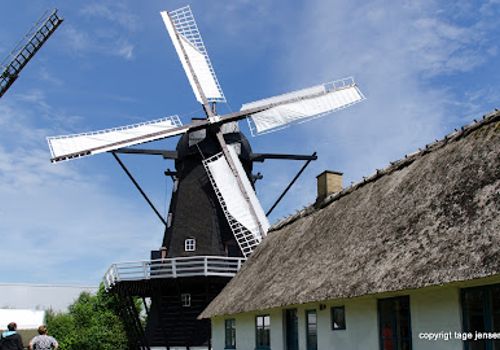
A striking octagonal Dutch windmill built in 1816, Ejegod Windmill stands as one of Denmark's most complete examples of traditional milling heritage. Located in northern Nykøbing Falster on the island of Falster, this protected landmark retains its original barn and miller's house—a rare ensemble in Danish architecture. Though the mill ceased operations in the mid-1950s, extensive restoration work between 2002 and 2010 has preserved its distinctive brick and shingle exterior. A toy museum now occupies the miller's house, offering visitors a glimpse into both industrial history and childhood nostalgia.
Time to spend 0.8–2 hrs
-
Tourist attraction4.7★12 reviews
Trappe til stranden
A charming coastal stairway providing direct access from Birkemosevej down to Gedser's sandy beach. This modest but beloved landmark connects the town's upper residential area to the shoreline, offering an efficient route for swimmers, surfers, and beach enthusiasts. The stairs have become a local fixture and a practical gateway to one of Denmark's southernmost beaches, popular with families and water sports enthusiasts alike.
Open 24 hoursTime to spend 0.5–2 hrs
-
Tourist attraction4.6★9 reviews
Jættestuen Hulehøj
Jættestuen Hulehøj is a Neolithic dolmen and passage grave located on the island of Bogø in South Zealand, Denmark. Dating back approximately 5,000 years, this ancient megalithic monument consists of a stone chamber covered by a massive capstone, representing one of Denmark's most significant Bronze Age archaeological sites. The site offers visitors a tangible connection to prehistoric Scandinavian culture and burial practices.
Time to spend 0.5–2 hrs
-
Tourist attraction4.6★7 reviews
Det Gamle Rådhus
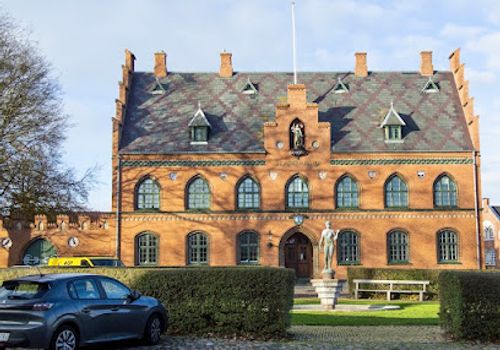
Det Gamle Rådhus (The Old Town Hall) in Skælskør is a historic yellow building on Gammeltorv square that has served multiple civic functions since 1744. Originally constructed as a residential house, it housed a courtroom, magistrate's office, and detention cells before being repurposed. Today, the beautifully preserved structure hosts rotating exhibitions and cultural events, offering visitors a window into the town's medieval heritage and administrative history.
Time to spend 0.5–2 hrs
-
Tourist attraction4.8★6 reviews
Hyllie Vattentorn
Hyllie Vattentorn is a striking white water tower in Malmö’s fast‑growing Hyllie district, instantly recognisable for its flying‑saucer silhouette. Completed in 1973 and rising 62 metres above the surrounding streets, it once housed a panoramic restaurant and today crowns a small park beside Malmö Arena and Emporia. Illuminated in blue by night, and in shifting colours for special occasions, it has become a modern symbol of the city and a quirky landmark for architecture and photography lovers.
Time to spend 0.5–1.5 hrs
-
Tourist attraction4.2★6 reviews
Trebuchet
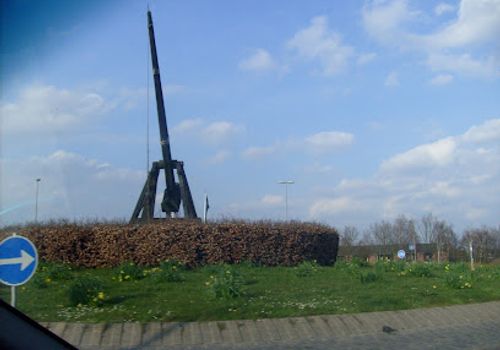
Standing unexpectedly in a traffic roundabout on the edge of Nykøbing Falster, this full-size medieval trebuchet (blide) is a quirky landmark and a nod to the region’s fascination with siege technology. The wooden war machine, related to those demonstrated at the nearby Medieval Center, rises above the roadway like a ghost from the Middle Ages, turning an otherwise ordinary junction into a vivid reminder of how towns were once defended and attacked. It is a brief but memorable stop for history-minded visitors and photographers.
Time to spend 15–30 min
-
Sculpture3.4★7 reviews
Roskildekrukkerne
Rising dramatically above Hestetorvet square outside Roskilde Station, the three monumental Roskilde Jars are among Denmark’s most striking pieces of contemporary public art. Each towering ceramic vessel stands around 5 m tall and together they weigh some 24 tons, their richly glazed surfaces recalling ancient amphoras while celebrating Roskilde’s 1000-year history. Set in a shallow water basin that mirrors their colourful forms, they form a bold gateway to the city and an easy, atmospheric stop on any stroll between the station and the historic centre.
Open 24 hoursTime to spend 0.5–1 hr
-
Tourist attraction5.0★4 reviews
Mor Magdas træ
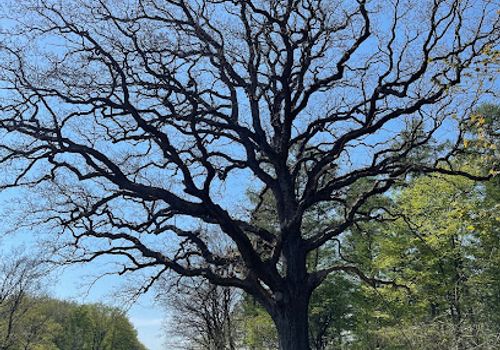
An ancient oak tree standing along the rural road between Sorø and Slagelse, Mor Magdas Træ is named after Magdalene, a legendary local figure whose story is woven into Danish folklore. This solitary tree has become a cultural landmark, representing centuries of rural Danish heritage and the intersection of nature and local history. The tree draws visitors interested in natural monuments and regional storytelling.
Time to spend 0.2–1 hr
-
Educational institution4.3★4 reviews
Vandtårnet I Nykøbing F
Rising 43 meters above the rooftops of Nykøbing Falster, this early 20th‑century water tower is both an industrial landmark and an intimate arts venue. Built in 1908 as Denmark’s first reinforced‑concrete structure of its size, it now houses changing exhibitions across four levels, with 147 steps leading to a viewing platform 32 meters up. From the top, Guldborgsund, the red roofs of the old town and the flat fields of Falster unfold in a full 360‑degree panorama, while a small café at the base makes it a relaxed cultural stop close to the historic center.
Price level $Time to spend 0.5–1.5 hrs
-
Memorial park4.7★3 reviews
Mindesmærke for slagene i Køge Bugt
Set against the industrial quays and open water of Køge Harbour, the Mindesmærke for slagene i Køge Bugt is a striking coastal monument commemorating two decisive naval battles fought in the bay in 1677 and 1710. Dedicated to admirals Niels Juel and Ivar Huitfeldt, it blends sculptural stonework, maritime symbolism and poetic inscriptions to anchor Denmark’s seafaring history in a compact, contemplative corner of the harbourfront. A quiet pause point on a stroll by the water, it invites you to imagine cannon smoke over the bay where pleasure craft now glide.
Open 24 hoursTime to spend 0.5–1.5 hrs
-
Tourist attraction4.7★3 reviews
Grenzstein Mecklenburg-Pommern
The Grenzstein Mecklenburg-Vorpommern, located in the charming coastal town of Ahrenshoop, marks the historical boundary between the regions of Mecklenburg and Vorpommern. This unassuming yet significant landmark offers a glimpse into Germany's past, representing the shifting territorial lines that have shaped the nation. Situated near the scenic Grenzweg, the boundary stone is easily accessible and provides a unique photo opportunity for history enthusiasts and casual tourists alike. The area surrounding the Grenzstein is characterized by its natural beauty, with the Baltic Sea coastline and the tranquil landscape of the Fischland-Darß-Zingst peninsula providing a stunning backdrop. A visit to the Grenzstein Mecklenburg-Vorpommern is a chance to reflect on the region's history while enjoying the serene atmosphere of the German Baltic coast. It's a simple yet rewarding stop for those exploring the area.
Open 24 hours
-
Tourist attraction3.3★4 reviews
Klosterkilden
Klosterkilden is a historic spring located in central Roskilde, Denmark, with roots tracing back centuries to the monastery era. Once a vital water source for the local community, the spring supplied drinking water, cooking water, and laundry facilities for residents and monastic inhabitants. Though the spring dried up in the early 1950s, it remains a modest but meaningful landmark reflecting Roskilde's medieval heritage and the practical infrastructure that sustained the city's development.
Time to spend 15–45 min
-
Memorial park4.0★2 reviews
Mindesten for Peder Bodilsen
A bronze equestrian statue honoring Peder Bodilsen, the legendary founder of Næstved, stands as Denmark's smallest equestrian monument. Unveiled in 1935 during the city's 800-year jubilee, this 42-centimeter sculpture captures the noble nobleman who established the medieval settlement. Located on Munkebakken hill, the memorial blends historical significance with intimate scale, offering visitors a quiet moment of reflection on the city's origins and the visionary leadership that shaped South Zealand's development.
Open 24 hoursTime to spend 0.2–1 hr
-
Archaeological site5.0★1 review
Relic of the Castle Revshale
Set on tiny Borgø in the Maribo Lakes Nature Park, the Relic of the Castle Revshale (Refshaleborg) is an atmospheric medieval castle mound surrounded by reed-fringed water and rich birdlife. Little remains above ground today, yet the grassy earthworks and subtle stone traces mark what was once one of Lolland’s most important royal strongholds. It is a tranquil, history-soaked spot best combined with a lakeside nature escape from nearby Maribo.
Open 24 hoursTime to spend 0.5–2 hrs
-
Memorial park4.0★1 review
Genforeningssten i Saltø Skov
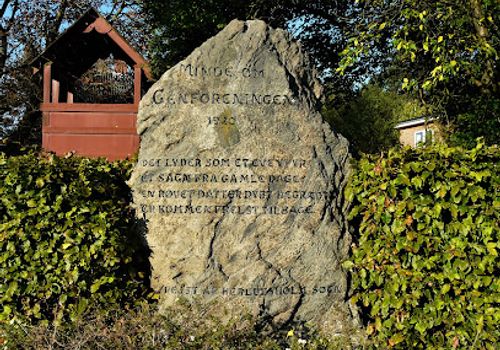
A granite memorial stone commemorating Denmark's 1920 reunification with South Jutland, erected in Saltø Forest near Næstved. The stone stands at the intersection of two forest roads and was unveiled on Reunification Day, marking a pivotal moment in Danish history when territories lost in 1864 were restored to the nation.
Open 24 hoursTime to spend 0.2–1.5 hrs
-
Memorial park3.0★1 review
Genforeningssten i Herlufsholm
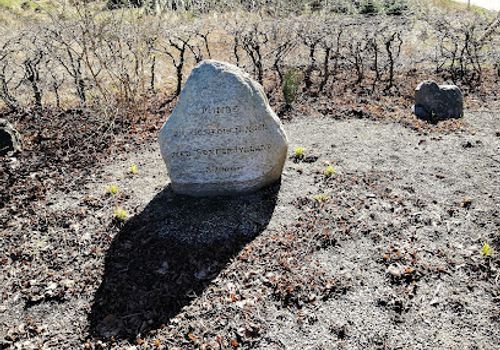
Genforeningsstenen i Herlufsholm står ved krydset Køgevej og Ringstedgade i Næstved, som et markant minde om Sønderjyllands genforening med Danmark i 1920. Den gråbrune granitsten fra 1921 er rejst på en lille, hævet plads med bed og kantsten, som et stille åndehul midt i trafikken. Her får du et konkret, lokalt møde med den nationale fortælling om grænsedragning, sorg, håb og glæden over genforeningen.
Open 24 hoursTime to spend 15–30 min
-
Woods
Høje Møn
Høje Møn is Denmark's most dramatic natural landscape, featuring the country's tallest chalk cliffs rising 128 meters above the Baltic Sea. Located on the island of Møn in southeastern Denmark, this UNESCO Biosphere Reserve encompasses sweeping white cliffs, ancient beech forests, and rich geological heritage spanning over 70 million years. Visitors explore via scenic hiking trails, dramatic viewpoints like Dronningestolen (the Queen's Chair), and the GeoCenter museum, discovering fossils, rare flora including nine orchid species, and legendary tales of the Cliff King.
Time to spend 2–6 hrs
-
Sculpture
Bjørnebrønden
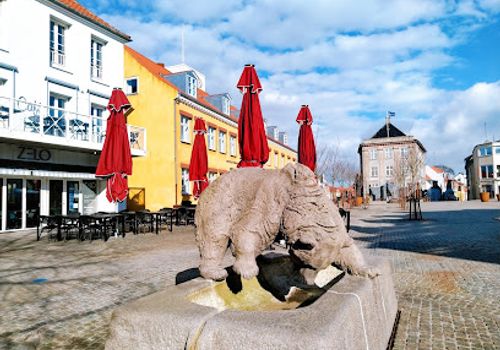
Bjørnebrønden, the Bear Fountain, anchors the main square of Nykøbing Falster with a striking granite bear poised above a circular well. Created by sculptor Mogens Bøggild and architect Kaare Klint, the 1939 fountain commemorates both the town’s 400th anniversary as a market town and Tsar Peter the Great’s visit in 1716. Encircled by benches and framed by the historic facades of Torvet, it serves as a compact open-air monument where local history, Danish design and everyday town life meet.
Time to spend 0.5–1 hr
-
Town square
Hans-Jørgen Færks Plads
Hans-Jørgen Færks Plads is a central town square in Næstved, a historic medieval market town in southern Zealand, Denmark. Named after a local figure, this public plaza serves as a gathering point in the heart of Næstved's charming town centre, surrounded by shops, cafés, and cultural venues. The square reflects the town's blend of historic character and modern vitality, offering visitors a authentic Danish urban experience.
Time to spend 0.5–3 hrs
-
Memorial park
Mindesten for A. M. Kristensen
A modest memorial stone honoring Anton Marius Kristensen, Næstved's first elected mayor (1919–1938), located on Havnegade near the harbor. This quiet monument celebrates a civic leader instrumental in developing Næstved's port and canal infrastructure, transforming the city into a major maritime hub. The stone, erected by local social democratic organizations, stands as a tribute to his vision and public service.
Open 24 hoursTime to spend 15–45 min
-
Sculptor
“Slaget i Køge Bugt”
Down by Køge Harbour, the “Slaget i Køge Bugt” monument marks Denmark’s dramatic naval battles fought in the waters off the bay, particularly the decisive 1677 victory over Sweden and later clashes in 1710 and 1807. Set by the quay at Havnen 23, this sculptural memorial connects the quiet modern harbour with centuries of maritime warfare, inviting you to pause, look out over the water and imagine lines of warships where ferries, fishing boats and yachts now glide.
Open 24 hoursTime to spend 0.5–1 hr
-
Memorial park
Befrielsessten i Køge
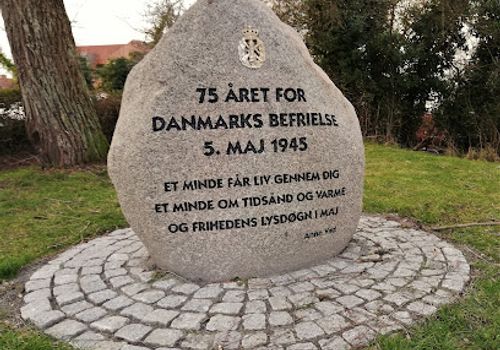
A solemn memorial stone in central Køge commemorating Denmark's liberation from Nazi occupation on May 4–5, 1945. Located at Torvebyen in the heart of the historic market square, this modest but significant monument stands as a testament to the Danish resistance movement and the nation's freedom. The stone is freely accessible year-round in one of Denmark's largest town squares, making it an important stop for those interested in Danish wartime history.
Open 24 hoursTime to spend 0.2–1 hr
-
Town square
Køge Torv
Køge Torv is Denmark's largest medieval town square, located in the historic coastal town of Køge, approximately 40 kilometers south of Copenhagen. This expansive cobblestone plaza serves as the heart of one of Denmark's best-preserved medieval town centers, surrounded by centuries-old half-timbered houses and significant historical landmarks. The square has been a focal point of civic life since the Middle Ages, hosting markets, gatherings, and community events for over 700 years.
Time to spend 1–3 hrs
-
Memorial park
Mindesten for Træskoslaget
Mindesten for Træskoslaget is a modest yet historically potent memorial stone in central Køge, commemorating the 1807 Battle of Køge, also known as Træskoslaget – the “Clogs Battle.” Set along Nørregade, this small urban memorial marks where Danish militia, many in wooden clogs and poorly equipped, made a last stand against British forces during the Gunboat War. Today it offers a quiet pause amid the town’s streets, linking everyday life with a dramatic moment in Denmark’s past.
Open 24 hoursTime to spend 15–30 min
-
Building
Arne Jacobsens Allé 12
Arne Jacobsens Allé 12 is a landmark address in Copenhagen's Amager Vest district, named after the legendary Danish modernist architect and designer Arne Jacobsen. This location represents a significant point in Copenhagen's architectural heritage, situated in an area that reflects the city's commitment to contemporary design and urban development. The address serves as a notable destination for architecture enthusiasts and design aficionados exploring the legacy of one of Scandinavia's most influential creative figures.
Time to spend 0.5–2 hrs
-
Tourist attraction
Ledreborg Allé (Ringstedvej), 4000 Roskilde, Dania
A magnificent Baroque palace set at the end of Denmark's longest tree-lined avenue, Ledreborg Allé. This 33-room aristocratic mansion, owned by the Holstein-Ledreborg family for eight generations, showcases 17th- and 18th-century antiques, Danish paintings, and period furnishings largely unchanged for 250 years. The 88-hectare estate features a restored Baroque garden with formal symmetry, woodland walks, and a Stone Age burial mound dating to 3000 BC.
Price level $$Time to spend 2–4 hrs
-
Castle
Det Kongelige Palæ i Roskilde
A striking yellow Baroque palace built in 1733–1736 on the site of a medieval bishop's residence, located immediately east of Roskilde Cathedral. Once a royal residence and later a venue for Denmark's constitutional assemblies, the palace now houses the Roskilde Art Society, contemporary art exhibitions, and serves as the official residence of the Bishop of Roskilde. The palace courtyard and gardens host concerts, cultural events, and exhibitions throughout the year.
Time to spend 1–3 hrs
-
Historical landmark
CWGC Krigsgrave, CWGC Graves
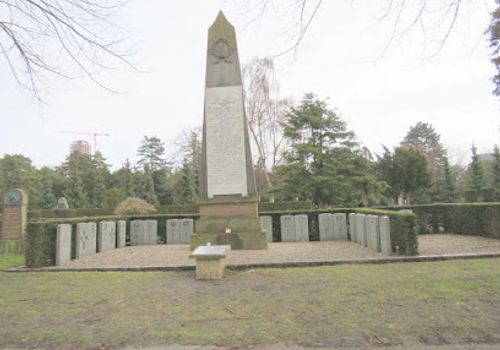
Vestre Cemetery (Vestre Kirkegård) is Scandinavia's largest cemetery, spanning 54 hectares in Copenhagen's Kongens Enghave district. Opened in 1870 to accommodate the city's growing population, this landscaped park serves as both a burial ground and public green space. The cemetery features distinctive architectural chapels, memorial gardens, and graves of notable Danish figures, alongside Commonwealth war graves and sections dedicated to various cultural and religious communities.
Time to spend 1.5–4 hrs


















Explore Møn on the map
A handpicked selection of must-see spots near Møn, mapped for you.
More about Møn
More to explore near Møn

 Best experiences near Møn
 Best hotels near Møn
 Best attractions near Møn
 Best shops near Møn
 Best bars near Møn
 Best restaurants near Møn
Explore more

Getting your guide ready…
We are putting together a fresh copy of the Møn guide. This can take up to a minute.
This can take a few moments. If your browser asks, choose Allow so the download can start. You'll find the guide in your Downloads folder.
Nothing happened? Download it again
Sorry, the guide is taking longer than usual. Please try again in a minute, or get it by email instead.