

Stevns Lighthouse Travel Guide
Free Guide: Historic lighthouse on the edge of Stevns Klint, blending maritime heritage with wide Baltic Sea views and windswept chalk‑cliff scenery near Store Heddinge.


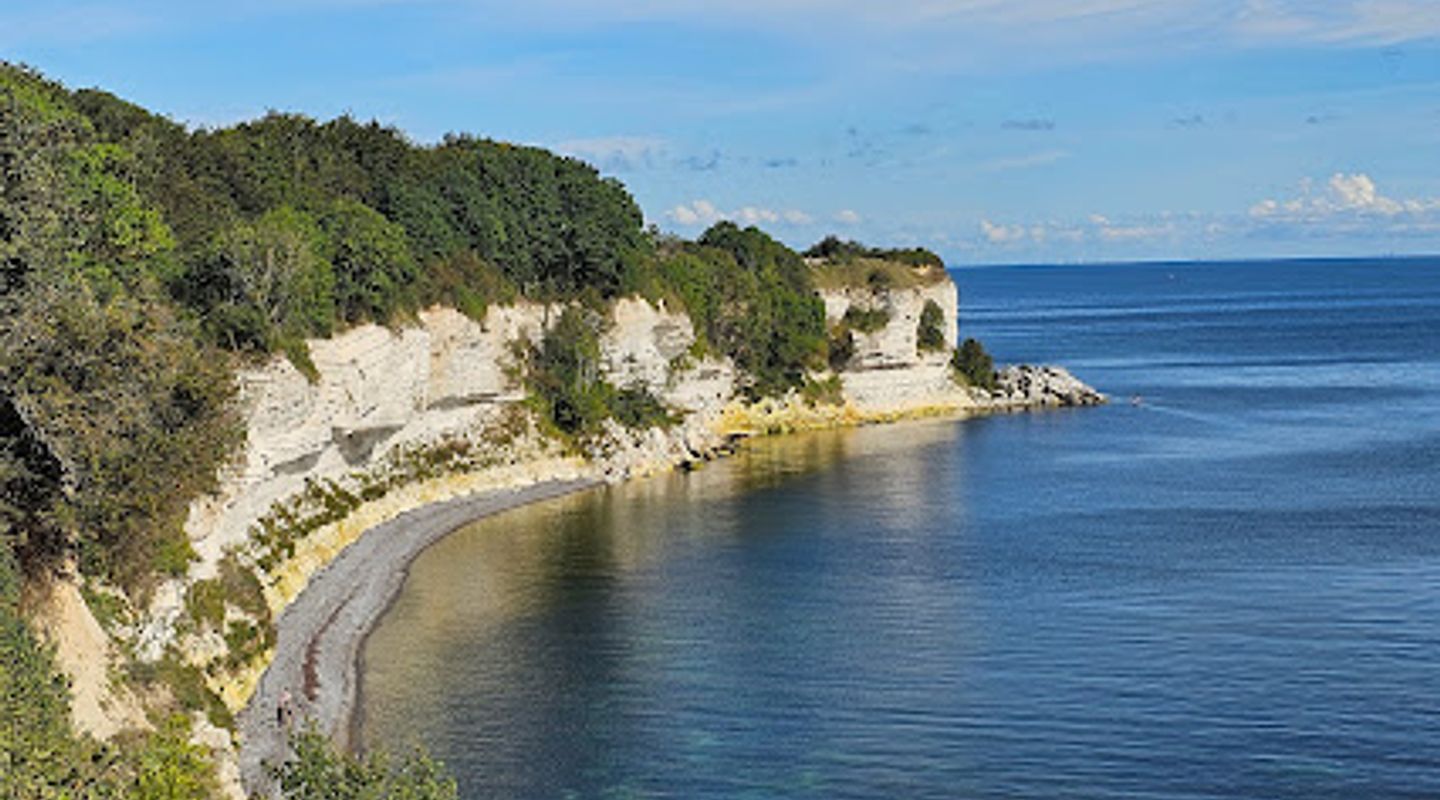
A brief summary of Stevns Lighthouse
Historic lighthouse on the edge of Stevns Klint, blending maritime heritage with wide Baltic Sea views and windswept chalk‑cliff scenery near Store Heddinge.
Perched dramatically atop the white chalk cliffs of Stevns Klint, the 19th‑century Stevns Lighthouse watches over the Baltic Sea from near Store Heddinge. The 27‑metre tower stands about 42 metres above sea level, offering sweeping views along this UNESCO‑listed coastline, on clear days stretching all the way to Sweden. Around it, former keeper’s buildings, a simple café and open lawns create a relaxed, windswept stop for coastal walks, quiet contemplation and atmospheric photos in any season.
On-site amenities
 Restrooms
 Drink options
 Drinking water
 Food options
 Seating areas
 Sheltered areas
 Trash bins
 Information boards
 Visitor centre
Opening hours
- Mon11 am–3 pm
- Tue11 am–3 pm
- Wed11 am–3 pm
- Thu11 am–3 pm
- Fri11 am–5 pm
- Sat11 am–5 pm
- Sun11 am–5 pm
Opening hours as listed on the venue’s Google Business Profile. Hours can change for services and special events, so check with the venue before you go.
- Address
- Fyrvej 2, 4660 Store Heddinge
- Phone
- Website
Getting there
Regional train and bus from Copenhagen
Car from Copenhagen and Zealand
Cycling from Store Heddinge area
Discover more about Stevns Lighthouse
A beacon on the edge of Stevns Klint
Stevns Lighthouse rises from the very edge of Denmark’s famous chalk coast, Stevns Klint, its white tower a natural extension of the pale cliffs beneath. Built in the late 19th century to guide passing ships in the Baltic, it still feels like a working maritime outpost, even though its role today is more symbolic than operational. From the base, you sense how exposed this headland is: sea winds sweep across the grass, and the ground falls away sharply towards the water.The lighthouse stands about 27 metres tall, but its true height is amplified by the 42‑metre cliffs it crowns. This combination makes it a prominent landmark for sailors and a striking sight as you approach on foot, with the tower gradually emerging above the tree line before you step out into open coastal scenery.
Architecture, keeper’s life and coastal character
The tower itself is a classic Danish lighthouse: solid masonry, narrow windows and a lantern room cased in metal and glass. Its pale exterior contrasts with the deep greens and blues of the surrounding landscape. Nearby, former keeper’s houses and utility buildings recall the days when a small community lived here in relative isolation, tending the light through long winters and stormy nights.Simple details tell that story: sturdy walls built to withstand gales, modest gardens sheltered behind low fences, and functional outbuildings that now host small exhibitions or seasonal refreshments. Walking between them, you get a sense of the self‑contained world that once revolved around maintaining the beam and monitoring the coast.
Views across the Baltic and UNESCO coastline
Climb the interior staircase and each landing offers a new glimpse of the sea before you emerge beside the lantern. From here, the panorama runs along the broken line of Stevns Klint, where the chalk cliffs reveal geological layers that helped earn the coast its UNESCO World Heritage status. On clear days, the horizon sharpens and the Swedish coast is visible across the Baltic, a reminder of how narrow the strait feels from this elevated vantage point.Even without climbing the tower, the lawns and paths around its base provide excellent viewpoints. The sea changes mood constantly: calm and glassy one hour, whipped into whitecaps the next. Birds ride the updrafts along the cliff face, and the rhythmic sweep of waves far below adds a soft, continuous soundtrack.
Atmosphere, walks and simple pleasures
The setting invites unhurried wandering. Short trails lead along the cliff top, linking the lighthouse with other points on Stevns Klint, while side paths dip slightly inland through scrub and low woodland. The terrain is generally easy underfoot but always close enough to the edge that you remain aware of the coastal drop and open sky.In the season, a small café or kiosk often operates from the historic buildings, turning the site into a natural pause point for coffee, ice cream or a light snack between walks. Benches and low walls offer informal seating where you can linger with a view, sheltered slightly from the wind while still feeling embedded in the landscape.
Light, seasons and reasons to linger
Stevns Lighthouse rewards repeat visits at different times of day and year. Morning light can be soft and silvery, with mist hanging over the sea, while late afternoon and evening bring warmer tones that glow on the chalk and stone. In winter, the exposed position makes storms especially dramatic, though conditions can be harsh; in summer, long days let you stretch a visit into golden hour.Whether you stay briefly or for a couple of hours, the combination of maritime history, coastal geology and wide‑open seascapes makes this headland more than just a quick photo stop. It is a compact place to feel the scale of the Baltic, read traces of human effort in the lighthouse and its buildings, and understand how this corner of Zealand has long balanced beauty with the practical need to guide ships safely past its cliffs.
Evendo Review Centre
 Google
Guest reviews
Best time to go
Quietest: Jan, Feb & Mar · before 8am or at 9pm
Busy times are Evendo estimates for a typical year, to help you plan. Actual crowds vary with events, school holidays and the weather.
Explore Stevns Lighthouse on the map
A handpicked selection of must-see spots near Stevns Lighthouse, mapped for you.
Get your free copy of our complete guide to Stevns Lighthouse, delivered straight to you.
Everything on this page, from opening hours and how to get there to Eve’s tips and the best time to go, in one PDF you can read offline, print or share.
Already have an account? Sign in
Your Stevns Lighthouse guide is ready.
We'll send it to · Not you? Sign out

Getting your guide ready…
We are putting together a fresh copy of the Stevns Lighthouse guide. This can take up to a minute.
This can take a few moments. If your browser asks, choose Allow so the download can start. You'll find the guide in your Downloads folder.
Nothing happened? Download it again
Sorry, the guide is taking longer than usual. Please try again in a minute, or get it by email instead.
Other nearby places you may find interesting
The closest places of the same kind, if this one is not quite what you had in mind.
-
-
-
-
-


Swipe for more places
More to explore near Stevns Lighthouse

 Best experiences near Stevns Lighthouse
 Best hotels near Stevns Lighthouse
 Best landmarks near Stevns Lighthouse
 Best attractions near Stevns Lighthouse
 Best shops near Stevns Lighthouse
 Best restaurants near Stevns Lighthouse
 Best bars near Stevns Lighthouse
Do you manage this location?
Take control to get all the benefits, like improved information, better appearance, and stronger visibility across AI-powered discovery.
Explore more
Explore more of South Zealand
Discover South Zealand, where dramatic cliffs, historic castles, and charming coastal towns create the perfect Danish escape.
Explore South Zealand
Explore more of Denmark
Discover Denmark: A perfect blend of history, modern design, and the cozy concept of hygge. Explore vibrant cities, serene landscapes, and world-class cuisine.
Explore Denmark
