

Sacrificial bog Travel Guide
Free Guide: A quiet hollow of water and peat where Iron Age beliefs surface again, the Sacrificial Bog at Lejre turns archaeology into an evocative ritual landscape.


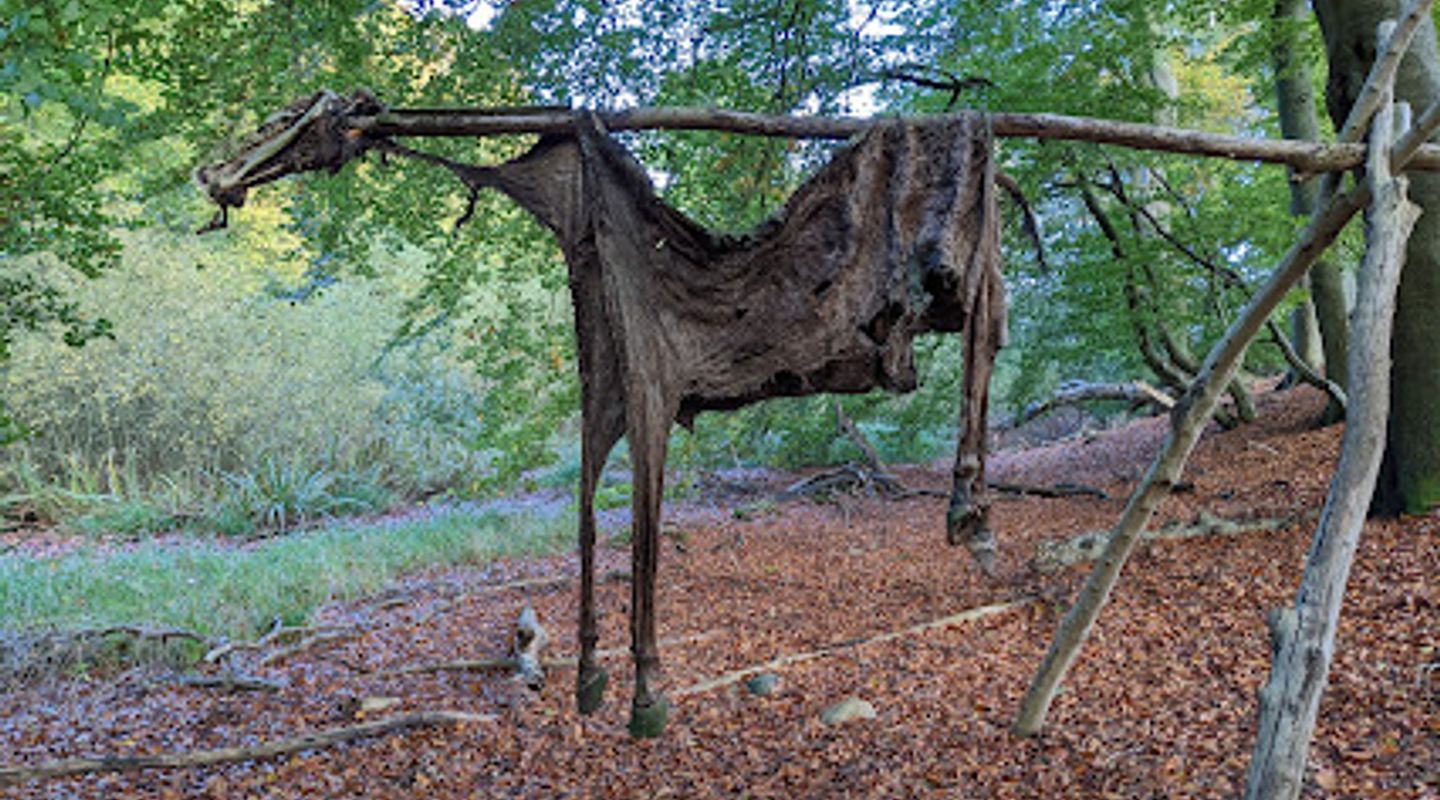
A brief summary of Sacrificial bog
A quiet hollow of water and peat where Iron Age beliefs surface again, the Sacrificial Bog at Lejre turns archaeology into an evocative ritual landscape.
Tucked into the rolling landscape near Lejre, the reconstructed Sacrificial Bog at Sagnlandet Lejre evokes an Iron Age world where waterlogged pools were seen as gateways to the divine. Here, archaeologists and experimental historians have recreated a ritual wetland beside the Iron Age village of Lethra, echoing finds from real Danish bogs where weapons, animals, everyday objects – and sometimes people – were offered to the gods. Paths, low banks and surrounding fields help you imagine processions, ceremonies and the quiet drama of sacrifice in a misty northern landscape.
On-site amenities
 Restrooms
 Drinking water
 Food options
 Seating areas
 Picnic areas
 Trash bins
 Information boards
 Visitor centre
- Address
- 4320 Lejre
Getting there
Regional train and local bus
Car or rental car
Cycling from Roskilde
Discover more about Sacrificial bog
An Iron Age rite reborn in the Danish countryside
The Sacrificial Bog at Sagnlandet Lejre is a carefully reconstructed ritual landscape that brings to life one of the most mysterious aspects of northern Europe’s Iron Age. Set in a shallow hollow edged by reeds and damp meadows, the pool suggests the kind of peat bogs that once dotted Denmark and preserved remarkable archaeological finds. Here the focus is not on a single object in a glass case, but on the broader setting: water, marshy edges, and the sense of stepping into a liminal zone between solid ground and soft, dark depths.Rather than re‑creating a specific excavation, the bog distils knowledge from many sacrificial sites across Denmark. It offers an atmospheric frame for understanding why people chose these quiet, waterlogged places to communicate with their gods, ancestors and unseen powers.
Offerings to unseen powers beneath the water
Across Iron Age Scandinavia, bogs were both vital resources and sacred thresholds. People cut turf for fuel and building, dug out iron ore nodules and let their animals graze nearby, yet they also treated certain spots as gateways to another world. In such places, offerings were deliberately sunk: butchered animals, clay pots filled with food, tools, jewellery, textiles and weapons. In rare and dramatic cases, human bodies were also placed in the peat, their skin and hair preserved for millennia by the bog’s chemistry.The Sacrificial Bog at Lejre echoes these discoveries. Around its margins you may see suggestive arrangements of posts, simple platforms and replica objects hinting at how gifts might have been carried out and lowered into the water. It is easy to imagine a community gathering here at night, fires flickering on the banks as offerings slid beneath the surface with a splash and a final ripple.
Linked to the Iron Age village of Lethra
Just beyond the bog lies the reconstructed Iron Age village of Lethra, with longhouses, byres and fenced fields based on archaeological plans from around 200 BC to 200 AD. The bog forms part of this wider Iron Age zone, which also includes a burial ground across the water and surrounding pastures. Together they show how farmsteads, graves and ritual sites formed a connected cultural landscape.Seen from the village, the bog is close enough for regular processions yet distant enough to feel set apart. The route from dry fields into the damp hollow helps you sense a shift from everyday tasks – ploughing, weaving, tending animals – into a more charged, symbolic space. That spatial relationship mirrors what archaeologists observe at real sites, where ritual wetlands often sit on the fringe of cultivated land.
Experimental archaeology in a living landscape
Sagnlandet Lejre was founded as a centre for experimental archaeology, and the Sacrificial Bog benefits from that hands‑on approach. Researchers and craftspeople test how objects behave when submerged, how wooden walkways weather, and how simple Iron Age tools could shape a ritual setting. Over time, reconstructions are adjusted as new evidence emerges from excavations elsewhere in Denmark.As you walk the paths, you may notice how modest details – cut branches, worn steps in the bank, a line of stakes – make the place feel used, not theatrical. The aim is not spectacle but plausible realism: a working hypothesis about how an Iron Age cult place might have looked and felt in daily use.
Atmosphere, silence and personal reflection
Despite its scholarly roots, the bog’s strongest impression is emotional. The air often feels cooler and damper here, with the smell of peat and wet plants rising from the water. Bird calls echo off nearby slopes, and insect buzz replaces village chatter. Many visitors find themselves lowering their voices, instinctively treating the hollow with a kind of respect.Information nearby explains the broader tradition of sacrificial bogs, but interpretation remains relatively light, leaving room for your own thoughts. Whether you approach it as a window into belief, a meditation on life and death, or simply a beautifully framed corner of the landscape, the Sacrificial Bog at Lejre adds a quiet, haunting note to any exploration of Denmark’s deep past.
Evendo Review Centre
 Google
Guest reviews
Best time to go
Quietest: Jan, Feb & Nov · before 7am or from 7pm
Busy times are Evendo estimates for a typical year, to help you plan. Actual crowds vary with events, school holidays and the weather.
Explore Sacrificial bog on the map
A handpicked selection of must-see spots near Sacrificial bog, mapped for you.
Get your free copy of our complete guide to Sacrificial bog, delivered straight to you.
Everything on this page, from opening hours and how to get there to Eve’s tips and the best time to go, in one PDF you can read offline, print or share.
Already have an account? Sign in
Your Sacrificial bog guide is ready.
We'll send it to · Not you? Sign out

Getting your guide ready…
We are putting together a fresh copy of the Sacrificial bog guide. This can take up to a minute.
This can take a few moments. If your browser asks, choose Allow so the download can start. You'll find the guide in your Downloads folder.
Nothing happened? Download it again
Sorry, the guide is taking longer than usual. Please try again in a minute, or get it by email instead.
Other nearby places you may find interesting
The closest places of the same kind, if this one is not quite what you had in mind.
-
-
-
-
-


Swipe for more places
More to explore near Sacrificial bog

 Best experiences near Sacrificial bog
 Best hotels near Sacrificial bog
 Best landmarks near Sacrificial bog
 Best attractions near Sacrificial bog
 Best shops near Sacrificial bog
 Best restaurants near Sacrificial bog
 Best bars near Sacrificial bog
Do you manage this location?
Take control to get all the benefits, like improved information, better appearance, and stronger visibility across AI-powered discovery.
Explore more
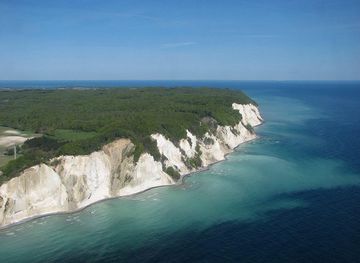
Explore more of South Zealand
Discover South Zealand, where dramatic cliffs, historic castles, and charming coastal towns create the perfect Danish escape.
Explore South Zealand
Explore more of Denmark
Discover Denmark: A perfect blend of history, modern design, and the cozy concept of hygge. Explore vibrant cities, serene landscapes, and world-class cuisine.
Explore Denmark
