From Eve
Know before you go
Hi, I'm Eve. Here are a few practical things to know before exploring Ledreborg Castle.
Local know-how to help you travel smarter and make the most of every moment.

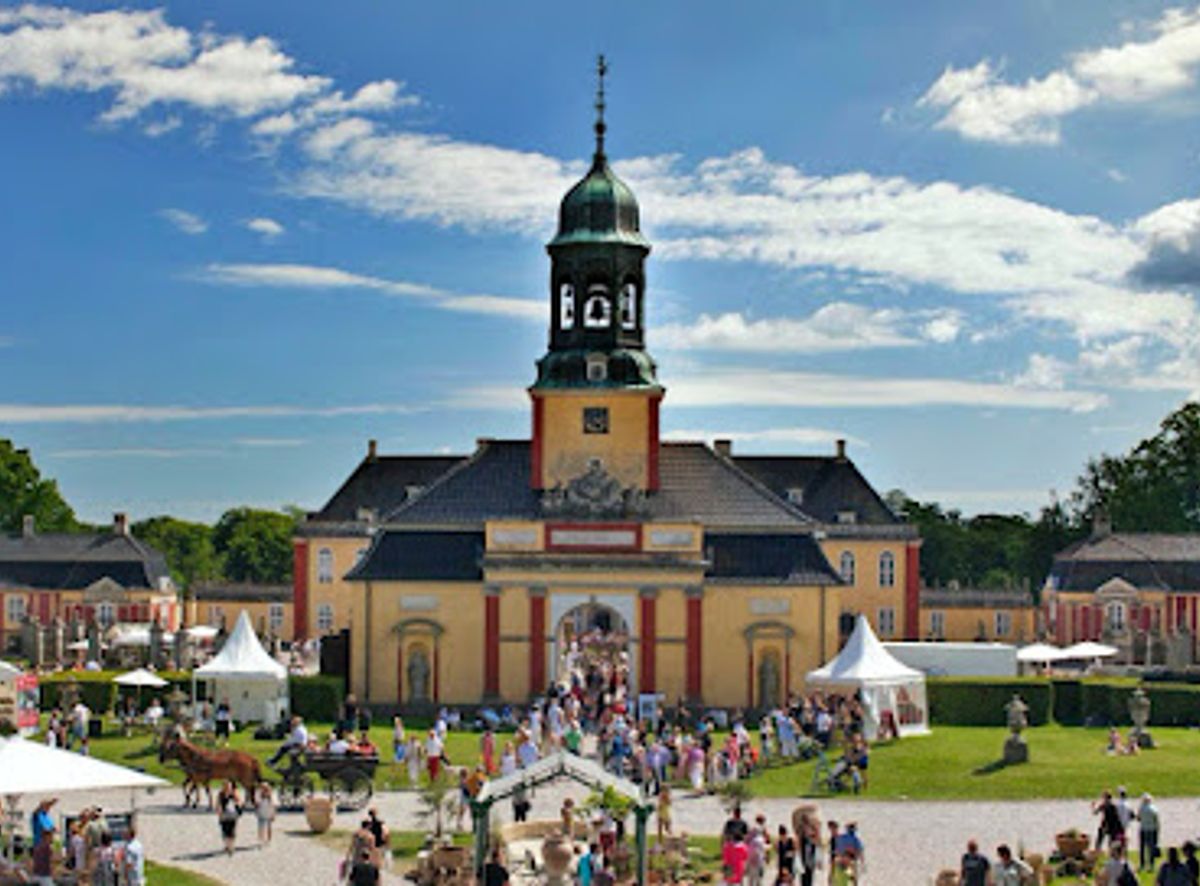
An elegant 18th‑century baroque palace at the end of a grand avenue, where pastel façades, terraces and quiet woodland paths reveal layers of Danish noble life.
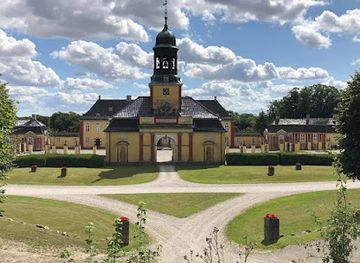
Ledreborg Castle, just outside Lejre on Zealand, is one of Denmark’s finest 18th‑century palatial estates, built in the 1740s for statesman Johan Ludvig Holstein. The pale pastel main wing, flanking pavilions and chapel form a harmonious baroque ensemble, set at the end of a long tree‑lined avenue. Beyond the castle, reconstructed baroque terraces, fountains, woodland paths and quiet viewpoints over the surrounding landscape invite slow wanders and lingering photo stops.
Opening times, essentials, and a few local tips gathered into one calmer, easier-to-scan planning section.
Hi, I'm Eve. Here are a few practical things to know before exploring Ledreborg Castle.
Local know-how to help you travel smarter and make the most of every moment.
Regional train and local bus from Copenhagen
From Copenhagen, take a regional train toward Roskilde and onward to Lejre; the total rail journey typically takes 35–50 minutes with a change at Roskilde or Trekroner. Standard adult single fares on this route generally fall in the range of 70–110 DKK depending on ticket type and time of day. From Lejre station, a short local bus ride or an approximately 3–4 km walk along country roads brings you to the castle area. Trains run frequently during the day, but bus services can be less frequent on weekends and public holidays, so checking schedules and allowing buffer time is important.
Car from Roskilde or central Zealand
Arriving by car from Roskilde or other parts of central Zealand typically takes 15–30 minutes, depending on your starting point and traffic. The route uses main regional roads through gently rolling countryside. There is usually signed vehicle access near the estate with designated areas where visitors can leave their cars, though parking availability may be more limited on days with large events or concerts. Fuel costs will vary with distance driven, but you can expect to spend roughly 20–60 DKK in fuel for a return trip from nearby towns. Always follow on‑site signage and respect any areas reserved for residents or service vehicles.
Cycling from Lejre and surrounding villages
Ledreborg lies within cycling distance of Lejre and other nearby villages on Zealand, and the surrounding landscape is relatively gentle, with low rolling hills and mixed farmland. From Lejre, most cyclists will reach the estate in about 15–25 minutes at a moderate pace. Surfaces are a mix of paved country roads and occasional gravel sections near the approach, so a city or touring bike is usually sufficient. There is no charge to cycle in the area, but you should use lights and reflective gear in low light and be prepared for wind and rain, which can make the ride feel longer.
 Restrooms
 Drink Options
 Drinking Water
 Food Options
 Seating Areas
 Sheltered Areas
 Picnic Areas
 Trash Bins
 Information Boards
 Visitor Center
Catch the right light and the right mood, whether you want a bright city moment or a more cinematic evening visit.


Use Tower Bridge as your starting point for nearby food, family ideas, nightlife, and more local discoveries.
A quick look at seasonal patterns and peak visiting hours.

Explore expert travel guides, compare and book tours, experiences, hotels, and more—all from the palm of your hand. Download now for seamless trip planning wherever your wanderlust takes you.
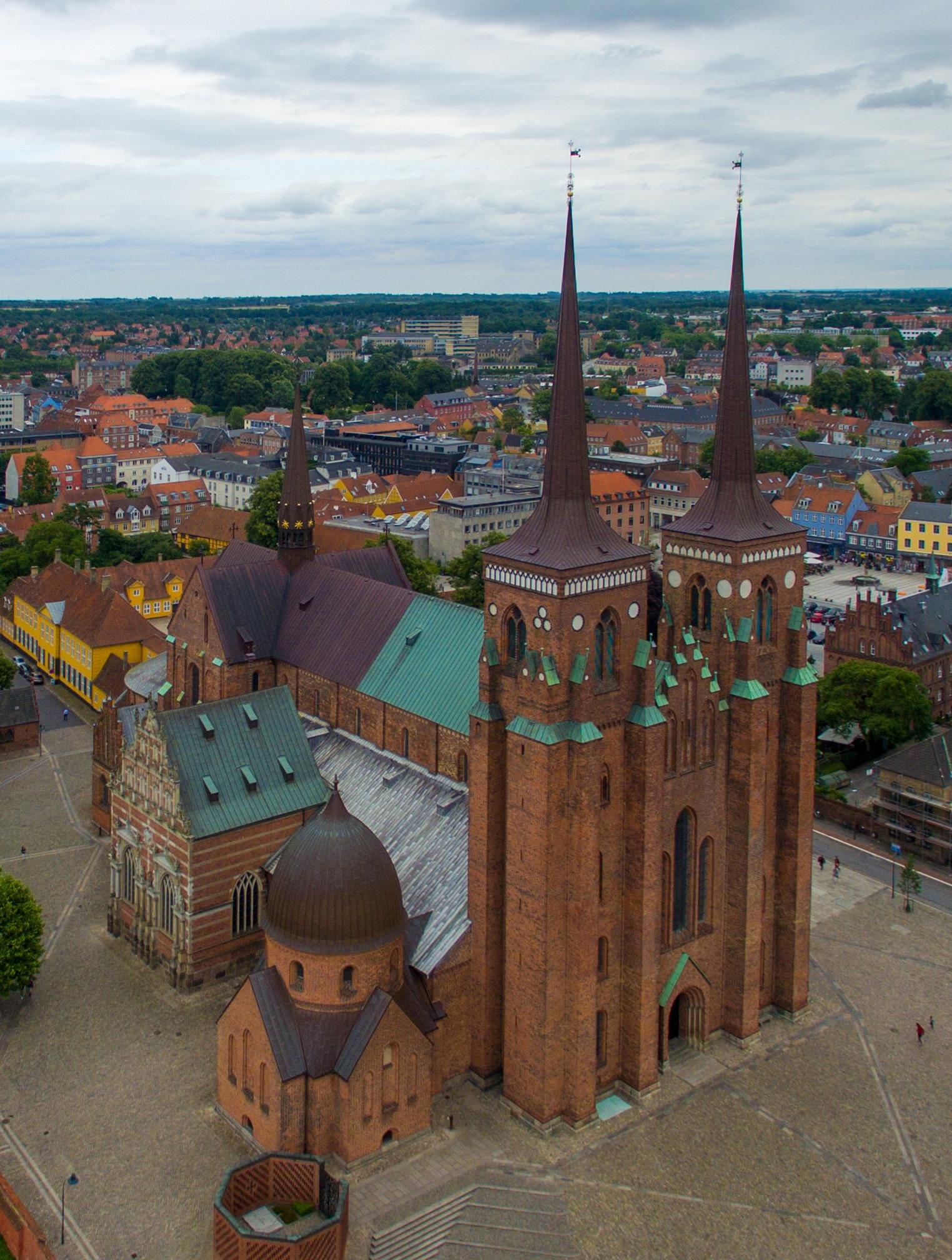
Discover Roskilde: A blend of rich history, Viking heritage, and vibrant music culture in the heart of Denmark, just a short journey from Copenhagen.
Tell me more about Roskilde