
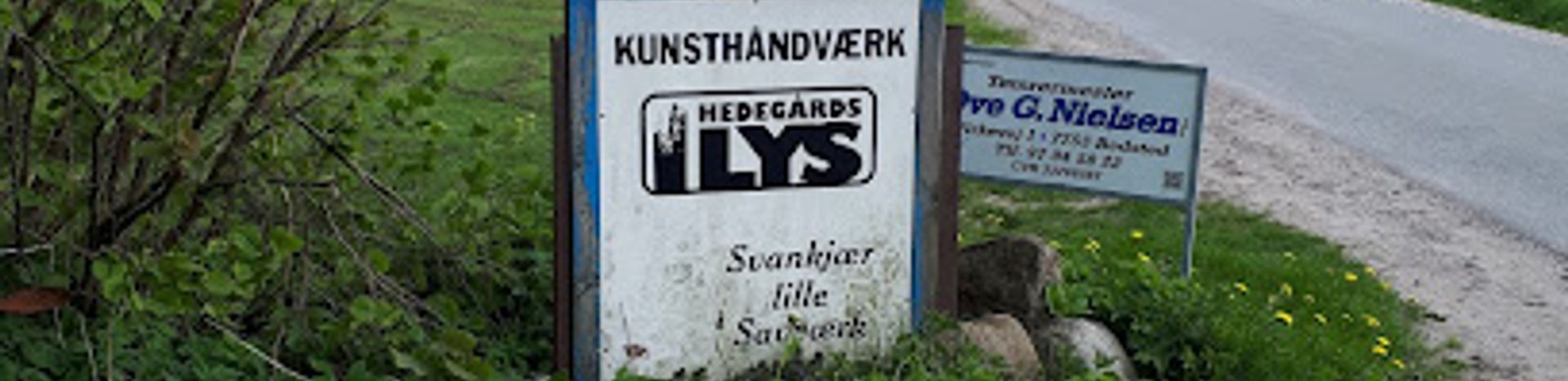
Frøken Fines Bonbonmuseum
A cozy countryside candy museum in Bedsted Thy where traditional Danish bonbons are cooked, cut and bagged before your eyes in a nostalgic, sugar-scented workshop.
Frøken Fines Bonbonmuseum in Bedsted Thy is a small, characterful candy museum and working sweet factory set on a rural farm property in Northwest Jutland. Here traditional Danish boiled sweets are cooked in front of you in a cozy production room filled with the smell of hot sugar, while shelves of jars, tins and vintage candy tools tell the story of confectionery through the decades. Part shop, part exhibition and part live demonstration, it is an intimate, family-run spot that turns nostalgia and craftsmanship into a charming, hands‑on visit.
A brief summary to Frøken Fines Bonbonmuseum
- Hedegårdsvej 5, Bedsted, 7755, DK
- +4560913248
- Visit website
- Duration: 0.5 to 1.5 hours
- Budget
-
 Indoor
- Mobile reception: 4 out of 5
- Tuesday 11 am-4 pm
- Wednesday 11 am-4 pm
- Thursday 11 am-4 pm
- Friday 11 am-4 pm
- Saturday 11 am-4 pm
- Sunday 11 am-4 pm
Local tips
- Aim to visit at a time when a candy-cooking demonstration is scheduled so you can watch the full process from hot syrup to finished bonbons.
- Bring a small tote or backpack; it is hard to resist buying multiple bags of sweets, and rigid tins or jars can be awkward to carry.
- Have some Danish krones or a payment card ready, as small rural businesses sometimes have limited payment options or minimum card amounts.
- If you have allergies or follow a special diet, ask which flavours are suitable; some mixes may include nuts, dairy or strong liquorice.

For the on-the-go comforts that matter to you
- Restrooms
- Drink Options
- Food Options
- Seating Areas
- Trash Bins
- Information Boards
Getting There
-
Regional train and short taxi from Thisted
From Thisted, take the regional train towards Bedsted Thy; the journey typically takes about 20–25 minutes with regular daytime departures on weekdays and reduced frequency on weekends. From Bedsted Thy station, a local taxi to Hedegårdsvej usually takes 5–10 minutes depending on traffic and costs roughly 80–140 DKK for a small group. This option suits visitors without a car but may require checking train timetables in advance, especially outside peak hours.
-
Car from Thisted and wider Thy area
Driving from Thisted town to the Bedsted Thy area generally takes about 30–40 minutes along regional roads through open countryside. There is typically informal roadside or on-site parking near small rural attractions like this, but spaces can be limited on busy days and during school holidays. Fuel costs vary, but you can expect to spend around 30–60 DKK on fuel for a round trip from Thisted, depending on your vehicle’s efficiency.
-
Bicycle from Bedsted Thy village
If you are staying in or near Bedsted Thy, reaching the museum by bicycle is a pleasant option through gently rolling farmland. The ride from the village center usually takes around 15–25 minutes, depending on your pace and wind conditions, with mostly paved local roads and some modest inclines. This route is free and suits reasonably confident cyclists, but strong coastal winds and occasional passing farm traffic mean it is best for adults and older teenagers rather than very young children.
Frøken Fines Bonbonmuseum location weather suitability
-
 Any Weather
-
 Rain / Wet Weather
-
 Cold Weather
-
 Mild Temperatures
Discover more about Frøken Fines Bonbonmuseum
A countryside candy world in Northwest Jutland
Frøken Fines Bonbonmuseum sits on a farm address just outside the small railway town of Bedsted Thy in Thisted Municipality, a quiet corner of Northwest Jutland where fields, wind and big skies dominate the landscape. Step through the door and the rural setting gives way to a warm, old‑fashioned interior where sweets in glass jars line the walls and the smell of caramelised sugar instantly wraps around you. The space is compact and personal rather than grand, more like being invited into a private workshop than a formal museum. Low ceilings, old furniture and hand‑written signs contribute to a homely vibe, while the surrounding countryside visible through the windows reminds you that this is very much a local, rooted place rather than a polished city attraction.Stories and tools from Denmark’s sweet-making past
At the heart of the museum is its focus on traditional Danish boiled sweets, or bonbons, and the craft techniques that once defined small candy makers across the country. Display cases hold moulds, rolling tables, heavy scissors and copper pans, each bearing the patina of long use. Old packaging, printed labels and colourful tins show how tastes and styles have shifted from mid‑20th‑century simplicity to today’s more playful graphics. Short written explanations (primarily in Danish, sometimes supplemented with simple English) guide you through how sugar was imported, how colour and flavour were added, and how small producers competed with industrial factories. The objects are close enough to examine in detail, giving a tactile sense of weight and texture even when you can’t touch everything directly.Live candy cooking and sweet aromas
What distinguishes this place from a static display is the live production. At set times during opening hours, sugar, water and glucose are heated in a pan until they reach that glossy, molten state that fills the room with an intense, buttery sweetness. The hot mass is poured onto a steel table, folded, flavoured and coloured in front of you, then pulled and rolled into long rods before being cut into bite‑sized pieces. The entire process is visible at close range, and the sounds are part of the experience: the hiss of steam, the clatter of metal tools on the worktop, the rhythmic chopping of still‑warm candy. Watching the transformation from clear syrup to striped bonbons in just a few minutes is both simple and captivating, and highlights the precision required to move quickly before the mixture sets.A combined shop, tasting room and gathering place
One side of the museum functions as a small shop where finished sweets are bagged by flavour: strong mint, fruit mixes, salty liquorice, seasonal blends and more experimental combinations. The shelves often include sugar‑free variants and themed mixes, making it easy to pick up gifts or souvenirs that connect directly to what you have just watched being produced. There are usually a few seats and cosy corners where you can pause, read the information boards and slowly work your way through a paper bag of still‑fresh candy. The pace is unhurried, and the setting encourages conversation with fellow visitors or with the hosts, who are often happy to talk about recipes, experiments and the realities of running such a niche attraction in a rural area.Part of a wider Thy countryside escape
Although compact, Frøken Fines Bonbonmuseum fits neatly into a broader day in Thy, a region known for wild coastal landscapes, dunes and the nearby national park. Many visitors combine the sweetness of the museum with walks among heather and sea breezes, using this stop as a cosy indoor contrast to the often bracing North Sea weather. Because the interior is sheltered and largely independent of conditions outdoors, it works in almost any season: a rainy‑day refuge in windier months and a pleasantly cool break when summer sun beats down on the surrounding fields. The result is a small but distinctive spot where craftsmanship, nostalgia and rural Danish life come together around something as simple, and as joyful, as a piece of candy.Iconic landmarks you can’t miss

Thisted Vandtårn
24.3 km
A glowing beacon of Thisted's industrial heritage, this iconic 1939 water tower illuminates the night sky.
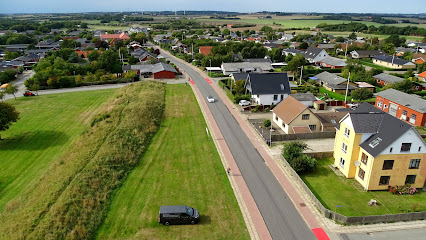
Eshøj gravhøj
28.5 km
A Bronze Age burial mound preserving 3,000 years of Danish prehistoric heritage on a windswept Jutland plateau.
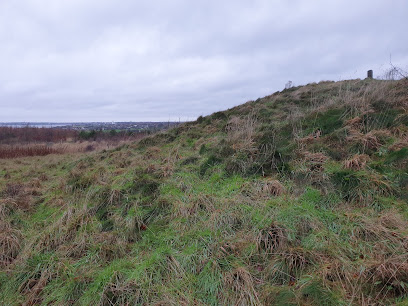
SOLTEGNET af billedhugger og professor Bjørn Nørgaard
32.4 km
A radiant sculpture of oyster shells celebrating art, sustainability, and fjord culture.
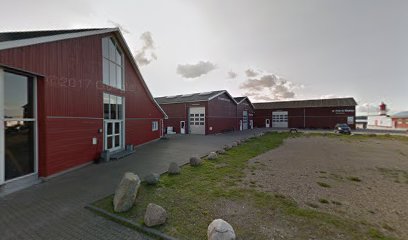
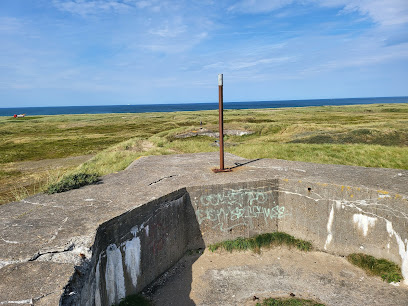
Battery Hanstholm 1
33.7 km
Wind-beaten dunes, concrete giants and sweeping sea views meet at Battery Hanstholm 1, an open-air World War II strongpoint on Denmark’s remote northwest coast.
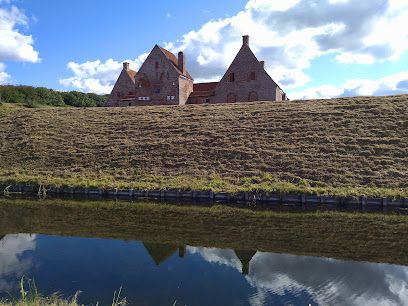
Spøttrup Borg Velkomstcenter
34.5 km
Experience authentic Danish medieval history at Spøttrup Borg, North Jutland’s best-preserved castle, surrounded by moats, gardens, and sweeping views of Limfjord.
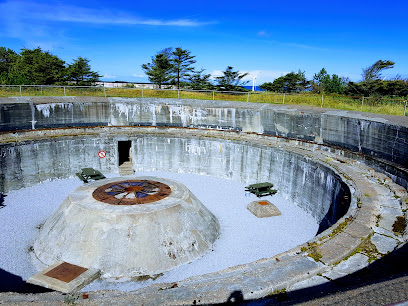
Hanstholm fortress
36.0 km
Explore Northern Europe's largest WWII coastal fortress in Denmark's Thy National Park, a powerful testament to history, engineering, and resilience on the windswept coast.
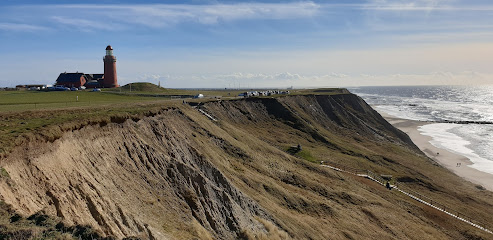
Bovbjerg Lighthouse
38.2 km
Historic North Sea lighthouse with art exhibits, panoramic cliff views, and a cozy café in windswept West Jutland – a beloved cultural beacon on Denmark's coast.
Bispehuen
40.2 km
A dramatic folded column of volcanic ash and clay, shaped like a bishop's hat, rising from Fur's largest quarry.
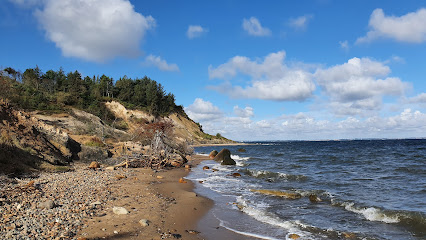
Fur
40.9 km
Experience the ancient moler cliffs, fossil treasures, and laid-back island culture that make Fur the crown jewel of Denmark’s Limfjord region.
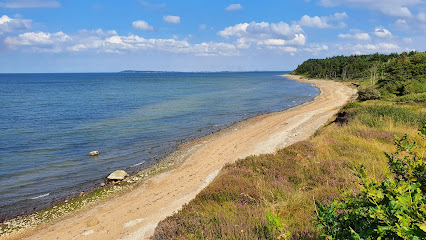
Fur Museum
41.1 km
Discover Denmark’s prehistoric wonders at Fur Museum—home to some of Europe’s finest fossils and a lively hub of natural and local history in the heart of Limfjord.
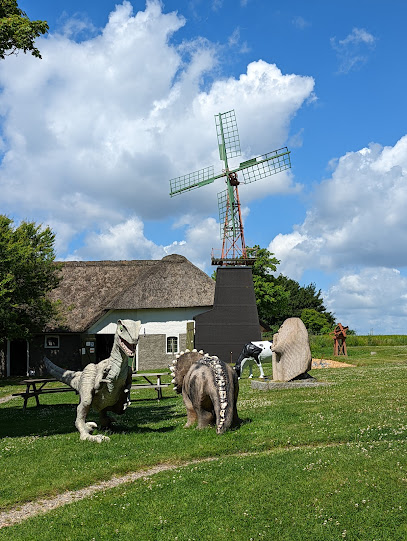
Museum Salling
49.2 km
Dive into Denmark's past at Museum Salling, where Limfjord's heritage comes alive through interactive exhibits, ancient artifacts, and engaging storytelling in scenic Skive.
Bulbjerg
54.7 km
Discover Bulbjerg: Denmark's only mainland bird cliff, offering dramatic coastal views, rich history, and diverse birdlife in the heart of Thy National Park.
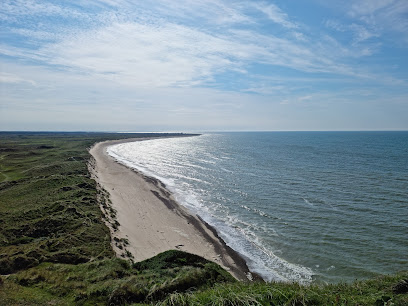
Limfjordsmuseet Løgstør
56.2 km
Explore Denmark’s maritime heritage and fjord culture at Limfjordsmuseet in Løgstør, with hands-on exhibits, heritage ships, and unique oyster and fishing traditions.
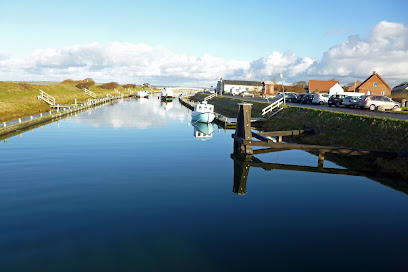
Limfjordsmuseets bådebyggeri
56.3 km
Experience the living world of Danish wooden boatbuilding at Limfjordsmuseets Bådebyggeri—a vibrant, hands-on tribute to maritime heritage in scenic Løgstør.
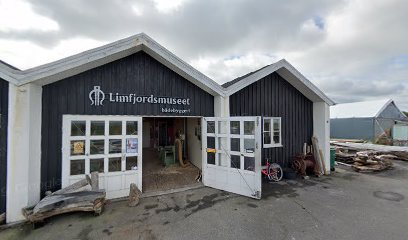
Aggersborg
58.0 km
Experience the awe-inspiring scale of Aggersborg, Denmark’s best-preserved Viking ring fortress, set amid sweeping Limfjord landscapes and centuries of history.
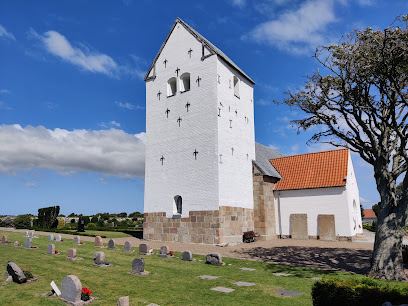
Unmissable attractions to see

Hvidbjerg Klitplantage
3.5 km
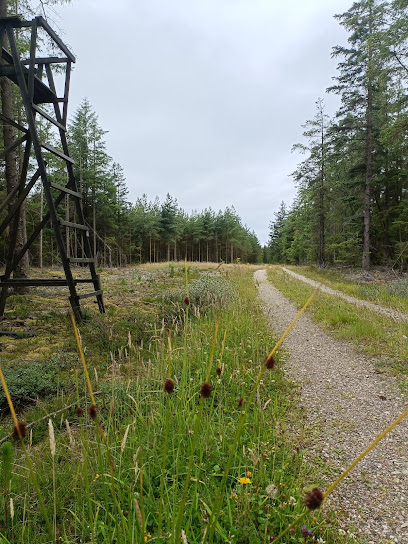
Sheltering dunes, tall pines and a child-friendly bathing lake make Hvidbjerg Klitplantage a gentle, accessible gateway into the wild coastal landscapes of National Park Thy.
Lodbjerg Fyr, National Park Thy Visitor centre
5.2 km
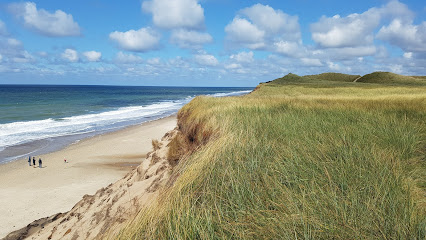
Discover Thisted Vandtårn, a historic water tower with panoramic views, local heritage, and architectural charm on the edge of Denmark’s wild Thy National Park.
Start skovtur
7.9 km
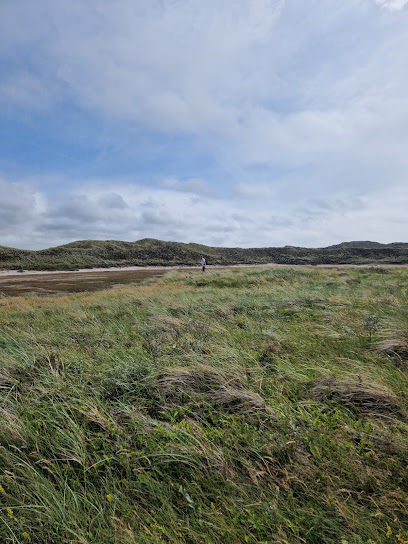
A modest trailhead at Snedsted’s edge, where quiet forest tracks, fields and big skies invite unhurried walks in the everyday landscapes of Northwest Jutland.
The Black Houses in Agger
8.7 km
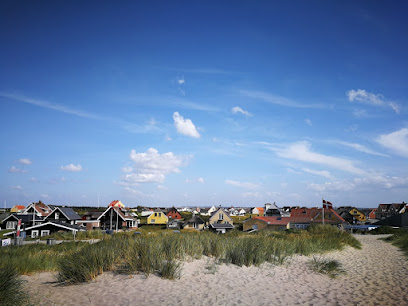
Atmospheric black-tar timber houses on Thy’s wild west coast, preserving Agger’s fishing, rescue and coastal defence history beside the roaring North Sea.
Udsigtstårnet i Ashøj Plantage
8.8 km
Simple metal steps to the highest point in Thy, where forest gives way to far horizons over North Sea, Limfjord and the church-dotted plains of South Thy.
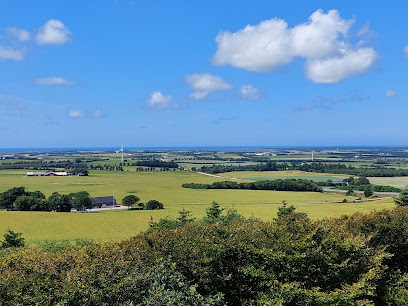
Trolden Ask fra Ashøj
9.1 km
Hidden in a forest clearing on Thy’s highest hill, the giant wooden troll Ask fra Ashøj blends playful sculpture, folk tale magic and wide Danish landscapes.
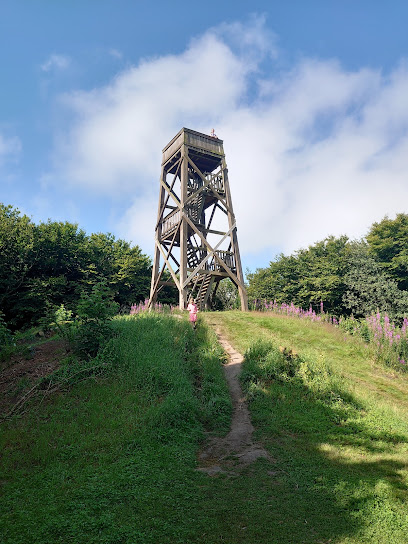
Stenbjerg Kro & Badehotel
9.5 km
Historic coastal inn and seaside hotel by Nationalpark Thy, blending simple Nordic comfort, local seasonal cuisine and easy access to dunes, sea and wild heaths.

Olsen Banden Hus Stenbjerg (Silhuet ved huset)
9.7 km
A humble North Jutland villa turned cult film waypoint, where a metal Olsen‑banden silhouette meets windswept fields on the edge of Thy National Park.
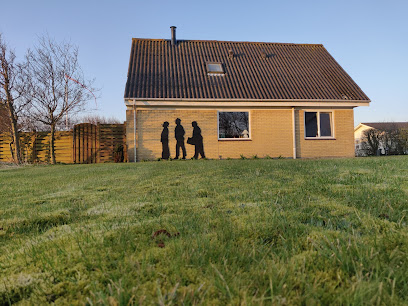
Jættestuen Lundehøj
10.4 km
Step inside a Neolithic stone chamber hidden beneath a grassy mound in Thy’s quiet countryside and glimpse the burial traditions of Denmark’s first farmers.
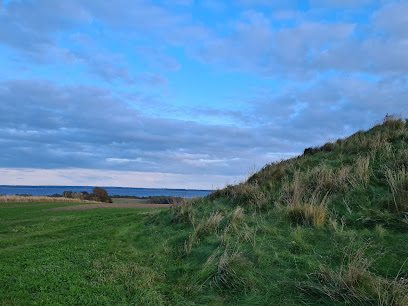
Nationalpark Thy, visitor centre Stenbjerg Landingsplads
10.8 km
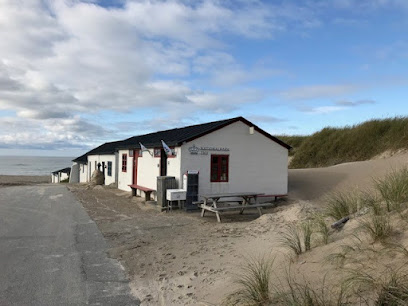
Atmospheric fishermen’s cottages, a compact park visitor centre and a wild North Sea beach combine at Stenbjerg Landingsplads, a characterful gateway to Nationalpark Thy.
Nørhå FiskePark
11.3 km
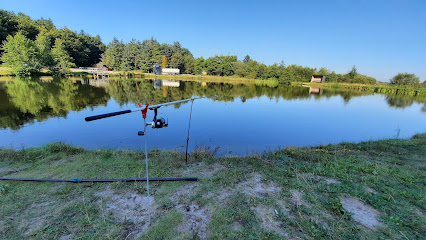
Small, stocked fishing lake in rural Thy, offering easy-going put & take angling, simple facilities and calm countryside atmosphere near Denmark’s wild northwest coast.
Vandhøjen
12.2 km
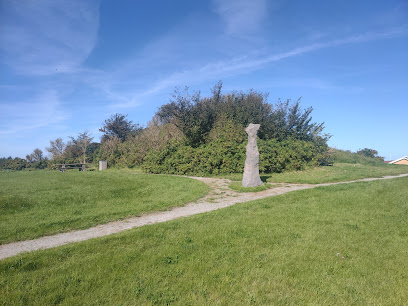
A modest countryside rise with big North Jutland skies, Vandhøjen offers a quiet pause amid fields, wind and ever-changing Thy light just outside Snedsted.
Faddersbøl Mølle
12.8 km
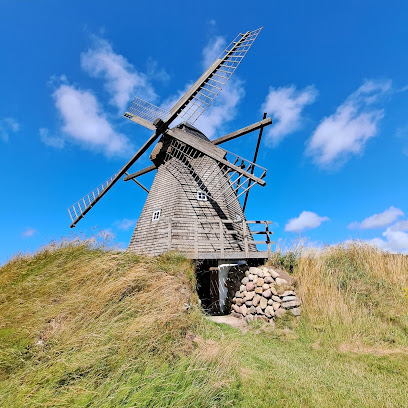
Restored 19th‑century windmill on the edge of Thy National Park, blending milling history, gentle walking trails and open North Jutland landscapes.
Vorupør Kirke
13.1 km
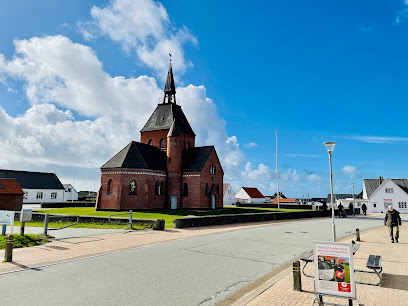
Red-brick coastal church in Nørre Vorupør, blending simple early 20th-century Danish architecture with deep roots in the village’s fishing and North Sea landscape.
Vorupør Museum
13.1 km
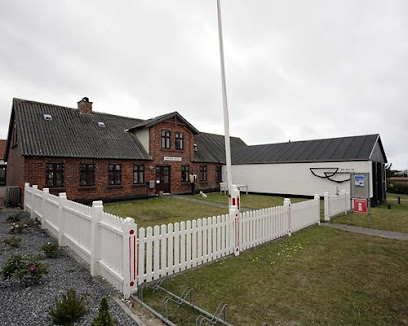
Step inside an authentic coastal boatyard where cutters were built for the North Sea, and discover how craftsmanship, fishing and family life shaped Vorupør.
Essential places to dine

Agger Darling
8.1 km
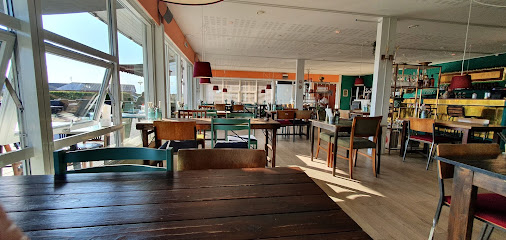
Coastal dining where passion meets local produce, between sea and forest in Thy National Park.
Restaurant TRI
8.9 km
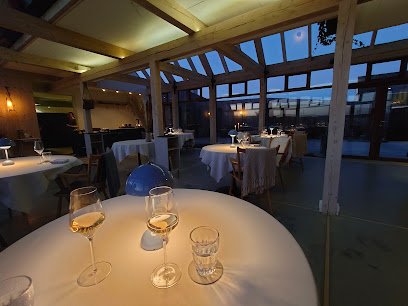
Michelin-starred fine dining celebrating Northern Jutland's seasonal bounty in a luminous glass sanctuary.
Stenbjerg Kro Restaurant
9.5 km
Traditional Danish inn-restaurant in the wild heart of National Park Thy, serving local fish, seasonal produce and classic kro comfort in a cosy village setting.
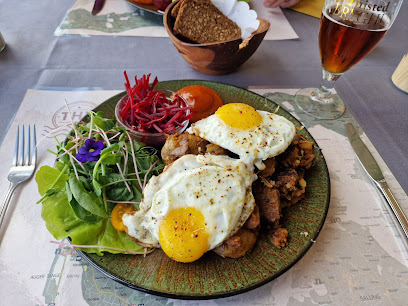
Hotel Thinggaard
10.1 km
Charming three-star hotel in Hurup Thy with fine dining, spa, and easy access to the wilderness of Thy National Park and the scenic Limfjord region.
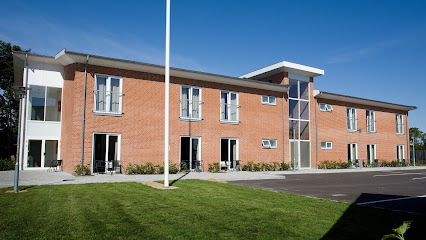
VØ Burgers
13.3 km
Casual burger-and-pizza hangout in laid-back Nr. Vorupør, perfect for refuelling after salty North Sea adventures along the wild Thy coastline.
Restaurant & Steakhouse Amalie
13.7 km
Coastal steakhouse blending premium beef, fresh seafood, and Nordic hospitality in Thisted's harbor district.
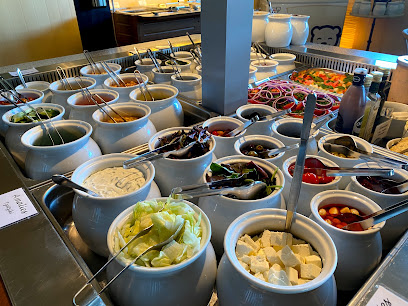
Bistro 123
13.9 km
Classic French bistro cooking meets surf-coast calm at this modern, candlelit restaurant inside Vorupør Badehotel on Denmark’s wild northwest shore.
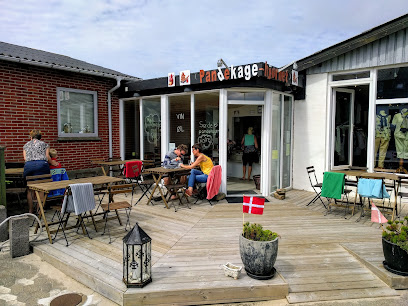
Pandekagehjørnet
14.0 km
Cosy North Sea pancake café in Vorupør, serving sweet and savoury treats and easygoing comfort food just a short stroll from the windswept Thy coastline.
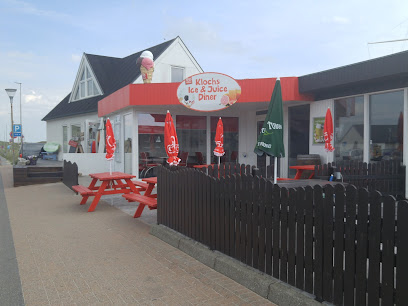
Klochs Spisested
14.0 km
Hearty burgers, steaks and spareribs in a laid‑back American‑style diner by the North Sea in Nørre Vorupør, a cozy coastal stop on Denmark’s wild west coast.
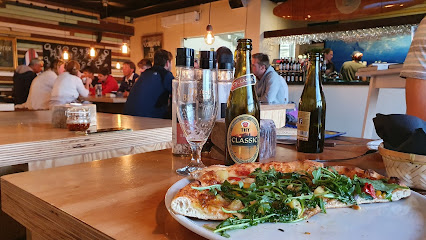
Vø Pizzabar
14.0 km
Surf-town pizza and bar in Vorupør, serving creative pies, vegan-friendly options and drinks in a relaxed Cold Hawaii coastal atmosphere.
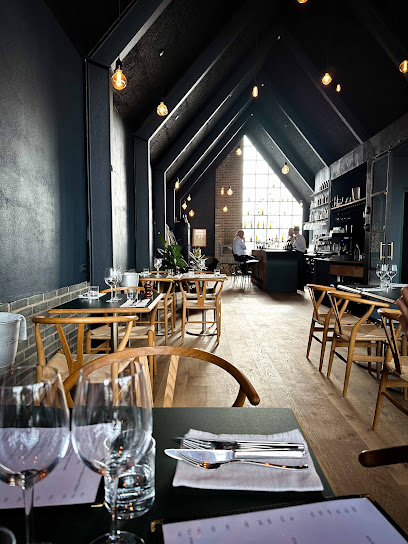
Vø cafe
14.0 km
Laid-back brunch and coffee just behind the dunes in Vorupør, where Nordic simplicity meets salty North Sea surf-town vibes.
La Grande Café, Pizza & Steak House
14.0 km
Fresh pizzas and quality steaks in a welcoming, family-friendly setting.
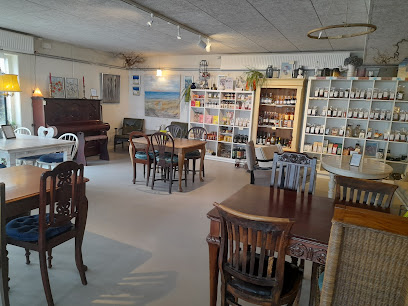
Vesterhavscaféen ved Nørre Vorupør Landingsplads
14.0 km
Casual seaside dining practically on the sand at Vorupør’s landingsplads, with hearty coastal fare and front-row views of the North Sea and Cold Hawaii surf.
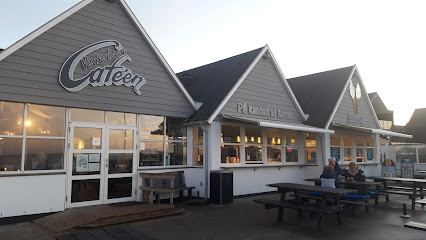
Gullerup Strand Kro
24.3 km
Classic Danish coastal inn on the Limfjord, blending simple rooms, hearty regional cooking and wide-open views towards Hanklit and Thisted.
Café Hawgus Klitmøller
24.6 km
Cosy coastal seafood in the heart of Klitmøller’s surf town, pairing North Sea flavours with a relaxed, beachy atmosphere from midday through evening.
Markets, malls and hidden boutiques

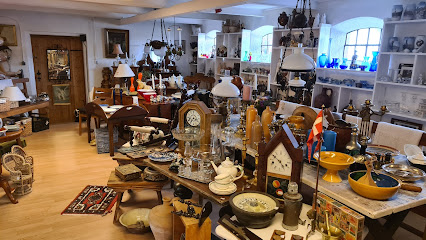
Nørhå Antik og Retro
9.5 km
A sprawling countryside antiques and retro design haven with orangery, garden pavilions and a cozy café overlooking fields and Nørhå Lake in Thy.
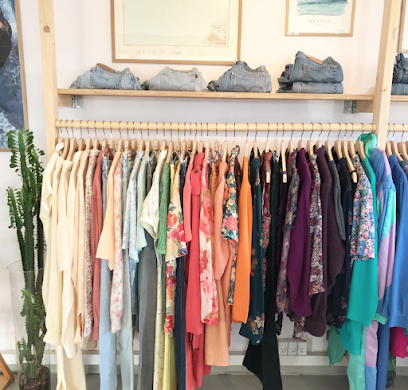
Ayoe Vintage
9.8 km
Intimate vintage showroom in dune-fringed Stenbjerg, pairing handpicked quality garments with the calm, coastal atmosphere of Thy National Park.
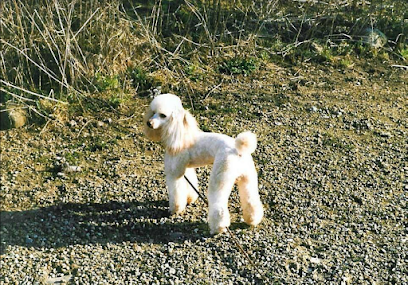
Alt for Hunden - Hundeklipning, Hundesalon, Hundetrimming, Negleklip og Hundefrisering i Thisted.
11.7 km
Professional dog grooming by a certified cynologist in Thisted's trusted pet care salon.
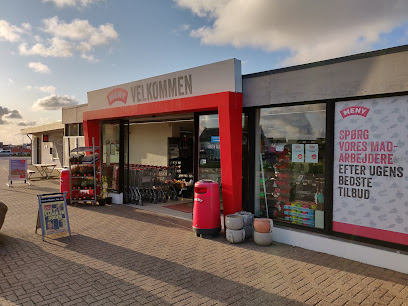
Meny
13.1 km
A welcoming supermarket where quality, service, and local character converge in coastal Vorupør.
Vorupør Slagterforetning v/Søren Odder Jensen
13.2 km
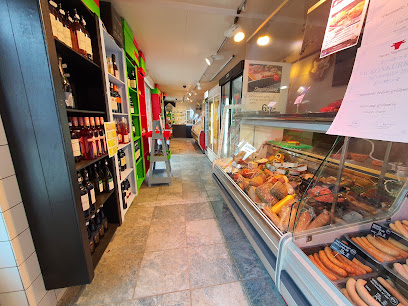
Three generations of Danish butchery craft, sourcing local meats with personal expertise and regional pride.
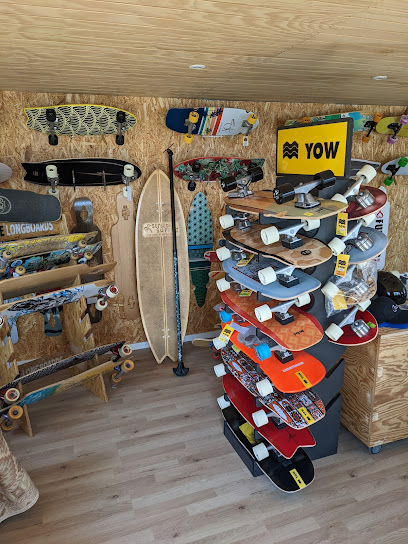
VØ Skateshop I Jibe Longboards
13.4 km
Coastal skateshop blending surf culture with longboarding lifestyle in northern Denmark.
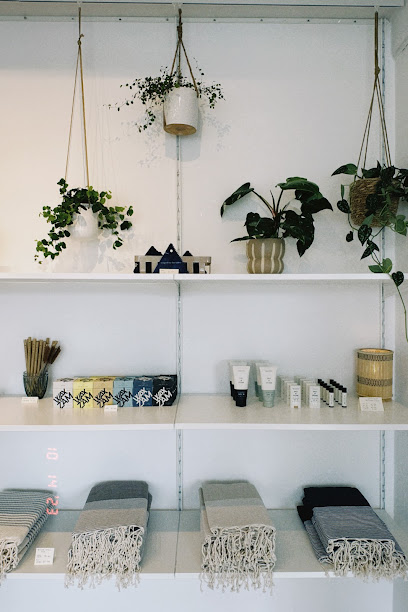
Shaped by the Tides
13.5 km
A calm, design-led coastal boutique in Vorupør, where Nordic minimalism meets North Sea surf culture in a carefully curated selection of ocean-inspired goods.
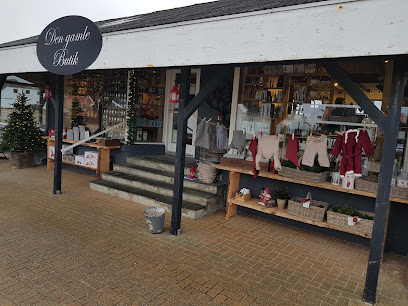
Den Gamle Butik I/S
13.6 km
A cosy, nostalgia-filled shop in coastal Vorupør where Nordic design, year-round Christmas magic and the scent of freshly ground coffee create a timeless hygge retreat.
Danmission Op Shop
13.9 km
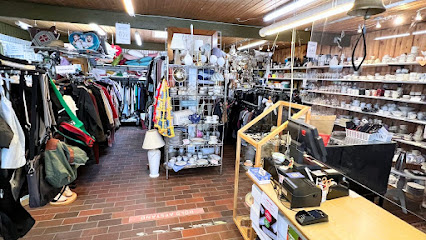
Cosy coastal thrift store in Vorupør where second-hand finds, from warm knitwear to well-loved books and furniture, support Danmission’s wider charitable work.
Den Lille Ravbutik ApS
14.0 km
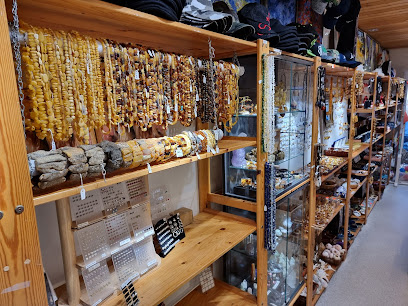
Cosy amber specialist in Vorupør, where North Sea beach culture meets warm, golden jewellery crafted from Danish west coast treasure.
Svanebro
14.0 km
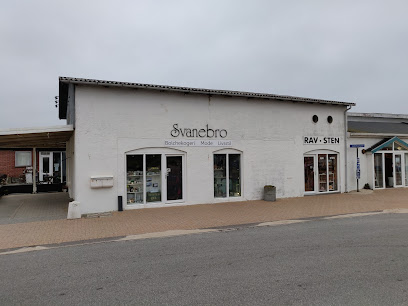
Cosy coastal shop in Vorupør combining handmade sweets, local specialties and gift-worthy homeware just a short stroll from the wild North Sea.
Surf Pro Cold Hawaii - Vorupør
14.0 km
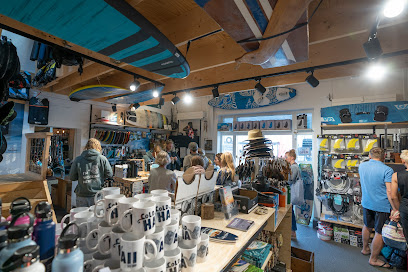
Surf Pro Cold Hawaii in Vorupør is the ultimate hub for surf rentals, lessons, and gear—right in the wild heart of Denmark’s coastal Thy National Park.
Rav& Sten
14.0 km
Premium amber and gemstone treasures from Denmark's North Sea coast, nestled in historic Vorupør.
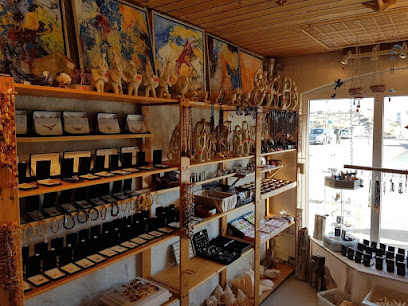
Klitmøller Collective
14.0 km
A calm, coastal-chic clothing store in the heart of Cold Hawaii, blending Nordic design, surf-town spirit, and practical style for life by the North Sea.
Fiskercompagniet
14.0 km
Bustling coastal fish shop and smokehouse in Vorupør, serving ultra-fresh North Sea seafood, easy takeaway meals and smoked specialities steps from the beach.
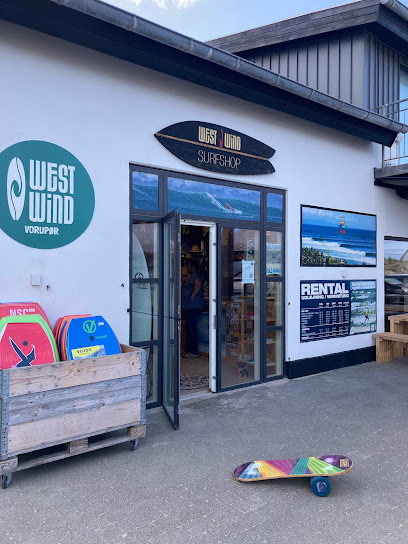
Essential bars & hidden hideouts

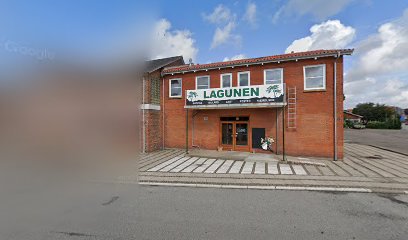
Lagunen
4.7 km
A cozy village bar in Bedsted Thy, Lagunen offers simple drinks, local company and a warm slice of North Jutland everyday life in a relaxed, no-frills setting.
Pusterummet
10.4 km
A relaxed local bar and eatery in the heart of Hurup Thy, where billiards, cold beer and simple comfort food create an easygoing small-town social hub.
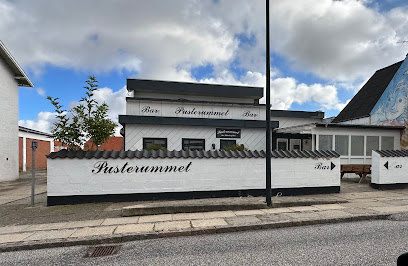
Gården Klitmøller
24.5 km
Cozy farmhouse café, bar and lodge at the heart of Klitmøller’s Cold Hawaii coast, steps from surf, sand and the wild edges of Thy National Park.
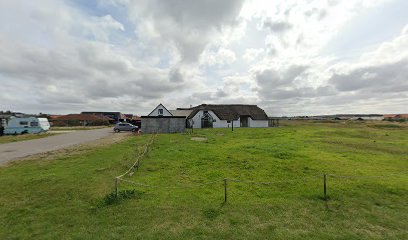
Stalden Klitmøller
24.7 km
A timeworn village bar on Klitmøller’s main street, where North Sea surf culture, local life and simple drinks come together in a cosy, unpretentious setting.
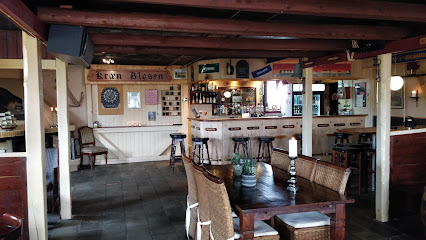
Inside v/Gabriele Steinke
24.8 km
Unpretentious bar and grill on Thisted’s coastal edge, serving hearty burgers, fish and chips and cold beers to locals and holidaymakers in a laid-back setting.
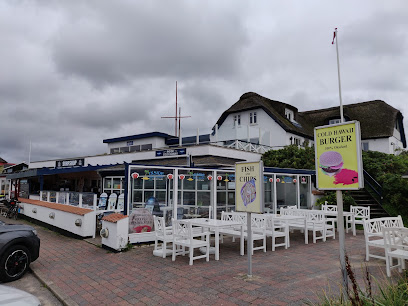
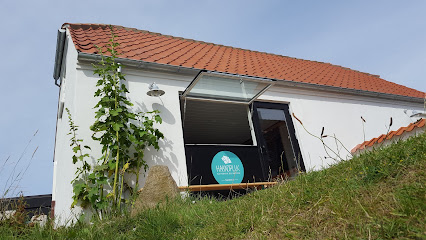
Haandpluk Kaffebar og delikatesse
24.8 km
Intimate Klitmøller hangout blending specialty coffee, craft beer, curated wine and deli treats in a cosy garage-style space near the windswept northwest coast.
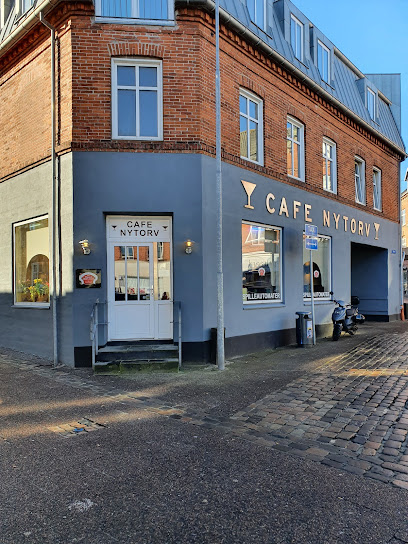
Cafe Nytorv v/ John Nielsen
25.0 km
Unpretentious bodega-style bar on Thisted’s central square, serving cold beers, simple drinks and everyday hygge from late morning to late night.
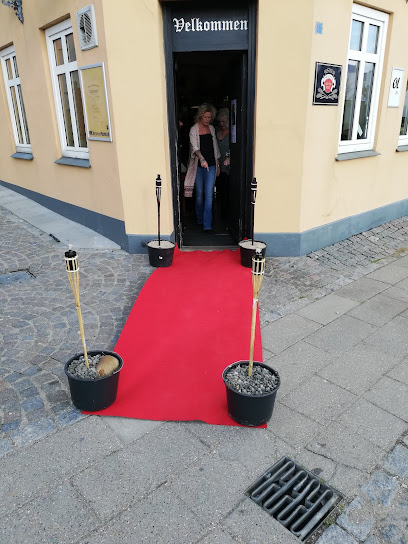
Harmonien
25.1 km
Thisted's welcoming bar and restaurant serving generous brunches and curated drinks in the town centre.
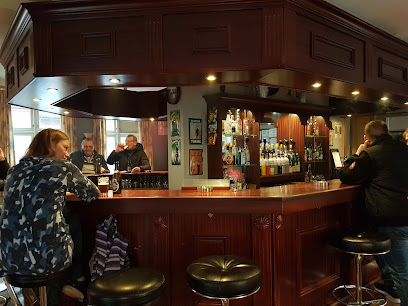
Café Børsen
25.1 km
Casual harbor-side café where locals gather for drinks and genuine Danish social warmth.
Heidi's Bier Bar
25.3 km
Loud, lively and drenched in Tyrolean après‑ski flair, Heidi’s Bier Bar Thisted turns coastal North Jutland nights into all‑season Oktoberfest parties.
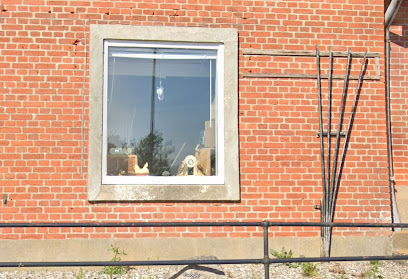
SwagHouse
27.9 km
Casual nightlife hub in the heart of Nykøbing Mors, where locals and travelers gather for drinks and social connection.
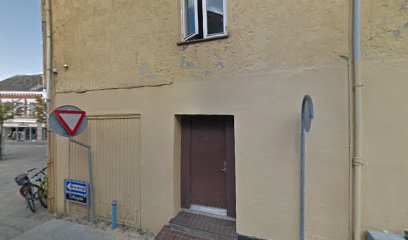
Nabo
31.4 km
Cozy neighbourhood wine bar on Nykøbing Mors’ Lilletorv, pouring characterful wines, easygoing drinks and relaxed hygge in an intimate, candlelit setting.
Farmors Bodega
31.6 km
Authentic Danish bodega where locals gather for beers, aquavit, and genuine Limfjord hospitality.
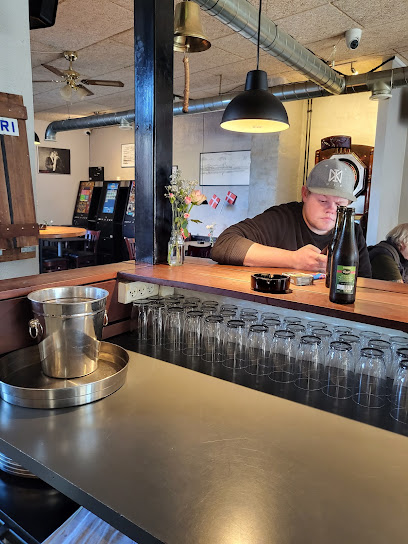
Don Muss
31.7 km
Cozy harborfront bar in Nykøbing Mors, blending everyday beers, late-night live music and local Limfjord charm in one unpretentious hangout.
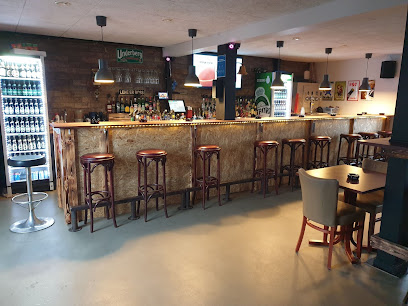
FJORD Bryggeri og Destilleri
31.8 km
Harbourfront microbrewery and distillery in Nykøbing Mors, serving small-batch beer and gin that capture the flavour of Mors in a cosy historic setting.
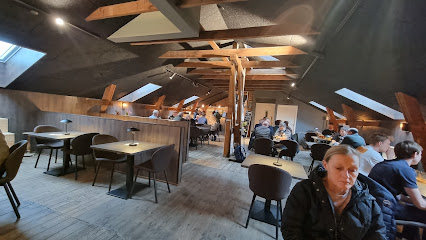
Nightclubs & after hour spots

HQ-CSI
24.6 km
Intimate late-night club in coastal Thisted, where locals bring small-town North Jutland energy to a compact dance floor and an easygoing bar scene.
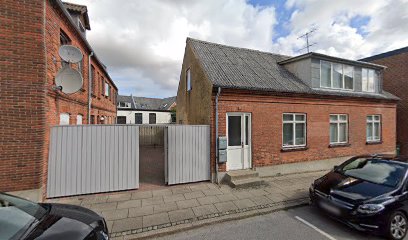
Diskotek Showoff
24.8 km
Thisted’s late-night disco club, where colorful lights, loud beats, and a compact dancefloor bring big-city party energy to this small coastal town.
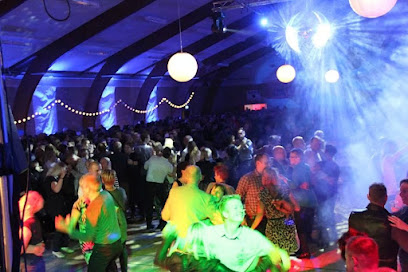
Dampmøllen Thisted
25.3 km
Late-night Thisted institution in a former steam mill, with multiple dance floors, bars and a distinctly Danish small-town party atmosphere.
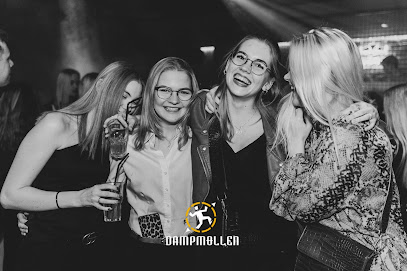
East End Holstebro
55.4 km
High-energy disco club in central Holstebro, where DJs, flashing lights, and a packed dance floor keep the party going into the early morning hours.

Der Kuhstall Mønsted
67.1 km
Rural barn vibes meet late-night beats at this countryside nightclub near Viborg, where casual crowds, strong drinks and a compact dance floor power the weekend.
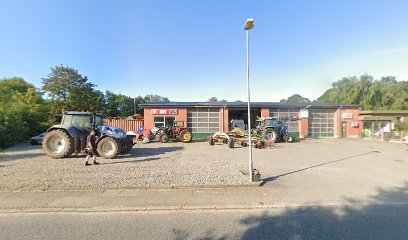
ANDERS LAUSTSEN A/S
74.7 km
Compact, casual late-night bar and dance spot in Viborg, offering simple drinks, music, and a local Danish nightlife vibe just beyond the historic center.
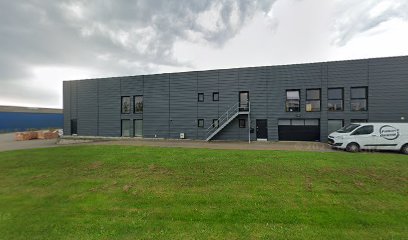
Mjølner
75.7 km
Small-town Nibe’s late-night heartbeat, where a compact dance floor, loud party tunes and local crowds turn a quiet fjord town into a lively night out.
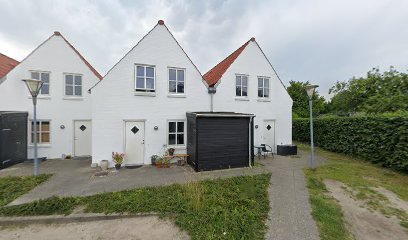
Fermaten
86.4 km
Experience Herning’s vibrant music scene at Fermaten, the city’s top venue for live concerts, cultural events, and dynamic nights out in central Jutland.
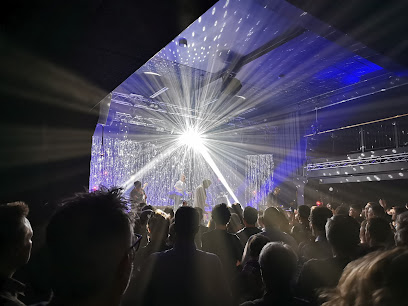
Mindegade5
86.7 km
Experience the heartbeat of Herning's nightlife at Mindegade5, where music, dance, and celebration converge.
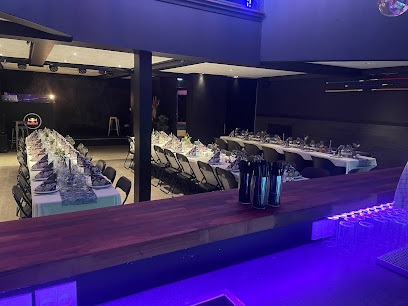
Buddy Holly
90.9 km
Late-night disco hub in central Hobro, where locals and visitors pack the dance floor to chart hits, lights and drinks until the early hours.

Happy Friday
90.9 km
Experience Støvring's vibrant nightlife at Happy Friday Cocktail Bar, where expertly crafted cocktails meet a lively atmosphere.
Jazz Hobro
91.4 km
Experience the soulful melodies of live jazz in the heart of Hobro at Jazz Hobro.
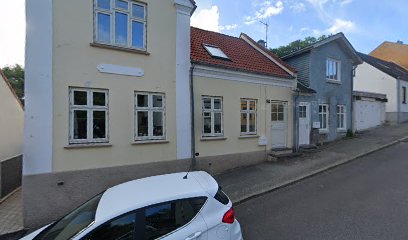
Rold Skov Orienteringsklub
93.4 km
Embark on an orienteering adventure with Rold Skov Orienteringsklub in Denmark's captivating Rold Skov forest.
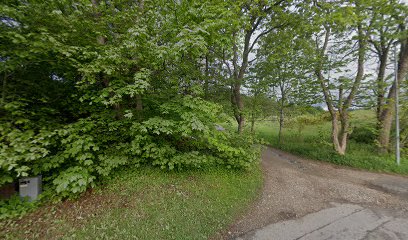
Skørping Bodega
93.8 km
A friendly local bodega near Rold Skov, Skørping Bodega captures the spirit of Danish bar culture with its authentic charm, inviting atmosphere, and vibrant community.
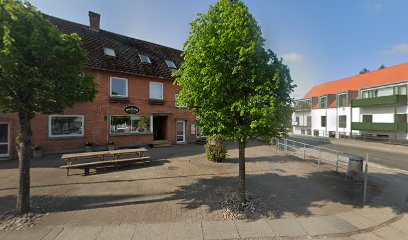
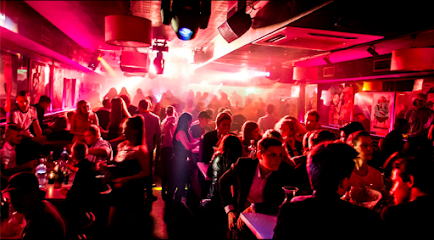
Club Stygge
98.3 km
Compact, late-night Aalborg nightclub with loud party hits, simple cocktails and a tightly packed dance floor on bustling Vesterå.
For the vibe & atmosphere seeker
- Fun-filled
- Quirky
- Unique
- Casual
- Scenic
For the design and aesthetic lover
- Vintage Styles
- Rustic Designs
- Colorful Aesthetics
For the architecture buff
- Heritage Neighborhoods
- Landmarks
For the social media creator & influencer
- Photo Spots
- Selfie Spots
- Aesthetic Corners
- Colorful Backdrops
For the eco-conscious traveler
- Low Impact
- Locally Managed
- Public-Transport Accessible
For the kind of experience you’re after
- Cultural Heritage
- Photowalk
- Adventure Photo Shoot
- Day Trip
- Roadtrip Stop
For how adventurous you want the journey to be
- Easy Access
Location Audience
- Family Friendly
- Child Friendly
- Teen Friendly
- Senior Friendly
- Solo Friendly
- Couple Friendly
- Vegetarian Friendly
- Vegan Friendly


