Vorupør Museum Travel Guide
Free Guide: Step inside an authentic coastal boatyard where cutters were built for the North Sea, and discover how craftsmanship, fishing and family life shaped Vorupør.


A brief summary of Vorupør Museum
Step inside an authentic coastal boatyard where cutters were built for the North Sea, and discover how craftsmanship, fishing and family life shaped Vorupør.
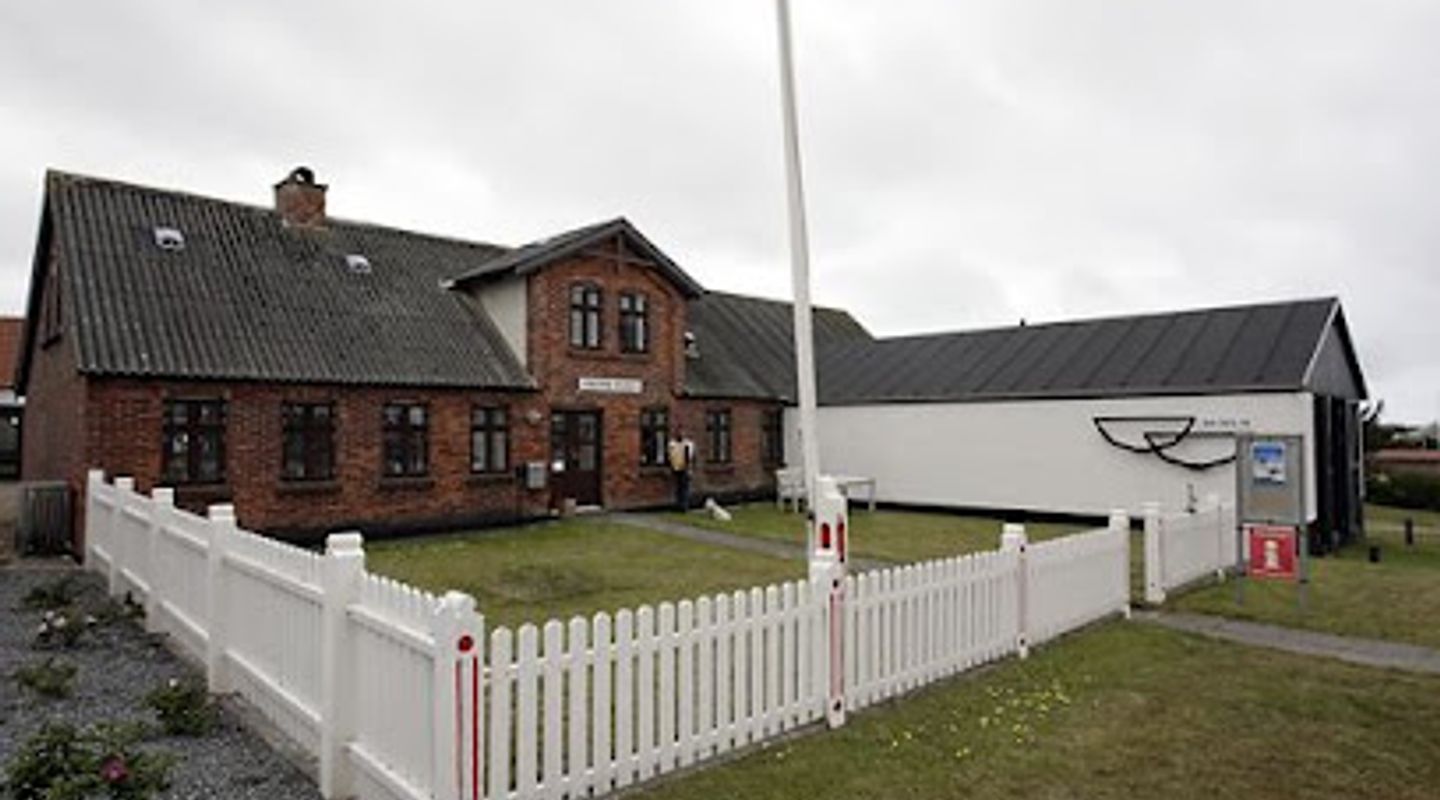
Vorupør Museum in Thisted’s coastal village of Vorupør is a small but evocative museum housed in an old boatyard that once built cutters for North Sea fishermen. Inside the former workshop and boatbuilder’s home, original tools, machinery and everyday interiors tell the story of coastal fishing, craftsmanship and family life on Denmark’s northwest coast. Close to the sea and church, it offers a vivid glimpse into the maritime culture that shaped Thy.
On-site amenities
 Restrooms
 Trash bins
 Information boards
Opening hours
- MonClosed
- Tue1 pm–4 pm
- Wed1 pm–4 pm
- Thu1 pm–4 pm
- Fri1 pm–4 pm
- Sat1 pm–4 pm
- Sun1 pm–4 pm
Opening hours as listed on the venue’s Google Business Profile. Hours can change for services and special events, so check with the venue before you go.
- Address
- Vesterhavsgade 21, 7700 Thisted
- Phone
- Website
Getting there
Car from Thisted town
Regional bus within Thy
Cycling through Thy National Park area
Discover more about Vorupør Museum
From working boatyard to maritime time capsule
Vorupør Museum occupies a former boatyard just west of the church in the small coastal community of Vorupør, part of Museum Thy’s network of local museums. Once a busy workplace where sturdy cutters and fishing boats were crafted for the North Sea, the building now preserves the atmosphere of a hands-on workshop while inviting you to slow down and look closely at the traces of a vanished working life.The timbered sheds and modest rooms retain an unpolished authenticity: bare floorboards, heavy workbenches and the smell of oiled wood and tarred rope linger in the air. Instead of grand galleries, you walk through spaces where each scarred beam and worn tool hints at long days spent preparing boats to face harsh waves and salt-laden winds.
Craft, tools and the rhythm of coastal fishing
Inside the workshop, original machines and hand tools line the walls, illustrating how local boatbuilders shaped hulls, keels and ribs from raw timber. Displays explain how clinker-built boats were designed to be hauled directly onto the beach, adapted precisely to the surf and sand of the Jutland west coast.Plans, photographs and scale models show the evolution from small open vessels to larger motorised cutters that once filled the shoreline here. Explanatory panels and objects together trace how technological change altered not only the boats themselves, but also the tempo of work, the dangers at sea and the tight-knit organisation of the fishing community.
A glimpse into the boatbuilder’s home life
Adjacent to the workshop, the boatbuilder’s house recreates everyday interiors from the early and mid‑20th century. Simple furniture, crocheted textiles and blue‑and‑white ceramics speak of a practical yet carefully tended home. The kitchen, parlour and sleeping spaces reveal how family life unfolded in step with the demands of fishing seasons, weather forecasts and market days.Here you can sense how the boundary between work and home blurred: salty clothes drying by the stove, tools stored in corners, and radio reports from sea mingling with children’s homework. The house underscores that boatbuilding was not just a trade but the foundation of an entire household economy.
Stories of sea, storms and community resilience
Throughout the museum, photographs, personal objects and short texts convey episodes of triumph and tragedy along this exposed coast. You encounter tales of daring rescues, lost boats and rebuilding after storms, set against the broader history of Thy and the North Sea fisheries.The museum highlights how cooperation was essential: fishermen, boatbuilders, families and lifeboat crews all contributed to a web of mutual support. Seasonal patterns of work, religious life and local associations are woven into the narrative, giving the small museum a surprisingly broad historical scope.
Experiencing Vorupør between museum, village and sea
Because the museum sits within walking distance of the seafront, it is easy to connect what you see indoors with the landscape outside. After examining hull shapes and launch methods, you can step out to the beach and picture how boats were once pulled across the sand and into the rolling surf.The compact size makes Vorupør Museum a comfortable stop even on a short visit, yet it rewards those who linger with layered details in the tools, photos and rooms. Combined with a stroll through the village and along the water, it offers a quietly powerful introduction to the maritime character of Denmark’s far northwest.
Evendo Review Centre
 Google
Guest reviews
Best time to go
Quietest: Jan, Feb & Mar · before 10am or at 6pm
Busy times are Evendo estimates for a typical year, to help you plan. Actual crowds vary with events, school holidays and the weather.
Explore Vorupør Museum on the map
A handpicked selection of must-see spots near Vorupør Museum, mapped for you.
Get your free copy of our complete guide to Vorupør Museum, delivered straight to you.
Everything on this page, from opening hours and how to get there to Eve’s tips and the best time to go, in one PDF you can read offline, print or share.
Already have an account? Sign in
Your Vorupør Museum guide is ready.
We'll send it to · Not you? Sign out

Getting your guide ready…
We are putting together a fresh copy of the Vorupør Museum guide. This can take up to a minute.
This can take a few moments. If your browser asks, choose Allow so the download can start. You'll find the guide in your Downloads folder.
Nothing happened? Download it again
Sorry, the guide is taking longer than usual. Please try again in a minute, or get it by email instead.
Other nearby places you may find interesting
The closest places of the same kind, if this one is not quite what you had in mind.
-
-
-
-
-


Swipe for more places
More to explore near Vorupør Museum

 Best experiences near Vorupør Museum
 Best hotels near Vorupør Museum
 Best landmarks near Vorupør Museum
 Best attractions near Vorupør Museum
 Best shops near Vorupør Museum
 Best restaurants near Vorupør Museum
 Best bars near Vorupør Museum
Do you manage this location?
Take control to get all the benefits, like improved information, better appearance, and stronger visibility across AI-powered discovery.
Explore more

Explore more of Thy National Park
Discover Thy National Park, Denmark's first national park, a coastal wilderness offering diverse landscapes, rich wildlife, and countless outdoor activities for nature lovers.
Explore Thy National Park
Explore more of Denmark
Discover Denmark: A perfect blend of history, modern design, and the cozy concept of hygge. Explore vibrant cities, serene landscapes, and world-class cuisine.
Explore Denmark