Background

Bulbjerg: Denmark's Dramatic Bird Cliff

Discover Bulbjerg: Denmark's only mainland bird cliff, offering dramatic coastal views, rich history, and diverse birdlife in the heart of Thy National Park.

4.8

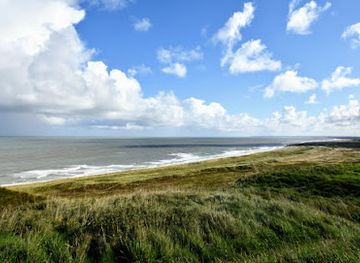
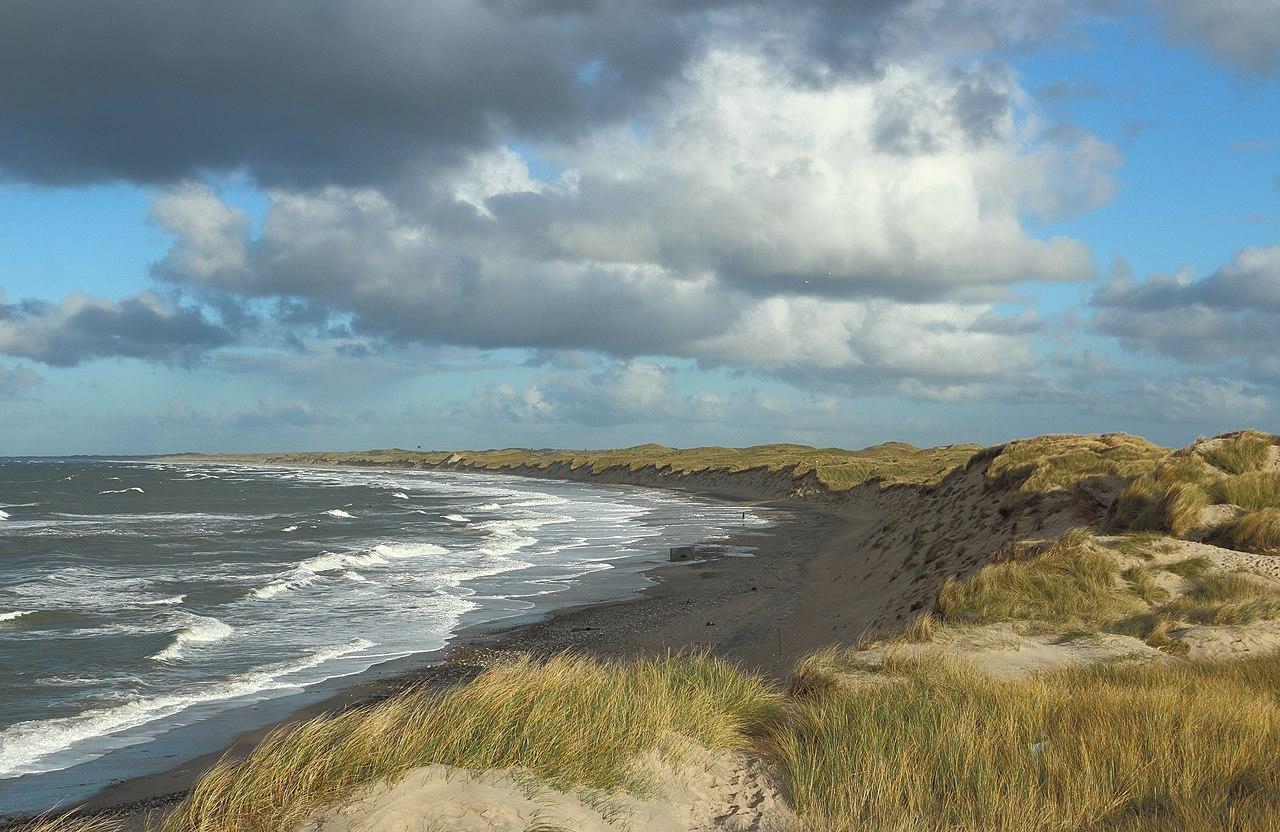
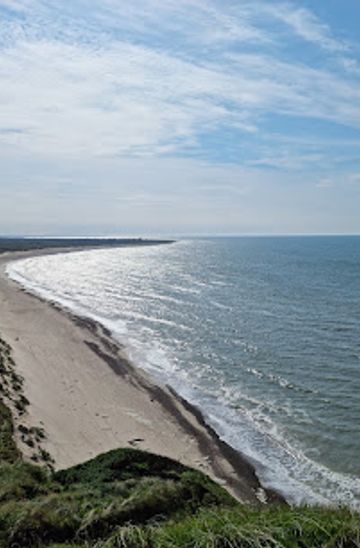
Bulbjerg, a majestic 47-meter limestone cliff on Jutland's northwest coast, is a natural wonder and Denmark's only bird cliff on the mainland. This dramatic landmark offers breathtaking panoramic views of the North Sea and the surrounding landscape. Formed over millions of years, Bulbjerg is a haven for birdwatchers, home to diverse species like the black-legged kittiwake and fulmars. Explore the historic WWII bunker, hike the scenic trails, and witness stunning sunsets. With its unique geology, rich history, and captivating natural beauty, Bulbjerg provides an unforgettable experience for nature enthusiasts and history buffs alike. It's a place where the raw power of the sea meets the serene beauty of the Danish landscape, creating a truly remarkable destination.

A brief summary to Bulbjerg

  • Frøstrup, DK

Local tips

  • Visit during sunset for the most spectacular views of the coastline and the North Sea.
  • Bring binoculars for optimal birdwatching, especially during the breeding season.
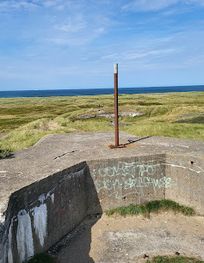
  • Explore the WWII bunker museum to learn about the area's strategic importance during the German occupation.
  • Wear comfortable shoes for hiking the trails and exploring the rocky terrain.
  • Check the weather forecast before your visit, as coastal conditions can change rapidly.
widget icon

Getting There

  • Driving

    From Fjerritslev, follow Route 569 north towards Frøstrup. Once in Frøstrup, follow the signs for Bulbjerg. The road, Bulbjergvej, leads directly to the parking areas at the base and top of the cliff. Parking is free. Be aware that the road splits just before reaching Bulbjerg, with one branch leading to the beach and the other to the cliff top. Both have parking lots. The terrain around Bulbjerg is steep and may not be suitable for people with walking difficulties.

  • Public Transport

    While reaching Bulbjerg directly by public transport is limited, you can take a bus to Fjerritslev. From Fjerritslev, the most practical option is to take a taxi to Bulbjerg, which is approximately a 20-minute ride. Taxi fares will vary, but expect to pay around 300-400 DKK. Alternatively, during the summer months, there may be local bus routes that extend closer to Bulbjerg; check local schedules for availability. From the nearest bus stop, you may need to walk a considerable distance (several kilometers) to reach the cliff.

Unlock the Best of Bulbjerg

Buy tickets

    No tickets available

Book tours with entry

    No tours available

Book tours without entry

    No tours available

Discover more about Bulbjerg

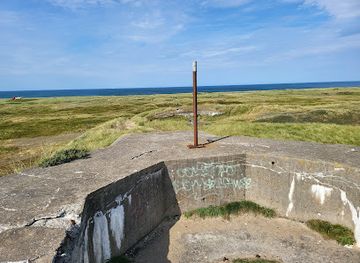
Bulbjerg, rising 47 meters above the Skagerrak Sea, is more than just a cliff; it's a testament to time, nature's artistry, and a significant landmark in Danish history. Located on the northwestern coast of Jutland, near Frøstrup, it stands as Denmark's only bird cliff on the mainland, offering a unique spectacle for nature enthusiasts and a dramatic vista for all who visit. Geologically, Bulbjerg's story began approximately 65 million years ago during the Late Cretaceous period. The area was submerged under a warm sea, where calcium-rich remains of marine organisms accumulated over eons. These layers gradually compressed into the limestone that forms Bulbjerg today. The Ice Age further sculpted the cliff, with wind, water, and ice relentlessly shaping its form. The surrounding softer sand and clay eroded, leaving the resistant limestone to stand tall against the elements. For centuries, Bulbjerg has served as a navigational point for sailors and a resource for locals. Chalk blocks were quarried from the cliff and used as building material or burned to produce quicklime. Visitors have left their mark, with carvings dating back centuries, including those of a 19th-century king. Bulbjerg's strategic location made it a focal point during World War II. The German occupying forces utilized the cliff as a listening and radar post, integrating it into the Atlantic Wall defense system. A bunker, now a small museum, stands as a reminder of this period, offering insights into the area's wartime history and geological significance. The remnants of other bunkers and machine gun positions are scattered around the dunes, serving as silent witnesses to the past. One of Bulbjerg's most iconic features was Skarreklit, a 16-meter high rock column that stood just off the coast. Connected to Bulbjerg in the past, Skarreklit was gradually eroded by the sea until a powerful storm in 1978 caused its collapse. Today, at low tide and calm seas, the remains of its base are still visible, a poignant reminder of nature's ever-changing power. Skarreklit was named after the cormorants (skarv in Danish) that frequented it. Bulbjerg is a haven for birdlife, particularly seabirds. It is the only breeding site for the black-legged kittiwake on the Danish mainland, with up to 500 pairs nesting on the exposed rock ledges. The rarer fulmar also breeds here, along with a multitude of other bird species. Birdwatchers can spot common eiders, gannets, razorbills, and various skua species. During spring migration, birds of prey such as buzzards, kites, ospreys, and eagles can be observed. Designated as a Natura 2000 area, Bulbjerg is protected to preserve its unique natural environment and scenic views. The surrounding landscape offers opportunities for hiking and exploring the dune heaths and forests. In December 2023, the area was designated as Dark Sky Park Bulbjerg, enhancing its appeal for those interested in nocturnal darkness and stargazing. Visiting Bulbjerg is best during late spring (May to early June) and early autumn (September to October) when the temperatures are mild and the crowds are fewer. Summer offers warmer temperatures but attracts more tourists. The views are particularly stunning at sunrise and sunset. While at Bulbjerg, take time to explore the nearby attractions. Hanstholm, a 30-minute drive away, features a bunker museum. Klitmøller is a surfing hotspot with great beaches and restaurants. Thy National Park offers further opportunities for nature exploration. Bulbjerg is more than just a geographical landmark; it's a place where history, geology, and nature converge. Whether you're a birdwatcher, a history buff, or simply seeking breathtaking views, Bulbjerg offers an unforgettable experience. The dramatic cliffs, the crashing waves, and the cries of seabirds create a symphony of nature that resonates long after you leave. It's a destination that embodies the raw beauty and serene tranquility of the Danish landscape, inviting you to connect with the past and appreciate the present.

Popular Experiences near Bulbjerg

Popular Hotels near Bulbjerg

Select Currency