

Hald Sø, Viborg Travel Guide
Free Guide: Deep, clear waters, Ice Age hills and centuries of castles and manors make Hald Sø a striking blend of wild Danish nature and quiet cultural landscape.


A brief summary of Hald Sø
Deep, clear waters, Ice Age hills and centuries of castles and manors make Hald Sø a striking blend of wild Danish nature and quiet cultural landscape.
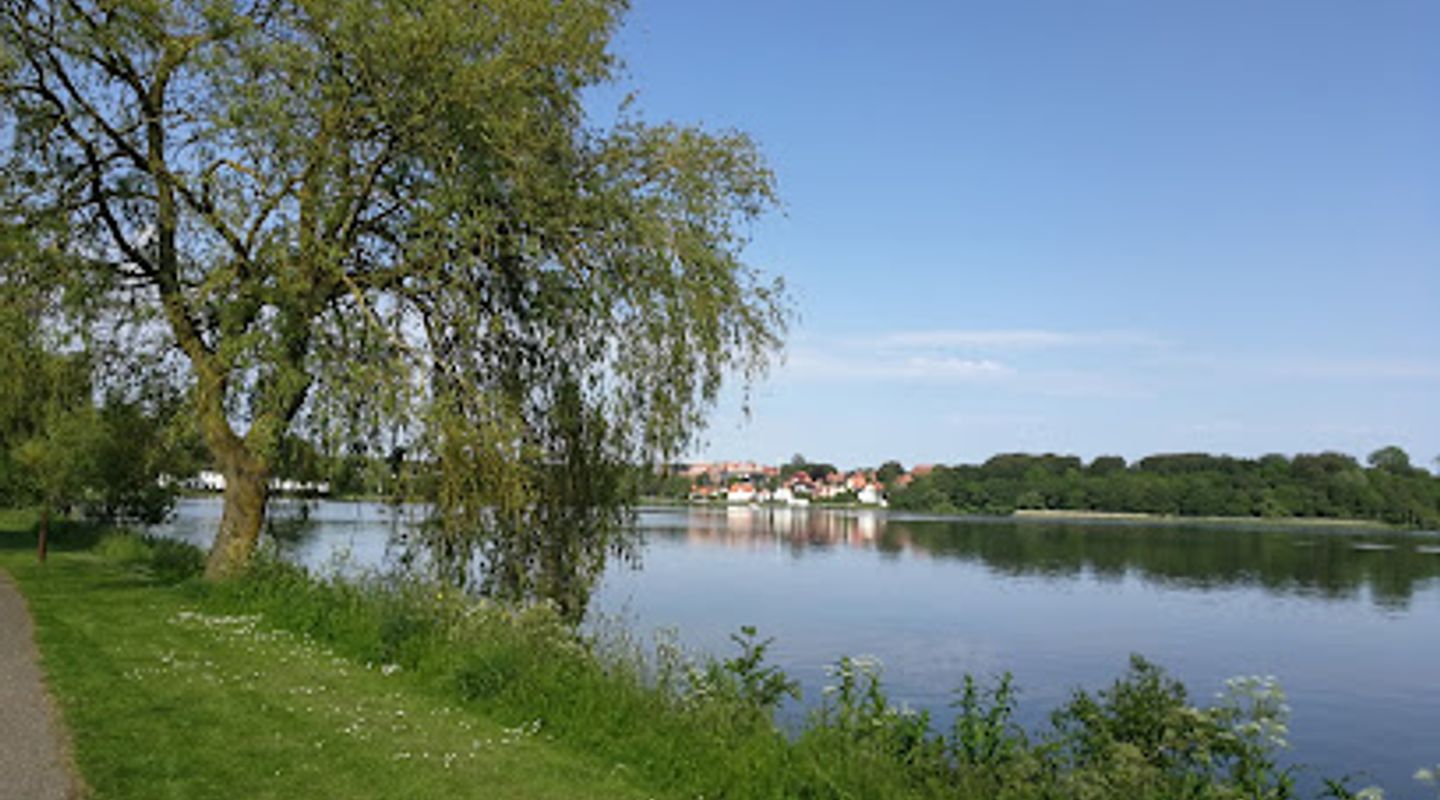
Hald Sø, just south of Viborg in central Jutland, is Denmark’s third-deepest lake and the scenic heart of a protected landscape of forests, heaths and rolling hills. Formed by Ice Age forces, its clear waters, steep slopes and surrounding manor houses create a rare mix of raw nature and cultural history. Well-marked trails, swimming spots, picnic areas and rich birdlife make it an inviting escape for walkers, bathers and nature lovers year-round.
On-site amenities
 Restrooms
 Seating areas
 Picnic areas
 Trash bins
 Information boards
- Address
- 8800 Viborg
Getting there
Car from Viborg city centre
Local bus from Viborg
Cycling from Viborg
Walking from nearby accommodation
Discover more about Hald Sø
An Ice Age Lake in the Heart of Jutland
Hald Sø lies in a steep-sided basin carved and shaped by the last Ice Age, a dramatic hollow now filled with deep, clear water. Encircled by wooded slopes and open heathland, it is Denmark’s third-deepest lake at about 31 metres, with a large water volume fed mainly by underground springs. That depth helps keep the water cool and often remarkably transparent, giving the shoreline a distinctly alpine character rare in low, gentle Jutland.The lake forms the centrepiece of a much larger protected landscape. Glacial meltwater once thundered through this valley, leaving behind sandy outwash plains and the hilly terrain of Dollerup Bakker. Today, those same contours give the area its visual drama: sudden viewpoints, plunging slopes and sheltered bays, all arranged around a quietly gleaming expanse of water.
Protected Nature and Living Wildlife
Around Hald Sø, large tracts of land are legally protected to safeguard both geology and biodiversity. Forests of beech and mixed woodland cloak the hillsides, while heaths and meadows open up on higher ground. In spring and summer you can spot an array of wildflowers along the paths, from delicate woodland species to sun-loving plants on the drier slopes.Birdlife is a constant presence. Waterfowl patrol the lake’s surface, while woodland species flit through the trees and raptors ride the thermals over the valley. At quieter corners, you may hear only wind in the treetops and the soft lap of water against the shore. The combination of clean water, varied habitats and limited development creates a haven not just for wildlife, but for anyone looking for a genuine nature escape.
Castles, Manor Houses and the Five Halder
Hald Sø’s shores are also a tapestry of Danish history. Over some eight centuries, five successive strongholds and estates, the so-called "Fem Halder", have watched over this valley. Their remnants range from medieval castle ruins to later manor house architecture, often positioned on strategic promontories or hilltops with sweeping views of the lake.Close to the water stands Hald Hovedgård, a stately estate from the late 18th century set amid old trees and open lawns. Nearby earthworks and ruins hint at earlier fortifications long since dismantled or decayed. Walking between these sites, you sense how power, trade and defense once centred on this landscape, with the lake serving as both barrier and resource.
Walking Trails, Swimming Spots and Quiet Shores
For modern visitors, Hald Sø is above all a place to move slowly through nature. Clearly marked trails follow the contour of the lake and climb into the surrounding hills, from short strolls with easy gradients to longer circuits that demand sturdier footwear. Along the way, benches and simple viewpoints offer restful stops where you can watch the play of light on the water.In warmer months, selected areas along the shoreline serve as informal bathing spots, with easy lake access and grassy patches for towels and picnics. The deep, clear water makes swimming refreshing even after hot days. Picnic tables and open lawns in several spots create natural gathering places for families and small groups, without disturbing the overall sense of calm.
Fishing, Boating and Year-Round Atmosphere
Hald Sø is also known as a productive fishing lake, with trout, pike and perch among the species present. Angling here typically requires both a national license and, in many cases, a local permit, reflecting the mix of private and association-managed rights around the shoreline. Motorised boats are generally restricted, and small rowing dinghies and non-intrusive use of the water help preserve the area’s tranquillity.Season by season, the character of the lake changes. Autumn colours set the hillsides ablaze, winter mists drift over the surface and frozen mornings turn the landscape monochrome and hushed. Spring brings a rush of green and birdsong, while long summer evenings are ideal for slow walks and lingering lakeside sunsets. Whatever the time of year, Hald Sø offers a layered experience where geology, history and quiet outdoor life come together in one compact, immersive landscape.
Evendo Review Centre
 Google
Guest reviews
Best time to go
Quietest: Jan, Feb & Dec · before 6am or from 10pm
Busy times are Evendo estimates for a typical year, to help you plan. Actual crowds vary with events, school holidays and the weather.
Explore Hald Sø on the map
A handpicked selection of must-see spots near Hald Sø, mapped for you.
Get your free copy of our complete guide to Hald Sø, delivered straight to you.
Everything on this page, from opening hours and how to get there to Eve’s tips and the best time to go, in one PDF you can read offline, print or share.
Already have an account? Sign in
Your Hald Sø guide is ready.
We'll send it to · Not you? Sign out

Getting your guide ready…
We are putting together a fresh copy of the Hald Sø guide. This can take up to a minute.
This can take a few moments. If your browser asks, choose Allow so the download can start. You'll find the guide in your Downloads folder.
Nothing happened? Download it again
Sorry, the guide is taking longer than usual. Please try again in a minute, or get it by email instead.
Other nearby places you may find interesting
The closest places of the same kind, if this one is not quite what you had in mind.
-
-
-
-
-


Swipe for more places
More to explore near Hald Sø

 Best experiences near Hald Sø
 Best hotels near Hald Sø
 Best landmarks near Hald Sø
 Best attractions near Hald Sø
 Best shops near Hald Sø
 Best restaurants near Hald Sø
 Best bars near Hald Sø
Do you manage this location?
Take control to get all the benefits, like improved information, better appearance, and stronger visibility across AI-powered discovery.
Explore more

Explore more of Viborg
Discover Viborg, Denmark's hidden gem where medieval history, stunning nature, and vibrant culture converge for an unforgettable travel experience.
Explore Viborg
Explore more of Denmark
Discover Denmark: A perfect blend of history, modern design, and the cozy concept of hygge. Explore vibrant cities, serene landscapes, and world-class cuisine.
Explore Denmark
