

Skovgaard Museum in Viborg, Viborg Travel Guide
Free Guide: An intimate art museum in Viborg’s former baroque town hall, celebrating the Skovgaard family’s Golden Age landscapes, church art and living artistic legacy.


A brief summary of Skovgaard Museum in Viborg
An intimate art museum in Viborg’s former baroque town hall, celebrating the Skovgaard family’s Golden Age landscapes, church art and living artistic legacy.
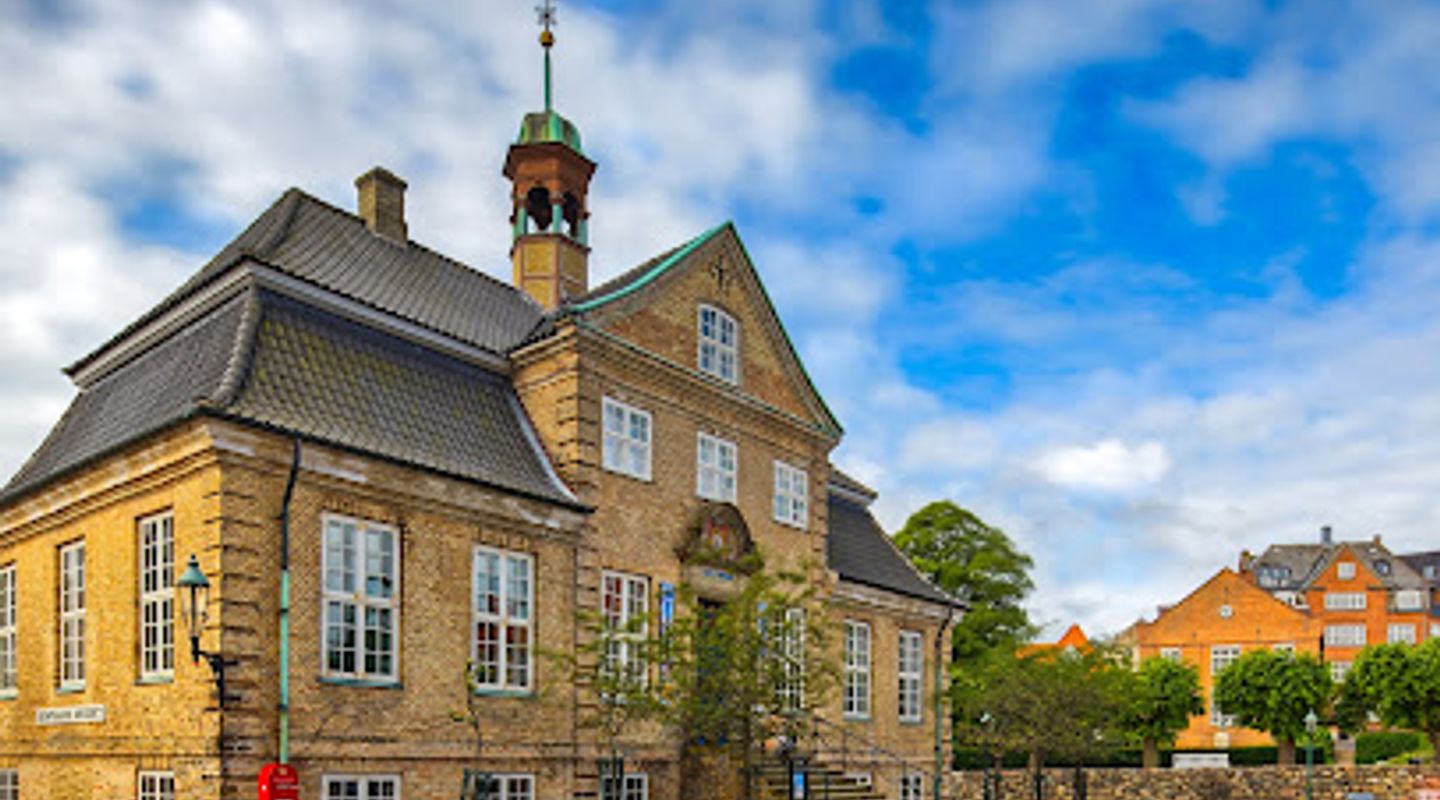
Housed in Viborg’s former baroque town hall beside the cathedral, the Skovgaard Museum is Denmark’s only art museum dedicated to a single family of artists. Inside, four generations of the Skovgaard dynasty unfold in landscapes of the Danish Golden Age, symbolist visions, church art and ceramics, interwoven with contemporary exhibitions. A small garden, summer café and intimate galleries make this a compact yet richly layered cultural stop in Viborg’s historic Cathedral Quarter.
On-site amenities
 Restrooms
 Drink options
 Food options
 Seating areas
 Picnic areas
 Trash bins
 Information boards
 Visitor centre
Opening hours
- MonClosed
- Tue10 am–5 pm
- Wed10 am–5 pm
- Thu10 am–5 pm
- Fri10 am–5 pm
- Sat10 am–5 pm
- Sun10 am–5 pm
Opening hours as listed on the venue’s Google Business Profile. Hours can change for services and special events, so check with the venue before you go.
- Address
- Domkirkestræde 2, 4, 8800 Viborg
- Phone
- Website
Getting there
Train and short walk from Aarhus
Car from central Jutland by regional roads
Local bus and walk within Viborg
Discover more about Skovgaard Museum in Viborg
Artistic dynasty at the heart of Viborg
The Skovgaard Museum is Viborg’s dedicated art museum, focused on the remarkable Skovgaard family, who helped shape Danish art from the Golden Age into modern times. Here you step into a world where paintings, drawings, ceramics and church decorations weave together family stories and national art history. The collection traces four generations, showing how their ideas and style evolved while remaining closely linked to Denmark’s landscapes, mythology and faith.From the outset, the museum feels personal rather than grand. Instead of vast halls, you move through human-scale rooms that read almost like an artist’s home, filled with portraits, studies and finished works that speak to one another across decades. Contextual texts and thoughtful hanging give a clear sense of how the family worked, collaborated and occasionally disagreed, turning this into a narrative as much as an art collection.
Golden Age landscapes and symbolic visions
On the upper floor, you encounter P.C. Skovgaard, one of the foremost landscape painters of Denmark’s Golden Age. His scenes of beech forests, coastlines and inland fields are painted with loving precision, embodying a romantic, national vision of the countryside. These images helped define how Danes imagined their own land in the 19th century, and seeing several major works together underlines their quiet power.The story continues with his sons Joakim and Niels, who carry the family tradition forward but push into new territory. Their work reflects the shift towards symbolism and more experimental approaches to biblical scenes, Nordic myths and allegory. Brushwork loosens, compositions become more daring, and colour takes on emotional weight. This progression, visible room by room, turns the museum into a compact survey of changing European art currents seen through one family’s eyes.
Church art and the cathedral connection
One of the museum’s most compelling threads is its link to Viborg Cathedral, visible just outside. Joakim Skovgaard’s monumental decoration of the cathedral in the late 19th and early 20th centuries is introduced here through sketches, cartoons and related works. These pieces reveal how vast fresco cycles and mosaics begin on the drawing board, from small figure studies to full compositional plans.The museum presents Joakim’s religious and mythological works alongside studies by his contemporaries, placing his ecclesiastical projects in a wider artistic context. For many visitors, time spent here becomes a kind of prologue: after examining the preparatory works and learning the stories behind them, a later step into the cathedral itself gains new layers of meaning. The museum and cathedral together form a tightly knit cultural pairing within Viborg’s Cathedral Quarter.
Ceramics, contemporary dialogues and changing exhibitions
The Skovgaard story is not limited to painting. Susette Skovgaard, the youngest sibling, is represented through ceramics and decorative art that bring texture and three-dimensional form into the narrative. Her pieces, often delicate yet bold in colour and pattern, show how the family’s creativity extended beyond canvas and into everyday objects.Throughout the year, temporary exhibitions draw lines between the historical collection and newer art. These shows might highlight 19th-century trends one season and contemporary work responding to spirituality, nature or materials the next. Installations, workshops and family-focused activities are regularly woven into this programme, ensuring that the museum feels active and evolving rather than frozen in time.
Baroque town hall and hidden garden
The museum occupies Viborg’s former town hall, a baroque building from 1728 designed by Claus Stallknecht. Its thick walls, high windows and dignified façade set a formal tone, but inside the rooms reveal a more varied history: they have served as ballroom, courtroom, bank and even military hospital. Traces of this past remain, from robust doors and locks to details that hint at former civic functions.Behind the building lies a small, enclosed garden with a fountain, trees and seasonal flowers. In fine weather, visitors can sit at tables under the foliage, sometimes with ice cream, coffee or cake from the small summer café. In winter, the garden occasionally transforms into a poetic setting for projects such as the Angel Garden, where paper angels bearing names and messages hang from trees as a luminous installation.
Planning a focused cultural visit
The museum’s compact size makes it well suited to an unhurried visit of one to two hours, either as a stand-alone stop or combined with the cathedral and the rest of the Cathedral Quarter. Clear signage and an accessible layout help you navigate between floors, and the scale is manageable even for those who find large museums tiring.A modest shop rounds off the visit, offering art books, posters and design objects connected to the Skovgaard universe and current exhibitions. With its blend of intimate storytelling, strong visual art and atmospheric architecture, the Skovgaard Museum provides a distilled introduction to Danish art history anchored in a single, unusually creative family.
Evendo Review Centre
 Google
Guest reviews
Best time to go
Quietest: Jan, Feb & Mar · before 8am or from 6pm
Busy times are Evendo estimates for a typical year, to help you plan. Actual crowds vary with events, school holidays and the weather.
Explore Skovgaard Museum in Viborg on the map
A handpicked selection of must-see spots near Skovgaard Museum in Viborg, mapped for you.
Get your free copy of our complete guide to Skovgaard Museum in Viborg, delivered straight to you.
Everything on this page, from opening hours and how to get there to Eve’s tips and the best time to go, in one PDF you can read offline, print or share.
Already have an account? Sign in
Your Skovgaard Museum in Viborg guide is ready.
We'll send it to · Not you? Sign out

Getting your guide ready…
We are putting together a fresh copy of the Skovgaard Museum in Viborg guide. This can take up to a minute.
This can take a few moments. If your browser asks, choose Allow so the download can start. You'll find the guide in your Downloads folder.
Nothing happened? Download it again
Sorry, the guide is taking longer than usual. Please try again in a minute, or get it by email instead.
Other nearby places you may find interesting
The closest places of the same kind, if this one is not quite what you had in mind.
-
-
-
-
-


Swipe for more places
More to explore near Skovgaard Museum in Viborg
-
 Best experiences near Skovgaard Museum in Viborg
-
 Best hotels near Skovgaard Museum in Viborg
-
 Best landmarks near Skovgaard Museum in Viborg
-
 Best attractions near Skovgaard Museum in Viborg
-
 Best shops near Skovgaard Museum in Viborg
-
 Best restaurants near Skovgaard Museum in Viborg
-
 Best bars near Skovgaard Museum in Viborg


Do you manage this location?
Take control to get all the benefits, like improved information, better appearance, and stronger visibility across AI-powered discovery.
Explore more

Explore more of Viborg
Discover Viborg, Denmark's hidden gem where medieval history, stunning nature, and vibrant culture converge for an unforgettable travel experience.
Explore Viborg
Explore more of Denmark
Discover Denmark: A perfect blend of history, modern design, and the cozy concept of hygge. Explore vibrant cities, serene landscapes, and world-class cuisine.
Explore Denmark
