Viborg Søerne, Viborg Travel Guide
Free Guide: Twin glacial lakes in Viborg's heart offering scenic walks, water sports, and rich medieval history.


A brief summary of Viborg Søerne
Twin glacial lakes in Viborg's heart offering scenic walks, water sports, and rich medieval history.
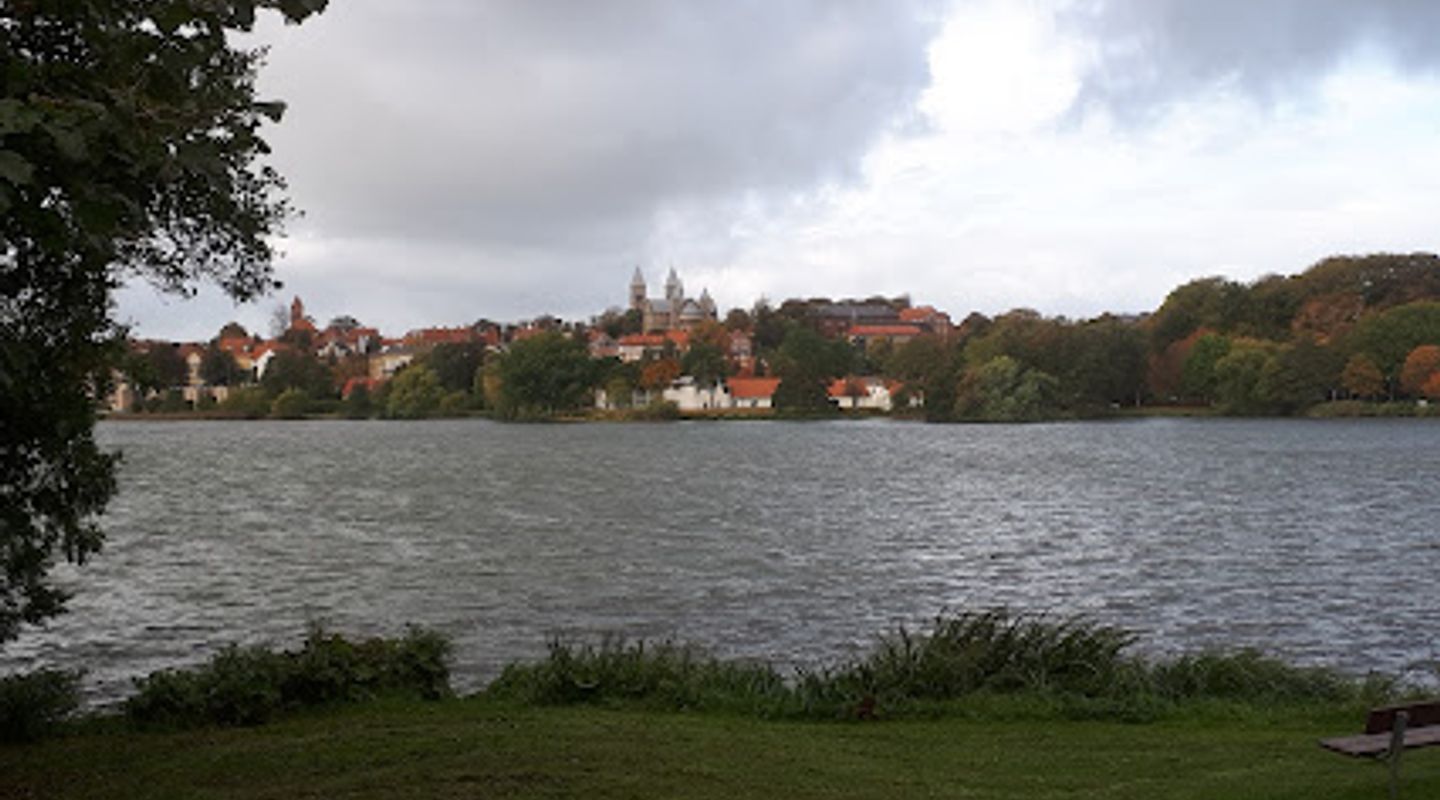
Viborg Søerne comprises two beautiful interconnected lakes—Nørresø and Søndersø—situated in the heart of Viborg, Denmark. Spanning over 275 hectares combined, these glacial lakes are surrounded by lush nature and vibrant city life, offering an ideal escape for outdoor enthusiasts. An 11-kilometer circuit trail encircles both lakes, providing opportunities for walking, cycling, fishing, swimming, and water sports like kayaking and SUP boarding.
On-site amenities
 Restrooms
 Drink options
 Food options
 Seating areas
 Picnic areas
 Trash bins
 Information boards
 Visitor centre
Opening hours
- Every dayOpen 24 hours
Opening hours as listed on the venue’s Google Business Profile. Hours can change for services and special events, so check with the venue before you go.
- Address
- Randersvej 2, 8800 Viborg
Getting there
Public Transport from Viborg City Centre
Cycling from Viborg Centre
Car with Parking
Walking from Viborg Centre
Discover more about Viborg Søerne
Geological Origins and Formation
Viborg Søerne are geological remnants of the last ice age, which ended approximately 15,000 years ago. The lakes occupy an ancient tunnel valley that extends from Mariager Fjord in the northeast to Hald Sø in the southwest—one of many glacial valleys carved through northern and eastern Viborg Municipality. During the Weichsel ice age, around 23,000 to 20,000 years ago, massive glaciers and meltwater eroded pre-existing river valleys, cutting them 50 to 100 meters deep into earlier sediment layers. When the ice retreated roughly 13,000 years ago, the valley was left with uneven bedrock and deposits of glacial material. The two lakes likely formed from melting ice blocks—dødisklumper—that were buried beneath sediment and slowly thawed over millennia, creating the distinctive basin landscape visible today.
Medieval Transformation and Historical Development
In the early Middle Ages, Nørresø and Søndersø were separate bodies of water, divided by a narrow land bridge. This changed dramatically in 1313 when King Erik Menved constructed Borgvold castle on the peninsula between them. To strengthen the fortification, the lakes were dammed, raising the water level by approximately two meters. The submerged land bridge connected the two lakes into a single body of water, transforming the landscape and severing the ancient road that once crossed the isthmus. For nearly 500 years, travelers were forced to either cross by ferry or take a lengthy 5-kilometer detour around Nørremølle to the north. The unified lake became known simply as Viborg Sø in historical documents and maps from the 1300s onward. Only in 1854–1855, with the construction of the current dam, were the lakes artificially divided again into their present configuration as Nørresø and Søndersø, and the unified name gradually fell from use.
Physical Characteristics and Water Quality
Nørresø, the northern lake, covers approximately 124 hectares, stretches 2.3 kilometers in length, and reaches a maximum width of 700 meters. Its deepest point, 12.2 meters, lies in the northeastern corner. Søndersø, the southern lake, is slightly larger at approximately 151 hectares. The shoreline of both lakes is developed with residential areas and public access points distributed around their perimeters. Historically, both lakes suffered from severe pollution, particularly Søndersø, which received untreated municipal wastewater throughout much of the 20th century. The lake bed remains covered with phosphorus-rich sediment from this period. Nørresø experienced less contamination and has benefited in recent years from artificial aeration systems that pump oxygen into the water during summer months, improving overall water quality and ecosystem health.
Fishing and Aquatic Life
Viborg Søerne support a diverse fish population, including pike, zander, perch, lake trout, eel, and various coarse fish species. Common carp are particularly abundant, with many specimens weighing between 8 and 12 kilograms. Fishing is free from boats and from publicly accessible sections of the shoreline, provided anglers hold a valid national fishing license. The Viborg Fisheries Association manages fishing rights for most of Nørresø and offers daily permits and membership options. While the fish population includes numerous coarse species such as bream and roach, the lakes remain productive for both recreational and serious anglers seeking quality catches.
Recreation and Modern Activities
The complete circuit around both lakes measures 11 kilometers and welcomes walkers and cyclists of all abilities. The route passes through varied landscapes, from the quieter, greener environment around Søndersø to the more urban character of Nørresø's shoreline. Six large interpretive signs positioned around the lakes—at Borgvold, the FDF sailing center, Nordisk Park, Søndermølle, Amtmandens Bro, and Sønæs—provide historical narratives and information about the natural environment. Interactive challenges for children are featured on each sign, making the walk engaging for families. A "Tip en 10'er" quiz allows visitors to test their knowledge by answering ten questions based on information gleaned from the interpretive signs. The lakes are also ideal for water-based activities: kayaking, stand-up paddleboarding (SUP), and swimming are popular during warmer months. Boat rentals are available at a kiosk near Borgvold on Nørresø, providing access to the water for those without their own vessels.
Integration with Urban Life and Accessibility
Despite their natural character, Viborg Søerne remain intimately connected to the city center, lying just east of the historic core. This proximity makes the lakes an accessible retreat for residents and visitors seeking outdoor experiences without traveling far from urban amenities. The well-maintained paths and abundant public access points ensure that the lakes serve as a vital green space for the community, supporting both active recreation and quiet contemplation. The combination of historical significance, ecological importance, and recreational opportunity has established Viborg Søerne as a defining feature of the region's landscape and cultural identity.
Evendo Review Centre
 Google
Guest reviews
Best time to go
Quietest: Jan, Feb & Dec · before 6am or at 10pm
Busy times are Evendo estimates for a typical year, to help you plan. Actual crowds vary with events, school holidays and the weather.
Explore Viborg Søerne on the map
A handpicked selection of must-see spots near Viborg Søerne, mapped for you.
Get your free copy of our complete guide to Viborg Søerne, delivered straight to you.
Everything on this page, from opening hours and how to get there to Eve’s tips and the best time to go, in one PDF you can read offline, print or share.
Already have an account? Sign in
Your Viborg Søerne guide is ready.
We'll send it to · Not you? Sign out

Getting your guide ready…
We are putting together a fresh copy of the Viborg Søerne guide. This can take up to a minute.
This can take a few moments. If your browser asks, choose Allow so the download can start. You'll find the guide in your Downloads folder.
Nothing happened? Download it again
Sorry, the guide is taking longer than usual. Please try again in a minute, or get it by email instead.
Other nearby places you may find interesting
The closest places of the same kind, if this one is not quite what you had in mind.
-
-
-
-
-


Swipe for more places
More to explore near Viborg Søerne

 Best experiences near Viborg Søerne
 Best hotels near Viborg Søerne
 Best landmarks near Viborg Søerne
 Best attractions near Viborg Søerne
 Best shops near Viborg Søerne
 Best restaurants near Viborg Søerne
 Best bars near Viborg Søerne
Do you manage this location?
Take control to get all the benefits, like improved information, better appearance, and stronger visibility across AI-powered discovery.
Explore more

Explore more of Viborg
Discover Viborg, Denmark's hidden gem where medieval history, stunning nature, and vibrant culture converge for an unforgettable travel experience.
Explore Viborg
Explore more of Denmark
Discover Denmark: A perfect blend of history, modern design, and the cozy concept of hygge. Explore vibrant cities, serene landscapes, and world-class cuisine.
Explore Denmark