

Las Terrenas Travel Guide - Free Web & App
Your ultimate guide to Las Terrenas. Discover top landmarks, proposed trips, and local tips. Free on the web or via the Evendo companion app.


Las Terrenas, Dominican Republic, pairs palm-fringed beaches, Samaná culture, seafood, waterfalls and Caribbean outdoor adventures on the north coast.
A Caribbean Town on the Samaná Peninsula
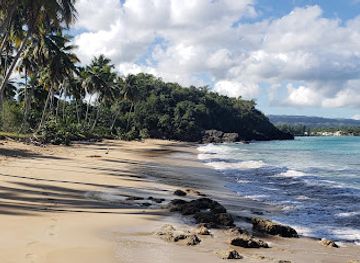
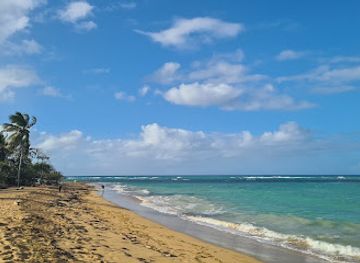
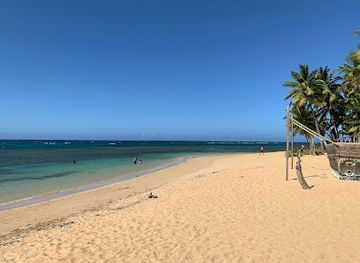
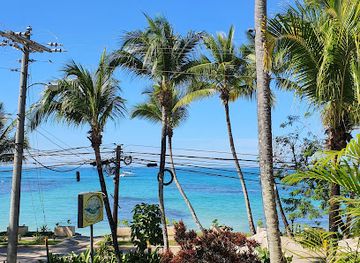
Las Terrenas occupies a stretch of the Dominican Republic’s north-eastern Samaná Peninsula, where former fishing-village character meets an international coastal community. The town spreads along a series of beaches rather than a single urban waterfront: Playa Las Ballenas and Punta Popy are close to the built-up centre, while Playa Bonita and the long sands of Cosón extend westwards. El Portillo lies to the east, offering another gateway to the peninsula’s coastal scenery. Coconut palms, warm water and the green hills of Samaná create the setting, but Las Terrenas is more varied than a conventional beach resort.Read more about Las Terrenas
Coast, Countryside and Waterfalls
Local Character and Everyday Life
When is the best time to visit Las Terrenas?
Best: January–March · 28–29°C| Month | High (°C) | Rainfall (mm) |
|---|---|---|
| January (best) | 28 | 54 |
| February (best) | 28 | 45 |
| March (best) | 29 | 36 |
| April | 29 | 48 |
| May | 29 | 64 |
| June | 30 | 112 |
| July | 30 | 85 |
| August | 30 | 91 |
| September | 30 | 101 |
| October | 29 | 132 |
| November | 29 | 120 |
| December | 28 | 69 |
Getting to and around Las Terrenas
How to get there
Transportation
Best attractions in Las Terrenas
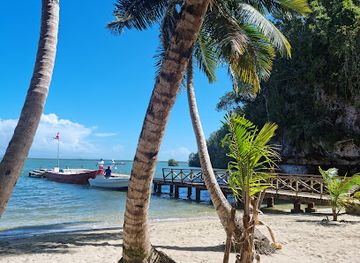
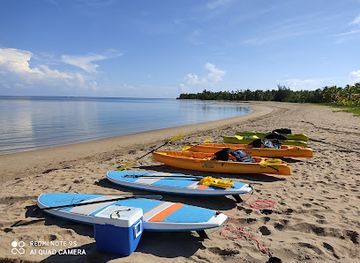
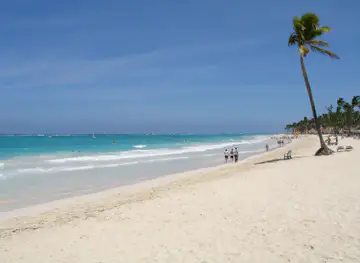
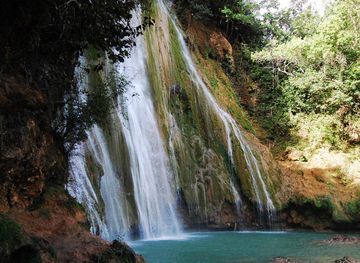
Las Terrenas’ principal attractions are its sequence of Atlantic beaches, each with a distinct setting and atmosphere. Playa Las Ballenas and Punta Popy are close to the town, while Playa Bonita and the long, open strand of Cosón extend westwards; El Portillo lies to the east. Inland, excursions to El Limón Waterfall lead into the peninsula’s greener terrain, usually with transport and a local guide or organised arrangement rather than a simple town-centre walk. The coastline also provides opportunities for boat trips, beach exploration and water activities where local conditions and operators permit. Samaná’s tropical countryside, small settlements and forested hills add texture beyond the sand, while seasonal humpback whales are a major attraction of the wider bay, generally viewed from designated whale-watching departures elsewhere on the peninsula. Nearby Los Haitises National Park is a separate destination across Samaná Bay, not an attraction within Las Terrenas itself.
-
Boat tour agency
Flora Tours - Excursions Nature - Las Terrenas
Explore the breathtaking waters of Las Terrenas with Flora Tours – your go-to boat tour agency for unforgettable marine experiences.
-
Tourist attraction
Hotel Casino Niza
Discover the vibrant ambiance and thrilling gaming experience at Hotel Casino Niza in Las Terrenas, a perfect blend of relaxation and excitement.
-
Tourist attraction
Playa Escondida
Playa Escondida in Las Terrenas is a serene and beautiful beach offering an idyllic escape with soft sands, crystal-clear waters, and breathtaking natural surroundings.
-
Canoe & kayak rental service
Manati Water Sports Las Terrenas
Experience exhilarating water adventures at Manati Water Sports in Las Terrenas—your gateway to the Dominican Republic's stunning coastline.
Best landmarks in Las Terrenas
The most recognisable landmarks of Las Terrenas are natural rather than monumental. The town’s broad coastal arc, including Playa Las Ballenas, Punta Popy, Playa Bonita and Cosón, defines its geography and its relationship with the Atlantic. El Limón Waterfall is the best-known inland landmark associated with the destination, dropping through the peninsula’s forested landscape and reached by an excursion from the Las Terrenas area. The green hills behind the coast are part of the wider Samaná Peninsula’s distinctive scenery, while Samaná Bay provides seasonal habitat for humpback whales and gives the region a strong maritime identity. The former Pueblo de los Pescadores is an important cultural reference point in the town’s tourism landscape, although it is a commercial and social area rather than a preserved historic monument. Las Terrenas has no single castle, cathedral or grand civic building defining its identity.
-
 Resort hotel
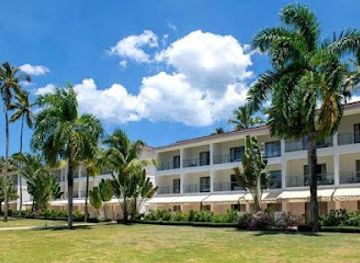
Bahia Principe Grand El Portillo
Discover luxury and adventure at Bahia Principe Grand El Portillo, a stunning resort in Las Terrenas, Dominican Republic, perfect for your tropical getaway.
-
Public beach
Playa Punta Popy
Discover the breathtaking Playa Punta Popy in Las Terrenas, a public beach paradise with soft sands, turquoise waters, and vibrant local culture.
-
Public beach
Playa Las Ballenas
Experience the tropical beauty of Playa Las Ballenas, a stunning public beach in Las Terrenas, Dominican Republic, perfect for relaxation and adventure.
-
Hotel
Viva V Samana by Wyndham, A Trademark Adults All Inclusive
Experience the ultimate tropical escape at Viva V Samana by Wyndham, an adults-only all-inclusive paradise in the heart of Las Terrenas.
Explore Las Terrenas on the map
Plan your trip on one map. See where the top attractions, landmarks, restaurants and hotels are, and book hotels and experiences in a few clicks.
Best hotels in Las Terrenas
Best restaurants in Las Terrenas
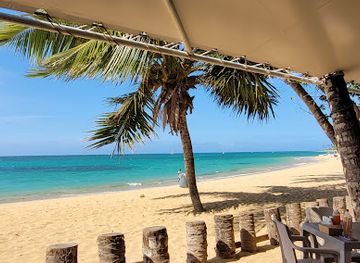
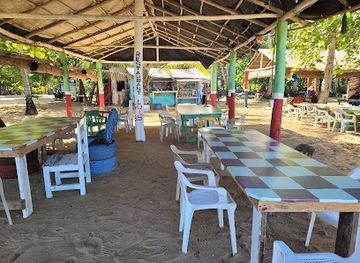
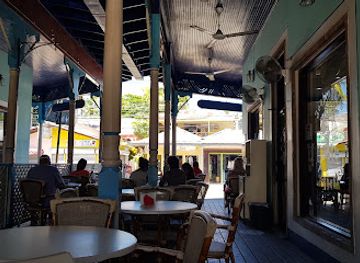
Las Terrenas has one of the peninsula’s broadest dining scenes, shaped by Dominican ingredients and the town’s strong international community. Seafood, rice, beans, plantains, cassava, tropical fruit and grilled meats appear in local cooking, while French- and Italian-influenced restaurants reflect the area’s long-standing foreign-resident presence. Restaurants and cafés are concentrated in the town and around the former Pueblo de los Pescadores, with additional options along the main coastal roads and near popular beaches. Simple Dominican meals and seafood can sit alongside European-style dishes, bakeries and contemporary casual dining, but choices become more limited on quieter stretches such as parts of Cosón. Fish and shellfish availability can be seasonal, and visitors should ask about the day’s catch rather than assuming every menu item is locally landed. Smaller establishments may prefer cash in Dominican pesos.
-
Restaurant
Casa Azul Pizzeria
Discover the vibrant flavors of Casa Azul Pizzeria in Las Terrenas – where authentic pizza meets tropical charm.
-
Restaurant
Restaurant Luis in Coson
Experience authentic Dominican cuisine with fresh local ingredients at Restaurant Luis in Las Terrenas.
-
Restaurant
Le Tre Caravelle
Experience authentic Dominican flavors at Le Tre Caravelle in Las Terrenas – a culinary haven with fresh seafood and vibrant ambiance.
-
Self service restaurant
Boulangerie Francaise
Experience the charm of French cuisine at Boulangerie Francaise in Las Terrenas with delectable pastries and warm hospitality.
Best bars in Las Terrenas
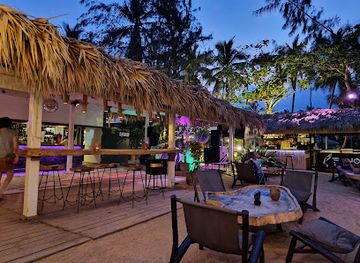
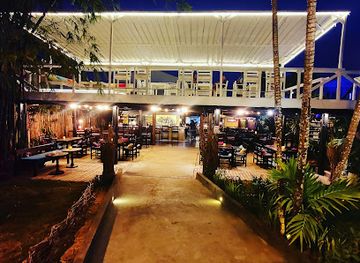
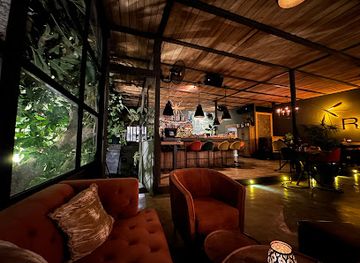
Evenings in Las Terrenas are more social and restaurant-led than those of a large Caribbean club resort. The former Pueblo de los Pescadores and the central beachfront area are associated with bars, dining and informal nightlife, while music and conversation continue around restaurants and accommodation near the town. Dominican bachata and merengue form part of the broader cultural soundscape, alongside international music influenced by the town’s European community. Activity varies by season, day and venue, so visitors should not assume that every establishment operates late or that performances are scheduled year-round. Outside the central area, the atmosphere becomes considerably quieter, with small-town bars, hotel terraces and the sound of the sea replacing a concentrated nightlife district. Visitors should arrange their return transport carefully, particularly after drinking.
-
Bar
ETNO Beach Club
Experience the vibrant atmosphere of ETNO Beach Club, where exquisite dining meets lively nightlife on the stunning shores of Las Terrenas.
-
Restaurant
El Lugar
Discover the flavors of the Dominican Republic at El Lugar, a must-visit restaurant in Las Terrenas offering an array of local and international dishes.
-
Bar
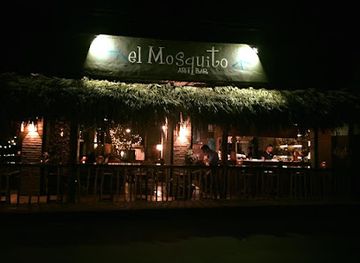
El Mosquito Art Bar
Discover the artistic charm and vibrant nightlife at El Mosquito Art Bar in Las Terrenas, Dominican Republic, where every night is a celebration.
-
Bar
El Mosquito Beach Bar
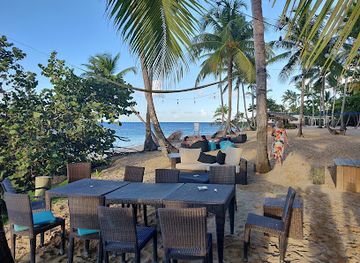
Relax in tropical bliss at El Mosquito Beach Bar, a vibrant oasis in Las Terrenas with stunning sea views and delicious local flavors.
Best nightclubs in Las Terrenas
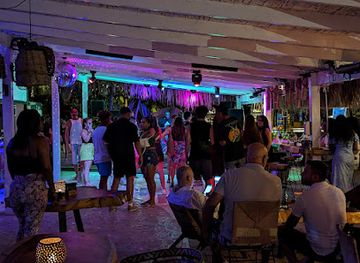
Evenings in Las Terrenas are more social and restaurant-led than those of a large Caribbean club resort. The former Pueblo de los Pescadores and the central beachfront area are associated with bars, dining and informal nightlife, while music and conversation continue around restaurants and accommodation near the town. Dominican bachata and merengue form part of the broader cultural soundscape, alongside international music influenced by the town’s European community. Activity varies by season, day and venue, so visitors should not assume that every establishment operates late or that performances are scheduled year-round. Outside the central area, the atmosphere becomes considerably quieter, with small-town bars, hotel terraces and the sound of the sea replacing a concentrated nightlife district. Visitors should arrange their return transport carefully, particularly after drinking.
-
Bar
ETNO Beach Club
Discover the vibrant ETNO Beach Club in Las Terrenas, where delectable cocktails, delicious cuisine, and lively nightlife await you.
-
Bar
El Mosquito Art Bar
Discover the lively El Mosquito Art Bar in Las Terrenas, where vibrant art meets exciting nightlife and unforgettable cocktails.
-
Night club
Babylon Disco
Unleash the night at Babylon Disco, a vibrant night club in Las Terrenas, where music, dance, and unforgettable moments await you.
-
Bar
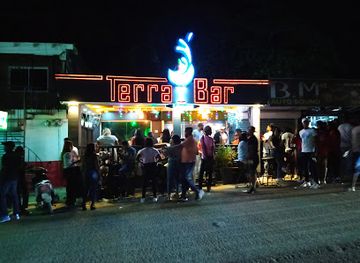
TerraBar y Lounge
Experience the vibrant nightlife at TerraBar y Lounge, where exquisite cocktails meet lively entertainment in Las Terrenas.
Best shops in Las Terrenas
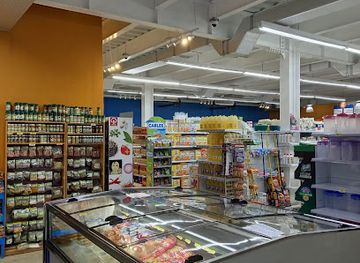
Shopping in Las Terrenas is concentrated in small independent businesses, beachside stalls, galleries, convenience shops and commercial areas around the town rather than in a formal department-store district. Visitors may find Dominican rum, coffee, cacao, spices and other regional food products, as well as handmade jewellery, paintings, woven goods and beach clothing. Amber and larimar are strongly associated with the Dominican Republic, but buyers should seek reputable sellers and ask about provenance and authenticity. Local shops and markets can also be useful for practical beach equipment, snacks and everyday supplies, while larger retail needs are better addressed in established towns elsewhere on the peninsula or during the journey from Santo Domingo. Product selection and opening patterns vary, and quieter beach settlements should not be expected to provide extensive retail facilities.
-
Supermarket
Sirena Market
Experience the local flavors and vibrant atmosphere at Sirena Market, the top supermarket destination in Las Terrenas, Dominican Republic.
-
Shopping mall
Puerto Plaza Hotel & Shops
Explore the vibrant Puerto Plaza Hotel & Shops in Las Terrenas for a unique coastal shopping adventure filled with local crafts and delicious dining options.
-
Store
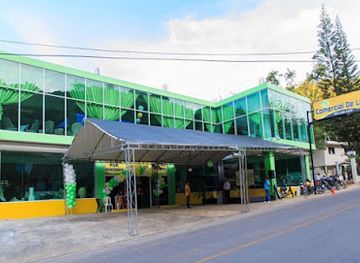
COMERCIAL DE LEON
Experience the heart of shopping in Las Terrenas at COMERCIAL DE LEON – your local source for essentials and unique Dominican treasures.
-
Supermarket
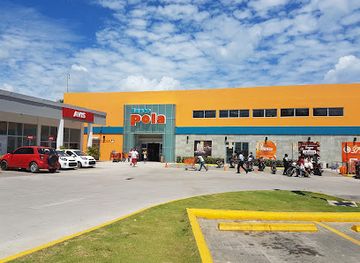
Atlantic Supermarket
Discover the vibrant shopping experience at Atlantic Supermarket in Las Terrenas, where local flavors meet international goods for every palate.
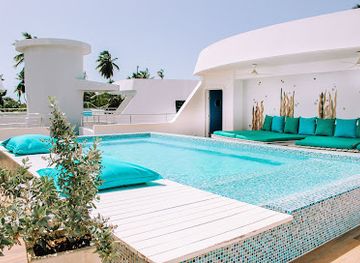
Get your free copy of our complete guide to Las Terrenas, delivered straight to you.
Everything on this page, from attractions and restaurants to essentials and local phrases, in one PDF you can read offline, print or share.
Already have an account? Sign in
Your Las Terrenas guide is ready.
We'll send it to · Not you? Sign out

Getting your guide ready…
We are putting together a fresh copy of the Las Terrenas guide. This can take up to a minute.
This can take a few moments. If your browser asks, choose Allow so the download can start. You'll find the guide in your Downloads folder.
Nothing happened? Download it again
Sorry, the guide is taking longer than usual. Please try again in a minute, or get it by email instead.
Las Terrenas essentials
Currency and Payment
Safety
Emergency Situations
Do's and Don'ts
Local Tips
From Eve
Local phrases worth knowing
You don't need to get them perfect. A few words go a long way, and locals appreciate the effort.
Basics
| English | Local | Say it |
|---|---|---|
| Hello | Hola | [oh-lah] |
| Goodbye | Adiós | [ah-dee-ohs] |
| Yes | Sí | [see] |
| No | No | [noh] |
| Please/You're welcome | Por favor/De nada | [por fah-vor/deh nah-dah] |
| Thank you | Gracias | [grah-see-as] |
| Excuse me/Sorry | Perdón/Lo siento | [pair-dohn/loh see-en-toh] |
| How are you? | ¿Cómo estás? | [koh-moh ehs-tahs] |
| Fine. And you? | Bien. ¿Y tú? | [byen. ee too] |
| Do you speak English? | ¿Hablas inglés? | [ah-blahs een-glehs] |
| I don't understand | No entiendo | [noh ehn-tyen-doh] |
Eating & Drinking
| English | Local | Say it |
|---|---|---|
| I'd like to see the menu, please | Me gustaría ver el menú, por favor | [meh goo-stah-ree-ah behr ehl meh-noo, por fah-vor] |
| I don't eat meat | No como carne | [noh koh-moh kahr-neh] |
| Cheers! | ¡Salud! | [sah-loohd] |
| I would like to pay, please | Quisiera pagar, por favor | [kee-see-eh-rah pah-gahr, por fah-vor] |
Emergencies
| English | Local | Say it |
|---|---|---|
| Help! | ¡Ayuda! | [ah-yoo-dah] |
| Go away! | ¡Vete! | [veh-teh] |
| Call the Police! | ¡Llama a la policía! | [yah-mah ah lah po-lee-see-ah] |
| Call a doctor! | ¡Llama a un médico! | [yah-mah ah oon meh-dee-koh] |
| I'm lost | Estoy perdido/a | [eh-stoy pair-dee-doh/dah] |
| I'm ill | Estoy enfermo/a | [eh-stoy ehn-fehr-moh/ah] |
Shopping
| English | Local | Say it |
|---|---|---|
| I'd like to buy... | Me gustaría comprar... | [meh goo-stah-ree-ah kohm-prahr] |
| I'm just looking | Solo estoy mirando | [soh-loh ehs-toy meer-ahn-doh] |
| How much is it? | ¿Cuánto cuesta? | [kwan-toh kwehs-tah] |
| That's too expensive | Eso es demasiado caro | [eh-soh ehs deh-mah-see-ah-doh kah-roh] |
| Can you lower the price? | ¿Puedes bajar el precio? | [pweh-dehs bah-hahr ehl pree-syoh] |
Time & Numbers
| English | Local | Say it |
|---|---|---|
| What time is it? | ¿Qué hora es? | [keh oh-rah ehs] |
| It's one o'clock | Es la una en punto | [ehs lah oo-nah ehn poon-toh] |
| Half past (10) | Media hora (10) | [meh-dee-ah oh-rah (d’yeez)] |
| Morning | Mañana | [mah-nyah-nah] |
| Afternoon | Tarde | [tahr-deh] |
| Evening | Noche | [noh-cheh] |
| Yesterday | Ayer | [ah-yehr] |
| Today | Hoy | [oy] |
| Tomorrow | Mañana | [mah-nyah-nah] |
| 1 | Uno | [oo-noh] |
| 2 | Dos | [dohs] |
| 3 | Tres | [trehs] |
| 4 | Cuatro | [kwah-troh] |
| 5 | Cinco | [seen-koh] |
| 6 | Seis | [says] |
| 7 | Siete | [syeh-teh] |
| 8 | Ocho | [oh-choh] |
| 9 | Nueve | [nweh-veh] |
| 10 | Diez | [dyehs] |
Transport & Directions
| English | Local | Say it |
|---|---|---|
| Where's a/the...? | ¿Dónde está un/el...? | [dohn-deh ehs-tah oon/ehl] |
| What's the address? | ¿Cuál es la dirección? | [kwal ehs lah dee-rek-syohn] |
| Can you show me (on the map)? | ¿Puedes mostrarme (en el mapa)? | [pweh-dehs mohs-trar-meh (ehn ehl mah-pah)] |
| When's the next (bus)? | ¿Cuándo es el próximo (autobús)? | [kwan-doh ehs ehl proh-ksee-moh (ow-toh-boos)] |
| A ticket (to ....) | Un boleto (a ....) | [oon boh-leh-toh (ah)] |
History of Las Terrenas
A Peninsula Shaped by Sea and Forest
The Samaná Peninsula is a geologically varied extension of the Dominican Republic, with steep forested hills, limestone terrain, rivers and a deeply indented coastline. Its position between the Atlantic and Samaná Bay created a landscape suited to fishing, small-scale farming and coastal settlement, while also leaving communities exposed to storms and difficult overland connections. The surrounding region’s natural wealth later became one of the foundations of its tourism identity, although the beaches and forests remain living environments rather than scenery created solely for visitors.
Fishing, Farming and Coastal Settlement
Las Terrenas developed historically as a small coastal settlement whose livelihood was connected to fishing and agriculture. For much of its history, the Samaná Peninsula was relatively isolated from the main centres of the Dominican Republic, and access between villages depended heavily on local roads and sea routes. Coconut cultivation, tropical crops and fishing helped shape the local economy and settlement pattern. Elements of this older coastal identity remain visible in the town’s relationship with its beaches, seafood culture and the communities spread through the surrounding countryside.
From Isolation to International Discovery
Improved roads and regional transport gradually connected Las Terrenas more closely with the rest of the peninsula and the country. The town subsequently attracted visitors and foreign residents, including people from France and other European countries, producing the mixed cultural and culinary character evident today. Tourism grew around the beaches, small hotels, restaurants and excursion businesses rather than through a single large resort complex. This development transformed the local economy while retaining a more informal, dispersed pattern than the purpose-built resort areas found elsewhere in the Dominican Republic.
Modern Tourism and Environmental Stewardship
Contemporary Las Terrenas depends on the appeal of Samaná’s coasts, forests and rural landscapes, alongside the wider peninsula’s protected areas and marine habitats. The expansion of tourism has brought new accommodation, businesses and infrastructure, but also greater pressure on beaches, water resources, traffic and waste management. Seasonal humpback whales in Samaná Bay have become an important symbol of the region’s natural heritage, while attractions such as El Limón Waterfall connect tourism with inland landscapes. Responsible coastal behaviour and careful development remain important to the destination’s future.
Las Terrenas in Photos
Browse through our photo collection highlighting the charm and character of the destination.
Neighbouring destination travel guides
The closest destinations to Las Terrenas, if you have time for more than one.
-

-

-
-

-


Swipe for more destinations
Explore more
Explore more of Samaná Peninsula
Explore the Samaná Peninsula for whale watching, waterfalls, rainforest beaches, coastal villages and distinctive Caribbean food in the Dominican Republic.
Explore Samaná Peninsula
Explore more of Dominican Republic
Explore the Dominican Republic: where pristine beaches, rich history, and vibrant culture converge in a Caribbean paradise.
Explore Dominican Republic