

Free Cabo Rojo Travel Guide & Mobile App
Plan your Cabo Rojo trip with Evendo. Get free guides to top attractions, restaurants, hotels, and bars. Web access or download the mobile app.


Discover Cabo Rojo, Puerto Rico's hidden gem, offering breathtaking beaches, rich cultural heritage, and mouthwatering cuisine for an unforgettable tropical getaway.
Read more about Cabo Rojo
When is the best time to visit Cabo Rojo?
Best: January–March · 28–29°C| Month | High (°C) | Rainfall (mm) |
|---|---|---|
| January (best) | 28 | 62 |
| February (best) | 28 | 52 |
| March (best) | 29 | 42 |
| April | 29 | 68 |
| May | 29 | 77 |
| June | 30 | 81 |
| July | 30 | 86 |
| August | 30 | 86 |
| September | 29 | 84 |
| October | 29 | 88 |
| November | 29 | 74 |
| December | 28 | 68 |
Getting to and around Cabo Rojo
How to get there
Transportation
Best attractions in Cabo Rojo
Cabo Rojo in Puerto Rico offers visitors a captivating blend of history, natural beauty, and adventure. From the iconic Cabo Rojo Lighthouse with its stunning panoramic views, to the mesmerizing pink salt flats of Las Salinas, there is no shortage of picturesque spots to explore. Visitors can also immerse themselves in the area's rich history by visiting the historic San Miguel Arcangel Church and the Fuerte de Los Morrillos for a glimpse into the past. For outdoor enthusiasts, Cabo Rojo boasts pristine beaches like Playa Sucia and Playa Buyé, perfect for swimming, snorkeling, or simply relaxing in the sun. With its vibrant culture, diverse attractions, and breathtaking scenery, Cabo Rojo is a must-visit destination for any traveler seeking an unforgettable experience.
-
Beach
Buyé Beach
Experience the serene beauty of Buyé Beach in Cabo Rojo, Puerto Rico - a perfect destination for relaxation and adventure under the sun.
21 min drive · 6.9 km from city centre
-
Tourist attraction
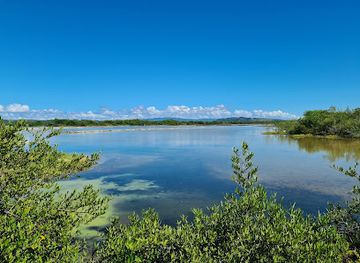
Refugio Nacional de Vida Silvestre de Cabo Rojo
Discover the breathtaking landscapes and diverse wildlife at Cabo Rojo National Wildlife Refuge, a must-visit destination in Puerto Rico.
33 min drive · 13 km from city centre
-
Tourist attraction
Puente de Piedra Beach
Discover the serene beauty of Puente de Piedra Beach in Cabo Rojo, Puerto Rico – a perfect blend of relaxation, adventure, and stunning natural landscapes.
38 min drive · 18 km from city centre
-
Tourist attraction
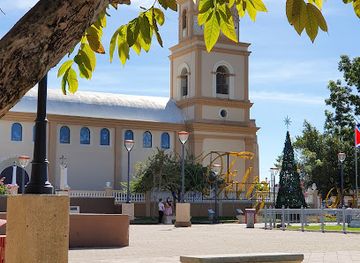
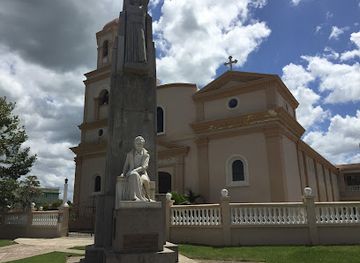
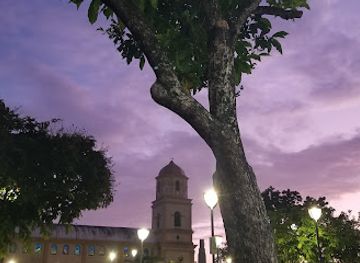
Plaza Dr. Ramón Emeterio Betances y Alacán
Discover the serene beauty of Plaza Dr. Ramón Emeterio Betances y Alacrán, a tranquil park in Cabo Rojo perfect for relaxation and cultural immersion.
1 min walk · 0.1 km from city centre

Best landmarks in Cabo Rojo
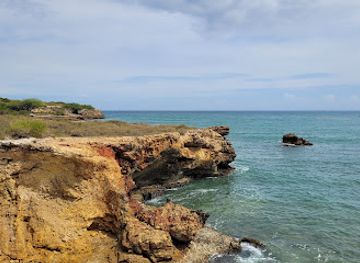
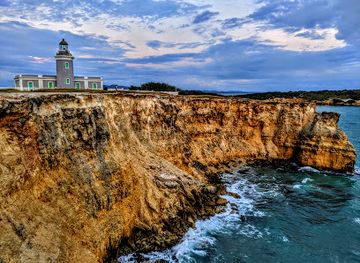
Cabo Rojo in Puerto Rico offers visitors a plethora of captivating landmarks to explore, from the iconic Los Morrillos Lighthouse overlooking the stunning cliffs, to the historic Cabo Rojo National Wildlife Refuge with its diverse wildlife and mangrove forests. Visitors can also marvel at the mesmerizing pink salt flats of Las Salinas, and enjoy the beautiful beaches like Playa Sucia and Playuela. The city's rich history and vibrant culture are showcased at landmarks such as the Church of San Miguel Arcángel and the Cabo Rojo Museum. Whether you are a nature lover, history buff, or beach enthusiast, Cabo Rojo has something for everyone to discover and enjoy.
-
Historical landmark
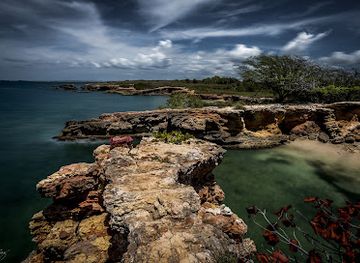
Faro Los Morrillos
Explore the breathtaking Faro Los Morrillos – a historical lighthouse offering stunning views and rich maritime history in Cabo Rojo, Puerto Rico.
38 min drive · 18 km from city centre
-
Nature preserve
Bosque Estatal de Boquerón
Explore the ecological wonders and breathtaking landscapes of Bosque Estatal de Boquerón, a premier nature preserve in Puerto Rico.
35 min drive · 15 km from city centre
-
Shopping mall
Cabo Rojo Shopping Plaza
Discover the vibrant Cabo Rojo Shopping Plaza, a shopping haven in Puerto Rico offering diverse shops, delightful dining, and family-friendly entertainment.
14 min walk · 1.2 km from city centre
-
Wildlife refuge
Refugio Nacional de Vida Silvestre de Cabo Rojo
Explore the diverse ecosystems and breathtaking landscapes of Cabo Rojo Wildlife Refuge, a paradise for wildlife lovers and nature explorers.
33 min drive · 13 km from city centre
Explore Cabo Rojo on the map
Plan your Cabo Rojo trip on one map. See where the top attractions, landmarks, restaurants, bars and hotels are, find what's near where you're staying, and book hotels and experiences in a few clicks.
Best hotels in Cabo Rojo
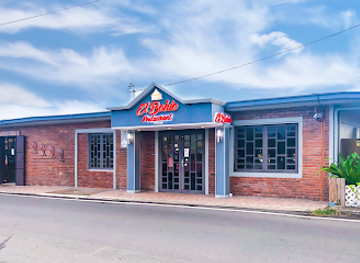
Best restaurants in Cabo Rojo
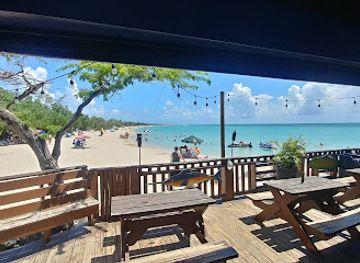
Cabo Rojo offers a vibrant dining scene that showcases the rich flavors of Puerto Rican cuisine. From beachfront seafood shacks serving up freshly caught fish to cozy cafes serving traditional dishes like mofongo and tostones, visitors can expect a culinary journey that tantalizes the taste buds. The city also boasts a variety of international cuisine options, including Italian, Mexican, and American eateries, providing something for every palate. Whether dining al fresco with stunning ocean views or enjoying a casual meal in the heart of the city, Cabo Rojo's restaurants offer a mix of flavors and ambiance that will leave visitors craving more.
-
Restaurant
Annie's Place
Discover authentic Puerto Rican flavors at Annie's Place in Cabo Rojo - where every meal is a delightful culinary adventure.
34 min drive · 14 km from city centre
-
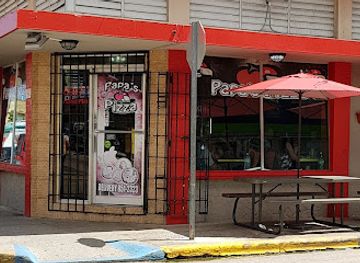
Pizza
Papa's Pizza
Experience authentic Puerto Rican pizza at Papa's Pizza in Cabo Rojo – where every slice is crafted with love and fresh ingredients.
2 min walk · 0.2 km from city centre
-
Seafood
RESTAURANTE EL BOHIO
Experience authentic Puerto Rican seafood at Restaurante El Bohio in Cabo Rojo, where fresh flavors meet stunning ocean views.
16 min drive · 5.2 km from city centre
-
Restaurant
Buena Vibra
Discover the vibrant flavors of Puerto Rico at Buena Vibra in Cabo Rojo – where every bite tells a story.
10 min drive · 3.4 km from city centre
Best bars in Cabo Rojo
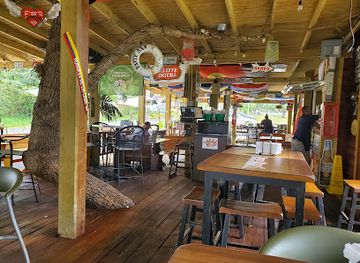
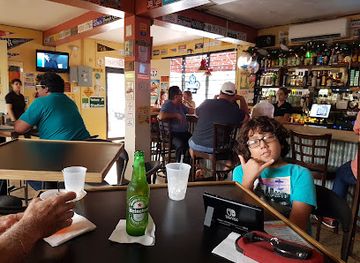
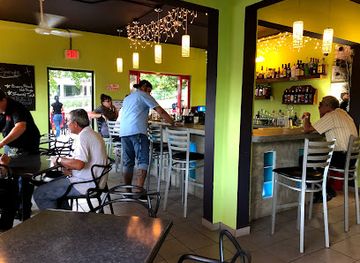
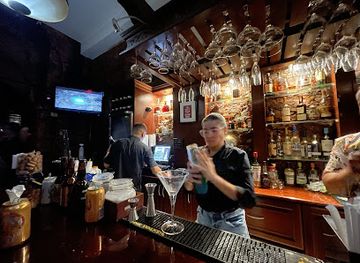
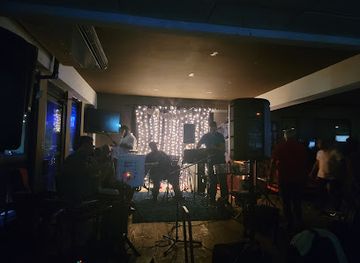
Cabo Rojo offers a vibrant nightlife scene that caters to a variety of tastes and preferences. From beachfront bars serving up tropical cocktails to lively nightclubs with pulsating music and dancing, visitors can expect a lively and energetic atmosphere. Local DJs and live bands provide entertainment throughout the night, creating a dynamic and fun environment for party-goers. Whether you're looking to relax with a drink in hand or dance the night away, Cabo Rojo's nightlife scene has something for everyone to enjoy.
-
Restaurant
Buena Vibra
Experience the vibrant culinary scene at Buena Vibra, the perfect spot in Cabo Rojo for delightful tapas and local flavors.
10 min drive · 3.4 km from city centre
-
Bar
Sloe John's
Experience the vibrant atmosphere and delightful drinks at Sloe John's, Cabo Rojo's favorite bar for locals and tourists alike.
22 min drive · 7.4 km from city centre
-
Restaurant
101 West Kitchen and Bar
Experience the flavors of Puerto Rico at 101 West Kitchen and Bar, where local ingredients meet creative culinary artistry in a stunning Cabo Rojo setting.
20 min drive · 6.6 km from city centre
-
Restaurant
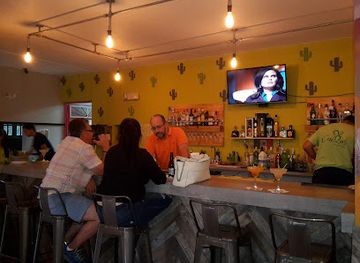
Cactus Bar and Grill
Discover the vibrant flavors of Puerto Rico at Cactus Bar and Grill, a culinary gem in Cabo Rojo offering delicious dishes and refreshing drinks.
12 min drive · 3.9 km from city centre
Best nightclubs in Cabo Rojo
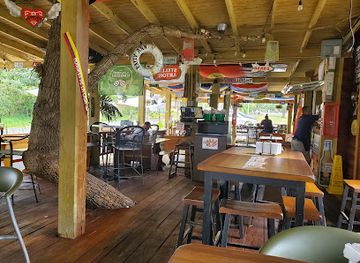
Cabo Rojo offers a vibrant nightlife scene that caters to a variety of tastes and preferences. From beachfront bars serving up tropical cocktails to lively nightclubs with pulsating music and dancing, visitors can expect a lively and energetic atmosphere. Local DJs and live bands provide entertainment throughout the night, creating a dynamic and fun environment for party-goers. Whether you're looking to relax with a drink in hand or dance the night away, Cabo Rojo's nightlife scene has something for everyone to enjoy.
-
Gastropub
Salvatore Bistro
Discover the vibrant atmosphere and exquisite cuisine at Salvatore Bistro, Cabo Rojo's top gastropub for unforgettable dining and live music experiences.
1 min walk · 0.1 km from city centre
-
Restaurant
Wines Bar & Tapas Restaurante. Cabo Rojo.
Experience the exquisite blend of fine wines and flavorful tapas at Cabo Rojo's premier dining destination, Wines Bar & Tapas Restaurante.
1 min walk · 0.1 km from city centre
-
Bar
Sebucan Sport Bar
Experience the vibrant nightlife of Cabo Rojo at Sebucan Sport Bar, where delicious drinks and lively entertainment await every visitor.
1 min walk · 0.1 km from city centre
-
Bar
The New Star Room
Discover the lively atmosphere of The New Star Room, a must-visit bar in Cabo Rojo offering refreshing cocktails and a vibrant nightlife experience.
1 min walk · 0.1 km from city centre
Best shops in Cabo Rojo
Cabo Rojo offers a unique shopping experience for visitors, with a mix of charming local boutiques, artisanal shops, and bustling markets. From colorful handcrafted souvenirs to authentic Puerto Rican handicrafts, visitors can immerse themselves in the vibrant culture of the city while browsing through a variety of products. Don't miss the opportunity to sample local delicacies and drinks at the market stalls, or shop for unique gifts to bring back home. Whether you're looking for traditional items or modern fashion pieces, Cabo Rojo's shopping scene has something for everyone to enjoy.
-
Shopping mall
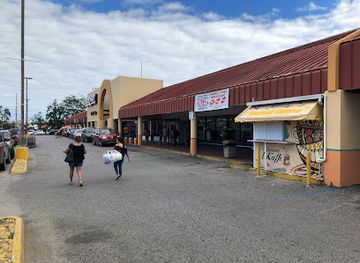
Cabo Rojo Shopping Plaza
Discover the charm of Cabo Rojo Shopping Plaza, where shopping meets local culture in a vibrant Puerto Rican atmosphere.
14 min walk · 1.2 km from city centre
-
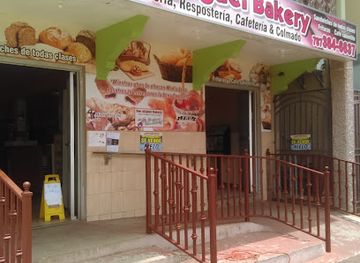
Bakery
......
Indulge in delectable pastries and local flavors at Cabo Rojo's beloved bakery, a must-visit for every sweet lover.
6 min walk · 0.5 km from city centre
-
Department store
GRANDS Cabo Rojo
Explore the vibrant shopping scene at Grands Cabo Rojo, where local culture meets global brands in a unique retail experience.
15 min walk · 1.2 km from city centre
-
General store
Bargain City
Explore Bargain City in Cabo Rojo, Puerto Rico, for unbeatable deals on local products and unique souvenirs.
14 min walk · 1.1 km from city centre


Get your free copy of our complete guide to Cabo Rojo, delivered straight to you.
Everything on this page, from attractions and restaurants to essentials and local phrases, in one PDF you can read offline, print or share.
Already have an account? Sign in
Your Cabo Rojo guide is ready.
We'll send it to · Not you? Sign out

Getting your guide ready…
We are putting together a fresh copy of the Cabo Rojo guide. This can take up to a minute.
This can take a few moments. If your browser asks, choose Allow so the download can start. You'll find the guide in your Downloads folder.
Nothing happened? Download it again
Sorry, the guide is taking longer than usual. Please try again in a minute, or get it by email instead.
Cabo Rojo essentials
Currency and Payment
Safety
Emergency Situations
Do's and Don'ts
Local Tips
From Eve
Local phrases worth knowing
You don't need to get them perfect. A few words go a long way, and locals appreciate the effort.
Basics
| English | Local | Say it |
|---|---|---|
| Hello | Hola | [oh-lah] |
| Goodbye | Adiós | [ah-dee-ohs] |
| Yes | Sí | [see] |
| No | No | [noh] |
| Please/You're welcome | Por favor/De nada | [por fah-bor/deh nah-dah] |
| Thank you | Gracias | [grah-see-ahs] |
| Excuse me/Sorry | Perdón/Lo siento | [pair-dohn/loh see-en-toh] |
| How are you? | ¿Cómo estás? | [koh-moh ehs-tahs] |
| Fine. And you? | Bien. ¿Y tú? | [byen. ee too] |
| Do you speak English? | ¿Hablas inglés? | [ah-blahs een-glays] |
| I don't understand | No entiendo | [noh ehn-tee-ehn-doh] |
Eating & Drinking
| English | Local | Say it |
|---|---|---|
| I'd like to see the menu, please | Quisiera ver el menú, por favor | [kee-see-eh-rah vehr ehl meh-noo, por fah-bor] |
| I don't eat meat | No como carne | [noh koh-moh kahr-neh] |
| Cheers! | ¡Salud! | [sah-lood] |
| I would like to pay, please | Me gustaría pagar, por favor | [meh goos-tah-ree-ah pah-gar, por fah-bor] |
Emergencies
| English | Local | Say it |
|---|---|---|
| Help! | ¡Ayuda! | [ah-yoo-dah] |
| Go away! | ¡Vete! | [veh-teh] |
| Call the Police! | ¡Llama a la policía! | [yah-mah ah lah poh-lee-see-ah] |
| Call a doctor! | ¡Llama a un doctor! | [yah-mah ah oon dohk-tohr] |
| I'm lost | Estoy perdido | [ehs-toy pair-dee-doh] |
| I'm ill | Estoy enfermo | [ehs-toy ehn-fehr-moh] |
Shopping
| English | Local | Say it |
|---|---|---|
| I'd like to buy... | Quisiera comprar... | [kee-see-eh-rah kohm-prar] |
| I'm just looking | Solo estoy mirando | [soh-loh ehs-toy mee-rahn-doh] |
| How much is it? | ¿Cuánto cuesta? | [kwan-toh kwehs-tah] |
| That's too expensive | Eso es muy caro | [eh-soh ehs moo-ee kah-roh] |
| Can you lower the price? | ¿Puedes bajar el precio? | [pweh-dehs bah-har ehl pree-see-oh] |
Time & Numbers
| English | Local | Say it |
|---|---|---|
| What time is it? | ¿Qué hora es? | [keh oh-rah ehs] |
| It's one o'clock | Es la una en punto | [ehs lah oo-nah ehn poon-toh] |
| Half past (10) | Son las diez y media | [sohn lahs dyehs ee meh-dee-ah] |
| Morning | Mañana | [mah-nyah-nah] |
| Afternoon | Tarde | [tahr-deh] |
| Evening | Noche | [noh-cheh] |
| Yesterday | Ayer | [ah-yehr] |
| Today | Hoy | [oy] |
| Tomorrow | Mañana | [mah-nyah-nah] |
| 1 | Uno | [oo-noh] |
| 2 | Dos | [dohs] |
| 3 | Tres | [trehs] |
| 4 | Cuatro | [kooah-troh] |
| 5 | Cinco | [seen-koh] |
| 6 | Seis | [says] |
| 7 | Siete | [syeh-teh] |
| 8 | Ocho | [oh-choh] |
| 9 | Nueve | [nweh-veh] |
| 10 | Diez | [dyehs] |
Transport & Directions
| English | Local | Say it |
|---|---|---|
| Where's a/the...? | ¿Dónde está...? | [dohn-deh ehs-tah] |
| What's the address? | ¿Cuál es la dirección? | [kwal ehs lah dee-rehk-syohn] |
| Can you show me (on the map)? | ¿Puedes mostrarme (en el mapa)? | [pweh-dehs mohs-trar-meh (ehn ehl mah-pah)] |
| When's the next (bus)? | ¿Cuándo es el próximo (autobús)? | [kwan-doh ehs ehl proh-see-moh (ow-toh-boos)] |
| A ticket (to ....) | Un boleto (a ....) | [oon boh-leh-toh (ah)] |
History of Cabo Rojo
Founding of Cabo Rojo
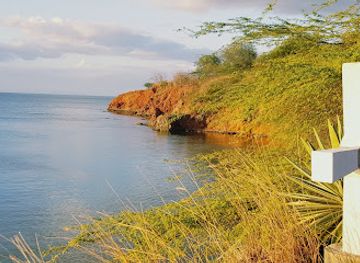
Cabo Rojo was officially founded on December 17, 1771, by Nicolás Ramírez de Arellano. The town's name, meaning 'Red Cape', is derived from the reddish cliffs that characterize the coastal area. Early settlers were primarily involved in agriculture, fishing, and salt extraction.
The Salt Flats of Cabo Rojo
The salt flats, or 'Las Salinas', of Cabo Rojo have been a vital economic resource since the pre-Columbian era. The indigenous Taíno people harvested salt from the flats, and later, Spanish settlers continued the practice. Today, these salt flats are not only a historical site but also a critical habitat for migratory birds.
El Faro Los Morrillos
Built in 1882, the Los Morrillos Lighthouse is a significant historical landmark in Cabo Rojo. It was constructed to help ships navigate the treacherous waters of the Mona Passage. The lighthouse stands atop limestone cliffs and offers breathtaking views of the Caribbean Sea and surrounding landscapes.
The Battle of Boquerón
During the Spanish-American War in 1898, Cabo Rojo's Boquerón Bay was the site of a significant naval encounter between the United States and Spain. The U.S. Navy's blockade of Puerto Rico included skirmishes in this bay, contributing to the eventual U.S. victory and the cession of Puerto Rico to the United States.
Cultural Festivals and Traditions
Cabo Rojo is renowned for its vibrant cultural traditions, including the patron saint festival, 'Fiestas Patronales de San Miguel Arcángel', held each September. The town also celebrates the Festival de la Piña Paradisíaca, honoring the local pineapple industry with music, dance, and culinary events.
The Legacy of Ramón Emeterio Betances
Ramón Emeterio Betances, a prominent Puerto Rican independence advocate and abolitionist, was born in Cabo Rojo in 1827. Known as 'El Padre de la Patria', Betances played a crucial role in the Grito de Lares uprising against Spanish rule in 1868. His legacy continues to influence Puerto Rican culture and politics.
Cabo Rojo in Photos
Browse through our photo collection highlighting the charm and character of the destination.
Cities near Cabo Rojo
The closest cities to Cabo Rojo, if you have time for more than one stop.
-

-

-

-

-


Swipe for more cities
Explore more

Explore more of Puerto Rico
Discover Puerto Rico, where vibrant culture, stunning beaches, and rich history create an unforgettable Caribbean experience. Perfect for adventurers and relaxation seekers alike.
Explore Puerto Rico