

Free Isabela Travel Guide & Mobile App
Plan your Isabela trip with Evendo. Get free guides to top attractions, restaurants, hotels, and bars. Web access or download the mobile app.


Isabela, Puerto Rico blends Atlantic beaches, Taíno and Spanish heritage, surf, caves and coastal trails with relaxed northwest island culture.
Atlantic Landscapes and Open Horizons
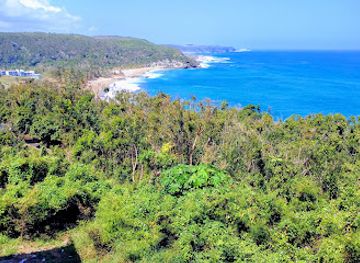
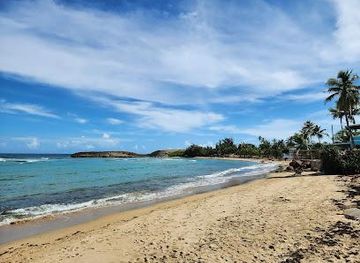
Isabela occupies a broad stretch of Puerto Rico’s north-western coast, where limestone headlands, pastureland and the Atlantic meet in a succession of beaches and rocky coves. The municipality is best known for Jobos, a popular surfing and swimming area framed by low cliffs, while Montones, Middles and Shacks offer different expressions of the coast, from family-friendly shallows to exposed reef and surf breaks. Inland, the Guajataca region brings darker forest, limestone formations and the winding Guajataca River into the landscape, creating a strong contrast with the bright coastal scenery.Read more about Isabela
A Town Shaped by Movement and Memory
Coastal Life and Northwest Character
When is the best time to visit Isabela?
Best: May–July · 30°C| Month | High (°C) | Rainfall (mm) |
|---|---|---|
| January | 29 | 58 |
| February | 29 | 52 |
| March | 29 | 42 |
| April | 29 | 36 |
| May (best) | 30 | 24 |
| June (best) | 30 | 23 |
| July (best) | 30 | 26 |
| August | 30 | 29 |
| September | 30 | 33 |
| October | 30 | 42 |
| November | 30 | 51 |
| December | 29 | 58 |
Getting to and around Isabela
How to get there
Transportation
Best attractions in Isabela
Isabela’s attractions range from Atlantic beaches to forested limestone country. Jobos is the municipality’s best-known coastal setting, with surf, rocky shore and a laid-back beach culture, while Montones offers a more sheltered shoreline and Middles and Shacks are associated with expansive coastal scenery and surfing conditions. Inland, the Guajataca region introduces visitors to dense vegetation, karst terrain and the Guajataca River, with opportunities for walking and nature observation. The Ermita San Antonio de la Tuna ruins provide a tangible link to the earlier colonial settlement, contrasting with the contemporary town centre around the plaza and San Antonio de Padua church. Coastal drives reveal pastures, small communities and roadside food stalls rather than a continuous resort strip. Isabela’s appeal comes from moving between these different settings: open Atlantic viewpoints, recreation on the shore, rural landscapes and historic traces that are distributed across the municipality.
-
Beach
Crash Boat Beach
Discover the natural beauty and vibrant atmosphere of Crash Boat Beach, a must-visit destination in Aguadilla, Puerto Rico.
36 min drive · 16 km from city centre
-
Tunnel
Túnel de Guajataca
Discover the historic Túnel de Guajataca in Isabela, Puerto Rico, a stunning landmark blending history and nature's beauty along the Caribbean coast.
18 min drive · 6.0 km from city centre
-
Tourist attraction
Mirador de Guajataca
Experience stunning coastal views and historical significance at Mirador de Guajataca, a must-visit scenic spot in Quebradillas, Puerto Rico.
20 min drive · 6.8 km from city centre
-
Beach
Playa Jobos
Experience the beauty and adventure of Playa Jobos in Isabela, Puerto Rico, where golden sands meet vibrant surf culture.
24 min drive · 8.1 km from city centre


Best landmarks in Isabela
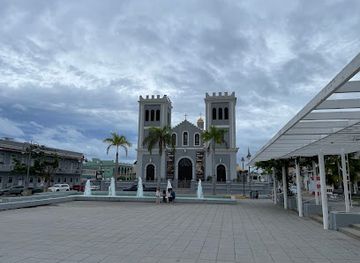
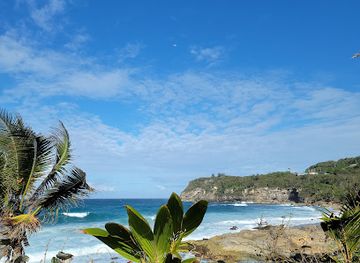
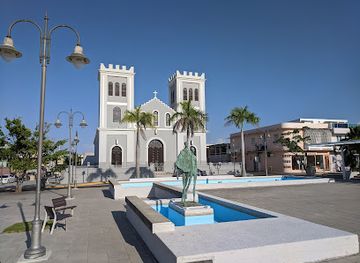
The Ermita San Antonio de la Tuna is Isabela’s most evocative historic landmark, with its surviving masonry recording the earlier Spanish settlement that preceded the present town. In central Isabela, the parish church of San Antonio de Padua and the surrounding plaza express the municipality’s nineteenth-century civic and religious organisation, with the square continuing to function as a social focus. The ruins should be understood as a colonial-era heritage site rather than an isolated monument, since they relate to the agricultural communities that once gathered around the old chapel. Along the coast, the limestone cliffs and naturally formed shoreline around Jobos and neighbouring beaches are environmental landmarks as much as scenic ones, illustrating the geological character of Puerto Rico’s north-west. The Guajataca forest and river add a contrasting inland landmark landscape of karst hills, vegetation and watercourses.
-
Shopping mall
Plaza Isabela
Discover a shopping oasis at Plaza Isabela, where vibrant shops, delicious dining, and lively entertainment come together in the heart of Puerto Rico.
14 min walk · 1.1 km from city centre
-
Tunnel
Túnel de Guajataca
Discover the historic Guajataca Tunnel in Isabela, Puerto Rico, where engineering marvel meets stunning coastal views in a unique travel experience.
18 min drive · 6.0 km from city centre
-
Seafood
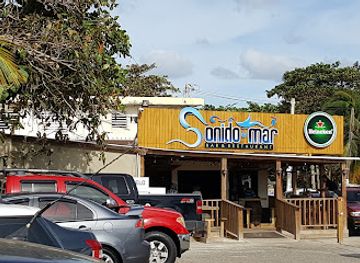
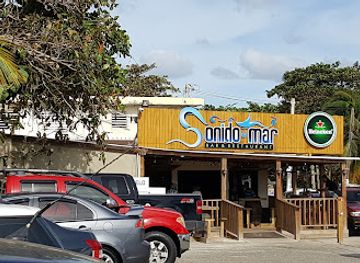
Sonido del Mar Restaurant
Discover the flavors of Puerto Rico at Sonido del Mar Restaurant, where fresh seafood meets oceanfront dining in Isabela.
25 min drive · 8.2 km from city centre
-
Tourist attraction
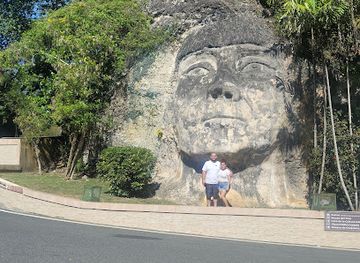
Cara del Indio
Explore the captivating Cara del Indio in Isabela, Puerto Rico – a unique rock formation embodying cultural significance and stunning coastal views.
17 min drive · 5.6 km from city centre
Explore Isabela on the map
Plan your Isabela trip on one map. See where the top attractions, landmarks, restaurants, bars and hotels are, find what's near where you're staying, and book hotels and experiences in a few clicks.
Best hotels in Isabela
Best restaurants in Isabela
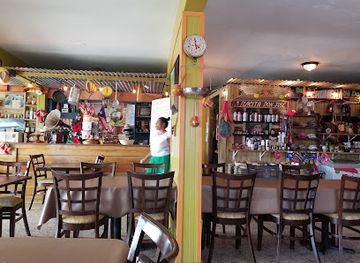
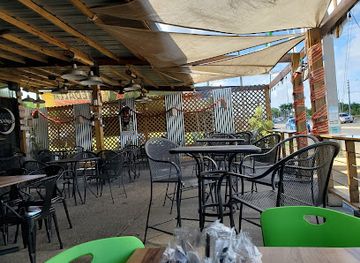
Isabela’s dining scene reflects its north-western coastal setting and Puerto Rican home-style cooking. Seafood, fried fish, mofongo, rice dishes, plantains and fritters such as alcapurrias and bacalaitos commonly shape menus, with roadside kiosks and informal coastal eateries providing a relaxed alternative to sit-down restaurants. Around Jobos and other beach communities, food is often closely connected to the day’s shoreline activity, while the town centre and main roads offer cafés, bakeries and family-run establishments serving familiar island staples. Local produce and the municipality’s rural hinterland also influence cooking, particularly through pork, root vegetables and seasonal fruit. Dining tends to be casual and social, with portions and service styles varying between small vendors and more formal restaurants. Spanish, Caribbean and contemporary influences appear alongside traditional recipes rather than replacing them.
-
Seafood
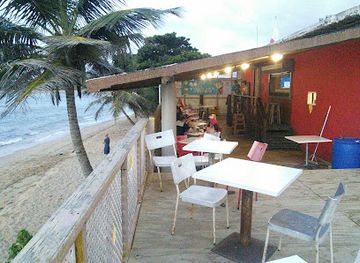
Sonido del Mar Restaurant
Experience exquisite seafood dining at Sonido del Mar Restaurant in Isabela - where fresh flavors meet breathtaking ocean views.
25 min drive · 8.2 km from city centre
-
Restaurant
KAI
Experience authentic Puerto Rican flavors at KAI in Isabela - where fresh seafood meets breathtaking beach views.
24 min drive · 8.0 km from city centre
-
Puerto Rican
Restaurante El Platanal
Experience authentic Puerto Rican cuisine at Restaurante El Platanal in Isabela - where every dish tells a story.
8 min walk · 0.6 km from city centre
-
Restaurant
By Cheff's Restaurant
Experience the authentic taste of Puerto Rican cuisine at By Cheff's Restaurant in Isabela - where culinary artistry meets local flavors.
11 min walk · 0.9 km from city centre
Best bars in Isabela
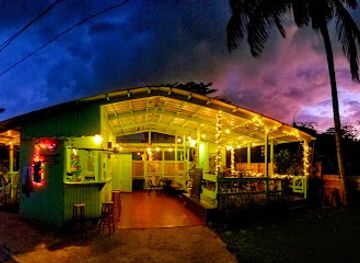
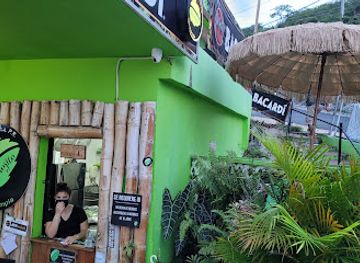
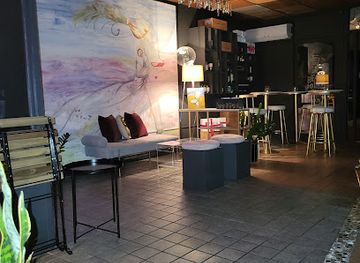
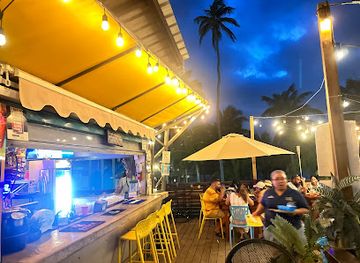
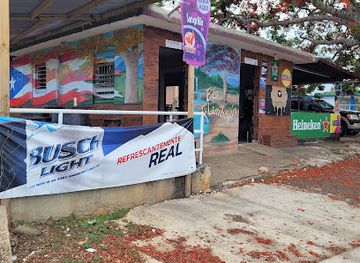
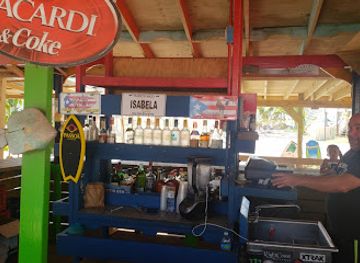
Isabela’s nightlife is generally low-key and local rather than dominated by large nightclubs. After sunset, activity gathers around casual bars, restaurants and beach-area businesses where visitors may find rum-based drinks, beer, music and conversation, particularly at weekends. The coastal communities can feel sociable during busy periods, but opening patterns and entertainment vary, so the municipality should not be approached as a late-night club destination. Live music, salsa, merengue and other Puerto Rican sounds may feature at local celebrations or individual venues, while town-plaza events and seasonal festivals provide culturally rooted evening entertainment. Travellers staying outside the centre should arrange transport in advance, as distances between beaches, accommodation and nightlife areas can be inconvenient after dark. Respect for residential communities is important around quieter coastal roads.
-
Grill
Ola Lola's Tiki Bar
Discover Ola Lola's Tiki Bar in Isabela, Puerto Rico - a tropical escape for delicious grilled dishes and refreshing cocktails in a vibrant atmosphere.
30 min drive · 10.0 km from city centre
-
Bar
Tu Mojito
Tu Mojito is the ideal bar in Isabela, Puerto Rico, perfect for cocktails, local flavors, and a lively atmosphere.
12 min drive · 4.0 km from city centre
-
Wine bar
The Wine Boutique
Discover the enchanting world of wines at The Wine Boutique in Isabela, Puerto Rico, where every sip tells a story of excellence and flavor.
10 min drive · 3.4 km from city centre
-
Restaurant
Tabla Salá Rest & Mojitos Bar
Savor the unique flavors of Puerto Rico at Tabla Salá Rest & Mojitos Bar, where delicious food meets refreshing cocktails in a vibrant setting.
24 min drive · 8.0 km from city centre
Best nightclubs in Isabela
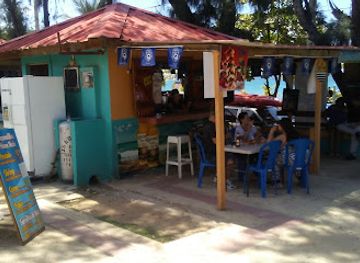
Isabela’s nightlife is generally low-key and local rather than dominated by large nightclubs. After sunset, activity gathers around casual bars, restaurants and beach-area businesses where visitors may find rum-based drinks, beer, music and conversation, particularly at weekends. The coastal communities can feel sociable during busy periods, but opening patterns and entertainment vary, so the municipality should not be approached as a late-night club destination. Live music, salsa, merengue and other Puerto Rican sounds may feature at local celebrations or individual venues, while town-plaza events and seasonal festivals provide culturally rooted evening entertainment. Travellers staying outside the centre should arrange transport in advance, as distances between beaches, accommodation and nightlife areas can be inconvenient after dark. Respect for residential communities is important around quieter coastal roads.
-
Bar
Julio's Sport Bar
Experience sports, good food, and vibrant nightlife at Julio's Sport Bar in Isabela, Puerto Rico!
13 min drive · 4.2 km from city centre
-
Cocktail bar
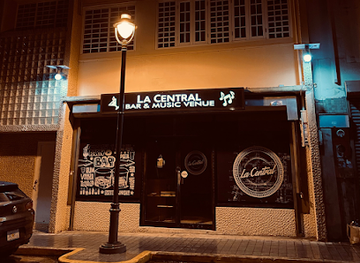
La Central
Discover La Central, Isabela's premier cocktail bar, blending exquisite drinks, delicious food, and vibrant live music in a captivating atmosphere.
10 min drive · 3.4 km from city centre
-
Bar
El Flamboyan Sport Bar
Experience the lively essence of Isabela at El Flamboyan Sport Bar, the perfect spot for sports fans and social gatherings with delicious drinks and local flavor.
5 min drive · 1.8 km from city centre
-
Bar
Coco Loco
Experience the vibrant nightlife at Coco Loco, Isabela's premier bar, where cocktails flow and music fills the air for an unforgettable night out.
24 min drive · 8.0 km from city centre
Best shops in Isabela
Shopping in Isabela is practical and small-scale rather than centred on a major luxury or department-store district. The town centre and main roads contain everyday shops, supermarkets, pharmacies and independent businesses, while coastal communities have vendors and informal outlets serving beach visitors. Local food products, Puerto Rican coffee, sweets, sauces, rum-based specialities and handmade items can make more distinctive gifts than standard resort merchandise. Traditional crafts associated with Puerto Rico, including carved santos, woven goods and artisan work, may appear through local fairs or specialist sellers, although availability varies. Markets and festival stalls can offer a stronger sense of local commerce than permanent retail spaces, particularly when seasonal events bring producers and craftspeople together. Visitors should distinguish locally made goods from factory-produced souvenirs and carry cash for smaller vendors who may not accept cards.
-
Shopping mall
Plaza Isabela
Explore Plaza Isabela, a thriving shopping mall in Puerto Rico, where shopping, dining, and entertainment come together in a vibrant atmosphere.
14 min walk · 1.1 km from city centre
-
Clothing store
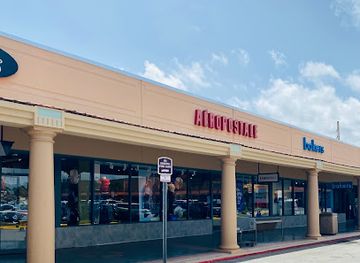
Aéropostale
Discover trendy fashion for the whole family at Aéropostale in Isabela, where style meets affordability in a vibrant shopping experience.
12 min walk · 1.0 km from city centre
-
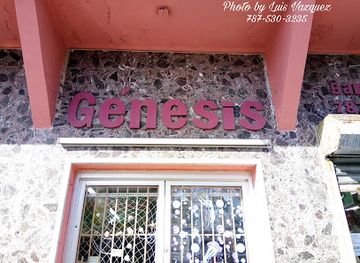
Craft store
Genesis
Explore Genesis in Isabela, Puerto Rico – the ultimate craft and party store for all your creative needs and celebratory essentials.
10 min drive · 3.3 km from city centre
-
Clothing store
Donato
Explore Donato in Isabela for a delightful shopping experience, offering a wide range of fashionable clothing at great prices.
13 min walk · 1.0 km from city centre

Get your free copy of our complete guide to Isabela, delivered straight to you.
Everything on this page, from attractions and restaurants to essentials and local phrases, in one PDF you can read offline, print or share.
Already have an account? Sign in
Your Isabela guide is ready.
We'll send it to · Not you? Sign out

Getting your guide ready…
We are putting together a fresh copy of the Isabela guide. This can take up to a minute.
This can take a few moments. If your browser asks, choose Allow so the download can start. You'll find the guide in your Downloads folder.
Nothing happened? Download it again
Sorry, the guide is taking longer than usual. Please try again in a minute, or get it by email instead.
Isabela essentials
Currency and Payment
Safety
Emergency Situations
Do's and Don'ts
Local Tips
From Eve
Local phrases worth knowing
You don't need to get them perfect. A few words go a long way, and locals appreciate the effort.
Basics
| English | Local | Say it |
|---|---|---|
| Hello | Hola | [oh-lah] |
| Goodbye | Adiós | [ah-dyohs] |
| Yes | Sí | [see] |
| No | No | [noh] |
| Please/You're welcome | Por favor/De nada | [pohr fah-bohr/de nah-dah] |
| Thank you | Gracias | [grah-syahs] |
| Excuse me/Sorry | Perdón/Lo siento | [pehr-dohn/loh syen-toh] |
| How are you? | ¿Cómo estás? | [koh-moh ehs-tahs] |
| Fine. And you? | Bien. ¿Y tú? | [byen. ee too] |
| Do you speak English? | ¿Hablas inglés? | [ah-blahs een-glehs] |
| I don't understand | No entiendo | [noh ehn-tyen-doh] |
Eating & Drinking
| English | Local | Say it |
|---|---|---|
| I'd like to see the menu, please | Me gustaría ver el menú, por favor | [meh goos-tah-ree-ah behr ehl meh-noo, pohr fah-bohr] |
| I don't eat meat | Yo no como carne | [yoh noh koh-moh kahr-neh] |
| Cheers! | ¡Salud! | [sah-lood] |
| I would like to pay, please | Me gustaría pagar, por favor | [meh goos-tah-ree-ah pah-gahr, pohr fah-bohr] |
Emergencies
| English | Local | Say it |
|---|---|---|
| Help! | ¡Ayuda! | [ah-yoo-dah] |
| Go away! | ¡Vete! | [veh-teh] |
| Call the Police! | ¡Llama a la policía! | [yah-mah ah lah poh-lee-see-ah] |
| Call a doctor! | ¡Llama a un médico! | [yah-mah ah oon meh-dee-koh] |
| I'm lost | Estoy perdido | [ehs-toy pehr-dee-doh] |
| I'm ill | Estoy enfermo | [ehs-toy ehn-fehr-moh] |
Shopping
| English | Local | Say it |
|---|---|---|
| I'd like to buy... | Me gustaría comprar... | [meh goos-tah-ree-ah kohm-prahr] |
| I'm just looking | Solo estoy mirando | [soh-loh ehs-toy mee-rahn-doh] |
| How much is it? | ¿Cuánto cuesta? | [kwan-toh kwehs-tah] |
| That's too expensive | Eso es demasiado caro | [eh-soh ehs deh-mah-syah-doh kah-roh] |
| Can you lower the price? | ¿Puedes bajar el precio? | [pweh-dehs bah-hahr ehl pree-syo] |
Time & Numbers
| English | Local | Say it |
|---|---|---|
| What time is it? | ¿Qué hora es? | [keh oh-rah ehs] |
| It's one o'clock | Es la una en punto | [ehs lah oo-nah ehn poon-toh] |
| Half past (10) | Media hora (10) | [meh-dyah oh-rah (deez)] |
| Morning | Mañana | [mah-nyah-nah] |
| Afternoon | Tarde | [tahr-deh] |
| Evening | Noche | [noh-cheh] |
| Yesterday | Ayer | [ah-yehr] |
| Today | Hoy | [oy] |
| Tomorrow | Mañana | [mah-nyah-nah] |
| 1 | Uno | [oo-noh] |
| 2 | Dos | [dohs] |
| 3 | Tres | [trehs] |
| 4 | Cuatro | [kwah-troh] |
| 5 | Cinco | [seen-koh] |
| 6 | Seis | [sehs] |
| 7 | Siete | [syeh-teh] |
| 8 | Ocho | [oh-choh] |
| 9 | Nueve | [nweh-veh] |
| 10 | Diez | [dyehs] |
Transport & Directions
| English | Local | Say it |
|---|---|---|
| Where's a/the...? | ¿Dónde está el/la...? | [doan-deh ehs-tah ehl/lah] |
| What's the address? | ¿Cuál es la dirección? | [kwal ehs lah dee-rek-syon] |
| Can you show me (on the map)? | ¿Puedes mostrarme (en el mapa)? | [pweh-dehs mohs-trar-meh (ehn ehl mah-pah)] |
| When's the next (bus)? | ¿Cuándo es el próximo (autobús)? | [kwan-doh ehs ehl proh-ksee-moh (ow-toh-boos)] |
| A ticket (to ....) | Un boleto (a ....) | [oon boh-leh-toh (ah)] |
History of Isabela
San Antonio de la Tuna Settlement
Before the present town developed, the principal Spanish settlement in the area was San Antonio de la Tuna, established inland during the colonial period. Its name recalls the local landscape and the cactus known in Spanish as tuna, while the surviving Ermita San Antonio de la Tuna preserves the clearest physical evidence of this earlier community. The settlement served agricultural households and reflected the colonial pattern of building a parish centre away from the immediate coast. Indigenous Taíno communities had inhabited and used north-western Puerto Rico long before Spanish colonisation, and later rural life was shaped by farming, livestock and changing land ownership. The chapel ruins therefore represent more than a religious building: they mark the first phase of organised colonial settlement in the territory now associated with Isabela.
The Founding of Isabela
The modern town of Isabela was founded in 1819, during the late Spanish colonial period, and was named in honour of Queen Isabella I of Castile. Its establishment reflected the growth of population and the need for a more practical civic and parish centre as settlement expanded across the north-west. The new town developed around the plaza and parish church, following a familiar Spanish-American urban pattern in which religious, administrative and commercial functions gathered around a central square. Over time, Isabela’s communities extended across fertile inland ground and the coastal plain. The relationship between the formal town and scattered rural districts remains visible today in the municipality’s dispersed character.
Agriculture and Rural Development
During the nineteenth and early twentieth centuries, Isabela’s economy was predominantly rural. Agriculture, cattle raising and small-scale commerce shaped daily life, while the coast provided access to fishing and local maritime activity. Sugar production became important in parts of Puerto Rico during the wider island’s plantation era, although Isabela also retained a strong association with livestock and mixed farming. Roads, schools, parish institutions and municipal administration gradually connected the town centre with outlying barrios. These developments created the cultural landscape often associated with Isabela: open pasture, working farms, horses, roadside commerce and communities linked more by roads than by a single dense urban core.
Church, Plaza and Civic Identity
As Isabela matured as a municipality, the central plaza and the parish church of San Antonio de Padua became enduring markers of civic identity. The church, together with municipal buildings and surrounding streets, represents the continuing importance of Catholic institutions and the town’s Spanish colonial planning tradition. Public life in Puerto Rican municipalities has often gathered around these central spaces for festivals, civic events, music and informal socialising. Although Isabela’s strongest visual attractions now extend along its beaches and forested interior, the centre retains the institutional memory of the town founded in 1819, linking contemporary municipal life with the older settlement pattern.
Twentieth-Century Transformation
The twentieth century brought major changes to Isabela through improved roads, modern communications, expanded public services and migration between rural communities, San Juan and destinations abroad. Agriculture remained part of the local economy, but employment increasingly diversified into commerce, services, manufacturing and tourism-related activity. The spread of private vehicles made the municipality’s separated beaches and inland attractions easier to reach, while Puerto Rico’s wider economic transformation altered traditional patterns of work and settlement. Isabela’s cultural identity nevertheless continued to draw on local foodways, horsemanship, music, religious observances and the coastal environment rather than becoming solely a resort landscape.
A Contemporary Coastal Municipality
Modern Isabela is defined by the coexistence of residential communities, working landscapes, heritage sites and a coastline known for surfing, swimming and recreation. Places such as Jobos and the beaches around the north-west shore have attracted visitors without erasing the municipality’s local scale, while the Guajataca area links Isabela to Puerto Rico’s limestone forests and cave country. Conservation concerns, coastal hazards and the pressures of development have become part of contemporary public discussion across the island. For visitors, the historical story is therefore encountered not in a single monumental district but in the relationship between the old settlement ruins, the town centre, rural interiors and the Atlantic coast.
Isabela in Photos
Browse through our photo collection highlighting the charm and character of the destination.
Cities near Isabela
The closest cities to Isabela, if you have time for more than one stop.
-

-

-

-

-


Swipe for more cities
Explore more

Explore more of Puerto Rico
Discover Puerto Rico, where vibrant culture, stunning beaches, and rich history create an unforgettable Caribbean experience. Perfect for adventurers and relaxation seekers alike.
Explore Puerto Rico