

Mindo Cloud Forest Travel Guide - Free Web & App
Your ultimate guide to Mindo Cloud Forest. Discover top landmarks, proposed trips, and local tips. Free on the web or via the Evendo companion app.


Mindo Cloud Forest, Ecuador, offers birdwatching, orchid trails, waterfalls, cacao tours and rainforest adventures in the Chocó Andino near Quito.
Rainforest Between the Andes and Pacific
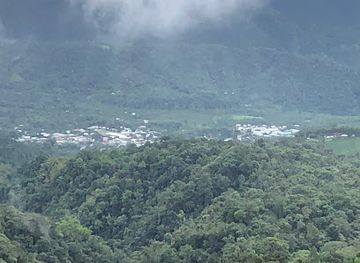
Mindo Cloud Forest lies in a cool, exceptionally humid valley to the north-west of Quito, where the Andean foothills descend towards Ecuador’s Pacific lowlands. The small settlement of Mindo is surrounded by steep green slopes, misty ridges, rushing streams and forest belonging to the biologically important Chocó region. The area is associated with the Mindo-Nambillo protected forest and forms part of the wider Chocó Andino de Pichincha Biosphere Reserve, recognised by UNESCO for its exceptional biodiversity and cultural landscape.Read more about Mindo Cloud Forest
Birds, Orchids and Water
A Village Base for Nature and Culture
When is the best time to visit Mindo Cloud Forest?
Best: July–September · 25°C| Month | High (°C) | Rainfall (mm) |
|---|---|---|
| January | 24 | 200 |
| February | 24 | 190 |
| March | 25 | 180 |
| April | 25 | 170 |
| May | 25 | 160 |
| June | 25 | 150 |
| July (best) | 25 | 140 |
| August (best) | 25 | 140 |
| September (best) | 25 | 150 |
| October | 25 | 160 |
| November | 25 | 170 |
| December | 25 | 180 |
Getting to and around Mindo Cloud Forest
How to get there
Transportation
Best attractions in Mindo Cloud Forest
Mindo’s principal attractions lie in the forested valley around the village rather than in a single monumental sight. The Mindo-Nambillo protected forest provides habitat-rich trails for birdwatching, orchids and moss-covered vegetation, while the tarabita crossing leads towards the Cascada de Nambillo and a series of forest waterfalls known collectively as the Waterfall Sanctuary. The Río Mindo and other waterways support nature walks and, where conditions and local operators permit, tubing or other river activities. In and around the village, butterfly gardens, orchid collections, hummingbird sites and chocolate experiences offer accessible introductions to local biodiversity and agriculture. Guided excursions into nearby forest are especially valuable for locating birds that are difficult to identify independently. The surrounding Chocó Andino landscape also rewards slower exploration of rural roads, farms and secondary forest, although attractions are dispersed and access arrangements vary between privately managed sites and protected woodland.
-
Restaurant
El Quetzal de Mindo with Chocolate Tour
Experience the rich flavors of Ecuador at El Quetzal de Mindo, where chocolate-making meets culinary excellence in a breathtaking natural setting.
-
Tour operator
Mindo Lago
Explore the breathtaking biodiversity and adventure activities at Mindo Lago, a nature lover's dream destination in Ecuador's enchanting cloud forests.
-
 Hotel
Biohostal Mindo (home made chocolate tour)
Discover the magic of Mindo at Biohostal Mindo, where homemade chocolate tours meet cozy accommodations in Ecuador's breathtaking cloud forests.
-
Tour operator
Bird Paradise Tours Mindo
Explore the vibrant biodiversity of Mindo with Bird Paradise Tours, where thrilling outdoor adventures meet stunning cloud forest landscapes.


Best landmarks in Mindo Cloud Forest
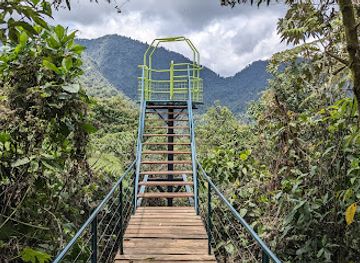
The defining landmark of Mindo is the cloud-forest valley itself, a meeting place of humid Chocó vegetation and Andean foothill terrain. The forested slopes of the Mindo-Nambillo area, the narrow rivers and the Cascada de Nambillo waterfall route give the landscape its physical character, while the tarabita crossing is a recognisable access feature for visitors exploring the falls. The village of Mindo is the area’s cultural and practical focal point, surrounded by farms, trails and small-scale nature enterprises rather than historic monumental architecture. Its importance is ecological: the surrounding forest supports an internationally recognised concentration of birds and plants and forms part of the wider Chocó Andino de Pichincha Biosphere Reserve. Routes and viewpoints are managed in different ways, so the significance of each natural feature should be understood alongside the access conditions and conservation responsibilities attached to it.
-
Restaurant
El Quetzal de Mindo with Chocolate Tour
Discover the culinary and chocolate-making delights of El Quetzal de Mindo, where nature and flavor intertwine in an unforgettable Ecuadorian experience.
-
Adventure sports
Mindo Canopy Adventures
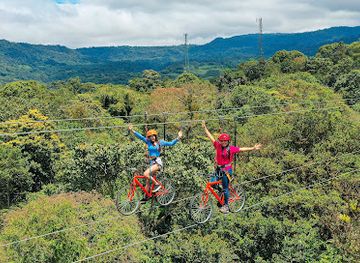
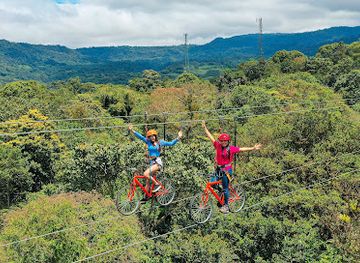
Discover the thrill of zip-lining and the joy of dogs at Mindo Canopy Adventures, a must-visit destination in Ecuador's breathtaking cloud forest.
-
Hotel
Terrabambu Lodge
Immerse yourself in nature at Terrabambu Lodge, a serene hotel in Mindo, Ecuador, perfect for relaxation and outdoor adventures.
-
Mountain cable car
Minjoy Park
Experience breathtaking views and natural beauty at Minjoy Park, a stunning mountain cable car destination in San Carlos, Ecuador.
Explore Mindo Cloud Forest on the map
Plan your trip on one map. See where the top attractions, landmarks, restaurants and hotels are, and book hotels and experiences in a few clicks.
Best hotels in Mindo Cloud Forest
Best restaurants in Mindo Cloud Forest
Dining in Mindo is concentrated in the village, where small restaurants, cafés and informal eateries serve Ecuadorian staples alongside food aimed at visitors exploring the cloud forest. Menus commonly draw on rice, plantain, soups, grilled meats, vegetables and fresh juices, while locally produced cacao and coffee are prominent parts of the area’s culinary identity. Chocolate experiences may include demonstrations or tastings rather than functioning as conventional restaurants, and farm or producer visits should be distinguished from everyday dining. Vegetarian choices are often available, though the range varies between establishments. Visitors staying outside the centre may find that meals need to be arranged through their accommodation or obtained in the village, particularly for early birding departures. Quito and larger settlements on the approach offer a broader choice of restaurants than Mindo itself.
-
Wellness hotel
Hosteria El Carmelo de Mindo
Discover serenity in nature at Hosteria El Carmelo de Mindo - A wellness retreat perfect for adventure lovers and bird watchers.
-
Restaurant
Persian house
Experience authentic Persian cuisine in the heart of Mindo with delicious dishes that delight your senses and warm your heart.
-
Italian
La Mecha Ristorante
Experience authentic Italian cuisine at La Mecha Ristorante in Mindo - where every dish tells a story amidst breathtaking natural beauty.
-
Hotel
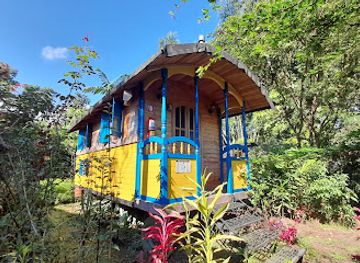
Hosteria La Roulotte Mindo Ecuador
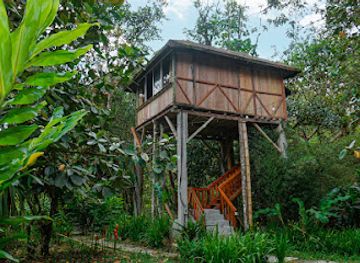
Discover tranquility at Hosteria La Roulotte: A charming retreat for nature lovers and food enthusiasts nestled in Mindo's stunning landscapes.
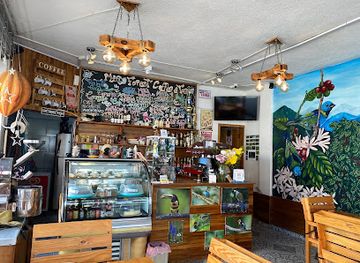
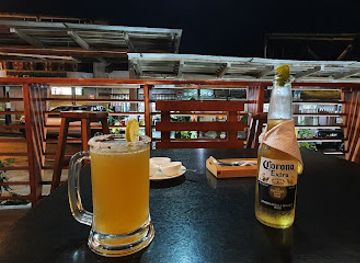
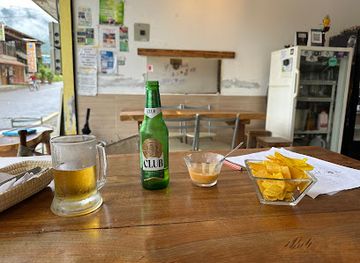
Best bars in Mindo Cloud Forest
Mindo is not a nightclub destination, and evening life is generally quiet, informal and linked to the village’s guesthouses, cafés and restaurants. Visitors may find places serving beer, wine or simple mixed drinks, but opening arrangements and atmosphere vary seasonally rather than forming a pronounced nightlife circuit. The most characteristic evening experience is often listening to rain and forest sounds, sharing a meal or talking with guides and other travellers after a day outdoors. Occasional community or seasonal events may add music and activity, though these should not be assumed to occur during every visit. Those seeking a larger selection of bars, clubs or late-night entertainment will find more choice in Quito, not within the Mindo cloud-forest destination.
-
Hotel
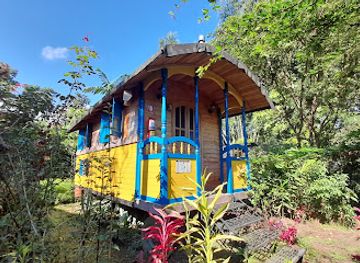
Hosteria La Roulotte Mindo Ecuador
Experience the perfect blend of nature and comfort at Hosteria La Roulotte, your gateway to Mindo's breathtaking biodiversity.
-
Cafe
Mindo Forest Coffee & Tea
Experience the best of Mindo with exceptional coffee and serene views at Mindo Forest Coffee & Tea, where nature meets flavor.
-
Ecuadorian
Minroot Restaurante
Experience the vibrant flavors of Ecuador at Minroot Restaurante, where sustainability meets authentic Ecuadorian cuisine in the heart of Mindo.
-
Vegetarian
Mishqui Quinde
Experience the fresh and flavorful vegetarian cuisine at Mishqui Quinde, where every dish celebrates the bounty of Mindo's natural ingredients.
Best nightclubs in Mindo Cloud Forest
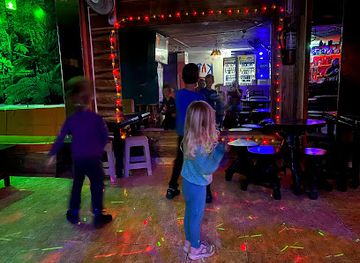
Mindo is not a nightclub destination, and evening life is generally quiet, informal and linked to the village’s guesthouses, cafés and restaurants. Visitors may find places serving beer, wine or simple mixed drinks, but opening arrangements and atmosphere vary seasonally rather than forming a pronounced nightlife circuit. The most characteristic evening experience is often listening to rain and forest sounds, sharing a meal or talking with guides and other travellers after a day outdoors. Occasional community or seasonal events may add music and activity, though these should not be assumed to occur during every visit. Those seeking a larger selection of bars, clubs or late-night entertainment will find more choice in Quito, not within the Mindo cloud-forest destination.
-
Karaoke bar
Mindo night time bar discoteca Karaoke
Experience the vibrant nightlife of Mindo at the Night Time Bar, your ultimate karaoke destination filled with fun and local charm.
-
Bar
Serenity Mindo Lounge Bar
Discover Serenity Mindo Lounge Bar: A haven for nature lovers and food enthusiasts in the heart of Ecuador's cloud forest.
-
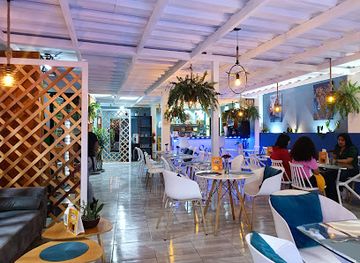
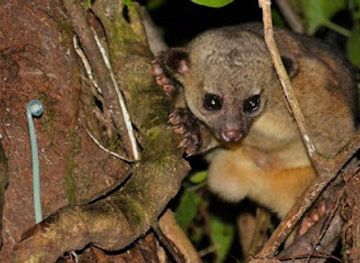
Mindo Night Walks
Explore the enchanting cloud forest of Mindo at night and discover its unique wildlife with Mindo Night Walks, an unforgettable adventure.
Best shops in Mindo Cloud Forest
Shopping in Mindo is modest and locally oriented, with small village shops, cafés, producer outlets and craft displays rather than a large retail district. The most characteristic purchases are cacao products and chocolate, locally grown coffee, fruit-based goods and other regional foods, although selection varies between businesses. Visitors may also encounter handmade souvenirs, artwork and practical outdoor items associated with the area’s nature-tourism economy. Mindo is a useful place to buy gifts directly from small producers when available, but product quality, stock and payment methods should be checked before purchase. Larger supermarkets, specialist equipment shops and broader retail choices are found in Quito and other towns on the approach. Shopping should therefore be treated as a complement to the forest experience, not as a principal reason for visiting.
-
Restaurant
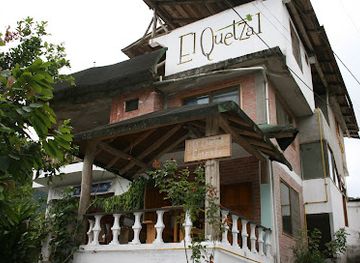
El Quetzal de Mindo with Chocolate Tour
Experience the exquisite flavors of Ecuador's chocolate and the breathtaking beauty of Mindo's cloud forests at El Quetzal de Mindo.
-
Museum
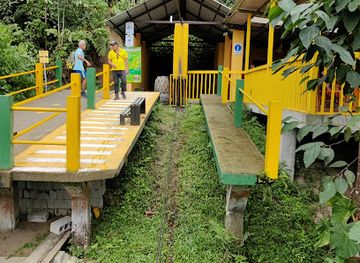
Tarabita Mindo a las Cascadas
Experience the breathtaking beauty of Mindo's cloud forests and cascading waterfalls at Tarabita Mindo, an exhilarating cable car adventure.
-
Adventure sports
Mindo Canopy Adventures
Experience the thrill of zip-lining through Ecuador's cloud forests while enjoying the company of adorable dogs at Mindo Canopy Adventures.
-
Hotel
Terrabambu Lodge
Discover the beauty of the Ecuadorian rainforest at Terrabambu Lodge, a serene retreat offering comfort and adventure in Mindo.
Get your free copy of our complete guide to Mindo Cloud Forest, delivered straight to you.
Everything on this page, from attractions and restaurants to essentials and local phrases, in one PDF you can read offline, print or share.
Already have an account? Sign in
Your Mindo Cloud Forest guide is ready.
We'll send it to · Not you? Sign out

Getting your guide ready…
We are putting together a fresh copy of the Mindo Cloud Forest guide. This can take up to a minute.
This can take a few moments. If your browser asks, choose Allow so the download can start. You'll find the guide in your Downloads folder.
Nothing happened? Download it again
Sorry, the guide is taking longer than usual. Please try again in a minute, or get it by email instead.
Mindo Cloud Forest essentials
Currency and Payment
Safety
Emergency Situations
Do's and Don'ts
Local Tips
From Eve
Local phrases worth knowing
You don't need to get them perfect. A few words go a long way, and locals appreciate the effort.
Basics
| English | Local | Say it |
|---|---|---|
| Hello | ¡Hola! | [oh-lah] |
| Goodbye | ¡Adiós! | [ah-dee-ohs] |
| Yes | Sí | [see] |
| No | No | [noh] |
| Please/You're welcome | Por favor/De nada | [por fah-vor/de nah-dah] |
| Thank you | Gracias | [grah-see-ahs] |
| Excuse me/Sorry | Disculpe/Lo siento | [dee-skool-pe/loh see-en-toh] |
| How are you? | ¿Cómo estás? | [koh-moh ehs-tahs] |
| Fine. And you? | Bien. ¿Y tú? | [bee-en. ee too] |
| Do you speak English? | ¿Hablas inglés? | [ah-blahs een-glays] |
| I don't understand | No entiendo | [noh ehn-tee-ehn-doh] |
Eating & Drinking
| English | Local | Say it |
|---|---|---|
| I'd like to see the menu, please | Me gustaría ver el menú, por favor | [meh goos-tah-ree-ah vehr ehl meh-noo, por fah-vor] |
| I don't eat meat | No como carne | [noh koh-moh kahr-neh] |
| Cheers! | ¡Salud! | [sah-lood] |
| I would like to pay, please | Me gustaría pagar, por favor | [meh goos-tah-ree-ah pah-gahr, por fah-vor] |
Emergencies
| English | Local | Say it |
|---|---|---|
| Help! | ¡Ayuda! | [ah-yoo-dah] |
| Go away! | ¡Vete! | [veh-teh] |
| Call the Police! | ¡Llama a la Policía! | [yah-mah ah lah poh-lee-see-ah] |
| Call a doctor! | ¡Llama a un médico! | [yah-mah ah oon meh-dee-koh] |
| I'm lost | Estoy perdido/a | [ehs-toy pehr-dee-doh/dah] |
| I'm ill | Estoy enfermo/a | [ehs-toy ehn-fehr-moh/ah] |
Shopping
| English | Local | Say it |
|---|---|---|
| I'd like to buy... | Me gustaría comprar... | [meh goos-tah-ree-ah kohm-prahr] |
| I'm just looking | Solo estoy mirando | [soh-loh ehs-toy mee-rahn-doh] |
| How much is it? | ¿Cuánto cuesta? | [kwan-toh kwehs-tah] |
| That's too expensive | Eso es demasiado caro | [eh-soh ehs deh-mah-see-ah-doh kahr-oh] |
| Can you lower the price? | ¿Puedes bajar el precio? | [pweh-dehs bah-har ehl pree-syoh] |
Time & Numbers
| English | Local | Say it |
|---|---|---|
| What time is it? | ¿Qué hora es? | [keh oh-rah ehs] |
| It's one o'clock | Es la una en punto | [ehs lah oo-nah ehn poon-toh] |
| Half past (10) | Las diez y media | [lahs dee-ehs ee meh-dee-ah] |
| Morning | Mañana | [mah-nyah-nah] |
| Afternoon | Tarde | [tahr-deh] |
| Evening | Noche | [noh-cheh] |
| Yesterday | Ayer | [ah-yehr] |
| Today | Hoy | [oy] |
| Tomorrow | Mañana | [mah-nyah-nah] |
| 1 | Uno | [oo-noh] |
| 2 | Dos | [dohs] |
| 3 | Tres | [trehs] |
| 4 | Cuatro | [kwa-troh] |
| 5 | Cinco | [seen-koh] |
| 6 | Seis | [says] |
| 7 | Siete | [syeh-teh] |
| 8 | Ocho | [oh-choh] |
| 9 | Nueve | [nweh-veh] |
| 10 | Diez | [dee-ehs] |
Transport & Directions
| English | Local | Say it |
|---|---|---|
| Where's a/the...? | ¿Dónde está...? | [dohn-deh ehs-tah] |
| What's the address? | ¿Cuál es la dirección? | [kwal ehs lah dee-rek-syon] |
| Can you show me (on the map)? | ¿Puedes mostrarme (en el mapa)? | [pweh-dehs mohs-trar-meh (ehn ehl mah-pah)] |
| When's the next (bus)? | ¿Cuándo es el próximo (bus)? | [kwan-doh ehs ehl proh-ksee-moh (boos)] |
| A ticket (to ....) | Un boleto (a ...) | [oon boh-leh-toh (ah)] |
History of Mindo Cloud Forest
A Forest Shaped by the Andes
Mindo’s landscape is part of the western Andean foothills, where humid air rising from the Pacific lowlands meets cooler mountain slopes and produces persistent cloud and rain. Over geological time, erosion and flowing water cut the valley’s ravines and channels, while the meeting of Andean and Chocó environments created varied habitats over a relatively small area. This ecological transition helps explain the region’s exceptional plant and bird diversity and remains central to its identity as a cloud-forest destination.
Yumbo Landscapes and Early Routes
Before the modern road connection, the wider north-western Pichincha region was associated with the Yumbo people, an Indigenous society whose territory extended through forested valleys west of Quito. Archaeological evidence elsewhere in the region includes ancient earthworks, raised fields and ceremonial platforms, while routes across the western foothills connected Andean settlements with lower, warmer lands. The precise history of the Mindo valley should not be reduced to a single archaeological site, but its position between ecological zones made it part of a long-established network of movement and exchange.
Rural Settlement and Forest Use
Modern settlement in Mindo developed within a rural landscape of small farms, forest and waterways. Agriculture and cattle raising altered parts of the valley, while timber extraction and expanding roads affected wider areas of western Pichincha during the twentieth century. The surrounding terrain remained difficult to cultivate intensively, helping preserve substantial areas of forest. Local livelihoods continue to combine farming and hospitality with guiding and nature-based tourism, rather than relying on a single large industry.
Protection of Mindo-Nambillo
Growing concern over deforestation and habitat loss led to the protection of the Mindo-Nambillo forest, a major turning point in the area’s modern history. Conservation encouraged the protection of watersheds and forest corridors while supporting birdwatching, ecological education and locally based tourism. The protected landscape is not simply a wilderness without human influence: farms, roads and settlements border and intersect the wider forest, making cooperation with local landowners important to its management.
The Chocó Andino Biosphere Reserve
In 2018, UNESCO designated the Chocó Andino de Pichincha as a Biosphere Reserve, recognising a broad landscape of cloud forest, agricultural areas and communities to the north-west of Quito. Mindo is one of the best-known visitor bases within this wider reserve, although the biosphere reserve is considerably larger than the village and its immediate forest. The designation reflects an approach that links biodiversity conservation with sustainable livelihoods, research, education and carefully managed tourism.
Mindo Cloud Forest in Photos
Browse through our photo collection highlighting the charm and character of the destination.
Cities in Mindo Cloud Forest
The towns and cities of Mindo Cloud Forest, and the easiest places to base yourself.

Swipe for more cities
Neighbouring destination travel guides
The closest destinations to Mindo Cloud Forest, if you have time for more than one.
-
-

-

-
-


Swipe for more destinations
Explore more

Explore more of Northern Sierra
Discover the Northern Sierra of Ecuador: A land of majestic volcanoes, tranquil lakes, and vibrant indigenous culture nestled in the heart of the Andes.
Explore Northern Sierra
Explore more of Ecuador
Explore Ecuador: From the Amazon rainforest and Andean highlands to the Pacific coast and Galápagos Islands, discover diverse landscapes and vibrant cultures.
Explore Ecuador