

Santa Elena Region, Ecuador Travel Guide
Discover Santa Elena, Ecuador's coastal paradise, where pristine beaches, ancient history, and vibrant culture blend to create an unforgettable travel experience.
Santa Elena, located on the stunning Pacific coast of Ecuador, offers a mix of beautiful beaches, rich history, and vibrant culture. It's a destination where visitors can experience both relaxation and adventure. The region is home to Salinas, one of Ecuador's premier beach resorts, where you can enjoy water sports, sunbathing, and a lively nightlife scene. For history enthusiasts, the region boasts the fascinating Valdivia archaeological site, revealing the ancient cultures that once thrived here. The Amantes de Sumpa Museum offers a deep dive into the local heritage with its exhibits of prehistoric artifacts and skeletons of ancient lovers. Nature lovers will find the Santa Elena Peninsula a paradise with its diverse ecosystems. The extensive mangroves, dry forests, and the nearby Machalilla National Park are perfect for eco-adventures. Whale watching is a must-do activity, especially between June and September when humpback whales migrate to the warm waters off the coast. The local cuisine is another highlight, with fresh seafood dishes like ceviche and encebollado that tantalize the taste buds. The region's markets are bustling with fresh produce and local crafts, offering a glimpse into the daily life of the locals.

Know before you go
Hi, I'm Eve. Here are a few practical things to know before exploring Santa Elena Region.
- Visit between June and September for the best whale watching opportunities.
- Stay in Salinas for the best beach experience and lively nightlife.
- Don't miss the local seafood, especially ceviche and encebollado.
- Explore the Valdivia archaeological site to learn about the region's ancient cultures.
- Bring sun protection and stay hydrated while exploring the beaches and natural parks.
Top City Travel Guides in Santa Elena Region
The cities of Santa Elena Region, and the easiest places to base yourself.

Destinations in Santa Elena Region
Resorts, valleys and scenic spots worth a trip of their own.


Explore Santa Elena Region: Things to Do, Places to Eat, Hotels & More
Handpicked recommendations for top attractions, local dining, accommodations, and more

Top Attractions & Sightseeing in Santa Elena Region
Top-rated picks
Best Attractions

Plaza Guayarte
Explore the serene beauty and cultural vibrance of Plaza Guayarte, Guayaquil's premier park and cultural center for families and food lovers.

La Chocolatera
Discover the stunning cliffs and vibrant marine life at La Chocolatera, a must-visit coastal attraction in Salinas, Ecuador.

La Lobería
Discover La Lobería, Ecuador's breathtaking nature preserve with stunning coastal views and vibrant wildlife, perfect for nature lovers and adventure seekers.

Mirador Resort "Cerro El Tablazo"
Experience stunning panoramic views of Santa Elena's coastline at Mirador Resort Cerro El Tablazo, a must-visit observation deck for all travelers.

Best landmarks in Santa Elena Region
Top-rated picks
Best Landmarks

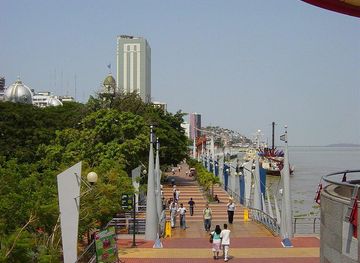
Malecon 2000
Experience Guayaquil's heart at Malecón 2000: a vibrant blend of history, culture, and stunning riverfront views along the Guayas River.

Middle of the World City
Experience the thrill of standing in two hemispheres at once at this iconic equatorial landmark near Quito, Ecuador.

Parque El Ejido
Experience Quito's vibrant culture and natural beauty in this lively park, a hub for art, recreation, and local traditions.

Independence Square
Discover Quito's heart at Independence Square: a historic landmark surrounded by colonial architecture and vibrant Ecuadorian culture.

Best restaurants in Santa Elena Region
Top-rated picks
Best Restaurants

Tree House Restaurante
Experience the flavors of Costa Rica at Tree House Restaurante in Monteverde—where nature meets culinary delight.
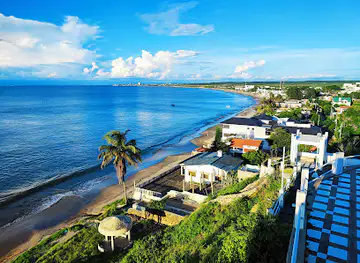
Hostería Farallon Dillon
Discover Hostería Farallon Dillon: A unique blend of dining, dancing, relaxation, and culture on Ecuador's stunning coastline.

Morpho's Restaurant
Savor the rich flavors of Costa Rica at Morpho's Restaurant – where every meal is a celebration of local cuisine.

The Wave Surf Resto Cafe
Discover culinary bliss at The Wave Surf Resto Cafe in Montañita, where fusion flavors meet oceanfront relaxation.

Best bars in Santa Elena Region
Top-rated picks
Best Bars

TULÚM RESTOBAR
Experience the vibrant nightlife of Salinas at TULÚM RESTOBAR, where great drinks, live music, and a welcoming atmosphere await.
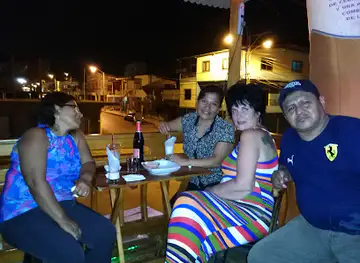
Karaoke Alta Gracia
Discover the lively atmosphere of Karaoke Alta Gracia in Santa Elena, where singing, laughter, and fun blend for an unforgettable night out.
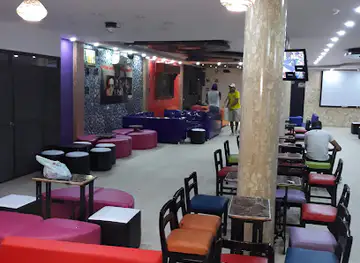
Salsobar Zona Zero
Salsobar Zona Zero: A vibrant bar in Manglaralto offering delightful drinks and an inviting atmosphere for every tourist.

Merman Beach Club
Discover the vibrant Merman Beach Club in Montañita, Ecuador, where stunning sunsets, refreshing cocktails, and an unforgettable beach atmosphere await.

Best nightclubs in Santa Elena Region
Top-rated picks
Best Nightclubs

Discoteca Nidia Fuzzion Party
Join the lively nightlife at Discoteca Nidia Fuzzion Party in Cuenca, where the beats are infectious, and the atmosphere is electric.

Caña Grill
Experience the electrifying nightlife of Montanita at Caña Grill, the ultimate disco club for dance lovers and party-goers.

Lost Beach Club
Discover the ultimate nightlife experience at Lost Beach Club in Montañita, where music, beach vibes, and unforgettable moments collide.

RockaBar
Discover the exhilarating nightlife at RockaBar in Salinas, where music, dancing, and vibrant energy come together for an unforgettable experience.

Best shops in Santa Elena Region
Top-rated picks
Best Shops

Paseo Shopping Peninsula
Explore the vibrant Paseo Shopping Peninsula in La Libertad, Ecuador, for a unique blend of shopping, dining, and entertainment experiences.

Scala Shopping Mall
Discover the ultimate shopping experience at Scala Shopping Mall in Quito, where fashion, food, and fun come together in one vibrant location.

Mall del Pacifico, Manta
Experience the ultimate shopping and dining adventure at Mall del Pacifico, Manta's premier shopping mall with local flair and global brands.

La Chocolatera
Discover La Chocolatera in Salinas - a stunning coastal attraction known for breathtaking views, diverse wildlife, and thrilling outdoor activities.

Explore Santa Elena Region on the Map
A handpicked selection of must-see spots in Santa Elena Region, mapped for you.
Santa Elena Region Essentials
-
Santa Elena Region is accessible via José Joaquín de Olmedo International Airport in Guayaquil, approximately 140 kilometers away. From the airport, you can take a taxi or a bus to Santa Elena, with the journey typically taking around 2 hours by road. There are also direct bus services from major cities like Quito, Cuenca, and Guayaquil to Santa Elena.
-
Public buses are the most common mode of transportation within Santa Elena Region, connecting towns such as La Libertad, Salinas, and Montañita. Taxis are also readily available and relatively inexpensive. If you prefer more flexibility, car rentals are a viable option. For short distances, many locals and tourists opt for mototaxis or simply walk.
-
The official currency in Ecuador is the US Dollar (USD). Credit and debit cards are widely accepted in hotels, restaurants, and larger shops. However, it is advisable to carry cash for smaller establishments and rural areas. ATMs are available in major towns like Salinas and La Libertad, but be cautious of withdrawal limits and fees.
-
Santa Elena Region is generally safe for tourists, but it's important to take standard precautions. Avoid displaying valuables and be cautious in crowded areas. Be particularly vigilant in La Libertad, where pickpocketing and petty theft can be more common. Avoid walking alone at night, especially in less populated areas.
-
In case of an emergency, dial 911 for immediate assistance. Santa Elena has medical facilities and hospitals in towns like Salinas and La Libertad. Pharmacies are also available for minor health issues. It is recommended to have travel insurance that covers medical emergencies and to carry a basic first aid kit.
-
Fashion: Do wear light, breathable clothing suitable for the coastal climate. Don't wear overly revealing outfits, especially when visiting rural areas. Religion: Do respect local customs and traditions, particularly during religious events. Public Transport: Do be respectful and give up your seat to elderly or disabled passengers. Don't eat or drink on public buses. Greetings: Do greet people with a handshake or a light kiss on the cheek, as is customary. Eating & Drinking: Do try local seafood and traditional dishes. Don't refuse food or drink offerings, as it may be considered rude.
-
To experience Santa Elena Region like a local, visit the fish markets early in the morning for the freshest catch of the day. Engage with the local fishermen and learn about their trade. Attend local festivals and events to immerse yourself in the culture. Don't miss the chance to visit the archaeological site of Las Vegas for a glimpse into the region's ancient history.
When is the best time to visit Santa Elena Region?
Useful Local Phrases for Santa Elena Region
You don't need to speak the language perfectly. Even learning a few simple words can make conversations warmer—and locals usually appreciate the effort.
— Eve

Here are the phrases I use most often in Santa Elena Region. Try a few—you'll be surprised how far they go! 😊
❤️
-
- HelloHola
[oh-lah] - GoodbyeAdiós
[ah-dee-ohs] - YesSí
[see] - NoNo
[noh] - Please/You're welcomePor favor
[por fah-vor] - Thank youGracias
[grah-syahs] - Excuse me/SorryPerdón
[pehr-dohn] - How are you?¿Cómo estás?
[koh-moh ehs-tahs] - Fine. And you?Bien. ¿Y tú?
[byen. ee too] - Do you speak English?¿Hablas inglés?
[ah-blahs een-gles] - I don't understandNo entiendo
[noh en-tyen-doh]
- HelloHola
-
- I'd like to see the menu, pleaseMe gustaría ver el menú, por favor
[meh goo-stah-ree-ah vehr el meh-noo, por fah-vor] - I don't eat meatNo como carne
[noh koh-moh kar-neh] - Cheers!¡Salud!
[sah-lood] - I would like to pay, pleaseMe gustaría pagar, por favor
[meh goo-stah-ree-ah pah-gar, por fah-vor]
- I'd like to see the menu, pleaseMe gustaría ver el menú, por favor
-
- Help!¡Ayuda!
[ah-yoo-dah] - Go away!¡Vete!
[veh-teh] - Call the Police!¡Llama a la policía!
[yah-mah ah lah poh-lee-syah] - Call a doctor!¡Llama a un doctor!
[yah-mah ah oon dok-tor] - I'm lostEstoy perdido
[ehs-toy pehr-dee-doh] - I'm illEstoy enfermo
[ehs-toy en-fehr-moh]
- Help!¡Ayuda!
-
- I'd like to buy...Me gustaría comprar...
[meh goo-stah-ree-ah kom-prar] - I'm just lookingSolo estoy mirando
[soh-loh ehs-toy mee-ran-doh] - How much is it?¿Cuánto cuesta?
[kwahn-toh kwes-tah] - That's too expensiveEso es muy caro
[eh-soh ehs mwee kah-roh] - Can you lower the price?¿Puedes bajar el precio?
[pweh-des bah-har el preh-syo]
- I'd like to buy...Me gustaría comprar...
-
- What time is it?¿Qué hora es?
[keh oh-rah ehs] - It's one o'clockEs la una
[ehs lah oo-nah] - Half past (10)Y diez y media
[ee dyas ee meh-dyah] - MorningMañana
[mah-nyah-nah] - AfternoonTarde
[tar-deh] - EveningNoche
[noh-cheh] - YesterdayAyer
[ah-yehr] - TodayHoy
[oy] - TomorrowMañana
[mah-nyah-nah] - 1Uno
[oo-noh] - 2Dos
[dohs] - 3Tres
[tres] - 4Cuatro
[kwah-troh] - 5Cinco
[seen-koh] - 6Seis
[says] - 7Siete
[syeh-teh] - 8Ocho
[oh-choh] - 9Nueve
[nweh-beh] - 10Diez
[dyehs]
- What time is it?¿Qué hora es?
-
- Where's a/the...?¿Dónde está un/una...?
[dohn-deh ehs-tah oon/oo-nah] - What's the address?¿Cuál es la dirección?
[kwahl ehs lah dee-rek-syohn] - Can you show me (on the map)?¿Puedes mostrarme (en el mapa)?
[pweh-des mos-trar-meh en el mah-pah] - When's the next (bus)?¿Cuándo es el próximo (autobús)?
[kwahn-doh ehs el prohk-see-moh ow-toh-boos] - A ticket (to ....)Un pasaje (a ....)
[oon pah-sah-heh ah]
- Where's a/the...?¿Dónde está un/una...?
History of Santa Elena Region
-
The Santa Elena Peninsula is home to one of the oldest known cultures in the Americas: the Valdivia civilization. Dating back to 3500 BCE, this pre-Columbian society was known for its advanced pottery techniques, including the famous 'Venus' figurines. Archaeological sites near the town of Valdivia reveal complex social structures and trade networks.
-
In the early 16th century, Spanish conquistadors arrived on the coast of what is now the Santa Elena Region. Francisco Pizarro and his crew landed on the peninsula in 1531, using it as a staging ground for their subsequent expeditions into the Inca Empire. This period marked the beginning of Spanish colonization and the subsequent cultural transformation of the region.
-
The town of La Libertad, located on the peninsula, was officially founded in the early 20th century during Ecuador's burgeoning oil industry. The discovery of oil in the region brought rapid urbanization and economic growth. Today, La Libertad remains a vital economic hub, with its history closely tied to the oil industry.
-
During World War II, the United States established a naval base in Salinas as part of the Hemisphere Defense Plan. This base was crucial for monitoring Axis submarine activities in the Pacific. The presence of the naval base brought new infrastructure and an influx of American military personnel, leaving a lasting impact on the local culture and economy.
-
Machalilla National Park, located in the Santa Elena Region, was established in 1979 to protect the diverse ecosystems and archaeological sites within its boundaries. The park is home to the ancient ruins of the Machalilla culture, which thrived between 1500 BCE and 800 CE. Visitors can explore remnants of this ancient society, including burial mounds and ceremonial sites.
-
In recent decades, the Santa Elena Peninsula has experienced significant development and modernization. The construction of new highways and the expansion of tourism infrastructure have made the region more accessible. Santa Elena now boasts a mix of historical sites, modern amenities, and vibrant cultural festivals, reflecting its rich history and dynamic present.
Neighbouring Regions of Santa Elena Region
The closest regions to Santa Elena Region, if you have time for more than one.




Your all‑in‑one travel companion app
Explore expert travel guides, compare and book tours, experiences, hotels, and more—all from the palm of your hand. Download now for seamless trip planning wherever your wanderlust takes you.


Explore More of Ecuador

Looking beyond Santa Elena Region? Discover Ecuador for broader travel guides, local hot-spots, and regional highlights.
Explore EcuadorSanta Elena Region in Photos
Browse through our photo collection highlighting the charm and character of the destination.







Santa Elena: Ecuador's Coastal Gem
Santa Elena, located on the stunning Pacific coast of Ecuador, offers a mix of beautiful beaches, rich history, and vibrant culture. It's a destination where visitors can experience both relaxation and adventure. The region is home to Salinas, one of Ecuador's premier beach resorts, where you can enjoy water sports, sunbathing, and a lively nightlife scene. For history enthusiasts, the region boasts the fascinating Valdivia archaeological site, revealing the ancient cultures that once thrived here. The Amantes de Sumpa Museum offers a deep dive into the local heritage with its exhibits of prehistoric artifacts and skeletons of ancient lovers. Nature lovers will find the Santa Elena Peninsula a paradise with its diverse ecosystems. The extensive mangroves, dry forests, and the nearby Machalilla National Park are perfect for eco-adventures. Whale watching is a must-do activity, especially between June and September when humpback whales migrate to the warm waters off the coast. The local cuisine is another highlight, with fresh seafood dishes like ceviche and encebollado that tantalize the taste buds. The region's markets are bustling with fresh produce and local crafts, offering a glimpse into the daily life of the locals.