

Free Loja Region Travel Guide & Mobile App
Explore Loja Region with free travel guides. Discover regional history, expert tips, proposed trips, and audio guides on web or mobile app.


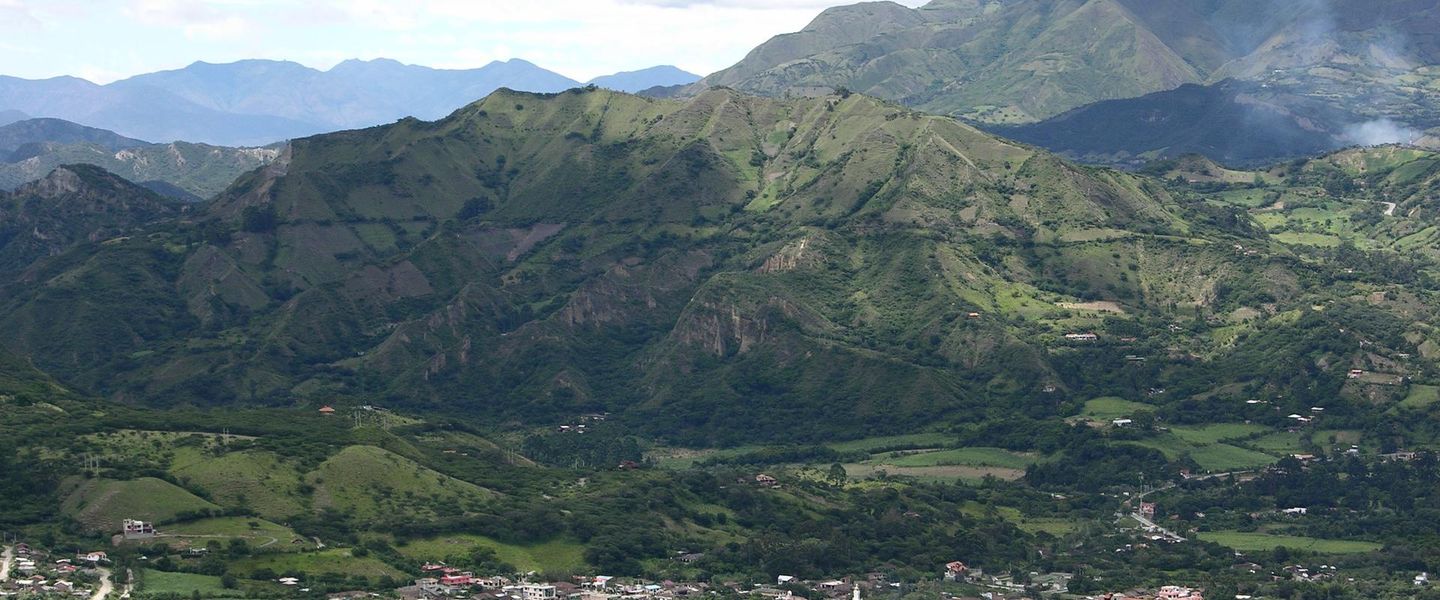


Explore Ecuador’s Loja Region for cultured highland towns, Saraguro heritage, coffee country, dry valleys and cloud-forest trekking.
Read more about Loja Region
When is the best time to visit Loja Region?
Best: February, July–August · 21–22°C| Month | High (°C) | Rainfall (mm) |
|---|---|---|
| January | 22 | 40 |
| February (best) | 22 | 40 |
| March | 22 | 50 |
| April | 22 | 60 |
| May | 22 | 50 |
| June | 22 | 40 |
| July (best) | 21 | 30 |
| August (best) | 22 | 30 |
| September | 22 | 40 |
| October | 22 | 50 |
| November | 22 | 40 |
| December | 22 | 40 |
Getting to and around Loja Region
How to get there
Transportation
Top city travel guides in Loja Region
The cities of Loja Region, and the easiest places to base yourself.

Swipe for more cities
Best attractions in Loja Region
Loja Province offers an unusually broad range of attractions for a southern Andean region. Loja city provides museums, churches, music venues, public squares and cultural institutions, while nearby Catamayo introduces a warmer, drier valley landscape. Saraguro is important for visitors seeking context on Kichwa Saraguro history, weaving, music and contemporary community life, provided visits are approached respectfully. Vilcabamba is a base for valley walks, horse-riding and rural scenery beneath the Mandango massif. Nature is central to the province: Podocarpus National Park protects highland and eastern Andean ecosystems, and Yacurí National Park contains páramo, lagoons and remote walking country. Access and facilities vary, so these are not interchangeable day trips. In the south, Macará and the surrounding dry valleys offer a different climate and agricultural landscape. The Puyango Petrified Forest, shared with El Oro Province, preserves fossilised trees in a semi-arid setting and makes a substantial excursion from Loja city. Markets, pilgrimage sites, coffee farms and small rural attractions complete a visitor landscape shaped as much by living communities and changing ecology as by formal monuments.
-
Tourist attraction
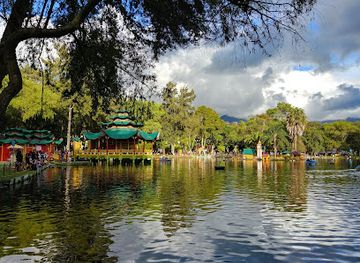
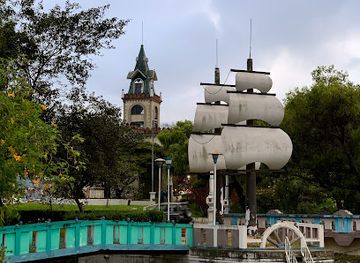
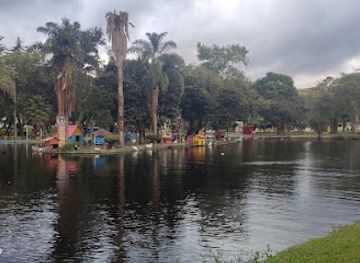
Parque Recreacional Jipiro
Explore the lush landscapes and recreational activities at Parque Recreacional Jipiro, a serene escape in Loja, Ecuador.
-
Tourist attraction
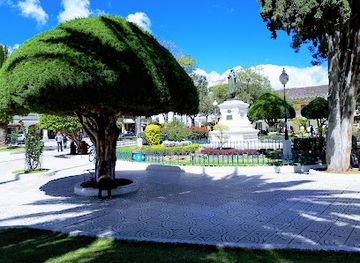
Central Park
Experience tranquility and local culture at Central Park, Loja's green heart, perfect for relaxation, exploration, and enjoying Ecuador's vibrant life.
-
Tourist attraction
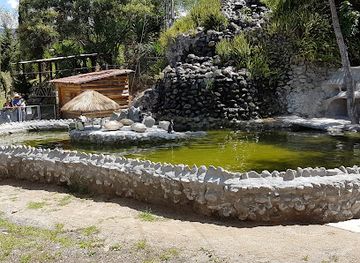
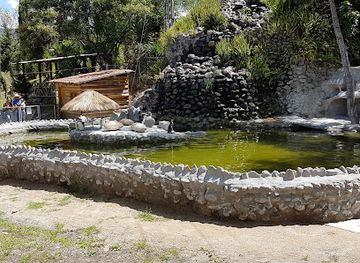
Loja Zoo
Experience the magic of Loja Zoo, where adventure meets education in the heart of Ecuador, showcasing a rich variety of wildlife and conservation efforts.
-
Historical landmark
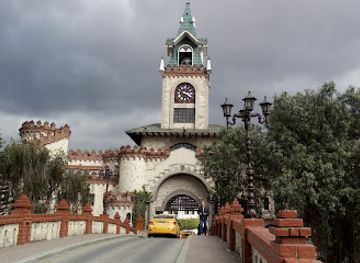
Gate of the City
Explore the Gate of the City in Loja, Ecuador – a stunning historical landmark that embodies the essence of local culture and rich heritage.
Best landmarks in Loja Region
Loja’s Cathedral, facing the city’s central plaza, is one of the principal religious landmarks of the provincial capital, while the churches of San Francisco and Santo Domingo reflect the city’s long Catholic and colonial heritage. The Puerta de la Ciudad, a prominent modern gateway structure inspired by Loja’s heraldic and historical identity, has become one of the city’s recognisable civic symbols. North of the capital, Saraguro’s church and townscape form part of a wider cultural landscape shaped by Kichwa Saraguro communities rather than by monumental architecture alone. The Basilica of El Cisne, in the highland settlement of El Cisne, is an important pilgrimage landmark and a focus of regional devotion. Beyond built heritage, Cerro Mandango above Vilcabamba is one of Loja’s most identifiable natural forms, with steep ridges and views over the valley. The Puyango Petrified Forest, shared across the Loja–El Oro provincial boundary, is a geological landmark of fossilised wood, while the páramo and forested mountains of Podocarpus and Yacurí define the province’s larger environmental setting.
-
Tourist attraction
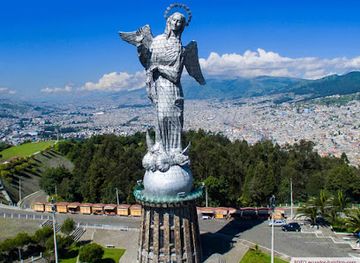
Virgin of the Panecillo
Discover the iconic Virgin of the Panecillo in Quito, Ecuador—an awe-inspiring monument offering breathtaking views and rich cultural experiences.
-
Park
Parque Recreacional Jipiro
Explore the beauty and cultural diversity of Parque Recreacional Jipiro, a must-visit park in Loja, Ecuador, featuring iconic monuments and serene landscapes.
-
Shopping mall
Central Market
Explore Loja's Central Market, a vibrant shopping destination filled with local culture, delicious cuisine, and unique handicrafts, showcasing the essence of Ecuadorian life.
-
Zoo
Loja Zoo
Discover Loja Zoo, a vibrant sanctuary for wildlife and a captivating tourist attraction perfect for families and animal lovers in Ecuador.
Explore Loja Region on the map
Plan your trip on one map. See where the top cities, national parks and sights are, and book hotels and experiences in a few clicks.
Best hotels in Loja Region
Best restaurants in Loja Region
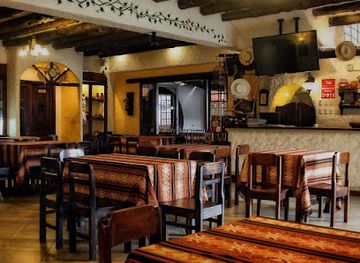
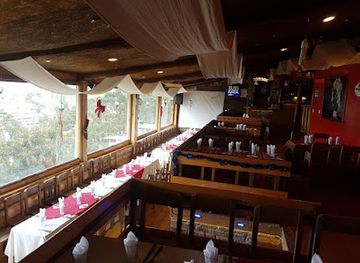
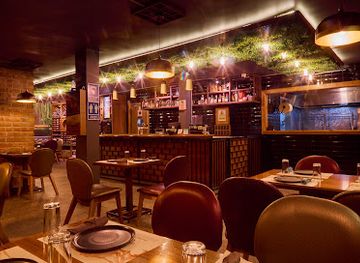
Loja’s food combines highland staples with the produce of warmer valleys. Repe lojano, generally prepared with green banana, cheese and herbs, is a familiar local soup, while cecina consists of seasoned, thinly sliced pork often served with maize, cassava or salad. Arvejas con guineo, tamales and humitas appear in traditional eateries and market kitchens, and horchata lojana is a fragrant red herbal infusion rather than the rice-based drink known elsewhere in Latin America. In Saraguro and rural towns, menus reflect Andean grains, potatoes, maize, beans and locally raised meat. Loja city has the province’s widest choice of cafés, bakeries, family restaurants and contemporary dining, while Vilcabamba caters to both local and international tastes. Coffee from Loja’s growing districts is increasingly prominent, and farmers’ markets are useful for fruit, cheese, preserves and seasonal produce. Dining outside the capital is often informal, with limited hours and a stronger dependence on local market days.
-
Restaurant
Mama Lola
Experience authentic Ecuadorian cuisine at Mama Lola in Loja – where every dish tells a story of flavor and tradition.
-
Grill
Carbonero Balcón Bar Restaurante
Discover exquisite grilled dishes at Carbonero Balcón Bar Restaurante while enjoying breathtaking views in Loja, Ecuador.
-
Restaurant
Morelia Parrilla
Discover Morelia Parrilla: A premier chophouse in Loja serving exquisite grilled meats and local delicacies amidst warm hospitality.
-
Restaurant
Huaquillitas
Experience the heart of Ecuadorian cuisine at Huaquillitas in Loja – where every dish tells a story!
Best bars in Loja Region
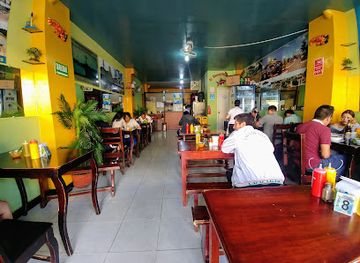
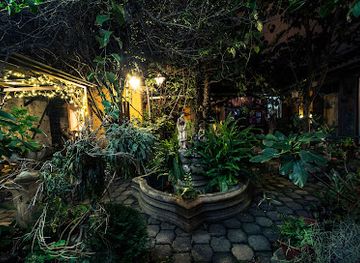
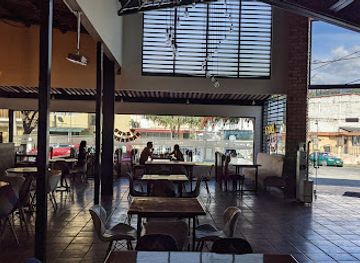
Evening life in Loja centres on traditional bars, cafés, restaurants, live music and cultural venues rather than a large-scale club scene. The city’s student population supports a wider choice of late-evening establishments, particularly around central streets and areas near universities, although individual venues and opening arrangements change. Local music remains an important part of the region’s identity, and performances or festivals may offer a more characteristic evening than a nightclub. Vilcabamba has relaxed bars, small restaurants and occasional live-music settings aimed at both residents and visitors, while smaller provincial towns generally become quiet earlier. In Saraguro and rural districts, evening social life is more closely connected with family gatherings, community events and local celebrations. Breweries, cafés and restaurants provide alternatives to alcohol-focused nightlife, and visitors should avoid assuming that remote areas offer late transport after dark.
-
Brewpub
La Huerta (White House)
Discover the vibrant flavors of Loja at La Huerta, a brewpub offering handcrafted beers and delicious local cuisine in a cozy atmosphere.
-
Bar
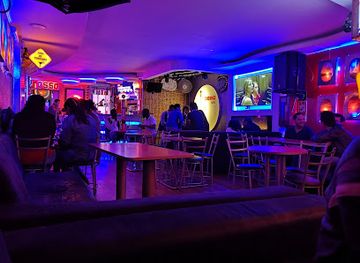
Rosso Bar
Experience the vibrant nightlife of Loja at Rosso Bar, where local culture meets expertly crafted cocktails in a lively atmosphere.
-
Grill
siembra pincheria bar
Experience the best of Ecuadorian grilling at Siembra Pincheria Bar in Loja, where flavor meets tradition in a lively atmosphere.
-
Restaurant
ZONA Resto Pub
Discover the vibrant culinary delights of Loja at ZONA Resto Pub, where local flavors meet international cuisine in a lively atmosphere.
Best nightclubs in Loja Region
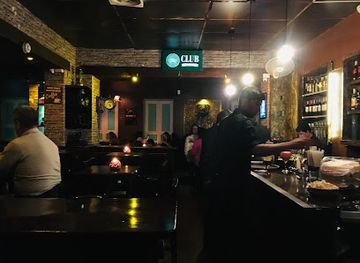
Evening life in Loja centres on traditional bars, cafés, restaurants, live music and cultural venues rather than a large-scale club scene. The city’s student population supports a wider choice of late-evening establishments, particularly around central streets and areas near universities, although individual venues and opening arrangements change. Local music remains an important part of the region’s identity, and performances or festivals may offer a more characteristic evening than a nightclub. Vilcabamba has relaxed bars, small restaurants and occasional live-music settings aimed at both residents and visitors, while smaller provincial towns generally become quiet earlier. In Saraguro and rural districts, evening social life is more closely connected with family gatherings, community events and local celebrations. Breweries, cafés and restaurants provide alternatives to alcohol-focused nightlife, and visitors should avoid assuming that remote areas offer late transport after dark.
-
Club
CABANA CLUB
Immerse yourself in the vibrant nightlife of Loja at Cabana Club, the ultimate dance destination for unforgettable nights filled with music and joy.
-
Disco club
Lovely Nights Disco Bar
Discover the vibrant nightlife of Loja at Lovely Nights Disco Bar, where rhythms and laughter fill the air until dawn.
-
Night club
Cubic
Experience the vibrant nightlife of Loja at Cubic, where music and dance come alive in a captivating atmosphere.
-
Night club
Extasis Nigth Club Loja
Discover the electrifying nightlife at Extasis Night Club Loja, where music and excitement blend for an unforgettable experience.
Best shops in Loja Region
Shopping in Loja city is centred on its traditional commercial streets, markets, bakeries, supermarkets, bookshops and independent retailers, with the greatest range of goods found around the central urban area. Municipal and neighbourhood markets are useful for fruit, vegetables, herbs, cheese and prepared foods, while smaller towns offer a more practical, locally focused selection. Saraguro is the main place to look for textiles, woven goods and crafts associated with Kichwa Saraguro traditions; purchases should be made from artisans or reputable sellers and cultural objects should not be treated as mass-produced souvenirs. From the wider province, visitors may find coffee, panela, preserves, herbal products and regional foods suitable for travel, subject to customs and airline restrictions. Vilcabamba has small galleries, craft shops and wellness-oriented retail, but it is not a major shopping centre. Markets are often the best setting for experiencing local commerce, although product range and market days vary between towns.
-
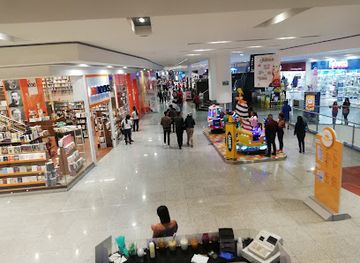
Shopping mall
"Andes" Shopping Mall
Discover the 'Andes' Shopping Mall in Ambato – a vibrant shopping and dining experience in the heart of Ecuador.
-
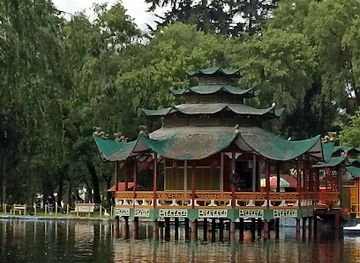
Park
Parque Recreacional Jipiro
Experience the natural beauty and vibrant community spirit at Parque Recreacional Jipiro in Loja, Ecuador - a perfect escape for tourists and families alike.
-
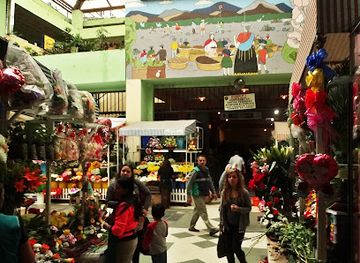
Shopping mall
Central Market
Explore Central Market in Loja for an authentic taste of local culture, crafts, and cuisine amidst a bustling shopping atmosphere.
-
Shopping mall
Monay Shopping
Discover an exciting blend of shopping, dining, and entertainment at Monay Shopping, the ultimate retail experience in Cuenca, Ecuador.

Get your free copy of our complete guide to Loja Region, delivered straight to you.
Everything on this page, from attractions and restaurants to essentials and local phrases, in one PDF you can read offline, print or share.
Already have an account? Sign in
Your Loja Region guide is ready.
We'll send it to · Not you? Sign out

Getting your guide ready…
We are putting together a fresh copy of the Loja Region guide. This can take up to a minute.
This can take a few moments. If your browser asks, choose Allow so the download can start. You'll find the guide in your Downloads folder.
Nothing happened? Download it again
Sorry, the guide is taking longer than usual. Please try again in a minute, or get it by email instead.
Loja Region essentials
Currency and Payment
Safety
Emergency Situations
Do's and Don'ts
Local Tips
From Eve
Local phrases worth knowing
You don't need to get them perfect. A few words go a long way, and locals appreciate the effort.
Basics
| English | Local | Say it |
|---|---|---|
| Hello | Hola | [Ola] |
| Goodbye | Adiós | [Adios] |
| Yes | Sí | [Si] |
| No | No | [No] |
| Please/You're welcome | Por favor / De nada | [Por favor / De nada] |
| Thank you | Gracias | [Grasias] |
| Excuse me/Sorry | Disculpe / Lo siento | [Disculpe / Lo siento] |
| How are you? | ¿Cómo estás? | [Como estas] |
| Fine. And you? | Bien. ¿Y tú? | [Bien. Y tu] |
| Do you speak English? | ¿Hablas inglés? | [Hablas ingles] |
| I don't understand | No entiendo | [No entiendo] |
Eating & Drinking
| English | Local | Say it |
|---|---|---|
| I'd like to see the menu, please | Me gustaría ver el menú, por favor | [Me gustaria ver el menu, por favor] |
| I don't eat meat | No como carne | [No como carne] |
| Cheers! | ¡Salud! | [Salud] |
| I would like to pay, please | Me gustaría pagar, por favor | [Me gustaria pagar, por favor] |
Emergencies
| English | Local | Say it |
|---|---|---|
| Help! | ¡Ayuda! | [Ayuda] |
| Go away! | ¡Vete! | [Vete] |
| Call the Police! | ¡Llama a la policía! | [Llama a la policia] |
| Call a doctor! | ¡Llama a un doctor! | [Llama a un doctor] |
| I'm lost | Estoy perdido | [Estoy perdido] |
| I'm ill | Estoy enfermo | [Estoy enfermo] |
Shopping
| English | Local | Say it |
|---|---|---|
| I'd like to buy... | Me gustaría comprar... | [Me gustaria comprar] |
| I'm just looking | Solo estoy mirando | [Solo estoy mirando] |
| How much is it? | ¿Cuánto cuesta? | [Cuanto cuesta] |
| That's too expensive | Eso es muy caro | [Eso es muy caro] |
| Can you lower the price? | ¿Puedes bajar el precio? | [Puedes bajar el precio] |
Time & Numbers
| English | Local | Say it |
|---|---|---|
| What time is it? | ¿Qué hora es? | [Que hora es] |
| It's one o'clock | Es la una | [Es la una] |
| Half past (10) | Y media (10) | [Y media] |
| Morning | Mañana | [Mañana] |
| Afternoon | Tarde | [Tarde] |
| Evening | Noche | [Noche] |
| Yesterday | Ayer | [Ayer] |
| Today | Hoy | [Hoy] |
| Tomorrow | Mañana | [Mañana] |
| 1 | Uno | [Uno] |
| 2 | Dos | [Dos] |
| 3 | Tres | [Tres] |
| 4 | Cuatro | [Cuatro] |
| 5 | Cinco | [Cinco] |
| 6 | Seis | [Seis] |
| 7 | Siete | [Siete] |
| 8 | Ocho | [Ocho] |
| 9 | Nueve | [Nueve] |
| 10 | Diez | [Diez] |
Transport & Directions
| English | Local | Say it |
|---|---|---|
| Where's a/the...? | ¿Dónde hay un/una...? | [Donde hay un/una] |
| What's the address? | ¿Cuál es la dirección? | [Cual es la direccion] |
| Can you show me (on the map)? | ¿Puedes mostrarme (en el mapa)? | [Puedes mostrarme en el mapa] |
| When's the next (bus)? | ¿Cuándo es el próximo (autobús)? | [Cuando es el proximo autobus] |
| A ticket (to ....) | Un boleto (a ....) | [Un boleto a] |
History of Loja Region
Pre-Columbian Peoples and the Saraguro Heritage
Before Spanish rule, the lands of present-day Loja Province were inhabited by several Andean communities, including groups associated with the Paltas in the south and the Saraguro in the northern highlands. Inca influence reached the region before the arrival of the Spanish, although local identities and political relationships remained significant. The Kichwa Saraguro community preserves one of the province’s most visible Indigenous cultural traditions through language, dress, music, agriculture, craft production and communal life. Contemporary visitors should understand this heritage as living culture rather than simply as a historical remnant.
Spanish Conquest and the Foundation of Loja
Spanish control of the southern Andes developed during the sixteenth century, after the Inca civil wars and the wider conquest of the region. Alonso de Mercadillo founded Loja in 1548, establishing a Spanish colonial centre in a strategic position between the highlands, the eastern slopes and routes towards Peru. Colonial institutions, Catholic religious orders and agricultural estates reshaped settlement patterns. Churches, urban layouts and devotional traditions in Loja and other towns still reflect this period, although the region’s history also includes the continuing presence of Indigenous communities and local forms of resistance.
Colonial Trade, Agriculture and Religious Culture
Throughout the colonial period, Loja served as a southern administrative and commercial centre rather than a major mining metropolis on the scale of other Andean cities. Its connections with Quito, Cuenca, Peru and the eastern lowlands supported the movement of agricultural products, livestock and manufactured goods. Catholic institutions became important patrons of architecture, music and education, while pilgrimage traditions developed around places such as El Cisne. The resulting cultural landscape combined urban religious life with dispersed farming communities in valleys and upland settlements.
Independence and the Southern Andes, 1820–1822
Loja joined the independence movement in 1820, during the wider collapse of Spanish authority in the Audiencia of Quito. Political change was followed by the military campaigns that secured Ecuador’s independence within the broader liberation of northern South America, culminating locally during the campaigns of 1822. Independence altered governmental structures but did not immediately transform rural landholding or social inequalities. Loja’s location near the Peruvian frontier also gave the province continuing strategic importance in the early history of the Ecuadorian republic.
Republican Development and Regional Isolation
During the nineteenth and much of the twentieth centuries, Loja developed as a provincial capital, educational centre and market town serving a large, mountainous hinterland. Difficult communications reinforced a strong regional identity and made overland journeys to Ecuador’s main coastal and northern centres slow. Agriculture, livestock, small-scale commerce and public administration underpinned the economy. Loja’s schools, universities, choirs and composers helped establish its enduring reputation for music, while rural communities maintained agricultural and craft traditions that remained distinct from urban life.
Roads, Migration and Economic Change
Improved roads and communications in the twentieth century strengthened links between Loja, Catamayo, Cuenca, the southern border and the Ecuadorian coast. At the same time, economic pressures encouraged migration from rural Loja to larger Ecuadorian cities and abroad. Remittances, public investment and expanding education influenced both town and countryside, while traditional farming continued alongside commerce, tourism and professional services. These changes help explain the province’s present contrast between historic urban centres, depopulated or ageing rural areas, growing valley settlements and communities actively renewing cultural traditions.
Conservation and Contemporary Cultural Identity
Late twentieth- and early twenty-first-century Loja has increasingly been associated with biodiversity conservation, environmental research and cultural tourism. Podocarpus and Yacurí national parks protect high-elevation ecosystems and eastern Andean forests, while the Puyango Petrified Forest preserves an important palaeontological landscape shared with neighbouring El Oro Province. Loja city continues to promote music, education and the arts, and Saraguro communities maintain distinctive cultural institutions. Modern tourism therefore sits alongside, rather than replacing, the province’s agricultural, Indigenous and religious histories.
Loja Region in Photos
Browse through our photo collection highlighting the charm and character of the destination.
Neighbouring regions of Loja Region
The closest regions to Loja Region, if you have time for more than one.
-

-

-
-

-


Swipe for more regions
Explore more

Explore more of Ecuador
Explore Ecuador: From the Amazon rainforest and Andean highlands to the Pacific coast and Galápagos Islands, discover diverse landscapes and vibrant cultures.
Explore Ecuador