
Zamora-Chinchipe Region, Ecuador Travel Guide
Discover Zamora-Chinchipe in Ecuador, where the Andes meet the Amazon, offering rich biodiversity, cultural heritage, thrilling adventures, and serene natural beauty.
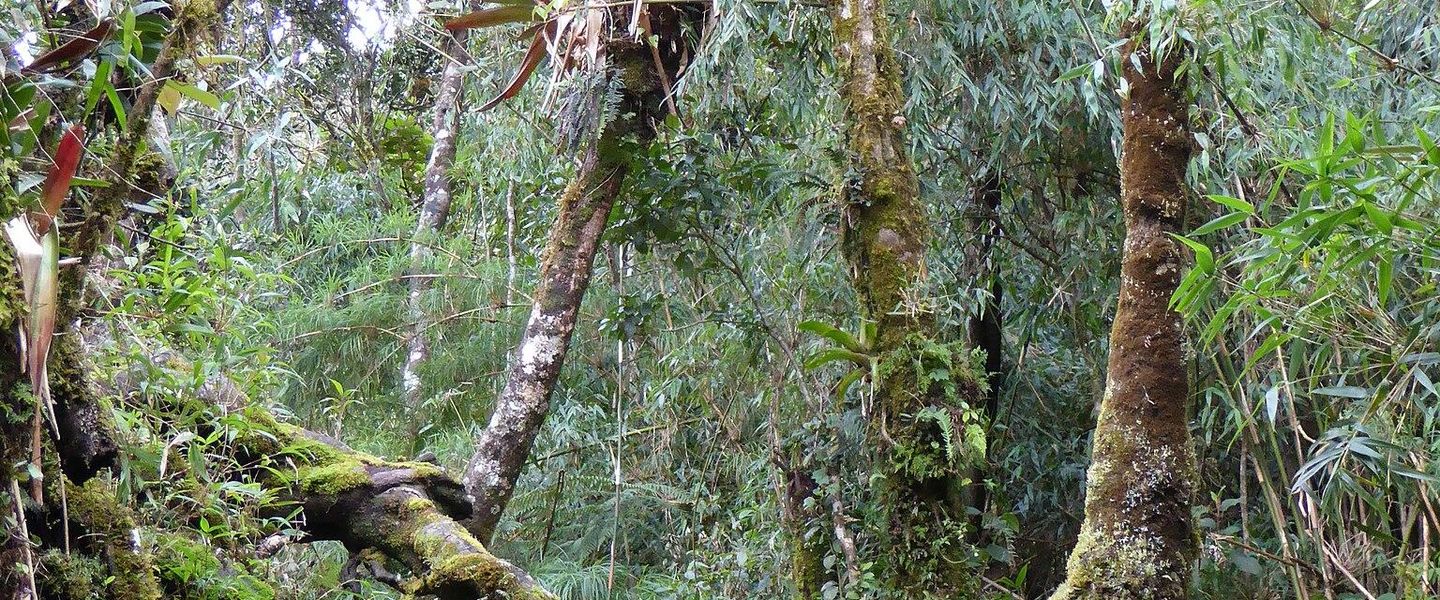
Zamora-Chinchipe is a hidden gem in the southeastern part of Ecuador, where the Andes meet the Amazon. This region offers a unique blend of lush rainforests, towering mountains, and pristine rivers. It is an ideal destination for eco-tourists and adventurers who are looking to explore unspoiled nature. Zamora-Chinchipe is home to Podocarpus National Park, a biodiversity hotspot with countless species of flora and fauna. Hiking trails within the park lead visitors through cloud forests and paramo landscapes, providing breathtaking views and opportunities for bird watching. The region is also rich in cultural heritage, with indigenous communities that welcome visitors to learn about their traditions and way of life. The capital city, Zamora, is known as the 'City of Birds and Waterfalls'. Here, you can enjoy the serenity of cascading waterfalls and the vibrant songs of numerous bird species. The local cuisine, influenced by the Amazon and the Andes, offers a delightful culinary experience with exotic fruits, fresh fish, and traditional dishes. Whether you are looking to immerse yourself in nature, experience local culture, or simply relax, Zamora-Chinchipe has something to offer every traveler.

Know before you go
Hi, I'm Eve. Here are a few practical things to know before exploring Zamora-Chinchipe Region.
- Visit Podocarpus National Park early in the morning for the best wildlife sightings.
- Bring insect repellent and lightweight, long-sleeved clothing to protect against mosquitoes.
- Try local delicacies like 'maito de pescado' and 'yuca frita' for an authentic culinary experience.
- Learn a few phrases in Spanish or hire a local guide to enhance your cultural interactions.
- Respect local customs and traditions when visiting indigenous communities.
Top City Travel Guides in Zamora-Chinchipe Region
The cities of Zamora-Chinchipe Region, and the easiest places to base yourself.

Explore Zamora-Chinchipe Region: Things to Do, Places to Eat, Hotels & More
Handpicked recommendations for top attractions, local dining, accommodations, and more

Top Attractions & Sightseeing in Zamora-Chinchipe Region
Top-rated picks
Best Attractions

Parque Nacional Podocarpus
Explore the rich biodiversity and stunning landscapes of Parque Nacional Podocarpus, a must-visit national park in Ecuador.

REFUGIO ECOLOGICO TZANKA
Discover the breathtaking biodiversity and conservation efforts at Refugio Ecologico Tzanka, a paradise for eco-tourists in Zamora, Ecuador.
Cascada El Aventurero
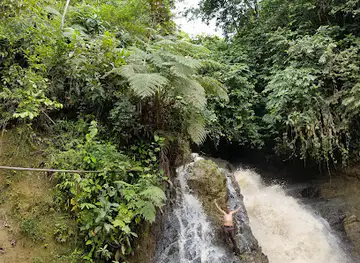
Immerse yourself in the beauty of nature at Cascada El Aventurero, a breathtaking waterfall in Timbara, Ecuador, perfect for adventure and relaxation.

Cascada La Poderosa
Experience the breathtaking beauty of Cascada La Poderosa, a stunning waterfall in Zamora, Ecuador, surrounded by lush landscapes and vibrant wildlife.

Best landmarks in Zamora-Chinchipe Region
Top-rated picks
Best Landmarks

Selina Cuenca
Explore the vibrant atmosphere of Selina Cuenca, where modern comfort meets the rich culture of Ecuador in a community-driven hostel experience.

Pumapungo Museum
Explore Ecuador's heritage at Pumapungo Museum: Incan ruins, ethnographic exhibits, botanical gardens, and more in the heart of Cuenca.

Calderon Park
Experience the heart of Cuenca at Calderon Park, a historic plaza surrounded by architectural gems and vibrant cultural life.

Parque Nacional Cajas
Explore the stunning Andean landscapes of Parque Nacional Cajas near Cuenca, Ecuador. Hike amidst glacial lakes, páramo, and unique wildlife.

Best restaurants in Zamora-Chinchipe Region
Top-rated picks
Best Restaurants

Hostería Castillo Real Zamora- Hotel, Restaurante, Piscinas, Senderismo en Zamora Chinchipe, Ancas de Rana y Tilapias
Discover tranquility and adventure at Hostería Castillo Real Zamora - your ultimate retreat in Ecuador's stunning natural landscape.

ShamuiCo
Discover the authentic flavors of Ecuador at ShamuiCo in Saraguro - where every dish tells a story.

La Muguna Restaurante
Experience authentic Ecuadorian cuisine at La Muguna Restaurante in Saraguro – a delightful blend of flavors and warm hospitality awaits!

El Pirata Cordovez Zamora
Experience authentic Ecuadorian seafood at El Pirata Cordovez Zamora - where every dish tells a story from the ocean.

Best bars in Zamora-Chinchipe Region
Top-rated picks
Best Bars

Hostería Castillo Real Zamora- Hotel, Restaurante, Piscinas, Senderismo en Zamora Chinchipe, Ancas de Rana y Tilapias
Discover the beauty of the Ecuadorian Amazon at Hostería Castillo Real Zamora, a perfect blend of relaxation, adventure, and delicious cuisine.

siembra pincheria bar
Discover the vibrant flavors of Loja at Siembra Pincheria Bar, where delicious grilled dishes and refreshing drinks await in a lively atmosphere.

Trobar
Experience the vibrant culinary scene of Loja at Trobar, where expertly grilled dishes and a warm atmosphere await every visitor.

Restaurante PUERTO COBRE
Experience the best of grilled cuisine at Restaurante PUERTO COBRE in El Pangui, Ecuador, where local flavors meet warm hospitality.

Best nightclubs in Zamora-Chinchipe Region
Top-rated picks
Best Nightclubs

Jamboree Disco Bar
Discover the vibrant nightlife of Zamora at Jamboree Disco Bar – your go-to spot for unforgettable dance and music experiences.

Nuestro Bar
Experience the vibrant local nightlife at Nuestro Bar in Zumba, where affordable drinks and a welcoming atmosphere await every visitor.

night club chirimoya
Chirimoya Night Club: Where Santa Isabel's Nightlife Comes Alive with Pulsating Beats and Unforgettable Moments.

Night club 19
Discover the vibrant nightlife at Night Club 19 in Tundayme, where music and dance come alive in an unforgettable disco experience.

Best shops in Zamora-Chinchipe Region
Top-rated picks
Best Shops

Mall Del Río
Discover the vibrant Mall Del Río in Cuenca, Ecuador – a shopping paradise featuring diverse stores, delightful dining, and exciting entertainment options.

"Andes" Shopping Mall
Explore the 'Andes' Shopping Mall in Ambato, Ecuador - a shopper's paradise with diverse stores, delicious food options, and a vibrant atmosphere.

Central Market
Explore Loja's Central Market, a vibrant shopping destination filled with local flavors, handicrafts, and an authentic taste of Ecuadorian culture.

Monay Shopping
Explore Monay Shopping in Cuenca, Ecuador - a vibrant mall with local crafts, international brands, diverse dining, and lively entertainment options.

Explore Zamora-Chinchipe Region on the Map
A handpicked selection of must-see spots in Zamora-Chinchipe Region, mapped for you.
Zamora-Chinchipe Region Essentials
-
Zamora-Chinchipe is located in the southeastern part of Ecuador. The nearest major airport is Mariscal Sucre International Airport in Quito. From Quito, you can take a domestic flight to Loja, which is the closest city with an airport to Zamora-Chinchipe. The flight takes about 1 hour. From Loja, you can take a bus or taxi to Zamora, the capital of the province, which is approximately a 2-hour drive.
-
Within Zamora-Chinchipe, buses and taxis are the most common modes of transportation. Buses connect the major towns and rural areas, and they are affordable. Taxis are readily available in urban areas and can be a convenient option for shorter trips. Renting a car is also an option if you prefer to explore at your own pace. Keep in mind that some rural roads may be unpaved and require a 4x4 vehicle.
-
The official currency in Ecuador is the US Dollar (USD). Credit cards are accepted in most hotels, restaurants, and larger stores in Zamora-Chinchipe. However, it is advisable to carry cash, especially when visiting smaller towns and rural areas where card payments may not be accepted. ATMs are available in major towns like Zamora and Yantzaza.
-
Zamora-Chinchipe is generally a safe destination for tourists. However, it is wise to take standard precautions. Avoid walking alone at night in unfamiliar areas and always be aware of your surroundings. Petty theft can occur, so keep your belongings secure and avoid displaying valuables. Areas with higher crime rates targeting tourists are minimal, but it is always best to stay vigilant.
-
In case of emergency, dial 911 for immediate assistance. Zamora-Chinchipe has local police stations and medical facilities in major towns like Zamora and Yantzaza. It is recommended to have travel insurance that covers medical emergencies. Pharmacies are available for minor health issues, and it is advisable to carry a basic first aid kit.
-
Fashion: Do wear lightweight and breathable clothing due to the tropical climate. Don't wear overly revealing clothing, especially in rural areas. Religion: Do respect local customs and traditions. When visiting religious sites, dress modestly. Public Transport: Do be respectful and courteous to fellow passengers. Don't eat or drink on public transport. Greetings: Do greet people with a handshake. A friendly 'Buenos días' (Good morning) or 'Buenas tardes' (Good afternoon) is appreciated. Eating & Drinking: Do try local delicacies and accept food offerings graciously. Don't refuse hospitality, as it is considered impolite.
-
To experience Zamora-Chinchipe like a local, visit the local markets where you can buy fresh produce and traditional goods. Engage with locals, who are often friendly and willing to share stories about their region's history and culture. Don't miss exploring the Podocarpus National Park, known for its biodiversity. For a unique experience, participate in a community-based tourism project where you can learn about traditional farming, gold-panning, and local crafts.
When is the best time to visit Zamora-Chinchipe Region?
Useful Local Phrases for Zamora-Chinchipe Region
You don't need to speak the language perfectly. Even learning a few simple words can make conversations warmer—and locals usually appreciate the effort.
— Eve

Here are the phrases I use most often in Zamora-Chinchipe Region. Try a few—you'll be surprised how far they go! 😊
❤️
-
- HelloHola
[Ola] - GoodbyeAdiós
[Adios] - YesSí
[Si] - NoNo
[No] - Please/You're welcomePor favor
[Por favor] - Thank youGracias
[Gracias] - Excuse me/SorryPerdón
[Perdon] - How are you?¿Cómo estás?
[Como estas] - Fine. And you?Bien. ¿Y tú?
[Bien. I tu] - Do you speak English?¿Hablas inglés?
[Hablas ingles] - I don't understandNo entiendo
[No entiendo]
- HelloHola
-
- I'd like to see the menu, pleaseMe gustaría ver el menú, por favor
[Me gustaria ver el menu, por favor] - I don't eat meatNo como carne
[No como carne] - Cheers!¡Salud!
[Salud] - I would like to pay, pleaseMe gustaría pagar, por favor
[Me gustaria pagar, por favor]
- I'd like to see the menu, pleaseMe gustaría ver el menú, por favor
-
- Help!¡Ayuda!
[Ayuda] - Go away!¡Vete!
[Vete] - Call the Police!¡Llama a la policía!
[Llama a la policia] - Call a doctor!¡Llama a un doctor!
[Llama a un doctor] - I'm lostEstoy perdido/a
[Estoy perdido/a] - I'm illEstoy enfermo/a
[Estoy enfermo/a]
- Help!¡Ayuda!
-
- I'd like to buy...Me gustaría comprar...
[Me gustaria comprar] - I'm just lookingSolo estoy mirando
[Solo estoy mirando] - How much is it?¿Cuánto cuesta?
[Cuanto cuesta] - That's too expensiveEso es demasiado caro
[Eso es demasiado caro] - Can you lower the price?¿Puedes bajar el precio?
[Puedes bajar el precio]
- I'd like to buy...Me gustaría comprar...
-
- What time is it?¿Qué hora es?
[Que hora es] - It's one o'clockEs la una
[Es la una] - Half past (10)Las diez y media
[Las diez y media] - MorningMañana
[Mañana] - AfternoonTarde
[Tarde] - EveningNoche
[Noche] - YesterdayAyer
[Ayer] - TodayHoy
[Hoy] - TomorrowMañana
[Mañana] - 1Uno
[Uno] - 2Dos
[Dos] - 3Tres
[Tres] - 4Cuatro
[Cuatro] - 5Cinco
[Cinco] - 6Seis
[Seis] - 7Siete
[Siete] - 8Ocho
[Ocho] - 9Nueve
[Nueve] - 10Diez
[Diez]
- What time is it?¿Qué hora es?
-
- Where's a/the...?¿Dónde está un/una...?
[Donde esta un/una] - What's the address?¿Cuál es la dirección?
[Cual es la direccion] - Can you show me (on the map)?¿Puedes mostrarme (en el mapa)?
[Puedes mostrarme en el mapa] - When's the next (bus)?¿Cuándo es el próximo (bus)?
[Cuando es el proximo bus] - A ticket (to ....)Un boleto (a....)
[Un boleto a]
- Where's a/the...?¿Dónde está un/una...?
History of Zamora-Chinchipe Region
-
The Zamora-Chinchipe region was originally inhabited by various indigenous groups, including the Shuar and Saraguro people. These ancient cultures thrived in the area, developing complex societies and rich traditions. Archaeological evidence, such as petroglyphs and ancient pottery, reveals the deep historical roots of these indigenous populations.
-
In the late 15th century, the Inca Empire expanded into the Amazon Basin, including the area now known as Zamora-Chinchipe. The Incas introduced their administrative and agricultural systems, which had a lasting impact on the region. However, the dense jungle and fierce resistance from local tribes limited the extent of Inca control.
-
The Spanish conquest in the 16th century brought significant changes to Zamora-Chinchipe. Spanish explorers, such as Hernando de Benavente, ventured into the region in search of gold and other riches. The establishment of missions and encomiendas disrupted indigenous life, leading to cultural and demographic shifts. The town of Zamora was founded in 1549, serving as a Spanish outpost in the Amazon.
-
After Ecuador gained independence from Spain in 1822, Zamora-Chinchipe remained relatively isolated. The 20th century saw gradual economic development, with the discovery of valuable minerals and the expansion of agriculture. The construction of roads and other infrastructure helped integrate the region into the national economy.
-
In recent decades, there has been a growing effort to preserve the unique cultural heritage of Zamora-Chinchipe. Festivals, such as the traditional Shuar celebrations, highlight the region's rich indigenous traditions. Ecotourism has also become a significant industry, promoting sustainable development while showcasing the area's natural and cultural wonders.
Neighbouring Regions of Zamora-Chinchipe Region
The closest regions to Zamora-Chinchipe Region, if you have time for more than one.



Your all‑in‑one travel companion app
Explore expert travel guides, compare and book tours, experiences, hotels, and more—all from the palm of your hand. Download now for seamless trip planning wherever your wanderlust takes you.


Explore More of Ecuador

Looking beyond Zamora-Chinchipe Region? Discover Ecuador for broader travel guides, local hot-spots, and regional highlights.
Explore EcuadorZamora-Chinchipe Region in Photos
Browse through our photo collection highlighting the charm and character of the destination.


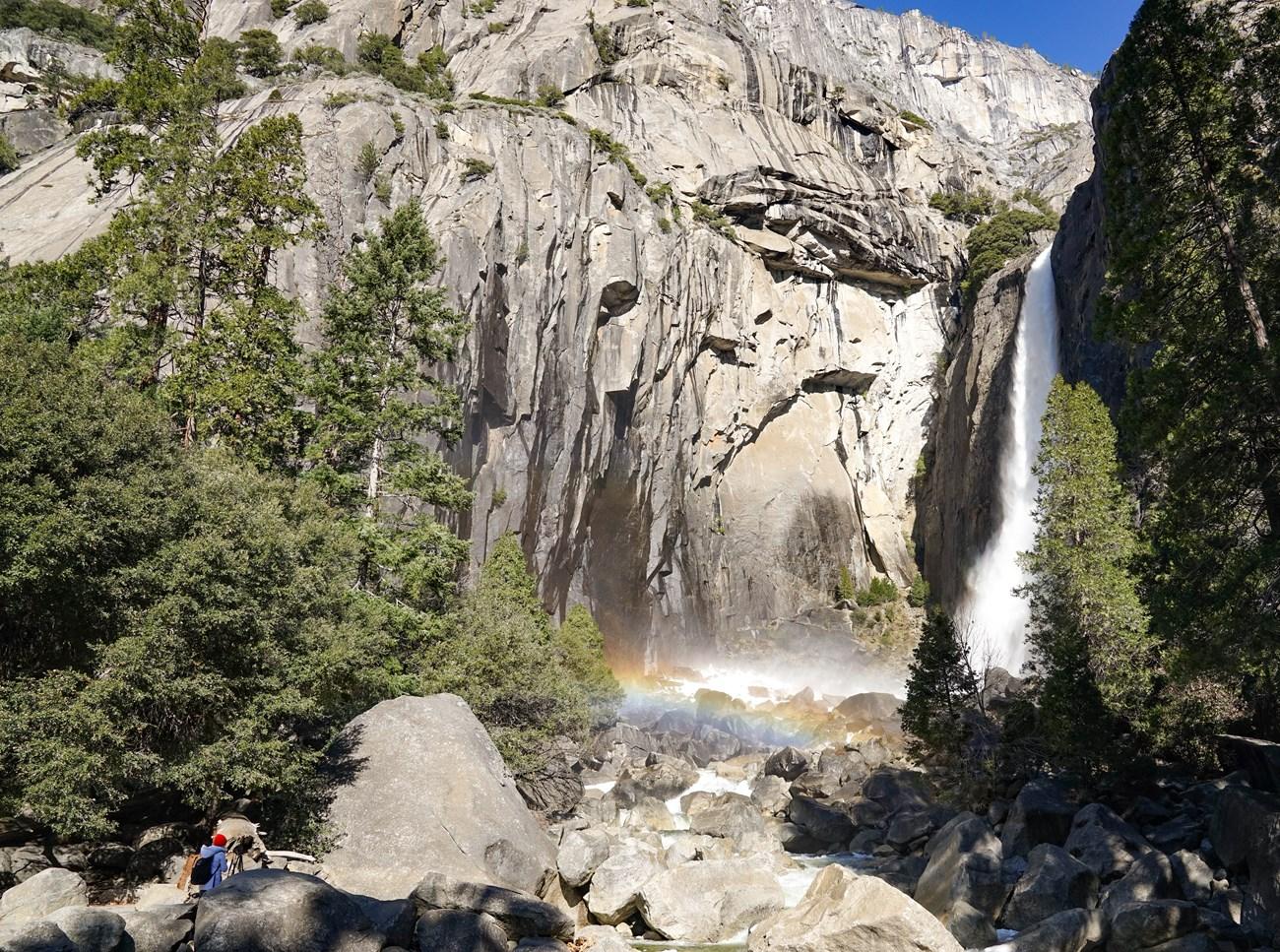


Zamora-Chinchipe: Ecuador's Enchanted Amazon Frontier
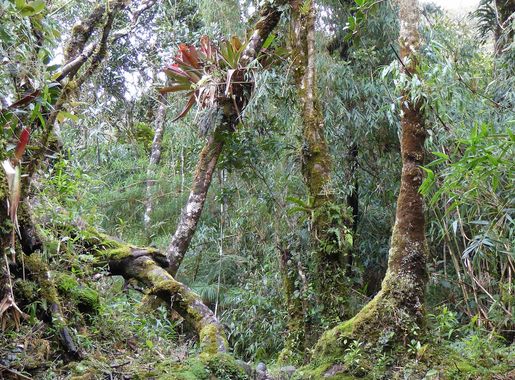
Zamora-Chinchipe is a hidden gem in the southeastern part of Ecuador, where the Andes meet the Amazon. This region offers a unique blend of lush rainforests, towering mountains, and pristine rivers. It is an ideal destination for eco-tourists and adventurers who are looking to explore unspoiled nature. Zamora-Chinchipe is home to Podocarpus National Park, a biodiversity hotspot with countless species of flora and fauna. Hiking trails within the park lead visitors through cloud forests and paramo landscapes, providing breathtaking views and opportunities for bird watching. The region is also rich in cultural heritage, with indigenous communities that welcome visitors to learn about their traditions and way of life. The capital city, Zamora, is known as the 'City of Birds and Waterfalls'. Here, you can enjoy the serenity of cascading waterfalls and the vibrant songs of numerous bird species. The local cuisine, influenced by the Amazon and the Andes, offers a delightful culinary experience with exotic fruits, fresh fish, and traditional dishes. Whether you are looking to immerse yourself in nature, experience local culture, or simply relax, Zamora-Chinchipe has something to offer every traveler.