

Morona Santiago Region, Ecuador Travel Guide
Explore Morona Santiago: Ecuador's hidden gem with verdant rainforests, rich indigenous culture, and thrilling outdoor adventures in the Amazon basin.
Nestled in the heart of Ecuador, Morona Santiago is a region that promises an adventure like no other. This area is renowned for its lush Amazonian rainforests, pristine rivers, and diverse wildlife. A trip here will immerse you in nature's splendor, offering unforgettable experiences whether you're trekking through dense jungle or spotting exotic birds and animals. The province is also rich in indigenous culture. The Shuar and Achuar communities welcome visitors to learn about their traditions and way of life. You can partake in guided tours that offer insights into their rituals, medicinal plants, and sustainable living practices. This cultural immersion is both educational and deeply enriching. For those seeking adrenaline, Morona Santiago offers thrilling activities such as white-water rafting, canopy tours, and hiking expeditions. The region's natural reserves and parks, including Sangay National Park, provide numerous trails and opportunities for outdoor enthusiasts. Whether you are an adventure junkie or a nature lover, Morona Santiago caters to all. Finally, the region's unique geography, with its rivers, waterfalls, and mountains, makes it a photographer's paradise. Capture stunning landscapes and vibrant wildlife, ensuring that your memories of Morona Santiago are as vivid as the experiences themselves.

Know before you go
Hi, I'm Eve. Here are a few practical things to know before exploring Morona Santiago Region.
- Pack light, breathable clothing and waterproof gear due to the humid and rainy climate.
- Hire a local guide to fully appreciate the cultural and natural wealth of the region.
- Bring insect repellent to protect against mosquitoes and other insects.
- Respect local customs and seek permission before taking photos of indigenous people.
- Stay hydrated and carry water purification tablets for your jungle treks.
Top City Travel Guides in Morona Santiago Region
The cities of Morona Santiago Region, and the easiest places to base yourself.
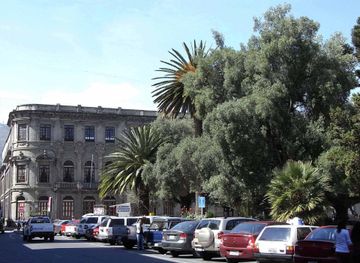


Destinations in Morona Santiago Region
Resorts, valleys and scenic spots worth a trip of their own.


Explore Morona Santiago Region: Things to Do, Places to Eat, Hotels & More
Handpicked recommendations for top attractions, local dining, accommodations, and more

Top Attractions & Sightseeing in Morona Santiago Region
Top-rated picks
Best Attractions

Calderon Park
Experience the natural beauty and cultural heritage of Calderon Park, a tranquil oasis in the heart of Cuenca, Ecuador, perfect for relaxation and exploration.

La Casa del Arbol
Discover La Casa del Arbol in Baños, Ecuador - a stunning tree house with breathtaking swings and unforgettable views, perfect for adventurers and nature lovers.

Madre Park
Experience the tranquility and natural beauty of Madre Park, a serene oasis in Cuenca, Ecuador, perfect for relaxation and recreation amidst vibrant landscapes.

El Paraíso Park
Explore the natural beauty and cultural richness of El Paraíso Park, a serene retreat in Cuenca, Ecuador, perfect for relaxation and recreation.

Best landmarks in Morona Santiago Region
Top-rated picks
Best Landmarks

Middle of the World City
Explore the Middle of the World City in Quito, Ecuador, where you can stand on the Equator and immerse yourself in rich culture and breathtaking views.

La Casa del Arbol
Experience breathtaking views and thrilling swings at La Casa del Arbol, a must-visit tourist attraction in Baños, Ecuador.

Malecon Boayaku Puyo
Discover the stunning views and vibrant culture at Malecon Boayaku Puyo, a premier observation deck in Ecuador's Amazon region.

Ruinas de Pumapungo
Explore the ancient wonders of Ruinas de Pumapungo in Cuenca, Ecuador, where history and nature intertwine beautifully amidst stunning Andean vistas.

Best restaurants in Morona Santiago Region
Top-rated picks
Best Restaurants

Pizzeria La italiana
Experience authentic Italian flavors at Pizzeria La Italiana in Macas – where every slice tells a story.

RONCO'S RESTAURANT
Experience the best of Ecuadorian cuisine at Ronco's Restaurant in Sucúa – where flavor meets tradition in every dish.

Good Cafe Restaurante
Discover delicious Ecuadorian cuisine at Good Cafe Restaurante in Baños – where flavor meets hospitality in every dish.

Cafe Julieta
Discover authentic Ecuadorian flavors at Café Julieta in Macas - a culinary haven offering delicious dishes and a warm atmosphere.

Best bars in Morona Santiago Region
Top-rated picks
Best Bars

RONCO'S RESTAURANT
Explore the authentic tastes of Ecuador at Ronco's Restaurant in Sucúa, where every dish tells a story of local culinary traditions.

La Vaca Estriada Parrilla Argentina
Experience the rich flavors of Argentina at La Vaca Estriada Parrilla Argentina, where every meal is a celebration of grilled perfection in Macas, Ecuador.

Bar-restaurante La Terraza del Angel
Experience the lively ambiance and delightful flavors at La Terraza del Angel, a top bar-restaurant in Macas, Ecuador.

La Candelaria
Discover the heart of Macas nightlife at La Candelaria, a dynamic disco club where music, dancing, and local culture come alive.

Best nightclubs in Morona Santiago Region
Top-rated picks
Best Nightclubs

La Candelaria
Discover the exhilarating nightlife of La Candelaria, a disco club in Macas, Ecuador, where music and dance create unforgettable memories.

One Club
Experience electrifying nightlife at One Club in Gualaquiza, where the music never stops and the fun is guaranteed.

estudio45
Discover the heart of Sucúa's nightlife at Estudio45, a vibrant disco club filled with music, dancing, and unforgettable experiences.

El Trébol Night Club
Dance the night away at El Trébol Night Club, Cuenca's hotspot for vibrant nightlife and unforgettable experiences.

Best shops in Morona Santiago Region
Top-rated picks
Best Shops

Monay Shopping
Explore Monay Shopping in Cuenca, a vibrant shopping mall offering a mix of local and international brands, dining, and entertainment options.

Parque Central De Macas
Discover natural beauty and cultural vibrancy at Parque Central De Macas, a serene retreat in the heart of Ecuador's Amazon region.

Mercado Puyo Sector Amazonico
Explore the colorful Mercado Puyo Sector Amazonico, where fresh produce and local crafts reflect the vibrant culture of the Amazon region in Ecuador.

Mercado
Discover the bustling Mercado in Baños, where local flavors and traditions come alive through fresh produce, artisan crafts, and vibrant community spirit.

Explore Morona Santiago Region on the Map
A handpicked selection of must-see spots in Morona Santiago Region, mapped for you.
Morona Santiago Region Essentials
-
Morona Santiago Region is located in the southeastern part of Ecuador. The nearest major airport is Mariscal Sucre International Airport in Quito, approximately 450 kilometers away. From Quito, you can take a domestic flight to the town of Macas, the capital of Morona Santiago. Alternatively, you can travel by bus from Quito, which takes around 10-12 hours. Buses are frequent and provide a cost-effective but lengthy travel option.
-
Within Morona Santiago, transportation options include buses, taxis, and car rentals. Buses and shared vans (colectivos) are the most common and affordable means of transport for traveling between towns. Taxis are available in larger towns like Macas and are relatively inexpensive. For more flexibility, consider renting a car, but be prepared for varying road conditions, especially during the rainy season.
-
The official currency in Ecuador is the US Dollar (USD). Credit cards are accepted in most hotels, restaurants, and shops in larger towns. However, it is advisable to carry cash, especially when traveling to smaller villages and more remote areas. ATMs are available in Macas and other larger towns, but it is wise to withdraw sufficient cash before venturing into rural areas.
-
Morona Santiago is generally a safe region for tourists, but as with any travel destination, it is important to take standard precautions. Avoid walking alone at night in unfamiliar areas and be mindful of your belongings in crowded places. Some areas, particularly near the border with Peru, have higher crime rates, so it is advisable to stay informed and avoid these regions. Consult local authorities or your accommodation about any specific areas to avoid.
-
In case of emergency, dial 911 for immediate assistance. Medical facilities are available in Macas, including hospitals and clinics. For minor health issues, pharmacies are accessible in most towns. It is highly recommended to have travel insurance that covers medical emergencies and evacuation. Keep a list of emergency contacts, including your embassy or consulate, handy.
-
Fashion: Do dress modestly, especially when visiting indigenous communities. Avoid wearing overly revealing clothing. Religion: Do respect local customs and traditions. Always ask for permission before photographing religious ceremonies or sites. Public Transport: Do be courteous and offer seats to elderly passengers. Don't eat or drink on public transport. Greetings: Do greet people with a handshake and a friendly smile. A slight nod is also appreciated. Eating & Drinking: Do try local dishes and accept food offerings graciously. Don't refuse hospitality, as it is considered impolite.
-
To experience Morona Santiago like a local, visit the bustling markets where you can buy fresh produce and traditional crafts. Engage with locals, who are often friendly and eager to share their culture and stories. Don't miss exploring the Shuar and Achuar indigenous communities for a deeper understanding of the region's rich cultural heritage. For nature enthusiasts, hiking in the Sangay National Park offers spectacular views and a chance to see diverse wildlife.
When is the best time to visit Morona Santiago Region?
Useful Local Phrases for Morona Santiago Region
You don't need to speak the language perfectly. Even learning a few simple words can make conversations warmer—and locals usually appreciate the effort.
— Eve

Here are the phrases I use most often in Morona Santiago Region. Try a few—you'll be surprised how far they go! 😊
❤️
-
- HelloHola
[O-lah] - GoodbyeAdiós
[Ah-dee-os] - YesSí
[See] - NoNo
[No] - Please/You're welcomePor favor
[Por fah-vor] - Thank youGracias
[Gra-thee-as] - Excuse me/SorryDisculpe
[Dees-kool-peh] - How are you?¿Cómo estás?
[Koh-moh es-tas] - Fine. And you?Bien. ¿Y tú?
[Bee-en. Ee too] - Do you speak English?¿Hablas inglés?
[Ah-blas een-gles] - I don't understandNo entiendo
[No en-tee-en-do]
- HelloHola
-
- I'd like to see the menu, pleaseMe gustaría ver el menú, por favor
[Meh goos-tah-ree-ah vehr el meh-noo, por fah-vor] - I don't eat meatNo como carne
[No koh-mo kar-neh] - Cheers!¡Salud!
[Sah-lood] - I would like to pay, pleaseMe gustaría pagar, por favor
[Meh goos-tah-ree-ah pah-gar, por fah-vor]
- I'd like to see the menu, pleaseMe gustaría ver el menú, por favor
-
- Help!¡Ayuda!
[Ah-yoo-dah] - Go away!¡Vete!
[Veh-teh] - Call the Police!¡Llama a la Policía!
[Yah-mah ah lah poh-lee-see-ah] - Call a doctor!¡Llama a un doctor!
[Yah-mah ah oon dok-tor] - I'm lostEstoy perdido
[Es-toy per-dee-do] - I'm illEstoy enfermo
[Es-toy en-fer-mo]
- Help!¡Ayuda!
-
- I'd like to buy...Me gustaría comprar...
[Meh goos-tah-ree-ah kom-prar] - I'm just lookingSolo estoy mirando
[Soh-lo es-toy mee-ran-do] - How much is it?¿Cuánto cuesta?
[Kwan-toh kwes-tah] - That's too expensiveEso es muy caro
[Eh-so es mwee kah-ro] - Can you lower the price?¿Puedes bajar el precio?
[Pweh-des bah-har el preh-syo]
- I'd like to buy...Me gustaría comprar...
-
- What time is it?¿Qué hora es?
[Keh oh-rah es] - It's one o'clockEs la una
[Es lah oo-nah] - Half past (10)Y diez y media
[Ee dyess ee meh-dee-ah] - MorningMañana
[Mah-nyah-nah] - AfternoonTarde
[Tar-deh] - EveningNoche
[No-cheh] - YesterdayAyer
[Ah-yer] - TodayHoy
[Oy] - TomorrowMañana
[Mah-nyah-nah] - 1Uno
[Oo-no] - 2Dos
[Dohs] - 3Tres
[Tres] - 4Cuatro
[Kwah-tro] - 5Cinco
[Seen-koh] - 6Seis
[Says] - 7Siete
[Syet-teh] - 8Ocho
[Oh-cho] - 9Nueve
[Nweh-veh] - 10Diez
[Dyes]
- What time is it?¿Qué hora es?
-
- Where's a/the...?¿Dónde está un/a...?
[Dohn-deh es-tah oon/ah] - What's the address?¿Cuál es la dirección?
[Kwahl es lah dee-rek-syon] - Can you show me (on the map)?¿Puedes mostrarme (en el mapa)?
[Pweh-des mos-trar-meh (en el mah-pah)] - When's the next (bus)?¿Cuándo es el próximo (bus)?
[Kwan-doh es el prok-see-mo] - A ticket (to ....)Un boleto (a....)
[Oon bo-leh-toh (ah....)]
- Where's a/the...?¿Dónde está un/a...?
History of Morona Santiago Region
-
Long before European colonization, the Morona Santiago Region was inhabited by indigenous groups such as the Shuar and Achuar. These groups were known for their warrior culture, intricate weaving, and unique traditions. The Shuar, in particular, are famous for their practice of shrinking heads, known as 'tsantsa,' which was believed to capture the spirit of their enemies.
-
The Spanish arrival in the 16th century marked a significant turning point for the region. The conquistadors, driven by the search for gold and other riches, encountered fierce resistance from the indigenous populations. Despite this, the Spanish managed to establish control over the region, leading to significant cultural and demographic changes.
-
In the 19th century, Catholic missionaries from various orders, including the Jesuits and Salesians, ventured into the remote areas of Morona Santiago. Their primary goal was to convert the indigenous populations to Christianity. They established missions, schools, and clinics, which played a crucial role in shaping the region's cultural landscape.
-
The late 19th and early 20th centuries saw the Amazon rubber boom, which had a profound impact on the Morona Santiago Region. The demand for rubber led to increased exploration and exploitation of the area's natural resources. This period brought both economic opportunities and significant hardships, as indigenous communities were often exploited and displaced.
-
In 1953, Morona Santiago was officially established as a province of Ecuador. This administrative change aimed to improve governance and development in the region. The new provincial status helped to bring more infrastructure, education, and healthcare services to the area, facilitating its growth and integration into the national framework.
-
In recent decades, there has been a resurgence of Shuar and Achuar cultural identity and activism. Indigenous organizations have been at the forefront of efforts to protect their lands from deforestation and mining activities. They have also worked to preserve their languages, traditions, and way of life, ensuring that their rich cultural heritage continues to thrive.
-
The late 20th and early 21st centuries have seen a growing emphasis on ecotourism and sustainable development in Morona Santiago. The region's stunning natural beauty, biodiversity, and unique cultural heritage have attracted tourists from around the world. Efforts to promote responsible tourism aim to balance economic growth with environmental conservation and cultural preservation.
Neighbouring Regions of Morona Santiago Region
The closest regions to Morona Santiago Region, if you have time for more than one.


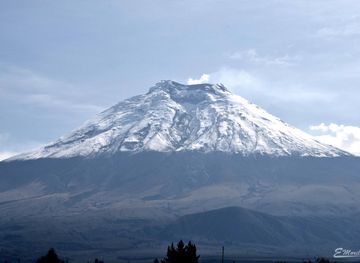


Your all‑in‑one travel companion app
Explore expert travel guides, compare and book tours, experiences, hotels, and more—all from the palm of your hand. Download now for seamless trip planning wherever your wanderlust takes you.


Explore More of Ecuador

Looking beyond Morona Santiago Region? Discover Ecuador for broader travel guides, local hot-spots, and regional highlights.
Explore EcuadorMorona Santiago Region in Photos
Browse through our photo collection highlighting the charm and character of the destination.

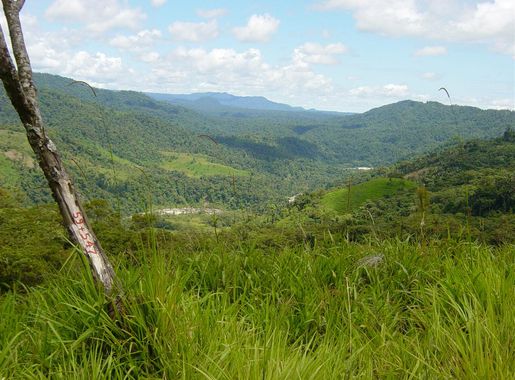
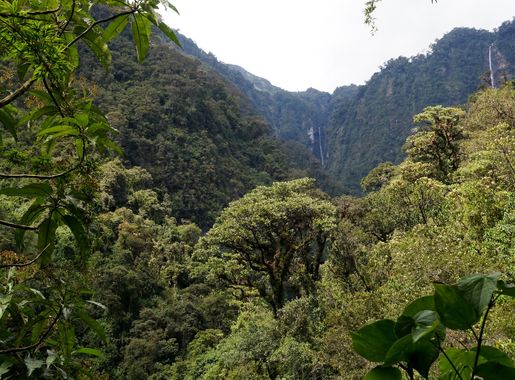


The Untamed Beauty of Morona Santiago
Nestled in the heart of Ecuador, Morona Santiago is a region that promises an adventure like no other. This area is renowned for its lush Amazonian rainforests, pristine rivers, and diverse wildlife. A trip here will immerse you in nature's splendor, offering unforgettable experiences whether you're trekking through dense jungle or spotting exotic birds and animals. The province is also rich in indigenous culture. The Shuar and Achuar communities welcome visitors to learn about their traditions and way of life. You can partake in guided tours that offer insights into their rituals, medicinal plants, and sustainable living practices. This cultural immersion is both educational and deeply enriching. For those seeking adrenaline, Morona Santiago offers thrilling activities such as white-water rafting, canopy tours, and hiking expeditions. The region's natural reserves and parks, including Sangay National Park, provide numerous trails and opportunities for outdoor enthusiasts. Whether you are an adventure junkie or a nature lover, Morona Santiago caters to all. Finally, the region's unique geography, with its rivers, waterfalls, and mountains, makes it a photographer's paradise. Capture stunning landscapes and vibrant wildlife, ensuring that your memories of Morona Santiago are as vivid as the experiences themselves.