

Free Central Sierra Travel Guide & Mobile App
Explore Central Sierra with free travel guides. Discover regional history, expert tips, proposed trips, and audio guides on web or mobile app.


Explore Central Sierra Ecuador for volcanic landscapes, páramo treks, Indigenous markets, colonial towns and the mountain gateway of Baños.
Read more about Central Sierra
When is the best time to visit Central Sierra?
Best: January–March · 20°C| Month | High (°C) | Rainfall (mm) |
|---|---|---|
| January (best) | 20 | 50 |
| February (best) | 20 | 55 |
| March (best) | 20 | 60 |
| April | 20 | 65 |
| May | 20 | 70 |
| June | 21 | 75 |
| July | 21 | 80 |
| August | 21 | 85 |
| September | 21 | 90 |
| October | 21 | 85 |
| November | 20 | 80 |
| December | 20 | 75 |
Getting to and around Central Sierra
How to get there
Transportation
Top city travel guides in Central Sierra
The cities of Central Sierra, and the easiest places to base yourself.
-

-
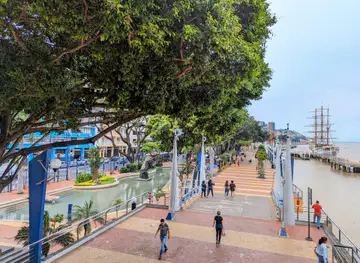
-

-

-

-


Swipe for more cities
Destinations in Central Sierra
Resorts, valleys and scenic spots worth a trip of their own.
-
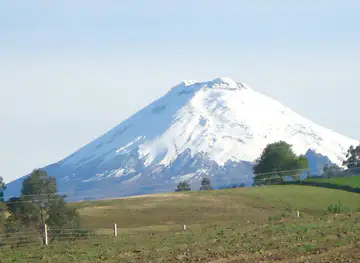
-

-

-


Swipe for more destinations
Best attractions in Central Sierra
Central Sierra attractions are defined by scale and altitude. Cotopaxi National Park offers volcanic landscapes, high grassland and routes towards the slopes of Cotopaxi, while the Quilotoa caldera provides a dramatic crater lake and access to walking routes through the western highlands. Around Latacunga, Saquisilí and Pujilí, markets, craft traditions and rural settlements provide insight into everyday Andean commerce. Baños de Agua Santa combines hot springs, waterfalls, canyon scenery and outdoor activities in a warmer valley setting. South of the city, Chimborazo Wildlife Reserve opens onto broad volcanic plains where vicuñas can often be seen and the thin air becomes part of the experience. Riobamba, Guano, Colta and Guamote add museums, churches, market culture and highland viewpoints, while Guaranda and the rural communities of Bolívar offer quieter mountain landscapes. Walking, cycling, birdwatching and visits to community-managed areas are possible, but conditions vary sharply with altitude and weather. The region rewards visitors who combine major natural sites with market towns and cultural landscapes rather than treating its volcanoes as isolated photographic stops.
-
Tourist attraction
CASCADA EL PAILÓN
Experience the breathtaking beauty of Cascada El Pailón, a stunning waterfall surrounded by lush landscapes in Río Verde, Ecuador.
-
Cinema
Multicines | Mall del Río
Discover the ultimate movie-watching experience at Multicines | Mall del Río, Cuenca's leading cinema destination for all film enthusiasts.
-
Tourist attraction
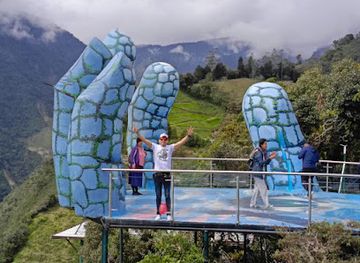
LA MANO DE LA PACHAMAMA
Discover the awe-inspiring La Mano de la Pachamama, a unique sculpture connecting you to the culture and nature of the Andes in Baños, Ecuador.
-
Tourist attraction
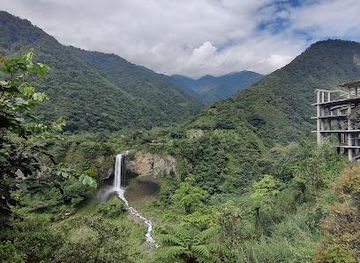
Cascada Manto de la Novia
Explore the enchanting beauty of Cascada Manto de la Novia, a breathtaking waterfall in Agoyán, Ecuador, surrounded by lush landscapes and vibrant nature.


Best landmarks in Central Sierra
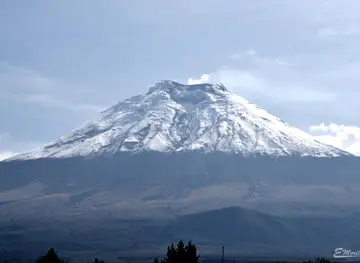
The Central Sierra’s most recognisable landmarks are volcanic, architectural and historical. Cotopaxi dominates the landscapes of its national park with a near-symmetrical cone and a snow-covered summit whose appearance varies with season and conditions. The turquoise waters of Quilotoa occupy a vast volcanic crater in the western highlands, forming one of the region’s defining natural sights. Chimborazo, Ecuador’s highest mountain when measured from the centre of the Earth, rises west of Riobamba and gives the surrounding reserve its powerful geographic identity. In Riobamba, the Cathedral of Saint Peter, the Maldonado Park area and republican civic buildings reflect the city’s rebuilding and later development, while the nearby historic settlements associated with ancient Riobamba preserve memories of the 1797 earthquake. Baños is marked less by monumental architecture than by its steep ravines, waterfalls and the volcanic presence of Tungurahua. Guaranda’s white-painted streets and hillside setting create a distinctive urban landmark in Bolívar, and the old railway heritage around Riobamba recalls the engineering challenge of crossing Ecuador’s Andean terrain.
-
Tourist attraction
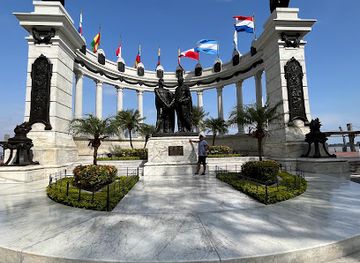
Malecon 2000
Explore Malecon 2000 in Guayaquil, Ecuador - a stunning waterfront promenade with cultural attractions, dining, and entertainment for an unforgettable experience.
-
 Monument
Middle of the World City
Explore the Middle of the World City, a unique monument where you can stand in both the Northern and Southern Hemispheres, rich in culture and history.
-
Tourist attraction
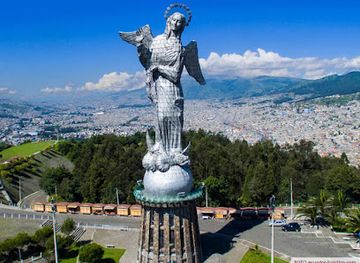
Virgin of the Panecillo
Explore the Virgin of the Panecillo, an iconic monument in Quito offering stunning views and a glimpse into Ecuador's rich cultural heritage.
-
Park
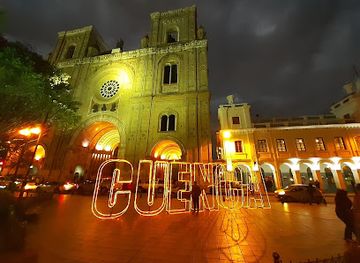
Calderon Park
Explore Calderon Park in Cuenca, Ecuador – a tranquil urban oasis filled with vibrant gardens, local culture, and picturesque walking paths.
Explore Central Sierra on the map
Plan your trip on one map. See where the top cities, national parks and sights are, and book hotels and experiences in a few clicks.
Best hotels in Central Sierra
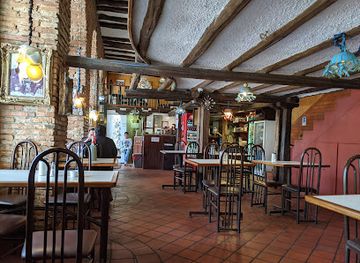
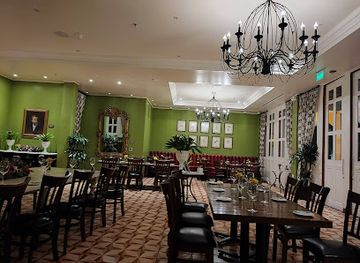
Best restaurants in Central Sierra
Food in Central Sierra reflects cold upland agriculture, Indigenous culinary traditions and the practical cooking of market towns. Potatoes, maize, chochos, quinoa, barley and other grains appear in soups, stews and hearty everyday dishes, while hornado, fritada and other pork preparations are common in highland towns. Llapingachos, often served with potatoes and accompanying sauces, are widely encountered in Ecuador but take on local variations across the Sierra. Around Ambato, fruit-growing areas contribute tree tomatoes, peaches, plums and other produce to markets and drinks. Riobamba, Latacunga, Guaranda and Baños offer a range of family restaurants, cafés, bakeries and traditional eateries, while rural inns and market stalls provide a more direct connection with local ingredients. Look for morocho, canelazo in appropriate licensed settings, fresh juices and regional sweets, including the traditional quesillo associated with Salasaca near Ambato. Markets are useful places to see the breadth of highland produce, though preparation standards vary and visitors should choose busy stalls with good turnover.
-
Restaurant
Fogo de Chão Ecuador
Experience authentic Brazilian steakhouse dining at Fogo de Chão Ecuador—where flavors meet tradition in Quito's vibrant culinary scene.
-
Ecuadorian
Raymipampa Restaurant
Experience the heart of Ecuadorian cuisine at Raymipampa Restaurant in Cuenca—where tradition meets flavor in a stunning setting.
-
Restaurant
Casa Julián
Experience the rich flavors of Ecuador at Casa Julián, where exquisite cuisine meets stunning riverside views in Guayaquil.
-
Ecuadorian
Somos Ecuador Restaurante
Discover authentic Ecuadorian flavors blended with modern flair at Somos Ecuador Restaurante in Quito.
Best bars in Central Sierra
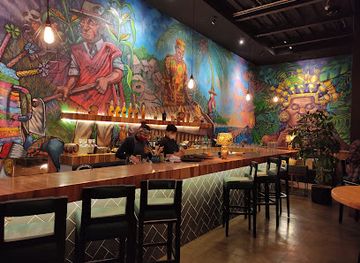
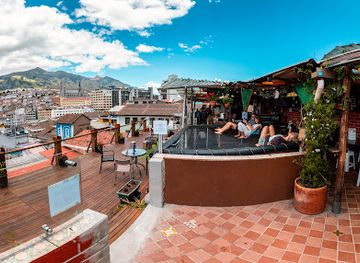
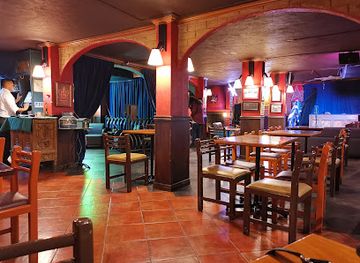
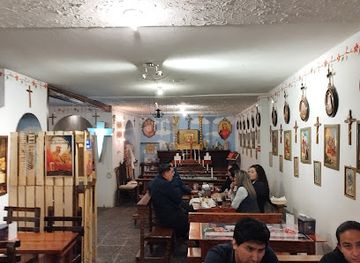
Evening life in Central Sierra is concentrated in the larger towns and differs considerably between the plateau and the warmer valley of Baños. Latacunga, Ambato and Riobamba have the broadest choice of cafés, restaurants, traditional bars and music venues, while Guaranda’s social life is closely connected with local festivities and town-centre gathering places. Baños has the most visitor-oriented nightlife, with bars, restaurants and late venues serving travellers alongside its daytime adventure economy, though the atmosphere changes outside busy periods. In smaller towns, evenings generally centre on family restaurants, cafés, neighbourhood shops and traditional pubs rather than a substantial club scene. Breweries, cocktails and live music can be found in the main urban centres, but opening arrangements and venue status change frequently. Visitors should keep noise respectful in residential areas and arrange transport before travelling back to rural accommodation.
-
Hostel
The Secret Garden Quito
Experience the vibrant culture of Quito at The Secret Garden Hostel, combining comfort, community, and a taste of local life.
-
Cafe
Cafe Mosaico
Experience the best of Quito’s cuisine at Cafe Mosaico, where scenic views meet culinary delights in a vibrant café atmosphere.
-
Brewpub
Bandido Brewing
Discover the vibrant craft beer scene at Bandido Brewing, Quito's top brewpub offering a unique blend of local flavors and lively atmosphere.
-
Disco club
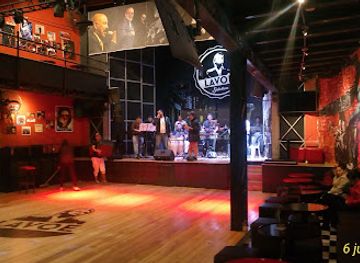
Lavoe Salsa Danceclub
Dive into Quito's vibrant nightlife at Lavoe Salsa Danceclub, where salsa and rhythm come alive in an unforgettable atmosphere.
Best nightclubs in Central Sierra
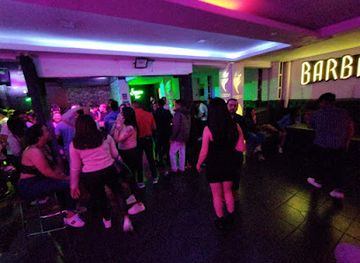
Evening life in Central Sierra is concentrated in the larger towns and differs considerably between the plateau and the warmer valley of Baños. Latacunga, Ambato and Riobamba have the broadest choice of cafés, restaurants, traditional bars and music venues, while Guaranda’s social life is closely connected with local festivities and town-centre gathering places. Baños has the most visitor-oriented nightlife, with bars, restaurants and late venues serving travellers alongside its daytime adventure economy, though the atmosphere changes outside busy periods. In smaller towns, evenings generally centre on family restaurants, cafés, neighbourhood shops and traditional pubs rather than a substantial club scene. Breweries, cocktails and live music can be found in the main urban centres, but opening arrangements and venue status change frequently. Visitors should keep noise respectful in residential areas and arrange transport before travelling back to rural accommodation.
-
Disco club
Discoteca Nidia Fuzzion Party
Discover the electrifying nightlife at Discoteca Nidia Fuzzion Party, Cuenca's premier disco club for unforgettable nights filled with music and dance.
-
Disco club
Pecado Morlaco
Discover Pecado Morlaco, Cuenca's ultimate disco club for a night of unforgettable music, dancing, and vibrant socializing in Ecuador.
-
Disco club
Volcan Bar Disc
Discover the electrifying nightlife at Volcan Bar Disc in Banos, Ecuador, where vibrant music and a lively atmosphere await every party lover.
-
Disco club
Cocoa By Tenta
Experience the vibrant nightlife of Riobamba at Cocoa By Tenta, where music, dance, and culture come together for an unforgettable night out.


Best shops in Central Sierra
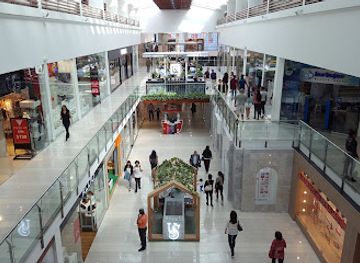
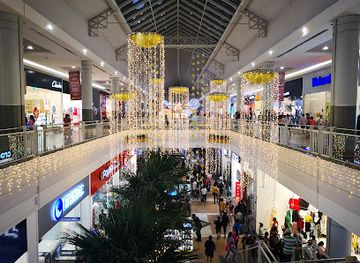
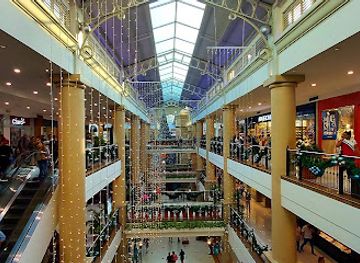
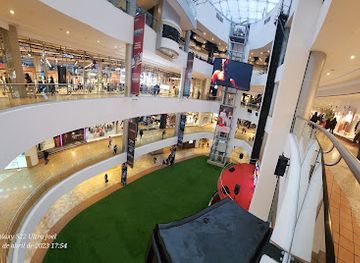
Shopping in Central Sierra is strongest in its market towns, where commerce remains part of ordinary local life rather than a purely visitor-oriented activity. Saquisilí and Pujilí in Cotopaxi, Guamote and Riobamba in Chimborazo, and markets around Ambato offer produce, clothing, household goods, livestock and regional foods. Ambato is a major commercial centre, with broader retail choices and a strong connection to the fruit-growing economy of Tungurahua. Guano is known for textile and craft production, including carpets and woven goods, while Salasaca near Ambato is associated with distinctive Indigenous weaving traditions; buy directly and respectfully where possible. In Baños, shops focus on practical outdoor items, sweets, souvenirs and local craft products. Look for chocolate, preserves, grains, coffee from Ecuador’s wider growing regions and woven textiles, but check materials and provenance when purchasing handmade goods. Market hours and stall locations can change, so ask locally rather than relying on a fixed schedule.
-
Shopping mall
Quicentro
Discover Quito's premier shopping destination at Quicentro, featuring diverse retail, dining, and entertainment options for every traveler.
-
Shopping mall
Mall del Sol
Explore Mall del Sol in Guayaquil for an unforgettable shopping and dining experience, blending local flair with international brands.
-
Shopping mall
San Marino Shopping
Experience luxury shopping and exquisite dining at San Marino Shopping, Guayaquil's premier shopping destination, where elegance meets entertainment.
-
Shopping mall
Condado Shopping
Discover the vibrant shopping scene at Condado Shopping, the ultimate destination for retail therapy in Quito, Ecuador.
Get your free copy of our complete guide to Central Sierra, delivered straight to you.
Everything on this page, from attractions and restaurants to essentials and local phrases, in one PDF you can read offline, print or share.
Already have an account? Sign in
Your Central Sierra guide is ready.
We'll send it to · Not you? Sign out

Getting your guide ready…
We are putting together a fresh copy of the Central Sierra guide. This can take up to a minute.
This can take a few moments. If your browser asks, choose Allow so the download can start. You'll find the guide in your Downloads folder.
Nothing happened? Download it again
Sorry, the guide is taking longer than usual. Please try again in a minute, or get it by email instead.
Central Sierra essentials
Currency and Payment
Safety
Emergency Situations
Do's and Don'ts
Local Tips
From Eve
Local phrases worth knowing
You don't need to get them perfect. A few words go a long way, and locals appreciate the effort.
Basics
| English | Local | Say it |
|---|---|---|
| Hello | Hola | [O-la] |
| Goodbye | Adiós | [A-dee-os] |
| Yes | Sí | [See] |
| No | No | [No] |
| Please/You're welcome | Por favor | [Por fa-vor] |
| Thank you | Gracias | [Gra-thias] |
| Excuse me/Sorry | Disculpe | [Dis-kul-pe] |
| How are you? | ¿Cómo está? | [Ko-mo es-ta] |
| Fine. And you? | Bien. ¿Y tú? | [Bee-en. Ee tu] |
| Do you speak English? | ¿Habla inglés? | [A-bla in-glés] |
| I don't understand | No entiendo | [No en-tyen-do] |
Eating & Drinking
| English | Local | Say it |
|---|---|---|
| I'd like to see the menu, please | Me gustaría ver el menú, por favor | [Me gus-ta-ria ver el me-nu, por fa-vor] |
| I don't eat meat | No como carne | [No co-mo car-ne] |
| Cheers! | ¡Salud! | [Sa-lud] |
| I would like to pay, please | Me gustaría pagar, por favor | [Me gus-ta-ria pa-gar, por fa-vor] |
Emergencies
| English | Local | Say it |
|---|---|---|
| Help! | ¡Ayuda! | [A-yu-da] |
| Go away! | ¡Vete! | [Ve-te] |
| Call the Police! | ¡Llame a la policía! | [Ya-me a la po-li-cia] |
| Call a doctor! | ¡Llame a un doctor! | [Ya-me a un doc-tor] |
| I'm lost | Estoy perdido | [Es-toy per-di-do] |
| I'm ill | Estoy enfermo | [Es-toy en-fer-mo] |
Shopping
| English | Local | Say it |
|---|---|---|
| I'd like to buy... | Quisiera comprar... | [Ki-si-e-ra com-prar] |
| I'm just looking | Solo estoy mirando | [So-lo es-toy mi-ran-do] |
| How much is it? | ¿Cuánto cuesta? | [Kwan-to kwes-ta] |
| That's too expensive | Eso es demasiado caro | [E-so es de-ma-si-a-do ca-ro] |
| Can you lower the price? | ¿Puede bajar el precio? | [Pwe-de ba-har el pre-cio] |
Time & Numbers
| English | Local | Say it |
|---|---|---|
| What time is it? | ¿Qué hora es? | [Ke o-ra es] |
| It's one o'clock | Es la una | [Es la u-na] |
| Half past (10) | Y media (10) | [Ee me-dia (diez)] |
| Morning | Mañana | [Ma-nya-na] |
| Afternoon | Tarde | [Tar-de] |
| Evening | Noche | [No-che] |
| Yesterday | Ayer | [A-yer] |
| Today | Hoy | [Oy] |
| Tomorrow | Mañana | [Ma-nya-na] |
| 1 | Uno | [U-no] |
| 2 | Dos | [Dos] |
| 3 | Tres | [Tres] |
| 4 | Cuatro | [Kua-tro] |
| 5 | Cinco | [Sin-co] |
| 6 | Seis | [Says] |
| 7 | Siete | [Sye-te] |
| 8 | Ocho | [O-cho] |
| 9 | Nueve | [Nwe-ve] |
| 10 | Diez | [Dyez] |
Transport & Directions
| English | Local | Say it |
|---|---|---|
| Where's a/the...? | ¿Dónde está un/una...? | [Don-de es-ta un/una] |
| What's the address? | ¿Cuál es la dirección? | [Kwal es la di-rec-ción] |
| Can you show me (on the map)? | ¿Puede mostrarme (en el mapa)? | [Pwe-de mos-trar-me (en el ma-pa)] |
| When's the next (bus)? | ¿Cuándo es el próximo (bus)? | [Kwan-do es el pro-xi-mo (bus)] |
| A ticket (to ....) | Un boleto (a....) | [Un bo-le-to (a....)] |
History of Central Sierra
Pre-Columbian Highland Societies
Long before Spanish colonisation, the Central Sierra was occupied by diverse Andean societies whose economies combined farming, herding, trade and control of different ecological zones. Communities cultivated maize, potatoes and other highland crops, while the páramo supplied pasture, water and wild resources. Archaeological evidence and living cultural traditions point to complex local identities rather than a single highland culture. In the northern part of the region, the Panzaleo and other groups occupied territories later incorporated into the expanding Inca state; farther south, Puruhá communities formed an important population around present-day Riobamba and Chimborazo.
Inca Expansion and Andean Networks
During the late fifteenth century, Inca power expanded northwards through the Ecuadorian Andes, incorporating or contesting existing societies. The imperial road system, administrative centres and military settlements linked valleys and high plateaus, although local communities retained important forms of identity and authority. The region’s routes between Quito, the central valleys and the southern highlands later influenced Spanish colonial roads and modern transport corridors. Inca influence was therefore significant but relatively recent in historical terms, arriving in a landscape already shaped by centuries of settlement, agriculture and exchange.
Spanish Conquest and Colonial Reorganisation
Spanish conquest in the sixteenth century transformed landholding, religion, labour and political administration across the Central Sierra. New towns, churches and estates were established along existing Andean routes, while Indigenous communities were brought under colonial tribute and labour systems. Latacunga, Riobamba, Guaranda and other settlements became centres of administration, trade and religious activity. Colonial agriculture and livestock production reshaped valley landscapes, and Catholic festivals became interwoven with older seasonal practices. The resulting architectural and cultural legacy remains visible in churches, historic town centres, religious art and rural hacienda landscapes.
Earthquakes and the Rebuilding of Highland Towns
Earthquakes repeatedly altered the Central Sierra. Riobamba was devastated by a major earthquake in 1797 and subsequently rebuilt in a new location, leaving the former settlement of Sicalpa and Cajabamba, commonly known as the ancient Riobamba area, with important historical associations. Seismic events also affected Latacunga and other Andean towns, encouraging cycles of reconstruction and changes in building techniques. The region’s architecture consequently combines surviving colonial elements with later republican buildings and more recent urban development, rather than presenting a single uninterrupted historic streetscape.
Independence and the Battle of Riobamba
The Central Sierra became strategically important during the wars of independence from Spanish rule. The Battle of Riobamba, fought in 1822 near the city, formed part of the campaign that secured independence for the former Audiencia of Quito and helped establish the Republic of Ecuador. The conflict followed difficult military movements through high-altitude terrain, where control of roads and valleys was crucial. Riobamba’s independence history is commemorated in civic spaces and local memory, while the wider region’s towns became part of the political and administrative structure of the new republic.
The Railway and Republican Commerce
Railway construction in the late nineteenth and early twentieth centuries connected Ecuador’s highland centres more closely with the coast and with one another. The railway reached Riobamba in the early twentieth century and made the city an important transport point on the route towards Guayaquil. Although road transport later displaced most regular passenger railway services, the railway’s legacy influenced regional commerce, migration and tourism. Stations, bridges and engineering works remain part of the historical landscape, while the old routes demonstrate how difficult geography shaped Ecuador’s economic development.
Agrarian Change and Indigenous Mobilisation
During the twentieth century, land reforms, changing hacienda systems, migration and the expansion of markets altered rural life throughout the Central Sierra. Indigenous communities in Cotopaxi, Chimborazo and Bolívar campaigned for land rights, education, political representation and improved services, contributing to the wider Indigenous movement that has played a major role in Ecuadorian public life. Many communities continue to combine subsistence farming, commercial production, craft work and seasonal employment. Contemporary markets and festivals therefore reflect both deep historical continuity and continuing social and economic change.
Central Sierra in Photos
Browse through our photo collection highlighting the charm and character of the destination.
Neighbouring regions of Central Sierra
The closest regions to Central Sierra, if you have time for more than one.
-
-
-

-

-


Swipe for more regions
Explore more

Explore more of Ecuador
Explore Ecuador: From the Amazon rainforest and Andean highlands to the Pacific coast and Galápagos Islands, discover diverse landscapes and vibrant cultures.
Explore Ecuador