

Free Chimborazo Region Travel Guide & Mobile App
Explore Chimborazo Region with free travel guides. Discover regional history, expert tips, proposed trips, and audio guides on web or mobile app.


Chimborazo Region pairs Ecuador’s highest volcano with páramo landscapes, Riobamba’s heritage, Indigenous markets and highland food traditions.
Read more about Chimborazo Region
When is the best time to visit Chimborazo Region?
Best: January–March · 14–15°C| Month | High (°C) | Rainfall (mm) |
|---|---|---|
| January (best) | 14 | 60 |
| February (best) | 15 | 50 |
| March (best) | 15 | 70 |
| April | 15 | 80 |
| May | 14 | 90 |
| June | 14 | 70 |
| July | 14 | 60 |
| August | 14 | 70 |
| September | 14 | 80 |
| October | 15 | 90 |
| November | 15 | 80 |
| December | 14 | 70 |
Getting to and around Chimborazo Region
How to get there
Transportation
Top city travel guides in Chimborazo Region
The cities of Chimborazo Region, and the easiest places to base yourself.
-

-


Swipe for more cities
Best attractions in Chimborazo Region
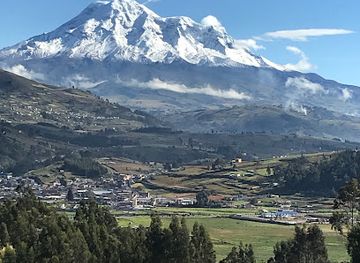
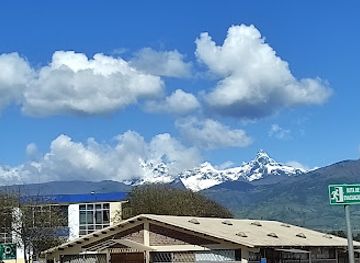
Chimborazo’s attractions centre on high-altitude landscapes, living Andean culture and historic towns rather than a single compact sightseeing circuit. The Chimborazo Wildlife Reserve is the province’s defining natural destination, offering volcanic scenery, páramo vegetation and opportunities to see vicuñas on the lower slopes of the mountain. Access towards the mountain’s refuges and viewpoints is weather-dependent, and strenuous walks require acclimatisation. Near Riobamba, Guano combines craft traditions, local history and views towards the volcano, while Colta brings together Laguna de Colta, rural landscapes and the historic Balbanera church. Riobamba itself provides museums, churches, civic buildings and an easily walkable historic centre. Guamote is a gateway to highland communities, agricultural country and market culture, while Alausí and Chunchi open routes through steep southern valleys. Eastern Chimborazo also provides approaches towards parts of Sangay National Park, where glacial, volcanic and forest environments demand more careful planning. The province suits visitors interested in walking, photography, indigenous culture, archaeology, geology and rural travel, with distances and altitude making a flexible itinerary preferable to hurried day trips.
-
Tourist attraction
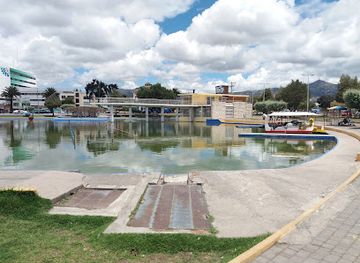
Parque Guayaquil
Explore the lush landscapes and vibrant culture of Parque Guayaquil, a serene oasis in the heart of Riobamba, Ecuador.
-
National park
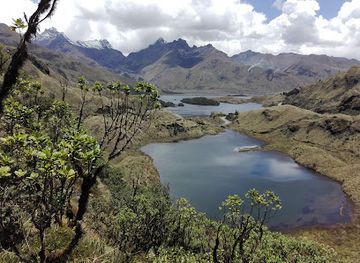
Sangay National Park
Discover the breathtaking landscapes and rich biodiversity of Sangay National Park, a must-visit destination for nature lovers and adventure seekers in Ecuador.
-
Tourist attraction
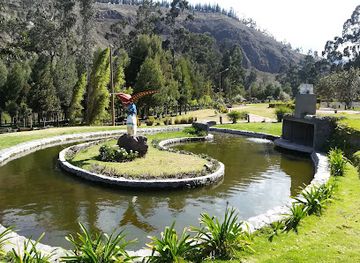
Parque Ricpamba
Explore the serene beauty of Parque Ricpamba, a picturesque park in Riobamba, perfect for relaxation, picnics, and enjoying stunning mountain views.
-
Mountain cabin
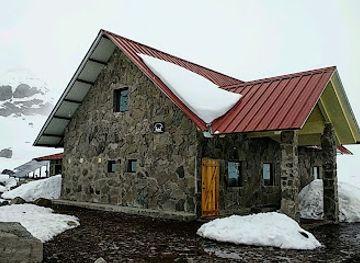
Edward Whymper Refuge
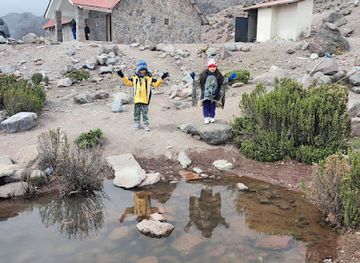
Discover the Edward Whymper Refuge, your ultimate base camp for the Chimborazo adventure, offering breathtaking views and a warm, inviting atmosphere.
Best landmarks in Chimborazo Region
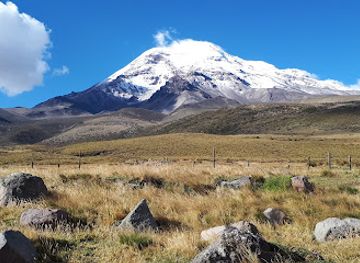
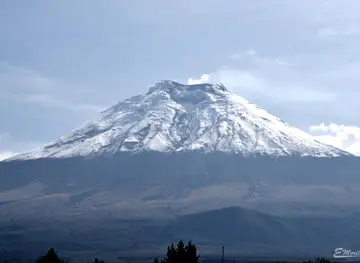
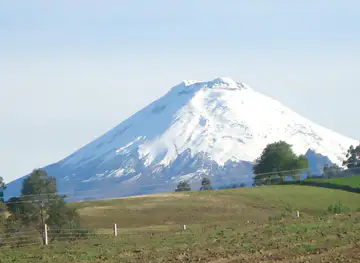
The most recognisable landmark in Chimborazo is the snow-capped cone of Chimborazo itself, a dominant presence over Riobamba and a defining symbol of Ecuador’s central Andes. Within the protected reserve, the volcanic slopes, high refuges and open páramo create a monumental landscape shaped by glaciation, altitude and wind. Riobamba’s historic centre contains republican-era façades, churches and civic buildings that reflect the city’s reconstruction after the 1797 earthquake and its later role in the founding of Ecuador’s republic. Near Colta, the church of Balbanera is one of the best-known early colonial religious buildings in the area and stands in a landscape associated with the older Riobamba settlement. Laguna de Colta is another important visual landmark, combining a broad highland lake with agricultural country and distant mountain views. In Guano, the town’s traditional textile and carpet-making identity is expressed through workshops and local streets rather than one monumental structure. The rugged valleys around Alausí and Chunchi provide natural landmarks of a different character, with steep ravines, cultivated slopes and dramatic road corridors replacing the open volcanic plateau.
-
Protected area
Reserva de Produccion Faunistica Chimborazo
Explore the breathtaking landscapes and diverse wildlife of Chimborazo Wildlife Reserve, Ecuador's premier protected area.
-
Volcano
Chimborazo
Discover the breathtaking heights of Chimborazo, Ecuador's highest volcano, rich in stunning landscapes and vibrant wildlife.
-
Mountain cabin
Carrel Refuge
Experience the tranquility and natural beauty of Carrel Refuge, your perfect mountain cabin escape in the breathtaking Andes of Ecuador.
-
 Mountain cabin
Edward Whymper Refuge
Discover the serene beauty and adventure of the Edward Whymper Refuge, a perfect mountain cabin for nature lovers and trekkers in Ecuador.
Explore Chimborazo Region on the map
Plan your trip on one map. See where the top cities, national parks and sights are, and book hotels and experiences in a few clicks.
Best hotels in Chimborazo Region
Best restaurants in Chimborazo Region
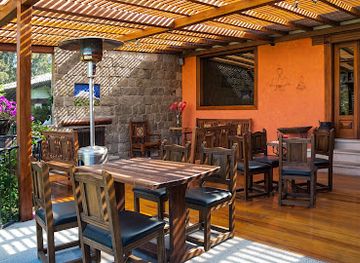
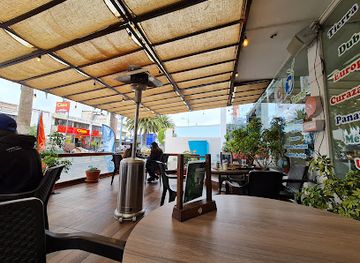
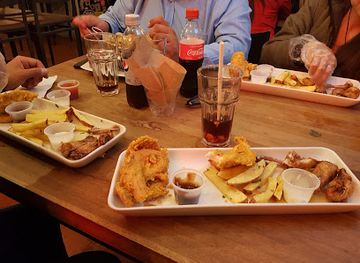
Dining in Chimborazo is rooted in hearty highland cooking, with potatoes, mote, maize, quinoa, beans and locally raised meat appearing frequently on traditional menus. Riobamba offers the broadest choice of restaurants, cafés, market stalls and bakeries, while smaller towns provide more informal eating around plazas and transport terminals. Hornado, slow-roasted pork served with mote and accompaniments, is widely associated with Ecuador’s Andean food culture, and fritada, llapingachos, caldo de gallina and cuy are also found across the province. Guano is particularly known for cholas, sweet baked breads filled with panela-based preparation, while dairy products and grains reflect the surrounding agricultural economy. Markets are useful places to encounter seasonal produce and inexpensive local meals, though hygiene standards vary and visitors should choose busy stalls with high turnover. Contemporary restaurants increasingly present quinoa, Andean grains and regional ingredients in lighter formats, but the province’s culinary identity remains closely connected to family kitchens, market cooking, rural inns and substantial dishes suited to the cool mountain climate.
-
Nuevo Latino restaurant
Hotel Hacienda Abraspungo
Experience authentic Nuevo Latino cuisine and stunning views at Hotel Hacienda Abraspungo in Guano, Ecuador.
-
Restaurant
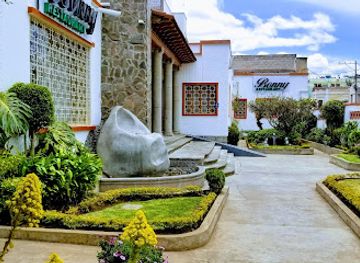
Bonny Restaurant
Savor authentic Ecuadorian cuisine at Bonny Restaurant in Riobamba – where tradition meets taste.
-
Restaurant
RAYUELA RESTAURANT
Experience authentic Ecuadorian cuisine at Rayuela Restaurant in Riobamba - where tradition meets innovation.
-
Grill
Baltimore Food and Drinks
Experience delicious grilled cuisine and fast food favorites at Baltimore Food and Drinks in Riobamba, Ecuador – perfect for hungry travelers!
Best bars in Chimborazo Region
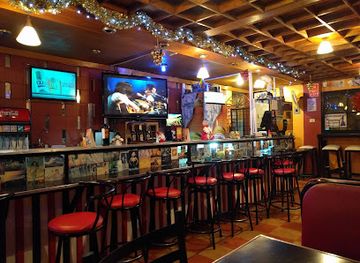
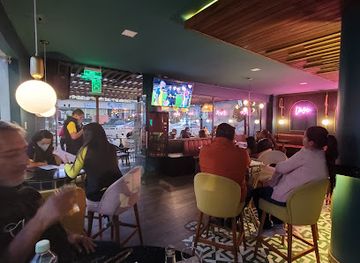
Evening life in Chimborazo is concentrated in Riobamba, where cafés, restaurants, traditional bars, karaoke venues and occasional live-music spaces serve local residents and visitors. The city’s nightlife is generally more relaxed and dispersed than that of Quito or Guayaquil, with activity often focused around central streets and commercial areas rather than a single large club district. Guano, Guamote and Alausí have smaller scenes based on restaurants, neighbourhood bars and social gatherings, while rural communities usually wind down early. Local beer, spirits and non-alcoholic hot drinks are available, but altitude can intensify the effects of alcohol, so moderation is sensible. Check current arrangements locally, particularly outside Riobamba, as venues and schedules can change. Cultural performances, festivals and community celebrations may provide more meaningful evening experiences than formal nightlife, but attendance should be respectful and based on public invitations rather than assumption.
-
Grill
San Valentin Club
Experience the vibrant flavors of Ecuador at San Valentin Club in Riobamba, where delicious grills and a lively atmosphere await.
-
Bar
La RABETA Cantine & Soul
Discover the lively ambiance and flavorful offerings at La RABETA Cantine & Soul in Riobamba, Ecuador, where every visit is a celebration of local culture.
-
Bar
La cabaña
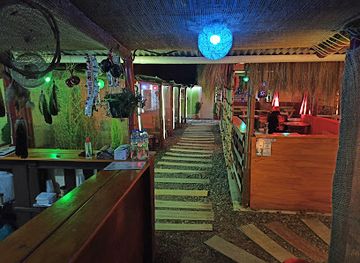
Discover the vibrant nightlife at La Cabaña, a lively bar in Riobamba, Ecuador, where local culture meets unforgettable experiences.
-
Bar
Valhalla
Experience the lively atmosphere and flavorful drinks at Valhalla, the premier bar in Riobamba, Ecuador, perfect for socializing and unwinding.
Best nightclubs in Chimborazo Region
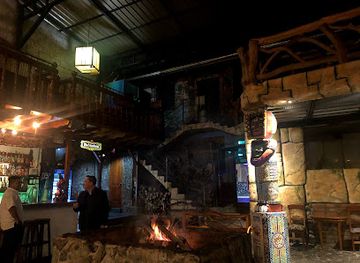
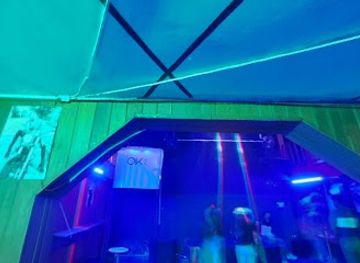
Evening life in Chimborazo is concentrated in Riobamba, where cafés, restaurants, traditional bars, karaoke venues and occasional live-music spaces serve local residents and visitors. The city’s nightlife is generally more relaxed and dispersed than that of Quito or Guayaquil, with activity often focused around central streets and commercial areas rather than a single large club district. Guano, Guamote and Alausí have smaller scenes based on restaurants, neighbourhood bars and social gatherings, while rural communities usually wind down early. Local beer, spirits and non-alcoholic hot drinks are available, but altitude can intensify the effects of alcohol, so moderation is sensible. Check current arrangements locally, particularly outside Riobamba, as venues and schedules can change. Cultural performances, festivals and community celebrations may provide more meaningful evening experiences than formal nightlife, but attendance should be respectful and based on public invitations rather than assumption.
-
Disco club
Volcan Bar Disc
Discover the energetic nightlife of Banos at Volcan Bar Disc, where dance, music, and fun come together for an unforgettable experience.
-
Disco club
Rio Field Club
Immerse yourself in the vibrant nightlife of Rio Field Club, a premier disco in Riobamba, where music and local culture come alive.
-
Dance club
ONIX LOUNGE CLUB
Discover the lively atmosphere and dynamic dance floors of Onix Lounge Club, Riobamba's premier nightlife destination for tourists and locals alike.
-
Disco club
Ok Vip Discotec
Experience the vibrant nightlife of Riobamba at Ok Vip Discotec, where music and dancing create unforgettable memories.


Best shops in Chimborazo Region
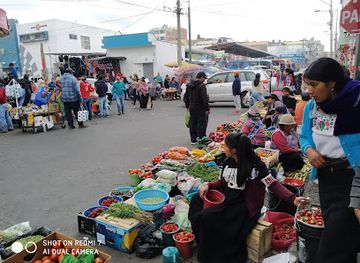
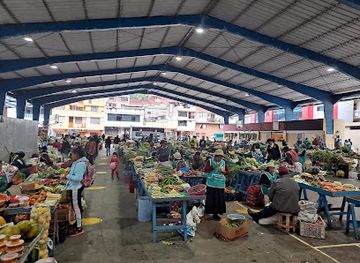
Shopping in Chimborazo is strongest in market towns and independent workshops rather than large retail complexes. Riobamba has the province’s widest selection of everyday shops, food markets, handicrafts, clothing and practical outdoor supplies, while its central markets are useful for seeing the agricultural products that support highland households. Guano is the leading destination for locally made textiles, carpets and woven goods, with products ranging from traditional designs to more practical household items; ask about materials, care and production before buying. Guamote and other rural market centres offer potatoes, grains, vegetables, ponchos, woven accessories and livestock-related goods, although market activity follows local calendars. Cholas de Guano, panela-based sweets, quinoa and other packaged regional foods travel better than fresh produce and make useful gifts. In Indigenous communities, purchase directly and fairly where possible, avoid bargaining aggressively over labour-intensive crafts and ask before photographing workshops. Authentic products vary in quality, so compare materials and construction rather than relying on broad claims about origin.
-
Shopping mall
Paseo Shopping
Discover the vibrant shopping experience at Paseo Shopping in Riobamba, where local and international brands meet dining and entertainment.
-
Shopping mall
Mercado y Terminal Oriental
Explore the Mercado y Terminal Oriental in Riobamba for an authentic taste of Ecuadorian culture, food, and shopping.
-
Grocery store
Mercado
Experience the lively Mercado in Baños de Agua Santa, where local flavors and vibrant crafts come together in a cultural delight.
-
Book store
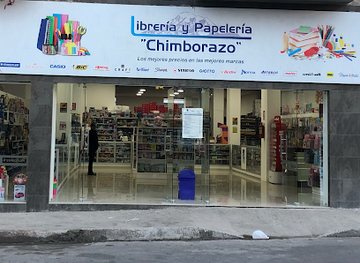
Librería Chimborazo
Explore the enchanting Librería Chimborazo, a must-visit bookstore in Riobamba, celebrating literature and local culture in Ecuador.
Get your free copy of our complete guide to Chimborazo Region, delivered straight to you.
Everything on this page, from attractions and restaurants to essentials and local phrases, in one PDF you can read offline, print or share.
Already have an account? Sign in
Your Chimborazo Region guide is ready.
We'll send it to · Not you? Sign out

Getting your guide ready…
We are putting together a fresh copy of the Chimborazo Region guide. This can take up to a minute.
This can take a few moments. If your browser asks, choose Allow so the download can start. You'll find the guide in your Downloads folder.
Nothing happened? Download it again
Sorry, the guide is taking longer than usual. Please try again in a minute, or get it by email instead.
Chimborazo Region essentials
Currency and Payment
Safety
Emergency Situations
Do's and Don'ts
Local Tips
From Eve
Local phrases worth knowing
You don't need to get them perfect. A few words go a long way, and locals appreciate the effort.
Basics
| English | Local | Say it |
|---|---|---|
| Hello | Hola | [Ola] |
| Goodbye | Adiós | [Adios] |
| Yes | Sí | [Si] |
| No | No | [No] |
| Please/You're welcome | Por favor | [Por favor] |
| Thank you | Gracias | [Grasias] |
| Excuse me/Sorry | Disculpe | [Disculpe] |
| How are you? | ¿Cómo estás? | [Como estas] |
| Fine. And you? | Bien. ¿Y tú? | [Bien. I tu] |
| Do you speak English? | ¿Hablas inglés? | [Hablas ingles] |
| I don't understand | No entiendo | [No entiendo] |
Eating & Drinking
| English | Local | Say it |
|---|---|---|
| I'd like to see the menu, please | Quisiera ver el menú, por favor | [Kisiera ver el menu, por favor] |
| I don't eat meat | No como carne | [No como carne] |
| Cheers! | ¡Salud! | [Salud] |
| I would like to pay, please | Quisiera pagar, por favor | [Kisiera pagar, por favor] |
Emergencies
| English | Local | Say it |
|---|---|---|
| Help! | ¡Ayuda! | [Ayuda] |
| Go away! | ¡Vete! | [Vete] |
| Call the Police! | ¡Llama a la policía! | [Llama a la polisia] |
| Call a doctor! | ¡Llama a un doctor! | [Llama a un doctor] |
| I'm lost | Estoy perdido | [Estoy perdido] |
| I'm ill | Estoy enfermo | [Estoy enfermo] |
Shopping
| English | Local | Say it |
|---|---|---|
| I'd like to buy... | Quisiera comprar... | [Kisiera comprar] |
| I'm just looking | Solo estoy mirando | [Solo estoy mirando] |
| How much is it? | ¿Cuánto cuesta? | [Cuanto cuesta] |
| That's too expensive | Eso está muy caro | [Eso esta muy caro] |
| Can you lower the price? | ¿Puedes bajar el precio? | [Puedes bajar el precio] |
Time & Numbers
| English | Local | Say it |
|---|---|---|
| What time is it? | ¿Qué hora es? | [Que ora es] |
| It's one o'clock | Es la una | [Es la una] |
| Half past (10) | Y media (10) | [Y media] |
| Morning | Mañana | [Mañana] |
| Afternoon | Tarde | [Tarde] |
| Evening | Noche | [Noche] |
| Yesterday | Ayer | [Ayer] |
| Today | Hoy | [Hoy] |
| Tomorrow | Mañana | [Mañana] |
| 1 | Uno | [Uno] |
| 2 | Dos | [Dos] |
| 3 | Tres | [Tres] |
| 4 | Cuatro | [Cuatro] |
| 5 | Cinco | [Cinco] |
| 6 | Seis | [Seis] |
| 7 | Siete | [Siete] |
| 8 | Ocho | [Ocho] |
| 9 | Nueve | [Nueve] |
| 10 | Diez | [Diez] |
Transport & Directions
| English | Local | Say it |
|---|---|---|
| Where's a/the...? | ¿Dónde está un/una...? | [Donde esta un/una] |
| What's the address? | ¿Cuál es la dirección? | [Cual es la direccion] |
| Can you show me (on the map)? | ¿Puedes mostrarme (en el mapa)? | [Puedes mostrarme en el mapa] |
| When's the next (bus)? | ¿Cuándo es el siguiente (bus)? | [Cuando es el siguiente bus] |
| A ticket (to ....) | Un boleto (a ....) | [Un boleto a] |
History of Chimborazo Region
Puruhá Heritage before the Inca Expansion
Before incorporation into the Inca realm, the central highlands around present-day Chimborazo were home to Puruhá communities with established agricultural, trading and ceremonial traditions. Their societies adapted to the varied elevations of the province, cultivating potatoes, maize, quinoa and other Andean crops while using high pasture for livestock. Archaeological remains and continuing Kichwa cultural traditions provide evidence of this older heritage, although the historical record is incomplete. The Puruhá past remains important to the identity of communities around Riobamba, Colta, Guamote and neighbouring highland districts.
Inca Incorporation in the Central Andes
During the late fifteenth century, Inca power expanded northwards through the Ecuadorian Andes and incorporated Puruhá territories into the imperial system. Roads, administrative practices and military settlements connected the region with the wider Tawantinsuyu, while local communities retained aspects of their own identity and organisation. The highlands around present-day Chimborazo occupied a strategically important position between Quito, the southern Andes and routes towards the Pacific lowlands. Inca influence was relatively recent when the Spanish arrived, helping explain the complex political landscape encountered during the conquest.
Spanish Conquest and Colonial Resettlement
Spanish conquest transformed landholding, religion, labour and settlement patterns across Chimborazo. Colonial authorities established towns, churches and estates, while Indigenous communities faced tribute demands, forced labour systems and the spread of Catholic institutions. Riobamba and surrounding settlements became part of the administrative and commercial networks of the Audiencia of Quito. Churches such as Balbanera, near Colta, reflect the early colonial presence, while later haciendas and parish towns reveal how agriculture and social power were organised under colonial rule.
The Destruction and Relocation of Riobamba
The original Riobamba, located near present-day Cajabamba in the Colta area, was devastated by a major earthquake in 1797. The settlement was subsequently relocated to its present site, where the new Riobamba developed in a more regular urban layout. This event shaped the province’s modern geography and explains why the historic identity of Riobamba is connected to both the contemporary city and the older settlement area. The disaster also illustrates the seismic and volcanic forces that have long influenced life in Ecuador’s central Andes.
Independence and the Birth of the Republic
The central highlands participated in the political upheavals that ended Spanish rule and created the Republic of Ecuador. Riobamba hosted the Constituent Assembly of 1830, which helped establish Ecuador as an independent state after the dissolution of Gran Colombia. The choice of Riobamba reflected the city’s position within the country and its importance in the Andean interior. Republican architecture, civic institutions and new administrative boundaries gradually reshaped the province, although land inequality and older colonial social structures continued.
Agriculture, Haciendas and Indigenous Organisation
For much of the nineteenth and twentieth centuries, Chimborazo’s economy remained strongly agricultural, with haciendas, smallholder plots and communal lands sharing an often unequal landscape. Indigenous communities faced discrimination and restricted access to land, but collective organisation, agrarian reform and Indigenous movements gradually strengthened local control and political representation. Today, agriculture remains central to many households, producing potatoes, barley, quinoa, dairy products and other crops at different elevations. Markets in Guamote, Riobamba and other towns show the continuing importance of this rural economy.
Railways, Roads and Modern Tourism
Transport development brought major changes to Chimborazo. The railway linking the Ecuadorian highlands with the coast made Alausí and the dramatic descent towards Sibambe internationally known, while later road construction shifted much long-distance travel to buses and private vehicles. Tourism now centres on the volcano, the reserve, highland communities, historic Riobamba and access routes towards Sangay National Park. Railway operations have been vulnerable to operational, financial and environmental disruption, so the route’s historical importance should not be confused with guaranteed current service.
Chimborazo Region in Photos
Browse through our photo collection highlighting the charm and character of the destination.
Neighbouring regions of Chimborazo Region
The closest regions to Chimborazo Region, if you have time for more than one.
-
-

-

-

-


Swipe for more regions
Explore more

Explore more of Ecuador
Explore Ecuador: From the Amazon rainforest and Andean highlands to the Pacific coast and Galápagos Islands, discover diverse landscapes and vibrant cultures.
Explore Ecuador