

Free Sierra Travel Guide & Mobile App
Explore Sierra with free travel guides. Discover regional history, expert tips, proposed trips, and audio guides on web or mobile app.


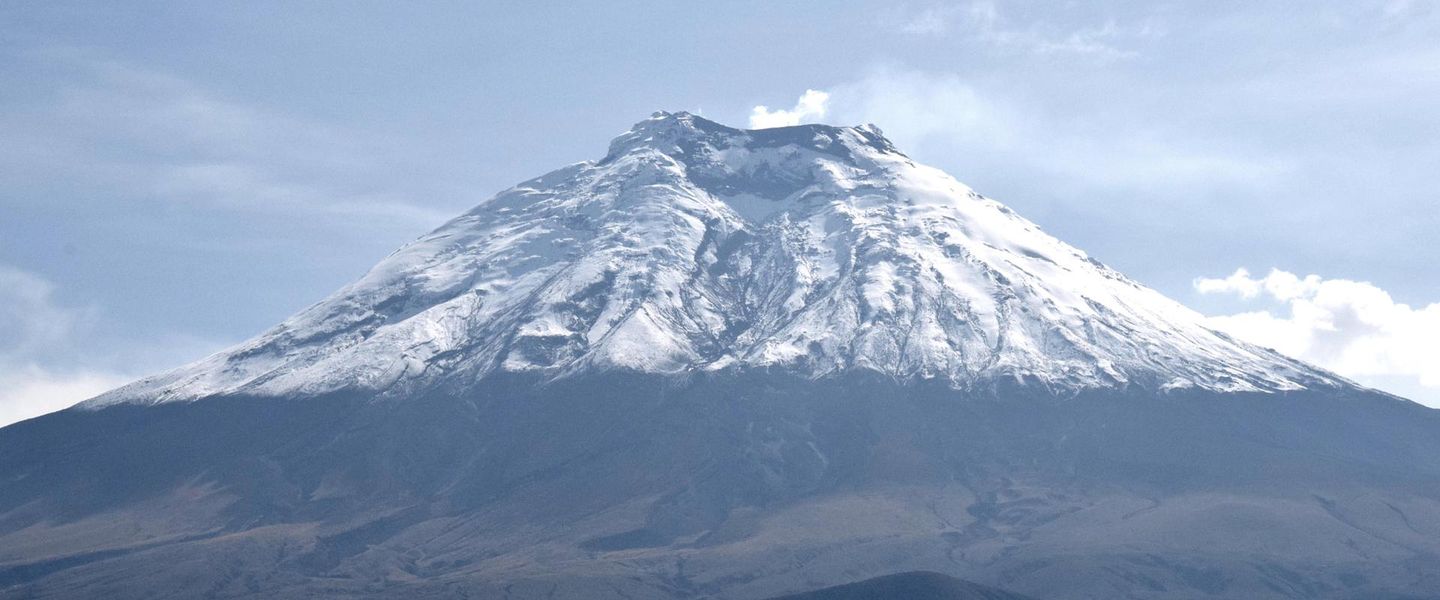


Explore Ecuador’s Sierra for volcanic landscapes, historic Quito and Cuenca, Indigenous markets, highland villages and remarkable Andean walking routes.
Read more about Sierra
When is the best time to visit Sierra?
Best: May–June, September · 25–27°C| Month | High (°C) | Rainfall (mm) |
|---|---|---|
| January | 19 | 50 |
| February | 19 | 40 |
| March | 21 | 30 |
| April | 22 | 20 |
| May (best) | 25 | 10 |
| June (best) | 27 | 5 |
| July | 29 | 3 |
| August | 29 | 5 |
| September (best) | 26 | 10 |
| October | 23 | 20 |
| November | 19 | 30 |
| December | 18 | 40 |
Getting to and around Sierra
How to get there
Transportation
Top city travel guides in Sierra
The cities of Sierra, and the easiest places to base yourself.
-

-
-

-

-

-


Swipe for more cities
Destinations in Sierra
Resorts, valleys and scenic spots worth a trip of their own.
-
-

-

-

-
-


Swipe for more destinations
Best attractions in Sierra
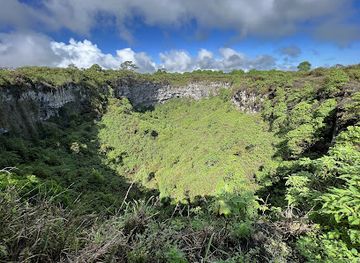
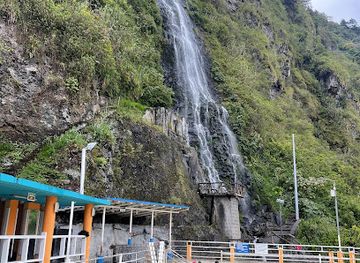
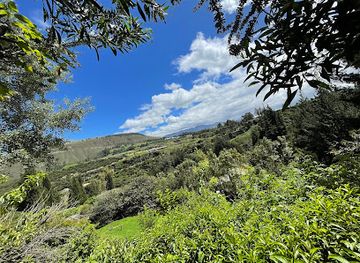
The Sierra’s attractions are spread along a chain of highland valleys and mountain roads rather than concentrated in one resort. Quito’s historic centre offers churches, convents, plazas and museums, while the TelefériQo provides access to high slopes of Pichincha and broad city views. North of the capital, Otavalo’s market traditions, the shores of Lago San Pablo and the volcanic scenery around Imbabura create a strong cultural and landscape itinerary. Central Ecuador is the setting for Cotopaxi National Park, Quilotoa and the highlands around Chimborazo, where walking, cycling, wildlife observation and mountaineering are popular. Baños, on the region’s eastern edge, combines thermal bathing with access to waterfalls and forested valleys. In the south, Cuenca’s museums and historic streets lead towards Cajas National Park, whose lakes and wetlands reward prepared walkers. Archaeological interests include Ingapirca, the most important known Inca-related site in Ecuador, while smaller towns provide markets, churches and craft traditions. Conditions at high altitude can be demanding, and many outdoor attractions require warm clothing, sturdy footwear and careful planning.
-
Tourist attraction
Parque Nacional Galápagos
Discover the breathtaking beauty and unique wildlife of Galápagos National Park, a must-visit destination for nature lovers and adventure seekers.
-
Theme park
ANIMALPARK PARQUE TEMÁTICO
Experience thrilling rides, engaging animal encounters, and fun-filled family adventures at ANIMALPARK PARQUE TEMÁTICO in Baños de Agua Santa.
-
Tourist attraction
Termas de la Virgen
Experience the natural thermal springs of Termas de la Virgen in Baños, Ecuador, where relaxation meets stunning natural beauty.
-
Tourist attraction
Criadero de venados
Discover the beauty of nature at Criadero de Venados, a wildlife sanctuary in Cayambe where you can feed deer and emus amidst breathtaking landscapes.
Best landmarks in Sierra
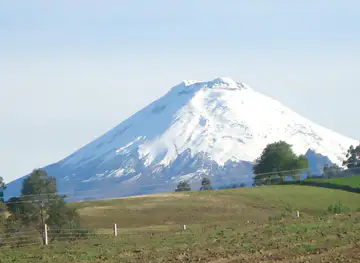
Quito’s historic centre is the Sierra’s most recognisable architectural landmark, with La Compañía de Jesús, the Basilica del Voto Nacional, San Francisco and Plaza de la Independencia forming a dense ensemble of colonial and republican buildings. The equatorial monument at Ciudad Mitad del Mundo lies near Quito in the wider northern highlands and is commonly visited from the capital, although visitors should distinguish the attraction from the mountains themselves. Cotopaxi, one of the world’s best-known active volcanoes, dominates views across the central Sierra, while Chimborazo rises above the landscapes around Riobamba and is Ecuador’s highest summit. Quilotoa’s flooded volcanic crater is a defining natural landmark of the western highlands. In Cuenca, the blue-domed Catedral de la Inmaculada Concepción and the city’s red-tiled historic streets express the region’s colonial and republican heritage. Ingapirca’s stone structures preserve the most prominent visible Inca architectural legacy in Ecuador, set within the southern highlands associated with the Cañari and Inca past.
-
 Monument
Middle of the World City
Experience the thrill of straddling the world's hemispheres at the Middle of the World City, a monument to science and Ecuadorian culture near Quito.
-
Tourist attraction
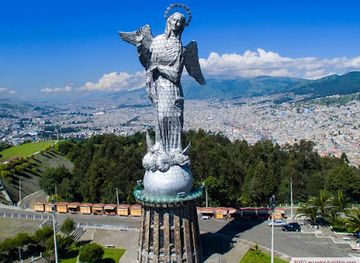
Virgin of the Panecillo
Discover Quito's iconic Virgin of the Panecillo, a stunning monument offering breathtaking views and a glimpse into Ecuadorian culture.
-
Tourist attraction
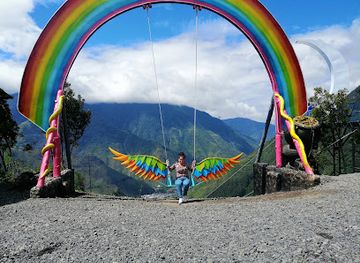
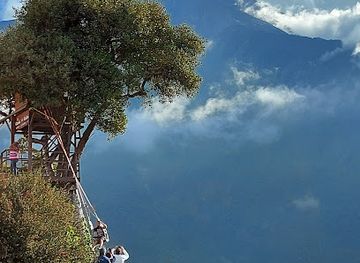
La Casa del Arbol
Experience the thrill of the 'Swing at the End of the World' at La Casa del Arbol, with breathtaking views of the Tungurahua volcano near Baños, Ecuador.
-
Tourist attraction
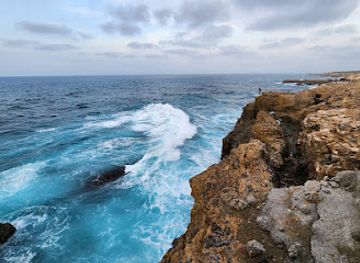
La Chocolatera
Experience the breathtaking views and rich chocolate culture at La Chocolatera, a must-visit attraction in Salinas, Ecuador.
Explore Sierra on the map
Plan your trip on one map. See where the top cities, national parks and sights are, and book hotels and experiences in a few clicks.
Best hotels in Sierra
Best restaurants in Sierra
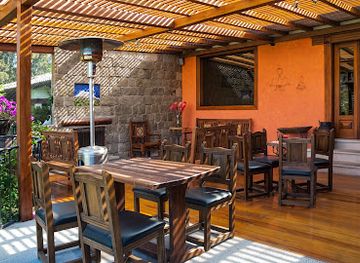
Highland food in Ecuador is based on maize, potatoes, grains, pork, dairy products and vegetables, with recipes changing between valleys and provinces. Locro de papas, a potato and cheese soup often served with avocado, is a familiar Sierra dish, while mote, llapingachos, hornado and fritada appear in markets and traditional eateries. Quito and Cuenca offer the broadest choice, from historic cafés and contemporary restaurants to regional cooking in neighbourhood dining rooms. In smaller towns, food markets and roadside establishments are useful places to try soups, grilled meats, tamales, humitas and fresh juices. Otavalo and other northern communities are known for foods associated with Kichwa traditions, while the central highlands have strong links to maize, potatoes and dairy farming. Sweet treats such as quesadillas quiteñas and regional breads vary by locality. Ecuadorian coffee, chocolate and fruit from lower valleys are increasingly represented in urban cafés, although the Sierra’s food identity remains closely connected to daily markets and home-style cooking.
-
Ecuadorian
Raymipampa Restaurant
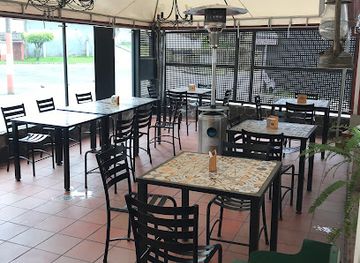
Discover the flavors of Ecuador at Raymipampa Restaurant in Cuenca - an authentic dining experience amidst stunning surroundings.
-
Nuevo Latino restaurant
Hotel Hacienda Abraspungo
Discover Ecuador's rich flavors at Hotel Hacienda Abraspungo - where Nuevo Latino cuisine meets breathtaking Andean landscapes.
-
Restaurant
Centro turístico gastronómico María Diocelina
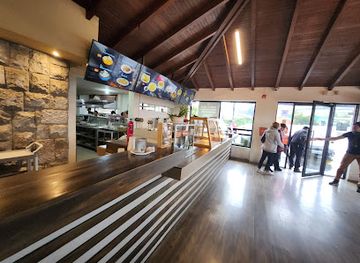
Discover authentic Sierra cuisine at Centro Turístico Gastronómico María Diocelina in Mocha – a must-visit culinary destination for every traveler.
-
Ecuadorian
Las gallinas de Pinllo Gallo Pinto
Experience the heart of Ecuadorian cuisine at Las Gallinas de Pinllo Gallo Pinto in Puyo - a culinary delight not to be missed!
Best bars in Sierra
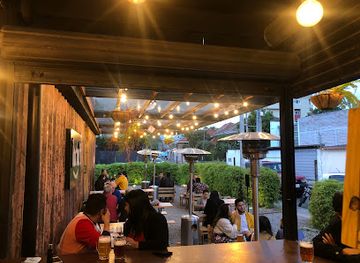
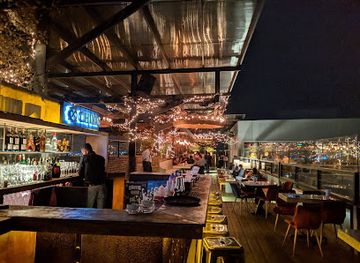
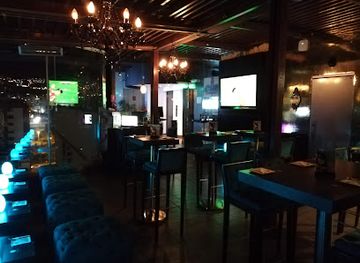
Nightlife in the Sierra varies greatly by city. Quito has the country’s broadest evening scene, including bars, live-music venues, restaurants and clubs concentrated in areas such as La Mariscal and La Floresta, although individual businesses and opening patterns change. Cuenca has a more compact selection of traditional bars, cafés, cultural venues and student-oriented nightlife, with evenings often beginning around restaurant districts and historic streets. In university towns such as Loja and Riobamba, bars and music venues provide a modest local scene, while smaller highland settlements generally centre their evenings on family restaurants, cafés and traditional pubs rather than nightclubs. Baños is more geared towards visitors and has a livelier bar scene than many rural mountain towns. Craft beer, Ecuadorian spirits and cocktails are available in larger urban areas, but altitude can intensify the effects of alcohol, so moderation and reliable transport are sensible precautions.
-
Brewpub
Lacraft Beer Garden
Experience the vibrant ambiance and exceptional craft beers at Lacraft Beer Garden in Cuenca, Ecuador, where local culture meets delicious brews.
-
Grill
Vento RoofTop
Experience exquisite dining with stunning views at Vento RoofTop, a premier grill restaurant in Samborondón.
-
Bar
Crater Rooftop Bar
Experience breathtaking views and a vibrant atmosphere at Crater Rooftop Bar in Baños, where delightful cocktails and local cuisine await.
-
Bar
Vértigo Rooftop
Discover Vértigo Rooftop, where stunning Quito views meet vibrant nightlife and exquisite cocktails in a stylish bar atmosphere.

Best nightclubs in Sierra
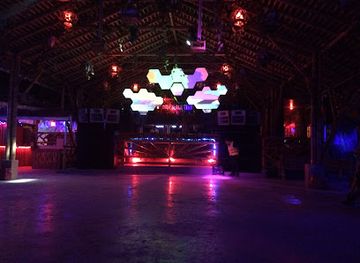
Nightlife in the Sierra varies greatly by city. Quito has the country’s broadest evening scene, including bars, live-music venues, restaurants and clubs concentrated in areas such as La Mariscal and La Floresta, although individual businesses and opening patterns change. Cuenca has a more compact selection of traditional bars, cafés, cultural venues and student-oriented nightlife, with evenings often beginning around restaurant districts and historic streets. In university towns such as Loja and Riobamba, bars and music venues provide a modest local scene, while smaller highland settlements generally centre their evenings on family restaurants, cafés and traditional pubs rather than nightclubs. Baños is more geared towards visitors and has a livelier bar scene than many rural mountain towns. Craft beer, Ecuadorian spirits and cocktails are available in larger urban areas, but altitude can intensify the effects of alcohol, so moderation and reliable transport are sensible precautions.
-
Disco club
Discoteca Nidia Fuzzion Party
Discover the vibrant nightlife of Cuenca at Discoteca Nidia Fuzzion Party, where music, dance, and fun create unforgettable moments.
-
Disco club
Volcan Bar Disc
Dance the night away at Volcan Bar Disc, the heartbeat of Banos' nightlife scene, where vibrant music and a lively atmosphere await.
-
Disco club
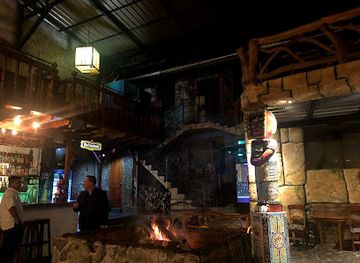
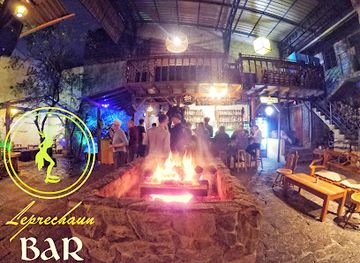
Leprechaun Bar
Discover the pulsating nightlife of Baños de Agua Santa at Leprechaun Bar, where vibrant music and delicious drinks create unforgettable memories.
-
Night club
Lost Beach Club
Experience the vibrant nightlife at Lost Beach Club in Montañita, Ecuador, where stunning ocean views and electrifying music create unforgettable memories.

Best shops in Sierra
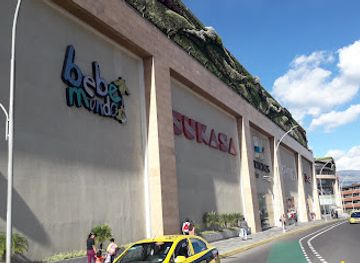
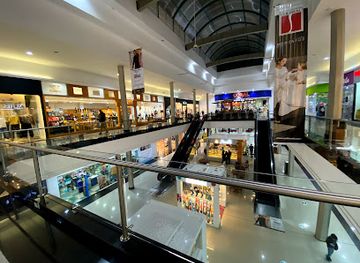
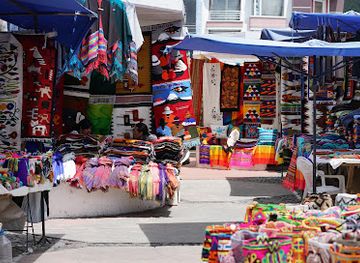
Shopping in the Sierra ranges from Indigenous market traditions to sophisticated urban craft and design shops. Otavalo is the best-known centre for woven textiles, hats, bags, jewellery and household goods, with the market spreading through central streets and expanding on its principal market days. Visitors should compare quality, ask about materials and buy respectfully rather than treating traditional objects as curiosities. Quito and Cuenca have independent galleries, bookshops, artisan stores and food retailers offering Ecuadorian chocolate, coffee, ceramics, leather goods and contemporary design. Cuenca is particularly associated with workshops and shops selling ceramics, jewellery and textiles, while smaller towns provide weekly produce and livestock markets with a more local purpose. Highland food products, including chocolate, coffee, preserves, grains and cheeses, make practical souvenirs, provided import rules at the destination country are checked. Bargaining may be accepted in some open markets, but it is less appropriate in fixed-price shops and galleries.
-
Shopping mall
Scala Shopping Mall
Discover endless shopping, dining, and entertainment at Scala Shopping Mall in Quito, the ultimate destination for tourists seeking local culture.
-
Shopping mall
Mall Del Río
Explore Mall Del Río in Cuenca, a vibrant shopping paradise with diverse stores, exquisite dining, and cultural experiences for every traveler.
-
Shopping mall
"Andes" Shopping Mall
Experience shopping bliss at 'Andes' Shopping Mall in Ambato, Ecuador, featuring diverse stores, delicious food, and family entertainment.
-
Shopping mall
Plaza de Ponchos
Explore the vibrant Plaza de Ponchos, where culture, crafts, and community come together in a colorful marketplace of Otavalo, Ecuador.

Get your free copy of our complete guide to Sierra, delivered straight to you.
Everything on this page, from attractions and restaurants to essentials and local phrases, in one PDF you can read offline, print or share.
Already have an account? Sign in
Your Sierra guide is ready.
We'll send it to · Not you? Sign out

Getting your guide ready…
We are putting together a fresh copy of the Sierra guide. This can take up to a minute.
This can take a few moments. If your browser asks, choose Allow so the download can start. You'll find the guide in your Downloads folder.
Nothing happened? Download it again
Sorry, the guide is taking longer than usual. Please try again in a minute, or get it by email instead.
Sierra essentials
Currency and Payment
Safety
Emergency Situations
Do's and Don'ts
Local Tips
From Eve
Local phrases worth knowing
You don't need to get them perfect. A few words go a long way, and locals appreciate the effort.
Basics
| English | Local | Say it |
|---|---|---|
| Hello | Hola | [OH-lah] |
| Goodbye | Adiós | [ah-DYOS] |
| Yes | Sí | [SEE] |
| No | No | [NO] |
| Please/You're welcome | Por favor | [por fah-VOR] |
| Thank you | Gracias | [GRAH-syas] |
| Excuse me/Sorry | Perdón | [pair-DON] |
| How are you? | ¿Cómo estás? | [KOH-moh es-TAS] |
| Fine. And you? | Bien. ¿Y tú? | [BYEN. ee TOO] |
| Do you speak English? | ¿Hablas inglés? | [AH-blas een-GLES] |
| I don't understand | No entiendo | [NO en-TYEN-do] |
Eating & Drinking
| English | Local | Say it |
|---|---|---|
| I'd like to see the menu, please | Quisiera ver el menú, por favor | [kee-SYEH-rah vehr el meh-NOO, por fah-VOR] |
| I don't eat meat | No como carne | [NO KOH-mo KAR-neh] |
| Cheers! | ¡Salud! | [sah-LOOD] |
| I would like to pay, please | Quisiera pagar, por favor | [kee-SYEH-rah pah-GAR, por fah-VOR] |
Emergencies
| English | Local | Say it |
|---|---|---|
| Help! | ¡Ayuda! | [ah-YOO-dah] |
| Go away! | ¡Vete! | [VEH-teh] |
| Call the Police! | ¡Llame a la policía! | [YAH-meh ah lah pol-EE-SEE-ah] |
| Call a doctor! | ¡Llame a un doctor! | [YAH-meh ah oon dok-TOR] |
| I'm lost | Estoy perdido | [es-TOY pair-DEE-do] |
| I'm ill | Estoy enfermo | [es-TOY en-FER-mo] |
Shopping
| English | Local | Say it |
|---|---|---|
| I'd like to buy... | Quisiera comprar... | [kee-SYEH-rah kom-PRAR] |
| I'm just looking | Solo estoy mirando | [SOH-lo es-TOY mee-RAN-do] |
| How much is it? | ¿Cuánto cuesta? | [KWAN-toh KWES-tah] |
| That's too expensive | Es muy caro | [es mwee KAH-ro] |
| Can you lower the price? | ¿Puedes bajar el precio? | [PWEH-des bah-HAR el PREH-syo] |
Time & Numbers
| English | Local | Say it |
|---|---|---|
| What time is it? | ¿Qué hora es? | [KEH OH-rah es] |
| It's one o'clock | Es la una | [es lah OO-nah] |
| Half past (10) | Y diez y media | [ee dyas ee MEH-dee-ah] |
| Morning | Mañana | [mah-NYAH-nah] |
| Afternoon | Tarde | [TAR-deh] |
| Evening | Noche | [NOH-cheh] |
| Yesterday | Ayer | [ah-YER] |
| Today | Hoy | [OY] |
| Tomorrow | Mañana | [mah-NYAH-nah] |
| 1 | Uno | [OO-no] |
| 2 | Dos | [DOS] |
| 3 | Tres | [TRES] |
| 4 | Cuatro | [KWA-tro] |
| 5 | Cinco | [SEEN-koh] |
| 6 | Seis | [SAYS] |
| 7 | Siete | [SYEH-teh] |
| 8 | Ocho | [OH-choh] |
| 9 | Nueve | [NWEH-veh] |
| 10 | Diez | [DYAS] |
Transport & Directions
| English | Local | Say it |
|---|---|---|
| Where's a/the...? | ¿Dónde está...? | [DON-deh es-TAH] |
| What's the address? | ¿Cuál es la dirección? | [KWAL es lah dee-rek-SYON] |
| Can you show me (on the map)? | ¿Puedes mostrarme (en el mapa)? | [PWEH-des mohs-TRAR-meh (en el MAH-pah)] |
| When's the next (bus)? | ¿Cuándo sale el próximo (autobús)? | [KWAN-do SAH-leh el PROK-see-mo (ow-toh-BOOS)] |
| A ticket (to ....) | Un boleto (a ....) | [OON boh-LEH-to (ah ....)] |
History of Sierra
Pre-Columbian Highland Civilisations
Long before Spanish arrival, the Andean valleys supported farming communities that cultivated maize, potatoes, quinoa and other crops suited to different elevations. Northern highland societies included the Caranqui and other peoples whose settlements, earthworks and agricultural landscapes remain part of the archaeological record. In the south, the Cañari developed important communities before the region was incorporated into the Inca state. Their legacy survives in place names, agricultural practices, ceramics and oral traditions, even though many archaeological sites have been altered by later settlement.
Inca Expansion and Tomebamba
The Inca state expanded into the Ecuadorian Andes during the late fifteenth century, encountering established communities and incorporating the highlands into its imperial network. Tomebamba, in the area of present-day Cuenca, became a major northern centre and was associated with the Inca ruler Huayna Capac. Roads, administrative settlements and religious institutions connected the region to the wider empire. Inca influence was substantial but relatively recent when the Spanish arrived, and many highland communities retained distinct identities and local authority.
Spanish Conquest and Colonial Quito
Spanish forces conquered the Andean territories in the sixteenth century, establishing colonial institutions, Catholic missions and systems of land and labour control. Quito became an important administrative and religious centre within the Viceroyalty of Peru and later the Audiencia of Quito. Churches, monasteries, civic buildings and carved interiors visible in the historic centre reflect the development of the Quito School of art, in which European forms were reshaped by Indigenous and mestizo artists. Colonial society also transformed landholding, language, belief and trade throughout the Sierra.
Independence and the Battle of Pichincha
The independence movement reached a decisive stage in the Quito highlands in 1822. On 24 May, forces led by Antonio José de Sucre defeated Spanish royalist troops on the slopes of Pichincha, above Quito. The victory secured the liberation of Quito and contributed to the wider independence campaign in northern South America. It also marked a political transition rather than an immediate social transformation: colonial inequalities, concentrated landholding and Indigenous exploitation continued in different forms after independence.
Agriculture, Haciendas and Highland Trade
For centuries, the Sierra economy was shaped by agriculture, livestock and trade between highland valleys and lower ecological zones. Colonial and republican haciendas concentrated land and labour, while Indigenous communities maintained collective and smallholder farming traditions. Wheat, barley, maize, potatoes, dairy products and vegetables became important regional products. Market towns such as Otavalo, Latacunga, Riobamba and Ambato developed as exchange points, linking rural producers with larger cities and helping preserve the Sierra’s strong tradition of weekly markets.
Railways, Roads and National Integration
Transport improvements changed the relationship between the highland cities during the nineteenth and twentieth centuries. The railway associated with President Eloy Alfaro linked coastal and Andean regions through difficult mountain terrain, while later roads and highways made intercity travel more practical. Rail services have not remained the principal means of transport across the Sierra, but the railway’s historical importance is still visible in towns, bridges and engineering works. Modern highways continue to follow the major north–south corridors between Quito, the central highlands and Cuenca.
Modern Indigenous Movements and Cultural Renewal
The Sierra has been central to Ecuador’s Indigenous political and cultural movements. Kichwa communities and organisations have campaigned for land rights, education, language recognition and political representation, particularly since the late twentieth century. Otavalo, the central highlands and the southern Andes each have distinct community histories rather than a single Indigenous identity. Contemporary festivals, weaving, music, bilingual education and market activity show how Indigenous cultures remain living parts of the region, not merely historical subjects.
Sierra in Photos
Browse through our photo collection highlighting the charm and character of the destination.
Neighbouring regions of Sierra
The closest regions to Sierra, if you have time for more than one.
-

-

-
-

-


Swipe for more regions
Explore more

Explore more of Ecuador
Explore Ecuador: From the Amazon rainforest and Andean highlands to the Pacific coast and Galápagos Islands, discover diverse landscapes and vibrant cultures.
Explore Ecuador