
Orellana Region, Ecuador Travel Guide
Explore the Orellana Region in Ecuador: A gateway to the Amazon with rich biodiversity, indigenous cultures, and thrilling eco-adventures in Yasuni National Park.
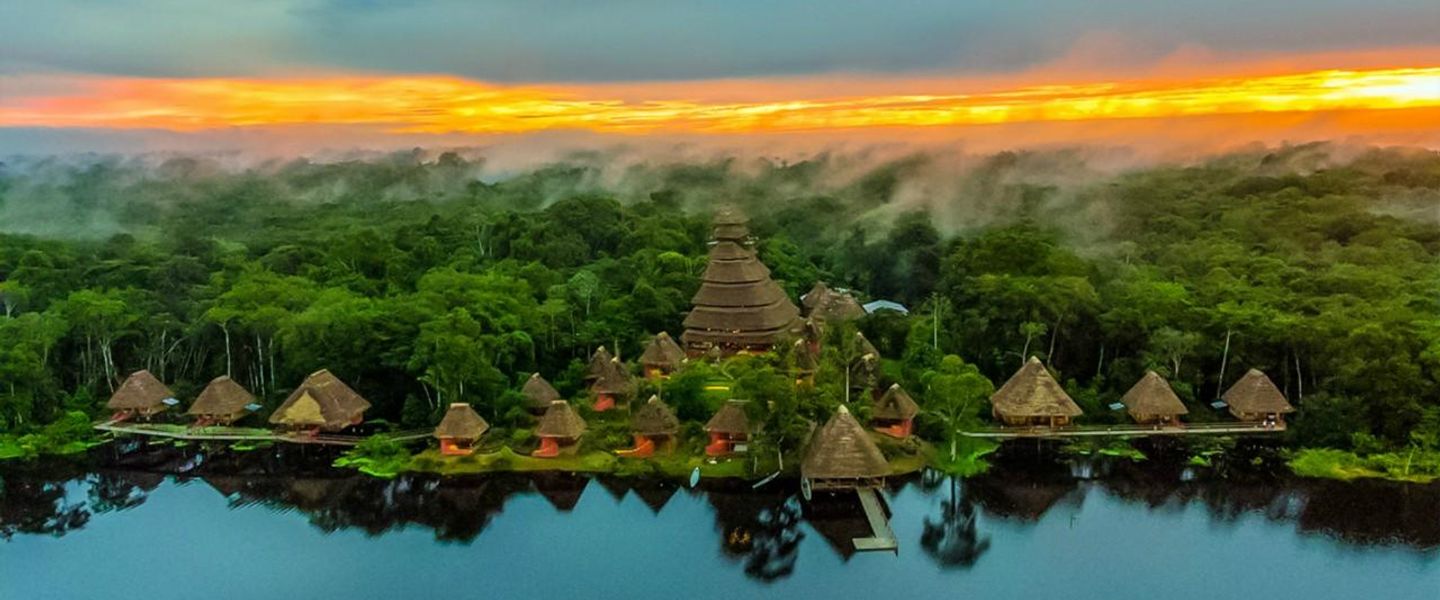
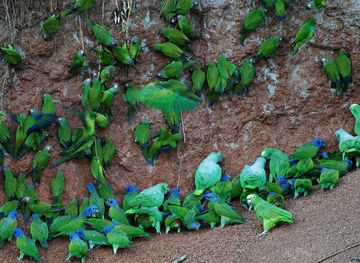
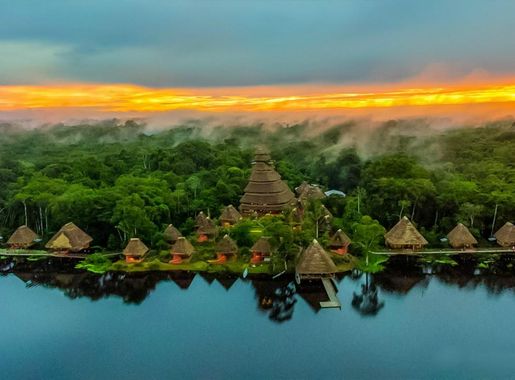
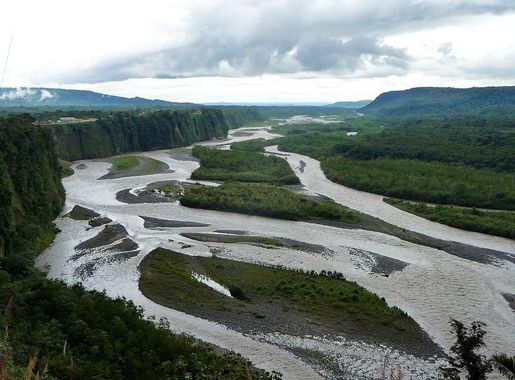
Nestled in the heart of the Ecuadorian Amazon, the Orellana Region offers an unparalleled adventure into one of the world's most biodiverse areas. This lush, green paradise is home to Yasuni National Park, a UNESCO Biosphere Reserve, where visitors can marvel at the stunning variety of wildlife, including jaguars, pink river dolphins, and countless bird species. The park's dense rainforests, winding rivers, and rich indigenous cultures provide an immersive experience that connects you to nature and history. Discover the lively town of Coca, the gateway to the region, where you can start your journey with a visit to the local markets and riverside cafes. From there, embark on guided tours, boat trips, or even a stay in an eco-lodge to fully experience the wonders of the Amazon. The community-led tourism initiatives allow you to engage with the native Kichwa and Huaorani tribes, gaining deep insights into their traditional ways of life and sustainable practices. For those seeking adventure, the Orellana Region does not disappoint. Kayaking, canopy walks, and night safaris are just a few of the thrilling activities that await. Whether you're a wildlife enthusiast, a cultural explorer, or simply in search of tranquility, the Orellana Region promises an unforgettable journey into the heart of Ecuador's natural beauty.

Know before you go
Hi, I'm Eve. Here are a few practical things to know before exploring Orellana Region.
- Pack lightweight, breathable clothing and insect repellent to stay comfortable in the humid rainforest climate.
- Hire local guides for the best wildlife spotting opportunities and cultural insights.
- Respect local customs and traditions when visiting indigenous communities.
- Bring a good pair of binoculars and a camera with a zoom lens for capturing the diverse wildlife.
- Stay in eco-lodges to support sustainable tourism practices and minimize your environmental footprint.
- Book tours and accommodations in advance, especially during peak travel seasons.
Top City Travel Guides in Orellana Region
The cities of Orellana Region, and the easiest places to base yourself.


Destinations in Orellana Region
Resorts, valleys and scenic spots worth a trip of their own.


Explore Orellana Region: Things to Do, Places to Eat, Hotels & More
Handpicked recommendations for top attractions, local dining, accommodations, and more

Top Attractions & Sightseeing in Orellana Region
Top-rated picks
Best Attractions

Malecon Puerto Francisco de Orellana
Explore the enchanting Malecon Puerto Francisco de Orellana, a serene riverside park where nature and culture unite in Coca, Ecuador.

Coca Zoo
Explore Coca Zoo in Ecuador, an interactive wildlife sanctuary teeming with exotic animals and lush Amazonian landscapes, perfect for family adventures.

Centro turístico los Caimanes
Discover the natural beauty and adventure waiting for you at Centro Turístico Los Caimanes, an unforgettable tourist attraction in Ecuador.

Best landmarks in Orellana Region
Top-rated picks
Best Landmarks

Middle of the World City
Explore the wonders of the Middle of the World City in Quito, where culture, science, and breathtaking views converge at the equator.

Malecon Puerto Francisco de Orellana
Discover the beauty and vibrant culture of Malecon Puerto Francisco de Orellana, a stunning waterfront park in Coca, Ecuador.
Parque Nacional Yasuní
Explore Parque Nacional Yasuní, Ecuador's breathtaking national park rich in biodiversity and indigenous culture, a haven for nature enthusiasts and adventure seekers.

Museo MACCO
Explore the archaeological treasures of Museo MACCO in Coca, Ecuador, and connect with the rich heritage of the Amazonian cultures.

Best restaurants in Orellana Region
Top-rated picks
Best Restaurants

Casa Res Steak House
Experience the best of Guayaquil's culinary scene at Casa Res Steak House with exquisite meats and vibrant atmosphere.
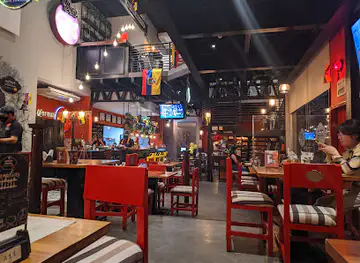
Central 593
Experience the vibrant flavors of Ecuadorian cuisine at Central 593 in Guayaquil's bustling Plaza Orellana.

Zazu
Discover Ecuadorian culinary excellence at Zazu, where traditional flavors meet modern fine dining in the heart of Quito.

El Rincón Del Manaba De Las Orquideas
Discover authentic Ecuadorian seafood and breakfast delights at El Rincón Del Manaba De Las Orquideas in Guayaquil.

Best bars in Orellana Region
Top-rated picks
Best Bars

Bandidos Del Paramo
Experience the vibrant flavors of Quito at Bandidos Del Paramo, a top-rated gastropub offering an eclectic menu and a lively atmosphere.

Central 593
Discover Central 593 in Guayaquil: A vibrant blend of Ecuadorian flavors and contemporary cuisine awaits you at this lively restaurant and bar.

Papa Dan's
Discover the vibrant nightlife of Coca at Papa Dan's, a lively bar offering a diverse drink selection and a welcoming atmosphere for all.

T-Kila Club
Dive into the vibrant nightlife of Tulcán at T-Kila Club, a popular pub and disco offering music, dancing, and a lively atmosphere.

Best nightclubs in Orellana Region
Top-rated picks
Best Nightclubs

Bungalow 6
Experience the vibrant nightlife of Quito at Bungalow 6, the ultimate disco club with electrifying music, exquisite cocktails, and a lively atmosphere.

Discoteca Los Pomos
Discover the lively nightlife of Discoteca Los Pomos in Coca, where vibrant music and dance create an unforgettable experience.

Danzatoria (Kika Dance Club)
Experience the vibrant nightlife of Quito at Danzatoria, where dance, music, and energy come together for an unforgettable evening.

Night Cat Internacional
Night Cat Internacional in Coca, Ecuador, offers an unforgettable nightlife experience with vibrant music, a lively atmosphere, and a diverse drink selection.

Best shops in Orellana Region
Top-rated picks
Best Shops

Mall del Sol
Discover the vibrant shopping experience at Mall del Sol in Guayaquil, Ecuador, where culture meets modern retail and dining.

El Jardín Mall
Discover El Jardín Mall in Quito for an exceptional shopping experience with diverse stores, delightful dining, and family-friendly entertainment.

Megamaxi
Explore Quito's vibrant shopping culture at Megamaxi, the ultimate supermarket for locals and tourists with a wide selection of products.

Scala Shopping Mall
Explore Scala Shopping Mall in Quito, where luxury meets local charm. A prime destination for shopping, dining, and entertainment.

Explore Orellana Region on the Map
A handpicked selection of must-see spots in Orellana Region, mapped for you.
Orellana Region Essentials
-
The Orellana Region is located in the Amazon rainforest in Ecuador. The nearest airport is Francisco de Orellana Airport (also known as Coca Airport), located in the city of Coca. There are daily flights from Quito, the capital of Ecuador, to Coca, which take about 30 minutes. From Coca, you can travel by road or river to other parts of the Orellana Region. Bus services are available, but for remote areas, riverboats are often the best option.
-
In the Orellana Region, local transportation includes taxis, buses, and riverboats. Taxis are plentiful in Coca and can be a convenient way to travel short distances. Buses connect Coca with other towns and villages in the region. For exploring the Amazon rainforest, riverboats are essential and can be arranged through local tour operators. Renting a car is possible in Coca, but be aware that road conditions can be challenging, especially during the rainy season.
-
The official currency in Ecuador is the US Dollar (USD). Credit cards are accepted in most hotels, restaurants, and larger stores in Coca, but in rural areas, cash is preferred. ATMs are available in Coca, but it's advisable to carry enough cash when traveling to more remote areas. Ensure you have small denominations, as getting change for larger bills can be difficult.
-
The Orellana Region is generally safe for tourists, but standard precautions should be taken. Coca has some areas where petty crime, such as pickpocketing, can occur, particularly in crowded places. Avoid walking alone at night and keep your belongings secure. When traveling in remote areas, always go with a reputable guide or tour operator. The rainforest can be dangerous if you're not experienced, so never venture out alone.
-
In case of an emergency, dial 911 for immediate assistance. Coca has a hospital and several clinics that provide medical care. It's highly recommended to have travel insurance that covers medical emergencies, including evacuation. For minor health issues, there are pharmacies in Coca where you can purchase over-the-counter medications. If you are in a remote area, contact your tour guide or the nearest community for help.
-
Fashion: Do wear lightweight, long-sleeved clothing to protect against insects and the sun. Don't wear flashy jewelry or expensive watches. Religion: Do respect local customs and traditions. Some communities may have specific practices; always ask before taking photos. Public Transport: Do be courteous and offer your seat to elderly passengers. Don't eat or drink on buses. Greetings: Do greet people with a handshake or a simple 'hola'. Eating & Drinking: Do try local delicacies and accept food offerings graciously. Don't refuse hospitality, as it is considered impolite.
-
To experience Orellana Region like a local, visit the local markets in Coca where you can buy fresh produce and traditional Amazonian goods. Engage with locals, as they are often friendly and willing to share stories about their culture and the rainforest. Don't miss visiting Yasuni National Park, one of the most biodiverse places on Earth. For a unique experience, take a night tour of the rainforest to see nocturnal wildlife.
When is the best time to visit Orellana Region?
Useful Local Phrases for Orellana Region
You don't need to speak the language perfectly. Even learning a few simple words can make conversations warmer—and locals usually appreciate the effort.
— Eve

Here are the phrases I use most often in Orellana Region. Try a few—you'll be surprised how far they go! 😊
❤️
-
- HelloHola
[O-la] - GoodbyeAdiós
[A-dee-os] - YesSí
[See] - NoNo
[No] - Please/You're welcomePor favor
[Por fa-vor] - Thank youGracias
[Gra-thias] - Excuse me/SorryDisculpe
[Dis-kul-pe] - How are you?¿Cómo estás?
[Ko-mo es-tas] - Fine. And you?Bien. ¿Y tú?
[Bee-en. Eee tu] - Do you speak English?¿Hablas inglés?
[A-blas in-glez] - I don't understandNo entiendo
[No en-tien-do]
- HelloHola
-
- I'd like to see the menu, pleaseMe gustaría ver el menú, por favor
[Me gus-ta-ria ver el me-nu, por fa-vor] - I don't eat meatNo como carne
[No co-mo car-ne] - Cheers!¡Salud!
[Sa-lud] - I would like to pay, pleaseMe gustaría pagar, por favor
[Me gus-ta-ria pa-gar, por fa-vor]
- I'd like to see the menu, pleaseMe gustaría ver el menú, por favor
-
- Help!¡Ayuda!
[A-yu-da] - Go away!¡Vete!
[Ve-te] - Call the Police!¡Llama a la policía!
[Ya-ma a la po-li-cia] - Call a doctor!¡Llama a un médico!
[Ya-ma a un me-di-co] - I'm lostEstoy perdido
[Es-toy per-di-do] - I'm illEstoy enfermo
[Es-toy en-fer-mo]
- Help!¡Ayuda!
-
- I'd like to buy...Me gustaría comprar...
[Me gus-ta-ria com-prar...] - I'm just lookingSolo estoy mirando
[So-lo es-toy mi-ran-do] - How much is it?¿Cuánto cuesta?
[Kwan-to kwes-ta] - That's too expensiveEso es muy caro
[E-so es muy ca-ro] - Can you lower the price?¿Puedes bajar el precio?
[Pwe-des ba-har el pre-cio]
- I'd like to buy...Me gustaría comprar...
-
- What time is it?¿Qué hora es?
[Ke o-ra es] - It's one o'clockEs la una
[Es la u-na] - Half past (10)Y media (10)
[Ee me-dia (diez)] - MorningMañana
[Ma-nya-na] - AfternoonTarde
[Tar-de] - EveningNoche
[No-che] - YesterdayAyer
[A-yer] - TodayHoy
[Oi] - TomorrowMañana
[Ma-nya-na] - 1Uno
[U-no] - 2Dos
[Dos] - 3Tres
[Tres] - 4Cuatro
[Cua-tro] - 5Cinco
[Cin-co] - 6Seis
[Seis] - 7Siete
[Sye-te] - 8Ocho
[O-cho] - 9Nueve
[Nwe-ve] - 10Diez
[Dyez]
- What time is it?¿Qué hora es?
-
- Where's a/the...?¿Dónde está un/una...?
[Don-de es-ta un/una] - What's the address?¿Cuál es la dirección?
[Kwal es la di-rec-cion] - Can you show me (on the map)?¿Puedes mostrarme (en el mapa)?
[Pwe-des mos-trar-me (en el ma-pa)] - When's the next (bus)?¿Cuándo es el próximo (bus)?
[Kwan-do es el pro-xi-mo (bus)] - A ticket (to ....)Un boleto (a ....)
[Un bo-le-to (a ....)]
- Where's a/the...?¿Dónde está un/una...?
History of Orellana Region
-
The Orellana Region is named after Francisco de Orellana, a Spanish explorer who is credited with the first known navigation of the entire length of the Amazon River. In 1541, Orellana embarked on an expedition with Gonzalo Pizarro to explore the eastern territories of the Andes. It was during this journey that he discovered and navigated the Amazon River, which led to the eventual naming of the region in his honor.
-
Before the arrival of Spanish explorers, the Orellana Region was home to various indigenous groups, including the Huaorani, Kichwa, and Shuar people. These communities have rich cultural traditions, languages, and knowledge of the rainforest. They have lived sustainably in the Amazon for centuries, utilizing traditional farming, hunting, and fishing practices. Today, many of these communities still inhabit the region and continue to practice their ancestral ways of life.
-
The arrival of Catholic missionaries in the 17th and 18th centuries had a significant impact on the Orellana Region. Jesuit and Franciscan missionaries established missions to convert indigenous populations to Christianity. While these efforts often led to cultural clashes and changes in indigenous practices, they also contributed to the documentation of local languages and traditions.
-
The discovery of oil in the Orellana Region in the mid-20th century marked a turning point in its history. The first significant oil discovery was made in 1967 by Texaco-Gulf, which led to a rush of oil exploration and extraction activities. This boom brought economic development and infrastructure but also caused environmental degradation and social conflicts, particularly affecting indigenous communities. The impact of oil exploitation remains a contentious issue in the region.
-
Established in 1979, Yasuní National Park is one of the most biodiverse places on earth and covers a significant portion of the Orellana Region. The park was created to protect the unique ecosystems and wildlife of the Amazon rainforest. It is also home to indigenous groups living in voluntary isolation. Yasuní has gained international recognition and has been the focus of conservation efforts, as well as debates over oil extraction within its boundaries.
-
In recent years, there has been a revival of indigenous culture and traditions in the Orellana Region. Indigenous organizations and communities have been working to preserve their languages, customs, and territories. Cultural festivals, traditional crafts, and eco-tourism initiatives are part of this resurgence, helping to promote and sustain the rich cultural heritage of the region while fostering a sense of pride and identity among indigenous peoples.
Neighbouring Regions of Orellana Region
The closest regions to Orellana Region, if you have time for more than one.




Your all‑in‑one travel companion app
Explore expert travel guides, compare and book tours, experiences, hotels, and more—all from the palm of your hand. Download now for seamless trip planning wherever your wanderlust takes you.


Explore More of Ecuador

Looking beyond Orellana Region? Discover Ecuador for broader travel guides, local hot-spots, and regional highlights.
Explore EcuadorOrellana Region in Photos
Browse through our photo collection highlighting the charm and character of the destination.



Orellana Region: Ecuador's Amazonian Paradise
Nestled in the heart of the Ecuadorian Amazon, the Orellana Region offers an unparalleled adventure into one of the world's most biodiverse areas. This lush, green paradise is home to Yasuni National Park, a UNESCO Biosphere Reserve, where visitors can marvel at the stunning variety of wildlife, including jaguars, pink river dolphins, and countless bird species. The park's dense rainforests, winding rivers, and rich indigenous cultures provide an immersive experience that connects you to nature and history. Discover the lively town of Coca, the gateway to the region, where you can start your journey with a visit to the local markets and riverside cafes. From there, embark on guided tours, boat trips, or even a stay in an eco-lodge to fully experience the wonders of the Amazon. The community-led tourism initiatives allow you to engage with the native Kichwa and Huaorani tribes, gaining deep insights into their traditional ways of life and sustainable practices. For those seeking adventure, the Orellana Region does not disappoint. Kayaking, canopy walks, and night safaris are just a few of the thrilling activities that await. Whether you're a wildlife enthusiast, a cultural explorer, or simply in search of tranquility, the Orellana Region promises an unforgettable journey into the heart of Ecuador's natural beauty.