

Free Sucumbíos Region Travel Guide & Mobile App
Explore Sucumbíos Region with free travel guides. Discover regional history, expert tips, proposed trips, and audio guides on web or mobile app.


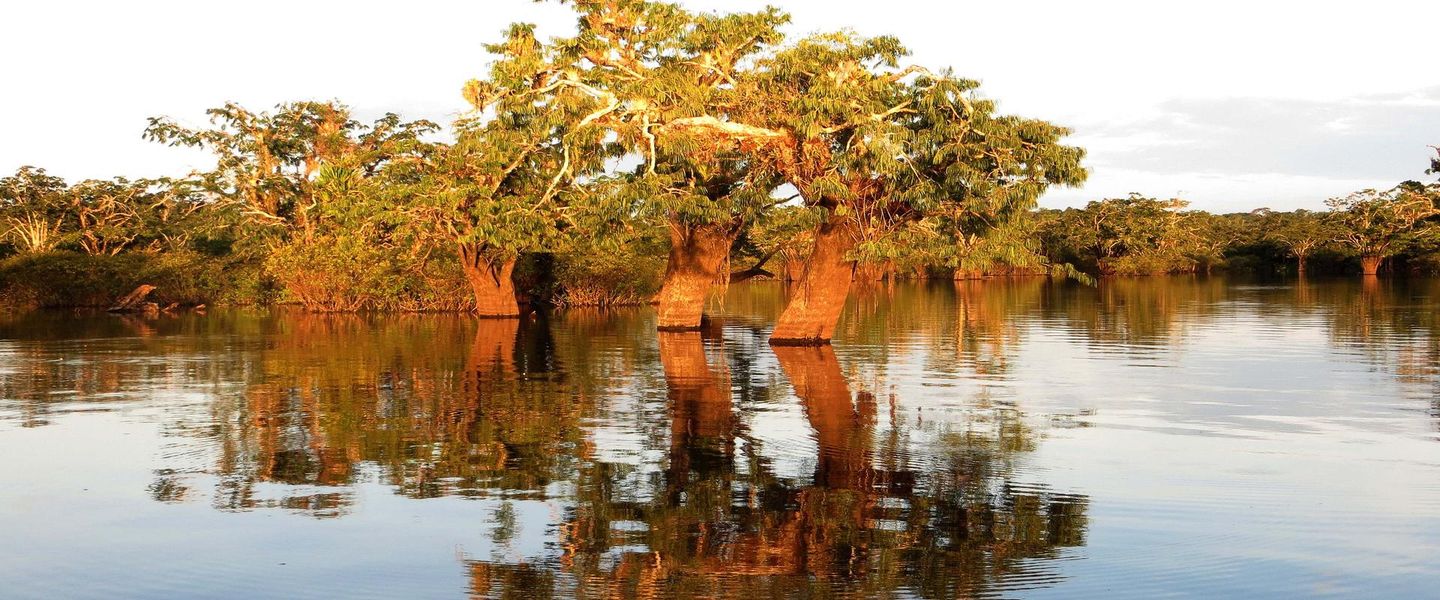


Explore Sucumbíos in Ecuador for Cuyabeno’s waterways, Amazonian wildlife, Indigenous cultures, rainforest reserves and river journeys.
Read more about Sucumbíos Region
When is the best time to visit Sucumbíos Region?
Best: February–March, December · 28°C| Month | High (°C) | Rainfall (mm) |
|---|---|---|
| January | 28 | 350 |
| February (best) | 28 | 330 |
| March (best) | 28 | 340 |
| April | 28 | 350 |
| May | 28 | 360 |
| June | 28 | 370 |
| July | 28 | 380 |
| August | 28 | 370 |
| September | 28 | 360 |
| October | 28 | 350 |
| November | 28 | 340 |
| December (best) | 28 | 330 |
Getting to and around Sucumbíos Region
How to get there
Transportation
Top city travel guides in Sucumbíos Region
The cities of Sucumbíos Region, and the easiest places to base yourself.
-

-


Swipe for more cities
Destinations in Sucumbíos Region
Resorts, valleys and scenic spots worth a trip of their own.
-

-


Swipe for more destinations
Best attractions in Sucumbíos Region
Sucumbíos is primarily an immersion destination, with its greatest attractions found in forest, water and guided encounters rather than in a dense collection of built sites. Cuyabeno Wildlife Reserve is the regional centrepiece, offering canoe journeys through lagoons, flooded forest and narrow channels where visitors may look for monkeys, birds, caimans and river dolphins. Limoncocha Biological Reserve provides a different experience around a lake and lowland forest, with birdwatching and carefully managed night excursions. The Cofán-Bermejo Ecological Reserve protects humid forest on the Andean-Amazon transition and is particularly relevant to conservation and community-led visits. Nueva Loja offers a useful introduction to the region’s oil history, markets and everyday urban life, while El Reventador and surrounding foothill landscapes show the change from flat rainforest to steep, wet terrain. Cultural visits with Cofán, Siona, Secoya, Kichwa or Shuar communities can add depth when arranged respectfully and in advance. Throughout Sucumbíos, guided walking, canoeing, wildlife observation and learning about medicinal plants are more dependable attractions than fixed schedules or conventional sightseeing.
-
Tourist attraction
Virgin of the Panecillo
Experience the breathtaking views and cultural significance of the Virgin of the Panecillo, a must-visit landmark in Quito, Ecuador.
-
City park
Parque Metropolitano Guangüiltagua
Explore the expansive Parque Metropolitano Guangüiltagua, Quito's urban gem, where nature, adventure, and breathtaking views await visitors year-round.
-
Observation deck
El Mirador De Guapulo
Experience the breathtaking views of Quito from El Mirador De Guapulo, an essential destination for tourists and nature lovers alike.
-
Tourist attraction
Cotopaxi- Administration National Park
Discover the breathtaking beauty of Cotopaxi National Park, home to Ecuador's iconic volcano and diverse wildlife amidst stunning highland landscapes.


Best landmarks in Sucumbíos Region
The most recognisable landmarks of Sucumbíos are closely tied to its waterways and changing frontier landscape. The lagoons and flooded channels of Cuyabeno Wildlife Reserve form a defining natural landmark, with forest appearing to rise directly from dark water during the high-water season. Limoncocha Lake is another important geographical feature, surrounded by protected forest and associated with black caimans, birds and nocturnal observation. The Aguarico River and its tributaries provide the practical and visual framework for many journeys through the region, linking communities, lodges and forest reserves. Nueva Loja’s urban landscape, including the civic and commercial growth associated with the petroleum era, represents the modern face of Sucumbíos rather than a preserved colonial centre. In the west, the steep, rain-soaked slopes around El Reventador mark the transition from Amazonian plain to Andean foothills. Together these places express the region’s central contrasts: water and forest, Indigenous territory and extractive development, and lowland rainforest beside volcanic mountain country.
-
Monument
Middle of the World City
Experience the thrill of standing in two hemispheres at once at this iconic monument and cultural complex just north of Quito, Ecuador.
-
Tourist attraction
Virgin of the Panecillo
Visit the iconic Virgin of the Panecillo in Quito for breathtaking panoramic views and a glimpse into the city's rich history and culture.
-
Tourist attraction
La Casa del Arbol
Experience the thrill of the 'Swing at the End of the World' at La Casa del Arbol, offering breathtaking views of the Tungurahua volcano in Baños, Ecuador.
-
National park
Parque Nacional Cotopaxi
Explore Ecuador's iconic Cotopaxi National Park: Hike volcanic landscapes, spot unique wildlife, and witness the beauty of the Andes.


Explore Sucumbíos Region on the map
Plan your trip on one map. See where the top cities, national parks and sights are, and book hotels and experiences in a few clicks.
Best hotels in Sucumbíos Region
Best restaurants in Sucumbíos Region
Dining in Sucumbíos combines everyday Ecuadorian cooking with ingredients and habits associated with the northern Amazon. In Nueva Loja, restaurants and market stalls commonly serve rice, plantain, yuca, soups, grilled meats and freshwater fish, while cafés provide practical stops before journeys into the forest. River fish and preparations based on green plantain or cassava may appear in rural and lodge menus, although offerings vary according to location and season. Amazonian fruits and juices add local colour, and travellers may encounter products such as chontacuro, or palm-worm larvae, in settings where the dish is part of local food culture; it should be approached with respect rather than treated as a novelty. Lodges usually provide set meals because of their remote position, often adapting menus for advance dietary requests. Markets are useful for seeing regional produce, but remote settlements have limited choice, so carry suitable snacks and confirm meal arrangements before travelling by river.
-
Restaurant
PIRARUCÚ
Experience authentic Ecuadorian cuisine at PIRARUCÚ in Nueva Loja - where every dish tells a story.
-
Restaurant
Son Parrilladas "El portal"
Experience authentic Ecuadorian grilled delights at Son Parrilladas 'El Portal' in Nueva Loja - where every bite tells a story.
-
Restaurant
Troncal Burger
Discover Troncal Burger in Nueva Loja – where delicious Ecuadorian burgers meet exceptional value in a welcoming atmosphere.
-
Restaurant
El Guatazo De La Gata
Experience authentic Ecuadorian flavors at El Guatazo De La Gata in Nueva Loja - where tradition meets taste.


Best bars in Sucumbíos Region
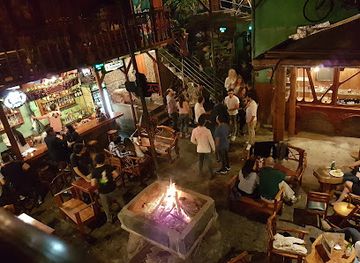
Nightlife in Sucumbíos is concentrated in Nueva Loja, where the region’s largest selection of restaurants, bars, karaoke venues and late-evening social spaces can be found. The atmosphere is more local and practical than the club scenes of Ecuador’s major cities, with activity shaped by the working population, travel schedules and weekends. Smaller towns generally rely on modest bars, eateries and occasional music rather than a broad nightclub circuit. In the rainforest, evenings belong to lodge dining, conversation, guided nocturnal walks and the sounds of the forest; alcohol is available in some accommodation, but it is sensible to drink lightly before canoe trips or walking excursions. Visitors should return to accommodation using trusted transport and confirm local arrangements in unfamiliar urban areas, particularly near border routes.
-
Restaurant
Leprechaun Pub Restaurante Cafetería
Discover the vibrant flavors of Ecuador at Leprechaun Pub Restaurante Cafetería, where local cuisine meets a cozy pub atmosphere in Baños.
-
Restaurant
El Guatazo De La Gata
Experience authentic Ecuadorian cuisine at El Guatazo De La Gata, a culinary gem in Nueva Loja with delightful flavors and a warm atmosphere.
-
Grill
FOLKAFÉ
Discover the authentic taste of Ecuador at Folkafé, a premier grill in Nueva Loja offering a delightful range of grilled dishes and local flavors.
-
Restaurant
Luca Wings
Experience the ultimate wing adventure at Luca Wings, where flavor meets fun in Nueva Loja's vibrant dining scene.


Best nightclubs in Sucumbíos Region
Nightlife in Sucumbíos is concentrated in Nueva Loja, where the region’s largest selection of restaurants, bars, karaoke venues and late-evening social spaces can be found. The atmosphere is more local and practical than the club scenes of Ecuador’s major cities, with activity shaped by the working population, travel schedules and weekends. Smaller towns generally rely on modest bars, eateries and occasional music rather than a broad nightclub circuit. In the rainforest, evenings belong to lodge dining, conversation, guided nocturnal walks and the sounds of the forest; alcohol is available in some accommodation, but it is sensible to drink lightly before canoe trips or walking excursions. Visitors should return to accommodation using trusted transport and confirm local arrangements in unfamiliar urban areas, particularly near border routes.
-
Disco club
Leprechaun Bar
Discover the vibrant nightlife of Baños de Agua Santa at Leprechaun Bar, a lively disco club and bar that promises unforgettable nights filled with music and dance.
-
Disco club
Las Cañitas Free
Dive into the vibrant nightlife of Nueva Loja at Las Cañitas, a premier disco club where you can dance and enjoy music until the early hours.
-
Disco club
JAVIRÚ
Discover the exhilarating nightlife of JAVIRÚ, a top disco club in Nueva Loja, where vibrant music and dancing await every visitor.
-
Dance club
DISCOTECA LAS CAÑAS
Discover the electric atmosphere of Discoteca Las Cañas in Tarapoa – where dancing, karaoke, and unforgettable nights await you.


Best shops in Sucumbíos Region
Shopping in Sucumbíos is centred on practical markets and locally produced goods rather than large-scale retail. Nueva Loja has the region’s broadest choice of shops, food stalls, supermarkets, pharmacies and everyday services, while smaller towns offer more limited high-street commerce. Markets are useful for fresh plantains, yuca, tropical fruit, fish and other supplies for overland journeys, though visitors should not remove plants, wildlife products or objects made from protected species. Community and lodge shops may offer woven items, beadwork, carvings, jewellery or other crafts made by Indigenous artisans, but provenance varies, so ask who made an item and whether its sale directly benefits the community. Packaged Ecuadorian chocolate, coffee and regional foods can make practical gifts when purchased from reputable sellers. In remote areas, retail choices are minimal, and visitors should buy essentials in Nueva Loja before continuing to river lodges or reserves.
-
Shopping mall
El Jardín Mall
Discover El Jardín Mall in Quito: A shopping paradise with international brands, local delicacies, and family-friendly entertainment.
-
Shopping mall
Scala Shopping Mall
Discover Scala Shopping Mall in Quito, where luxury retail meets local charm, offering a unique shopping experience with exquisite dining and entertainment.
-
Shopping mall
"Andes" Shopping Mall
Discover shopping, dining, and entertainment at the Andes Shopping Mall in Ambato, Ecuador - a must-visit for every tourist!
-
Shopping mall
Plaza de Ponchos
Discover the vibrant culture of Otavalo at Plaza de Ponchos, a colorful market filled with exquisite handicrafts and local traditions.


Get your free copy of our complete guide to Sucumbíos Region, delivered straight to you.
Everything on this page, from attractions and restaurants to essentials and local phrases, in one PDF you can read offline, print or share.
Already have an account? Sign in
Your Sucumbíos Region guide is ready.
We'll send it to · Not you? Sign out

Getting your guide ready…
We are putting together a fresh copy of the Sucumbíos Region guide. This can take up to a minute.
This can take a few moments. If your browser asks, choose Allow so the download can start. You'll find the guide in your Downloads folder.
Nothing happened? Download it again
Sorry, the guide is taking longer than usual. Please try again in a minute, or get it by email instead.
Sucumbíos Region essentials
Currency and Payment
Safety
Emergency Situations
Do's and Don'ts
Local Tips
From Eve
Local phrases worth knowing
You don't need to get them perfect. A few words go a long way, and locals appreciate the effort.
Basics
| English | Local | Say it |
|---|---|---|
| Hello | Hola | [o-la] |
| Goodbye | Adiós | [a-dyos] |
| Yes | Sí | [see] |
| No | No | [no] |
| Please/You're welcome | Por favor | [por fa-vor] |
| Thank you | Gracias | [gra-sias] |
| Excuse me/Sorry | Disculpe | [dis-cul-pe] |
| How are you? | ¿Cómo está? | [ko-mo es-ta] |
| Fine. And you? | Bien. ¿Y tú? | [byen. ee too] |
| Do you speak English? | ¿Habla inglés? | [a-bla ing-les] |
| I don't understand | No entiendo | [no en-tien-do] |
Eating & Drinking
| English | Local | Say it |
|---|---|---|
| I'd like to see the menu, please | Me gustaría ver el menú, por favor | [me gus-ta-ria ver el me-nu, por fa-vor] |
| I don't eat meat | No como carne | [no ko-mo car-ne] |
| Cheers! | ¡Salud! | [sa-lud] |
| I would like to pay, please | Me gustaría pagar, por favor | [me gus-ta-ria pa-gar, por fa-vor] |
Emergencies
| English | Local | Say it |
|---|---|---|
| Help! | ¡Ayuda! | [a-yu-da] |
| Go away! | ¡Vete! | [ve-te] |
| Call the Police! | ¡Llama a la policía! | [ya-ma a la po-li-cia] |
| Call a doctor! | ¡Llama a un doctor! | [ya-ma a un doc-tor] |
| I'm lost | Estoy perdido | [es-toy per-di-do] |
| I'm ill | Estoy enfermo | [es-toy en-fer-mo] |
Shopping
| English | Local | Say it |
|---|---|---|
| I'd like to buy... | Me gustaría comprar... | [me gus-ta-ria kom-prar] |
| I'm just looking | Solo estoy mirando | [so-lo es-toy mi-ran-do] |
| How much is it? | ¿Cuánto cuesta? | [kwan-to kwes-ta] |
| That's too expensive | Eso es muy caro | [e-so es muy ca-ro] |
| Can you lower the price? | ¿Puede bajar el precio? | [pwe-de ba-har el pre-cio] |
Time & Numbers
| English | Local | Say it |
|---|---|---|
| What time is it? | ¿Qué hora es? | [ke o-ra es] |
| It's one o'clock | Es la una | [es la u-na] |
| Half past (10) | Y diez | [ee dy-es] |
| Morning | Mañana | [ma-nya-na] |
| Afternoon | Tarde | [tar-de] |
| Evening | Noche | [no-che] |
| Yesterday | Ayer | [a-yer] |
| Today | Hoy | [oy] |
| Tomorrow | Mañana | [ma-nya-na] |
| 1 | Uno | [u-no] |
| 2 | Dos | [dos] |
| 3 | Tres | [tres] |
| 4 | Cuatro | [kwa-tro] |
| 5 | Cinco | [sin-co] |
| 6 | Seis | [se-is] |
| 7 | Siete | [sye-te] |
| 8 | Ocho | [o-cho] |
| 9 | Nueve | [nwe-ve] |
| 10 | Diez | [dy-es] |
Transport & Directions
| English | Local | Say it |
|---|---|---|
| Where's a/the...? | ¿Dónde está un/una...? | [don-de es-ta un/una] |
| What's the address? | ¿Cuál es la dirección? | [kwal es la di-rec-ción] |
| Can you show me (on the map)? | ¿Puedes mostrarme (en el mapa)? | [pwe-des mos-trar-me en el ma-pa] |
| When's the next (bus)? | ¿Cuándo es el próximo (bus)? | [kwan-do es el pro-xi-mo] |
| A ticket (to ....) | Un boleto (a ....) | [un bo-le-to a] |
History of Sucumbíos Region
Pre-Columbian River and Forest Societies
Long before modern administrative boundaries, the rivers and forests of present-day Sucumbíos supported Indigenous societies whose lives were organised around fishing, hunting, horticulture, exchange and detailed knowledge of tropical ecosystems. Kichwa, Cofán, Siona, Secoya and Shuar peoples, among others, developed distinct languages, social traditions and relationships with the Aguarico, San Miguel, Putumayo and Cuyabeno waterways. Archaeological evidence in the wider Ecuadorian Amazon is more limited and less monumental than in the Andes, but the continuity of Indigenous settlement and ecological knowledge remains fundamental to understanding the region.
Missionary and Colonial Expansion
Spanish colonial authority reached the eastern lowlands unevenly. Missionaries and traders travelled along Amazonian rivers, seeking to establish religious and commercial influence, but disease, difficult communications and Indigenous resistance limited permanent colonial control. The forest remained far less integrated into the colonial administration than the Andean highlands. This history helps explain why many areas of Sucumbíos retained strong Indigenous governance and cultural continuity, even as outside pressure increased through missions, rubber interests, migration and later state infrastructure.
Borders, Rubber and the Amazonian Frontier
During the nineteenth and early twentieth centuries, the northern Ecuadorian Amazon became increasingly affected by border-making, commercial extraction and connections with river networks leading towards Colombia and Peru. The rubber economy brought outside exploitation and severe violence to many Indigenous communities across the wider Amazon, even where production was not equally intense in every part of Sucumbíos. The region’s frontier character was reinforced by sparse state presence, river transport and the gradual arrival of settlers, administrative posts and roads.
Oil and the Growth of Lago Agrio
Petroleum transformed Sucumbíos from the 1960s onwards. Commercial oil exploration in the area of present-day Nueva Loja, known as Lago Agrio, expanded after major discoveries in the northern Ecuadorian Amazon, and roads, worker settlements and service industries followed. Lago Agrio became a regional centre for the oil economy and a gateway to remote forest areas. The industry brought national revenue and urban development but also generated long-running disputes over pollution, land, health and the rights of affected communities.
Environmental Controversy and Indigenous Mobilisation
The environmental consequences of early oil operations became one of the most significant modern issues associated with Sucumbíos. Local communities and Indigenous organisations raised concerns about contaminated soils and waterways, waste pits, deforestation and health impacts, leading to prolonged legal and political conflicts that attracted international attention. These struggles strengthened public discussion about environmental responsibility and Indigenous rights in Ecuador, while also shaping how visitors understand the contrast between protected rainforest, extractive infrastructure and communities living alongside both.
Protected Areas and Contemporary Conservation
From the late twentieth century, Ecuador expanded protection for important Amazonian ecosystems in Sucumbíos, including Cuyabeno Wildlife Reserve, Limoncocha Biological Reserve and the Cofán-Bermejo Ecological Reserve. Conservation has supported research, guided tourism and habitat protection, but it has not removed the pressures of roads, oil activity, deforestation and changing livelihoods. Today, Indigenous stewardship, community-based tourism, scientific monitoring and state conservation programmes all contribute to the region’s evolving approach to protecting forests and waterways.
Sucumbíos Region in Photos
Browse through our photo collection highlighting the charm and character of the destination.
Neighbouring regions of Sucumbíos Region
The closest regions to Sucumbíos Region, if you have time for more than one.
-
-

-

-

-


Swipe for more regions
Explore more

Explore more of Ecuador
Explore Ecuador: From the Amazon rainforest and Andean highlands to the Pacific coast and Galápagos Islands, discover diverse landscapes and vibrant cultures.
Explore Ecuador